
Updated planning guide for 2026, 2027-2028
Moshi To Tarangire, Lake Manyara, Serengeti And Ngorongoro Safari: Best Guide
Discover the best of Northern Tanzania's wildlife on a safari circuit starting from Moshi, visiting Tarangire, Lake Manyara, Serengeti, and the Ngorongoro Crater. This comprehensive guide covers everything you need to plan your adventure for 2026-2027.
WhatsApp +255616946642 | topguideadventures@gmail.com | info@topguideadventures.com
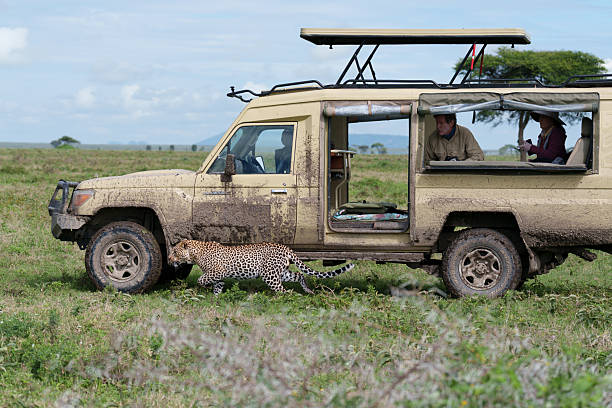
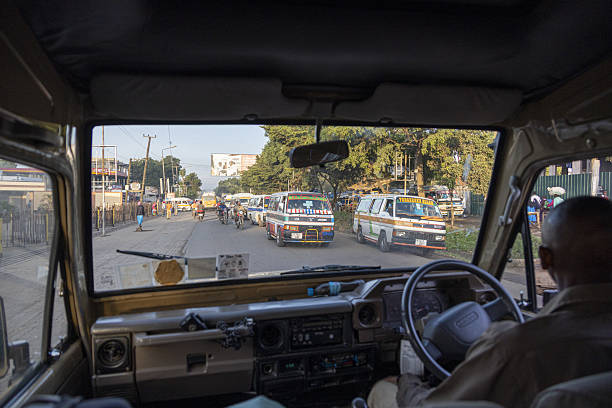
A safari adventure through Tanzania’s Northern Circuit is a dream for many wildlife enthusiasts. This classic route, often beginning near Mount Kilimanjaro in Moshi, connects some of Africa’s most iconic wildlife destinations: Tarangire National Park, Lake Manyara National Park, the vast Serengeti National Park, and the unparalleled Ngorongoro Crater. Planning a trip that encompasses the Moshi to Tarangire, Lake Manyara, Serengeti, and Ngorongoro safari requires careful consideration of logistics, timing, and what you hope to experience. This guide provides an in-depth look at crafting your perfect Tanzanian safari for 2026-2027 and beyond.
Table of Contents
- Quick Facts: Moshi to Tarangire, Lake Manyara, Serengeti, Ngorongoro Safari
- Safari Overview: The Northern Circuit Experience
- Why Choose the Moshi to Tarangire, Lake Manyara, Serengeti, Ngorongoro Safari?
- Best Time to Visit for Your Safari
- Route & Area Overview
- Sample 8-Day Moshi to Tarangire, Lake Manyara, Serengeti, Ngorongoro Safari Itinerary
- What to Expect on Your Safari
- Detailed Look at Each Park
- Typical Safari Inclusions & Exclusions
- Packing and Preparation Essentials
- Common Mistakes to Avoid
- Who is This Safari Best Suited For?
- Alternative Safari Options
- Planning Your 2026-2027 Safari
- Booking Your Safari: Expert Tips
- Frequently Asked Questions
- Ready to Plan Your Dream Safari?
Quick Facts: Moshi to Tarangire, Lake Manyara, Serengeti, Ngorongoro Safari
| Aspect | Details |
|---|---|
| Primary Start/End Point | Moshi or Arusha, Tanzania |
| Key Destinations | Tarangire, Lake Manyara, Serengeti, Ngorongoro Crater |
| Typical Duration | 5 to 10 days (longer options available) |
| Best For | First-time safari-goers, wildlife photography, diverse landscapes, iconic sightings |
| Wildlife Highlights | Big Five (lion, leopard, elephant, rhino, buffalo), wildebeest migration (seasonal), diverse birdlife, primates |
| Accommodation Types | Tented camps (luxury, mid-range, budget), lodges, mobile camps |
| Travel Style | Private vehicle with driver-guide, group tours |
| Year-Round Appeal | Each season offers unique advantages |
| Connectivity | Generally good roads between parks; internal flights optional for Serengeti |
Safari Overview: The Northern Circuit Experience
The Northern Circuit of Tanzania is arguably the most famous safari circuit in Africa, and for good reason. It offers an incredible concentration and diversity of wildlife, set against some of the continent’s most breathtaking landscapes. Beginning your journey from Moshi, a town nestled at the foot of Mount Kilimanjaro, you are well-positioned to start this iconic safari route. The typical progression involves heading towards Tarangire National Park, known for its large elephant herds and baobab trees, followed by Lake Manyara National Park, famous for its tree-climbing lions and vibrant birdlife. The adventure then continues to the legendary Serengeti National Park, a vast savannah teeming with predators and prey, and culminating in the unique ecosystem of the Ngorongoro Crater, a UNESCO World Heritage Site and home to an astonishing density of animals.
This Moshi to Tarangire, Lake Manyara, Serengeti, and Ngorongoro safari is a carefully curated journey designed to maximize wildlife viewing opportunities and showcase the distinct environments of each park. It’s a route that appeals to a wide range of travelers, from those on their first African safari to seasoned wildlife photographers seeking iconic shots. The logistical flow of the circuit is well-established, making it a reliable and rewarding choice for experiencing the best of Tanzania’s natural heritage.
Why Choose the Moshi to Tarangire, Lake Manyara, Serengeti, Ngorongoro Safari?
Selecting this particular safari route offers a compelling blend of accessibility, variety, and unparalleled wildlife encounters. Here’s why it stands out:
- Iconic Wildlife Destinations: You’re visiting parks that consistently rank among the world’s best for wildlife viewing. The Serengeti alone is home to the Great Migration and boasts one of the highest concentrations of predators on Earth.
- Diverse Landscapes: From the dry, dusty plains of Serengeti to the lush forests of Lake Manyara and the caldera floor of Ngorongoro, the scenery changes dramatically, offering a rich visual experience.
- Guaranteed Big Five Potential: While sightings are never guaranteed, this circuit offers excellent chances of spotting the Big Five (lion, leopard, elephant, rhino, buffalo) across its parks, especially within the Ngorongoro Crater.
- Accessibility from Moshi: Starting near Moshi provides a convenient gateway, especially if you’re combining your safari with a Kilimanjaro climb. It minimizes internal travel time to the initial parks.
- Well-Established Infrastructure: The Northern Circuit has a mature tourism infrastructure, meaning a wide range of accommodation options and experienced safari guides are readily available.
- Year-Round Appeal: While some seasons are better for specific events like the migration, the parks offer incredible wildlife viewing throughout the year.
- Photographer’s Paradise: The combination of abundant wildlife, dramatic landscapes, and often open plains provides endless opportunities for stunning photography.
Best Time to Visit for Your Safari
Tanzania’s Northern Circuit can be visited year-round, but the ‘best’ time depends on your priorities, particularly if you’re keen to witness the Great Wildebeest Migration. Here’s a breakdown by season:
- The Dry Season (June to October): This is widely considered the peak safari season. Skies are clear, temperatures are pleasant, and wildlife congregates around permanent water sources, making them easier to spot. This is an excellent time for game viewing across all parks. The migration is typically in the western and northern Serengeti during this period, with river crossings a major spectacle. It’s also a great time for hiking Kilimanjaro.
- The Shoulder Seasons (Late March to May & November to early December): These periods offer a good balance. The landscape is lush and green after the rains, providing beautiful backdrops. Wildlife viewing is still excellent, though some animals may be more dispersed. You’ll encounter fewer crowds and potentially lower prices. The short rains in November can bring dramatic skies, and the long rains (March-May) can make some roads challenging, but the scenery is spectacular and wildlife is abundant. The migration often moves into the southern Serengeti or makes its way north during these times.
- The Green Season (January to February): This is the calving season in the southern Serengeti, a magical time to witness newborn wildebeest and zebras. Predator activity is high as they take advantage of the vulnerable young. The landscape is incredibly green and vibrant. While there’s a chance of rain, it often comes in short, sharp showers, and game drives are still very feasible. This is also a popular time for birdwatchers.
For planning your Moshi to Tarangire, Lake Manyara, Serengeti, and Ngorongoro safari in 2026-2027, consider that June-October offers reliable game viewing and migration action, while January-February is ideal for witnessing the calving season. The shoulder months can provide a more budget-friendly and less crowded experience with still excellent wildlife opportunities.
Route & Area Overview
The Northern Circuit follows a logical geographical path, often starting from the Kilimanjaro International Airport (JRO) or Arusha, then proceeding west and north. Moshi is typically a starting point for those climbing Kilimanjaro, but safari departures are also common from there or a short transfer to Arusha, the safari hub.
Simplified Route Flow:
- Moshi/Arusha: Safari briefing and departure point.
- Tarangire National Park: South-west of Arusha. Known for elephants and baobabs.
- Lake Manyara National Park: North-west of Tarangire, near the Great Rift Valley escarpment. Famous for tree-climbing lions and birdlife.
- Serengeti National Park: Further north-west. Vast plains, migration, predators. (Access is usually via a gate from the north or west of Manyara, or by flight).
- Ngorongoro Conservation Area: South-east of Serengeti. The crater itself is the main attraction, a collapsed volcano caldera.
- Return to Moshi/Arusha: Via Karatu or directly from the crater rim.
Note: This is a generalized route. Specific daily movements depend on accommodation locations and wildlife movements.
Sample 8-Day Moshi to Tarangire, Lake Manyara, Serengeti, Ngorongoro Safari Itinerary
This sample itinerary provides a balanced experience of the key parks. Durations can be adjusted based on your interests and time.
| Day | Location | Activities | Accommodation Style |
|---|---|---|---|
| Day 1 | Moshi/Arusha to Tarangire NP | Morning departure from Moshi. Drive to Tarangire NP. Afternoon game drive. | Lodge/Tented Camp near Tarangire |
| Day 2 | Tarangire NP | Full day game drives in Tarangire, exploring its diverse ecosystems and abundant wildlife. | Lodge/Tented Camp near Tarangire |
| Day 3 | Tarangire to Lake Manyara NP | Morning game drive in Tarangire. Drive to Lake Manyara NP. Afternoon game drive. | Lodge/Tented Camp near Lake Manyara |
| Day 4 | Lake Manyara NP to Serengeti NP | Morning game drive in Lake Manyara. Drive towards Serengeti, with game viewing en route. Enter Serengeti via a central or western gate. | Tented Camp/Lodge in Central/Western Serengeti |
| Day 5 | Serengeti NP | Full day game drives in Serengeti, focusing on predator sightings and the vast plains. Optional hot air balloon safari. | Tented Camp/Lodge in Central/Western Serengeti |
| Day 6 | Serengeti NP | Morning game drive in Serengeti. Continue exploring different areas of the park. | Tented Camp/Lodge in Central/Eastern Serengeti (depending on migration) |
| Day 7 | Serengeti NP to Ngorongoro Conservation Area | Morning game drive in Serengeti. Drive towards the Ngorongoro Conservation Area, potentially stopping at Olduvai Gorge. Descend into the Ngorongoro Crater for an afternoon game drive. | Lodge/Tented Camp on Ngorongoro Crater Rim or in Karatu |
| Day 8 | Ngorongoro to Moshi/Arusha | Morning at leisure or optional Maasai village visit. Drive back to Moshi or Arusha for departure or onward travel. | N/A |
What to Expect on Your Safari
A Moshi to Tarangire, Lake Manyara, Serengeti, and Ngorongoro safari is an immersive experience. Here’s a breakdown of what to anticipate:
- Early Mornings: Most game drives start at dawn, the best time to see predators when they are most active. You’ll be woken up with coffee and then head out in your 4×4 vehicle.
- Vehicle Comfort: You’ll travel in a specially adapted 4×4 safari vehicle, typically with a pop-up roof for unobstructed viewing and photography. Most vehicles have comfortable seating and ample space.
- Expert Guides: Your driver-guide is crucial. They are trained to spot wildlife, understand animal behavior, and navigate the parks. They are also knowledgeable about local culture and conservation.
- Wildlife Sightings: While exciting, wildlife sightings are not guaranteed. Patience is key. Your guide will do their utmost to find animals, but nature dictates the encounters. The sheer abundance in these parks makes frequent sightings very likely.
- Landscape Variety: Expect dramatic changes in scenery, from acacia woodlands and savannahs to rift valley escarpments and the unique crater floor.
- Accommodation: Options range from rustic but comfortable tented camps that offer a close-to-nature feel, to luxurious lodges with swimming pools and fine dining.
- Meals: Meals are typically provided at your lodge or camp. Packed lunches are common for full-day game drives. Expect hearty, often buffet-style meals.
- Dust and Sun: Safari environments can be dusty and sunny. Be prepared for this with appropriate clothing and sun protection.
- Connectivity: Mobile phone reception can be spotty in national parks. Wi-Fi is usually available at lodges but can be slow or limited. Embrace the disconnect.
- Nocturnal Animals: Most game drives are during daylight hours. To see nocturnal animals, you would need to arrange a night drive where permitted (often not inside the main national parks but in conservancies or Ngorongoro).
Detailed Look at Each Park
Each destination on this circuit offers something unique:
Tarangire National Park
Often the first stop after Arusha/Moshi, Tarangire is famed for its massive elephant herds, especially during the dry season when they congregate around the Tarangire River. The park is also dotted with iconic baobab trees, creating a distinctive landscape. You can expect to see lions, leopards, cheetahs, various antelope species, zebras, and giraffes. Birdlife is also exceptionally rich.
Lake Manyara National Park
This relatively small park packs a punch. It’s best known for its elusive tree-climbing lions, though spotting them requires luck. The park’s shallow, alkaline lake attracts a huge variety of water birds, including flamingos (seasonal), pelicans, and storks. The dense groundwater forest provides habitat for monkeys, baboons, elephants, and hippos. The dramatic backdrop of the Great Rift Valley escarpment adds to its beauty.
Serengeti National Park
The name ‘Serengeti’ means ‘endless plains’ in the Maasai language, and it truly lives up to its name. This vast ecosystem is synonymous with the Great Wildebeest Migration, where millions of wildebeest, zebras, and gazelles traverse the plains in search of fresh grazing. It’s also a prime location for spotting predators like lions, leopards, cheetahs, and hyenas. The sheer scale and density of wildlife here are astounding. Depending on the time of year, you might explore the central Seronera Valley (good year-round), the western corridor (migration river crossings), or the northern Serengeti (migration river crossings).
Ngorongoro Conservation Area & Crater
The Ngorongoro Crater is a UNESCO World Heritage Site and one of the most spectacular natural amphitheatres in the world. This collapsed volcano caldera is home to an astonishing density of wildlife, including the Big Five, with a particularly good chance of seeing the endangered black rhino. The crater floor is a self-contained ecosystem with grasslands, swamps, forests, and a lake. Due to its protected status and limited number of vehicles allowed on the floor per day, it offers an incredible, albeit sometimes crowded, wildlife viewing experience. You will spend most of your time on the crater floor, with accommodation usually located on the rim or in nearby Karatu.
Typical Safari Inclusions & Exclusions
Understanding what’s included in your safari package is crucial for budgeting and avoiding surprises. While packages vary, here’s a general guide:
| Common Inclusions | Common Exclusions |
|---|---|
| Park entrance fees | International flights |
| Accommodation during safari | Visa fees |
| All meals (breakfast, lunch, dinner) as per itinerary | Travel insurance |
| Game drives in a 4×4 safari vehicle | Gratuities for driver-guide and lodge staff |
| Professional, English-speaking driver-guide | Drinks (alcoholic and soft drinks) |
| Bottled water in the vehicle | Optional activities (e.g., hot air balloon safari, Maasai village visits) |
| Crater service fee (for Ngorongoro) | Personal expenses (souvenirs, laundry, tips) |
| Airport transfers to/from safari start point | Vaccinations and medications |
| Ngorongoro Crater descent fee | Pre/post-safari accommodation (if not specified) |
Packing and Preparation Essentials
Proper preparation ensures a comfortable and enjoyable safari. Here’s a packing list and preparation advice:
Clothing:
- Neutral-colored clothing: Khaki, beige, light brown, or green are best to blend with the environment. Avoid bright colors and dark blue/black (can attract tsetse flies).
- Lightweight long-sleeved shirts and trousers: For sun protection and insect repellent.
- T-shirts and shorts: For warmer days.
- Fleece jacket or warm sweater: Evenings and early mornings can be cool, especially at higher altitudes like Ngorongoro.
- Rain jacket or poncho: Essential during the wet seasons, useful even in dry seasons for unexpected showers.
- Comfortable walking shoes/boots: For around camps and lodges.
- Sandals or flip-flops: For relaxing.
- Hat: Wide-brimmed for sun protection.
- Scarf or bandana: For dust protection.
Gear & Accessories:
- Sunscreen: High SPF.
- Insect repellent: With DEET.
- Sunglasses.
- Camera and extra batteries/memory cards: A zoom lens is highly recommended.
- Binoculars: Essential for spotting distant wildlife.
- Adapter for electronics: Tanzania uses Type G (UK) sockets, 230V.
- Headlamp or flashlight: Useful for navigating camps at night.
- Small backpack or daypack: For carrying essentials on game drives.
- Water bottle: Reusable if possible.
- Personal first-aid kit: With any personal medications.
- Hand sanitizer.
- Wet wipes.
- Travel-sized toiletries.
Documents & Money:
- Passport: With at least six months’ validity and blank pages.
- Visa: Obtainable online or on arrival (check current requirements).
- Yellow fever vaccination certificate: May be required.
- Travel insurance details.
- Credit cards and some US dollars in cash: For tips, souvenirs, and personal expenses. Ensure dollar bills are new (2009 or later).
Preparation:
- Consult your doctor: Discuss necessary vaccinations (e.g., Yellow Fever, Hepatitis A, Typhoid) and malaria prophylaxis.
- Book in advance: Especially for peak seasons 2026-2027.
- Inform your tour operator: Of any dietary requirements or medical conditions.
- Pack light: Luggage is often restricted on internal flights, and space in safari vehicles is limited. Soft duffel bags are preferred over hard suitcases.
Common Mistakes to Avoid
To ensure your Moshi to Tarangire, Lake Manyara, Serengeti, and Ngorongoro safari is smooth and memorable, steer clear of these common pitfalls:
- Booking too late: Especially for peak seasons (June-October, January-February) and popular lodges or specific migration viewing areas, accommodation and prime safari slots fill up quickly. Plan your 2026-2027 safari well in advance.
- Underestimating travel times: Distances in Tanzania can be long, and road conditions can vary. Factor in travel time between parks; it’s often part of the safari experience with game viewing en route.
- Not packing appropriately: Forgetting neutral colors, warm layers, or essential sun/insect protection can significantly impact comfort.
- Expecting guaranteed sightings: While this route offers high chances, wildlife is wild. Be patient and appreciate every sighting.
- Ignoring the importance of the guide: Your driver-guide is your window to the wilderness. Choose a reputable operator with experienced guides.
- Overpacking: Soft duffel bags are essential for most safari vehicles and internal flights. Excess luggage can be a problem.
- Not budgeting for extras: Factor in tips, drinks, souvenirs, and optional activities, as these are rarely included.
- Choosing the wrong season for your interests: If seeing the migration river crossings is paramount, plan for July-September. If you want to see the calving season, aim for January-February.
- Rushing the itinerary: A shorter safari might seem cost-effective but can feel rushed. Allow adequate time in each park to truly experience it. A 7-8 day itinerary is a good minimum for this circuit.
- Not clarifying inclusions/exclusions: Double-check what your package covers to avoid unexpected costs.
Who is This Safari Best Suited For?
The Moshi to Tarangire, Lake Manyara, Serengeti, and Ngorongoro safari is a versatile choice that appeals to a broad spectrum of travelers:
- First-Time Safari Goers: It offers a classic and comprehensive introduction to African wildlife, with high chances of seeing iconic animals and experiencing diverse landscapes.
- Wildlife Enthusiasts & Photographers: The sheer density and variety of animals, combined with the dramatic scenery, make it a dream destination for capturing incredible images and observing animal behavior.
- Families: With a range of accommodation options and the educational value of seeing wildlife up close, this safari can be a rewarding family adventure.
- Couples & Honeymooners: Many lodges and camps offer romantic settings, private experiences, and luxurious amenities.
- Adventure Seekers: While not extreme adventure, the thrill of spotting a leopard or witnessing a migration is an adventure in itself. Options like hot air balloon safaris add an extra layer of excitement.
- Travelers Combining with Kilimanjaro: Starting near Moshi makes this safari a natural extension for those who have climbed or plan to climb Mount Kilimanjaro.
- Those Seeking the “Big Five”: This circuit provides some of the best opportunities in Africa to see all five iconic species.
Alternative Safari Options
While the Northern Circuit is outstanding, Tanzania offers other incredible safari experiences, and neighbouring countries have their own unique offerings:
- Southern Tanzania Circuit (Ruaha & Selous): For a wilder, less crowded experience, consider parks like Ruaha National Park (known for its large elephant and predator populations) and the vast Selous Game Reserve (now Nyerere National Park, famous for boat safaris and wild dogs). This circuit is best visited during the dry season.
- Western Tanzania (Gombe & Mahale): If your primary interest is chimpanzee trekking, Gombe Stream National Park and Mahale Mountains National Park offer unparalleled opportunities to see these fascinating primates in their natural habitat. These parks require more logistical planning, often involving flights.
- Kenya’s Northern Circuit (Masai Mara): Neighboring Kenya’s Masai Mara National Reserve offers a similar ecosystem to the Serengeti, especially during the migration. It’s a fantastic alternative or addition if you have more time.
- Botswana’s Okavango Delta: For a more exclusive and high-end safari experience, the Okavango Delta offers unique water-based safaris and exceptional wildlife viewing, often at a higher price point.
- Other East African Destinations: Uganda offers excellent gorilla trekking and chimpanzee viewing. Rwanda is also renowned for gorilla trekking.
When considering alternatives, think about your primary wildlife interests (e.g., primates vs. large mammals), your budget, and the level of crowds you are comfortable with. The Moshi to Tarangire, Lake Manyara, Serengeti, and Ngorongoro safari remains the most popular for a reason – its comprehensive wildlife diversity and iconic status.
Planning Your 2026-2027 Safari
Planning a safari for 2026-2027 requires foresight. Here are key considerations:
- Book Early: As mentioned, popular lodges and safari slots, especially for the peak dry season (June-October) and the calving season (Jan-Feb), get booked up 9-12 months in advance. For 2026-2027, start your research and booking process now.
- Choose Your Operator Wisely: Select a reputable tour operator with strong local knowledge, good reviews, and clear communication. Look for operators who prioritize sustainability and responsible tourism.
- Define Your Budget: Safaris range from budget-friendly camping trips to ultra-luxury lodge experiences. Knowing your budget will help narrow down accommodation and itinerary options. The Northern Circuit can be more expensive than other regions due to park fees and logistics.
- Consider the Migration: If witnessing the Great Wildebeest Migration is a priority, research its typical location for your chosen travel dates in 2026-2027. This will influence where you stay in the Serengeti and the timing of your visit.
- Accommodation Style: Decide between lodges (permanent structures with amenities) and tented camps (canvas structures offering a closer-to-nature feel, ranging from basic to luxury). Mobile camps follow the migration and offer an authentic experience.
- Vehicle Type: Most operators use custom-built 4×4 Land Cruisers or Land Rovers. Ensure your vehicle has a pop-up roof for game viewing.
- Duration: A minimum of 5 days is recommended for a taste of the circuit, but 7-10 days allows for a more relaxed pace and deeper exploration of the Serengeti and Ngorongoro.
- Internal Flights: While driving is standard, consider internal flights (e.g., from Arusha to the Serengeti) to save time, especially on shorter trips. This adds to the cost but can maximize wildlife viewing time.
- Travel Insurance: Ensure your policy covers safari activities, medical emergencies, and trip cancellation.
Booking Your Safari: Expert Tips
Securing your dream Moshi to Tarangire, Lake Manyara, Serengeti, and Ngorongoro safari is a significant step. Here’s how to approach booking:
- Research Reputable Operators: Look for companies with years of experience in Tanzania, positive testimonials, and clear, transparent pricing. Local operators often offer better value and deeper insights.
- Get Detailed Quotes: Request detailed itineraries and quotes from 2-3 operators. Compare inclusions, accommodation standards, vehicle quality, and guide experience.
- Ask Questions: Don’t hesitate to ask about everything – the type of vehicle, the guide’s experience, the food, the camp’s amenities, cancellation policies, and payment terms.
- Understand Payment Schedules: Most operators require a deposit (often 30-50%) upon booking and the balance payment closer to the departure date. Confirm these terms.
- Read the Contract Carefully: Pay attention to cancellation policies, what happens in case of unforeseen circumstances (like flight delays or illness), and the terms of service.
- Confirm Accommodation: If you have specific lodges or camps in mind, confirm their availability and ensure they are included in your quote.
- Consider a Custom Itinerary: While standard itineraries are excellent, a custom trip can be tailored to your specific interests, pace, and budget.
- Travel Insurance is Non-Negotiable: Purchase comprehensive travel insurance as soon as you book your safari.
- Confirm Entry Requirements: Stay updated on visa requirements and recommended vaccinations for Tanzania for your travel year, whether it’s 2026 or 2027.
Ready to start planning your unforgettable Moshi to Tarangire, Lake Manyara, Serengeti, and Ngorongoro safari? Contact us for expert advice and a personalized itinerary.
WhatsApp: +255616946642
Email: topguideadventures@gmail.com
Backup Email: info@topguideadventures.com
Frequently Asked Questions
Q1: How long should my Moshi to Tarangire, Lake Manyara, Serengeti, Ngorongoro safari be?
For a comprehensive experience of the Northern Circuit, a minimum of 7 days is recommended. This allows for at least two full days in the Serengeti and one day each in Tarangire, Lake Manyara, and Ngorongoro Crater, plus travel time. Longer trips (8-10 days) offer a more relaxed pace and deeper exploration.
Q2: Is it possible to see the Great Migration on this route?
Yes, the Serengeti is the stage for the Great Wildebeest Migration. Its location varies throughout the year. For example, July to September is prime time for river crossings in the northern Serengeti. Planning your safari for 2026 or 2027 with this in mind will maximize your chances.
Q3: What is the best accommodation type for this safari?
Accommodation ranges from budget-friendly campsites to mid-range lodges and luxury tented camps. The choice depends on your budget and preferred comfort level. Tented camps offer a more immersive experience, while lodges provide more amenities.
Q4: Can I customize this safari itinerary?
Absolutely. Most reputable tour operators, including us, specialize in creating custom itineraries. You can adjust the duration, choose specific lodges, add optional activities, or focus more time on certain parks.
Q5: What is the difference between Ngorongoro Crater and Ngorongoro Conservation Area?
The Ngorongoro Conservation Area (NCA) is a large protected region that includes the Ngorongoro Crater. The Crater itself is a unique ecosystem within the NCA, and game drives are primarily conducted on its floor. The NCA also allows for Maasai cultural visits, which are not permitted inside national parks.
Q6: What are the visa and vaccination requirements for Tanzania?
Most nationalities require a visa for Tanzania, which can often be obtained online or on arrival. A Yellow Fever vaccination certificate may be required, especially if arriving from a country with a risk of transmission. Consult your doctor for other recommended vaccinations and malaria prophylaxis. Requirements can change, so always check official government sources before your 2026-2027 travel.
Q7: How much should I tip my safari guide?
Tipping is customary and appreciated. A general guideline for a private safari is around $20-30 USD per day for the driver-guide. For lodge staff, a collective tip of $10-15 USD per guest per day is common. Your tour operator can provide more specific recommendations.
Q8: Are there any risks of malaria on this safari?
Malaria is present in Tanzania. It’s recommended to consult your doctor about taking anti-malarial medication. Additionally, using insect repellent, wearing long sleeves and trousers at dusk and dawn, and staying in well-screened accommodation will help prevent mosquito bites.
Q9: What is the typical vehicle used for this safari?
The standard vehicle for Northern Circuit safaris is a 4×4 Land Cruiser or Land Rover, specifically adapted for safari use. They feature a pop-up roof for optimal game viewing and photography, comfortable seating, and ample space for luggage.
Q10: Is it safe to travel to Tanzania for a safari?
Tanzania is a very safe country for tourists, especially within the organized safari framework. Reputable tour operators prioritize client safety, and park rangers are present in all protected areas. Following your guide’s instructions and general travel safety precautions will ensure a secure trip.
Ready to Plan Your Dream Safari?
Your Moshi to Tarangire, Lake Manyara, Serengeti, and Ngorongoro safari adventure awaits. Let us help you craft an unforgettable journey through Tanzania’s most iconic wildlife destinations. Whether you are planning for 2026-2027 or a future year, our expert team is ready to assist.
Contact us today for a personalized itinerary and quote:
WhatsApp: +255616946642
Email: topguideadventures@gmail.com
Backup Email: info@topguideadventures.com
Plan your Moshi to Tarangire, Lake Manyara, Serengeti and Ngorongoro Safari with Top Guide Adventures
Tell us your travel dates, group size, comfort level, and dream experience. We will help you shape a clear, realistic, and memorable Tanzania itinerary.







 Veedesigner
 Fatma Kizanga
 Benjamin Waryuba
 Philip Philip
 John jr Itaja
 Antonia Optatus
 Edith Kanyere
 Neema Iddy
 Kelvin Boniphace
 Damari Maiga



