
Updated planning guide for 2026, 2027-2028
Magical July Kilimanjaro Full Moon Climb: Expert Trekking Guide 2026-2027-2028
Discover the enchantment of a Kilimanjaro full moon climb in July. This comprehensive guide covers everything you need to know for an unforgettable 2026-2027 adventure, from choosing the best route to packing essentials and understanding the unique magic of a lunar ascent.
WhatsApp +255616946642 | topguideadventures@gmail.com | info@topguideadventures.com
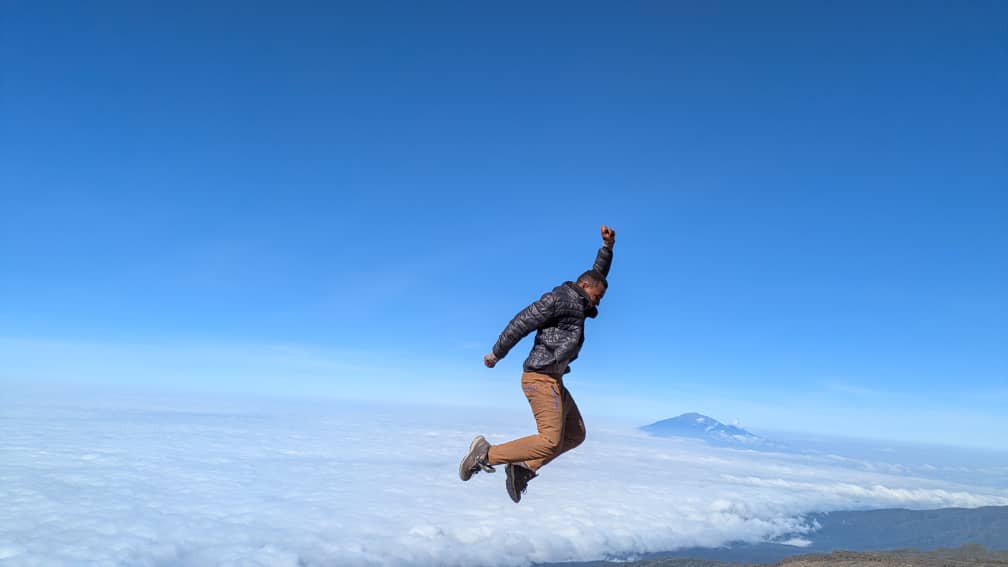

The allure of Mount Kilimanjaro, Africa’s highest peak, is undeniable. For many, the dream involves standing at Uhuru Peak, the continent’s rooftop, as the sun rises. But for a select few, the ultimate experience is witnessing this moment under the ethereal glow of a full moon. A magical July Kilimanjaro full moon climb offers an unparalleled connection with nature and the cosmos, combining the challenge of high-altitude trekking with the serene beauty of a lunar landscape. July presents an ideal window for such an expedition, boasting dry weather and cooler temperatures, making it a prime month for climbers seeking both favorable conditions and the extraordinary spectacle of a full moon illuminating the mountain.
This guide is crafted to provide you with all the essential information for planning your 2026 or 2027 Kilimanjaro full moon adventure. We’ll explore the specific advantages of a July climb, discuss the best routes for a full moon ascent, detail preparation requirements, and offer practical advice to ensure your journey is as safe and memorable as possible. Whether you’re an experienced trekker or a first-time high-altitude adventurer, understanding the nuances of a full moon climb, especially during the favorable conditions of July, is key to a successful summit.
Quick Facts: July Kilimanjaro Full Moon Climb
| Aspect | Details |
|---|---|
| Mountain | Mount Kilimanjaro, Tanzania |
| Elevation | 5,895 meters (19,341 feet) |
| Target Keyword Focus | Magical July Kilimanjaro Full Moon Climb |
| Best Month for Full Moon Climb | July (due to dry season and full moon timing) |
| Key Benefits of July Climb | Dry weather, cooler temperatures, clear skies, reduced mud, excellent visibility. |
| Full Moon Experience | Enhanced visibility on summit night, unique lunar ambiance, stunning photographic opportunities. |
| Typical Climb Duration | 6 to 9 days (depending on route) |
| Difficulty | Challenging, requires good physical fitness and acclimatization. |
| Key Preparation | Physical training, altitude acclimatization strategy, proper gear, mental readiness. |
| Planning Horizon | Book 6-12 months in advance for specific full moon dates in 2026-2027. |
Understanding the Magic of a July Full Moon Climb
Climbing Mount Kilimanjaro is an achievement for any adventurer. Adding the element of a full moon to your ascent elevates the experience from a physical challenge to a truly spiritual journey. The amplified light on summit night transforms the familiar landscape into something otherworldly. Imagine traversing the rocky scree slopes leading to Uhuru Peak, with the vast African plains illuminated below and the moon casting long, dramatic shadows. This is not just a trek; it’s an encounter with the raw beauty of the planet under celestial guidance.
A magical July Kilimanjaro full moon climb capitalizes on the mountain’s most favorable weather conditions. July falls squarely within Kilimanjaro’s dry season, which typically runs from June to October. During these months, precipitation is minimal, meaning clearer trails, fewer muddy sections, and a significantly higher chance of clear skies for your summit attempt. The cooler temperatures of July also make the strenuous climb more manageable, especially during the demanding summit night. The combination of good weather and the unique spectacle of a full moon makes this period exceptionally sought after by trekkers aiming for an unforgettable experience.
Why July is Perfect for a Full Moon Kilimanjaro Trek
July is consistently ranked as one of the best months to climb Kilimanjaro, and this holds especially true for those dreaming of a full moon ascent. Here’s why July stands out:
- Dry Season Advantage: July is part of Kilimanjaro’s longest dry season. This means you can expect sunny days and significantly less rainfall. The trails are generally in better condition, reducing the risk of slippery or muddy paths, which is particularly beneficial on the steep sections of summit night.
- Clear Skies: Dry weather often correlates with clearer skies. While mountain weather is always unpredictable, July offers a higher probability of unobstructed views of the stars, the moon, and the sunrise from the summit.
- Cooler Temperatures: While Kilimanjaro is never tropical, July’s temperatures are cooler than the preceding months. This can be a double-edged sword; while daytime hiking is pleasant, summit night will be cold. However, the cooler ambient temperatures can make the exertion of climbing more bearable, and the cold is a known factor that climbers can prepare for with appropriate gear.
- Reduced Mud and Erosion: The lack of rain means the trails are less prone to mud and erosion. This makes for a more comfortable and safer trek, especially on steeper ascents and descents.
- Peak Season Demand: While July is popular, it’s generally less crowded than the absolute peak months of January-February or August-September. This can lead to a slightly more serene experience on the mountain, though popular routes will still be busy.
- Full Moon Timing: Crucially, the full moon cycle aligns favorably with July in many years, making it a prime candidate for planning a full moon climb. Aligning your trek with a specific full moon date is the key to achieving this goal.
Full Moon Dates for Kilimanjaro Climbs (2026-2027)
To plan your magical July Kilimanjaro full moon climb, you need to align your trek dates with the full moon. Here are the approximate full moon dates for July in the coming years. It’s important to note that exact trekking dates should be confirmed with your tour operator, as summit night is typically planned to occur on or around the full moon, considering acclimatization and route logistics.
| Year | July Full Moon Date (Approximate) | Ideal Summit Window (Approximate) |
|---|---|---|
| 2026 | July 3rd | July 1st – July 5th |
| 2027 | July 22nd | July 20th – July 24th |
| 2028 | July 11th | July 9th – July 13th |
Note: These dates are for general planning. The exact summit day will be determined by your chosen route’s itinerary and your acclimatization progress. It’s best to book your trip with a reputable operator like Top Guide Adventures Tanzania, who can help you align your climb with the lunar cycle. Contact us via WhatsApp at +255616946642 or email topguideadventures@gmail.com to discuss your specific dates for 2026-2027.
Choosing the Best Kilimanjaro Route for a Full Moon Ascent
Not all Kilimanjaro routes are equally suited for a full moon climb. The best routes offer a good acclimatization profile, sufficient duration, and allow for a summit attempt that coincides with the full moon. Here are the top contenders:
- Lemosho Route: Often considered the most scenic route, Lemosho is ideal for full moon climbs due to its longer duration (7-8 days). This extended time allows for better acclimatization, increasing your chances of summit success. It approaches Kilimanjaro from the west, offering stunning panoramic views. The gradual ascent profile is excellent for acclimatization.
- Machame Route: Known as the “Whiskey Route,” Machame is another popular choice, also offering a 7-day option that provides good acclimatization. It’s a challenging but rewarding trek with diverse scenery. It also approaches from the west and converges with Lemosho. For those seeking group departures, the Machame route is often available. Check Machame Route Kilimanjaro Group Departures for available dates.
- Northern Circuit: This is the longest route (9 days) and offers the highest acclimatization success rate. It circles the mountain, providing a comprehensive view of Kilimanjaro’s diverse landscapes. While longer, it is arguably the best for acclimatization, making it a strong candidate for a challenging full moon summit.
- Marangu Route: While the shortest and most direct, Marangu (the “Coca-Cola” route) is generally not recommended for full moon climbs. Its rapid ascent profile offers poor acclimatization, and the hut accommodation can feel less immersive than camping. Its popularity also means it can be crowded.
For a magical July Kilimanjaro full moon climb, prioritizing routes with longer durations (7 days or more) is crucial. These routes facilitate better acclimatization, which is paramount for summit success, especially when dealing with the added challenges of a night-time ascent under the moon.
Detailed Route Overviews for Full Moon Climbs
Let’s look closer at the recommended routes for a full moon climb, highlighting their suitability for a July ascent.
Lemosho Route (7-8 Days)
The Lemosho route is a favorite for many trekkers, including those aiming for a full moon experience. Its gradual ascent and longer duration are key advantages.
| Day | Start Point | End Point | Elevation Gain | Notes |
|---|---|---|---|---|
| 1 | Moshi | Londorossi Gate / Forest Camp | ~2360m | Park entry, initial trek through rainforest. |
| 2 | Forest Camp | Shira 1 Camp | ~3600m | Ascent into moorland, good acclimatization. |
| 3 | Shira 1 Camp | Shira 2 Camp / Barranco Camp | ~3950m | Traversing the Shira Plateau. |
| 4 | Shira 2 Camp / Barranco Camp | Karanga Camp | ~3990m | Climb over the Lava Tower, descent to Karanga. |
| 5 | Karanga Camp | Barafu Camp | ~4670m | Ascent to Barafu, preparation for summit. |
| 6 | Barafu Camp | Uhuru Peak & Mweka Camp | ~5895m (summit) then descent | Summit night! Depart midnight, reach peak at sunrise. Descend to Mweka. |
| 7 | Mweka Camp | Mweka Gate / Moshi | ~1640m | Final descent and celebration. |
| 8 (Optional) | Additional acclimatization day | Often added between Day 3 and 4. | Increases success rate. | Highly recommended for full moon climbs. |
Machame Route (7 Days)
The Machame route is popular for its excellent acclimatization profile and dramatic scenery. It’s a great option for group treks and full moon expeditions.
| Day | Start Point | End Point | Elevation Gain | Notes |
|---|---|---|---|---|
| 1 | Moshi | Machame Gate / Machame Camp | ~3000m | Entry via Machame Gate, trek through rainforest. |
| 2 | Machame Camp | Shira Camp | ~3850m | Ascent into moorland, good acclimatization. |
| 3 | Shira Camp | Barranco Camp | ~3970m | Traverse towards Barranco Wall. |
| 4 | Barranco Camp | Karanga Camp | ~4030m | Climb the Barranco Wall (a highlight). |
| 5 | Karanga Camp | Barafu Camp | ~4670m | Ascent to Barafu, preparation for summit. |
| 6 | Barafu Camp | Uhuru Peak & Mweka Camp | ~5895m (summit) then descent | Summit night! Depart midnight, reach peak at sunrise. Descend to Mweka. |
| 7 | Mweka Camp | Mweka Gate / Moshi | ~1640m | Final descent and celebration. |
Northern Circuit (9 Days)
The longest route, offering the best acclimatization and a unique perspective of Kilimanjaro.
| Day | Start Point | End Point | Elevation Gain | Notes |
|---|---|---|---|---|
| 1 | Moshi | Lemosho Gate / Big Tree Camp | ~2750m | Start via Lemosho Gate, rainforest trek. |
| 2 | Big Tree Camp | Shira 2 Camp | ~3850m | Ascend to Shira Plateau. |
| 3 | Shira 2 Camp | Lava Tower / Moir Hut | ~4400m | Acclimatization to higher altitude. |
| 4 | Moir Hut | Lava Tower / Barranco Camp | ~3950m | Traverse north, descend to Barranco. |
| 5 | Barranco Camp | Karanga Camp | ~4030m | Climb the Barranco Wall. |
| 6 | Karanga Camp | Barafu Camp | ~4670m | Ascent to Barafu. |
| 7 | Barafu Camp | Uhuru Peak & Kosovo Camp | ~5895m (summit) then descent | Summit attempt, then descend to Kosovo Camp for rest. |
| 8 | Kosovo Camp | Mweka Camp | ~3100m | Descend from Kosovo, passing Barafu. |
| 9 | Mweka Camp | Mweka Gate / Moshi | ~1640m | Final descent and celebration. |
What to Expect on Your Full Moon Kilimanjaro Climb
A magical July Kilimanjaro full moon climb is an extraordinary undertaking. Here’s a breakdown of what you can anticipate:
- The Environment: July offers dry, cool conditions. Daytime temperatures are pleasant, often in the range of 15-25°C (59-77°F) at lower altitudes, dropping significantly as you ascend. Summit night will be very cold, potentially -10°C to -20°C (14°F to -4°F) with wind chill. The landscape transitions from lush rainforest to alpine desert and finally to arctic conditions near the summit.
- The Trails: In July, trails are generally firm and less muddy than during the rainy seasons. However, higher up, scree slopes (loose gravel) are common, especially on the final ascent to Uhuru Peak.
- Crowds: July is part of the dry season, making it a popular time to climb. You will encounter other trekkers on the mountain, especially on the more popular routes. However, it’s generally less crowded than August or September.
- The Full Moon Effect: The most significant difference is summit night. The moon provides ample light, often bright enough to trek without a headlamp for much of the night. This illumination creates dramatic shadows and highlights the stark beauty of the volcanic landscape. It can feel more serene and magical than a headlamp-lit trek.
- Altitude: Kilimanjaro is a high-altitude mountain. Altitude sickness (Acute Mountain Sickness – AMS) is a real risk. Proper acclimatization, hydration, and slow ascent are critical. Symptoms can include headache, nausea, dizziness, and fatigue. Listen to your body and your guide.
- The Guides and Crew: You will be accompanied by experienced local guides, porters, and cooks. They are essential for your safety, comfort, and success. They will carry your gear, set up camp, prepare meals, and monitor your health.
- Accommodation: Most routes (except Marangu) involve camping. Tents are typically two-person, and you’ll have a mess tent for dining. Marangu uses huts.
The Summit Night Experience Under the Full Moon
Summit night is the most challenging and rewarding part of any Kilimanjaro climb. For a magical July Kilimanjaro full moon climb, it takes on an extraordinary dimension:
- Departure Time: You’ll typically start your ascent from Barafu Camp (or Kosovo Camp on the Northern Circuit) around midnight. This timing is crucial for reaching Stella Point and then Uhuru Peak by sunrise.
- The Ascent: The climb is steep and slow. You’ll navigate switchbacks on scree and rock. The full moon provides a surreal, almost dreamlike quality to the landscape. The silence, broken only by the crunch of your boots and your breathing, is profound.
- Visibility: The moonlight can be so bright that you may not need your headlamp for much of the climb. This allows you to appreciate the vastness of the star-filled sky above and the twinkling lights of towns far below. The moon itself will be a prominent, awe-inspiring presence.
- Temperature: Be prepared for extreme cold. Temperatures can plummet to -20°C (-4°F) or lower with wind chill, especially at the summit. Layering is key.
- Reaching the Summit: Stella Point (5,756m / 18,885ft) is the first crater rim point, usually reached around 5:30-6:30 AM. From there, it’s another hour’s walk along the crater rim to Uhuru Peak (5,895m / 19,341ft), the highest point in Africa. Witnessing the sunrise from Uhuru Peak, with the full moon still visible or setting, is an unforgettable moment.
- Descent: The descent is steep and can be hard on the knees. You’ll descend back to Barafu Camp for a brief rest and then continue further down to Mweka Camp. The full moon might still illuminate your path for a portion of the descent.
The Importance of Acclimatization for Full Moon Treks
Acclimatization is the single most critical factor for a successful Kilimanjaro climb, especially for a full moon ascent that involves a challenging night-time summit push. Altitude sickness is a serious condition that can prevent you from reaching the summit or, in severe cases, pose a health risk.
- “Pole Pole” (Slowly, Slowly): This Swahili phrase is the mantra for Kilimanjaro. Ascending gradually allows your body time to adjust to the lower oxygen levels at higher altitudes.
- Longer Routes: As mentioned, routes like Lemosho, Machame (7-day), and especially the Northern Circuit (9-day) offer better acclimatization profiles due to their longer duration and the “climb high, sleep low” principle.
- Hydration: Drink plenty of water (3-4 liters per day). This helps your body acclimatize and combats the effects of dehydration, which can mimic altitude sickness symptoms.
- Avoid Alcohol and Smoking: These substances hinder acclimatization.
- Listen to Your Body: Be honest about how you feel. Report any symptoms of altitude sickness to your guide immediately. They are trained to assess and manage these conditions.
- Medication: Your doctor might prescribe Diamox (acetazolamide) to aid acclimatization. Discuss this with them well in advance of your trip.
For a full moon climb, where summit night is demanding, robust acclimatization is non-negotiable. Choosing a longer route and a reputable operator who prioritizes acclimatization protocols is paramount for your safety and success in 2026 or 2027.
Essential Packing List for a July Kilimanjaro Climb
Proper gear is vital for comfort and safety, especially during a July climb when temperatures fluctuate dramatically. Layering is key.
Clothing
- Base Layers: Moisture-wicking thermal tops and bottoms (synthetic or merino wool). Several sets.
- Mid Layers: Fleece jackets or sweaters for warmth.
- Insulation Layer: A warm down or synthetic insulated jacket (puffy jacket). Essential for summit night.
- Outer Shell: Waterproof and windproof jacket and trousers (Gore-Tex or similar).
- Trekking Trousers: Lightweight, quick-drying trousers (2-3 pairs). Avoid jeans.
- Hiking Shirts: Long-sleeved and short-sleeved moisture-wicking shirts (3-4).
- Headwear: Warm woolen hat or beanie (covers ears), sun hat with a wide brim, balaclava or neck gaiter for cold protection.
- Gloves: Warm, waterproof outer gloves and thin liner gloves.
- Socks: Wool or synthetic hiking socks (several pairs), plus liner socks to prevent blisters.
Footwear
- Hiking Boots: Broken-in, waterproof, sturdy hiking boots with good ankle support.
- Camp Shoes: Comfortable trainers or sandals for evenings at camp.
Gear
- Backpack: A comfortable daypack (30-40 liters) for essentials you carry daily.
- Duffel Bag: A large, waterproof duffel bag (80-100 liters) for porters to carry.
- Sleeping Bag: Rated to at least -15°C (0°F) or lower. Consider renting one.
- Sleeping Bag Liner: Adds warmth and keeps your bag clean.
- Trekking Poles: Highly recommended for stability and reducing knee strain, especially on descents.
- Headlamp: With extra batteries. Essential for summit night.
- Water Bottles/Hydration Reservoir: At least 3 liters capacity. Insulated covers are useful in cold weather.
- Sunglasses: High UV protection.
- Sunscreen: High SPF.
- Lip Balm: With SPF.
- Personal First-Aid Kit: Include blister treatment, pain relievers, any personal medications.
- Toiletries: Biodegradable soap, toothbrush, toothpaste, wet wipes, hand sanitizer.
- Camera: With extra batteries and memory cards.
- Snacks: High-energy snacks like nuts, dried fruit, energy bars.
- Small Towel: Quick-drying.
- Passport, Visa, Permits: Keep these secure.
- Cash: For tips and souvenirs.
Physical and Mental Preparation
A magical July Kilimanjaro full moon climb demands more than just packing the right gear. Robust preparation is key.
Physical Training
- Cardiovascular Fitness: Focus on activities like hiking (with a weighted backpack), running, cycling, and swimming. Aim for at least 3-4 sessions per week for several months leading up to your climb.
- Strength Training: Strengthen your legs (squats, lunges) and core. This will help with carrying your daypack and navigating steep terrain.
- Hiking Practice: The most crucial training is hiking, ideally on varied terrain and with significant elevation gain. Practice with the boots and backpack you intend to use.
- Simulate Conditions: If possible, train in cold weather to get used to layering and moving in bulky clothing.
Mental Preparation
- Understand the Challenge: Kilimanjaro is not a walk in the park. Be prepared for long days, cold temperatures, and altitude effects.
- Positive Mindset: A positive attitude is invaluable. Focus on the experience, the stunning scenery, and the accomplishment.
- Patience and Persistence: Summit night is a test of endurance and willpower. “Pole pole” applies to your mental approach too – take it one step at a time.
- Trust Your Guides: Your guides are experienced professionals. Trust their judgment regarding pace, rest, and your health.
- Visualize Success: Imagine yourself standing on Uhuru Peak, celebrating your achievement.
Common Mistakes to Avoid on a Full Moon Climb
Many trekkers make avoidable errors that can impact their experience or success. Be aware of these:
- Inadequate Acclimatization: Rushing the climb or choosing a short route is the most common cause of altitude sickness and failed summit attempts. Always prioritize longer routes for better acclimatization.
- Poor Gear Choices: Not investing in or renting quality, waterproof gear, especially for summit night, can lead to hypothermia or severe discomfort. This includes ill-fitting boots or insufficient warm layers.
- Dehydration: Underestimating the importance of drinking enough water is a critical mistake. Dehydration exacerbates altitude sickness.
- Going Too Fast: Ignoring the “pole pole” mantra and pushing too hard, especially on summit night, leads to exhaustion and increases the risk of AMS.
- Ignoring Symptoms: Believing that symptoms of altitude sickness will just pass can be dangerous. Always report symptoms to your guide.
- Overpacking: While you need essentials, porters have weight limits. Pack smart and focus on multi-functional items.
- Not Breaking in Boots: New boots can cause painful blisters, ruining your trek. Always break them in thoroughly.
- Skipping Summit Night Warm-ups: Arriving at Barafu Camp too exhausted to rest properly can significantly impact summit night performance.
Who is a July Kilimanjaro Full Moon Climb Best For?
A magical July Kilimanjaro full moon climb is an aspirational goal, but it’s important to understand who it suits best:
- Determined Trekkers: Individuals with a strong desire to reach the summit and experience the unique lunar phenomenon.
- Physically Fit Individuals: Those who are in good to excellent physical condition and have undertaken relevant training.
- Adventurous Spirits: People who appreciate the beauty of the night sky and the challenge of a demanding, multi-day trek.
- Those Seeking a Unique Experience: Travelers looking for an extraordinary adventure that goes beyond a standard summit climb.
- Climbers Prioritizing Acclimatization: Individuals who understand the importance of acclimatization and are willing to choose longer routes (7 days or more) to maximize their chances of success.
- Photographers and Stargazers: The lunar illumination offers incredible photographic opportunities and a chance to witness the cosmos from an unparalleled vantage point.
It is generally not recommended for:
- Individuals with significant, unmanaged health conditions.
- Those seeking a relaxed holiday rather than a physical challenge.
- Trekker who have not prepared adequately for the altitude and physical demands.
Alternatives to a Full Moon Climb
If aligning your trek with a full moon in July proves difficult due to booking constraints or personal preferences, several alternatives offer fantastic Kilimanjaro experiences:
- Sunrise Summit: The standard Kilimanjaro experience involves reaching the summit for sunrise. This is breathtaking in itself and doesn’t require precise lunar alignment.
- Clear Skies in Other Dry Months: June, August, September, and October are also excellent dry months for climbing, offering clear views and good weather, though without the specific full moon illumination.
- Stargazing on the Mountain: Even without a full moon, Kilimanjaro’s altitude and remote location provide incredible stargazing opportunities. The Milky Way is often visible and spectacular.
- Photography Focused Treks: If photography is your main goal, consider routes known for their scenic beauty like Lemosho or Shira, focusing on daytime landscapes and the sunrise.
- Tanzania Safari Combination: Pair your Kilimanjaro trek with a safari in the Serengeti, Ngorongoro Crater, or Tarangire National Park. This offers a diverse African experience. Explore our Tanzania Safari Group Departures for combined trip ideas.
Planning Your 2026-2027 Kilimanjaro Full Moon Climb
Planning a magical July Kilimanjaro full moon climb requires foresight, especially for 2026-2027. Here’s a step-by-step approach:
- Determine Your Full Moon Dates: Consult lunar calendars for July 2026 and July 2027 to pinpoint the full moon. Remember summit night is planned around this date.
- Choose Your Route: Select a route that offers good acclimatization (7 days or more). Lemosho, Machame (7-day), or Northern Circuit are excellent choices.
- Select a Reputable Tour Operator: This is crucial. Look for operators with excellent safety records, experienced guides, ethical treatment of porters, and a proven track record. Top Guide Adventures Tanzania is a highly recommended choice.
- Book Well in Advance: For specific full moon dates in 2026-2027, especially during the popular dry season, booking 9-12 months ahead is advisable. This secures your preferred dates and ensures availability.
- Physical Training: Start your fitness regimen at least 3-6 months before your climb.
- Gear Acquisition: Begin researching and purchasing or renting necessary gear. Check with your operator for specific recommendations.
- Health Check-up: Consult your doctor about altitude sickness medication (like Diamox) and any other health concerns.
- Travel Arrangements: Book flights to Kilimanjaro International Airport (JRO). Arrange for pre- and post-climb accommodation in Moshi or Arusha.
- Visa and Vaccinations: Check visa requirements for Tanzania and necessary vaccinations well in advance.
- Final Preparations: Confirm all details with your tour operator, pack your bags, and mentally prepare for the adventure.
Recommended Resources
To further aid your planning for 2026-2027, consider these resources:
- Top Guide Adventures Tanzania Website: Explore our full range of services, including safaris and custom trips. Visit www.topguideadventures.com.
- Tanzania Safari Blog: Get insights into Tanzanian travel and safari planning. Read articles at our Tanzania Safari Tours Blog.
- Machame Route Departures: If considering the Machame route, check for group dates: Machame Route Kilimanjaro Group Departures.
- Instagram: See recent photos and updates from our expeditions: @top_guide_adventures.
What Our Trekkers Say
Don’t just take our word for it. Hear from trekkers who have experienced Kilimanjaro with us:
“Climbing Kilimanjaro was a dream, and Top Guide Adventures made it a reality. The guides were knowledgeable and supportive, and the crew took great care of us. The full moon summit was absolutely magical!” – Sarah K.
“From the initial planning to the final descent, Top Guide Adventures provided exceptional service. They helped me plan my July full moon climb, ensuring I was well-prepared. The professionalism of the team was outstanding.” – John D.
Read more traveler feedback on TripAdvisor: Top Guide Adventures Reviews.
Booking Your Magical July Kilimanjaro Full Moon Climb
Booking the right operator is paramount for a safe and successful magical July Kilimanjaro full moon climb. When choosing a company for your 2026-2027 adventure:
- Safety First: Ensure the operator has a strong safety record, carries emergency oxygen, and has guides trained in wilderness first aid.
- Experienced Guides: Look for operators who employ local, certified guides with extensive experience on Kilimanjaro.
- Ethical Porter Treatment: Verify that the company adheres to fair wages and conditions for their porters. This is a key indicator of a responsible operator.
- Inclusions and Exclusions: Understand exactly what is included in the price (e.g., park fees, meals, accommodation, guide salaries, transfers) and what is not (e.g., tips, personal gear, insurance).
- Itinerary Flexibility: A good operator will have a flexible itinerary that can adapt to weather conditions and your group’s acclimatization needs.
- Communication: Choose an operator who is responsive and provides clear, detailed information throughout the booking process.
Ready to plan your unforgettable 2026-2027 full moon climb? Contact Top Guide Adventures Tanzania today:
- WhatsApp: +255616946642
- Email: topguideadventures@gmail.com
- Backup Email: info@topguideadventures.com
We specialize in creating tailor-made Kilimanjaro experiences, including meticulously planned full moon climbs. Let us help you make your dream a reality.
Frequently Asked Questions (FAQs)
What is the best route for a July Kilimanjaro full moon climb?
For a magical July Kilimanjaro full moon climb, longer routes like the Lemosho (7-8 days), Machame (7 days), or Northern Circuit (9 days) are highly recommended. These routes offer better acclimatization, which is crucial for summit success, especially during a challenging night ascent.
Is July a good month for climbing Kilimanjaro?
Yes, July is one of the best months. It falls within the dry season, offering clear skies, less rain, and cooler temperatures compared to other times of the year. This makes it ideal for trekking and provides excellent visibility for a full moon climb.
How cold is it on Kilimanjaro in July, especially at night?
Daytime temperatures can be pleasant (15-25°C), but summit night temperatures can drop significantly, often ranging from -10°C to -20°C (-4°F to 14°F), especially with wind chill. Proper layering and warm gear are essential.
What are the specific full moon dates for July 2026 and 2027?
For July 2026, the full moon is around July 3rd. For July 2027, it’s around July 22nd. Your summit day will be planned to coincide with these dates, considering your itinerary and acclimatization schedule. Always confirm exact dates with your tour operator when booking for 2026-2027.
Can I climb Kilimanjaro solo for a full moon expedition?
While solo climbs are technically possible, Kilimanjaro National Park regulations require all climbers to be accompanied by a licensed guide. If you’re traveling alone, you can join a group departure or arrange a private climb with a guide. For safety, especially on summit night, a guide is mandatory.
What is the biggest risk on a full moon climb?
The biggest risk remains altitude sickness (AMS). While the full moon adds to the experience, it doesn’t negate the physiological challenges of high altitude. Proper acclimatization, a slow pace (“pole pole”), and listening to your guide are paramount.
How much should I tip the guides and porters in July 2026-2027?
Tipping is customary and appreciated. A general guideline is around $20-25 per day for guides and $10-15 per day for porters, per trekker. Your operator will provide specific recommendations. Ensure you carry enough cash for tips.
Do I need special equipment for a full moon climb?
You need the same essential gear as any Kilimanjaro climb, with an emphasis on warmth and waterproofness. A reliable headlamp with extra batteries is crucial for summit night, even with the moon, as you’ll need it for camp and parts of the trail. Good quality, warm gloves and a beanie are also vital.
What happens if I get sick on the mountain?
Your guides are trained to manage altitude sickness and other medical emergencies. They will assess your condition and may administer oxygen or medication. If symptoms are severe, they will order a descent for your safety. This is why choosing an operator with a strong safety protocol is essential.
Can I combine a Kilimanjaro climb with a safari?
Absolutely! Many travelers combine their Kilimanjaro trek with a safari in Tanzania’s famous national parks like the Serengeti or Ngorongoro Crater. This offers a comprehensive African adventure. Check out our Tanzania Safari Group Departures for ideas.
Book Your Magical July Kilimanjaro Full Moon Climb
A magical July Kilimanjaro full moon climb offers an experience that transcends ordinary trekking. The combination of the dry, cool conditions of July and the awe-inspiring spectacle of a full moon illuminating the Roof of Africa creates memories that last a lifetime. Planning is key, and choosing the right partner for your adventure ensures safety, success, and enjoyment.
Top Guide Adventures Tanzania is dedicated to providing exceptional Kilimanjaro trekking experiences. Our experienced guides, commitment to safety, and understanding of the mountain make us the ideal choice for your 2026 or 2027 full moon ascent.
Don’t miss this chance for an extraordinary adventure. Contact us today to start planning your dream climb:
- WhatsApp: +255616946642
- Email: topguideadventures@gmail.com
- Backup Email: info@topguideadventures.com
Let us help you conquer Kilimanjaro under the enchanting glow of the full moon!
Complete Magical July Kilimanjaro Full Moon Climb Planning Details for 2026- 2027-2028
Magical July Kilimanjaro Full Moon Climb needs more than a quick description because travelers normally want to understand timing, route logic, comfort level, inclusions, local support, safety, and how the trip fits with the rest of a Tanzania journey. For 2026- 2027-2028, the best plan is to compare the route, travel month, daily pace, accommodation style, and transport arrangement before confirming.
A strong plan should explain where the trip starts, what happens each day, how long transfers may take, what travelers should prepare, and which parts can be customized. This makes the page useful for families, couples, solo travelers, private groups, budget travelers, mid-range guests, and luxury travelers.
Important things to confirm before booking
- Exact starting point and pickup time.
- Accommodation level or day-trip timing.
- Transport type and guide arrangement.
- Park fees, activities, meals, drinking water, and transfers.
- Best travel month for weather, wildlife, trekking, beaches, or photography.
- Payment plan, deposit, cancellation terms, and changes if travel dates move.
Magical July Kilimanjaro Full Moon Climb Sample Structure and Route Logic
Most travelers choose Magical July Kilimanjaro Full Moon Climb because they want a clear experience that is easy to understand and simple to book. The structure should feel practical: arrival or pickup, main activity, important stops, relaxed timing, overnight or return plan, and final drop-off. When the topic involves safari, the route should respect park distance and game drive time. When it involves Kilimanjaro, the route should respect acclimatization and safe pacing. When it involves Zanzibar, the plan should balance ocean activities, culture, relaxation, and transfer time.
| Planning Area | What to Check | Why It Matters |
|---|---|---|
| Timing | Season, pickup time, daily pace, and activity duration | Helps avoid rushed travel and gives better value |
| Comfort | Budget, mid-range, luxury, private, or shared style | Matches the trip with the traveler expectation |
| Logistics | Transfers, vehicle, guide, permits, and entry rules | Prevents surprises during the trip |
| Booking | Deposit, availability, route, inclusions, and final balance | Makes confirmation smooth and transparent |
Top Guide Adventures Recommendation
Best Tanzania Tour operator recommends treating Magical July Kilimanjaro Full Moon Climb as a complete travel plan rather than only a title. A good operator should explain the route, guide support, what is included, what is excluded, how timing works, and what can be adjusted. Travelers can also compare Tanzania safari group departures and shared tours, check Machame Route Kilimanjaro group departures, or read more articles in the Tanzania safari tours blog.
For a more personal look at current trips and field updates, travelers may follow Top Guide Adventures on Instagram, review traveler feedback on Tripadvisor, or visit our another website.
Magical July Kilimanjaro Full Moon Climb FAQs for 2026- 2027-2028
How early should I book Magical July Kilimanjaro Full Moon Climb?
Booking early is better for 2026- 2027-2028, especially for high season, family travel, group departures, Kilimanjaro routes, Serengeti safaris, Zanzibar holidays, and private customized tours.
Can this trip be customized?
Yes. The route, accommodation level, pace, pickup point, and add-ons can usually be adjusted depending on availability and the travel dates.
Is Magical July Kilimanjaro Full Moon Climb suitable for first-time travelers?
Yes, when the itinerary is explained clearly and the guide support is reliable. First-time travelers should ask for a simple day-by-day plan, inclusions, exclusions, and preparation notes.
What should I ask before confirming?
Ask about transport, guide, meals, park or activity fees, accommodation, payment plan, cancellation terms, and what happens if weather or travel timing changes.
Magical July Kilimanjaro Full Moon Climb Detailed Cost and Value Notes
Cost can change by season, accommodation level, group size, park rules, transfer distance, and activity style. A useful page should explain what usually affects price rather than only giving one short number. Travelers comparing this topic for 2026-2027 should check whether transport, guide, meals, drinking water, accommodation, park fees, permits, and airport transfers are included.
Magical July Kilimanjaro Full Moon Climb should be explained with enough detail for a traveler to understand the route, timing, comfort level, inclusions, exclusions, preparation, and booking steps. Repeating the focus topic naturally in helpful planning areas makes the article stronger without stuffing keywords.
Plan your Magical July Kilimanjaro Full Moon Climb with Top Guide Adventures
Tell us your travel dates, group size, comfort level, and dream experience. We will help you shape a clear, realistic, and memorable Tanzania itinerary.







 Veedesigner
 Fatma Kizanga
 Benjamin Waryuba
 Philip Philip
 John jr Itaja
 Antonia Optatus
 Edith Kanyere
 Neema Iddy
 Kelvin Boniphace
 Damari Maiga



