
Updated planning guide for 2026, 2027-2028
July Kilimanjaro Climb And Safari Combo: Expert Trekking Guide 2026-2027-2028
Combining a Kilimanjaro climb with a Tanzanian safari offers an unparalleled adventure. This comprehensive guide details everything you need to know for a July expedition, from choosing the right route to packing essentials and booking your trip.
WhatsApp +255616946642 | topguideadventures@gmail.com | info@topguideadventures.com
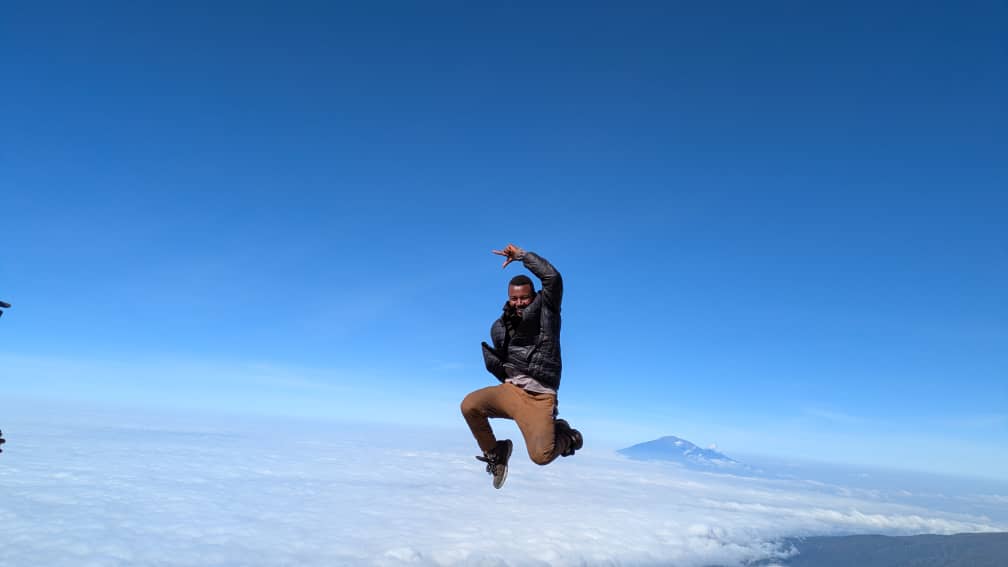

July Kilimanjaro Climb and Safari Combo: Your Ultimate Tanzania Adventure Guide
A July Kilimanjaro climb and safari combo is a dream trip for many adventure seekers. Tanzania in July offers a unique window of opportunity, boasting dry weather perfect for both summiting Africa’s highest peak and exploring its renowned wildlife parks. This guide provides an in-depth look at planning, executing, and maximizing your experience, covering everything from the best routes and packing lists to understanding the costs and what to expect on the ground. Whether you’re aiming for the Roof of Africa or the vast plains of the Serengeti, combining these two iconic Tanzanian experiences creates a journey of a lifetime, especially for those planning for 2026 and 2027.
Quick Facts: July Kilimanjaro Climb & Safari Combo
| Aspect | Details |
|---|---|
| Best Time for Combo | July – September (Dry Season) |
| Kilimanjaro Weather in July | Dry, cool temperatures, clear skies, minimal rain. Snow possible at summit. |
| Safari Weather in July | Dry, pleasant temperatures, excellent game viewing, migration often in Serengeti. |
| Popular Kilimanjaro Routes | Machame, Lemosho, Marangu, Rongai |
| Key Safari Parks | Serengeti, Ngorongoro Crater, Tarangire, Lake Manyara |
| Typical Duration | 10-18 days (4-9 days climb, 3-7 days safari) |
| Altitude Sickness Risk | High on Kilimanjaro; proper acclimatization is crucial. |
| Physical Fitness Required | Good to excellent; sustained walking, altitude challenges. |
| Booking Window | 6-12 months in advance for 2026-2027 trips |
Why Choose a July Kilimanjaro Climb and Safari Combo?
Combining a Kilimanjaro trek with a Tanzanian safari is a popular choice for good reason. It offers a comprehensive experience of Tanzania’s natural wonders and cultural richness. July falls within the prime dry season, making it an ideal month for this dual adventure. Here’s why it stands out:
- Optimal Weather: July is a peak dry month. This means fewer clouds, minimal rainfall on Kilimanjaro, and clearer skies for breathtaking views. On safari, the dry conditions concentrate wildlife around water sources, making game viewing more predictable and spectacular.
- The Great Migration: July is a prime month to witness the Great Migration in the Serengeti. Herds of wildebeest and zebras are typically in the central and western Serengeti, often crossing rivers, a dramatic spectacle.
- Kilimanjaro Conditions: The trails are generally dry and less muddy, making the trek more comfortable and safer. The cooler temperatures at lower altitudes can be pleasant, though summit nights are cold.
- Reduced Disruption: Dry weather means fewer travel delays and a more consistent experience across both activities.
- Diverse Experiences: You transition from the physical challenge and immense scale of Kilimanjaro to the thrilling wildlife encounters of the savanna, offering a dynamic range of adventures.
Understanding July Weather on Kilimanjaro and Tanzania Safaris
July is firmly in Tanzania’s dry season, which generally runs from June to October. This period is highly sought after for both trekking and safaris.
Kilimanjaro Weather in July:
Expect dry conditions on most of the mountain’s slopes. Daytime temperatures can range from pleasant (15-25°C or 59-77°F) at lower elevations to cool (5-15°C or 41-59°F) at higher camps. Nights will be cold, dropping below freezing, especially at higher altitudes (above 4000m). Summit night (Uhuru Peak) will be extremely cold, with temperatures potentially reaching -10°C to -20°C (14°F to -4°F) with wind chill. Snow is common at the summit and can sometimes fall on the upper slopes. While generally clear, occasional brief showers are possible, but prolonged rain is rare.
Tanzania Safari Weather in July:
The dry season means sunny days with comfortable temperatures, typically ranging from 20-28°C (68-82°F) during the day. Evenings and early mornings can be cool, especially in the Ngorongoro Crater or at higher elevations. Rainfall is minimal, making it easy to travel on park roads. Wildlife congregates around remaining water sources, leading to excellent game viewing opportunities. The Serengeti’s plains are golden and dry, a stark contrast to the green landscapes of the wet season.
Kilimanjaro & Northern Circuit Safari Areas: A Geographic Overview
Understanding the geography helps in planning your itinerary.
- Kilimanjaro National Park: Located in northern Tanzania, near the border with Kenya. The mountain itself is a dormant volcano, a massive solitary cone.
- Arusha National Park: Often visited before or after Kilimanjaro for acclimatization or a short safari. Home to Mount Meru, Momella Lakes, and diverse wildlife.
- Serengeti National Park: Vast plains stretching across northern Tanzania, famous for the Great Migration and abundant predators.
- Ngorongoro Conservation Area: A UNESCO World Heritage Site featuring the Ngorongoro Crater, a caldera teeming with wildlife, and surrounding highlands.
- Tarangire National Park: Known for its large elephant herds and baobab trees, particularly active in the dry season.
- Lake Manyara National Park: Famous for its tree-climbing lions and large troops of baboons, set against a backdrop of acacia woodlands and the Great Rift Valley escarpment.
Choosing Your Kilimanjaro Route for a July Climb
Selecting the right Kilimanjaro route is critical for acclimatization, success rates, and overall experience. For a July climb, all routes are generally accessible, but some offer better acclimatization profiles.
Recommended Routes for July:
- Machame Route (7 Days): Often called the ‘Whiskey Route’, it’s popular for its scenic beauty and good acclimatization profile, especially the 7-day option which includes an extra acclimatization day. It follows a “climb high, sleep low” principle. Check Machame Route group departures dates.
- Lemosho Route (7 or 8 Days): Considered one of the most scenic routes, Lemosho offers excellent acclimatization, particularly the 8-day version. It starts in the west and joins the Machame route. It’s longer, offering more time to adjust to altitude.
- Rongai Route (6 or 7 Days): This route approaches from the north, near the Kenyan border. It’s a good option if there’s a chance of rain (though less likely in July) as the northern side is drier. It offers less dramatic scenery than Machame or Lemosho but good acclimatization.
- Marangu Route (5 or 6 Days): The “Coca-Cola Route” is the only one with hut accommodations. It’s the shortest and least scenic, with a less effective acclimatization profile, especially the 5-day option. The 6-day option is better but still not ideal for acclimatization compared to longer routes.
Route Comparison Table:
| Route | Typical Days | Scenery | Acclimatization | Success Rate (Est.) | Crowds (July) |
|---|---|---|---|---|---|
| Machame | 7 | Excellent | Good (7-day) | 70-80% | Moderate to High |
| Lemosho | 8 | Outstanding | Very Good (8-day) | 80-90% | Moderate |
| Rongai | 7 | Good | Good | 65-75% | Moderate |
| Marangu | 6 | Fair | Fair (6-day) | 60-70% | Moderate to High |
For a July Kilimanjaro climb and safari combo, we strongly recommend opting for at least a 7-day route like Machame or Lemosho. The extra day significantly improves your chances of reaching the summit by allowing for better acclimatization, which is crucial even in the dry season.
Designing Your Tanzania Safari Itinerary
Following your Kilimanjaro climb, a safari is the perfect way to relax and immerse yourself in Tanzania’s incredible wildlife. A typical northern circuit safari can be tailored to your interests and time. For a July trip, focusing on the Serengeti and Ngorongoro Crater is essential, especially to witness the Great Migration.
Sample Safari Itinerary (4 Days/3 Nights):
Day 1: Ngorongoro Crater Tour
After descending Kilimanjaro and resting, you’ll be driven to the Ngorongoro Conservation Area. Descend into the Crater for a full-day game drive. This caldera is a natural amphitheater teeming with wildlife, including the Big Five (lion, leopard, elephant, rhino, buffalo). Enjoy a picnic lunch on the crater floor. Overnight at a lodge on the crater rim or nearby Karatu.
Day 2: Serengeti National Park
Drive to the Serengeti, arguably Africa’s most famous safari destination. En route, you might stop at Olduvai Gorge. Enjoy an afternoon game drive in the Serengeti, searching for predators and diverse plains game. Depending on the migration’s location in July, you might focus on the Seronera area or head west.
Day 3: Serengeti Exploration & Migration
Full day dedicated to exploring the vast Serengeti. Focus on areas where the Great Migration herds are most concentrated. July is often a time for river crossings in the western corridor or grazing on the central plains. Your guide will position you for optimal viewing.
Day 4: Tarangire National Park & Departure
Morning game drive in the Serengeti before heading towards Tarangire National Park. Tarangire is known for its massive elephant herds and baobab trees. Enjoy a final game drive before being transferred to Arusha or Kilimanjaro International Airport (JRO) for your onward journey.
This 4-day itinerary can be extended to 5, 6, or 7 days by adding more time in the Serengeti, visiting Lake Manyara, or exploring the less-visited northern Serengeti.
What to Expect: The Kilimanjaro Climb Experience
Summiting Kilimanjaro is a significant physical and mental challenge. Understanding what to expect is key to preparation.
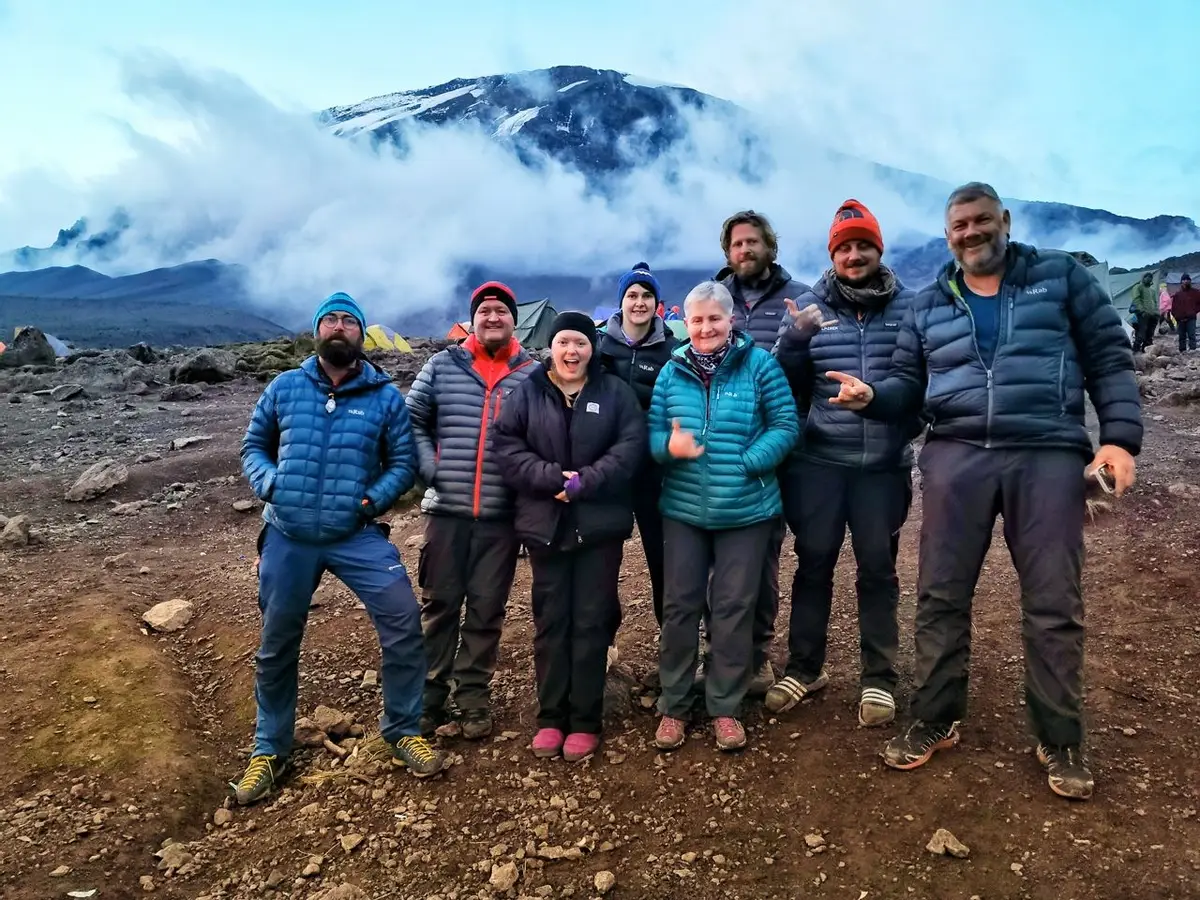
- Daily Routine: Days typically involve several hours of walking, usually starting after breakfast and ending in the afternoon. Meals are provided at camps. After reaching camp, you’ll have dinner and then prepare for the next day.
- Pace: Guides emphasize “pole pole” (slowly, slowly). This is crucial for acclimatization and conserving energy. Rushing is a common mistake that leads to altitude sickness.
- Accommodation: On most routes (except Marangu), you’ll sleep in tents. Campsites are basic but usually offer stunning views.
- Crew: You’ll be accompanied by a team of experienced guides, cooks, and porters who carry your gear, set up camp, and prepare meals. They are essential to your journey.
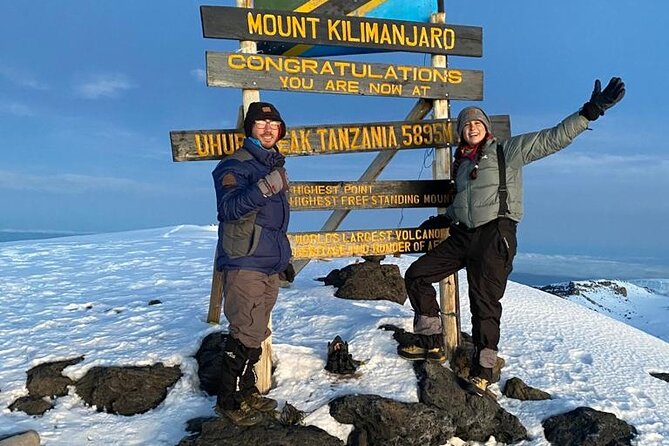
- Summit Night: This is the most challenging part. You’ll start hiking around midnight, often for 6-8 hours, in the dark and cold, to reach Uhuru Peak for sunrise. It’s physically demanding and requires mental fortitude.
- Descent: The descent is usually much faster than the ascent, often completed in one or two days. It can be tough on the knees.
What to Expect: The Tanzania Safari Experience
A safari is a more relaxed but equally thrilling experience. Expect:
- Game Drives: You’ll typically spend several hours each day in a 4×4 safari vehicle with a pop-up roof, driven by an expert guide. Game drives can be in the early morning, late afternoon, or full day, depending on your itinerary.
- Wildlife Encounters: The thrill of spotting animals in their natural habitat is unparalleled. Patience is rewarded, and your guide’s expertise is invaluable in finding wildlife.
- Accommodation: Options range from comfortable tented camps (offering a closer-to-nature feel) to lodges with amenities like swimming pools and restaurants.
- Guides: Your safari guide is knowledgeable about animal behavior, tracking, and the parks’ ecosystems. They enhance the experience significantly.
- Scenery: Tanzania’s parks offer diverse landscapes, from the endless plains of the Serengeti to the dense forests of Ngorongoro and the baobab-studded savannas of Tarangire.
Packing Essentials for Your July Kilimanjaro Climb and Safari Combo
Proper gear is non-negotiable for both activities. For July, layers are key due to temperature variations.
Kilimanjaro Packing List (Focus on Layers):
- Headwear: Warm beanie (for cold), sun hat (for day), balaclava or neck gaiter (for summit night).
- Eyewear: Sunglasses (UV protection).
- Gloves: Warm waterproof gloves/mittens, liner gloves.
- Base Layers: Thermal tops and bottoms (merino wool or synthetic).
- Mid Layers: Fleece jacket or vest, down vest.
- Outer Layer: Waterproof and windproof jacket (Gore-Tex or similar), waterproof and windproof trousers.
- Trekking Trousers: Comfortable, quick-drying hiking pants (2-3 pairs). Avoid cotton.
- Trekking Shirts: Moisture-wicking t-shirts and long-sleeved shirts (3-4).
- Insulation: Warm down or synthetic jacket (essential for summit night).
- Footwear: Broken-in waterproof hiking boots, camp shoes/sandals, warm socks (wool or synthetic, 4-5 pairs).
- Sleeping Bag: Rated to at least -15°C (0°F).
- Trekking Poles: Highly recommended for stability and reducing knee strain.
- Backpack: Daypack (30-40L) for essentials, duffel bag (80-100L) for porters.
- Hydration: Water bottles or hydration reservoir (2-3 liters capacity). Water purification tablets or filter.
- Sun Protection: High SPF sunscreen, lip balm with SPF.
- First-Aid Kit: Personal medications, blister treatment, pain relievers, altitude sickness medication (consult your doctor).
- Headlamp: With extra batteries (essential for summit night).
- Toiletries: Biodegradable soap, toothbrush, toothpaste, wet wipes, hand sanitizer.
- Snacks: High-energy snacks like energy bars, nuts, dried fruit.
Safari Packing List (Focus on Comfort & Wildlife Viewing):
- Clothing: Neutral-colored clothing (khaki, green, brown) is best for blending in. Comfortable trousers, shorts, t-shirts, long-sleeved shirts (for sun/insect protection). A light jacket or fleece for cool mornings/evenings.
- Footwear: Comfortable walking shoes or trainers. You won’t be doing much walking, but comfortable shoes are good for lodges/camps.
- Headwear: Sun hat or cap with a brim.
- Eyewear: Sunglasses.
- Camera: With extra batteries and memory cards. Binoculars are highly recommended.
- Sun Protection: Sunscreen, lip balm, insect repellent (with DEET).
- Personal Items: Small backpack for day trips, reusable water bottle, any personal medications.
- Adapter: For charging electronics (Tanzania uses Type G sockets, 230V).
Note: Porters will carry your main duffel bag on Kilimanjaro. Safari vehicles have limited space, so a smaller duffel or suitcase is recommended. Your tour operator will provide a detailed packing list.
Physical Preparation for Kilimanjaro
Climbing Kilimanjaro requires a good level of fitness. You don’t need to be an elite athlete, but cardiovascular fitness is essential. Focus on:
- Cardio: Regular aerobic exercise like hiking, jogging, cycling, or swimming for at least 3-4 months prior. Aim for 3-4 sessions per week.
- Hiking: The most relevant training. Go on long hikes (4-6 hours) with elevation gain, carrying a daypack. Practice on varied terrain.
- Strength Training: Focus on leg strength (squats, lunges) and core strength.
- Altitude Acclimatization: While you can’t fully simulate high altitude, training at moderate elevations if possible can help. The best acclimatization happens on the mountain itself.
Crucially, consult your doctor before starting any training program and discuss altitude sickness medication.
Common Mistakes to Avoid for Your July Kilimanjaro Climb and Safari Combo
Planning a trip of this magnitude involves potential pitfalls. Here are common mistakes to sidestep:
- Choosing the Wrong Kilimanjaro Route: Opting for a short route (like 5-day Marangu) significantly reduces acclimatization and success rates. For July, a 7 or 8-day route is highly recommended.
- Inadequate Physical Preparation: Underestimating the physical demands of Kilimanjaro.
- Poor Gear Choices: Bringing cotton clothing (it retains moisture and chills you), not having waterproof gear, or using un-broken-in boots.
- Rushing the Climb: Not listening to your body or guides and pushing too hard, increasing the risk of altitude sickness. “Pole pole” is the mantra.
- Ignoring Hydration: Dehydration exacerbates altitude sickness symptoms. Drink at least 3-4 liters of water per day on Kilimanjaro.
- Not Packing Enough Warm Layers: Summit night is extremely cold. Underestimating this can be dangerous.
- Booking with Unreputable Operators: Choosing the cheapest option can mean compromising on guide quality, safety standards, and porter welfare. Look for operators with good reviews and clear policies.
- Overpacking for Safari: Safari vehicles have limited space. Pack smart and light.
- Not Allowing Enough Recovery Time: Expecting to go straight from summiting Kilimanjaro to an intense safari day without rest. A day or two of rest after the climb is advisable.
- Underestimating Costs: While this guide won’t invent prices, be aware that quality Kilimanjaro climbs and safaris are significant investments. Factor in park fees, permits, crew wages, accommodation, transport, and food.
Who is the July Kilimanjaro Climb and Safari Combo Best For?
This adventure is ideal for:
- Active Individuals: Those who enjoy physical challenges and outdoor activities.
- Nature Enthusiasts: People passionate about mountains, wildlife, and diverse landscapes.
- Adventure Seekers: Travelers looking for a rewarding, multi-faceted experience that combines accomplishment with exploration.
- Photographers: Offering incredible opportunities for both dramatic mountain vistas and captivating wildlife shots.
- Couples & Friends: A fantastic shared challenge and adventure.
- Those Planning for 2026-2027: Early planners who want to secure the best guides, routes, and availability during the popular dry season.
It is less suitable for those with severe respiratory or cardiovascular conditions, or those who prefer purely leisurely holidays. The Kilimanjaro portion demands significant physical effort and resilience.
Alternatives to the July Kilimanjaro Climb and Safari Combo
While this combo is exceptional, other options exist:
- Kilimanjaro Only: Focus solely on the climb, perhaps adding a few days in Arusha or Zanzibar post-climb for relaxation.
- Safari Only: If the climb feels too daunting, a dedicated safari trip allows for deeper exploration of Tanzania’s parks over a longer period.
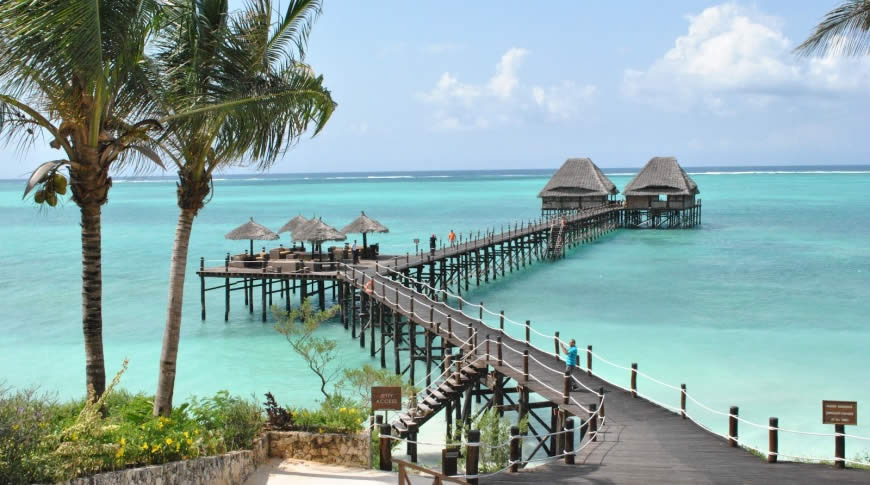
- Kilimanjaro & Zanzibar: Combine the mountain trek with the tropical beaches and spice tours of Zanzibar for a contrasting experience.
- Other Tanzanian Peaks: For a less demanding mountain experience, consider Mount Meru (often used for Kilimanjaro acclimatization) or Mount Oldonyo Lengai (an active volcano).
- Other East African Destinations: If the timing or specific activities don’t align, consider Uganda or Rwanda for gorilla trekking, or Kenya for its own renowned safaris and Mount Kenya.
Planning Your 2026-2027 July Kilimanjaro Climb and Safari Combo
Booking well in advance is crucial, especially for peak season travel in July. Here’s a planning timeline:
- 12+ Months Before: Research tour operators. Read reviews. Get quotes. Start fitness training. Decide on your preferred Kilimanjaro route and safari duration.
- 9-12 Months Before: Book your trip with your chosen operator. This secures your preferred dates and ensures availability for July 2026 or 2027. Pay your deposit.
- 6-9 Months Before: Purchase flights. Continue fitness training. Start researching and purchasing necessary gear.
- 3-6 Months Before: Finalize visa requirements. Get necessary vaccinations (consult your doctor or travel clinic). Purchase travel insurance (ensure it covers high-altitude trekking and remote medical evacuation).
- 1-3 Months Before: Intensify training. Break in your hiking boots. Confirm all arrangements with your tour operator.
- 1 Month Before: Pack your bags. Confirm flight details.
- Week Of: Final gear check. Exchange currency. Mentally prepare!
For group departures, check dates early. For example, Tanzania safari group departures dates and Kilimanjaro Machame route departures are often listed well in advance.
Choosing a Reputable Tour Operator
The quality of your tour operator significantly impacts your safety, enjoyment, and success. Look for:
- Experience: Years of operation in Tanzania.
- Safety Standards: Well-trained guides, emergency protocols, oxygen cylinders, and first-aid kits.
- Guide Qualifications: Certified guides with extensive Kilimanjaro and safari experience.
- Porter Welfare: Ethical treatment and fair wages for porters are essential.
- Reviews and Testimonials: Check independent review sites like TripAdvisor. See traveler feedback for Top Guide Adventures.
- Clear Inclusions/Exclusions: Understand exactly what your package covers.
Top Guide Adventures is a trusted operator with a strong track record. You can explore more about our services on our website or connect with us directly.
Social Proof and Recent Adventures
Seeing what other travelers have experienced can be inspiring and informative. Follow us on Instagram for recent photos and updates from our clients’ Kilimanjaro climbs and safaris. Our feed often features breathtaking summit shots, incredible wildlife sightings, and happy trekkers and safari-goers. Check out our Instagram page.
Booking Your July Kilimanjaro Climb and Safari Combo
Ready to plan your ultimate Tanzanian adventure? Contact us to discuss your ideal itinerary. We specialize in crafting personalized experiences that balance challenge, discovery, and comfort.
Whether you’re targeting Uhuru Peak in July 2026 or planning a spectacular safari for 2027, we are here to help. We offer a range of packages and can customize a trip to fit your specific needs, fitness level, and budget.
Get in touch today:
- WhatsApp: +255616946642
- Email: topguideadventures@gmail.com
- Backup Email: info@topguideadventures.com
We look forward to helping you achieve your dream of a July Kilimanjaro climb and safari combo!
Frequently Asked Questions (FAQs)
What is the average temperature on Kilimanjaro in July?
Daytime temperatures on Kilimanjaro in July can range from 15-25°C (59-77°F) at lower elevations and drop to 5-15°C (41-59°F) at higher camps. Summit night will be significantly colder, potentially -10°C to -20°C (-4°F to 14°F) with wind chill.
Is July a good time for the Great Migration?
Yes, July is an excellent time to witness the Great Migration in the Serengeti. Herds are often found in the central and western parts of the park, and river crossings are possible, especially in the Grumeti River area.
How physically demanding is a Kilimanjaro climb?
Kilimanjaro is a strenuous trek requiring good cardiovascular fitness. The main challenges are the altitude, the long walking days, and the extreme cold on summit night. Proper training and acclimatization are key.
What is the success rate for climbing Kilimanjaro?
Success rates vary by route and duration. Generally, longer routes (7-8 days) have higher success rates (80-90%) than shorter ones (5-6 days). For July, with proper preparation and a good route choice, success rates can be very high.
Do I need special permits for Kilimanjaro and safari?
Yes, all park entrance fees and climbing permits for Kilimanjaro, as well as park fees for safari destinations, are included in reputable tour packages. Your operator will arrange these.
What should I pack for a July Kilimanjaro climb and safari?
Key items include waterproof and windproof outer layers, warm insulating layers (fleece, down jacket), thermal base layers, sturdy hiking boots, a warm sleeping bag, trekking poles, sun protection, and a headlamp. For safari, neutral-colored clothing, comfortable shoes, and binoculars are recommended.
Can I combine Kilimanjaro with Zanzibar in July?
Absolutely. Combining a Kilimanjaro climb with a Zanzibar holiday is a popular choice. You can do the climb first, then fly to Zanzibar for relaxation, or vice versa. July is also a good month for Zanzibar, with pleasant weather.
What is the best Kilimanjaro route for acclimatization?
Routes that offer more days and follow the “climb high, sleep low” principle are best for acclimatization. The 8-day Lemosho route and the 7-day Machame route are highly recommended for their excellent acclimatization profiles.
Is altitude sickness common on Kilimanjaro?
Yes, altitude sickness (Acute Mountain Sickness – AMS) is very common. Symptoms can range from mild headaches to severe conditions. The best prevention is slow ascent, proper acclimatization, hydration, and avoiding alcohol and strenuous exertion. Your guides are trained to manage AMS.
When should I book my July Kilimanjaro climb and safari combo for 2026 or 2027?
It is highly recommended to book at least 6-12 months in advance, especially for a July trip, as it falls within the peak dry season. This ensures availability for preferred routes, guides, and accommodation. For 2026 and 2027 travel, booking now is advisable.
Final Call to Action: Plan Your Dream July Kilimanjaro Climb and Safari Combo
A July Kilimanjaro climb and safari combo is an extraordinary way to experience Tanzania’s natural wonders. The dry season offers the best conditions for both conquering Africa’s highest peak and witnessing its abundant wildlife. With careful planning, proper preparation, and the support of experienced professionals, your adventure will be unforgettable. Don’t miss the opportunity to plan this incredible journey for 2026 or 2027.
Ready to start planning? Contact Top Guide Adventures today:
- WhatsApp: +255616946642
- Email: topguideadventures@gmail.com
- Backup Email: info@topguideadventures.com
Let us help you craft the perfect Kilimanjaro climb and safari itinerary, ensuring a safe, rewarding, and memorable Tanzanian adventure.
Complete July Kilimanjaro Climb and Safari Combo Planning Details for 2026- 2027-2028
July Kilimanjaro Climb and Safari Combo needs more than a quick description because travelers normally want to understand timing, route logic, comfort level, inclusions, local support, safety, and how the trip fits with the rest of a Tanzania journey. For 2026- 2027-2028, the best plan is to compare the route, travel month, daily pace, accommodation style, and transport arrangement before confirming.
A strong plan should explain where the trip starts, what happens each day, how long transfers may take, what travelers should prepare, and which parts can be customized. This makes the page useful for families, couples, solo travelers, private groups, budget travelers, mid-range guests, and luxury travelers.
Important things to confirm before booking
- Exact starting point and pickup time.
- Accommodation level or day-trip timing.
- Transport type and guide arrangement.
- Park fees, activities, meals, drinking water, and transfers.
- Best travel month for weather, wildlife, trekking, beaches, or photography.
- Payment plan, deposit, cancellation terms, and changes if travel dates move.
July Kilimanjaro Climb and Safari Combo Sample Structure and Route Logic
Most travelers choose July Kilimanjaro Climb and Safari Combo because they want a clear experience that is easy to understand and simple to book. The structure should feel practical: arrival or pickup, main activity, important stops, relaxed timing, overnight or return plan, and final drop-off. When the topic involves safari, the route should respect park distance and game drive time. When it involves Kilimanjaro, the route should respect acclimatization and safe pacing. When it involves Zanzibar, the plan should balance ocean activities, culture, relaxation, and transfer time.
| Planning Area | What to Check | Why It Matters |
|---|---|---|
| Timing | Season, pickup time, daily pace, and activity duration | Helps avoid rushed travel and gives better value |
| Comfort | Budget, mid-range, luxury, private, or shared style | Matches the trip with the traveler expectation |
| Logistics | Transfers, vehicle, guide, permits, and entry rules | Prevents surprises during the trip |
| Booking | Deposit, availability, route, inclusions, and final balance | Makes confirmation smooth and transparent |
Top Guide Adventures Recommendation
Best Tanzania Tour operator recommends treating July Kilimanjaro Climb and Safari Combo as a complete travel plan rather than only a title. A good operator should explain the route, guide support, what is included, what is excluded, how timing works, and what can be adjusted. Travelers can also compare Tanzania safari group departures and shared tours, check Machame Route Kilimanjaro group departures, or read more articles in the Tanzania safari tours blog.
For a more personal look at current trips and field updates, travelers may follow Top Guide Adventures on Instagram, review traveler feedback on Tripadvisor, or visit our another website.
July Kilimanjaro Climb and Safari Combo FAQs for 2026- 2027-2028
How early should I book July Kilimanjaro Climb and Safari Combo?
Booking early is better for 2026- 2027-2028, especially for high season, family travel, group departures, Kilimanjaro routes, Serengeti safaris, Zanzibar holidays, and private customized tours.
Can this trip be customized?
Yes. The route, accommodation level, pace, pickup point, and add-ons can usually be adjusted depending on availability and the travel dates.
Is July Kilimanjaro Climb and Safari Combo suitable for first-time travelers?
Yes, when the itinerary is explained clearly and the guide support is reliable. First-time travelers should ask for a simple day-by-day plan, inclusions, exclusions, and preparation notes.
What should I ask before confirming?
Ask about transport, guide, meals, park or activity fees, accommodation, payment plan, cancellation terms, and what happens if weather or travel timing changes.
July Kilimanjaro Climb and Safari Combo Detailed Cost and Value Notes
Cost can change by season, accommodation level, group size, park rules, transfer distance, and activity style. A useful page should explain what usually affects price rather than only giving one short number. Travelers comparing this topic for 2026-2027 should check whether transport, guide, meals, drinking water, accommodation, park fees, permits, and airport transfers are included.
July Kilimanjaro Climb and Safari Combo should be explained with enough detail for a traveler to understand the route, timing, comfort level, inclusions, exclusions, preparation, and booking steps. Repeating the focus topic naturally in helpful planning areas makes the article stronger without stuffing keywords.
July Kilimanjaro Climb and Safari Combo Best Traveler Type for This Plan
This plan can work for different travelers when the details are adjusted correctly. Families may need softer timing and private transport, couples may prefer better rooms and scenic pacing, group travelers may focus on shared departures and value, while photographers may need more time in key locations.
July Kilimanjaro Climb and Safari Combo should be explained with enough detail for a traveler to understand the route, timing, comfort level, inclusions, exclusions, preparation, and booking steps. Repeating the focus topic naturally in helpful planning areas makes the article stronger without stuffing keywords.
July Kilimanjaro Climb and Safari Combo Common Booking Mistakes to Avoid
Common mistakes include choosing only by the cheapest price, ignoring transfer time, booking without checking inclusions, using a rushed itinerary, not confirming accommodation names, and failing to ask how changes are handled if flights, weather, or park timing changes.
July Kilimanjaro Climb and Safari Combo should be explained with enough detail for a traveler to understand the route, timing, comfort level, inclusions, exclusions, preparation, and booking steps. Repeating the focus topic naturally in helpful planning areas makes the article stronger without stuffing keywords.
July Kilimanjaro Climb and Safari Combo What Makes a Strong Itinerary
A strong itinerary has a clear start point, realistic daily timing, enough activity time, transparent inclusions, simple communication, and a guide or operations team that understands local routes. It should also leave space for comfort, photos, meals, and unexpected delays.
July Kilimanjaro Climb and Safari Combo should be explained with enough detail for a traveler to understand the route, timing, comfort level, inclusions, exclusions, preparation, and booking steps. Repeating the focus topic naturally in helpful planning areas makes the article stronger without stuffing keywords.
July Kilimanjaro Climb and Safari Combo Final Planning Advice for 2026-2027
For 2026-2027, travelers should book early for busy seasons, compare the exact route carefully, ask for written inclusions and exclusions, and choose an operator who can explain the trip in practical language. This helps the page become useful for both planning and booking intent.
July Kilimanjaro Climb and Safari Combo should be explained with enough detail for a traveler to understand the route, timing, comfort level, inclusions, exclusions, preparation, and booking steps. Repeating the focus topic naturally in helpful planning areas makes the article stronger without stuffing keywords.
Plan your July Kilimanjaro Climb and Safari Combo with Top Guide Adventures
Tell us your travel dates, group size, comfort level, and dream experience. We will help you shape a clear, realistic, and memorable Tanzania itinerary.

 Veedesigner
 Fatma Kizanga
 Benjamin Waryuba
 Philip Philip
 John jr Itaja
 Antonia Optatus
 Edith Kanyere
 Neema Iddy
 Kelvin Boniphace
 Damari Maiga



