
Updated planning guide for 2026, 2027-2028
July Kilimanjaro Shared Climb Departure: Expert Trekking Guide 2026-2027-2028
Discover everything you need to know for a July Kilimanjaro shared climb. This comprehensive guide covers preparation, routes, what to expect, and booking advice for your 2026-2027 adventure.
WhatsApp +255616946642 | topguideadventures@gmail.com | info@topguideadventures.com
July Kilimanjaro Shared Climb Departure: Your Ultimate Planning Guide
A July Kilimanjaro shared climb departure offers a fantastic opportunity to conquer Africa’s highest peak with a group of like-minded adventurers. As the dry season in Tanzania continues, July presents favorable weather conditions, making it a popular month for trekkers. This guide is designed to provide you with all the essential information needed to plan and execute a successful expedition, from understanding the benefits of a shared climb to selecting the right route and preparing adequately for the challenge. We’ll cover everything from acclimatization strategies to packing essentials, ensuring your July Kilimanjaro shared climb departure is an unforgettable experience.
Quick Facts: July Kilimanjaro Shared Climb
| Aspect | Details for July Climb |
|---|---|
| Best Time: July | Dry season, cooler temperatures, clear skies. |
| Average Daytime Temperature: | 5°C to 15°C (41°F to 59°F) on lower slopes; -10°C to 5°C (14°F to 41°F) at higher altitudes. |
| Average Nighttime Temperature: | Can drop below freezing, especially near the summit. |
| Precipitation: | Low. Occasional light showers possible, but generally dry. |
| Crowds: | Moderate to high due to favorable weather. Book in advance. |
| Crowd Level on Summit Night: | Can be busy, especially on popular routes like Machame. |
| Visibility: | Excellent. Clear views of Mount Meru and surrounding landscapes. |
| Shared Climb Availability: | High. Many operators offer fixed July departure dates. |
| Recommended Routes: | Machame, Lemosho, Marangu (though less ideal for acclimatization). |
| Typical Duration: | 6 to 9 days, depending on the route. |
Overview of a July Kilimanjaro Shared Climb
A July Kilimanjaro shared climb is an expedition where individual travelers or small groups join together to form a larger trekking party. This arrangement is popular for several reasons, primarily cost-effectiveness and the camaraderie that develops among participants. As part of a shared departure, you’ll trek with a group of people from potentially different backgrounds, all united by the common goal of reaching Uhuru Peak. Your expedition will be led by experienced local guides, supported by a team of porters carrying your main gear, and a cook preparing meals. The shared climb model allows tour operators to run expeditions even when individual bookings are low, ensuring regular departures throughout the popular climbing seasons.
For those considering a July Kilimanjaro shared climb, it’s crucial to understand that while the group shares the journey, the experience is still highly personal. You’ll have your own pace, your own moments of reflection, and your own triumphs. The shared aspect primarily relates to logistics, cost-sharing, and the collective encouragement from fellow trekkers and the support crew. This model makes the dream of climbing Kilimanjaro more accessible to a wider range of travelers.
Why Choose July for Your Kilimanjaro Climb?
July falls squarely within Kilimanjaro’s dry season, which typically spans from June to October. This period is highly favored by trekkers for its predictable weather patterns and significantly reduced chances of rain. Opting for a July Kilimanjaro shared climb departure means you are choosing one of the most reliable windows for good climbing conditions.
- Dry Conditions: The primary advantage of climbing in July is the low probability of rain. While light showers can occur at any time, heavy downpours are rare. This means clearer trails, better visibility, and a more comfortable trekking experience.
- Clear Skies and Views: With less cloud cover, you’ll enjoy spectacular panoramic views of Mount Meru, the Great Rift Valley, and the vast plains of Tanzania. The summit views, especially on clear mornings, are breathtaking.
- Cooler Temperatures: July is one of the cooler months on Kilimanjaro. While this might sound daunting, cooler temperatures are generally preferred for trekking as they reduce the risk of overheating and dehydration, especially during the strenuous ascent. The nights, however, will be cold, particularly at higher altitudes, requiring proper cold-weather gear.
- Lower Humidity: The dry season also means lower humidity, contributing to a more pleasant trekking environment.
- Good Wildlife Viewing (Pre/Post Climb): The dry season is also excellent for safaris in nearby national parks like Tarangire, Lake Manyara, and the Serengeti. Many travelers combine their Kilimanjaro climb with a safari, and July is ideal for spotting wildlife concentrated around water sources. You can explore our Tanzania safari group departures and dates for post-climb adventures.
While July offers excellent conditions, it is also a popular month. This means more trekkers on the mountain and potentially busier campsites. Booking your July Kilimanjaro shared climb departure well in advance is highly recommended to secure your spot and preferred route.
Benefits of a Shared Kilimanjaro Climb
Joining a July Kilimanjaro shared climb departure is a smart choice for many aspiring mountaineers. The advantages extend beyond just the financial aspect, contributing to a richer and more manageable trekking experience.
- Cost Savings: This is often the primary driver for choosing a shared climb. By distributing fixed costs like guide fees, park permits, and logistics across multiple participants, the per-person price is significantly reduced compared to a private climb. This makes Kilimanjaro more accessible for budget-conscious travelers.
- Camaraderie and Support: Trekking with a group means you’re never alone. You’ll share the journey with fellow adventurers, creating a supportive environment. The shared experience of overcoming challenges, celebrating milestones, and motivating each other can be incredibly rewarding. You’ll form bonds with people from diverse backgrounds who share a common goal.
- Guaranteed Departures: Tour operators are more likely to guarantee departures on specific dates when they can fill a group. This provides certainty for your travel plans, especially if you have limited vacation time or specific dates in mind for your July Kilimanjaro shared climb departure.
- Experienced Guides and Crew: Shared climbs are operated by reputable tour companies with experienced, certified guides, skilled cooks, and strong, reliable porters. You benefit from a professional support team that ensures safety, comfort, and efficiency throughout the trek.
- Reduced Environmental Impact: Larger groups, when managed responsibly, can sometimes lead to a more consolidated impact on the mountain’s trails and ecosystems compared to multiple small, uncoordinated groups. Reputable operators adhere to strict environmental guidelines.
- Social Interaction: For solo travelers, a shared climb is an excellent way to meet new people and share an extraordinary adventure with companions. The group dynamic can enhance the overall enjoyment of the trek.
Popular Kilimanjaro Routes for Shared Climbs in July
When planning your July Kilimanjaro shared climb departure, route selection is paramount. The best routes for shared climbs are those that offer higher success rates due to better acclimatization profiles and offer a good balance of scenery and challenge. While most operators offer shared departures on multiple routes, some are more commonly chosen for group treks.
- Machame Route: Often called the “Whiskey Route,” Machame is arguably the most popular route for shared climbs. It’s known for its scenic beauty, gradual ascent, and excellent acclimatization profile (the “climb high, sleep low” principle). It typically takes 6 or 7 days. Its popularity means there are frequent shared departures throughout July. Check Machame route group departures and dates.
- Lemosho Route: Considered one of the most scenic routes, Lemosho offers a longer, more gradual ascent, usually over 7 or 8 days. It provides excellent acclimatization and a higher success rate. It starts in the west and traverses the Shira Plateau, offering stunning views. It’s a great choice for those prioritizing scenery and acclimatization, and shared departures are available in July.
- Marangu Route: Known as the “Coca-Cola Route,” Marangu is the oldest and most direct route. It’s the only route with hut accommodations instead of camping. While it’s the shortest (typically 5 days), its rapid ascent profile makes it less ideal for acclimatization, leading to lower success rates. However, due to its popularity and accessibility, shared departures are readily available in July, appealing to those on a tighter schedule or budget who prefer huts.
- Northern Circuit: The longest route (9 days), offering the highest success rates due to its slow acclimatization and the unique advantage of trekking around Kilimanjaro’s northern side. It’s less crowded and offers incredible views. Shared departures might be less frequent than on Machame but are available for those seeking a more in-depth experience.
For a July Kilimanjaro shared climb, the Machame and Lemosho routes are generally the top recommendations due to their balance of acclimatization, scenery, and availability of group departures. The Marangu route is an option if huts are a priority, but be aware of the acclimatization challenges.
Kilimanjaro Route Comparison for Shared Climbs
Choosing the right route is crucial for your July Kilimanjaro shared climb departure. Here’s a comparison to help you decide:
| Feature | Machame (6-7 Days) | Lemosho (7-8 Days) | Marangu (5 Days) | Northern Circuit (9 Days) |
|---|---|---|---|---|
| Scenery | Very Good | Excellent | Good (less varied) | Excellent |
| Acclimatization Profile | Good | Very Good | Poor | Excellent |
| Success Rate | Good to Very Good | Very Good | Moderate (lower than others) | Highest |
| Crowds in July | High | Moderate to High | High | Low to Moderate |
| Accommodation | Camping | Camping | Huts | Camping |
| Difficulty | Moderate to Strenuous | Moderate to Strenuous | Moderate (but harder due to acclimatization) | Moderate (due to length) |
| Shared Departure Frequency (July) | High | High | High | Moderate |
Sample Itinerary: 7-Day Machame Route Shared Climb
This is a typical itinerary for a 7-day Machame Route shared climb, a popular choice for July departures.
Day 1: Machame Gate (1,800m/5,905ft) to Machame Camp (3,050m/10,007ft)
Trek: 5-7 hours, 11 km (7 miles)
After breakfast, you’ll be driven to Machame Gate. After park formalities, your trek begins through the lush rainforest. The path is steep in places but well-maintained. You’ll reach Machame Camp in the afternoon, set up in the moorland zone.
Day 2: Machame Camp (3,050m) to Shira Camp (3,850m/12,631ft)
Trek: 4-6 hours, 5 km (3 miles)
Today’s trek takes you out of the forest and onto a ridge with superb views. The path ascends steadily through the moorland. You’ll arrive at Shira Camp, a scenic spot on the Shira Plateau, with Kilimanjaro looming ahead.
Day 3: Shira Camp (3,850m) to Barranco Camp (3,950m/12,960ft) via Lava Tower (4,600m/15,092ft)
Trek: 6-8 hours, 10 km (6 miles)
This is a key day for acclimatization. You’ll trek east towards the Lava Tower, a prominent landmark. After a lunch break at Lava Tower, you’ll descend to Barranco Camp. This “climb high, sleep low” strategy is vital for adapting to the altitude.
Day 4: Barranco Camp (3,950m) to Karanga Camp (4,000m/13,123ft)
Trek: 3-5 hours, 5 km (3 miles)
You’ll face the famous Barranco Wall, a steep climb that requires scrambling. While challenging, it’s not technically difficult and offers incredible views. After the wall, the terrain becomes gentler as you approach Karanga Camp, situated in a valley.
Day 5: Karanga Camp (4,000m) to Barafu Camp (4,650m/15,256ft)
Trek: 3-5 hours, 4 km (2.5 miles)
A shorter trekking day allows for rest and preparation for summit night. The landscape becomes increasingly barren and rocky. You’ll reach Barafu Camp, the base camp, in the early afternoon. You’ll have an early dinner and rest before the summit push.
Day 6: Summit Day! Barafu Camp (4,650m) to Uhuru Peak (5,895m/19,341ft) and down to Mweka Camp (3,100m/10,171ft)
Trek: 7-9 hours to summit, 5-7 hours descent; 12 km (7.5 miles) ascent, 7 km (4.5 miles) descent
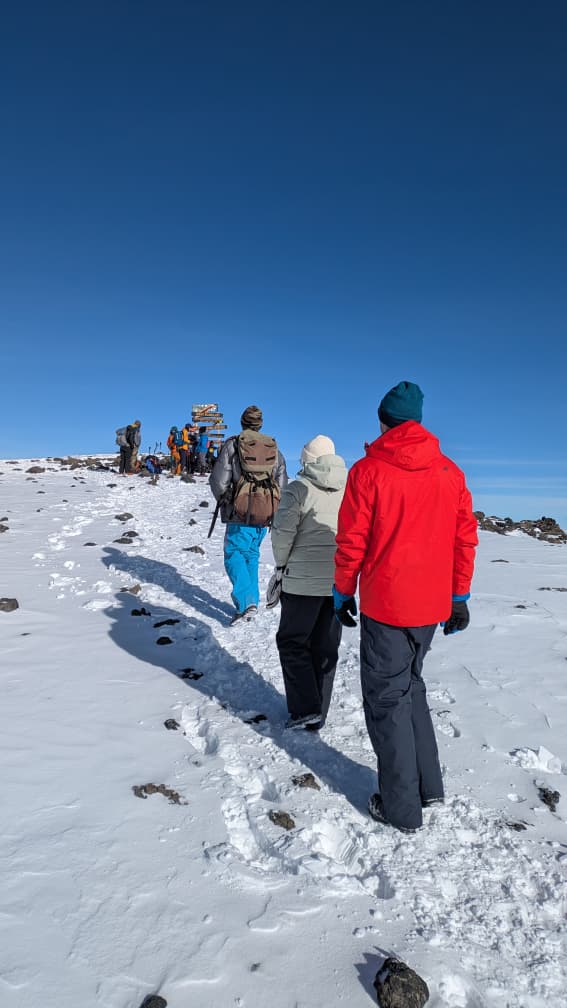
Starting around midnight, you’ll ascend steeply towards Stella Point on the crater rim. This is the most challenging part of the trek. From Stella Point, you’ll continue for another hour to Uhuru Peak, the Roof of Africa. After celebrating your achievement, you’ll descend directly to Mweka Camp, passing Barafu Camp without stopping.
Day 7: Mweka Camp (3,100m) to Mweka Gate (1,650m/5,413ft)
Trek: 3-5 hours, 10 km (6 miles)
After breakfast, you’ll complete the final descent through the rainforest to Mweka Gate. You’ll receive your climbing certificates and then transfer back to your hotel in Moshi.
What to Expect on a July Kilimanjaro Shared Climb
A July Kilimanjaro shared climb departure is a demanding yet incredibly rewarding adventure. Understanding what lies ahead will help you prepare mentally and physically.
- The Trekking Pace: The pace is generally slow and steady, often referred to as “pole pole” (Swahili for “slowly, slowly”). This is essential for acclimatization. Guides will set a pace that suits the group, ensuring everyone can keep up.
- Daily Schedule: Days typically start early with breakfast, followed by several hours of trekking. Lunch is usually a packed meal enjoyed en route. You’ll reach camp in the mid-afternoon, have time to rest and hydrate, and then have dinner. Summit night is an all-night affair.
- Camping: On most routes (except Marangu), you’ll be camping. Tents are usually two-person dome tents. A mess tent is provided for meals, and there are separate toilet tents. Porters set up camp before you arrive.
- Meals: Your cook will prepare nutritious and filling meals. Breakfast often includes porridge, eggs, toast, and fruit. Lunches are typically packed (sandwiches, fruit, boiled eggs, snacks). Dinners are hot meals like soup, rice with chicken or beef, pasta, and vegetables.
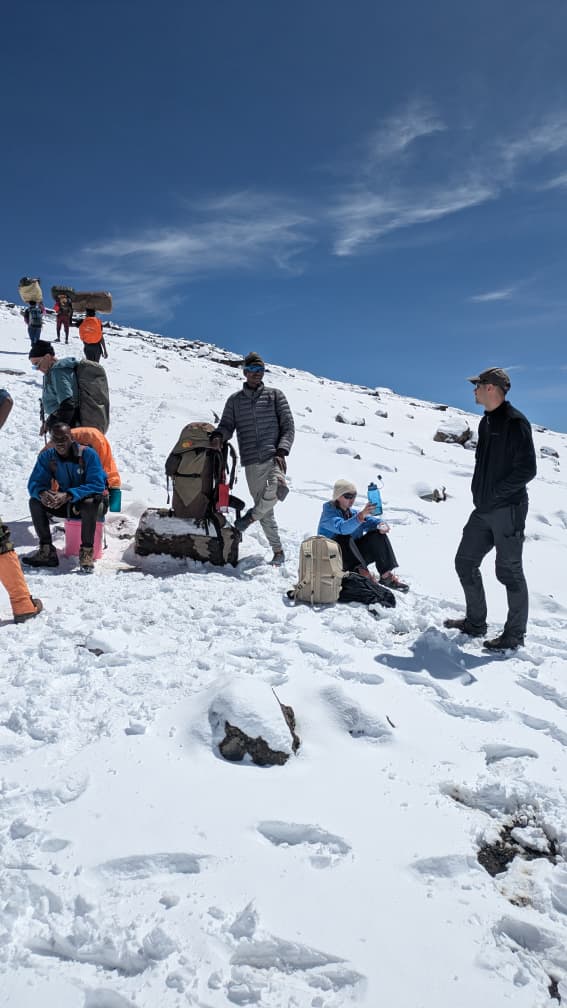
- Weather: Expect a range of weather. Rainforest at the start can be warm and humid. Moorland and alpine desert zones are cooler and drier. The summit zone is extremely cold, with temperatures well below freezing, especially on summit night. July is dry, but be prepared for wind and potential cold snaps.
- Altitude Effects: Altitude sickness (Acute Mountain Sickness – AMS) is a real risk. Symptoms can include headache, nausea, dizziness, and fatigue. Proper acclimatization, hydration, and listening to your body are crucial. Your guides are trained to monitor symptoms and manage altitude-related issues.
- Group Dynamics: You’ll be sharing the experience with others. Be prepared for different personalities, fitness levels, and trekking speeds. A positive attitude and willingness to support others are key to a harmonious group experience.
- Summit Night: This is the most physically and mentally demanding part of the trek. You’ll start in the very early hours of the morning (around midnight) and trek for 7-9 hours to reach the summit. It’s cold, dark, and steep. Reaching Uhuru Peak at sunrise is an unparalleled achievement.
Acclimatization Strategies for High Altitude
Proper acclimatization is the most critical factor for a successful and safe climb of Kilimanjaro. Your July Kilimanjaro shared climb departure should prioritize routes and itineraries that facilitate gradual ascent.
- Choose a Longer Route: Routes like Lemosho or the Northern Circuit, typically 8 or 9 days, offer better acclimatization profiles than shorter routes like Marangu (5 days) or even Machame (6 days). Longer itineraries allow your body more time to adjust to decreasing oxygen levels.
- Follow the “Climb High, Sleep Low” Principle: This is a fundamental acclimatization strategy. On days where you ascend to a higher altitude during the day, you descend to a lower altitude to sleep. This helps your body adapt more effectively. Routes like Machame and Lemosho incorporate this well.
- Ascend Gradually: Aim for a daily altitude gain of no more than 300-500 meters (1,000-1,600 feet) in sleeping elevation.
- Stay Hydrated: Drink plenty of fluids – water, herbal teas, or electrolyte drinks. Aim for 3-4 liters per day. Dehydration can exacerbate altitude sickness symptoms.
- Avoid Overexertion: Trek at a slow, steady pace (“pole pole”). Don’t push yourself too hard, especially on the first few days. Listen to your body.
- Eat Well: Maintain a good intake of carbohydrates, which provide energy.
- Avoid Alcohol and Smoking: These can impair your body’s ability to acclimatize and increase the risk of altitude sickness.
- Consider Diamox (Acetazolamide): Consult your doctor about prescription medication like Diamox, which can help speed up acclimatization. It’s not a substitute for proper ascent but can be a useful aid for some individuals.
- Monitor Symptoms: Be aware of the signs of altitude sickness (headache, nausea, dizziness, fatigue). Inform your guide immediately if you experience any symptoms. Your guide will assess the situation and may recommend rest, medication, or descent.
Essential Packing List for Your July Climb
Proper gear is essential for comfort and safety on your July Kilimanjaro shared climb departure. July is cool to cold, especially at night and on summit night, but generally dry. Layering is key.
Clothing Layers:
- Base Layers: Moisture-wicking thermal tops and bottoms (synthetic or merino wool). 2-3 sets.
- Mid Layers: Fleece jacket or thermal pullover. 1-2.
- Insulation Layer: Down or synthetic insulated jacket (puffy jacket). Essential for cold evenings and summit night.
- Outer Shell (Waterproof/Windproof): Waterproof and breathable jacket and trousers. Essential for wind and any potential rain.
- Trekking Trousers: 2-3 pairs, comfortable, quick-drying. Avoid jeans.
- Trekking Shirts: 3-4 moisture-wicking, quick-drying t-shirts and long-sleeved shirts.
- Warm Hat: Fleece or wool hat that covers your ears.
- Sun Hat: Wide-brimmed hat for sun protection during the day.
- Gloves: Thin liner gloves and a pair of warm, waterproof/windproof outer gloves or mittens.
Footwear:
- Hiking Boots: Broken-in, waterproof, sturdy hiking boots with good ankle support.
- Camp Shoes: Comfortable shoes or sandals for relaxing at camp.
- Socks: 4-6 pairs of wool or synthetic hiking socks.
- Liner Socks: Optional, to prevent blisters.
Equipment:
- Backpack: A comfortable daypack (30-40 liters) for essentials you carry daily.
- Duffel Bag: A large, waterproof duffel bag (80-100 liters) for porters to carry (max 15kg/33lbs).
- Sleeping Bag: Rated to at least -15°C (0°F) or -20°C (-4°F). A 4-season bag is recommended for July.
- Sleeping Bag Liner: Adds warmth and keeps your bag clean.
- Trekking Poles: Highly recommended for stability and reducing knee strain.
- Headlamp: With extra batteries. Essential for summit night and around camp.
- Water Bottles/Hydration Reservoir: At least 3 liters capacity. Insulated covers for bottles are useful in cold weather.
- Sunglasses: With UV protection.
- Sunscreen: High SPF.
- Lip Balm: With SPF.
- Insect Repellent: Especially for lower altitudes.
- Personal First-Aid Kit: Include blister treatment, pain relievers, antiseptic wipes, bandages, any personal medications.
- Toiletries: Biodegradable soap, toothbrush, toothpaste, wet wipes, hand sanitizer.
- Quick-Dry Towel.
- Camera and Spare Batteries/Power Bank.
- Snacks: Energy bars, nuts, dried fruit, chocolate.
Documents and Money:
- Passport: With visa if required.
- Flight Tickets.
- Travel Insurance Details.
- Vaccination Certificates (e.g., Yellow Fever if coming from endemic areas).
- Cash: USD for tips and personal expenses. Small denominations are useful.
Physical Preparation and Training
Climbing Kilimanjaro is a significant physical undertaking. While you don’t need to be an elite athlete, good physical conditioning will greatly enhance your enjoyment and chances of success on your July Kilimanjaro shared climb departure.
- Cardiovascular Fitness: Focus on activities that build endurance. Aim for at least 3-4 cardio sessions per week. Good options include:
- Running or jogging
- Cycling
- Swimming
- Hiking (ideally with a backpack and on varied terrain)
- Stair climbing
- Strength Training: Focus on leg strength and core stability. Exercises like squats, lunges, step-ups, and planks are beneficial.
- Hiking Practice: This is the most crucial preparation. Go on long hikes (4-6 hours) regularly, ideally once a week, especially in the months leading up to your climb. Wear your hiking boots and carry a weighted backpack to simulate mountain conditions. Practice on hills or stairs to mimic ascents.
- Altitude Simulation (If Possible): If you live at sea level and have access to altitude training facilities, this can be beneficial, though not essential.
- Mental Preparation: Kilimanjaro is as much a mental challenge as a physical one. Understand the demands of multi-day trekking, cold temperatures, and the summit night push. Visualize success and develop strategies for overcoming fatigue and discomfort.
- Listen to Your Body: Avoid overtraining. Allow for rest days to prevent injury and burnout.
Start your training at least 2-3 months before your July Kilimanjaro shared climb departure. Gradually increase the intensity and duration of your workouts.
Common Mistakes to Avoid on a Kilimanjaro Climb
Many trekkers make similar mistakes that can detract from their experience or even lead to them turning back. Being aware of these pitfalls can help you avoid them on your July Kilimanjaro shared climb departure.
- Inadequate Physical Training: Underestimating the physical demands and not training sufficiently is a primary reason for struggles on the mountain.
- Poor Acclimatization Strategy: Choosing a short route, ascending too quickly, or not following “climb high, sleep low” principles significantly increases the risk of altitude sickness.
- Not Drinking Enough Water: Dehydration is common and can mimic or worsen altitude sickness symptoms.
- Trekking Too Fast: The “pole pole” mantra is vital. Rushing leads to fatigue and poor acclimatization.
- Inadequate Gear: Not having proper warm clothing, waterproofs, or suitable footwear can make the trek miserable and dangerous, especially on summit night.
- Ignoring Altitude Sickness Symptoms: Hoping symptoms will pass or being reluctant to inform guides can lead to serious health consequences.
- Overpacking or Underpacking: Carrying too much weight is exhausting. Not bringing essentials like warm layers or rain gear is a mistake. Stick to the recommended packing list.
- Poor Foot Care: Not breaking in hiking boots or neglecting blister prevention can lead to painful feet that hinder progress.
- Consuming Alcohol or Smoking: These impair acclimatization and performance.
- Choosing the Cheapest Operator Without Research: While shared climbs are cost-effective, opting for the absolute cheapest operator might mean compromised safety standards, inexperienced guides, or poor equipment. Research thoroughly.
Who is a July Kilimanjaro Shared Climb Best Suited For?
A July Kilimanjaro shared climb departure is an excellent option for a wide range of travelers, but it particularly appeals to:
- Budget-Conscious Travelers: Shared climbs significantly reduce the cost, making Kilimanjaro accessible to those who might not be able to afford a private trek.
- Solo Travelers: It’s a fantastic way for solo adventurers to meet new people, share an incredible experience, and feel secure in a group setting.
- Adventurous Couples and Friends: Couples or friends who want to share the adventure without the expense of a private tour will find the group dynamic enjoyable.
- First-Time High-Altitude Trekkers: Provided they choose a suitable route and prepare adequately, a shared climb offers a well-supported introduction to high-altitude trekking.
- Travelers Seeking Camaraderie: Those who enjoy the social aspect of travel and the mutual support found in group expeditions will thrive on a shared climb.
- Individuals with Fixed Vacation Dates: Shared departures provide fixed dates, which are helpful for planning travel around specific holiday periods or work commitments.
It’s important to note that while it’s a shared climb, participants are expected to have a reasonable level of fitness and a positive attitude. The focus is on reaching the summit safely as a group, but individual effort and resilience are still paramount.
Alternatives to a Shared Kilimanjaro Climb
While a July Kilimanjaro shared climb departure is a popular and excellent choice, other options exist depending on your preferences, budget, and desired experience:
- Private Kilimanjaro Climb: If budget is not a primary concern, a private climb offers maximum flexibility. You can choose your dates, pace, and route. It’s ideal for families, tight-knit groups of friends, or those who prefer a more intimate experience.
- Kilimanjaro Climb with Custom Dates: Some operators allow you to book a private climb on any date you choose, even if it’s just for one or two people, though this will be more expensive than a shared departure.
- Climbing Other Peaks: If Kilimanjaro seems too daunting or you’re looking for a different challenge, consider other African peaks like Mount Meru (excellent for acclimatization before Kili), Mount Kenya, or Mount Toubkal in Morocco.
- Tanzania Safari: If your primary interest is wildlife, a safari in the Serengeti, Ngorongoro Crater, or Tarangire National Park might be more suitable. Best Tanzania Tour operator offers incredible safari group departures.
- Zanzibar Holiday: For a beach and cultural experience, a trip to Zanzibar offers relaxation, history, and water sports.
For those set on Kilimanjaro but looking for a different group experience, consider exploring specialized climbs such as photography tours or climbs focused on specific conservation efforts, though these are less common for shared departures in July.
Planning Your 2026-2027 July Kilimanjaro Shared Climb
Planning ahead is key to securing your preferred dates and ensuring a smooth experience for your July Kilimanjaro shared climb departure in 2026 or 2027. Here’s a guide to help you plan:
- Book 9-12 Months in Advance: July is a peak climbing month. To guarantee your spot on a specific shared departure date and route, especially for 2026 or 2027, booking well in advance is crucial. This also allows ample time for training and preparation.
- Research and Choose Your Operator: Look for reputable tour operators with a strong safety record, experienced guides, and positive reviews. Consider factors like group size, included services, and environmental policies. Best Tanzania Tour operator (Top Guide Adventures) has a proven track record.
- Select Your Route: Based on your fitness, time, and preferences, choose a route that offers good acclimatization. For July, Machame or Lemosho are excellent choices for shared climbs.
- Start Your Training Early: Begin your physical conditioning program at least 3-6 months before your climb.
- Get Travel Insurance: Ensure your insurance covers high-altitude trekking up to 6,000 meters and includes emergency evacuation.
- Medical Check-up: Consult your doctor about vaccinations, altitude sickness medication (like Diamox), and any health concerns.
- Visa Requirements: Check the visa requirements for Tanzania for your nationality.
- Flight Bookings: Book your international flights to Kilimanjaro International Airport (JRO) once your climb dates are confirmed.
- Budgeting: Factor in the cost of the climb, flights, visa, travel insurance, tips for the crew, personal gear, and any pre/post-climb accommodation or safaris.
For 2026-2027, starting your research and booking process now will put you in the best position to secure your ideal July Kilimanjaro shared climb departure.
Booking Your July Kilimanjaro Shared Climb Departure
Choosing the right tour operator is as important as choosing the right route. Here’s how to book your July Kilimanjaro shared climb departure with confidence:
- Reputation and Reviews: Look for operators with consistently positive reviews on platforms like TripAdvisor. Check their safety record and guide qualifications. You can see traveler feedback for Top Guide Adventures here: TripAdvisor Reviews.
- Communication: A good operator will respond promptly and thoroughly to your inquiries. They should be transparent about what is included and excluded in their packages. Feel free to reach out to us at topguideadventures@gmail.com or info@topguideadventures.com, or via WhatsApp at +255616946642.
- Safety Standards: Inquire about their safety protocols, emergency procedures, and the training of their guides in wilderness first aid. Ensure they carry oxygen cylinders and a comprehensive medical kit.
- Inclusions and Exclusions: Carefully review what is included in the price. Typically, this includes park fees, crew salaries, food, tents, and basic equipment. Exclusions often involve tips, personal gear, travel insurance, and flights.
- Group Size: Shared climbs can vary in group size. Understand the typical number of people in their groups to set expectations.
- Deposit and Payment: Most operators require a deposit to confirm your booking, with the balance due closer to the departure date. Understand their payment terms and cancellation policy.
- Itinerary Details: Ensure the itinerary is well-structured for acclimatization and includes sufficient time for rest.
When you’re ready to book your July Kilimanjaro shared climb departure for 2026 or 2027, contact Best Tanzania Tour operator (Top Guide Adventures). We offer expertly guided climbs with a strong focus on safety and client satisfaction. Reach out via WhatsApp at +255616946642 or email us at topguideadventures@gmail.com / info@topguideadventures.com.
Traveler Feedback and Social Proof
Hearing from past trekkers provides valuable insight into the experience. Our travelers often share their amazing journeys and photos on our social media channels. Follow us on Instagram for recent updates and stunning mountain views: @top_guide_adventures.
We are proud of the experiences we help create. Read what others have said about climbing Kilimanjaro with us:
“Climbing Kilimanjaro with Top Guide Adventures was the trip of a lifetime! The guides were incredibly knowledgeable and supportive, the crew made sure we were well-fed and comfortable, and the entire experience was seamless. Reaching the summit in July was challenging but absolutely worth it. Highly recommend!” – Sarah K.
“I joined a July shared climb on the Machame route and couldn’t have asked for a better group or support team. The acclimatization was well-managed, and the views were stunning. It was tough, especially summit night, but the encouragement from the guides and fellow climbers got me through. Thank you, Top Guide Adventures!” – David L.
For more detailed reviews and testimonials, please visit our TripAdvisor page: TripAdvisor Reviews.
Frequently Asked Questions (FAQs)
Q1: Is July a good month for a Kilimanjaro shared climb?
A: Yes, July is one of the best months to climb Kilimanjaro. It falls within the dry season, offering cooler temperatures, clear skies, and minimal rainfall, making it ideal for trekking and providing excellent visibility.
Q2: What is the typical weather like on Kilimanjaro in July?
A: July is generally cool to cold, especially at higher altitudes and during summit night. Daytime temperatures can range from 5°C to 15°C (41°F to 59°F) on lower slopes, dropping to -10°C to 5°C (14°F to 41°F) higher up. Nights can be well below freezing. While it’s the dry season, occasional light showers are possible, but heavy rain is unlikely.
Q3: How difficult is a July Kilimanjaro shared climb?
A: Climbing Kilimanjaro is considered a strenuous trek. The difficulty is primarily due to the altitude, long trekking days, and the challenging summit night. Proper physical preparation and choosing a route with good acclimatization (like Machame or Lemosho) are crucial for success. The shared aspect means you’ll have group support, but individual effort is still required.
Q4: What is the success rate for a July Kilimanjaro shared climb?
A: Success rates vary by route, duration, and individual preparation. Routes like Lemosho (8 days) and the Northern Circuit (9 days) generally have higher success rates (over 85-90%) due to better acclimatization. Machame (7 days) also has good success rates (around 80-85%). Shorter routes like Marangu (5 days) have lower success rates (around 60-70%) due to poorer acclimatization.
Q5: How much should I tip the Kilimanjaro crew in July 2026-2027?
A: Tipping is customary and highly appreciated. For a 7-day climb, a common guideline is around $200-$300 USD per trekker, distributed among guides, assistant guides, cook, and porters. Your tour operator will provide specific recommendations. It’s best to tip in USD in small denominations at the end of the trek.
Q6: What kind of food is served on Kilimanjaro?
A: You will be served three nutritious meals a day, prepared by a dedicated cook. Breakfasts typically include porridge, eggs, toast, and fruit. Lunches are often packed meals. Dinners are hot and hearty, such as soups, stews, rice dishes, pasta, and vegetables. The food is designed to provide energy for the trek.
Q7: Do I need special equipment for a July Kilimanjaro climb?
A: Yes, essential gear includes waterproof and windproof outer layers, warm insulating layers (like a down jacket), thermal base layers, sturdy hiking boots, a warm sleeping bag rated to at least -15°C (0°F), trekking poles, and a good headlamp. Layering is key to managing the temperature changes.
Q8: Can I book a July Kilimanjaro shared climb departure for 2026-2027 now?
A: Absolutely. Booking for 2026 and 2027 shared departures, especially for peak months like July, is highly recommended well in advance. Contacting operators like Best Tanzania Tour operator early will help secure your preferred dates and routes.
Q9: What are the risks of altitude sickness on Kilimanjaro?
A: Altitude sickness is a significant risk. Symptoms can range from mild headaches and nausea to severe, life-threatening conditions like HAPE and HACE. The best prevention is gradual ascent, good hydration, and avoiding overexertion. Your guides are trained to identify and manage altitude sickness.
Q10: What is the difference between a shared climb and a private climb?
A: A shared climb involves joining a group of other trekkers, making it more affordable. A private climb is exclusively for your group, offering more flexibility in dates and pace but at a higher cost. Both are led by experienced guides and crews.
Ready for Your July Kilimanjaro Shared Climb Adventure?
A July Kilimanjaro shared climb departure offers an incredible adventure, combining the challenge of summiting Africa’s highest peak with the camaraderie of a group and the benefits of the dry season. Whether you’re a solo traveler looking for companions or a group seeking an economical way to experience Kilimanjaro, this option provides an unforgettable journey.
At Best Tanzania Tour operator (Top Guide Adventures), we specialize in crafting memorable and safe Kilimanjaro treks. Our experienced guides and dedicated support crew are committed to helping you achieve your summit goal. We offer fixed departures throughout the year, including excellent options for a July Kilimanjaro shared climb departure in 2026 and 2027.
Don’t miss the opportunity to conquer Kilimanjaro during its prime season. Contact us today to learn more about our July departures, discuss route options, or book your spot:
- WhatsApp: +255616946642
- Email: topguideadventures@gmail.com
- Backup Email: info@topguideadventures.com
We also offer a wide range of Tanzania safaris, including group departures, which can be a perfect addition to your Kilimanjaro adventure. Explore our safari options here: Tanzania Safari Group Departures. For more information about our company and services, visit our main website: www.topguideadventures.com.
Complete July Kilimanjaro Shared Climb Departure Planning Details for 2026- 2027-2028
July Kilimanjaro Shared Climb Departure needs more than a quick description because travelers normally want to understand timing, route logic, comfort level, inclusions, local support, safety, and how the trip fits with the rest of a Tanzania journey. For 2026- 2027-2028, the best plan is to compare the route, travel month, daily pace, accommodation style, and transport arrangement before confirming.
A strong plan should explain where the trip starts, what happens each day, how long transfers may take, what travelers should prepare, and which parts can be customized. This makes the page useful for families, couples, solo travelers, private groups, budget travelers, mid-range guests, and luxury travelers.
Important things to confirm before booking
- Exact starting point and pickup time.
- Accommodation level or day-trip timing.
- Transport type and guide arrangement.
- Park fees, activities, meals, drinking water, and transfers.
- Best travel month for weather, wildlife, trekking, beaches, or photography.
- Payment plan, deposit, cancellation terms, and changes if travel dates move.
July Kilimanjaro Shared Climb Departure Sample Structure and Route Logic
Most travelers choose July Kilimanjaro Shared Climb Departure because they want a clear experience that is easy to understand and simple to book. The structure should feel practical: arrival or pickup, main activity, important stops, relaxed timing, overnight or return plan, and final drop-off. When the topic involves safari, the route should respect park distance and game drive time. When it involves Kilimanjaro, the route should respect acclimatization and safe pacing. When it involves Zanzibar, the plan should balance ocean activities, culture, relaxation, and transfer time.
| Planning Area | What to Check | Why It Matters |
|---|---|---|
| Timing | Season, pickup time, daily pace, and activity duration | Helps avoid rushed travel and gives better value |
| Comfort | Budget, mid-range, luxury, private, or shared style | Matches the trip with the traveler expectation |
| Logistics | Transfers, vehicle, guide, permits, and entry rules | Prevents surprises during the trip |
| Booking | Deposit, availability, route, inclusions, and final balance | Makes confirmation smooth and transparent |
Top Guide Adventures Recommendation
Best Tanzania Tour operator recommends treating July Kilimanjaro Shared Climb Departure as a complete travel plan rather than only a title. A good operator should explain the route, guide support, what is included, what is excluded, how timing works, and what can be adjusted. Travelers can also compare Tanzania safari group departures and shared tours, check Machame Route Kilimanjaro group departures, or read more articles in the Tanzania safari tours blog.
For a more personal look at current trips and field updates, travelers may follow Top Guide Adventures on Instagram, review traveler feedback on Tripadvisor, or visit our another website.
July Kilimanjaro Shared Climb Departure FAQs for 2026- 2027-2028
How early should I book July Kilimanjaro Shared Climb Departure?
Booking early is better for 2026- 2027-2028, especially for high season, family travel, group departures, Kilimanjaro routes, Serengeti safaris, Zanzibar holidays, and private customized tours.
Can this trip be customized?
Yes. The route, accommodation level, pace, pickup point, and add-ons can usually be adjusted depending on availability and the travel dates.
Is July Kilimanjaro Shared Climb Departure suitable for first-time travelers?
Yes, when the itinerary is explained clearly and the guide support is reliable. First-time travelers should ask for a simple day-by-day plan, inclusions, exclusions, and preparation notes.
What should I ask before confirming?
Ask about transport, guide, meals, park or activity fees, accommodation, payment plan, cancellation terms, and what happens if weather or travel timing changes.
Plan your July Kilimanjaro Shared Climb Departure with Top Guide Adventures
Tell us your travel dates, group size, comfort level, and dream experience. We will help you shape a clear, realistic, and memorable Tanzania itinerary.







 Veedesigner
 Fatma Kizanga
 Benjamin Waryuba
 Philip Philip
 John jr Itaja
 Antonia Optatus
 Edith Kanyere
 Neema Iddy
 Kelvin Boniphace
 Damari Maiga



