
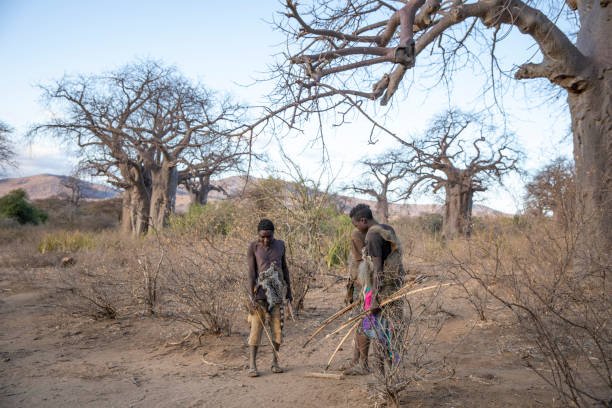
Your Lake Eyasi Hadzabe Tribe Experience: Connecting with Ancient Hunters
For travelers seeking a profound connection with the human history of Africa, the Lake Eyasi Hadzabe Tribe Experience stands as a truly exceptional encounter. Far removed from the well-trodden safari paths, this journey takes you to the shores of Lake Eyasi in Tanzania, a place where one of the continent’s last remaining hunter-gatherer communities, the Hadzabe people, continue to live in harmony with their ancient traditions. If you’re planning a Tanzania adventure for 2026 or 2027 and wish to witness a way of life that has persisted for millennia, understanding the Hadzabe culture is an essential part of your itinerary.
This isn’t a staged performance; it’s an authentic glimpse into the daily lives of a people whose existence is intrinsically linked to the land, their hunting skills, and their deep knowledge of medicinal plants. Our aim at Best Tanzania Tour Operator is to facilitate respectful and meaningful interactions that benefit both our guests and the Hadzabe community. This comprehensive guide will prepare you for this unique experience, covering what to expect, how to approach it respectfully, the best times to visit, and what makes this encounter so significant for your 2026-2027 Tanzania travel plans.
Unveiling the Hadzabe: Guardians of Ancient Ways
The Hadzabe, also referred to as the Watindiga or Kindiga, are an indigenous ethnic group dwelling near the saline expanse of Lake Eyasi in Tanzania’s Yaeda Valley. They are globally recognized for preserving one of the world’s few remaining hunter-gatherer lifestyles, a tradition that has sustained their existence for thousands of years. Their unique social fabric, distinct language, and sophisticated survival strategies offer an unparalleled window into humanity’s ancestral past. Understanding their way of life is paramount to appreciating the Lake Eyasi Hadzabe Tribe Experience.
Their language, characterized by its complex click consonants, is thought to bear distant linguistic ties to the Khoisan languages of Southern Africa, providing clues about ancient migratory patterns across the continent. The Hadzabe organize themselves into small, nomadic family units, migrating seasonally in pursuit of game and the abundant wild fruits, roots, and honey found in their environment. Their profound connection to the land is evident in their intricate knowledge of local flora and fauna, which they utilize for medicinal purposes, tool-making, and sustenance. This deep ecological understanding is a cornerstone of their culture and essential for their survival.
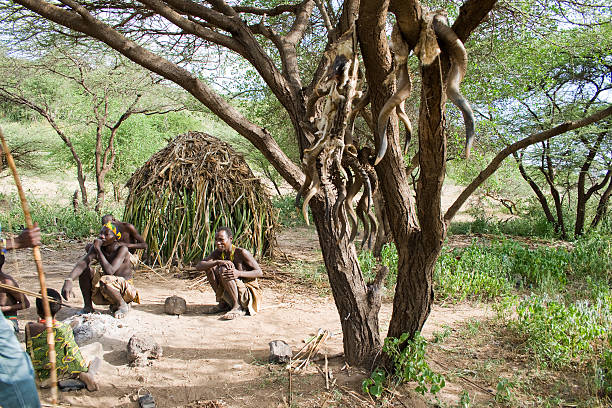
In stark contrast to many societies that have integrated into modern economies, the Hadzabe largely sustain themselves through traditional methods: hunting with finely crafted bows and arrows, and gathering from the natural bounty of their surroundings. Their enduring lifestyle is a powerful testament to human resilience, adaptability, and a profound reverence for the natural world. Witnessing their daily activities, from the meticulous tracking of animals to the communal preparation of food, provides a humbling perspective on human ingenuity and a stark contrast to the complexities of contemporary urban living. This is the essence of the Hadzabe Tribe Experience.
The Lake Eyasi Region: A Tapestry of Life and Culture
Lake Eyasi itself is a significant geographical feature – a vast, shallow, alkaline lake situated within the dramatic Great Rift Valley. Its water levels are subject to considerable fluctuation, and the surrounding semi-arid landscapes form a distinctive ecological niche. While not a primary destination for conventional wildlife safaris like the Serengeti or Ngorongoro, the region’s true allure for discerning travelers lies in its human inhabitants, particularly the Hadzabe. The landscape is a mosaic of acacia woodlands, expansive grasslands, and striking rocky outcrops, all of which provide the vital natural resources upon which the Hadzabe depend for their survival.
The broader Lake Eyasi area is also home to other significant ethnic groups, most notably the Datoga people. The Datoga are primarily pastoralists, renowned for their distinctive appearance and their exceptional skills as blacksmiths. While your primary focus for this specific journey will be the Hadzabe, encountering Datoga settlements can offer a fascinating additional layer of cultural discovery. The juxtaposition of these distinct communities, each with their own unique traditions, social structures, and livelihoods, enriches the already vibrant cultural tapestry of the region, making a visit to Lake Eyasi a multifaceted experience.
Why Plan a Hadzabe Visit for 2026-2027? The Imperative of Preservation
The imperative to experience the Hadzabe culture now lies in its inherent vulnerability. As the inexorable march of modernization and global influences continues, the traditional hunter-gatherer lifestyle faces increasing pressures. Visiting in the near future, particularly with a responsible tour operator deeply committed to ethical tourism practices, ensures that your presence contributes positively to the community while allowing you to witness a way of life that may significantly transform or even disappear in its current form for future generations. Strategic planning for 2026 or 2027 allows ample time for thoughtful itinerary design and secure bookings with trusted operators.
A Lake Eyasi Hadzabe Tribe Experience transcends mere sightseeing; it represents an unparalleled opportunity for genuine cultural immersion. It is about fostering a deeper understanding of diverse human values, exploring alternative survival strategies, and appreciating the profound, intrinsic connection between people and their environment. This is particularly relevant for travelers in 2026 and 2027 who are actively seeking more meaningful, authentic, and transformative travel experiences that move beyond conventional tourist activities. It’s about connection, not just observation.
Structuring Your Lake Eyasi Visit: Crafting the Perfect Itinerary
A visit to the Hadzabe is most commonly and effectively integrated into a broader northern Tanzania safari circuit. It is frequently combined with explorations of iconic destinations such as the Ngorongoro Conservation Area, Serengeti National Park, or Tarangire National Park. The journey to Lake Eyasi itself involves navigating sometimes challenging terrain, which is an integral part of the adventure and contributes to its remote allure. Careful itinerary planning is key for a successful Lake Eyasi Hadzabe Tribe Experience.
A Typical Itinerary Flow for Enhanced Immersion:
- Day 1: Arrival and Transfer to the Lake Eyasi Environs. Following a safari adventure in another national park or upon arrival at Kilimanjaro International Airport (JRO), you will be transferred towards the Lake Eyasi region. Accommodation is typically arranged in comfortable lodges or well-appointed tented camps situated strategically near the lake or the Hadzabe communities. The journey itself offers valuable insights into the rhythms of rural Tanzanian life and builds anticipation for the cultural encounters ahead.
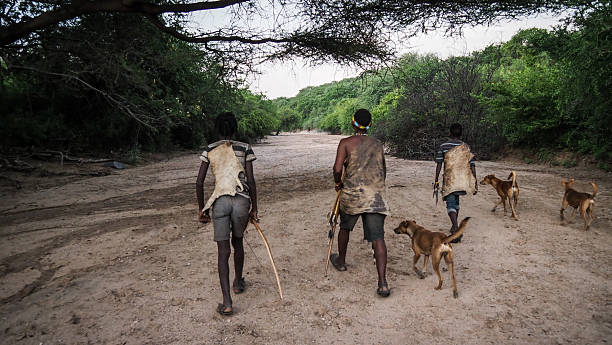
- Day 2: Deep Dive into Hadzabe Culture and Traditions. This day is dedicated to the core of your experience. The early morning is the optimal time to accompany the Hadzabe hunters as they depart on their daily expeditions. You will have the unique opportunity to learn about their sophisticated tracking techniques, observe their remarkable proficiency with bows and arrows, and witness their profound knowledge of the bush. Later in the day, a visit to a Hadzabe village is often arranged, where you can observe women gathering essential roots and berries, and gain insight into their social customs and daily routines. Direct, respectful interaction with the children is frequently a heartwarming highlight of this immersive day.
- Day 3: Optional Datoga Encounters and Departure. Depending on the specific itinerary and your interests, there may be an opportunity to visit a Datoga blacksmith village. This provides a fascinating glimpse into their traditional metalworking skills and artistry. Following this cultural exploration, you will commence your journey back towards Arusha or your next chosen destination, perhaps including a final scenic game drive in a nearby conservancy.
This foundational structure can be meticulously adapted to suit individual preferences and time constraints. Some travelers opt for a single, full day dedicated to intensive Hadzabe interaction, while others prefer two days to allow for a more in-depth understanding and richer experience. The precise timing, duration, and specific activities will be tailored based on your overall Tanzania safari itinerary for 2026-2027 and your personal interests. The key is to allow sufficient time for genuine connection.
The Heart of the Experience: What to Truly Expect
The Lake Eyasi Hadzabe Tribe Experience is fundamentally raw, profoundly authentic, and deeply humbling. It requires an open mind, a curious spirit, and an unwavering willingness to observe, learn, and engage without judgment. Here’s a detailed breakdown of what you can anticipate during this extraordinary encounter:
Sunrise Hunt Observation: A Test of Patience and Skill
Your day will likely commence before dawn, a necessary sacrifice to accompany the Hadzabe men on their traditional hunt. This involves moving quietly and deliberately through the bush, honing your observational skills to spot animal tracks, and developing an appreciation for the immense patience and specialized skill required. You might witness them tracking small game such as dik-dik, various species of guinea fowl, or even agile baboons. While successful hunts are never guaranteed – and should never be the sole metric of the experience’s success – the intricate process itself is a captivating spectacle of ancient survival techniques.
Village Life and Meaningful Cultural Exchange
Later in the day, you will typically be invited to visit a Hadzabe settlement. It is important to understand that these are not permanent structures but rather temporary, natural shelters ingeniously constructed from branches, grass, and other readily available materials. Within these settlements, you will observe women expertly preparing food, children engaged in play and learning, and elders sharing stories and wisdom. The Hadzabe are generally known for their welcoming nature and inherent curiosity towards visitors, and your experienced local guide will act as a crucial facilitator, ensuring respectful and meaningful communication. You may be graciously invited to sample local delicacies, such as the fermented honey wine (mbeya) or freshly roasted meat, offering a direct taste of their traditional diet.
Deepening Understanding of Their Unique Lifestyle
Through facilitated discussions, guided by your knowledgeable local guide, you will gain profound insights into the Hadzabe’s belief systems, their intricate social organization, their sophisticated use of traditional medicine derived from local plants, and their deeply spiritual relationship with the surrounding environment. A particularly fascinating aspect you’ll learn about is their unique method of honey collection, which often involves a remarkable symbiotic relationship with specific birds that guide them unerringly to beehives hidden high in the trees. This showcases their intimate understanding of the ecosystem.
Navigating Photography with Respect and Sensitivity
Photography can be a powerful tool for documentation, but it must be approached with utmost sensitivity. Always seek explicit permission before taking close-up photographs of individuals, particularly elders and children. Respect their privacy and autonomy; some individuals may decline or request a small fee for being photographed, which your guide will manage discreetly and ethically. The natural light and the candid, unscripted moments often provide the most powerful and evocative photographic opportunities, capturing the true essence of the Hadzabe Tribe Experience.
Upholding Ethical Principles: Responsible Tourism in Practice
Visiting the Hadzabe necessitates an unwavering commitment to ethical principles and responsible tourism practices. As a dedicated responsible tour operator, our core mission is to prioritize the well-being, cultural integrity, and long-term sustainability of the communities we engage with. Your Lake Eyasi Hadzabe Tribe Experience should, therefore, be a force for positive impact.
- Cultivating Respectful Interaction: Approach the Hadzabe people with genuine humility, deep respect, and cultural sensitivity. Remember that you are a guest within their ancestral lands and traditional home. Avoid any behavior that could be perceived as intrusive, disruptive, or disrespectful. Listen more than you speak.
- Mastering Photography Etiquette: As previously emphasized, always seek explicit verbal permission before photographing individuals. Be prepared for the possibility that some individuals may not wish to be photographed, and respect their decision without question. If a fee is requested, your guide will facilitate this transparently.
- Thoughtful Gifting Strategies: It is generally advisable to avoid giving sweets or money directly to children. Such actions can inadvertently disrupt their education, foster dependency, and create social imbalances within the community. If you feel compelled to offer gifts, it is best to discuss this with your guide beforehand. Practical items such as basic medical supplies (e.g., bandages, antiseptic wipes), educational materials (e.g., notebooks, pencils), or tools that can benefit the entire community and are distributed through the recognized elders are often the most appropriate and appreciated forms of contribution.
- Ensuring Direct Community Support: A significant portion of your tour fees is channeled directly into the local economy, providing tangible benefits to the Hadzabe community. We actively strive to employ guides and support staff from within the Hadzabe community whenever feasible, ensuring that economic benefits flow directly to the people whose culture you are experiencing. This direct engagement is vital for sustainable tourism.
- Maintaining Cultural Sensitivity: Be acutely mindful of your attire and general behavior. Dress modestly, particularly when visiting villages or interacting closely with community members. Avoid loud noises, disruptive behavior, or making dismissive gestures. Your actions reflect upon your guide and the broader tourism industry.
Our fundamental commitment is to ensure that your visit is not exploitative in any way but rather fosters a mutually beneficial exchange. We aim to enhance understanding, promote cultural appreciation, and contribute to the preservation of the dignity and unique heritage of the Hadzabe people. This ethical framework is absolutely crucial for any responsible traveler planning their journey for 2026 or 2027.
Optimizing Your Visit: The Best Time for Lake Eyasi
The Lake Eyasi region experiences distinct dry and wet seasons, characteristic of northern Tanzania’s climate. The optimal timing for your Lake Eyasi Hadzabe Tribe Experience is a decision that depends on your personal preferences regarding weather, crowd levels, and the specific aspects of the landscape you wish to observe. Understanding these seasonal nuances is key to a successful trip.
- The Dry Season (Generally June to October): This period is typically considered the peak tourist season across Tanzania. The weather is characterized by pleasant temperatures and significantly less rainfall, which generally makes travel conditions more comfortable and predictable, especially on the sometimes challenging roads leading to Lake Eyasi. During this time, wildlife tends to concentrate around available water sources, and the landscape takes on a drier, more rugged appearance. For the Hadzabe, this season can present more challenging hunting conditions due to sparser vegetation offering less cover, but their deep knowledge allows them to adeptly locate essential water and food sources.
- The Shoulder Seasons (November, and March to May): These transitional months can offer a rewarding balance for visitors. November often heralds the onset of the short rains, which can bring a welcome freshness to the landscape. The period from March to May typically sees the longer, heavier rains, which can significantly impact road accessibility, particularly in the Lake Eyasi area, potentially requiring the use of 4×4 vehicles. However, the landscape is at its most lush and verdant during these months, and tourist numbers are generally lower, offering a more intimate experience.
- The Wet Season (November to February, and April to May): While the rains can introduce logistical challenges for travel, they also transform the landscape into a vibrant, green spectacle. This season is particularly excellent for bird watching enthusiasts due to increased avian activity. The Hadzabe continue their traditional way of life irrespective of the season, though their migratory patterns and daily movements may shift in response to the availability of water and game.
For the majority of travelers planning their expeditions for 2026 or 2027, the dry season (June-October) provides the most comfortable and logistically straightforward travel conditions. However, the shoulder months (particularly March-May, if road conditions permit) can be exceptionally rewarding for those seeking to avoid larger crowds and experience a different, more vibrant perspective on the region’s natural beauty.
Comfortable Stays: Accommodation Options Near Lake Eyasi
Accommodation options surrounding Lake Eyasi are designed to provide a comfortable and convenient base for exploring this unique region. While the emphasis is generally on providing a pleasant and authentic experience rather than high-end luxury, the available lodges and tented camps are well-suited to the rustic charm of the destination.
- Mid-Range Lodges and Tented Camps: These establishments typically feature comfortable en-suite bathrooms, well-appointed bedrooms, and on-site dining facilities. They are often designed with the natural environment in mind, aiming to blend seamlessly with the surroundings and offer a tranquil retreat after a day of cultural immersion and exploration. Examples might include properties like Lake Eyasi Safari Lodge or similar reputable establishments known for their quality and location.
- More Basic Tented Camps: For travelers seeking a more rustic and perhaps budget-friendly experience, simpler tented camps may offer shared bathroom facilities. These options provide a closer connection to the natural environment and a more adventurous feel, aligning well with the spirit of exploring the Lake Eyasi area.
When booking your Lake Eyasi Hadzabe Tribe Experience, it is highly recommended to discuss your accommodation preferences, budget constraints, and desired level of comfort with your chosen tour operator. The choice of accommodation can significantly influence the overall ambiance and experience of your trip.
Financial Considerations: Understanding the Costs Involved
The cost associated with a Lake Eyasi Hadzabe Tribe Experience is typically integrated into a comprehensive Tanzania safari package. Due to the logistical complexities and the remote nature of the region, it is rarely booked as a standalone excursion.
Key factors that influence the overall cost include:
- Duration of Your Stay: The number of days allocated specifically to the Lake Eyasi region within your itinerary.
- Accommodation Standard: The type of lodging selected – mid-range lodges will naturally incur higher costs than more basic tented camps.
- Transportation Logistics: The type of safari vehicle utilized (e.g., 4×4 Land Cruiser) and the overall distance covered during your transfers and excursions.
- Park Fees and Community Contributions: Entrance fees and specific contributions designated for the Hadzabe community are typically included in the tour price, ensuring direct benefit.
- Group Size and Privacy: Private tours, offering exclusivity and flexibility, are generally more expensive per person compared to shared group tours.
As a general guideline for 2026-2027 planning, a standard 2-day/1-night excursion focused on the Hadzabe, when incorporated into a larger safari itinerary, might add approximately $300 to $600 USD per person to your total safari cost. This estimate is highly dependent on the specific inclusions, accommodation standard, and the tour operator’s pricing structure. For a precise and personalized quote tailored to your unique 2026 or 2027 safari requirements, we strongly encourage you to contact us directly for a detailed consultation.
Seamless Integration: Weaving Lake Eyasi into Your Tanzania Safari
The Lake Eyasi region is strategically situated southwest of Arusha, often visited as a compelling segment following excursions to the world-renowned Serengeti and the Ngorongoro Crater. This geographical positioning allows for the creation of exceptionally diverse and enriching itineraries, offering a remarkable blend of wildlife encounters and profound cultural immersion within a single journey.
Popular and Recommended Itinerary Combinations:
- The Classic Northern Circuit Plus Lake Eyasi: This highly sought-after itinerary typically includes visits to the Serengeti National Park, the Ngorongoro Crater, Tarangire National Park, and culminates with the unique cultural experience at Lake Eyasi. This combination provides an unparalleled spectrum of Tanzania’s offerings, from iconic wildlife viewing to deep cultural engagement.
- An Enhanced Cultural Focus: For travelers prioritizing cultural experiences, Lake Eyasi can be combined with visits to other distinct indigenous groups, such as the Maasai or the Datoga. This approach allows for a comparative study of different traditions and lifestyles within northern Tanzania.
- Venturing Off the Beaten Path: For the more adventurous traveler seeking experiences beyond the most frequented tourist trails, the Lake Eyasi region itself offers a significant departure from the crowded safari spots, providing a sense of discovery and exclusivity.
When you begin planning your unforgettable 2026-2027 Tanzania adventure, please explicitly communicate your interest in experiencing the Hadzabe culture. Our expertise lies in crafting bespoke, tailor-made itineraries that perfectly harmonize thrilling wildlife viewing opportunities with deeply meaningful cultural immersion. We invite you to explore our Tanzania safari tour blog for further inspiration and examples of diverse itinerary structures.
Essential Preparation: Maximizing Your Hadzabe Experience
Thorough and thoughtful preparation is absolutely key to ensuring you derive the maximum benefit from your visit to the Hadzabe and conduct yourself in a manner that is consistently respectful of their unique culture and traditions.
What to Pack for Your Cultural Immersion:
- Lightweight, Neutral-Colored Clothing: Essential for comfortable walking and blending in respectfully while interacting with the community. Avoid bright colors or camouflage patterns.
- Comfortable, Sturdy Walking Shoes: You will be traversing uneven terrain, so comfortable footwear is paramount.
- Sun Protection: A wide-brimmed hat and high-SPF sunscreen are crucial, as the sun can be intense in this region.
- Effective Insect Repellent: Particularly important for evenings and early mornings to protect against mosquitoes and other biting insects.
- Camera and Accessories: Bring your camera, along with extra batteries, memory cards, and perhaps a portable charger. Remember the etiquette regarding photography.
- Binoculars: Useful for observing wildlife encountered during transfers to and from the Hadzabe areas.
- A Small, Practical Daypack: Ideal for carrying essential items like water, snacks, sunscreen, and your camera during daily excursions.
- Personal First-Aid Kit: Include any personal medications, basic wound care supplies, and pain relievers.
Health and Safety Protocols: Prioritizing Well-being
It is strongly advised to consult your physician or a travel clinic regarding necessary vaccinations and malaria prophylaxis well in advance of your 2026 or 2027 trip. Always ensure you drink only bottled or purified water. Crucially, always adhere strictly to your guide’s instructions regarding safety procedures, especially when engaging with wildlife or navigating unfamiliar and potentially challenging terrain. Your guide’s expertise is invaluable.
Cultivating the Right Mindset: Openness and Respect
Approach this unique experience with an open mind, genuine curiosity, and profound humility. Be prepared to encounter and embrace a way of life that is fundamentally simpler and operates on different principles than your own. It is vital to understand that the Hadzabe are not a tourist attraction to be observed passively, but rather a living, breathing community with a rich and complex culture. Your interaction should always be characterized by learning, mutual respect, and a desire to understand.
Navigating Common Pitfalls: Mistakes to Avoid on Your Hadzabe Visit
To ensure a positive, respectful, and truly enriching experience for both yourself and the Hadzabe community, it is important to be aware of and actively avoid common mistakes that some travelers make:
- Treating the Hadzabe as Exhibits: Avoid the mistake of viewing the Hadzabe as mere objects of curiosity or specimens in a living museum. They are human beings with dignity, complex social structures, and rich traditions. Engage with them with the same respect you would offer any community you visit globally.
- Disregarding Photography Etiquette: Failing to ask for permission before taking photographs, especially of individuals, is a significant breach of respect. Some individuals may feel uncomfortable or may have specific reasons for not wishing to be photographed. Always seek explicit consent.
- Making Cultural Assumptions: Avoid imposing your own cultural norms, values, or expectations onto the Hadzabe way of life. Their practices, beliefs, and social dynamics have evolved over millennia to suit their environment and needs. Strive to understand their logic rather than judging it.
- Giving Unsolicited Gifts, Especially to Children: As mentioned earlier, indiscriminately giving gifts, particularly candy or money directly to children, can be highly disruptive to their education, foster unhealthy dependency, and create social friction within the community. Always consult your guide for appropriate and beneficial ways to contribute.
- Expecting Modern Comforts and Amenities: The Lake Eyasi region is remote and retains a rustic charm. Do not expect the conveniences of modern hotels or urban living. Embrace the simplicity and authenticity of the experience; this is part of its unique appeal.
- Being Overly Intrusive or Demanding: Respect personal space and avoid asking overly personal or intrusive questions. Allow the interactions to unfold naturally. Patience and observation are key.
- Judging Their Subsistence Methods: Understand that hunting and gathering are not merely survival activities but deeply ingrained cultural practices tied to identity, tradition, and ecological knowledge. Avoid expressing judgment or disapproval of their methods.
- Ignoring Your Guide’s Advice: Your local guide is an invaluable resource. They possess deep cultural understanding and are responsible for facilitating respectful interactions. Listen to their guidance on etiquette, safety, and appropriate behavior.
- Over-Romanticizing the Lifestyle: While the Hadzabe lifestyle is fascinating, it is also a life of hardship and constant effort. Avoid presenting an overly romanticized view; acknowledge the challenges alongside the beauty and resilience.
- Focusing Solely on the Hunt’s Outcome: The success of a hunt is not guaranteed and should not be the primary focus of your visit. The true value lies in observing the process, the skill, the knowledge, and the cultural significance of these activities.
By being mindful of these potential pitfalls, you can ensure your Lake Eyasi Hadzabe Tribe Experience is not only memorable but also deeply respectful and ethically sound, contributing positively to the preservation of this extraordinary culture for years to come, especially as you plan for 2026 and 2027.
The Future of the Hadzabe: Challenges and Hopes
The Hadzabe people stand at a critical juncture, facing the complex challenges of preserving their ancestral way of life in an increasingly interconnected world. As globalization expands its reach, the pressures on traditional cultures intensify, impacting everything from land rights and resource access to the transmission of cultural knowledge.
Key Challenges Facing the Hadzabe:
- Land Tenure and Encroachment: Their traditional lands are often subject to pressure from agricultural expansion, government development projects, and tourism infrastructure, leading to conflicts over resource access and displacement.
- Influence of Modern Lifestyles: The introduction of external goods, education systems, and economic opportunities can create a cultural shift, potentially leading younger generations to question or abandon traditional practices.
- Health and Education Disparities: Access to modern healthcare and formal education remains a challenge in their remote areas, although efforts are being made to improve these services.
- Climate Change Impacts: Shifting weather patterns can affect the availability of game and wild foods, adding another layer of complexity to their traditional subsistence strategies.
The Role of Responsible Tourism: A Beacon of Hope
Responsible tourism, when conducted ethically and with community benefit at its core, can play a vital role in supporting the Hadzabe. By choosing tour operators who prioritize fair compensation, cultural respect, and community-driven initiatives, visitors can contribute positively. Your visit, facilitated through a reputable operator like Top Guide Adventures, ensures that:
- Economic Benefits are Realized: Tour fees and direct purchases provide essential income that can support families and community projects.
- Cultural Preservation is Encouraged: By demonstrating interest and respect for their traditions, tourism can incentivize the continuation of cultural practices and knowledge transmission.
- Awareness is Raised: Travelers become ambassadors for the Hadzabe, sharing their stories and advocating for the protection of their rights and lands upon their return home.
The future of the Hadzabe is intrinsically linked to their ability to maintain autonomy over their lands and culture. Responsible engagement, like the Lake Eyasi Hadzabe Tribe Experience planned for 2026 or 2027, offers a pathway for cultural survival and resilience, ensuring that their unique heritage continues to enrich the human story.
Why Choose Top Guide Adventures for Your Lake Eyasi Experience?
Selecting the right tour operator is paramount for an authentic, ethical, and unforgettable Lake Eyasi Hadzabe Tribe Experience. At Top Guide Adventures, we are deeply committed to providing journeys that are not only spectacular but also responsible and beneficial to the communities we visit.
Our Commitment to Ethical and Authentic Tourism:
- Deep Community Relationships: We have cultivated long-standing, respectful relationships with the Hadzabe community, ensuring our visits are welcomed and conducted with their full participation and consent.
- Experienced Local Guides: Our guides are predominantly from local communities, possessing intimate knowledge of the culture, environment, and the nuances of respectful interaction. They act as vital cultural bridges.
- Tailored Itineraries: We specialize in crafting personalized safari itineraries that seamlessly integrate the Hadzabe experience with other Tanzanian highlights, tailored precisely to your interests, budget, and timeframe for 2026 or 2027.
- Focus on Authenticity: We prioritize genuine cultural immersion over staged performances, ensuring you witness the Hadzabe’s daily life as it truly is.
- Contribution to Conservation and Community: A portion of our profits directly supports local conservation initiatives and community development projects, ensuring your travel has a positive impact.
We understand the significance of the Lake Eyasi Hadzabe Tribe Experience and are dedicated to making it a highlight of your Tanzanian journey. Let us help you plan a trip that is both life-changing and responsible.
Ready to Connect? Plan Your 2026-2027 Lake Eyasi Adventure
The prospect of encountering the Hadzabe people is a powerful call to adventure, a chance to step back in time and connect with a fundamental aspect of human existence. As you finalize your travel plans for 2026 or 2027, consider the profound impact of the Lake Eyasi Hadzabe Tribe Experience.
This is more than a safari; it’s an education, a humbling encounter, and a celebration of human resilience and adaptation. We invite you to embark on this extraordinary journey with us.
Contact Us to Begin Your Bespoke Safari Planning:
To discuss your dream Tanzania safari, including the invaluable Hadzabe experience, please reach out to our dedicated team:
- WhatsApp: +255616946642
- Email: topguideadventures@gmail.com
- Backup Email: info@topguideadventures.com
Let Top Guide Adventures craft your perfect Lake Eyasi Hadzabe Tribe Experience, ensuring a journey filled with authenticity, respect, and unforgettable memories for 2026 and 2027.







 Veedesigner
 Fatma Kizanga
 Benjamin Waryuba
 Philip Philip
 John jr Itaja
 Antonia Optatus
 Edith Kanyere
 Neema Iddy
 Kelvin Boniphace
 Damari Maiga



