
The Best 2 Days Hadzabe & Datoga Tribe Safari at Lake Eyasi: An Authentic Cultural Immersion
Planning a trip to Tanzania in 2026 or 2027 and seeking an experience that goes beyond the typical wildlife safari? For travelers yearning for genuine cultural encounters, the best 2 days Hadzabe & Datoga tribe safari at Lake Eyasi offers an unparalleled opportunity to connect with some of East Africa’s most ancient and traditional communities. Unlike the fleeting glimpses of wildlife, this immersive journey allows for deep interaction, understanding, and appreciation of unique ways of life that have persevered for centuries. This guide is designed to equip you with everything you need to plan and enjoy this extraordinary adventure, ensuring your 2026-2027 visit to Lake Eyasi is both meaningful and memorable.
Lake Eyasi, a shallow, alkaline lake on the floor of the Great Rift Valley in northern Tanzania, is a region of stark beauty and profound cultural significance. It is here that the hunter-gatherer Hadzabe people and the pastoralist Datoga (also known as the Datuoga or Tatoga) maintain traditions that have remained remarkably untouched by the modern world. A 2-day safari here is not about ticking off animal sightings; it’s about stepping back in time and witnessing human heritage firsthand.
Why Choose a 2-Day Lake Eyasi Cultural Safari?
The allure of Lake Eyasi lies in its authenticity. In a world increasingly homogenized, the chance to spend time with the Hadzabe, one of the last remaining hunter-gatherer groups globally, and the skilled Datoga artisans, is a rare privilege. A dedicated 2-day itinerary is often sufficient to gain a meaningful insight into their daily lives, traditions, and challenges.
- Deep Cultural Connection: Engage directly with tribal elders, hunters, women, and children. Learn about their survival techniques, social structures, and spiritual beliefs. This is the core of the best 2 days Hadzabe & Datoga tribe safari at Lake Eyasi.
- Unique Activities: Participate in or observe traditional hunting methods with the Hadzabe, witness the intricate craft of Datoga blacksmithing, and understand their pastoralist lifestyle. These are experiences you won’t find elsewhere.
- Off-the-Beaten-Path Experience: While popular with culturally-minded travelers, Lake Eyasi remains less visited than the northern circuit parks, offering a more intimate and less commercialized experience. This ensures a more genuine encounter for your 2026 or 2027 travels.
- Stunning Scenery: The landscape around Lake Eyasi is dramatic, featuring arid plains, acacia woodlands, and the vast expanse of the lake itself, especially beautiful at sunrise and sunset. The visual backdrop enhances the cultural narrative.
- Complementary to Wildlife Safaris: This cultural tour perfectly complements a traditional Tanzanian safari, offering a balanced perspective on the region’s offerings for your 2026 or 2027 travels, providing depth beyond just wildlife.
Understanding the Hadzabe and Datoga Tribes
To truly appreciate the best 2 days Hadzabe & Datoga tribe safari at Lake Eyasi, understanding the distinct cultures you will encounter is crucial. Each tribe possesses a rich heritage that has sustained them for millennia.
The Hadzabe: Masters of the Hunt
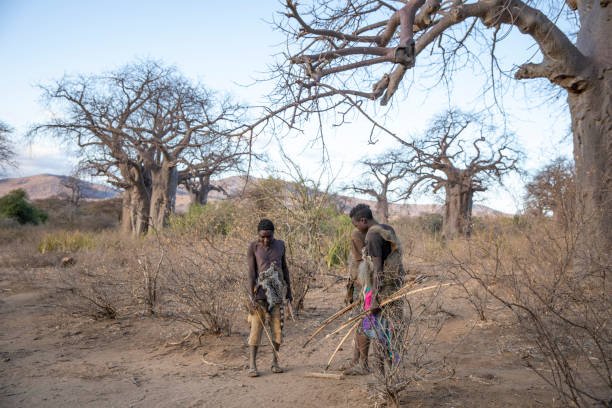
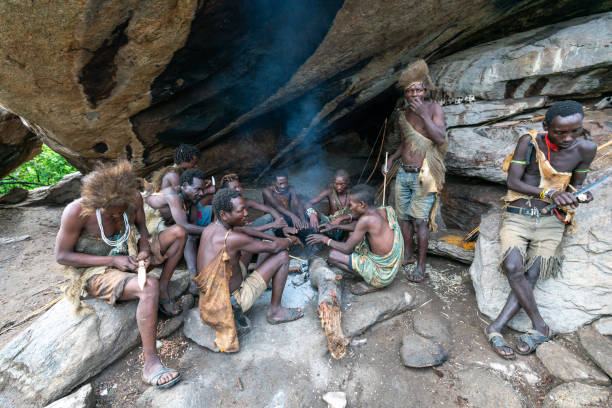
The Hadzabe are one of the last hunter-gatherer societies on Earth, a living testament to human history. Their language, characterized by unique click consonants similar to the Khoisan languages of Southern Africa, is a marvel in itself. They live in small, nomadic bands, their existence intrinsically tied to the land, from which they derive sustenance through hunting game, gathering wild fruits, tubers, and honey. Their connection to the land is not merely survival; it is deeply spiritual and forms the bedrock of their daily existence. During your visit, you might have the extraordinary opportunity to join a morning hunt, which requires a very early start and immense patience, or learn firsthand about their traditional archery and sophisticated tracking skills. Understanding their nomadic lifestyle and their reliance on the natural environment is key to appreciating their resilience.
Key Hadzabe Aspects for Your 2026-2027 Visit:
- Diet: Primarily consists of meat obtained from hunted animals, supplemented by a diverse array of tubers, berries, fruits, and wild honey. Their diet is a direct reflection of their environment.
- Social Structure: Characterized by an egalitarian system where decisions are made collectively, fostering a strong sense of community and shared responsibility.
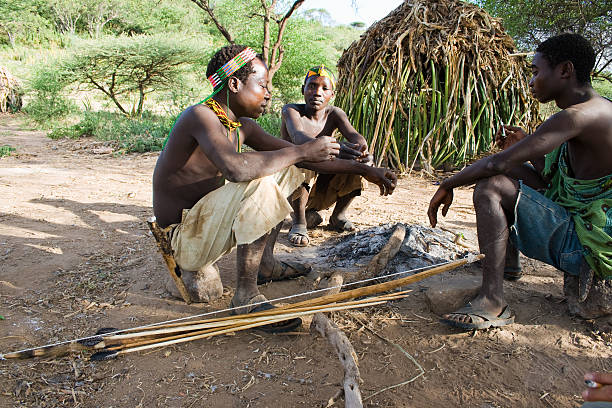
- Tools: Masters of crafting highly effective bows and arrows, essential for hunting, alongside expertly made digging sticks used for unearthing tubers and roots.
- Dwelling: They utilize temporary shelters constructed from branches and grass, reflecting their nomadic lifestyle and adaptability to changing locations.
- Spirituality: Deep reverence for ancestors and the natural world, viewing the environment not just as a resource but as a living entity with spiritual significance.
The Datoga: Skilled Artisans and Pastoralists
The Datoga people are distinguished by their pastoralist lifestyle, deeply rooted in herding cattle, goats, and sheep. However, their renown extends far beyond livestock management; they are celebrated for their exceptional metalworking skills. Datoga blacksmiths are revered artisans, adept at fashioning essential tools, intricate jewelry, and functional weapons from scrap metal using traditional methods. Visiting a Datoga village offers an intimate glimpse into their unique social customs, their distinctive traditional attire often adorned with vibrant beadwork, and their remarkable resilience in an often challenging environment. You will likely witness blacksmiths at work, their expertise transforming raw materials into both utilitarian and aesthetically pleasing items. Their cultural practices and artistic talents are a significant draw for visitors seeking authentic experiences.
Key Datoga Aspects for Your 2026-2027 Visit:
- Economy: Primarily driven by livestock herding and highly skilled craftsmanship, particularly in metalwork.
- Craftsmanship: Famed for their intricate metalwork, producing items like arrowheads, knives, and distinctive bracelets. Their beadwork is also highly valued.
- Social Structure: Generally patriarchal, with strong emphasis on community ties and respect for elders.
- Dwelling: They tend to live in more permanent homesteads, often featuring circular huts that are characteristic of their settled lifestyle.
- Appearance: Recognizable by their distinctive tattoos and elaborate bead necklaces and bracelets, which are often rich in cultural meaning.
Crafting Your 2-Day Lake Eyasi Itinerary: What to Expect
A well-structured 2 days Hadzabe & Datoga tribe safari at Lake Eyasi typically balances time with both communities, allowing for a rich cultural exchange. The exact flow can vary based on your starting point and guide’s expertise, but here’s a common and effective structure for 2026-2027 travelers, designed for maximum immersion.
Day 1: Journey to Lake Eyasi & Datoga Immersion
Your cultural adventure begins with an early start, usually departing from Arusha or Karatu. The drive to Lake Eyasi is itself an experience, offering a gradual transition from the verdant highlands to the stark, arid beauty of the Rift Valley floor. The journey provides valuable insights into rural Tanzanian life, setting the stage for the unique encounters to come.
- Morning: Travel to Lake Eyasi. After an early breakfast, you’ll commence your journey towards the Lake Eyasi region. The drive typically takes approximately 3-4 hours, contingent on your starting point and the prevailing road conditions. Your mode of transport will be a robust 4×4 safari vehicle, an essential tool for navigating the varied terrain effectively.
- Late Morning/Lunch: Arrive and Settle. Upon reaching the vicinity of Lake Eyasi, your first stop will likely be your chosen accommodation. After checking in and enjoying a midday meal, your cultural exploration will commence.
- Afternoon: Datoga Village Visit & Blacksmith Demonstration. Your experienced guide will facilitate a visit to a local Datoga village. This is a prime opportunity to interact with the Datoga people, observe their daily routines, and witness the remarkable skill of their blacksmiths. You’ll see them expertly using traditional bellows and anvils to forge metal into a variety of items, including tools, arrowheads, and distinctive jewelry. This segment is ideal for learning about their ancestral craftsmanship and potentially acquiring authentic souvenirs directly from the artisans.
- Late Afternoon: Lake Eyasi Exploration. Depending on the season and the water levels of the lake, you may have the opportunity to visit the lake shore. The landscape here is often breathtaking, particularly as the sun begins its descent, painting the sky and land with warm, evocative colors. This provides a moment of reflection amidst the cultural richness.
- Evening: Dinner and Overnight. Following your day’s activities, you’ll return to your lodge or camp for dinner. The evening offers a chance to relax and absorb the unique atmosphere of the African bush, often under a canopy of brilliant stars.
Day 2: Hadzabe Hunting Experience & Departure
Day two is dedicated to the Hadzabe, focusing on their iconic hunting traditions and unique way of life. This requires a very early start to maximize your chances of observing their hunting activities, which are most productive in the cooler morning hours.
- Very Early Morning (Pre-dawn): Hadzabe Hunting Excursion. You will rise before dawn and, accompanied by your guide, head out to meet with the Hadzabe hunters. This is the prime time for hunting. You will follow them discreetly into the bush as they track game, utilizing their profound knowledge of the environment and animal behavior. This is a truly immersive and humbling experience, demanding patience and a deep respect for their time-honored methods. It is crucial to understand that hunting success is never guaranteed; the true value lies in observing their incredible skill and profound connection to nature.
- Late Morning: Hadzabe Village Visit & Learning. After the hunting expedition (regardless of its success), you will typically visit a Hadzabe settlement. This provides a more intimate setting to learn about their daily existence, their gathering practices for food, their social customs, and their distinctive language. You may have the chance to observe women demonstrating how they gather edible roots and berries, and children might show you their traditional games. This is a significant opportunity for genuine cultural exchange and understanding.
- Midday: Return for Lunch. You will head back to your lodge or camp for a well-deserved lunch, reflecting on the morning’s profound experiences.
- Afternoon: Departure. Following your midday meal, you will commence your journey back to your next destination. This could be Arusha, the Ngorongoro Conservation Area, or another point in your Tanzanian itinerary. You will depart with a significantly deeper understanding and profound appreciation for these ancient and remarkable cultures.
Planning Your 2026-2027 Lake Eyasi Trip: Essential Considerations
To ensure your best 2 days Hadzabe & Datoga tribe safari at Lake Eyasi is a resounding success, meticulous planning is paramount. Here are crucial aspects to consider for your 2026 or 2027 travel dates, ensuring a smooth and enriching experience.
Best Time to Visit Lake Eyasi
Lake Eyasi is a destination that can be visited year-round, but the specific experience can vary considerably based on the season. Understanding these nuances will help you choose the ideal time for your cultural immersion.
- Dry Season (June to October): This period is widely regarded as the prime time for wildlife viewing across Tanzania’s national parks and also offers the most pleasant weather conditions for cultural visits. The landscape is drier, which generally facilitates easier travel on the often-unpaved roads. While water sources become scarcer, impacting game movement in traditional safari areas, it remains an ideal time for cultural encounters.
- Short Rains (November to December): The landscape begins to transform, becoming greener and more vibrant. Temperatures remain pleasant, making this a good transitional period for a combined cultural and safari trip. The rains are usually light and sporadic.
- Long Rains (March to May): This is the period of significant rainfall, which can present challenges for accessibility, particularly around Lake Eyasi where tracks can become difficult to navigate. However, the landscape is at its most lush and visually stunning. While prices might be more favorable, potential road closures or delays should be factored into your plans. The tribes remain in the area, but outdoor activities might be limited by weather conditions.
- Hot Season (January to February): This period is characterized by heat and dry conditions. If you are combining your trip with a northern circuit safari, this often coincides with the calving season in the Serengeti. It remains a viable time for visiting Lake Eyasi, though temperatures can be high.
For the most comfortable and accessible cultural immersion, the dry season (June-October) and the shoulder months (late May, early June, November) generally offer the best combination of favorable weather and reliable access. Booking your 2026 or 2027 trip during these periods is strongly advisable for an optimal experience.
Accommodation Options at Lake Eyasi
Accommodation options around Lake Eyasi reflect the remote nature of the region, ranging from very basic to comfortably appointed lodges. It is important to set realistic expectations regarding luxury levels compared to more established tourist hubs.
- Budget Camps: These typically offer very basic tented camps or bandas, providing essential amenities for travelers on a tighter budget.
- Mid-Range Lodges/Camps: These represent the most common and often recommended choice for a 2-day safari. They offer more comfortable rooms, often with en-suite bathrooms, and dedicated dining facilities. Properties like the Lake Eyasi Safari Lodge or similar establishments fall into this category, providing a good balance of comfort and authenticity.
- Luxury Options: While true high-end luxury is less prevalent here compared to prime national parks, some lodges are emerging that offer enhanced amenities and services for those seeking a more upscale experience.
Your chosen tour operator will be instrumental in recommending suitable accommodation based on your specific budget and preferences. Ensuring your preferred accommodation is booked well in advance is crucial, especially if you are planning your visit for the peak seasons of 2026 or 2027.
Getting to Lake Eyasi
Lake Eyasi is primarily accessible by road, with travel typically undertaken in a specialized 4×4 safari vehicle. This vehicle is indispensable for navigating the often rugged and unpredictable tracks that lead to the region.
- From Arusha: This is the most frequent starting point for travelers. The journey from Arusha to Lake Eyasi usually takes between 3 to 4 hours, offering scenic views along the way.
- From Karatu: If your itinerary includes visits to the Ngorongoro Crater or Tarangire National Park, Karatu serves as a convenient staging point. The drive from Karatu to Lake Eyasi is considerably shorter, typically around 1.5 to 2 hours.
- From Mto wa Mbu: This bustling local town, situated between Arusha and the Ngorongoro Conservation Area, can also serve as a starting point for your journey to Lake Eyasi.
Your comprehensive safari package will almost certainly include the 4×4 vehicle, an experienced driver-guide, all necessary fuel, and transfers to and from your accommodation at Lake Eyasi.
What to Pack for Your Cultural Safari
Packing efficiently and smartly is key to ensuring comfort and practicality during your cultural safari. Focus on lightweight, breathable clothing suitable for warm climates.
- Clothing: Opt for neutral-colored, lightweight fabrics such as khaki, beige, or green. Long-sleeved shirts and trousers are highly recommended for protection against the sun and for deterring insects, especially during early mornings and evenings. A light jacket or fleece will be useful for cooler temperatures.
- Footwear: Comfortable walking shoes or sturdy hiking boots are essential for exploring the terrain and villages. Comfortable sandals are also recommended for relaxing at your lodge.
- Sun Protection: A wide-brimmed hat, high-quality sunglasses, and a broad-spectrum sunscreen with a high SPF are indispensable.
- Insect Repellent: Particularly important for use during dawn and dusk to protect against mosquitoes and other biting insects.
- Camera: Essential for capturing memories. Ensure you have spare batteries and ample memory cards, as opportunities for photography are abundant.
- Binoculars: While less critical for wildlife viewing in this specific context, binoculars can enhance your observation of distant village activities or landscape details.
- Personal Items: Carry any necessary personal medications, a good quality hand sanitizer, and convenient wet wipes.
- Small Backpack: A lightweight backpack is useful for carrying essentials during day trips and village visits.
- Cash: Essential for purchasing local crafts and souvenirs directly from the artisans. It is advisable to carry smaller denominations of Tanzanian Shillings or US Dollars.
Respectful Attire: While the tribes are accustomed to visitors, maintaining a respectful dress code is important. Avoid overly revealing clothing, particularly when visiting villages, to show deference to local customs.
Interacting Respectfully with the Tribes
This aspect is absolutely paramount for ensuring a meaningful and positive experience. Remember that you are a guest in their communities, and your behavior should reflect this.
- Ask Permission for Photos: Always seek your guide’s assistance before taking photographs of individuals. Some people may prefer not to be photographed, or a small, agreed-upon fee might be expected.
- Observe and Follow Your Guide: Pay close attention to how your guide interacts with the community members and emulate their respectful approach.
- Listen and Learn: Engage by listening more than speaking. Show genuine interest in their stories, traditions, and way of life.
- Thoughtful Gifting: Avoid giving gifts randomly, as it can sometimes disrupt social dynamics or create dependency. If you wish to contribute, discuss with your guide or tour operator about supporting specific community projects or purchasing crafts directly.
- Embrace Patience: Particularly when observing hunting practices or participating in village life. These are not performances but daily routines.
- Prioritize Hygiene: Utilize hand sanitizer liberally before and after interacting with people or touching objects within the villages.
Your guide acts as your crucial cultural interpreter. Trust their expertise implicitly and adhere to their advice to ensure all interactions are conducted with the utmost respect and sensitivity.
Costs and Budget for a 2-Day Lake Eyasi Safari
The overall cost of a best 2 days Hadzabe & Datoga tribe safari at Lake Eyasi can fluctuate considerably, primarily influenced by your choice of accommodation, the size of your travel group, and the specific inclusions of your package. Typically, this cultural experience is offered as a private tour, as scheduled group departures are less common for such specialized immersions.
Estimated Price Range (per person, based on two people sharing):
- Budget: Approximately $350 – $550 USD. This tier usually encompasses basic accommodation (such as camping or very simple bandas), a 4×4 safari vehicle with a driver-guide, fuel, any applicable park or community conservancy fees, and all meals.
- Mid-Range: Ranging from $550 – $850 USD. This popular option typically includes comfortable mid-range lodges or tented camps, a private 4×4 vehicle, a knowledgeable driver-guide, all meals, and often covers community interaction fees. It offers an excellent balance of comfort, authenticity, and value for your 2026-2027 travel budget.
- Luxury: Starting from $850+ USD. This higher-end bracket includes stays in more exclusive lodges, potentially arrangements for more private or exclusive access, a highly experienced cultural guide, and premium services throughout your safari.
Key Factors Influencing the Price:
- Accommodation Choice: This is consistently the most significant variable affecting the overall cost.
- Vehicle Type: The type and condition of the 4×4 safari vehicle can impact the price.
- Guide’s Expertise: A guide with specialized knowledge of the local cultures and languages might command a higher fee.
- Group Size: Prices are typically quoted on a per-person basis. Traveling solo will be more expensive than sharing. A group of 4-6 people sharing a vehicle can often significantly reduce the per-person cost.
- Inclusions: Carefully review what is included. Does the package cover community fees, bottled water, all meals, and any park entrance fees? Clarity here prevents unexpected expenses.
Important Note: These price ranges are estimates intended for planning your 2026-2027 travel budget. For precise costs, obtaining a customized quote from a reputable tour operator is essential. Always clarify all inclusions and exclusions before finalizing your booking.
Inclusions and Exclusions to Clarify
When booking your best 2 days Hadzabe & Datoga tribe safari at Lake Eyasi, it is crucial to scrutinize the details of your tour package to understand precisely what is covered. This prevents misunderstandings and potential unexpected expenses.
Common Inclusions:
- Private 4×4 safari vehicle with a professional driver-guide.
- Fuel for the entire duration of the safari.
- Accommodation as per your chosen lodge/camp category.
- All meals (breakfast, lunch, dinner) during the 2-day safari.
- Bottled drinking water in the vehicle.
- Cultural interaction fees for visiting the Hadzabe and Datoga communities.
- Transfers to and from your starting point (e.g., Arusha, Karatu).
Common Exclusions (to verify with your operator):
- International flights and visa fees.
- Travel insurance (highly recommended).
- Gratuities for your driver-guide and any lodge staff.
- Personal expenses such as souvenirs, alcoholic beverages, laundry, and tips.
- Optional activities not specified in the itinerary.
- Vaccinations or medical expenses.
- Entrance fees to national parks or conservation areas, if applicable (though often community conservancy fees cover access to tribal lands).
Always request a detailed itinerary and a clear list of inclusions and exclusions from your tour operator before making any payments for your 2026 or 2027 trip.
Making the Most of Your 2-Day Cultural Immersion
To truly maximize the value and impact of your best 2 days Hadzabe & Datoga tribe safari at Lake Eyasi, consider these additional tips:
- Manage Expectations: Remember this is an authentic cultural experience, not a curated performance. Life in the villages follows natural rhythms.
- Be Flexible: Schedules can sometimes shift due to weather, community activities, or travel conditions. Embrace flexibility.
- Engage with Your Guide: Your guide is your primary link to understanding the cultural nuances. Ask questions, listen to their insights, and rely on their expertise for respectful interactions.
- Learn Basic Greetings: While not essential, learning a few words in Swahili or attempting Hadzabe clicks can be a charming way to connect, though respect for their language is key.
- Purchase Crafts Responsibly: Buying crafts directly from the artisans supports their livelihoods. Agree on prices beforehand and ensure you are paying a fair amount.
- Consider a Longer Stay: While 2 days provide a solid introduction, if time permits, extending your stay allows for deeper engagement and a more profound understanding.
Choosing the Right Tour Operator for Lake Eyasi
Selecting the right tour operator is paramount for a successful and respectful best 2 days Hadzabe & Datoga tribe safari at Lake Eyasi. Look for operators with proven experience in cultural tourism and a strong commitment to ethical engagement with local communities.
Key Qualities to Seek:
- Local Expertise: Operators who are based in Tanzania or have deep, long-standing relationships with local communities are invaluable.
- Ethical Tourism Practices: Ensure they work with communities in a way that is beneficial and respectful, avoiding exploitation.
- Experienced Guides: Guides should not only be knowledgeable about wildlife but also possess cultural sensitivity and excellent communication skills.
- Customization: The best operators can tailor itineraries to your specific interests and budget for your 2026-2027 travel.
- Reputation and Reviews: Check online reviews and testimonials from previous clients.
Top Guide Adventures is a highly recommended Tanzanian tour operator known for its authentic cultural experiences and commitment to responsible tourism. They excel in crafting personalized itineraries for the Lake Eyasi region. For inquiries and bookings for your 2026 or 2027 adventure, you can reach them via:
- WhatsApp: +255616946642
- Email: topguideadventures@gmail.com
- Backup Email: info@topguideadventures.com
Booking with a reputable operator like Top Guide Adventures ensures that your 2-day safari is not only memorable but also contributes positively to the communities you visit.
The Enduring Significance of Lake Eyasi’s Cultures
The best 2 days Hadzabe & Datoga tribe safari at Lake Eyasi offers more than just a travel experience; it provides a vital window into ways of life that are rapidly changing globally. The Hadzabe represent one of the last remaining connections to our ancestral past, a testament to human adaptability and a deep understanding of the natural world. Their hunter-gatherer lifestyle, maintained for thousands of years, offers profound lessons in sustainability and resourcefulness. Similarly, the Datoga, with their rich traditions of pastoralism and intricate metalworking, showcase a culture that has thrived through skilled craftsmanship and a strong connection to their livestock and environment. These communities are not relics of the past but vibrant societies facing the challenges of the modern world. Your visit, conducted respectfully and ethically, can offer a small but meaningful contribution to their continued existence and cultural preservation, particularly as we look towards 2026 and 2027.
By choosing to visit Lake Eyasi, you are opting for an experience that is deeply enriching and educational. It’s an opportunity to witness firsthand the diversity of human culture and to gain a greater appreciation for the resilience and ingenuity of people living in harmony with their environment. This 2-day safari is an investment in understanding, a journey that promises to leave you with lasting memories and a broadened perspective on the world.
Frequently Asked Questions about the Lake Eyasi Safari
Here are some common questions travelers have when planning their best 2 days Hadzabe & Datoga tribe safari at Lake Eyasi:
Q1: Is it safe to visit the Hadzabe and Datoga tribes?
A1: Yes, it is generally safe to visit these communities when organized through reputable tour operators. Your guide will ensure all interactions are respectful and managed appropriately. The tribes themselves are welcoming to visitors who show genuine interest and respect for their culture. Safety protocols are in place, and guides are trained to handle any situations that may arise.
Q2: Can I take photos of the tribal people?
A2: Photography is usually permitted, but it is essential to always ask for permission before taking photos of individuals, especially children. Your guide will facilitate this. Some individuals may request a small fee for being photographed. Respect their wishes if they decline.
Q3: What is the best way to interact with the tribes?
A3: The best approach is to be respectful, observant, and patient. Let your guide lead the interactions. Show genuine interest in their lives, traditions, and crafts. Avoid being intrusive. Learning a few basic Swahili phrases can be appreciated, but is not essential as your guide will translate.
Q4: Should I bring gifts for the tribes?
A4: It is generally advised against giving random gifts, as it can disrupt community dynamics or create dependency. If you wish to contribute, it’s best to discuss with your tour operator about supporting community-based projects or purchasing authentic crafts directly from the artisans. This ensures your contribution is meaningful and sustainable.
Q5: What is the difference between the Hadzabe and Datoga?
A5: The Hadzabe are primarily hunter-gatherers, known for their click language and nomadic lifestyle. The Datoga are pastoralists and renowned blacksmiths, living a more settled life with distinct traditions and crafts. They have different languages, social structures, and economic activities.
Q6: How far is Lake Eyasi from Arusha/Ngorongoro?
A6: Lake Eyasi is approximately a 3-4 hour drive from Arusha. From Karatu, which is near Ngorongoro, the drive is shorter, around 1.5-2 hours. The journey involves navigating rural roads, often in a 4×4 vehicle.
Q7: What is the best time of year to visit Lake Eyasi?
A7: The dry season (June to October) is generally considered the best time due to pleasant weather and easier road conditions. However, cultural visits are possible year-round. Shoulder seasons (November, late May/early June) also offer good conditions.
Q8: What should I expect regarding accommodation?
A8: Accommodation around Lake Eyasi ranges from basic tented camps to mid-range lodges. Luxury options are limited. Expect comfortable but often rustic facilities, reflecting the remote location. Your tour operator will recommend options based on your budget.
Q9: How much does a 2-day safari typically cost?
A9: Costs vary based on accommodation and inclusions, but typically range from $350-$850+ USD per person (for two sharing). Mid-range options often fall between $550-$850 USD. Always get a detailed quote.
Q10: Will I see actual hunting with the Hadzabe?
A10: You will accompany the Hadzabe hunters on their excursions, observing their tracking skills and methods. Success in bringing down game is not guaranteed, as it depends on many factors. The experience is about witnessing their hunting culture and connection to the land, rather than guaranteed action.







 Veedesigner
 Fatma Kizanga
 Benjamin Waryuba
 Philip Philip
 John jr Itaja
 Antonia Optatus
 Edith Kanyere
 Neema Iddy
 Kelvin Boniphace
 Damari Maiga



