
Where Are the Hadzabe Tribe Located?
The Hadzabe, an indigenous hunter-gatherer community, are primarily located in the north-central region of Tanzania. Their traditional homelands are centered around the northern shores of Lake Eyasi, a shallow, alkaline lake within the Great Rift Valley. This area is a rich mosaic of acacia woodlands, savannas, and rocky outcrops, providing the resources essential for their traditional way of life. For travelers planning cultural expeditions in 2026 or 2027, understanding this specific geography is key to arranging an authentic and respectful encounter.
The Hadzabe’s territory is not a single, fixed village but rather a vast expanse where they move seasonally, following game and the availability of wild plants. This nomadic or semi-nomadic lifestyle means their exact presence can shift, but the core region remains consistent. Most organized cultural visits focus on areas accessible from Karatu or Mto wa Mbu, towns that serve as gateways to the Lake Eyasi basin. These locations offer a base for tours to connect with Hadzabe communities. If you’re looking to experience this unique culture in 2026, understanding these access points is the first step in planning.
The Lake Eyasi Basin: The Heart of Hadzabe Territory
Lake Eyasi is the central geographical feature defining the Hadzabe’s current domain. This large lake is surrounded by diverse landscapes that sustain their hunter-gatherer existence. The region is characterized by:
- Acacia Woodlands: These provide cover for game, essential for hunting, and a source of medicinal plants and materials for tools and shelter.
- Savannas: Open grasslands where herbivores graze, attracting predators and thus providing hunting opportunities for the Hadzabe.
- Rocky Outcrops and Caves: These offer natural shelter and are often used as temporary camps or sacred sites.
- The Lake Itself: While not a primary food source for the Hadzabe, the lake and its surrounding vegetation attract wildlife and provide some edible plants and roots.
The proximity to other ethnic groups, such as the Datoga and the Iraqw, also shapes the Hadzabe’s environment, sometimes leading to trade or historical conflicts. Planning a trip for 2027 to this area means preparing for a landscape that is both beautiful and challenging, a true reflection of the environment that has shaped this ancient culture.
Accessing Hadzabe Lands: Routes and Logistics
Reaching the Hadzabe communities requires navigating Tanzania’s infrastructure, which is developing but still presents challenges. The most common starting points for tours are Arusha or Moshi, the main hubs for Northern Tanzania tourism. From these cities, the journey typically involves:
- Road Travel: Most visitors travel by 4×4 safari vehicle. The drive from Arusha to the Lake Eyasi area can take anywhere from 5 to 8 hours, depending on road conditions and the specific Hadzabe community being visited. Roads can be rough, particularly during the rainy seasons.
- Gateway Towns: Karatu, a town known for its proximity to the Ngorongoro Conservation Area, and Mto wa Mbu, a vibrant cultural melting pot, are frequently used as overnight stops or staging points before heading towards Lake Eyasi.
- Local Guides: It is crucial to visit the Hadzabe with experienced local guides who have established relationships with the communities. These guides ensure respectful interaction and facilitate communication. Attempting to find the Hadzabe independently is not recommended and can be disruptive to their way of life.
For those considering a visit in 2026, booking with a reputable tour operator is essential. They will handle the logistics, including vehicle hire, guide arrangements, and ensuring that your visit is conducted ethically. The journey itself is part of the adventure, offering glimpses into rural Tanzanian life.
Why Visit the Hadzabe? A Glimpse into Ancient Traditions
Visiting the Hadzabe offers a rare opportunity to witness a way of life that has remained largely unchanged for millennia. They are one of the last remaining tribes in Africa that still practice traditional hunting and gathering, relying entirely on the natural environment for sustenance. Their skills in tracking, foraging, and understanding the bush are unparalleled.
A typical visit might involve:
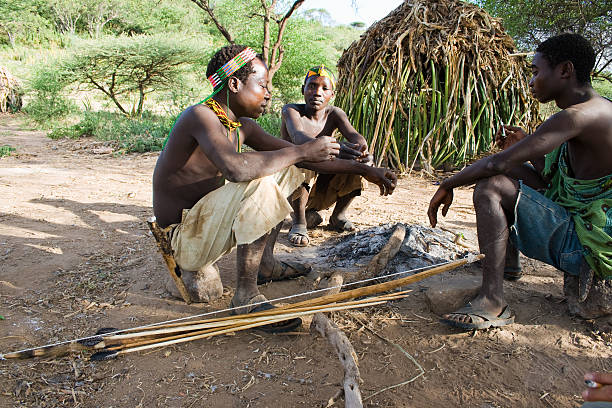
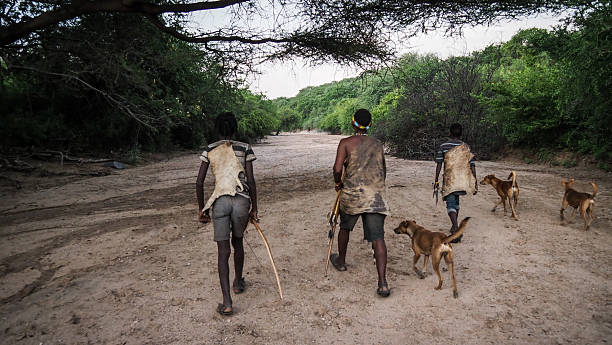
- Observing Hunting Techniques: Witnessing the Hadzabe men hunt small game using bows and arrows, or tracking animals.
- Foraging for Food: Accompanying women and children as they search for edible roots, berries, honey, and tubers.
- Learning About Their Culture: Understanding their social structure, spiritual beliefs, and unique language, which is characterized by click consonants.
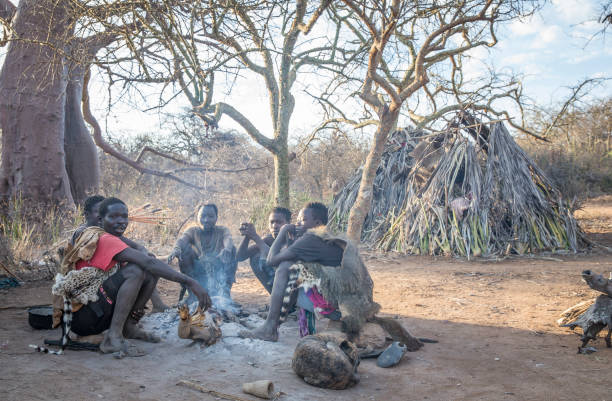
- Experiencing Their Daily Life: Observing their methods of fire-making, tool crafting, and the simple yet effective shelters they build.
These encounters are not staged performances but genuine opportunities to observe and learn from a community living in harmony with nature. For travelers in 2027 seeking profound cultural experiences, this is an unparalleled destination.
Important Considerations for Your Visit
When planning a trip to meet the Hadzabe, especially for 2026 or 2027, it is vital to approach the experience with respect and a genuine desire to learn. The Hadzabe are not a tourist attraction but a living community. Here are key points to keep in mind:
- Respectful Interaction: Always ask for permission before taking photos. Be mindful of your noise levels and movements. Your guide will facilitate interactions.
- Gift Giving: Avoid giving sweets or modern trinkets, which can disrupt their traditional diet and lifestyle. Water, basic medical supplies, or useful tools (like knives) are sometimes appreciated, but always consult your guide first. Often, the best contribution is supporting their community through your visit fee, which directly benefits them.
- Photography: While many Hadzabe are accustomed to visitors, always seek consent. Some may ask for a small fee for photos. Your guide will mediate this.
- Duration of Stay: Visits are typically short, ranging from a few hours to a full day. Overnight stays are rare and require very specific arrangements, often with significant cultural implications.
- Ethical Tourism: Ensure your tour operator practices responsible tourism. This means fair compensation for the community, minimal environmental impact, and ensuring the experience benefits the Hadzabe directly.
When is the Best Time to Visit the Hadzabe?
Tanzania’s climate is broadly divided into two main seasons: the dry season and the wet season. The Hadzabe’s lifestyle is intimately connected to these cycles.
- Dry Season (June to October): This is generally considered the best time for tourism in Tanzania. The weather is pleasant, with less humidity and cooler temperatures. Game is more concentrated around water sources, making safaris in nearby areas like Serengeti and Ngorongoro excellent. For the Hadzabe, the dry season means more challenging hunting conditions as game may be more dispersed, but water sources are predictable. This season offers easier travel on the roads.
- Short Rains (November to December): This period sees intermittent rainfall. The landscape starts to turn green, and the weather can be unpredictable.
- Long Rains (March to May): These months bring heavier and more consistent rainfall. Roads can become difficult to navigate, and some areas might be inaccessible. The landscape is lush and green, and wildlife is abundant but more spread out. The Hadzabe benefit from the abundance of plant life and water during this time, but travel for visitors becomes more challenging.
- Green Season (January to February): This period often falls between the long and short rains, offering a mix of weather. It can be a good time to visit if you are prepared for occasional showers, and it often coincides with calving season in the Serengeti, making it a special time for wildlife viewing.
For cultural encounters with the Hadzabe, the dry season (June to October) is often preferred due to better road conditions and more predictable weather for travel. However, the Hadzabe are present year-round. A visit during the wet season might offer a different perspective on their resourcefulness, but requires careful planning regarding logistics. If you are planning for 2026 or 2027, consider the dry season for the most comfortable travel experience.
Costs Associated with a Hadzabe Visit
Visiting the Hadzabe is typically incorporated into a broader Tanzanian safari or cultural tour package. The cost is not usually a standalone fee but part of your overall trip expenses. When planning your budget for 2026 or 2027, expect the following cost factors:
- Tour Operator Fees: This is the largest component and covers your guide, 4×4 vehicle, accommodation before and after the visit, park/conservation fees (if applicable to the specific area), and the operator’s profit.
- Community Contribution/Visit Fee: Reputable operators ensure a portion of your tour cost goes directly to the Hadzabe community. This is a crucial aspect of ethical tourism. This fee is often integrated into the package price rather than being a separate payment.
- Accommodation: Depending on the tour itinerary, you might stay in lodges or tented camps near Lake Eyasi. These vary in price from mid-range to luxury.
- Transportation: The cost of a 4×4 vehicle and fuel for the journey from Arusha/Moshi to Lake Eyasi is significant.
While exact prices fluctuate based on the duration of your safari, the level of accommodation, and the specific itinerary, a typical 7-10 day safari in Northern Tanzania that includes a Hadzabe visit might range from $3,000 to $7,000+ per person, depending on whether you opt for a shared group tour or a private custom experience. For specific pricing tailored to your 2026 or 2027 travel plans, it is best to get a custom quote.
Planning Your 2026/2027 Hadzabe Cultural Experience
Arranging a visit to the Hadzabe requires careful planning and a commitment to responsible tourism. As a leading Tanzania tour operator, Top Guide Adventures specializes in crafting authentic cultural experiences that respect the traditions and livelihoods of indigenous communities. We understand the nuances of traveling to remote areas like the Lake Eyasi basin and are dedicated to providing enriching, educational, and ethical journeys.
Our itineraries are designed to offer genuine interactions, ensuring that your visit contributes positively to the Hadzabe community. We work with experienced local guides who are essential for navigating the cultural landscape and ensuring respectful engagement. Whether you are planning for late 2026 or looking ahead to 2027, we can help you design a trip that balances adventure with meaningful cultural immersion.
To discuss your custom safari and cultural tour, including potential visits to the Hadzabe, please reach out to us:
- WhatsApp: +255616946642
- Email: topguideadventures@gmail.com
- Backup Email: info@topguideadventures.com
Let us help you create an unforgettable journey to meet the Hadzabe and explore the wonders of Tanzania.
Potential Challenges and How to Prepare
Travel to the Lake Eyasi region, while rewarding, can present challenges. Being prepared will enhance your experience and ensure safety and comfort.
- Road Conditions: As mentioned, roads can be rough and dusty, especially outside the main dry season. A sturdy 4×4 vehicle is essential, and patience is key.
- Limited Amenities: The areas where the Hadzabe live are remote. Expect basic facilities. Accommodation near Lake Eyasi is generally simpler than in prime safari locations.
- Communication: Mobile phone reception can be spotty or non-existent in many parts of the Lake Eyasi region.
- Health Precautions: Consult your doctor about necessary vaccinations and malaria prophylaxis well in advance of your trip. Carry a basic first-aid kit. Stay hydrated and use insect repellent.
- Cultural Sensitivity: The biggest challenge is often navigating cultural differences respectfully. Your guide is your primary resource for understanding local customs and etiquette.
Thorough preparation, including packing appropriate clothing (lightweight, long sleeves and trousers for sun and insect protection, sturdy walking shoes), a good camera, binoculars, and a positive, open attitude, will make your journey much more enjoyable. Planning for 2026 or 2027 allows ample time for this preparation.
Beyond the Hadzabe: Complementary Tanzanian Experiences
While the Hadzabe offer a unique cultural focus, Tanzania is renowned for its diverse attractions. A trip to the Lake Eyasi region can easily be combined with other iconic experiences:
- Serengeti National Park: Famous for the Great Migration and unparalleled wildlife viewing.
- Ngorongoro Conservation Area: Home to the Ngorongoro Crater, a UNESCO World Heritage Site with incredible biodiversity.
- Tarangire National Park: Known for its large elephant herds and baobab trees.
- Mount Kilimanjaro: Africa’s highest peak, offering challenging but rewarding trekking opportunities. See our Machame Route Kilimanjaro group departures for 2026.
- Zanzibar: For a relaxing beach escape and historical exploration in Stone Town.
- Other Cultural Groups: Tanzania is home to over 120 ethnic groups, including the Maasai, Datoga, and Iraqw, offering numerous other cultural interaction opportunities. Explore more on our Tanzania Safari Tours Blog.
Combining a Hadzabe visit with a safari in the Northern Circuit parks is a popular choice, offering a comprehensive Tanzanian adventure. For those interested in group departures for safaris, check out our best shared tours for 2026.
Making the Most of Your Cultural Immersion
To truly benefit from a visit to the Hadzabe, approach it with a mindset of learning and genuine curiosity. Remember that you are a guest in their ancestral lands.
- Listen More Than You Speak: Allow your guide to translate and facilitate conversations. Observe and absorb the environment and interactions.
- Ask Thoughtful Questions: Through your guide, inquire about their traditions, beliefs, and daily life. Show respect for their knowledge and skills.
- Be Patient: The pace of life is different. Embrace the opportunity to slow down and connect with a way of living that is deeply rooted in nature.
- Reflect on the Experience: The encounter with the Hadzabe is often profound. Take time to process what you have seen and learned, appreciating the resilience and adaptability of this unique community.
Planning for 2026 or 2027 gives you the advantage of time to research, ask questions, and make informed decisions about your travel experience. A well-planned visit ensures it is memorable for you and beneficial for the Hadzabe.
Final Thoughts on Locating the Hadzabe for Your 2026-2027 Trip
The Hadzabe tribe is located in the Lake Eyasi basin in north-central Tanzania, a region characterized by woodlands, savannas, and the lake itself. Their territory is vast and their movements are dictated by natural resources. For travelers planning a visit in 2026 or 2027, understanding this geography is crucial for arranging a successful and respectful cultural encounter. The journey requires navigating sometimes challenging roads, but the reward is an unparalleled glimpse into one of the world’s last remaining hunter-gatherer societies.
Choosing a reputable tour operator is paramount. They ensure ethical practices, facilitate genuine interactions, and handle the complex logistics involved in reaching these remote communities. At Top Guide Adventures, we are passionate about creating authentic Tanzanian experiences that honor local cultures and provide our clients with unforgettable memories. We are ready to help you plan your custom safari, incorporating a meaningful visit to the Hadzabe people.
For inquiries about tailoring your 2026 or 2027 Tanzanian adventure, including cultural tours and safaris, please contact us:
- WhatsApp: +255616946642
- Email: topguideadventures@gmail.com
- Backup Email: info@topguideadventures.com
We look forward to helping you discover the unique location and rich culture of the Hadzabe tribe.



