
Is a Hadzabe Tribe Tour Worth It for Your 2026-2027 Tanzania Adventure?
For many travelers planning a journey to Tanzania in 2026 or 2027, the allure of experiencing a culture vastly different from their own is a significant draw. Among the most sought-after cultural encounters is a visit to the Hadzabe people, one of the last remaining hunter-gatherer communities in Africa. But as you plan your itinerary, a crucial question arises: Is a Hadzabe tribe tour worth it? The answer is a resounding yes, provided it’s approached with respect, ethical considerations, and realistic expectations. This guide will help you understand the unique value of such an experience and how to ensure it aligns with your travel goals and the well-being of the Hadzabe community.
A Hadzabe tour offers a profound glimpse into a way of life that has persisted for millennia, a stark contrast to the modern world. It’s not about staged performances or manufactured authenticity; it’s about witnessing, and sometimes participating in, the daily realities of a community deeply connected to their land. For travelers seeking genuine cultural immersion and a deeper understanding of human diversity, the investment in time and resources for a Hadzabe visit can be incredibly rewarding. However, the ‘worth’ is subjective and depends heavily on how the tour is conducted and what you hope to gain from it.
Understanding the Hadzabe: More Than Just a Tourist Stop
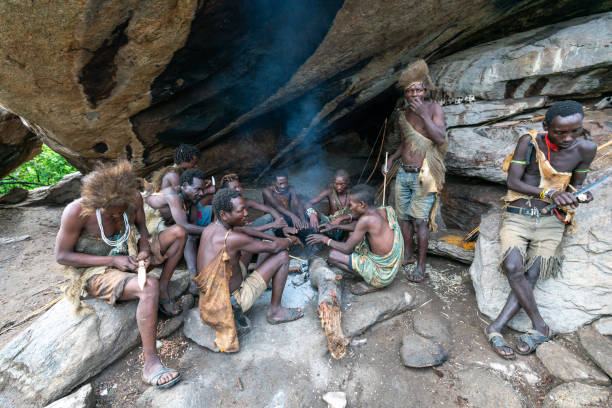
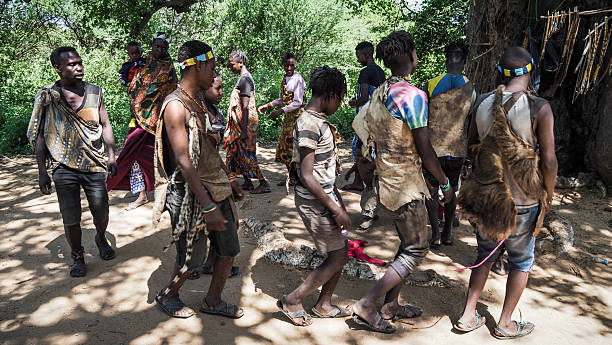
The Hadzabe, numbering around 1,300 individuals, inhabit the Yaeda Valley, near Lake Eyasi in northern Tanzania. They are renowned for their unique click language, their reliance on hunting, gathering, and beekeeping, and their remarkable resilience in maintaining their traditional lifestyle amidst increasing external pressures. Unlike many other indigenous groups who have significantly adapted their practices for tourism, the Hadzabe continue their ancestral ways, making any interaction a genuine window into their world.
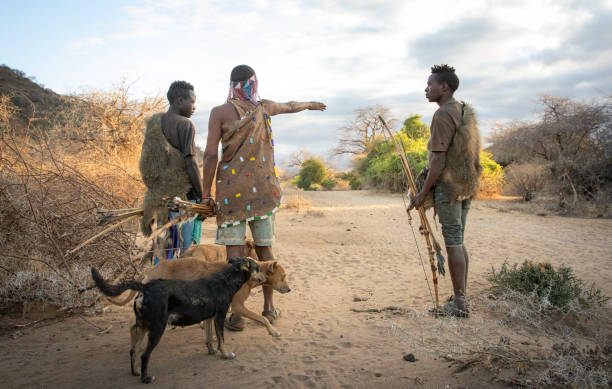
When considering the ‘worth’ of a Hadzabe tour, it’s essential to differentiate between a superficial ‘show’ and a respectful, educational encounter. A well-organized tour will focus on observing their hunting techniques (often with bows and arrows), gathering edible plants and roots, understanding their social structures, and perhaps sharing a simple meal or participating in a fire-making demonstration. The true value lies in the learning experience – understanding their relationship with nature, their survival skills, and their community bonds.
What Makes a Hadzabe Tour ‘Worth It’? Key Elements of a Meaningful Experience
The ‘worth’ of a Hadzabe tour is amplified when it incorporates the following elements:
- Authenticity: The experience should reflect the Hadzabe’s actual daily life, not a staged performance. This means observing real hunting or gathering activities, even if they aren’t always successful.
- Respectful Interaction: Guides should facilitate respectful engagement, ensuring tourists do not intrude, disturb, or treat the Hadzabe as exhibits. Photography etiquette is paramount.
- Educational Value: A knowledgeable guide is crucial. They should be able to explain Hadzabe customs, language, history, and their relationship with the environment, providing context that enhances understanding.
- Direct Benefit to the Community: Ethical tours ensure that a significant portion of the tour fees directly benefits the Hadzabe community, whether through direct payments, supporting local initiatives, or providing necessary goods.
- Limited Group Sizes: Small groups allow for more intimate and less disruptive interactions. Large groups can overwhelm the community and diminish the personal experience.
For travelers planning for 2026 or 2027, choosing a tour operator that prioritizes these aspects is key to ensuring the ‘worth’ of your investment.
Ethical Considerations: Ensuring Your Visit Benefits, Not Exploits
This is perhaps the most critical aspect when evaluating the worth of a Hadzabe tour. An exploitative tour can cause significant harm to the community’s culture and well-being. Here’s what to look for:
- Community Consent: Does the tour operator work directly with the Hadzabe elders or representatives, ensuring the community agrees to and benefits from the visits?
- Fair Compensation: Are the Hadzabe individuals directly involved in the tour compensated fairly for their time and participation? This often means paying a fee per visitor or per group.
- Respect for Privacy: Are visitors educated on respectful photography and interaction? Avoid intrusive behavior, demanding performances, or treating individuals as objects for photos.
- Avoiding Dependency: While some assistance might be appropriate, tours should not foster dependency. The goal is cultural exchange, not charity handouts that can disrupt traditional economies.
- Support for Local Initiatives: Does the tour operator contribute to community projects, such as healthcare, education, or conservation efforts, in consultation with the Hadzabe?
When you engage with reputable operators like Top Guide Adventures, you can be confident that these ethical considerations are at the forefront of their operations. They work to ensure that tourism is a positive force for the Hadzabe people.
The Experience: What to Expect on a Hadzabe Tour
A typical Hadzabe tour, often based near Lake Eyasi, usually involves a full or half-day visit. The exact activities can vary based on the day’s events, as the Hadzabe follow their traditional hunting and gathering routines.
Morning Activities: The Hunt and Gathering
Many tours are timed to coincide with the morning hunt. You might observe Hadzabe men setting out with their bows and arrows, tracking game such as small antelopes, dik-diks, or guinea fowl. It’s important to understand that successful hunts are not guaranteed. The ‘worth’ here is in witnessing the incredible skill, patience, and deep knowledge of the environment required. Similarly, women and children may be seen gathering roots, berries, honey, and other edible plants. You might have the chance to learn about the medicinal properties of various plants and how they are used.
Midday and Afternoon: Community Life and Storytelling
After the morning’s activities, you might be invited to the Hadzabe’s living quarters – simple huts made of branches and grass. Here, you can observe daily life, perhaps witness fire-making using traditional methods, or see women preparing food. Storytelling sessions, often facilitated by your guide, can offer insights into their cosmology, beliefs, and social customs. Some tours might include sharing a simple meal, perhaps roasted meat or gathered tubers, prepared by the Hadzabe.
Cultural Exchange: Language and Traditions
The Hadzabe language is unique, characterized by its click consonants. While you won’t become fluent, your guide can help you learn a few basic phrases, fostering a more personal connection. You’ll learn about their marriage customs, their egalitarian social structure, and their spiritual connection to the land. The ‘worth’ is in gaining a new perspective on human society and cultural diversity.
The Role of Your Guide
Your guide is indispensable. They act as a cultural bridge, translating not just the language but also the cultural nuances. A good guide will ensure that interactions are respectful, that you understand what you are seeing, and that the Hadzabe are treated with dignity. They are also vital in negotiating fair compensation for the community’s time. For your 2026 or 2027 trip, choose an operator known for employing skilled, ethical local guides.
Logistics and Planning Your Hadzabe Visit for 2026-2027
Integrating a Hadzabe tour into your Tanzania itinerary requires careful planning. Here’s what you need to consider:
Location and Accessibility
The Hadzabe are primarily located around the Lake Eyasi basin, south-east of the Ngorongoro Conservation Area. Access typically involves driving from Arusha or Karatu, often requiring a 4×4 vehicle. The roads can be rough, especially during the rainy seasons.
Best Time to Visit
The dry seasons (June to October and December to February) are generally the best times for visiting the Hadzabe, as the terrain is more accessible and wildlife is more concentrated, potentially leading to more visible hunting activities. However, the Hadzabe live their lives year-round, so visits are possible at any time. For 2026-2027 travel, consider these periods for easier logistics.
Tour Duration
Most Hadzabe tours are either a half-day or a full-day excursion. A full day allows for a more in-depth experience, witnessing morning hunting and afternoon community life. Some operators may offer overnight stays, which can provide an even deeper immersion, but these require careful planning to ensure minimal disruption to the community.
Tour Operators and Booking
Choosing the right tour operator is paramount for an ethical and rewarding experience. Look for companies with a strong reputation for responsible tourism and direct relationships with the Hadzabe community. Top Guide Adventures is known for its commitment to ethical cultural tourism in Tanzania. They can help arrange visits that are both memorable and beneficial to the local people. Booking well in advance, especially for 2026 and 2027 trips, is advisable to secure your preferred dates and ensure responsible arrangements.
What to Bring
Pack light, comfortable clothing suitable for warm weather. Bring water, sunscreen, a hat, and insect repellent. If you plan to offer a gift, consult your tour operator. Often, practical items like sugar, salt, or basic school supplies for children are more appreciated than cash. Avoid bringing sweets, which can be detrimental to dental health.
Photography Etiquette
Always ask for permission before taking photos, especially close-ups of individuals. Your guide will assist with this. Be mindful of the community’s privacy. The ‘worth’ of your photos should not come at the expense of the dignity of the people you are photographing.
Cost of a Hadzabe Tribe Tour: What to Expect for 2026-2027
The cost of a Hadzabe tribe tour can vary significantly based on the tour operator, group size, duration, and what is included. It’s crucial to understand that a higher price often reflects a more ethical approach, ensuring fair compensation for the community and higher quality guiding services.
For a typical full-day Hadzabe tour as part of a larger safari package, you might expect costs to range from $150 to $300 per person. If booked as a standalone day trip from Arusha or Karatu, prices could be slightly higher due to transportation logistics. This price typically covers:
- Transportation (usually a 4×4) to and from the Hadzabe community.
- The services of a knowledgeable local guide.
- Community fees paid directly to the Hadzabe elders or representatives.
- Sometimes, a simple meal or refreshments.
Important Considerations for 2026-2027 Pricing:
- Ethical Premiums: Tours that pay higher community fees and ensure direct benefits to the Hadzabe may cost more. This is a crucial indicator of ‘worth’.
- Inclusions/Exclusions: Always clarify what is included. Does it cover park fees (if any), guide fees, community contributions, meals, and water?
- Group Size: Private tours will be more expensive per person than joining a small group. Shared departures, when available, can offer better value.
- Operator Reputation: Established operators with strong ethical frameworks and deep community ties might charge more, but this often translates to a more meaningful and responsible experience.
When planning your 2026 or 2027 trip, budget accordingly for this experience. Remember, the ‘worth’ extends beyond the monetary cost to the cultural and personal enrichment you gain, and the positive impact your visit has.
Potential Pitfalls and How to Avoid Them
While the Hadzabe experience can be incredibly rewarding, there are potential pitfalls to be aware of:
- Inauthentic Encounters: Some operators may arrange staged interactions that don’t reflect genuine Hadzabe life. This diminishes the ‘worth’ of the visit.
- Disrespectful Tourists: Lack of awareness about cultural norms can lead to unintentional offense. Guides should educate visitors beforehand.
- Exploitative Practices: Tours that focus solely on taking photos without consent or offering fair compensation are harmful.
- Over-Commercialization: The Hadzabe way of life is delicate. Excessive tourism or inappropriate commercialization can disrupt their traditions.
- Unrealistic Expectations: Visitors might expect to see constant successful hunts or elaborate ceremonies. The reality is often more subtle and based on daily survival.
To avoid these pitfalls:
- Choose a Reputable Operator: Research companies thoroughly. Look for reviews that mention ethical practices and genuine cultural experiences. Top Guide Adventures has a strong track record in this regard.
- Listen to Your Guide: Your guide is your most important resource. Follow their instructions and advice on respectful behavior.
- Be Patient and Observant: Understand that you are a guest. Allow the Hadzabe to go about their lives, and appreciate the moments you are privileged to witness.
- Manage Expectations: Go with an open mind, ready to learn and observe, rather than expecting a specific staged event.
Hadzabe Tours vs. Other Cultural Experiences in Tanzania
Tanzania offers a rich mix of cultural encounters. How does a Hadzabe tour compare?
- Maasai Villages: Maasai visits are common, often focusing on traditional bomas (homesteads), dances, and beadwork. While valuable, they are often more structured and commercialized than Hadzabe interactions. The ‘worth’ here is in understanding pastoralist life.
- Chagga Villages: Exploring Chagga culture involves learning about coffee farming, traditional homes, and local history around Mount Kilimanjaro. This offers insight into an agricultural society.
- Datoga and Iraqw Tribes: These groups near Lake Eyasi also offer cultural experiences, often involving traditional crafts like iron smelting (Datoga) or unique agricultural practices (Iraqw).
The Hadzabe experience stands out due to its focus on a hunter-gatherer lifestyle, which is increasingly rare globally. The ‘worth’ of a Hadzabe tour is in its unparalleled access to one of the world’s last indigenous groups living largely as their ancestors did for thousands of years. It offers a perspective on human existence that is profoundly different from settled agricultural or pastoralist societies.
Is a Hadzabe Tribe Tour Worth It for Different Traveler Types?
The ‘worth’ of a Hadzabe tour is also influenced by who you are as a traveler:
- The Intrepid Explorer: For those seeking raw, authentic experiences far from the beaten path, the Hadzabe tour is highly worthwhile. It offers a genuine adventure into a different world.
- The Cultural Enthusiast: If you are passionate about understanding diverse human societies and their relationship with the environment, this visit provides invaluable insights.
- The Photographer: While respectful photography is encouraged, the opportunity to capture unique cultural moments is significant. However, ethical considerations must always come first.
- The Family Traveler: With careful guidance, older children can benefit immensely from learning about different ways of life, fostering global awareness and empathy. Ensure the tour operator is comfortable with younger visitors.
- The Luxury Traveler: While the experience itself is rustic, the ‘worth’ for a luxury traveler lies in the profound educational and experiential value, offering a unique story to tell. Ensure your operator can facilitate comfortable transport and logistics.
For anyone planning a trip to Tanzania in 2026 or 2027, and seeking a truly unique cultural immersion, the Hadzabe experience is likely to be considered highly worthwhile.
Making the Decision: Is a Hadzabe Tour Right for You?
Ultimately, the decision of whether a Hadzabe tribe tour is ‘worth it’ depends on your personal travel goals and values. If you are looking for:
- A genuine encounter with an indigenous community.
- An opportunity to learn about a traditional hunter-gatherer lifestyle.
- A chance to gain a deeper appreciation for human diversity and our connection to nature.
- An experience that, when done ethically, directly benefits the community visited.
Then, a Hadzabe tour is almost certainly worth your time and investment. It offers a perspective that few other travel experiences can match.
If, however, you are seeking perfectly curated cultural shows, guaranteed photographic opportunities without regard for privacy, or an experience that doesn’t challenge your worldview, you might find it less aligned with your expectations. The ‘worth’ is in the authenticity and the learning, not in manufactured entertainment.
For travelers planning their 2026 or 2027 Tanzanian adventures, including a Hadzabe visit can be a highlight. It’s a chance to connect with humanity’s ancient past and gain a profound understanding of resilience and tradition. When planning your trip, consider partnering with experienced and ethical tour operators who understand the delicate balance of cultural tourism. Companies like Top Guide Adventures are dedicated to creating meaningful and respectful experiences. You can reach them via WhatsApp at +255616946642 or email at topguideadventures@gmail.com or info@topguideadventures.com to discuss how to best incorporate this unique encounter into your 2026-2027 Tanzania safari or cultural tour.
Frequently Asked Questions About Hadzabe Tours
Q1: How far is the Hadzabe community from Arusha?
The Hadzabe communities are located near Lake Eyasi, which is roughly a 4-6 hour drive from Arusha, depending on road conditions and the specific location of the community you will visit. This often makes it a long day trip or part of a multi-day safari around the Lake Eyasi region.
Q2: Can I take photos of the Hadzabe people?
Yes, but always with respect and permission. Your guide will facilitate this. It’s important to ask before taking close-up shots and avoid intrusive photography. The ‘worth’ of your photos should not compromise their dignity.
Q3: What is the best way to support the Hadzabe community?
The most impactful way to support them is through ethical tourism that provides fair compensation for their time and participation. Avoid giving unsolicited gifts of money or sweets. If you wish to offer something, consult your tour operator for practical items that are genuinely needed and appreciated by the community.
Q4: Will I see a successful hunt?
While observing the hunt is a key part of the experience, success is not guaranteed. The Hadzabe are skilled hunters, but game can be elusive. The ‘worth’ is in witnessing their methods and deep knowledge of the environment, regardless of the outcome.
Q5: Is a Hadzabe tour safe?
Yes, Hadzabe tours conducted by reputable operators are safe. Guides are experienced in navigating the region and facilitating respectful interactions. The Hadzabe themselves are generally peaceful people. Safety is a priority for responsible tour operators.
Q6: What should I wear on a Hadzabe tour?
Wear comfortable, lightweight clothing suitable for warm weather. Neutral colors are best. Bring a hat, sunscreen, and insect repellent. Comfortable walking shoes are recommended.
Q7: How much does a Hadzabe tour typically cost for 2026-2027?
Prices vary, but expect to pay between $150 to $300 per person for a full-day tour, often as part of a larger safari package. Higher prices usually indicate better ethical practices and direct community benefits, contributing to the ‘worth’ of the experience.



