
The question, Can you visit Hadzabe tribe from Arusha?, is a frequent one for travelers drawn to Tanzania’s rich cultural heritage. While Arusha serves as a primary gateway for many Tanzanian adventures, including safaris and Kilimanjaro climbs, its direct proximity to the Hadzabe people is not immediate. However, with careful planning and the right tour operator, an authentic encounter with this ancient hunter-gatherer community is absolutely achievable. This guide will walk you through the logistics, considerations, and best practices for planning your visit, whether you’re looking ahead to 2026 or 2027.
Understanding the Hadzabe and Their Location
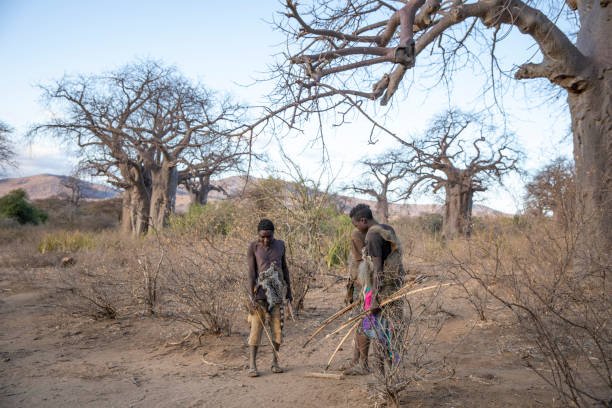
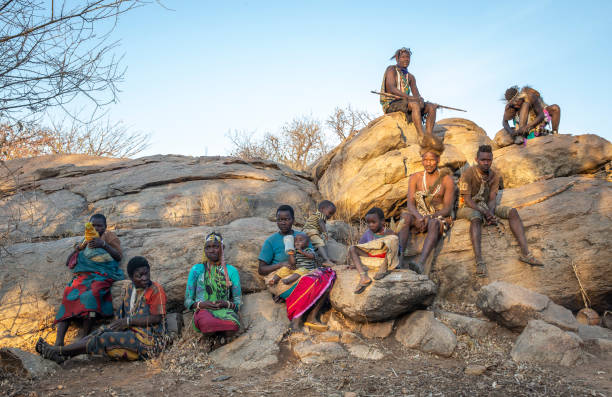
The Hadzabe (also known as Hadzapi or Watindiga) are one of the last remaining hunter-gatherer tribes in Africa. They inhabit the Great Rift Valley, primarily around the Yaeda Valley and the Ngorongoro Conservation Area in northern Tanzania. Their traditional lifestyle, deeply connected to the land and its resources, is what draws many visitors. They are known for their unique click language, their skilled hunting techniques using bows and arrows, and their deep knowledge of medicinal plants.
Their traditional territories are not on the direct tourist routes that typically depart from Arusha for the northern circuit safaris (Serengeti, Ngorongoro Crater, Tarangire). This geographical separation is the primary reason why visiting them requires specific arrangements rather than being a spontaneous add-on to a standard safari itinerary.
Logistical Realities: Arusha to Hadzabe Lands
Traveling from Arusha to the Hadzabe communities involves a significant journey. The most common access points to Hadzabe lands are via the Yaeda Valley, which is a considerable distance from Arusha. Depending on the specific Hadzabe community you aim to visit and the route taken, the travel time can range from a full day’s drive to two days, often involving travel over rough, unpaved roads. This is not a trip that can be undertaken as a simple day excursion from Arusha.
Key Travel Considerations:
- Distance: The distance is approximately 200-300 kilometers, but the terrain significantly increases travel time.
- Road Conditions: Roads can be challenging, especially during the rainy seasons (typically March-May and November). A 4×4 vehicle is essential.
- Time Commitment: A visit to the Hadzabe typically requires at least two to three days dedicated to the trip, including travel time to and from the region, and a meaningful interaction with the community.
Planning Your Hadzabe Visit: Essential Steps for 2026-2027
Successful planning for a Hadzabe cultural experience hinges on understanding their way of life and respecting their traditions. It’s crucial to approach this visit with sensitivity and a genuine desire to learn, rather than treating it as a mere tourist attraction.
1. Choosing the Right Time to Visit
While the Hadzabe live year-round in their ancestral lands, certain times might offer slightly different experiences. However, for the most part, their lifestyle remains consistent. The dry seasons (June to October and December to February) are generally preferred for travel in Tanzania due to more predictable weather and better road conditions. However, the Hadzabe adapt to their environment regardless of the season.
When planning for 2026 or 2027, consider booking well in advance, especially if you wish to travel during peak safari seasons (July-October and December-January), as this also impacts availability for specialized cultural tours.
2. Partnering with a Responsible Tour Operator
This is perhaps the most critical step. Visiting indigenous communities requires a tour operator with deep knowledge of the area, established relationships with the community, and a commitment to ethical tourism practices. A responsible operator ensures that your visit is:
- Respectful: They facilitate interactions that honor Hadzabe customs and privacy.
- Beneficial: A portion of the tour fees should directly benefit the community, often through pre-arranged agreements.
- Authentic: They help you understand the cultural context and ensure genuine interactions, not staged performances.
- Logistically Sound: They manage transportation, accommodation (if applicable), and guide services.
Operators like Top Guide Adventures specialize in creating customized Tanzanian experiences that include respectful cultural encounters. Their expertise ensures that your visit is both memorable and ethically conducted. You can reach them for inquiries about planning your 2026 or 2027 trip via WhatsApp at +255616946642 or by emailing topguideadventures@gmail.com.
3. Duration of the Visit
As mentioned, a day trip is not feasible. A minimum of two nights spent in the vicinity of the Hadzabe is recommended to allow for travel time and at least one full day of interaction. This might involve staying in basic lodges or tented camps in the surrounding areas, or in some cases, arranging a more immersive homestay experience with community consent and guidance.
4. What to Expect During Your Visit
An authentic visit typically involves:
- Morning Hunt: Accompanying the men on a hunt (though success is not guaranteed, and it’s more about observing the techniques and their connection to the land).
- Gathering: Joining the women and children to learn about edible plants, roots, and medicinal herbs.
- Storytelling and Dance: Engaging with the community, learning about their history, beliefs, and traditions, often culminating in a fire dance in the evening.
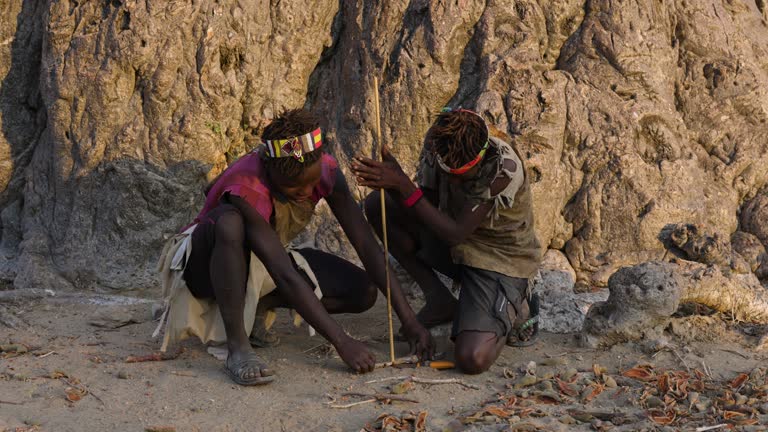
- Learning Survival Skills: Understanding their methods of tracking animals, making fire, and crafting tools.
It’s important to remember that the Hadzabe live their lives as they always have. Your visit is an intrusion, albeit a planned and hopefully beneficial one. The key is to be a respectful observer and participant.
Ethical Considerations and Cultural Sensitivity
Visiting indigenous communities like the Hadzabe comes with significant ethical responsibilities. It’s vital to ensure your presence contributes positively and respects their way of life.
Respecting Privacy and Dignity
Always ask for permission before taking photographs, especially of individuals. Be mindful of their personal space and avoid intrusive behavior. Your guide will be instrumental in navigating these social cues.
Fair Contribution
Ensure that your tour operator has a fair system for compensating the community for their time and participation. This might be through direct payments or support for community projects. Avoid giving unsolicited gifts or money directly to children, as this can disrupt their education and create dependency. If you wish to offer something, discuss it with your guide or operator beforehand; often, practical items like school supplies or basic medical kits, if appropriate and arranged, are more beneficial.
Authenticity Over Performance
Genuine cultural immersion means witnessing their daily life, not a curated show. A good tour operator will facilitate interactions that are as close to their natural lifestyle as possible, avoiding staged events that can distort their culture for tourist consumption.
Where to Stay Near Hadzabe Lands
Accommodation options near the Hadzabe are generally basic and focused on providing a base for exploration rather than luxury. These can include:
- Tented Camps: Offering a comfortable camping experience with basic amenities.
- Community Guesthouses: In some areas, simple guesthouses run by local communities might be available.
- Basic Lodges: A few lodges exist in the wider region, offering more comfort but still remote.
Your tour operator will advise on the best available options based on your itinerary and comfort preferences. For those planning for 2026 and 2027, booking these limited accommodations well in advance is highly recommended.
Connecting Hadzabe Visit with Other Tanzanian Experiences
While the Hadzabe visit requires dedicated time, it can be integrated into a broader Tanzanian itinerary. Many travelers combine it with:
- Northern Circuit Safaris: Visiting the Serengeti, Ngorongoro Crater, Tarangire, and Lake Manyara. The drive to the Hadzabe lands often passes through or near areas adjacent to these famous parks.
- Mount Kilimanjaro Treks: Arusha is the starting point for most Kilimanjaro expeditions. A Hadzabe visit could be planned before or after your climb.
- Cultural Tours: Exploring other local cultures like the Maasai, Datoga, or Chagga.
- Zanzibar Holidays: Relaxing on the beaches of Zanzibar after your mainland adventure.
A well-structured itinerary might look like this:
Sample Itinerary Flow (6-Day Cultural Focus)
- Day 1: Arrive in Arusha, meet your guide, briefing. Overnight in Arusha.
- Day 2: Drive from Arusha towards the Yaeda Valley region. Scenic journey with stops. Arrive at your accommodation near Hadzabe lands.
- Day 3: Full day with the Hadzabe community. Participate in hunting/gathering activities, learn about their lifestyle, and cultural traditions. Overnight near Hadzabe lands.
- Day 4: Morning interaction with the Hadzabe if time permits, then drive back towards the Karatu or Mto wa Mbu area, gateway to Ngorongoro.
- Day 5: Explore the Ngorongoro Conservation Area (e.g., visit a Maasai boma, or a short game drive).
- Day 6: Drive back to Arusha for departure or onward travel.
This is a simplified example; actual itineraries can be longer and more detailed, incorporating more time with the Hadzabe or other cultural experiences. For personalized itineraries for 2026 or 2027, contacting a specialist like Top Guide Adventures is recommended.
What to Pack for Your Hadzabe Visit
Packing wisely ensures comfort and respect during your visit.
Essential Packing List:
- Lightweight, neutral-colored clothing: Avoid bright colors that can startle wildlife or appear disrespectful.
- Comfortable walking shoes: You’ll be walking on uneven terrain.
- Hat and sunscreen: The sun can be intense.
- Insect repellent: Especially important for evenings.
- Reusable water bottle: Stay hydrated.
- Camera with extra batteries/memory cards: But remember to ask permission before photographing people.
- Small backpack: For daily essentials.
- Binoculars: For observing wildlife if your route includes game viewing areas.
- Personal first-aid kit: With any personal medications.
- Hand sanitizer: For hygiene on the go.
- A small notebook and pen: For jotting down observations (respectfully).
Addressing Common Traveler Concerns
Travelers often have specific questions when considering such a unique cultural encounter.
Is it safe to visit the Hadzabe?
The Hadzabe are generally welcoming to visitors who approach them with respect. The primary safety concerns are related to the travel itself – road conditions, vehicle reliability, and general travel precautions in remote areas. Your tour operator will manage logistical safety. The Hadzabe themselves pose no threat; their lifestyle is peaceful and deeply rooted in their ancestral lands.
Will I be interacting with the real Hadzabe?
This is where the choice of tour operator is crucial. Reputable operators work with communities that maintain traditional lifestyles and ensure that interactions are genuine. Avoid tours that feel overly commercialized or staged. The Hadzabe’s way of life is not a performance; it’s their reality.
What are the costs involved?
The cost of visiting the Hadzabe tribe from Arusha is typically part of a larger tour package. It’s not usually priced as a standalone day trip. The fees cover:
- 4×4 vehicle and driver/guide
- Accommodation (lodges/camps)
- Community fees/donations (which should directly support the tribe)
- Meals
- Park or conservation fees (if applicable to the area)
A 2-3 day dedicated Hadzabe cultural experience, including travel from Arusha and accommodation, might range from $400 to $800+ per person, depending on the level of accommodation, group size, and the specific operator’s inclusions. For precise quotes for your 2026 or 2027 trip, it’s best to contact a tour operator directly.
Can I visit the Hadzabe independently?
While technically possible to arrange transport, visiting the Hadzabe independently is strongly discouraged. You would lack the crucial cultural context, local knowledge, and established relationships that a reputable guide and tour operator provide. Without these, you risk causing offense, not understanding the interactions, and potentially facing logistical challenges. Ethical considerations are also paramount; an independent visit might not ensure fair compensation for the community.
Mistakes to Avoid When Planning Your Visit
To ensure a positive and respectful experience, be aware of common pitfalls:
Key Mistakes to Sidestep:
- Treating it as a zoo: Remember these are people living their lives.
- Demanding interactions: Be flexible; the Hadzabe dictate the pace and nature of the encounter.
- Ignoring photography etiquette: Always ask permission.
- Underestimating travel time and road conditions: Build in ample time.
- Booking with unverified operators: Prioritize ethical and experienced guides.
- Expecting luxury accommodation: Embrace the rustic nature of the region.
- Trying to visit on a tight schedule: Allow at least 2-3 days for the experience itself, plus travel.
The Future of Hadzabe Tourism: Looking Towards 2026-2027
As awareness of indigenous cultures grows, so does the interest in visiting them. For the Hadzabe, responsible tourism is a delicate balance. It can provide economic benefits and a platform for cultural preservation, but it also risks commodifying their traditions and disrupting their way of life. The trend for 2026 and 2027 travel is towards more conscious tourism, where travelers seek authentic, respectful experiences that benefit local communities.
Tour operators are increasingly focused on ensuring that visits are not only enriching for the traveler but also sustainable and beneficial for the Hadzabe. This includes fair compensation, respecting their autonomy, and educating visitors on cultural sensitivity. If you are planning your trip for 2026 or 2027, look for operators who demonstrate a strong commitment to these principles.
Conclusion: Yes, You Can Visit the Hadzabe from Arusha (With Preparation!)
So, can you visit Hadzabe tribe from Arusha? Absolutely, but not as a simple day trip. It requires dedicated planning, a willingness to travel for extended periods over challenging terrain, and a deep commitment to cultural respect. The journey from Arusha to the Hadzabe lands is a significant undertaking, best managed by experienced tour operators who have established relationships and understand the nuances of ethical cultural tourism.
By choosing the right partner and approaching the experience with an open mind and respectful heart, you can indeed have a profound and authentic encounter with the Hadzabe people. This is an opportunity to witness a way of life that is increasingly rare in our modern world, offering invaluable insights into human connection with nature and tradition. For those planning their Tanzanian adventures for 2026 or 2027, incorporating a well-organized Hadzabe visit promises to be one of the most memorable aspects of their journey. For expert advice and to begin planning your custom itinerary, consider reaching out to Top Guide Adventures via WhatsApp at +255616946642 or email them at topguideadventures@gmail.com (backup: info@topguideadventures.com). They are well-equipped to help you arrange a responsible and unforgettable cultural experience.



