
The allure of experiencing life with one of Africa’s last hunter-gatherer communities, the Hadzabe people of Tanzania, is undeniable. As travelers increasingly seek authentic cultural encounters, questions surrounding the ethics of visiting such indigenous groups become paramount. If you’re planning a trip to Tanzania for 2026 or 2027 and are considering a visit to the Hadzabe, understanding whether Hadzabe tours are ethical is crucial for ensuring your visit is respectful, beneficial, and does not contribute to the commodification or disruption of their traditional way of life.
Understanding the Hadzabe and the Question of Ethical Tourism
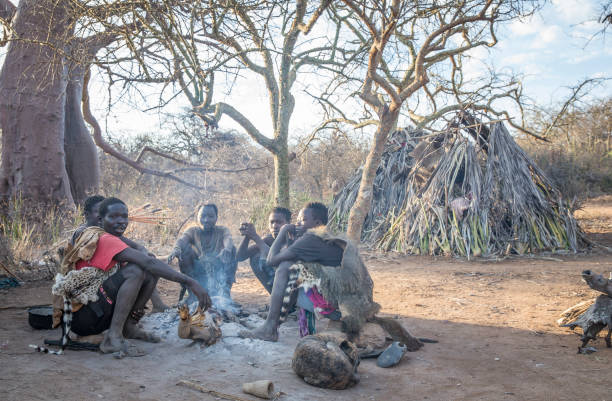
The Hadzabe, traditionally living around Lake Eyasi in northern Tanzania, are one of the few remaining groups in Africa that continue to practice a hunter-gatherer lifestyle. Their connection to the land, their unique language (characterized by clicks), and their ancient traditions offer a profound glimpse into a way of life vastly different from our own. This uniqueness, however, also makes them vulnerable to the impacts of external contact, including tourism.
The core of the ethical debate surrounding Hadzabe tours lies in balancing the traveler’s desire for an authentic experience with the community’s right to self-determination, cultural preservation, and dignity. Are these tours exploitative, turning a living culture into a human zoo? Or can they be conducted in a way that offers mutual benefit, fosters understanding, and provides economic support without compromising the Hadzabe’s autonomy?
For 2026 and 2027 travel planning, the answer is nuanced. Yes, Hadzabe tours can be ethical, but only when conducted with extreme care, respect, and a deep understanding of the community’s needs and wishes. The responsibility lies heavily on tour operators to ensure ethical practices and on travelers to choose operators who prioritize the well-being of the Hadzabe people above all else.
Key Considerations for Ethical Hadzabe Encounters
When evaluating the ethics of a Hadzabe tour, consider these critical factors:
- Community Consent and Involvement: Does the tour have the explicit consent of the Hadzabe community, or specific elders or representatives? Are they involved in deciding when, where, and how visitors are received?
- Economic Benefit: Does the tour provide direct and fair economic benefits to the Hadzabe people? This can include direct payments for their time, for sharing their knowledge, or for crafts they produce. Avoid tours that pay a single intermediary who then gives minimal compensation to the community.
- Cultural Preservation: Does the tour respect Hadzabe traditions, privacy, and daily life? It should not encourage them to perform for tourists or alter their behavior in ways that are unnatural or disrespectful to their culture.
- Impact on Daily Life: Does the influx of tourists disrupt their hunting, gathering, or social structures? Ethical tours minimize disruption and are often brief, structured interactions.
- Traveler Behavior: Are travelers educated on appropriate behavior, photography etiquette, and gift-giving policies before and during the visit?
- Transparency of the Tour Operator: Does the operator clearly communicate their ethical practices and how the community benefits?
The Role of Tour Operators in Ensuring Ethical Practices
As a Tanzania tour operator, we at Top Guide Adventures understand the profound responsibility that comes with facilitating visits to the Hadzabe. Our commitment is to ensure that every interaction is conducted with the utmost respect and ethical consideration. For travelers planning their 2026 or 2027 adventures, choosing a reputable operator is the first step towards an ethical experience.
Here’s how we approach Hadzabe tours to ensure they are ethical:
- Direct Relationships: We cultivate direct relationships with specific Hadzabe communities and elders. This ensures that arrangements are made with their full knowledge and consent, and that benefits flow directly to them.
- Fair Compensation: We ensure that the Hadzabe are fairly compensated for their time and for sharing aspects of their culture. This is not a fixed fee per tourist, but rather a structured agreement that respects their contributions.
- Limited Group Sizes: We keep group sizes small to minimize the impact on the community and ensure a more intimate, respectful interaction. Large groups can be overwhelming and disruptive.
- Educated Guides: Our guides are trained not only in the logistics of the tour but also in the cultural sensitivities and ethical considerations of interacting with the Hadzabe. They brief travelers beforehand and facilitate respectful engagement during the visit.
- Focus on Learning, Not Spectacle: Our tours are designed to be educational, focusing on understanding the Hadzabe’s way of life, their relationship with the environment, and their rich traditions. We discourage any activities that could be perceived as voyeuristic or disrespectful.
- Respect for Privacy: We have strict policies regarding photography. Visitors are always asked for permission before taking photos of individuals, especially children, and encouraged to capture the essence of the environment and activities rather than intrusive personal shots.
- No Traditional ‘Gifts’: We advise against bringing unsolicited gifts like sweets or money, as this can create dependency and alter traditional social dynamics. If a traveler wishes to offer something, we guide them on appropriate, culturally sensitive contributions, often through the community elders, which might include practical items that benefit the group as a whole.
By adhering to these principles, we aim to facilitate encounters that are enriching for travelers and genuinely beneficial for the Hadzabe community, contributing to their ability to maintain their cultural heritage on their own terms.
Planning Your Hadzabe Tour: Practicalities for 2026-2027
Integrating a Hadzabe visit into your broader Tanzania itinerary requires careful planning. These communities are typically located in more remote areas, often requiring dedicated travel time.
When to Visit: Seasonality and Hadzabe Life
The Hadzabe’s lifestyle is intrinsically linked to the seasons and the availability of food sources. While they are semi-nomadic, their movements can be influenced by rainfall and the presence of game or edible plants.
- Dry Season (June to October): This is often considered a good time for visiting. Water sources are more concentrated, and the landscape is drier, making travel easier. The Hadzabe may be found near permanent water sources.
- Rainy Season (November to May): The rains can make travel more challenging due to muddy roads. However, this is also a time when plants are abundant, and game may be more dispersed. The Hadzabe might be more spread out, potentially making visits more difficult to arrange.
For 2026 and 2027 travel, consider that planning during the dry season often offers more predictable access. However, a good operator will have established relationships that allow for visits year-round, adapting to the community’s movements.
Logistics and Duration
A visit to the Hadzabe is typically arranged as a half-day or full-day excursion from a base near Lake Eyasi. It is not usually an overnight stay, as this can be overly intrusive. The experience often involves:
- An early morning start to observe or participate in a hunt (with strict ethical guidelines).
- Learning about traditional plant-based medicine and gathering techniques.
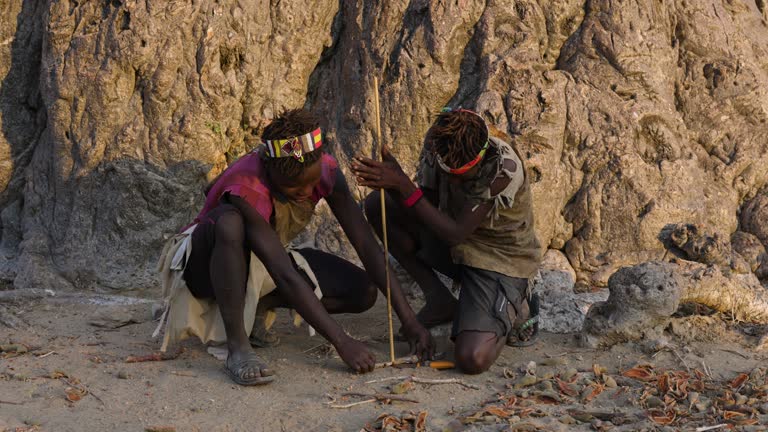
- Observing or participating in traditional fire-making.
- Understanding their social structure and daily routines.
The journey to Lake Eyasi itself can take several hours from major hubs like Arusha. Therefore, it’s often combined with a safari in nearby parks like Tarangire National Park or the Ngorongoro Conservation Area. A typical itinerary might look like:
Sample Itinerary Flow (Conceptual)
- Day 1: Arrive in Arusha, briefing with your tour operator.
- Day 2: Travel from Arusha to the Lake Eyasi region, possibly stopping at Tarangire National Park for a game drive en route. Overnight near Lake Eyasi.
- Day 3: Morning visit with the Hadzabe community. Afternoon drive back towards Arusha or your next destination.
This structure allows for a meaningful encounter without requiring extended stays that could disrupt the community.
What to Expect: The Experience Itself
An ethical Hadzabe tour is about observation, respectful interaction, and learning. You might witness:
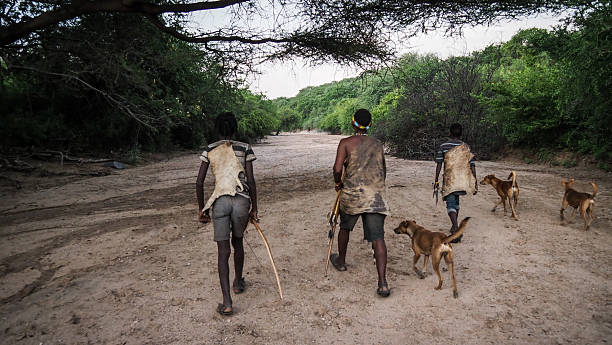
- Hunting Practices: If conditions permit and the community agrees, you may observe men preparing for or undertaking a hunt using traditional bows and arrows. This is not a performance; it is their livelihood.
- Gathering: You might see women and children gathering edible roots, fruits, and honey.
- Daily Life: Witnessing the preparation of food, the social dynamics within the family units, and the creation of traditional tools and clothing.
- Storytelling: Elders may share stories and insights into their history and beliefs, often through a translator if necessary.
It’s important to manage expectations. You are visiting a living community, not a museum exhibit. The experience is raw, real, and often requires patience and an open mind.
Ethical Pitfalls to Avoid for 2026-2027 Travelers
To ensure your visit is truly ethical, be aware of common mistakes and unethical practices:
- Treating them as a Spectacle: Avoid tours that position the Hadzabe as an ‘attraction’ to be gawked at. The focus should always be on respectful learning.
- Unsolicited Photography: Never take photos of individuals, especially children, without explicit permission. This is a violation of privacy and can be deeply disrespectful. Ethical operators will enforce this.
- Impoverishment through ‘Gifting’: Giving money or sweets directly to children can disrupt social structures, encourage begging, and foster dependency, undermining their traditional self-sufficiency.
- Demanding Performances: Never ask the Hadzabe to ‘perform’ traditional dances or rituals for your entertainment. These are sacred or social activities, not shows.
- Ignoring Community Consent: Visiting without the knowledge or agreement of the community leaders or elders is unethical and disruptive.
- Over-Commercialization: Be wary of tours that seem overly focused on selling crafts or creating artificial experiences for profit, where the community’s well-being is secondary.
- Environmental Impact: Ensure your visit, and that of your tour operator, leaves no negative environmental footprint.
By being aware of these pitfalls, you can make informed choices and advocate for ethical practices during your trip planning for 2026 or 2027.
Making a Difference: How Your Tour Can Be Beneficial
An ethical Hadzabe tour is not just about avoiding harm; it’s about contributing positively.
Economic Empowerment
When you choose an operator committed to fair economic practices, your tour fee directly supports the Hadzabe community. This can help them:
- Maintain their traditional way of life without feeling pressured to adopt unsustainable practices for income.
- Access essential services like healthcare or education if they choose to.
- Strengthen their cultural identity by seeing value placed on their traditions by outsiders.
Cultural Exchange and Preservation
Ethical tours facilitate genuine cultural exchange, fostering mutual understanding and respect. Travelers gain invaluable insights, and the Hadzabe can share their heritage with pride, knowing it is valued. This can indirectly contribute to cultural preservation by reinforcing the importance of their traditions in a changing world.
Education and Awareness
By experiencing and learning about the Hadzabe, travelers become ambassadors for responsible tourism. You can share your experiences and insights, educating others about the importance of ethical engagement with indigenous communities.
Choosing the Right Operator for Your 2026-2027 Tanzania Adventure
Selecting a tour operator is arguably the most critical decision for ensuring an ethical Hadzabe experience. Look for operators who:
- Have a clear ethical policy regarding community visits, especially to groups like the Hadzabe.
- Can demonstrate direct engagement and benefit-sharing with the communities they visit.
- Employ local guides who understand the culture and can facilitate respectful interactions.
- Are transparent about pricing and where the money goes.
- Have positive reviews that mention responsible tourism practices, not just safari highlights.
At Top Guide Adventures, we are deeply committed to ethical tourism. We believe that responsible travel can be a force for good, supporting local communities while providing unforgettable experiences. We work closely with the Hadzabe people, ensuring that our tours are conducted with their full consent and provide tangible benefits. If you are planning a trip for 2026 or 2027 and wish to include a respectful visit to the Hadzabe, we invite you to connect with us.
Our team is dedicated to crafting personalized itineraries that align with your interests and our ethical standards. We can help you integrate a visit to the Hadzabe seamlessly into your safari or cultural exploration of Tanzania. Whether you’re interested in an extended safari, a Kilimanjaro climb, or a relaxing Zanzibar holiday, we can tailor your trip to include responsible cultural encounters.
To discuss your 2026 or 2027 travel plans and learn more about our ethical approach to Hadzabe tours, please reach out:
Contact Us for Ethical Hadzabe Tour Planning:
- WhatsApp: +255616946642
- Email: topguideadventures@gmail.com
- Backup Email: info@topguideadventures.com
We are passionate about creating meaningful and responsible travel experiences in Tanzania. Let us help you plan a journey that respects the Hadzabe people and enriches your understanding of this incredible region.
Ultimately, the question ‘Are Hadzabe tours ethical?’ is answered by the actions of tour operators and the choices of travelers. By prioritizing respect, consent, and mutual benefit, these tours can indeed be ethical, offering a rare and valuable opportunity for connection and learning.
For more information on responsible travel and group departures, you might find these resources helpful: [Tanzania Safari Group Departures](https://thetopguideadventurestanzania.com/all-tanzania-safaris-group-departures-dates-best-shared-tours/), [Machame Route Kilimanjaro Groups](https://thetopguideadventurestanzania.com/machame-route-kilimanjaro-group-departures-dates/), and our [Tanzania Safari Blog](https://thetopguideadventurestanzania.com/category/tanzania-safari-tours-blog/). Follow us on [Instagram](https://www.instagram.com/top_guide_adventures/) for inspiration and updates.



