
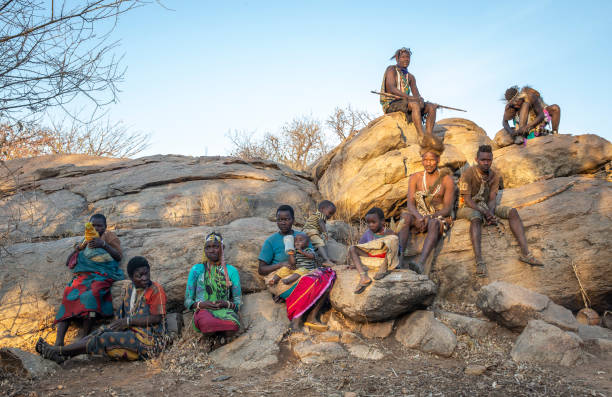
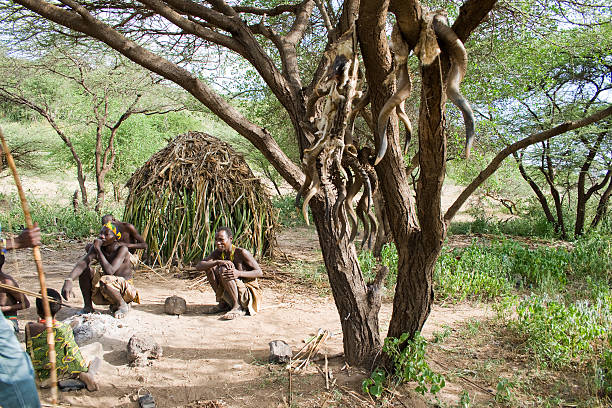
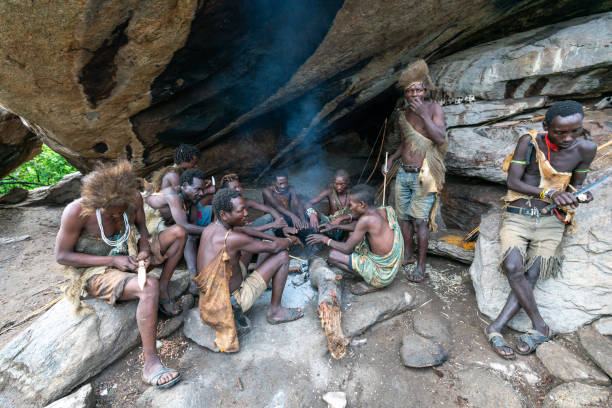
The allure of connecting with ancient traditions draws many travelers to Tanzania, and few experiences are as profound as meeting the Hadzabe people. As one of the last hunter-gatherer communities on Earth, their way of life offers a unique window into humanity’s past. Deciding the best time to visit Hadzabe Tribe is crucial for ensuring a respectful, enriching, and logistically smooth encounter. This comprehensive guide will help you navigate the seasonal nuances and plan an unforgettable journey for 2026 or 2027.
Understanding the Hadzabe Way of Life and Their Environment
The Hadzabe (also known as the Hadzapi or Wataturu) are a Khoisan-speaking indigenous people who reside in the Yaeda Valley, near Lake Eyasi in northern Tanzania. Their culture is deeply intertwined with the land, relying on hunting, foraging, and gathering for sustenance. Their nomadic or semi-nomadic lifestyle means their presence and activities can be influenced by the availability of food, water, and game, which in turn are dictated by the region’s climate.
The climate in the Lake Eyasi region is characterized by distinct wet and dry seasons, typical of much of Tanzania’s northern safari circuit. Understanding these seasons is the cornerstone of planning when to visit the Hadzabe. While their existence is a year-round phenomenon, certain periods offer a more comfortable experience for visitors and potentially more consistent opportunities for observation and interaction.
The Crucial Role of Seasonality: Dry vs. Wet Seasons
When considering the best time to visit Hadzabe Tribe, the primary factor is the weather. Tanzania experiences two main seasons: the dry season and the rainy season. Each season presents different conditions that can affect your experience.
The Dry Season (June to October): The Most Recommended Period
The dry season is widely regarded as the best time to visit Hadzabe Tribe for several compelling reasons:
- Pleasant Weather: This period offers cooler temperatures and minimal rainfall, making outdoor activities more comfortable for both visitors and the Hadzabe. Days are typically sunny and warm, with cooler evenings.
- Easier Access: With less rain, the unpaved roads leading to the Hadzabe communities are generally in better condition, reducing the risk of getting stuck and ensuring smoother travel.
- Wildlife Concentration: While your primary focus is cultural, the dry season is also prime time for game viewing in nearby national parks and reserves, allowing you to combine your cultural visit with a safari. Animals tend to congregate around water sources, making them easier to spot.
- Foraging and Hunting Activities: During the dry season, the Hadzabe often spend more time on extended hunting and foraging expeditions as food and water sources become scarcer, potentially offering more insight into their traditional practices.
Travelers planning for 2026 or 2027 will find that the dry season remains the most reliable window for a comfortable and immersive Hadzabe experience. If you are looking for the absolute optimal conditions, aiming for July, August, September, or October is highly advised.
The Short Rains (November to December)
The short rains, often called the ‘Vuli’ rains, can bring intermittent showers. These are usually brief and don’t typically disrupt travel significantly. Temperatures start to rise, and the landscape begins to green up. For those who prefer slightly fewer crowds and don’t mind the occasional shower, this period can still be a good option. However, it is less predictable than the main dry season.
The Long Rains (March to May): Considerations for Visitors
The long rains, or ‘Masika’ rains, are characterized by heavier, more prolonged rainfall. While this is generally the least recommended period for visiting the Hadzabe, it’s not impossible:
- Challenges: Roads can become very muddy and difficult to navigate, potentially leading to travel delays or cancellations. Some areas might become inaccessible.
- Impact on Hadzabe: The rains can affect the Hadzabe’s hunting and foraging patterns, as animals disperse and water sources become more abundant. They may spend more time closer to their permanent settlements.
- Greener Landscape: The landscape is lush and vibrant during this time, offering a different kind of beauty.
If your travel plans are restricted to these months, it is essential to work with a tour operator experienced in navigating these conditions. They can advise on the feasibility and necessary adjustments to your itinerary.
The Shoulder Seasons: Balancing Weather and Experience
The periods just before and after the main dry season can offer a good balance:
- May: The end of the long rains. The landscape is still green, and the tourist crowds are typically smaller. However, road conditions can still be a factor early in the month.
- November: The start of the short rains. The weather is generally still pleasant, with a chance of brief showers. The land starts to show signs of renewed life.
These shoulder seasons can be excellent for travelers looking to avoid peak season crowds while still enjoying relatively good weather and access. For 2026 and 2027 planning, consider these periods if you are seeking a slightly different experience.
Beyond Weather: Other Factors Influencing the Best Time
While weather is paramount, other elements contribute to determining the best time to visit Hadzabe Tribe:
Cultural Observances and Daily Rhythms
The Hadzabe’s daily life revolves around foraging for food, hunting, and gathering. Their activities are dictated by the availability of resources. During the dry season, they may undertake longer expeditions away from their main settlements to find food and water, offering a glimpse into their nomadic heritage. During the rainy season, they might stay closer to their settlements. Understanding these rhythms helps manage expectations for your visit.
Visitor Numbers and Cultural Impact
The peak tourist season in Tanzania generally aligns with the dry season (June-October). This means more visitors might be present in the general safari areas. However, visits to the Hadzabe are often more controlled and can be arranged to minimize disruption. Traveling during the shoulder seasons (May, November) might mean fewer tourists overall, potentially leading to a more intimate experience. It’s vital to choose a tour operator committed to responsible tourism that respects the Hadzabe’s privacy and culture.
Combining with Other Tanzanian Experiences
Many travelers combine a Hadzabe visit with safaris in the Serengeti, Ngorongoro Crater, or Tarangire National Park. These parks are also at their best during the dry season for game viewing. Therefore, planning your Hadzabe visit within the June-October dry season often aligns perfectly with the optimal safari conditions, making it the most logical and rewarding time for a multi-faceted Tanzanian adventure in 2026 or 2027.
Planning Your 2026-2027 Hadzabe Visit: Practical Steps
Once you’ve considered the seasonality, here’s how to approach planning your trip:
Choosing a Reputable Tour Operator
This is arguably the most critical step. A good tour operator will:
- Have established relationships with the Hadzabe community, ensuring respectful and authorized visits.
- Understand the local conditions and advise on the best timing based on current environmental factors.
- Provide knowledgeable guides who can facilitate communication and offer cultural insights.
- Arrange safe and comfortable transportation, especially important for reaching remote areas.
- Prioritize ethical tourism practices that benefit the community.
For those planning their trip for 2026 or 2027, starting your research and booking well in advance is recommended, especially for peak dry season dates.
What to Expect on Your Visit
- Interaction: Visits typically involve observing daily life, learning about traditional hunting and gathering techniques, and sometimes participating in activities like fire-making or arrow-making demonstrations.
- Language Barrier: While guides facilitate communication, direct interaction can be limited by language. However, gestures and shared activities can bridge this gap.
- Living Conditions: The Hadzabe live a simple life without modern amenities. Be prepared for basic conditions and a stark contrast to urban environments.
- Photography: Always ask permission before taking photos of individuals. Your guide will assist with this.
- Gifts: While not mandatory, small, practical gifts like sugar, salt, or basic tools are sometimes appreciated. Your tour operator can provide guidance on appropriate items.
Logistics and Accessibility
The Hadzabe communities are located in remote areas. Access is typically via 4×4 vehicle. Journeys can be bumpy and dusty, especially during the dry season. During the rainy season, road conditions can deteriorate significantly, making access challenging or impossible.
Most visits to the Hadzabe are arranged as day trips or part of a longer safari itinerary, often originating from Arusha or Karatu. You’ll likely spend a few hours with the community, observing their activities and learning from your guide.
Making Your Booking for 2026 or 2027
To secure your ideal travel dates, particularly if you’re aiming for the best time to visit Hadzabe Tribe during the dry season (June-October), it’s advisable to book at least 6-12 months in advance for 2026 and 2027. This allows ample time for itinerary planning, securing accommodations, and coordinating with local communities.
When contacting tour operators, be specific about your interests. Mention your desire to spend quality time with the Hadzabe and inquire about their approach to cultural tourism. Ask about the group sizes for Hadzabe visits, as smaller groups generally offer a more intimate and respectful experience.
Cost Considerations
The cost of visiting the Hadzabe tribe is typically bundled into a larger Tanzania safari package. It’s not usually priced as a standalone activity. Factors influencing the overall cost include:
- Duration of your safari.
- Type of accommodation (budget, mid-range, luxury lodges/camps).
- Vehicle type and guide services.
- Park entrance fees for any national parks visited.
- The operator’s ethical tourism contributions to the community.
A rough estimate for a day trip to the Hadzabe as part of a larger safari could add between $150 – $300 per person to your overall safari cost, depending on the operator and inclusions. For a comprehensive 7-day safari including the Hadzabe, expect prices ranging from $2,500 to $6,000+ per person, depending on the level of luxury and specific itinerary.
Always ask for a detailed quote that outlines exactly what is included and excluded.
Common Mistakes to Avoid When Planning Your Visit
To ensure your visit is respectful and rewarding, be mindful of these common pitfalls:
- Treating the visit as a zoo: The Hadzabe are not exhibits. Approach the encounter with genuine curiosity and respect for their way of life.
- Ignoring cultural norms: Always defer to your guide regarding appropriate behavior, photography, and gift-giving.
- Choosing unqualified operators: Some operators may not have genuine relationships or understanding of the community, leading to awkward or disrespectful interactions.
- Visiting during the peak rainy season without proper planning: While possible, it requires an operator experienced in navigating challenging conditions.
- Expecting modern comforts: Understand that you are visiting a traditional community.
Is 2026 or 2027 the Right Year for Your Hadzabe Experience?
The decision to plan for 2026 or 2027 depends on your personal preferences and tolerance for weather variations. However, the consensus remains clear:
- For the most comfortable weather, easiest travel, and optimal visibility of traditional activities: Aim for the dry season (June to October). This is consistently the best time to visit Hadzabe Tribe.
- For a balance of green landscapes and fewer crowds: Consider the shoulder months of May or November.
- If your travel dates are fixed in the rainy season: Work with an expert operator who can manage logistics and set realistic expectations.
No matter when you choose to visit, a trip to the Hadzabe offers a rare and invaluable perspective on human history and resilience. By planning thoughtfully and choosing the right partners, you can ensure your encounter is both memorable and meaningful.
Ready to plan your authentic cultural adventure to Tanzania for 2026 or 2027? We specialize in crafting responsible and immersive experiences. Get in touch with our expert team to discuss the best time for your visit and tailor an itinerary that exceeds your expectations. You can reach us via WhatsApp at +255616946642, email us at topguideadventures@gmail.com, or use our backup email info@topguideadventures.com. Let us help you discover the wonders of the Hadzabe and Tanzania.



