
The question, Can you visit the Hadzabe tribe from Karatu?, is a common one for travelers interested in authentic cultural encounters during their Northern Tanzania safari. Karatu, situated between the renowned Ngorongoro Conservation Area and Lake Manyara National Park, is a convenient base for exploring the region’s natural wonders. While it’s not directly adjacent to the Hadzabe’s traditional homelands, it is indeed possible to arrange visits to this unique indigenous community, though it requires careful planning and understanding of the logistics involved.
For those planning a trip in 2026 or 2027, understanding the accessibility and best practices for such an interaction is crucial. The Hadzabe are one of Africa’s last hunter-gatherer tribes, and their way of life is deeply connected to the land. Experiencing their culture respectfully and authentically is paramount. This comprehensive guide will detail how to achieve this, covering everything from travel times and necessary arrangements to cultural etiquette and what to expect during your visit.
Understanding the Hadzabe and Their Location
Before discussing logistics from Karatu, it’s vital to appreciate who the Hadzabe are and where they live. The Hadzabe (also known as Watindiga) are a hunter-gatherer people whose ancestral lands are primarily in the north-central part of Tanzania. Their traditional territories span areas around Lake Eyasi, which lies southeast of the Ngorongoro Highlands and thus, southeast of Karatu. The distance from Karatu to the Lake Eyasi region is approximately 100-150 kilometers (60-90 miles), depending on the specific Hadzabe community you aim to visit and the exact starting point in Karatu.
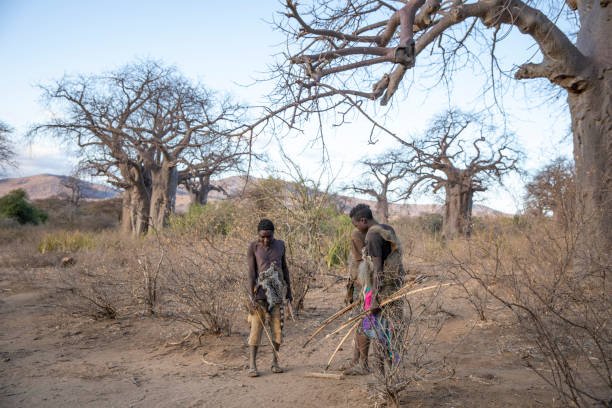
Their lifestyle is intrinsically linked to the environment, following game and foraging for edible plants, berries, and honey. This nomadic or semi-nomadic existence means their settlements can shift, though they tend to remain within their ancestral hunting grounds. Visiting them is not a matter of arriving at a fixed village; it often involves meeting them at a designated meeting point or being guided to where they are currently active.
Logistics: Bridging Karatu and the Hadzabe Lands
The primary challenge in visiting the Hadzabe from Karatu is the travel time and road conditions. Karatu itself is a small town, and while it offers comfortable lodging and services, it’s not a gateway town for the Hadzabe in the same way that Mto wa Mbu or Arusha might be considered closer starting points for some tours. However, with a well-organized tour, the journey is certainly manageable.
Travel Time and Routes
From Karatu, the drive to the Lake Eyasi region typically takes between 2.5 to 4 hours one way. The roads can be rough and dusty, especially during the dry season, and can become significantly more challenging after rains. A 4×4 safari vehicle is essential for this journey, providing the necessary clearance and traction.
The most common routes involve heading south from Karatu, often passing through or near areas like Mang’ola, and then proceeding towards the shores of Lake Eyasi. The exact route will depend on the specific Hadzabe community your guide has arranged to visit and the current conditions. It’s important to note that this is not a drive you would undertake independently without local knowledge and a suitable vehicle.
Day Trip vs. Overnight Stay
Given the travel time, a day trip to visit the Hadzabe from Karatu is possible, but it will be a long day, often involving an early start and a late return. For instance, departing Karatu by 7:00 AM, you could reach the Lake Eyasi area by 10:00 AM. You would then spend a few hours with the community before commencing the return journey, arriving back in Karatu by 5:00 PM or later.
However, to truly appreciate the experience and reduce the feeling of being rushed, an overnight stay near Lake Eyasi is highly recommended for travelers based in Karatu. This allows for a more relaxed pace, potentially observing different aspects of Hadzabe life (like morning foraging or evening activities) and reducing the strain of long-distance travel on consecutive days if combined with other activities.
If you are staying in Karatu for a few days as part of a larger safari itinerary that includes Ngorongoro and Lake Manyara, dedicating a full day or an overnight to the Hadzabe can be integrated. For 2026 and 2027 travel plans, consider whether you prefer a brief cultural insight or a more immersive experience when allocating your time.
Arranging Your Hadzabe Visit: The Role of Tour Operators
Directly arranging a visit to the Hadzabe from Karatu without a local tour operator is highly impractical and not recommended. The Hadzabe do not have a formal tourism office or set visiting hours. Interactions are typically facilitated through local guides who have established relationships with specific Hadzabe communities. These guides understand the cultural protocols, can communicate effectively (often through translators if needed), and know where to find the communities respectfully.
A reputable Tanzania tour operator, like Top Guide Adventures, can seamlessly integrate a Hadzabe visit into your itinerary, whether you’re based in Karatu or starting from Arusha. When you contact us, we will discuss your interests and craft an itinerary that includes this unique cultural element. For 2026-2027 bookings, it’s advisable to plan this well in advance, as reliable arrangements are key to a meaningful experience.
What a Tour Operator Provides:
- Logistical Planning: Arranging the 4×4 vehicle, driver-guide, and necessary permits (if applicable for specific areas).
- Community Access: Establishing contact with a specific Hadzabe community and arranging a meeting time and place.
- Cultural Guidance: Briefing you on cultural etiquette and what to expect, ensuring a respectful interaction.
- Transportation: Providing reliable transport from Karatu to the Lake Eyasi region and back.
- Accommodation (if overnight): Booking suitable lodges or tented camps near Lake Eyasi.
When considering your options for 2026 or 2027, reach out to us at WhatsApp +255616946642 or Email topguideadventures@gmail.com to discuss how we can make this happen for you. Our team has extensive experience in facilitating these sensitive cultural exchanges.
What to Expect During a Hadzabe Visit
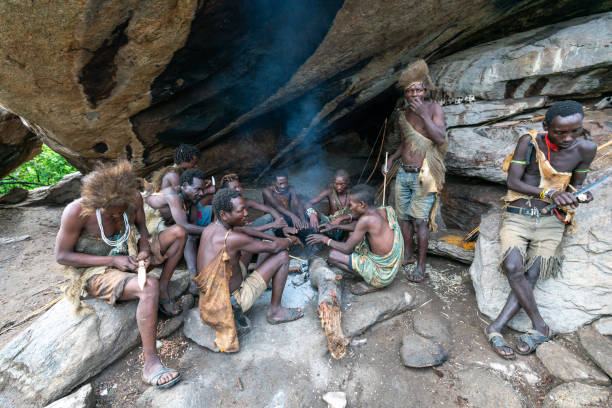
A visit to the Hadzabe is a journey into a world that has remained largely unchanged for centuries. It’s an opportunity to witness a way of life that is profoundly different from our own, focusing on community, resourcefulness, and a deep connection to nature.
Activities and Interactions:
Your experience will likely involve:
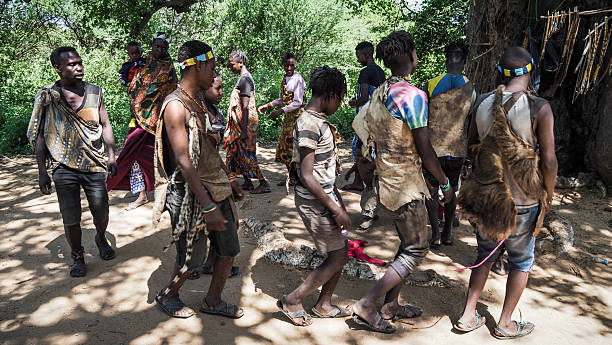
- Meeting the Community: You’ll typically be introduced to members of the community, including elders, men, women, and children.
- Observing Daily Life: Depending on the time of day and the community’s activities, you might witness men preparing for a hunt (using bows and arrows), women foraging for roots and berries, or children playing.
- Learning About Traditions: Your guide or a community elder may explain aspects of their culture, such as their language, beliefs, social structures, and their relationship with the land.
- Participating in Activities (with permission): You might be invited to try your hand at shooting a bow and arrow (though expect it to be harder than it looks!) or learn about edible plants.
- Honey Hunting (Seasonal): If you’re fortunate and the season is right, you might witness the Hadzabe’s incredible skill in finding and harvesting honey from wild beehives, often with the help of honeyguide birds.
- Storytelling and Music: Some communities may share traditional songs or stories, offering a glimpse into their rich oral history.
Cultural Etiquette and Respect:
This is perhaps the most critical aspect of a Hadzabe visit. These interactions are not staged performances; they are genuine encounters with people living their lives. Maintaining respect and sensitivity is paramount.
- Ask Permission Before Photographing: Always ask your guide to ask permission from individuals before taking their photo. Some may be shy or uncomfortable, and their wishes must be respected.
- Dress Modestly: While the Hadzabe are accustomed to seeing visitors, it’s respectful to dress modestly. Avoid revealing clothing.
- Do Not Offer Gifts Directly: It is generally advised not to give gifts directly to individuals, especially sweets or money, as this can disrupt their traditional economy and social dynamics. If you wish to contribute, discuss with your tour operator about providing useful items like basic medical supplies or educational materials through community leaders.
- Be Mindful of Your Behavior: Avoid loud noises, intrusive questions, or actions that could be perceived as disrespectful. Observe and listen more than you speak.
- Do Not Enter Homes Without Invitation: Respect their living spaces.
- Listen to Your Guide: Your guide is your intermediary and cultural interpreter. Follow their advice and instructions implicitly.
The Hadzabe are known for their welcoming nature, but it’s essential to remember that you are a guest in their home. For 2026 and 2027 trips, prioritizing a respectful and authentic cultural exchange will lead to a far more rewarding experience.
Timing Your Visit: Seasonality and Hadzabe Life
While the Hadzabe live a largely subsistence lifestyle that dictates their movements, the timing of your visit can influence what you might observe. Tanzania has distinct wet and dry seasons, which affect foraging and hunting conditions.
Dry Season (June to October):
During the dry season, water sources become scarcer, and game may congregate around remaining waterholes. This can be a good time for observing hunting activities. However, edible plants might be less abundant, leading the Hadzabe to travel further in search of food.
Wet Season (November to May):
The wet season brings new growth, making foraging easier and more diverse. Animals disperse as new grazing areas become available. Honey availability can also vary by season.
The Hadzabe are adaptable and will continue their way of life regardless of the season. However, for the most enriching experience, consider the following:
- Morning Hours: Early mornings are often the best time to observe hunting and foraging activities as the day’s sustenance is sought.
- Avoid Peak Safari Crowds (if possible): While the Lake Eyasi region is less visited than the Ngorongoro Crater, visiting during shoulder seasons (e.g., March-May or September-November) might offer a more tranquil experience for your cultural encounter.
For 2026-2027 travel planning, understanding that the Hadzabe’s life is dictated by nature’s cycles means that flexibility is key. Your guide will work to ensure you have the best possible encounter, regardless of the exact time of year.
Comfort Level and Expectations
It’s important to set realistic expectations regarding comfort when visiting the Hadzabe. This is not a luxury experience in the conventional sense. The journey involves rough roads, and the environment around Lake Eyasi can be hot and dusty.
Accommodation:
If you opt for an overnight stay, accommodation options near Lake Eyasi are typically comfortable but rustic lodges or tented camps. These provide essential amenities like beds, private bathrooms, and meals, offering a welcome respite after a day of cultural immersion. They are designed to blend with the environment rather than impose upon it.
The Visit Itself:
The interaction with the Hadzabe is raw and authentic. You will be in their natural environment, which means:
- Basic Facilities: Do not expect amenities like paved paths, restrooms, or designated viewing platforms.
- Proximity to Nature: You will be in an area with wildlife, insects, and varying temperatures.
- Unpredictable Encounters: The Hadzabe are not performing; they are living. Activities may cease if they need to focus on hunting or foraging.
For travelers planning their 2026 or 2027 safari, embracing this authenticity is part of the adventure. It’s a chance to step outside your comfort zone and connect with a different way of life on its own terms.
Costs Associated with Visiting the Hadzabe from Karatu
The cost of visiting the Hadzabe tribe from Karatu is typically integrated into your overall safari package. It’s not usually a standalone activity with a fixed price tag that you can book independently. The primary cost drivers are:
- Vehicle and Guide: The use of a 4×4 safari vehicle and a professional driver-guide for the entire day or duration of your stay.
- Park Fees/Concessions: While the Hadzabe lands are not always within a national park in the traditional sense, there might be community or conservation fees that are facilitated by your tour operator.
- Tour Operator’s Service Fee: This covers their expertise in arranging the visit, maintaining relationships with the community, and ensuring a smooth experience.
- Accommodation (if overnight): The cost of your lodge or camp near Lake Eyasi.
As a rough guide, incorporating a full-day trip to the Hadzabe from Karatu might add $200-$400 per person to your daily safari cost, depending on group size and the specific inclusions. An overnight stay would increase this further due to accommodation costs. For precise pricing for your 2026 or 2027 adventure, it’s best to request a custom quote from a tour operator.
Top Guide Adventures can provide detailed quotes tailored to your itinerary. Please reach out to us via WhatsApp +255616946642 or Email topguideadventures@gmail.com for a personalized travel plan.
Mistakes to Avoid When Planning Your Visit
To ensure your visit is respectful, enriching, and logistically sound, here are some common mistakes to avoid:
- Assuming Independent Access: Trying to visit without a guide or tour operator is almost impossible and highly discouraged due to cultural and logistical barriers.
- Treating it Like a Zoo: The Hadzabe are not an exhibit. Approach the encounter with genuine curiosity and respect for their human dignity.
- Ignoring Cultural Etiquette: Failing to understand and adhere to local customs can lead to misunderstandings and disrespectful interactions.
- Over-Promising Gifts: Do not promise items you cannot deliver or offer inappropriate gifts.
- Rushing the Experience: Trying to cram too much into a short visit can detract from the authenticity. An overnight stay allows for a more relaxed pace.
- Not Factoring in Travel Time: Underestimating the travel duration and road conditions from Karatu can lead to a stressful day.
- Booking with Unverified Operators: Ensure your tour operator has a proven track record of facilitating ethical and respectful cultural interactions.
By planning carefully and working with experienced professionals, you can avoid these pitfalls and have a truly memorable experience for your 2026 or 2027 Tanzania trip.
Safety and Health Considerations
Safety and health are important considerations for any travel in Tanzania, including visits to remote communities.
- Malaria Prevention: The Lake Eyasi region is a malaria-endemic area. Consult your doctor about appropriate antimalarial medication well in advance of your 2026-2027 travel dates.
- Insect Repellent: Use a strong insect repellent containing DEET, especially during dawn and dusk.
- Hydration: The climate around Lake Eyasi is hot and dry. Drink plenty of bottled or purified water to stay hydrated.
- Sun Protection: Wear sunscreen, a hat, and sunglasses.
- Food and Water Safety: Only consume bottled water or water that has been purified. Be cautious with uncooked foods unless provided by your lodge or prepared by your guide.
- General Safety: Stick with your guide at all times during the visit. Your driver-guide will be experienced in navigating the terrain and ensuring your safety.
Your tour operator will provide specific pre-trip health and safety advice tailored to your itinerary.
Alternatives to Visiting the Hadzabe from Karatu
While visiting the Hadzabe from Karatu is achievable, there are other cultural experiences available in Northern Tanzania that might be more logistically straightforward or appeal to different interests. These can also be integrated into itineraries originating from Karatu.
- Maasai Cultural Bomas: Many Maasai communities have established cultural bomas (villages) that offer a structured and informative experience. These are often more accessible and can be visited as part of a safari day trip from various locations, including near Karatu. You can learn about Maasai traditions, visit their homes, and witness traditional dances.
- Datoga Tribe: Near Lake Eyasi, you can also encounter the Datoga people, who are known for their traditional blacksmithing and beadwork. A visit can offer insights into their craftsmanship and way of life.
- Local Village Visits: Beyond specific tribes, many tour operators can arrange visits to local villages where you can interact with the community, learn about daily life, and perhaps visit schools or local markets.
- Cultural Heritage Centers: Some centers focus on preserving and showcasing the diverse cultures of Tanzania.
While these alternatives offer valuable cultural insights, the Hadzabe experience is unique due to their hunter-gatherer lifestyle. If this is a primary interest for your 2026 or 2027 travel, the journey from Karatu is worth the effort when properly arranged.
Booking Your Hadzabe Cultural Experience
Securing an authentic and respectful visit to the Hadzabe tribe requires booking through a reliable tour operator. For travelers planning their trip from Karatu, or indeed from anywhere in Tanzania, Top Guide Adventures is your trusted partner.
We understand the nuances of cultural tourism and are committed to ensuring that our clients’ experiences are both enriching for them and beneficial for the communities they visit. Our team works diligently to build and maintain positive relationships with the Hadzabe people, ensuring that visits are conducted ethically and sustainably.
When you’re ready to plan your Tanzanian adventure for 2026 or 2027, consider how a visit to the Hadzabe tribe could be a highlight of your journey. Whether you’re interested in a day trip from Karatu or an overnight immersion, we can tailor an itinerary to suit your preferences and budget.
To discuss your specific needs and get a personalized quote for your 2026-2027 trip, please contact us:
- WhatsApp: +255616946642
- Email: topguideadventures@gmail.com
- Backup Email: info@topguideadventures.com
We also encourage you to explore our offerings for other Tanzanian adventures, such as safaris and Kilimanjaro climbs, and see how we can combine them for an unforgettable experience. For group tour dates and shared departures, check out our Tanzania Safari Group Departures.
In conclusion, yes, you can visit the Hadzabe tribe from Karatu. It requires careful planning, the right vehicle, and crucially, a reputable tour operator who can facilitate the logistics and ensure a respectful cultural exchange. For travelers planning their 2026 and 2027 Tanzania safaris, incorporating this unique experience will undoubtedly add a profound dimension to your journey.



