
A journey to Tanzania offers more than just the iconic wildlife safaris and the majestic peak of Kilimanjaro. For many, the most profound experiences come from connecting with the human stories that have shaped this ancient land. Among the most compelling of these are encounters with indigenous communities, and the Hadzabe people, one of the last hunter-gatherer tribes in Africa, offer a unique window into a way of life that has persisted for millennia. If you’re considering a Hadzabe tribe tour, you’re likely seeking an authentic, deeply human connection that goes beyond the typical tourist trail. This comprehensive guide, designed for travelers planning their adventures for 2026 and 2027, will prepare you for what to expect, ensuring a respectful, enriching, and unforgettable experience.
Understanding the Hadzabe: A Living Legacy
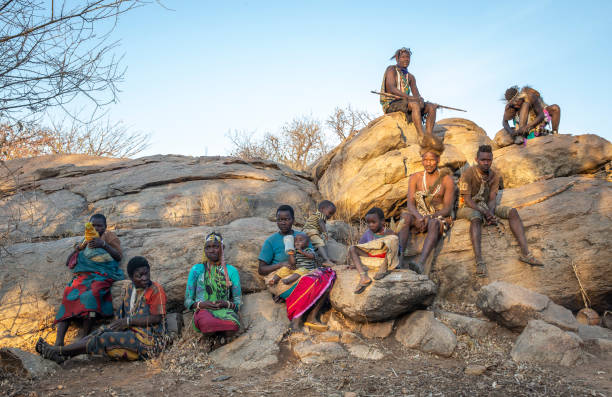
Before you even think about packing your bags for a Hadzabe tribe tour, it’s crucial to understand who the Hadzabe are and their place in modern Tanzania. The Hadzabe, also known as the Watindiga or Kindiga, are a hunter-gatherer people who primarily reside around Lake Eyasi in the Yaeda Valley of northern Tanzania. Their traditional lifestyle, centered on hunting wild game, foraging for roots, berries, and honey, and living in small, mobile family groups, has remained remarkably consistent, even as the world around them modernizes. Their language, characterized by click consonants, is unique and unrelated to the Bantu languages spoken by most other Tanzanian ethnic groups.
It’s important to approach any visit with a deep sense of respect. The Hadzabe are not a living museum exhibit. They are a vibrant community with their own culture, traditions, and social structures. Your visit, when arranged responsibly, provides a small economic benefit to the community and offers them an opportunity to share their heritage. However, the primary goal of a reputable Hadzabe tribe tour operator is to facilitate a genuine cultural exchange, not a staged performance. Understanding their deep connection to the land, their communal way of life, and their sophisticated knowledge of the natural environment will significantly enhance your appreciation.
What to Expect on a Hadzabe Tribe Tour: The Experiential Journey
The core of any Hadzabe tribe tour is immersion. Unlike many cultural visits where interactions are brief or observational, a well-organized tour aims for participation and genuine engagement. Here’s a breakdown of what you can realistically anticipate:
Morning Activities: Hunting and Gathering
The Hadzabe are most active in the early morning. This is when the hunting and foraging expeditions typically set out. If your tour is timed correctly, you will have the incredible opportunity to accompany a hunting party. This is not a guaranteed spectacle, as hunting success depends on many factors, but the experience of walking with them, observing their tracking skills, and understanding their methods is profound.
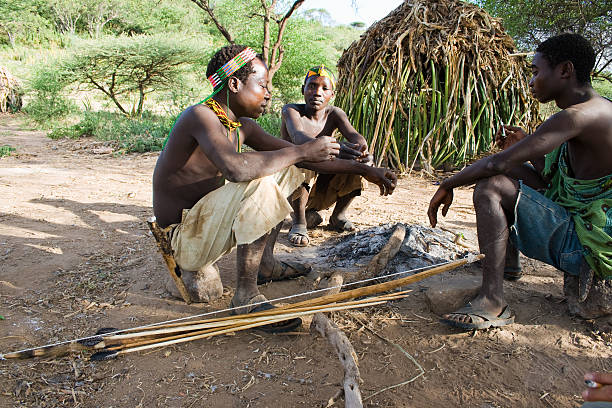
You’ll witness their traditional hunting tools – bows and arrows, crafted from local materials. Their knowledge of animal behavior, tracks, and the edible and medicinal plants of the bush is unparalleled. They possess an intimate understanding of their environment, honed over generations. Expect to see them gather honey from wild beehives (often a challenging and potentially painful endeavor!), collect edible roots and berries, and perhaps even hunt small game like birds or dik-diks. This is the heart of their subsistence, and witnessing it firsthand is a privilege.
Daily Life and Community Interaction
After the morning’s activities, the community often gathers back at their temporary encampments. This is a time for sharing what has been gathered, preparing food, and socializing. You’ll have the chance to observe their daily routines, including:
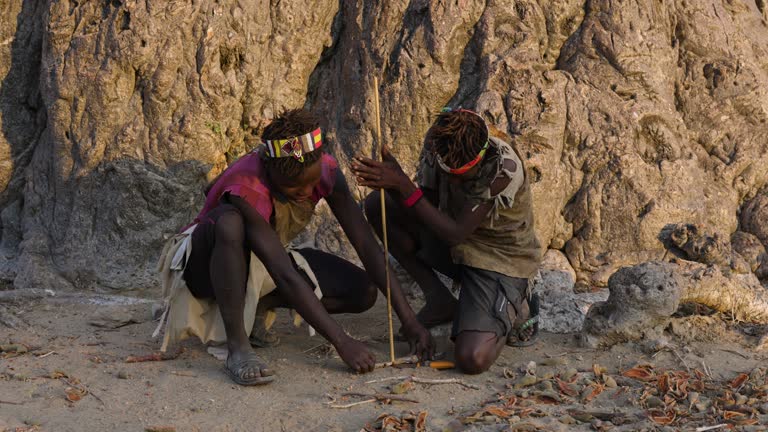
- Food Preparation: Witnessing how they prepare their meals, often roasted over an open fire.
- Craftsmanship: Seeing how they create essential tools, clothing (traditionally made from animal hides), and ornaments.
- Social Dynamics: Observing the interactions between men, women, and children, understanding their communal living arrangements.
- Storytelling and Song: If the opportunity arises, you might experience their traditional songs and stories, which are integral to their culture and history.
The Hadzabe are generally welcoming to visitors who approach them with respect and curiosity. While language can be a barrier, smiles, gestures, and the presence of a knowledgeable guide can facilitate meaningful interactions. You might be invited to try some of the foraged foods or observe the children playing.
Cultural Etiquette and Respect
This is perhaps the most critical aspect of a Hadzabe tribe tour. Your guide will provide detailed instructions, but here are some general principles:
- Ask Permission: Always ask your guide before taking photographs or videos of individuals. Some may prefer not to be photographed, and their wishes must be respected.
- Gifts: Avoid giving unsolicited gifts, especially money or sweets to children, as this can disrupt their traditional way of life and create dependency. If you wish to offer something, discuss it with your guide beforehand. Often, practical items like basic medical supplies or educational materials for the community school (if applicable) are more appropriate, but this needs careful consideration.
- Observe, Don’t Interfere: While you are encouraged to engage, avoid interfering with their daily activities, hunting, or foraging. Be an observer and a respectful guest.
- Hygiene: Be mindful of hygiene. Do not offer food or drink directly from your supplies unless invited and appropriate.
- Language: Learn a few basic Hadzabe words if possible. Your guide will likely teach you some common phrases.
- Patience: Understand that this is their life, not a show. Be patient and allow interactions to unfold naturally.
Logistical Expectations: Where and When
Location: Hadzabe communities are typically found in the remote areas around Lake Eyasi. Access often involves off-road driving, and the terrain can be challenging. This is why a specialized tour is essential.
Timing: The best time for a Hadzabe tribe tour is generally during the dry seasons in Tanzania, which typically run from June to October and then again from December to February. During these periods, the weather is more predictable, and the landscape is less challenging to navigate. However, the Hadzabe are nomadic and move according to the availability of resources, so flexibility is key. Your tour operator will have the most up-to-date information on community locations.
Duration: A typical visit to a Hadzabe community might last from a few hours to a full day. Some itineraries might include an overnight stay, offering a deeper immersion, but this requires careful planning and a willingness to adapt to very basic living conditions. For 2026 and 2027 travel, ensure your booking aligns with the best seasonal opportunities.
Accommodation and Comfort Levels
This is where expectations need to be realistic. A Hadzabe tribe tour is not about luxury. If you are visiting the Hadzabe as part of a larger safari, your accommodation will likely be at a comfortable safari lodge or tented camp outside the immediate vicinity of the community. However, if your tour includes an overnight stay with the Hadzabe, prepare for:
- Basic Shelters: You will likely sleep in simple huts made from branches and grass, or perhaps even in the open under the stars.
- Limited Amenities: There are no modern facilities like running water, electricity, or flush toilets. You will need to be self-sufficient with your own toiletries and potentially a portable toilet.
- Communal Living: You will be sharing spaces and resources with the community.
For travelers prioritizing comfort, a day visit is the most suitable option. If you are planning for 2026 or 2027 and are interested in an overnight experience, discuss the specific arrangements and what to pack with your tour operator well in advance.
Planning Your Hadzabe Tribe Tour for 2026-2027
A successful and respectful visit requires careful planning. Here’s how to approach it:
Choosing the Right Tour Operator
This is paramount. Not all operators offer genuine, ethical Hadzabe experiences. Look for companies that:
- Prioritize Ethics: They should have established relationships with the Hadzabe community and ensure that visits are beneficial and non-disruptive.
- Provide Experienced Guides: Guides should be knowledgeable about Hadzabe culture, history, and the local environment, and fluent in local languages or have excellent translation capabilities.
- Offer Realistic Expectations: They should clearly communicate what to expect regarding daily life, accommodation, and potential activities.
- Have a Strong Reputation: Check reviews and testimonials from previous travelers. For example, Top Guide Adventures has a strong presence in Tanzania and specializes in culturally immersive experiences.
When planning for 2026 and 2027, start your research early. Popular and reputable operators can book up, especially for custom itineraries that include specific cultural components.
Integrating Hadzabe Visits into Your Tanzania Trip
A Hadzabe visit is often best combined with other northern Tanzania attractions. Common itineraries include:
- Lake Manyara National Park: Known for its tree-climbing lions and diverse birdlife.
- Ngorongoro Conservation Area: A UNESCO World Heritage Site with incredible wildlife density.
- Tarangire National Park: Famous for its large elephant herds and baobab trees.
- Arusha: The gateway city for many northern circuit safaris.
A typical itinerary might involve a few days of safari followed by a day trip or overnight to visit the Hadzabe. This allows you to experience the diverse landscapes and wildlife of Tanzania while also delving into its rich cultural heritage. For 2026-2027 bookings, consider how much time you want to dedicate to cultural immersion versus wildlife viewing.
What to Pack for a Hadzabe Experience
Packing light and practically is key. Beyond your standard safari gear, consider:
- Lightweight, Neutral-Colored Clothing: Blends in with the environment.
- Comfortable Walking Shoes: You’ll be doing a lot of walking.
- Hat and Sunscreen: The sun can be intense.
- Insect Repellent: Essential for evenings and around Lake Eyasi.
- Water Bottle: Staying hydrated is crucial. Filtered water is recommended.
- Basic First-Aid Kit: Including any personal medications.
- Hand Sanitizer: For hygiene.
- Camera and Extra Batteries/Memory Cards: You’ll want to capture memories, but always ask permission before photographing people.
- Small Backpack: To carry essentials during the day.
- Binoculars: For wildlife viewing during your safari portions.
- A Sense of Humor and Patience: Essential for any off-the-beaten-path adventure.
If an overnight stay is planned, discuss specific needs like sleeping bags or mats with your operator.
Safety and Health Considerations
Tanzania is generally safe for tourists, but standard precautions apply. Your tour operator will ensure your safety by choosing reputable communities and providing experienced guides. Health-wise:
- Vaccinations: Consult your doctor or a travel clinic about recommended vaccinations (e.g., Yellow Fever, Hepatitis A, Typhoid) and malaria prophylaxis.
- Water: Drink only bottled or purified water.
- Food: Be cautious with street food. Stick to well-cooked meals provided by your lodge or guide.
For 2026 and 2027 travel, staying updated on health advisories is always wise.
Ethical Considerations and Responsible Tourism
Visiting the Hadzabe is a privilege, and it comes with a responsibility to ensure your presence is positive. Ethical tourism means:
- Supporting Local Economies: Your tour fees, when paid to a responsible operator, should contribute directly or indirectly to the community.
- Respecting Culture: Understanding and respecting their traditions, beliefs, and way of life is paramount.
- Minimizing Environmental Impact: Stick to paths, do not litter, and be mindful of resource usage.
- Avoiding Exploitation: Ensure your visit does not turn into a spectacle or exploit the community for photos or entertainment.
When booking your Hadzabe tribe tour for 2026 or 2027, ask your tour operator about their ethical practices and how they ensure benefits reach the community. Operators like Top Guide Adventures are committed to responsible tourism.
Cost and What It Covers
The cost of a Hadzabe tribe tour varies significantly depending on whether it’s a standalone day trip, part of a longer safari, or includes an overnight stay. It also depends on the exclusivity (private vs. group) and the operator. Generally, expect that the price will cover:
- Guide Fees: An experienced, knowledgeable guide.
- Transportation: 4×4 vehicle access to the remote areas.
- Community Fees: A contribution directly to the Hadzabe community for the visit.
- Permits: Any necessary permits for visiting the area.
- Accommodation and Meals: If part of a multi-day tour or overnight stay.
A rough estimate for a day trip might range from $150 to $300 per person, depending on group size and inclusions. Overnight stays or integration into longer safaris will add to this. It is always best to get a detailed quote. For 2026 and 2027 travel, booking in advance will help secure preferred dates and potentially better rates.
Common Mistakes to Avoid
To ensure a positive experience for both you and the Hadzabe, steer clear of these common pitfalls:
- Expecting a Performance: Remember, this is their life, not a show.
- Taking Photos Without Permission: Always ask first.
- Offering Unsolicited Gifts: This can be detrimental.
- Being Disrespectful: Understand and adhere to cultural norms.
- Ignoring Your Guide: They are your link to understanding and navigating the experience.
- Overpacking: Pack light and practically.
- Not Planning Ahead: Especially crucial for 2026-2027 bookings, as reputable operators and specific dates fill up.
Booking Your Hadzabe Experience in 2026-2027
Ready to plan your authentic encounter? The best approach is to connect directly with a trusted tour operator. For travelers planning their adventures for 2026 and 2027, early engagement is key.
Consider Top Guide Adventures, a Tanzanian-based operator known for its deep understanding of the local culture and commitment to responsible tourism. They can help craft a custom itinerary that includes a respectful visit to the Hadzabe, alongside the breathtaking wildlife safaris or Kilimanjaro treks that Tanzania is famous for. Whether you’re interested in a day trip from Lake Manyara or incorporating it into a longer cultural circuit, they can tailor an experience to your interests and budget.
To discuss your specific plans for a Hadzabe tribe tour, or to get a quote for your 2026 or 2027 Tanzania adventure, reach out to the experts:
- WhatsApp: +255616946642
- Email: topguideadventures@gmail.com
- Backup Email: info@topguideadventures.com
They can provide detailed itineraries, pricing, and answer any specific questions you might have about visiting this extraordinary community. Planning ahead ensures you secure the best guides, optimal timing, and a truly memorable cultural immersion.
A Hadzabe tribe tour is more than just a travel activity; it’s an opportunity to witness a way of life that connects us to our shared human past. By approaching it with curiosity, respect, and proper planning, your experience in 2026 or 2027 will undoubtedly be one of the most impactful of your travels.



