
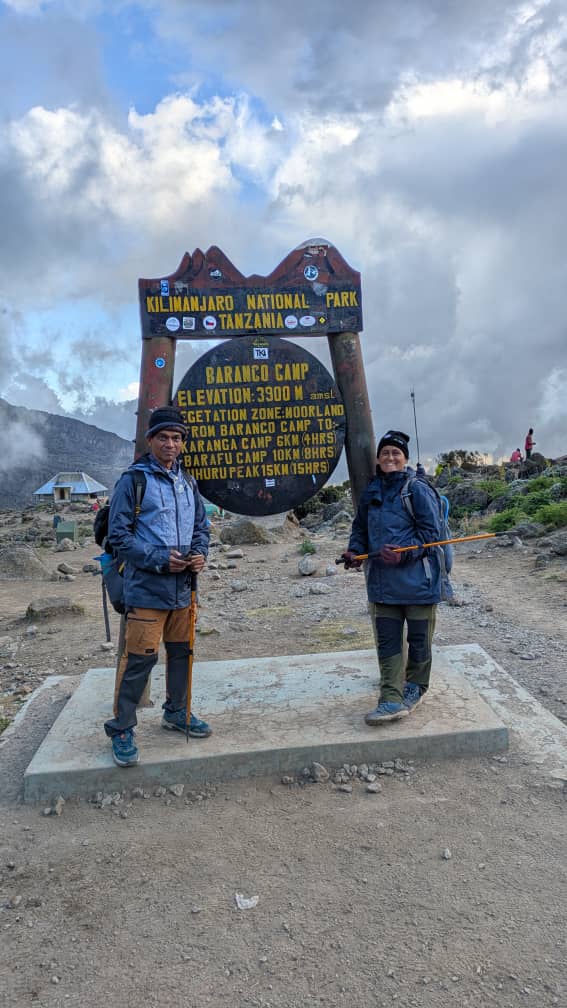

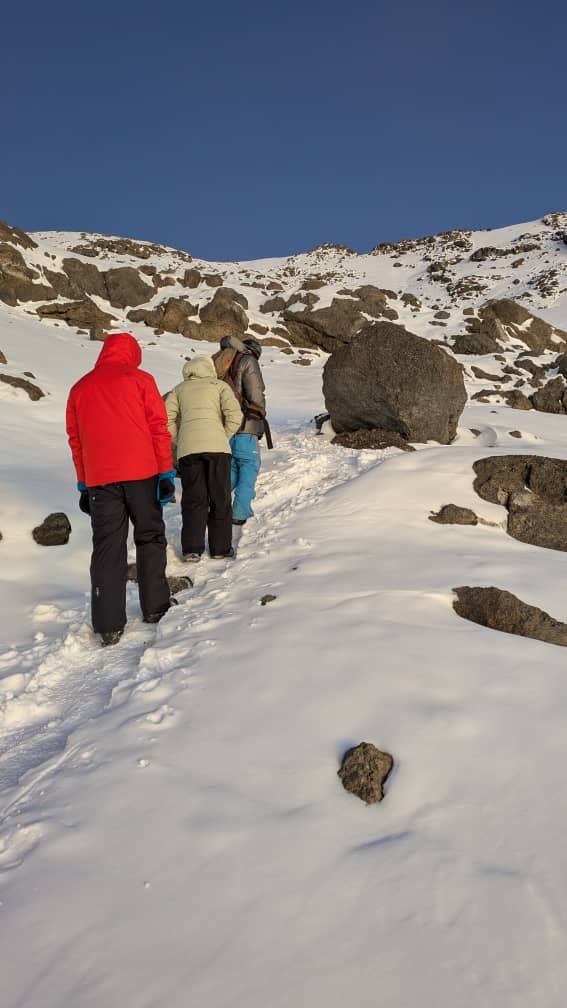
Are you dreaming of standing on the Roof of Africa? For trekkers planning their ascent of Mount Kilimanjaro, fixed departure dates offer a fantastic way to join a like-minded group, share experiences, and benefit from optimized logistics. Our 6 Days Rongai Route – 14 November 2026 Departure | Group Kilimanjaro Trekking is a prime opportunity to conquer Kilimanjaro via a route known for its scenic beauty and higher success rates, especially during certain seasons. This departure date in November 2026 is carefully chosen to align with favorable weather conditions, offering a compelling choice for your 2026 Kilimanjaro adventure.
Why Choose the Rongai Route for Your 2026 Kilimanjaro Climb?
The Rongai Route approaches Kilimanjaro from the north, crossing the arid plains of the Loita Massif before ascending the mountain. This unique positioning means it is less frequented than some of the more popular southern routes, offering a more serene trekking experience. Its gradual incline on the approach allows for excellent acclimatization, a critical factor for reaching Uhuru Peak successfully. For those considering a climb in late 2026, the Rongai Route’s path, particularly its steady ascent, can significantly contribute to a comfortable and rewarding journey.
Choosing a group departure like our November 14, 2026, Rongai Route trek means you’ll be part of a team, fostering camaraderie and shared motivation. It also simplifies planning; your dates are set, and your place is secured with a deposit. Best Tanzania Tour operator specializes in creating memorable and safe Kilimanjaro experiences, and this group trek is designed to provide just that.
Understanding the 6-Day Rongai Route Itinerary
A 6-day itinerary on the Rongai Route is a popular choice, balancing acclimatization with efficiency. While longer itineraries (7-day or 8-day) generally offer higher success rates due to more gradual ascents and additional acclimatization days, the 6-day Rongai is achievable for well-prepared trekkers. It emphasizes a steady pace and allows for good acclimatization, especially when compared to shorter itineraries on other routes. For our November 14, 2026, departure, this itinerary is structured to maximize your chances of reaching the summit.
Here’s a typical breakdown of the 6-day Rongai Route, designed to give you a clear picture of the daily progression:
| Day | Altitude Gain | Approx. Trekking Time | Distance | Camp | Key Features & Notes |
|---|---|---|---|---|---|
| Day 1 | 1,950m to 2,360m | 2-3 hours | ~5 km | Nale Moru Gate to Simba Camp | Starts from the north side, gentle ascent through farmland and pine forest. Initial acclimatization begins. |
| Day 2 | 2,360m to 2,750m | 3-4 hours | ~8 km | Simba Camp to Kikelewa Caves | Trek through moorland. The landscape opens up, offering broader views. |
| Day 3 | 2,750m to 3,400m | 5-6 hours | ~12 km | Kikelewa Caves to Mawenzi Tarn | A more challenging day with a steady climb into alpine desert. Mawenzi Tarn is a stunning campsite below the imposing Mawenzi peak. |
| Day 4 | 3,400m to 3,950m | 5-6 hours | ~10 km | Mawenzi Tarn to School Hut | Crosses the saddle between Mawenzi and Kibo. The terrain becomes rocky and barren. Acclimatization is key. |
| Day 5 | 3,950m to 5,895m (Uhuru Peak) then descend to 3,750m | 11-15 hours | ~5 km ascent, ~12 km descent | School Hut to Uhuru Peak and down to Mweka Camp | Summit Night! Starts late evening. Ascend through volcanic scree to Stella Point and then Uhuru Peak. Descend to Barafu Camp for a short rest before continuing to Mweka Camp. This is the most demanding day. |
| Day 6 | 3,750m to 1,800m | 5-7 hours | ~14 km | Mweka Camp to Mweka Gate | Descend through the cloud forest. Celebrate your achievement at the gate and transfer to your hotel in Moshi. |
Group Departures: The Benefits of Joining the November 14, 2026 Trek
When you sign up for our 6 Days Rongai Route – 14 November 2026 Departure | Group Kilimanjaro Trekking, you’re choosing a structured and supported adventure. Group departures offer several distinct advantages:
- Cost-Effectiveness: Sharing resources and logistics often makes group treks more affordable than private expeditions.
- Companionship: Trekking with others creates a unique bond. You’ll share the challenges and triumphs with a group of fellow adventurers, making the journey more enjoyable and motivating.
- Optimized Logistics: Our team handles all the complex arrangements, from park permits and park fees to campsite bookings and meal preparation, allowing you to focus solely on your trek.
- Expert Guidance: You’ll be accompanied by experienced, certified local guides and a dedicated support crew (porters and cooks) who know Kilimanjaro intimately. Their expertise is crucial for safety and success.
- Fixed Dates for Planning: For those looking ahead to 2026, a fixed departure date simplifies your travel planning, allowing you to book flights and prepare well in advance.
For solo travelers, joining a group trek is an excellent way to experience Kilimanjaro safely and affordably. You’ll meet new people and have the support of the entire group and crew.
Preparing for Your 2026 Kilimanjaro Expedition: What You Need to Know
Success on Kilimanjaro hinges on preparation. For your November 2026 Rongai Route trek, begin your physical training at least 3-6 months in advance. Focus on cardiovascular fitness and strength training, particularly for your legs and core. Hiking with a weighted backpack on varied terrain is highly recommended.
Physical Training: Building Your Endurance
Your training should mimic the demands of trekking:
- Cardiovascular Exercise: Aim for at least 3-4 sessions per week, including activities like running, cycling, swimming, or brisk walking.
- Strength Training: Focus on squats, lunges, step-ups, and core exercises. Strong legs and a stable core are essential for long days of hiking and carrying a daypack.
- Hiking: Gradually increase the duration and intensity of your hikes, ideally on inclines. Practice hiking with the backpack you intend to use, gradually adding weight to simulate your daypack.
- Stamina: The most important factor is the ability to sustain effort over many hours. Long day hikes are crucial.
Acclimatization: The Key to Summit Success
Kilimanjaro’s altitude poses the greatest challenge. Acute Mountain Sickness (AMS) is a serious risk. The Rongai Route’s gradual ascent on the lower slopes is advantageous. However, adhering to the principle of “pole pole” (slowly, slowly) is paramount. This means:
- Ascend Slowly: Follow the prescribed itinerary, avoiding rushing.
- Hydrate: Drink plenty of water (3-5 liters per day).
- Eat Well: Maintain energy levels with regular meals and snacks.
- Avoid Alcohol and Caffeine: These can contribute to dehydration.
- Listen to Your Body: Report any symptoms of AMS to your guide immediately.
Our guides are trained to monitor for AMS and make critical decisions regarding your safety. For your November 2026 Kilimanjaro climb, understanding these principles and applying them during your trek is vital.
Essential Gear for Your Kilimanjaro Trek
Proper gear is non-negotiable for comfort and safety. While we provide detailed packing lists, here are some key items:
- Layering System: Base layers (moisture-wicking), mid-layers (fleece or down jacket), and an outer shell (waterproof and windproof jacket and trousers).
- Footwear: Broken-in, waterproof hiking boots with good ankle support. Camp shoes or trainers for evenings.
- Headwear: Warm hat, sun hat, and a balaclava or neck gaiter for summit night.
- Handwear: Warm, waterproof gloves or mittens, and liner gloves.
- Sleeping Bag: A 4-season sleeping bag rated to at least -15°C (0°F).
- Backpack: A comfortable daypack (30-40 liters) for essentials, and a larger duffel bag (80-100 liters) for porters to carry.
- Trekking Poles: Highly recommended for reducing strain on knees and improving balance.
- Headlamp: With extra batteries.
- Sun Protection: High SPF sunscreen, sunglasses, and lip balm.
We recommend purchasing or renting high-quality gear. Our team can offer advice on what’s essential for the 6-day Rongai Route trek in November 2026.
November Weather on Kilimanjaro: What to Expect
November falls within Kilimanjaro’s shoulder seasons. Generally, it can be a transition period between the short rainy season (October-November) and the dry season (December-March). However, Kilimanjaro’s weather is highly variable and microclimates exist on the mountain.
- Lower Slopes: May experience some rain showers, which can make the trails muddy but also keep the vegetation lush.
- Mid-Altitudes: Temperatures will be cooler, with potential for frost at higher elevations.
- Summit Area: Expect cold temperatures, often below freezing, especially during summit night. Snow is possible, and conditions can be windy.
The advantage of this period is that it’s generally less crowded than the peak dry seasons. Proper layering and waterproof gear are crucial for managing the varied conditions you might encounter on your November 14, 2026, Rongai Route climb.
Inclusions and Exclusions for Your Group Trek
Understanding what’s included in your trek package is vital for budgeting and planning. For our 6 Days Rongai Route – 14 November 2026 Departure | Group Kilimanjaro Trekking, typical inclusions with Best Tanzania Tour operator are:
What’s Typically Included:
- Professional, experienced local guides and assistant guides
- Porters to carry your main equipment
- Cooks to prepare all meals on the mountain
- All meals (breakfast, lunch, dinner) and hot drinks on the mountain
- Accommodation in tents on the mountain
- Park entrance fees (Kilimanjaro National Park)
- Crater fee (if applicable for longer routes, not typically on 6-day)
- Rescue fees
- Bottled water (often provided at lower camps, or refill stations)
- Transfer from/to Kilimanjaro International Airport (JRO) and Moshi hotel
- Pre- and post-trek accommodation in a comfortable hotel in Moshi (often 1 night before and 1 night after)
- Government taxes and levies
What’s Typically Excluded:
- International flights to/from Kilimanjaro
- Visa fees
- Travel and medical insurance (mandatory)
- Personal climbing gear (sleeping bag, trekking poles, etc.)
- Tips for guides, porters, and cooks (a significant part of their income)
- Personal expenses (souvenirs, laundry, extra drinks)
- Vaccinations and medications
- Optional activities (e.g., hot springs, cultural tours)
- Summit night oxygen (if required and arranged at extra cost)
- Gratuity for the crew
We encourage you to review the detailed itinerary and inclusions list for the November 14, 2026, Rongai Route group trek when you inquire. A clear understanding prevents surprises.
Tipping Your Kilimanjaro Crew: A Crucial Part of the Experience
Tipping is a customary and highly appreciated way to acknowledge the hard work of your guides, porters, and cooks. The crew works tirelessly to ensure your safety and comfort. A general guideline for tipping is provided by Kilimanjaro National Park regulations and industry standards, typically calculated per trekker.
For a 6-day Rongai Route trek, a common tipping structure might look like this (amounts are approximate and can vary):
- Lead Guide: $20-25 per day
- Assistant Guide(s): $15-20 per day per assistant guide
- Cook: $12-15 per day
- Porters: $8-10 per day per porter
These amounts are usually pooled and distributed by the lead guide. It’s best to tip at the end of the trek in Moshi, often in a dedicated ceremony. We will provide specific guidance on tipping for the November 2026 departure.
Safety and Rescue Protocols on Kilimanjaro
Your safety is our absolute priority. Best Tanzania Tour operator adheres to strict safety protocols:
- Experienced Guides: Our guides are certified in wilderness first aid and have extensive experience with high-altitude environments.
- Daily Health Checks: Guides monitor trekkers for signs of AMS and other altitude-related illnesses.
- Communication: Guides carry radios or satellite phones for emergencies.
- Emergency Evacuation: We work with reputable evacuation services. All trekkers are required to have comprehensive travel insurance that covers emergency medical evacuation from high altitudes.
- Pacing: The “pole pole” philosophy is enforced to ensure slow, steady ascents.
For the 6 Days Rongai Route – 14 November 2026 Departure | Group Kilimanjaro Trekking, our team is fully equipped to handle potential medical situations. We recommend discussing any pre-existing medical conditions with your doctor and informing us before booking.
Booking Your 2026 Kilimanjaro Adventure
Securing your spot on the November 14, 2026, Rongai Route group trek is straightforward. Given the popularity of Kilimanjaro and fixed group departures, we advise booking well in advance, especially for 2026 dates. This allows us to confirm your place, manage logistics, and ensures you have ample time for training and preparation.
To book or inquire further about this specific departure, please reach out to us:
- WhatsApp: +255616946642
- Email: topguideadventures@gmail.com
- Backup Email: info@topguideadventures.com
We are here to answer all your questions, provide detailed itineraries, and guide you through the booking process for your unforgettable Kilimanjaro journey. Don’t miss this chance to join our 6 Days Rongai Route – 14 November 2026 Departure | Group Kilimanjaro Trekking.
Consider exploring other group departures on our website, such as the popular Machame Route, to compare options and dates for your 2026 or 2027 Kilimanjaro adventure: Machame Route Group Departures. For a broader overview of Tanzanian safaris and treks, visit our Tanzania Group Departures page.







 Veedesigner
 Fatma Kizanga
 Benjamin Waryuba
 Philip Philip
 John jr Itaja
 Antonia Optatus
 Edith Kanyere
 Neema Iddy
 Kelvin Boniphace
 Damari Maiga



