
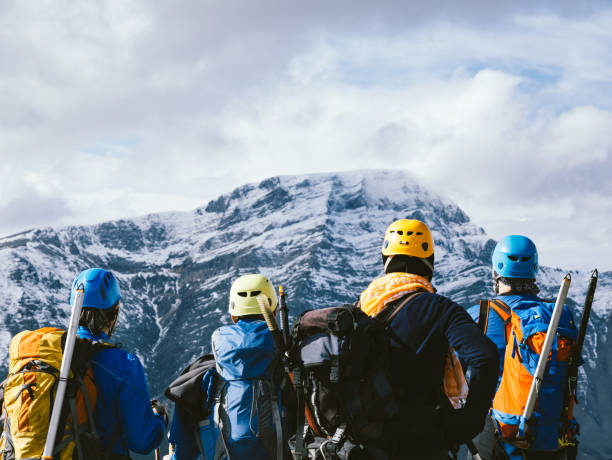

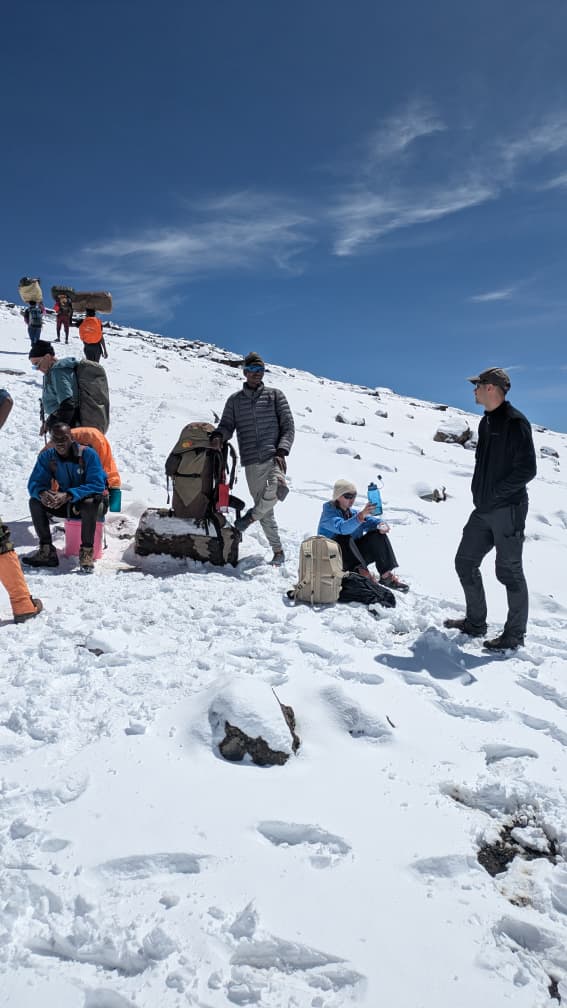
Are you looking for an exceptional adventure to the roof of Africa? Joining a 7 Days Lemosho Route – 12 November 2026 Departure offers a fantastic opportunity to conquer Mount Kilimanjaro via one of its most picturesque and rewarding paths. This specific departure date in November 2026 is ideal for those planning ahead for a truly memorable climb. The Lemosho route is celebrated for its stunning scenery, excellent acclimatization profile, and higher success rates, making it a top choice for trekkers aiming for Uhuru Peak.
As a premier Tanzania tour operator, we specialize in crafting Kilimanjaro expeditions that prioritize safety, enjoyment, and a genuine connection with the mountain environment. This article will guide you through everything you need to know about the 7-day Lemosho itinerary, focusing on the 12 November 2026 departure, and why it’s the perfect choice for your 2026 Kilimanjaro adventure.
Why Choose the 7-Day Lemosho Route for Your Kilimanjaro Summit Climb in 2026?
The Lemosho route stands out among Kilimanjaro’s trekking paths for several compelling reasons, especially when you consider a scenic Kilimanjaro summit climb. Its journey begins in the remote western side of the mountain, offering a more immersive wilderness experience from the outset. Unlike some shorter routes that rush the ascent, the Lemosho route’s longer duration (typically 7 to 8 days) is crucial for proper acclimatization. This slower pace significantly increases your chances of reaching the summit, Uhuru Peak, safely and comfortably.
The 7 Days Lemosho Route – 12 November 2026 Departure is specifically designed to balance a good acclimatization schedule with a manageable trek length. This 7-day version is a popular choice, offering a great balance between time on the mountain and the overall duration of your trip to Tanzania. For those aiming for the November 2026 window, this departure date allows ample time for preparation, including training and gear acquisition, ensuring you are fully ready for the challenge.
The Allure of the Lemosho Route: Scenery and Solitude
One of the primary draws of the Lemosho route is its unparalleled scenic beauty. The initial days traverse the lush, vibrant rainforests of Kilimanjaro’s western slope, often teeming with wildlife such as colobus monkeys and various bird species. As you ascend, the landscape dramatically transforms through moorland, alpine desert, and finally, the stark, breathtaking arctic zone near the summit. The route’s western start also means that for the first couple of days, you’ll experience a greater sense of solitude, away from the more crowded trails.
The path itself is well-defined and offers spectacular views of the surrounding plains and the neighboring Mount Meru. The approach to the Shira Plateau is particularly memorable, offering expansive vistas. This route’s design maximizes your exposure to Kilimanjaro’s diverse ecosystems, making the journey as visually rewarding as the destination.
Acclimatization: The Key to Summit Success
Altitude sickness is the most significant challenge on any Kilimanjaro climb. The Lemosho route is renowned for its excellent acclimatization profile, often referred to as the “pole pole” (slowly, slowly) approach. The 7-day itinerary carefully manages the rate of ascent, allowing your body more time to adjust to the decreasing oxygen levels. This is critical for a successful summit attempt. The route’s design often includes a “climb high, sleep low” strategy, which is scientifically proven to aid acclimatization.
For our 12 November 2026 departure, our experienced guides will monitor your health closely throughout the trek. They are trained to recognize the early signs of altitude sickness and will make necessary adjustments to ensure your safety and well-being. Choosing a longer route like Lemosho over shorter options is a strategic decision that greatly enhances your chances of reaching Uhuru Peak.
Your 7-Day Lemosho Route Itinerary: A Day-by-Day Overview for 12 November 2026
This 7-day itinerary is a well-balanced plan for ascending Kilimanjaro via the Lemosho route. It provides sufficient time for acclimatization while offering a comprehensive experience of the mountain’s diverse landscapes. This plan is specifically tailored for our 12 November 2026 departure, ensuring a structured and enjoyable climb.
Day 1: Lemosho Glades to Mti Mkubwa Camp
Distance: Approximately 6 km (3.7 miles)
Time: 3-4 hours
Altitude Gain: 300 meters (984 feet)
Description: Your adventure begins with a drive to the Lemosho Glades, followed by a trek through the dense rainforest to Mti Mkubwa Camp (2,750m / 9,022 ft). This is a gentle introduction, allowing you to get accustomed to trekking in Tanzania and the mountain environment. Keep an eye out for local wildlife.
Day 2: Mti Mkubwa Camp to Shira 1 Camp
Distance: Approximately 10 km (6.2 miles)
Time: 5-6 hours
Altitude Gain: 700 meters (2,297 feet)
Description: Today’s trek continues through the rainforest before emerging into the moorland zone. You’ll reach the Shira Plateau, a vast, ancient caldera, and make camp at Shira 1 Camp (3,450m / 11,319 ft). The views across the plateau are spectacular.
Day 3: Shira 1 Camp to Shira 2 Camp
Distance: Approximately 8 km (5 miles)
Time: 4-5 hours
Altitude Gain: 300 meters (984 feet)
Description: A shorter day allows for further acclimatization. You’ll traverse the Shira Plateau, enjoying open moorland scenery, and reach Shira 2 Camp (3,850m / 12,631 ft), which is situated on a ridge with impressive views.
Day 4: Shira 2 Camp to Barranco Camp
Distance: Approximately 10 km (6.2 miles)
Time: 6-7 hours
Altitude Gain: 300 meters (984 feet)
Description: This is a significant day for acclimatization. You will ascend towards the Lava Tower (4,630m / 15,190 ft) before descending to Barranco Camp (3,950m / 12,960 ft). This “climb high, sleep low” strategy is vital for adapting to the altitude. The descent to Barranco offers a dramatic change in scenery.
Day 5: Barranco Camp to Karanga Camp
Distance: Approximately 7 km (4.3 miles)
Time: 4-5 hours
Altitude Gain: 150 meters (492 feet)
Description: Today involves crossing the iconic Barranco Wall, a challenging but rewarding scramble that requires teamwork and careful navigation. After descending the wall, you will reach Karanga Camp (4,035m / 13,238 ft), situated in a valley.
Day 6: Karanga Camp to Barafu Camp
Distance: Approximately 8 km (5 miles)
Time: 6-7 hours
Altitude Gain: 650 meters (2,133 feet)
Description: The landscape becomes increasingly barren and alpine. You will trek across scree slopes and rocky terrain to reach Barafu Camp (4,650m / 15,256 ft), the base camp for your summit attempt. This is where you rest and prepare for the final push.
Day 7: Barafu Camp to Uhuru Peak and Descent to Mweka Camp
Distance: Approximately 15 km (9.3 miles) to summit and descent
Time: 11-14 hours
Altitude Gain: 1,200 meters (3,937 feet) to summit; significant descent
Description: The summit night begins around midnight. You will ascend Stella Point (5,756m / 18,885 ft) and then continue to Uhuru Peak (5,895m / 19,341 ft), the highest point in Africa. After celebrating your achievement, you’ll descend back to Barafu Camp for a short rest before continuing down to Mweka Camp (3,100m / 10,171 ft). This is the most demanding day.
Note: The 7-day Lemosho route is a popular choice, but an 8-day option offers even better acclimatization and a more relaxed pace. For the 12 November 2026 departure, we are offering the highly sought-after 7-day itinerary.
Preparing for Your 2026 Kilimanjaro Expedition: Training and Gear
A successful Kilimanjaro climb, especially on a route like Lemosho, requires thorough preparation. Planning for your 7 Days Lemosho Route – 12 November 2026 Departure should ideally begin months in advance.
Physical Training Regimen
Your training should focus on cardiovascular fitness and leg strength. Activities like hiking with a weighted backpack, running, cycling, and stair climbing are highly beneficial. Aim for at least 3-4 training sessions per week. Prioritize long hikes (4-6 hours) on weekends, ideally with elevation changes, to simulate mountain conditions.
Essential Gear for Kilimanjaro
Packing the right gear is crucial for comfort and safety. You will need:
- Layered Clothing: Base layers (thermal), mid-layers (fleece), and an outer layer (waterproof and windproof jacket and trousers).
- Footwear: Broken-in, waterproof hiking boots are essential. Bring several pairs of warm hiking socks.
- Headwear: A warm hat (wool or fleece) and a sun hat.
- Handwear: Warm, waterproof gloves and liner gloves.
- Sleeping Gear: A warm sleeping bag (rated to -10°C or -20°C) and a sleeping mat.
- Trekking Poles: Highly recommended for stability and reducing knee strain.
- Headlamp: With extra batteries.
- Sun Protection: High SPF sunscreen, sunglasses, and lip balm.
- Hydration: Water bottles or a hydration reservoir (ensure it’s insulated to prevent freezing).
- Personal Items: Toiletries, personal first-aid kit, camera, power bank.
We provide a comprehensive gear list upon booking. It’s also possible to rent some items in Moshi before your climb.
Understanding Kilimanjaro’s Climate and Best Times to Climb in 2026-2027
Mount Kilimanjaro experiences distinct seasons, each with its own advantages and disadvantages. Understanding these will help you appreciate why the 12 November 2026 departure is well-timed.
Kilimanjaro’s Seasons:
- Dry Seasons (January-March and June-October): These are the most popular times to climb, offering clearer skies, stable weather, and good visibility. January to March is typically warmer, while June to October can be cooler but still excellent.
- Wet Seasons (April-May and November): These months bring rain, particularly in the lower rainforest zone. While trekking is still possible, trails can be muddy, and visibility might be reduced.
The November 2026 departure falls at the beginning of the second rainy season. However, early November often offers a transition period with manageable weather. The rain is typically heavier in the afternoons and evenings, and the higher altitudes remain cold and dry. Many trekkers choose this period for potentially fewer crowds and lush post-rain scenery in the lower forests. For those looking ahead to 2027, the dry seasons of January-March and June-October are prime choices.
Our team monitors weather patterns closely and prepares our clients for all conditions. The Lemosho route’s diverse altitudes mean you’ll experience a range of microclimates, from tropical rainforest to arctic conditions.
Safety and Support: Our Commitment to Your Kilimanjaro Journey
Your safety is our paramount concern. We adhere to strict safety protocols on all our Kilimanjaro climbs, including the 7 Days Lemosho Route – 12 November 2026 Departure.
Experienced Guides and Crew
Our mountain guides are highly experienced, certified in Wilderness First Aid, and possess extensive knowledge of Kilimanjaro’s routes, flora, fauna, and altitude physiology. They are trained to manage any medical emergencies and ensure the group’s well-being. Our support crew, including porters, are well-equipped and treated ethically, carrying the bulk of the equipment and setting up camp each day.
Health and Emergency Preparedness
We carry comprehensive medical kits and oxygen cylinders on every climb. Our guides are trained to administer basic medical care and to recognize and manage altitude sickness. In case of a serious emergency, we have established evacuation procedures. We strongly recommend that all climbers have adequate travel insurance that covers high-altitude trekking and emergency evacuation.
Communication
While mobile reception is limited on the mountain, our guides carry satellite phones for emergency communication with our base office in Moshi.
What’s Included and Excluded in Your 2026 Lemosho Route Climb?
Understanding the inclusions and exclusions is vital for budgeting and planning your trip. For the 7 Days Lemosho Route – 12 November 2026 Departure, our packages are designed to provide a comprehensive and comfortable experience.
Typical Inclusions:
- All park and camping fees.
- Accommodation in tents during the climb.
- Nutritious meals prepared by our cooks on the mountain (breakfast, lunch, dinner).
- Boiled water for drinking and cooking.
- All transfers from Kilimanjaro International Airport (JRO) to your hotel in Moshi and back to the airport.
- Professional, English-speaking mountain guides.
- Assistant guides, porters, and cooks.
- Portable toilet for use at camps.
- Campsite equipment (tents, mess tent, table, chairs).
- Emergency oxygen and comprehensive first-aid kit.
- Pre-climb briefing and gear check.
Typical Exclusions:
- International flights to/from Kilimanjaro.
- Visa fees.
- Travel and medical insurance (mandatory).
- Personal climbing gear (sleeping bag, boots, clothing, etc.).
- Tips for guides, porters, and cooks (a guideline will be provided).
- Lunches and dinners in Moshi before and after the climb.
- Personal expenses (e.g., souvenirs, drinks, laundry).
- Optional activities or extensions.
We offer competitive pricing for our 2026 and 2027 expeditions. For a detailed quote tailored to your needs, please contact us directly.
Joining a Group Departure: Benefits and Considerations
The 12 November 2026 departure is a fixed group departure. Joining a group offers several advantages:
- Cost-Effectiveness: Group departures are generally more affordable than private climbs due to shared operational costs.
- Social Experience: Trekking with like-minded individuals can be a fun and supportive experience.
- Logistical Ease: The logistics are handled, allowing you to focus on the climb.
Our group sizes are kept manageable, typically between 6-12 trekkers, to ensure personalized attention and a positive group dynamic. This allows for better acclimatization monitoring and a more intimate mountain experience. If you are a solo traveler, joining a group departure is an excellent way to experience Kilimanjaro safely and affordably. You can find more information on our group departures here: Tanzania Safari Group Departures.
Booking Your 2026 Kilimanjaro Adventure: Next Steps
Securing your spot on the 7 Days Lemosho Route – 12 November 2026 Departure is straightforward. Early booking is highly recommended, especially for specific dates, as availability can be limited.
How to Book:
1. Contact Us: Reach out via WhatsApp at +255616946642 or email us at topguideadventures@gmail.com (or our backup at info@topguideadventures.com). Let us know your interest in the 12 November 2026 Lemosho route departure.
2. Confirmation & Deposit: We will confirm availability and provide you with a detailed quotation. A deposit is typically required to secure your booking.
3. Pre-Trip Planning: Once booked, we will send you a comprehensive pre-departure information pack, including a detailed gear list, training advice, and travel recommendations.
4. Final Payment: The balance payment is usually due a few weeks before your departure date.
We are committed to providing an unparalleled Kilimanjaro climbing experience. Our team is dedicated to ensuring your scenic Kilimanjaro summit climb is safe, enjoyable, and successful. Whether you are planning for 2026 or looking ahead to 2027, we are here to help you achieve your mountain dreams.
Frequently Asked Questions about the Lemosho Route
Here are some common questions we receive about the Lemosho route and Kilimanjaro climbs:
Is the 7-day Lemosho route difficult?
The 7-day Lemosho route is considered moderately difficult. While the terrain itself is not technically challenging, the primary difficulty comes from the altitude and the physical exertion required. The longer duration of the Lemosho route aids acclimatization, which significantly reduces the risk and impact of altitude sickness, making it more manageable than shorter routes.
What is the success rate for the Lemosho route?
The Lemosho route generally has a higher success rate compared to shorter routes, often cited between 70-85%. This is primarily due to its excellent acclimatization profile, allowing climbers’ bodies more time to adapt to the increasing altitude. However, success is also dependent on individual fitness, preparation, and adherence to “pole pole” (slowly, slowly) principles.
Can solo travelers join the 12 November 2026 departure?
Yes, absolutely! Our 7 Days Lemosho Route – 12 November 2026 Departure is open to solo travelers. Joining a group departure is a fantastic and safe way for solo adventurers to climb Kilimanjaro. You’ll have the camaraderie of a group while still receiving personalized attention from our guides.
What is the weather like in November on Kilimanjaro?
November is the beginning of the short rainy season on Kilimanjaro. This means you can expect some rain, particularly in the lower rainforest zone. However, the rain is often intermittent, with clear spells between showers. The higher altitudes tend to be colder and drier. November can offer fewer crowds and lush vegetation in the lower forests, making it a viable, though potentially wetter, climbing month.
How much should I tip the crew on Kilimanjaro?
Tipping is customary and greatly appreciated. A general guideline for a 7-day climb is approximately $250-$350 per climber, distributed among guides, assistant guides, cooks, and porters. We provide a detailed tipping guideline upon booking, which allows you to budget accordingly.
We hope this comprehensive guide helps you prepare for your Kilimanjaro adventure. If you have any further questions or are ready to book your 7 Days Lemosho Route – 12 November 2026 Departure, please do not hesitate to contact us.
Contact us today to reserve your spot for the 12 November 2026 Lemosho Route Kilimanjaro climb!
WhatsApp: +255616946642
Email: topguideadventures@gmail.com
Backup Email: info@topguideadventures.com







 Veedesigner
 Fatma Kizanga
 Benjamin Waryuba
 Philip Philip
 John jr Itaja
 Antonia Optatus
 Edith Kanyere
 Neema Iddy
 Kelvin Boniphace
 Damari Maiga



