

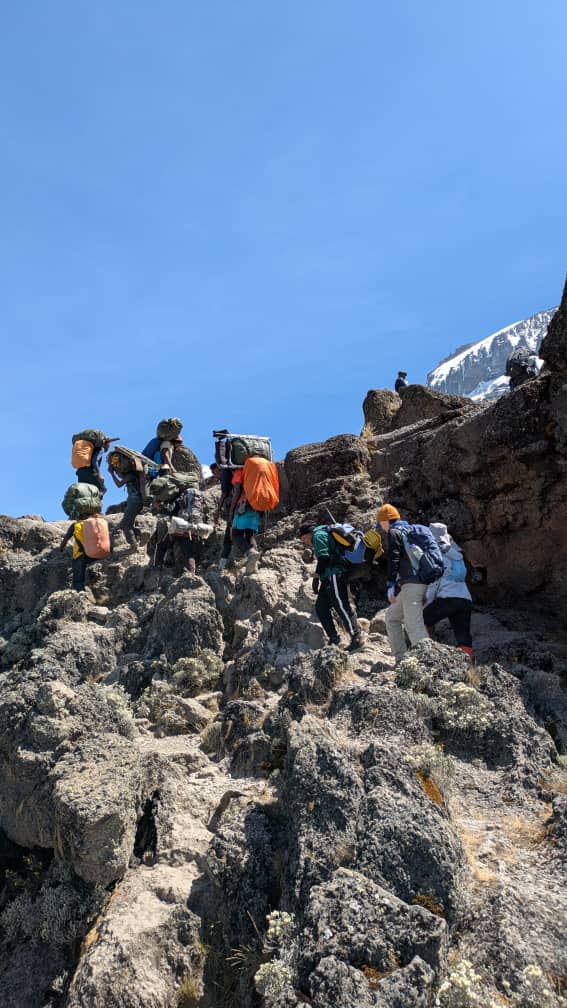
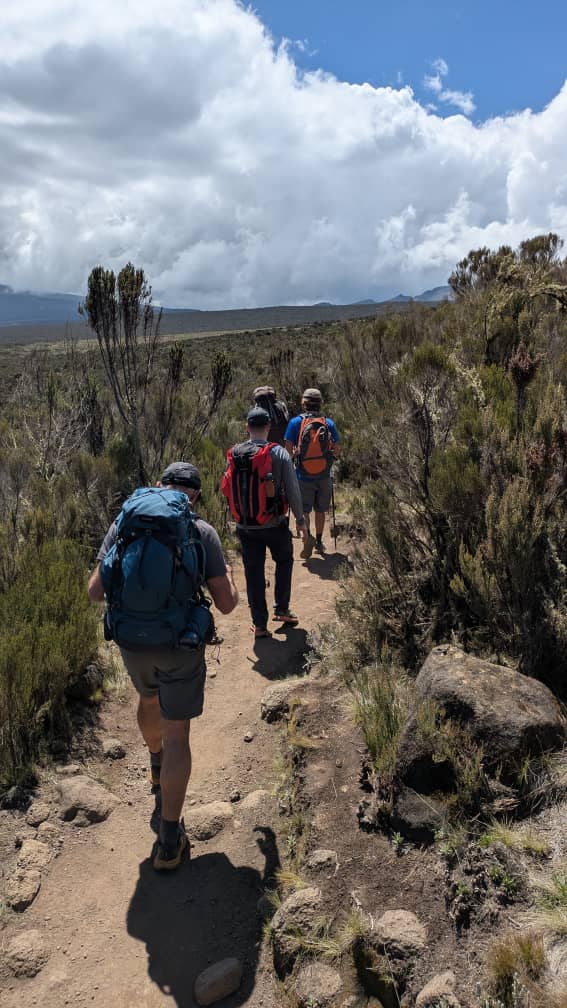
For the intrepid adventurer seeking the ultimate Kilimanjaro challenge, the 6 Days Umbwe Route – 05 December 2026 Departure offers a direct, steep, and less-trafficked path to the Roof of Africa. This particular departure date, December 5, 2026, falls within Kilimanjaro’s dry season, providing potentially excellent climbing conditions, though mountain weather is always unpredictable. If you’re considering a trek for 2026 or 2027, understanding the unique demands and rewards of the Umbwe Route is crucial for proper preparation.
The Umbwe Route: A Direct and Difficult Ascent
The Umbwe Route is renowned for its steepness and rapid ascent profile. It carves a direct line from the south towards Uhuru Peak, making it one of the shortest routes in terms of days on the mountain. However, this brevity comes at a cost: a significantly accelerated altitude gain. This makes acclimatization the most critical factor for success on Umbwe, and it is generally recommended for experienced trekkers who have a proven history of handling high altitudes well. The 6-day itinerary is the most common for Umbwe, but it still requires a strong constitution and excellent physical fitness. For those who can manage the pace, the Umbwe Route provides stunning, wild scenery and a profound sense of accomplishment.
When you join a group departure like the one scheduled for December 5, 2026, you benefit from the camaraderie of fellow trekkers and the expertise of a dedicated guide team. This fixed departure date is ideal for those who can commit to a specific travel window, simplifying planning for your 2026 Kilimanjaro trek.
Why Choose the Umbwe Route for Your 2026 Kilimanjaro Adventure?
The Umbwe Route appeals to a specific type of trekker: one who prioritizes a direct challenge, enjoys a sense of solitude, and possesses a high level of physical fitness and altitude resilience. Unlike the more popular routes like Machame or Marangu, Umbwe sees fewer climbers, offering a more remote and wild experience. The views are spectacular, particularly as you traverse the dramatic southern circuit and approach the Barranco Wall.
Key characteristics of the Umbwe Route:
- Steep Ascent: Rapid increase in altitude puts acclimatization to the test.
- Direct Path: The shortest route in terms of distance and often days.
- Challenging: Requires excellent physical condition and prior high-altitude experience.
- Scenery: Passes through beautiful rainforest and offers dramatic mountain vistas.
- Less Crowded: Provides a more intimate trekking experience.
The December 5, 2026 departure is well-timed. December is generally a good month for climbing Kilimanjaro, being part of the short rainy season but often offering clear skies and moderate temperatures at lower elevations. While rain is possible, it is usually intermittent. This period can also be less crowded than the peak dry seasons of January-February and June-October, offering a more serene experience on the mountain.
Understanding the 6-Day Umbwe Itinerary
A 6-day itinerary on the Umbwe Route is aggressive. It prioritizes speed over extensive acclimatization, which is why it’s not recommended for first-time high-altitude trekkers. However, for those well-prepared, it offers a direct route to the summit. Here’s a typical breakdown:
Typical 6-Day Umbwe Route Itinerary
| Day | Altitude Gain (m / ft) | Distance | Description |
|---|---|---|---|
| Day 1 | 1100m to 1800m (3600ft to 5900ft) | ~6 km / 3.7 miles | Arrive at Mweka Gate (1800m/5900ft), trek to Umbwe Cave Camp (2900m/9500ft). A steep and challenging first day through dense rainforest. The goal is to gain significant altitude quickly. This day is demanding, and you’ll likely experience the humidity and dense vegetation of Kilimanjaro’s lower slopes. |
| Day 2 | 2900m to 3400m (9500ft to 11150ft) | ~5 km / 3 miles | Umbwe Cave Camp (2900m/9500ft) to Barranco Camp (3900m/12800ft). The route continues steeply upwards, transitioning from forest to moorland. You’ll pass Umbwe Cave and continue towards the Barranco Valley. This is a critical day for acclimatization as you gain substantial altitude. |
| Day 3 | 3900m to 4000m (12800ft to 13100ft) | ~3 km / 1.8 miles | Barranco Camp (3900m/12800ft) to Karanga Camp (4000m/13100ft). This day is famous for the Barranco Wall, a challenging scramble that requires some use of hands. While not technically difficult, it is physically demanding at altitude. After descending into the Karanga Valley and ascending again, you reach Karanga Camp. This “climb high, sleep low” principle is crucial for acclimatization. |
| Day 4 | 4000m to 4600m (13100ft to 15100ft) | ~4 km / 2.5 miles | Karanga Camp (4000m/13100ft) to Barafu Camp (4600m/15100ft). A shorter day in terms of distance but a significant gain in altitude. The landscape becomes more alpine, with rocks and sparse vegetation. Reaching Barafu Camp early allows for rest before the summit push. |
| Day 5 | 4600m to 5895m (15100ft to 19340ft) and descend to 3100m (10170ft) | ~5 km up / 12 km down (~3 miles up / 7.5 miles down) | Summit Day! Barafu Camp (4600m/15100ft) to Uhuru Peak (5895m/19340ft), then descend to Mweka Camp (3100m/10170ft). The summit push begins around midnight. This is the most challenging part of the trek, involving a steep ascent over scree in the cold and dark. Reaching Stella Point and then Uhuru Peak is an incredible achievement. The descent is long and demanding, all the way to Mweka Camp. |
| Day 6 | 3100m to 1800m (10170ft to 5900ft) | ~10 km / 6.2 miles | Mweka Camp (3100m/10170ft) to Mweka Gate (1800m/5900ft). A final, shorter trek through the rainforest to the park gate. Celebrate your accomplishment with your team before transferring back to your hotel. |
This itinerary highlights the rapid ascent. For many, a 7-day or 8-day trek on other routes offers a more comfortable acclimatization profile. However, the 6 Days Umbwe Route is designed for those who understand and can handle the increased risk associated with faster altitude gain.
Preparing for Your December 2026 Umbwe Trek
Successful trekking on Kilimanjaro, especially via a demanding route like Umbwe, hinges on preparation. For your December 2026 departure, starting your preparations now is wise. This includes both physical training and mental readiness.
Physical Training: Building Stamina and Strength
The Umbwe Route is not for the faint of heart. You need to be in excellent cardiovascular condition. Focus on:
- Cardiovascular Endurance: Regular activities like running, cycling, swimming, and hiking with a weighted pack are essential. Aim for at least 4-5 sessions per week.
- Strength Training: Focus on leg strength (squats, lunges) and core strength.
- Hiking Practice: Undertake long hikes, preferably with significant elevation gain and carrying a backpack similar to what you’ll use on the mountain. Practice on consecutive days if possible to simulate multi-day trekking.
- Altitude Simulation (if possible): If you live at high altitude, this is an advantage. If not, focus on general fitness and understand that you’ll need to acclimatize on the mountain itself.
Acclimatization Strategy: The Key to Success
Acclimatization is paramount. The Umbwe Route’s rapid ascent makes this even more critical. Listen to your body, stay hydrated, and communicate any symptoms of altitude sickness to your guide immediately. The “climb high, sleep low” principle is incorporated into the itinerary where possible, but your personal preparedness is key.
Gear and Equipment: Essential for Comfort and Safety
Having the right gear is non-negotiable. For a December trek, expect a wide range of temperatures, from warm and humid at the start to freezing at the summit. Layering is your best strategy.
Essential Gear Checklist for Kilimanjaro
- Footwear: Broken-in hiking boots (waterproof), camp shoes/sandals, warm socks (wool or synthetic).
- Clothing: Moisture-wicking base layers, insulating mid-layers (fleece, down jacket), waterproof and windproof outer shell (jacket and trousers), comfortable trekking trousers, t-shirts.
- Headwear: Warm hat (beanie), sun hat with a wide brim, balaclava or neck gaiter.
- Handwear: Warm gloves (waterproof outer, liner gloves).
- Sleeping: Warm sleeping bag (rated to -15°C or -20°C / 0°F to -4°F), sleeping bag liner.
- Backpack: Daypack (30-40 liters) for essentials, duffel bag (80-100 liters) for porters.
- Trekking Poles: Highly recommended for stability and reducing knee strain.
- Hydration: Water bottles or hydration reservoir (at least 3 liters capacity), water purification tablets or filter.
- Health & Safety: Personal first-aid kit, sunscreen (SPF 30+), lip balm with SPF, insect repellent, hand sanitizer, headlamp with spare batteries, sunglasses.
- Documents: Passport, visa, travel insurance details, vaccination certificates.
Your tour operator will provide a more detailed gear list, but this covers the essentials for your 2026 Umbwe Route trek.
The Role of Guides and Porters
Your guide team is your lifeline on Kilimanjaro. For the 6 Days Umbwe Route – 05 December 2026 Departure, you’ll be accompanied by experienced guides who are trained in high-altitude medicine, navigation, and rescue procedures. They will monitor your health, manage the pace, and make critical decisions regarding your safety. Porters will carry the bulk of your gear, making your trek more manageable. It is customary and highly appreciated to tip your guides, porters, and cook at the end of the trek. Your operator will provide guidelines on tipping amounts.
Safety and Altitude Sickness on Kilimanjaro
Altitude sickness (Acute Mountain Sickness – AMS) is the primary concern on Kilimanjaro. Symptoms can include headache, nausea, dizziness, and fatigue. The Umbwe Route’s rapid ascent increases the risk. Key safety measures include:
- Ascend Slowly: While Umbwe is fast, the guides will manage the pace as much as possible.
- Hydrate: Drink plenty of water (3-4 liters per day).
- Avoid Alcohol and Caffeine: These can contribute to dehydration.
- Eat Well: Maintain energy levels with regular meals.
- Communicate: Inform your guide of any symptoms, no matter how minor.
- Medication: Diamox (acetazolamide) can be prescribed by your doctor to aid acclimatization, but it is not a substitute for proper ascent and hydration.
In the event of severe AMS, descent is the only cure. Your guides are trained to recognize and manage these situations.
What’s Included and Excluded for Your 2026 Trek?
When booking your 6 Days Umbwe Route – 05 December 2026 Departure, clarity on inclusions and exclusions is vital. Typically, reputable tour operators will include:
Typical Inclusions for Kilimanjaro Trekking Packages
- Park entrance fees and camping/hut fees
- Professional guides, assistant guides, porters, and cooks
- All meals on the mountain (breakfast, lunch, dinner)
- Accommodation before and after the trek (usually in a hotel in Moshi or Arusha)
- Drinking water on the mountain
- Trekking equipment (e.g., tents, sleeping mats – check with operator)
- Transfer to and from the mountain gate
- Emergency rescue fees
Typical Exclusions:
- International flights
- Visa fees
- Travel insurance (mandatory)
- Tips for guides, porters, and cooks
- Personal gear (clothing, sleeping bag, etc.)
- Lunches and dinners in town before/after the trek
- Optional drinks and personal expenses
- Vaccinations
Always confirm the exact inclusions and exclusions with your chosen operator. For example, some packages might include a celebratory dinner or a post-trek massage.
Joining a Group Departure: The 05 December 2026 Date
Choosing a fixed group departure date like December 5, 2026, offers several advantages:
- Cost-Effectiveness: Group departures are often more economical than private climbs as costs are shared.
- Social Aspect: Trekking with like-minded individuals can enhance the experience.
- Simplified Logistics: The date is set, making it easier to book flights and plan your overall trip.
- Solo Traveler Friendly: These dates are perfect for solo travelers looking to join a group.
When you join the 6 Days Umbwe Route – 05 December 2026 Departure, you’ll be part of a group of adventurers all aiming for the summit. The group size typically ranges from 6 to 12 trekkers, ensuring personalized attention from the guides.
For those planning further ahead, you might also consider 2027. Fixed departure dates for 2027 will be announced by reputable operators, and booking early is always recommended, especially for popular months.
Making Your Booking for 2026/2027
Ready to commit to this incredible challenge? Booking your 6 Days Umbwe Route – 05 December 2026 Departure with a trusted operator like Best Tanzania Tour Operator is the next step. Here’s what to consider:
- Reputation and Reviews: Look for operators with excellent reviews on platforms like TripAdvisor. Check for their safety record and guide qualifications.
- Ethical Practices: Ensure the operator treats their guides and porters fairly, adhering to Kilimanjaro Porter Assistance Project (KPAP) guidelines or similar ethical standards.
- Communication: A good operator will be responsive to your questions and provide clear, detailed information.
- Deposit and Payment: Understand the deposit requirements and payment schedule. For a 2026 departure, booking well in advance (6-12 months) is advisable.
To inquire about availability for the December 5, 2026 departure or to discuss custom trips for 2026 or 2027, you can reach out directly. For immediate assistance or to secure your spot, contact us via WhatsApp at +255616946642. You can also email us at topguideadventures@gmail.com or our backup email info@topguideadventures.com. We are dedicated to helping you plan an unforgettable Kilimanjaro trekking experience.
Alternatives to the Umbwe Route
While the Umbwe Route is a fantastic choice for the determined trekker, other routes offer different experiences and acclimatization profiles. If the 6-day Umbwe seems too aggressive, consider:
- Machame Route: Often called the “Whiskey Route,” it’s popular for its scenic beauty and good acclimatization profile, typically offered over 6 or 7 days. It offers a great balance of challenge and success rates. You can find group departure dates for the Machame Route here: Machame Route Kilimanjaro Group Departures Dates.
- Lemosho Route: Known for its spectacular scenery and excellent acclimatization, usually offered over 7 or 8 days.
- Marangu Route: The “Coca-Cola Route,” it’s the only route with hut accommodation and typically done in 5 or 6 days, but has lower success rates due to rapid ascent.
For a broader overview of all Kilimanjaro routes and group departures across Tanzania, you might find this resource useful: All Tanzania Safaris Group Departures Dates & Best Shared Tours.
Final Thoughts for Your 2026 Kilimanjaro Climb
The 6 Days Umbwe Route – 05 December 2026 Departure represents a significant undertaking. It demands respect, thorough preparation, and a resilient spirit. However, the rewards – the breathtaking views, the profound sense of achievement, and the unique camaraderie forged on the mountain – are immense. By understanding the route, training diligently, preparing your gear, and choosing a reputable operator, you are setting yourself up for success. Kilimanjaro is a journey that stays with you long after you descend, and the Umbwe Route offers one of the most intense and memorable paths to its summit. Start planning your 2026 or 2027 Kilimanjaro adventure today!







 Veedesigner
 Fatma Kizanga
 Benjamin Waryuba
 Philip Philip
 John jr Itaja
 Antonia Optatus
 Edith Kanyere
 Neema Iddy
 Kelvin Boniphace
 Damari Maiga



