

Planning a Kilimanjaro climb for 2026? Our 6 Days Rongai Route – 04 December 2026 Departure | Quiet Kilimanjaro Climb offers a unique opportunity to conquer Africa’s highest peak with fewer crowds. The Rongai Route is known for its gradual ascent and scenic beauty, providing an excellent acclimatization profile. This fixed departure date ensures a well-organized group experience, ideal for solo travelers or small groups looking for a shared adventure on December 4, 2026.
Choosing the right route and date is crucial for a successful and enjoyable Kilimanjaro ascent. The Rongai Route, approaching from the north, offers a distinct advantage: it receives less rainfall than the southern routes, making it a viable option even during wetter months, though December is generally a good time to climb. This departure date in early December 2026 places you in a favorable position for good weather conditions as the dry season approaches its peak.
Why Choose the 6-Day Rongai Route for Your 2026 Kilimanjaro Adventure?
The Rongai Route stands out for several compelling reasons, especially for those prioritizing a less congested climb and a higher chance of success. When you join our 6 Days Rongai Route – 04 December 2026 Departure | Quiet Kilimanjaro Climb, you’re opting for:
- Less Foot Traffic: Compared to the popular Machame or Marangu routes, Rongai sees significantly fewer trekkers. This means more solitude on the trails and at campsites, contributing to a more peaceful and immersive experience.
- Excellent Acclimatization: The 6-day itinerary on Rongai provides a steady, gradual ascent, which is vital for effective acclimatization. This increases your chances of reaching the summit safely and comfortably.
- Scenic Variety: The route traverses diverse landscapes, from the semi-arid plains of the north to the lush montane forest, alpine desert, and finally, the arctic zone near the summit.
- Reliable Weather Window: While Kilimanjaro’s weather can be unpredictable, December generally offers good conditions with less rain and clearer skies, particularly in the northern regions.
- Fixed Group Departure: Our December 4, 2026 departure date ensures you join a group of like-minded adventurers. This camaraderie can be very motivating, and it allows for efficient logistical planning by our experienced team.
For those planning ahead for 2026, booking this specific departure is a smart move. It secures your place on a well-structured climb designed for success and enjoyment.
Understanding the Rongai Route: A Closer Look
The Rongai Route is the only route approaching Kilimanjaro from the north, near the Kenyan border. This unique positioning offers a different perspective and environmental experience compared to the more commonly used southern routes. The trek begins in the village of Nareto, a journey of about 2-3 hours from Moshi. The initial days are characterized by walking through agricultural land and then into the dry moorland, a stark contrast to the rainforest found on other routes.
The 6-day itinerary is the shortest option for Rongai, and while it can be successful, it requires good physical condition and acclimatization. For those who can extend their trek, a 7-day Rongai itinerary offers a slightly slower pace and enhanced acclimatization, further boosting summit success rates. However, for trekkers focused on a concise yet effective climb, the 6-day version departing on December 4, 2026, is a well-regarded choice.
Daily Breakdown of the 6-Day Rongai Route Itinerary
This itinerary is designed to balance challenging trekking days with adequate rest and acclimatization. The daily altitude gains are managed carefully to help your body adapt.
Day 1: Nareto Village (1950m / 6400ft) to Simba Camp (2625m / 8612ft)
Distance: 6 km / 3.7 miles
Trekking Time: 3-4 hours
Habitat: Cultivation, Pine Forest
Description: After breakfast at your hotel in Moshi, you’ll be driven to Nareto Village. After completing park formalities, you’ll begin your trek. The path winds through farmland and then enters the pine forest. Keep an eye out for colobus monkeys and other wildlife. You’ll reach Simba Camp by mid-afternoon, where you’ll have dinner and overnight.
Day 2: Simba Camp (2625m / 8612ft) to Kikelewa Caves (3600m / 11811ft)
Distance: 10 km / 6.2 miles
Trekking Time: 6-7 hours
Habitat: Moorland
Description: Today involves a longer trek through the moorland zone. The landscape becomes more open and rugged. You’ll gain significant altitude, and the views start to open up dramatically. Kikelewa Caves offer a scenic camping spot with good acclimatization benefits. Dinner and overnight at Kikelewa Caves.
Day 3: Kikelewa Caves (3600m / 11811ft) to Mawenzi Tarn Camp (4315m / 14157ft)
Distance: 6 km / 3.7 miles
Trekking Time: 4-5 hours
Habitat: Alpine Desert
Description: This day is shorter in distance but involves a substantial altitude gain into the alpine desert. You’ll trek towards Mawenzi Tarn, a spectacular campsite located in a cirque below the jagged peaks of Mawenzi. This camp offers stunning views and is crucial for acclimatization before the final push. Dinner and overnight at Mawenzi Tarn Camp.
Day 4: Mawenzi Tarn Camp (4315m / 14157ft) to Kibo Camp (4720m / 15485ft)
Distance: 10 km / 6.2 miles
Trekking Time: 6-7 hours
Habitat: Arctic Desert
Description: Today’s trek takes you across the ‘Saddle’, the alpine desert zone connecting Mawenzi and Kibo. This is a challenging day with steady ascent. You’ll reach Kibo Camp, situated at the base of the Kibo cone, by mid-afternoon. You’ll have an early dinner and rest before the summit attempt. Overnight at Kibo Camp.
Day 5: Summit Attempt (Uhuru Peak 5895m / 19341ft) and Descent to Horombo Camp (3720m / 12205ft)
Distance: 15 km / 9.3 miles (summit and descent)
Trekking Time: 10-12 hours (summit and descent)
Habitat: Arctic, Alpine Desert, Heath
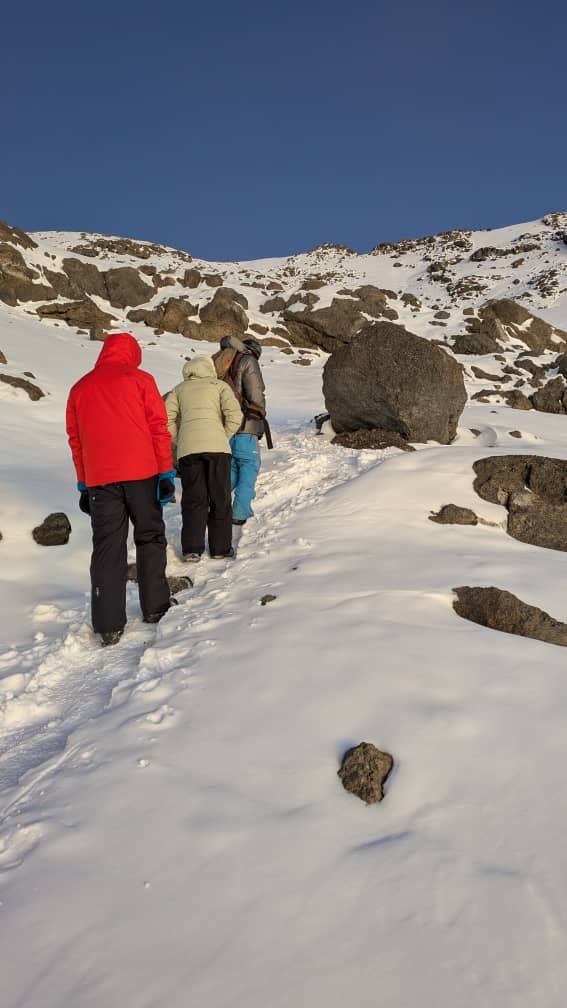
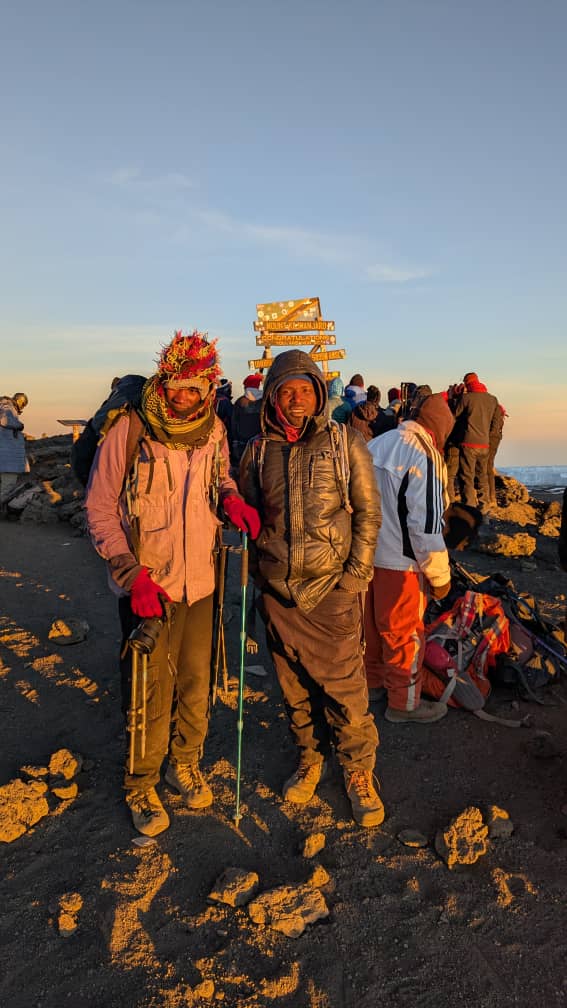
Description: This is the most demanding day. You’ll start very early, around midnight, ascending through scree and loose volcanic scree. Gilmans Point (5681m) is your first major landmark, followed by Uhuru Peak, the true summit of Kilimanjaro. After celebrating your achievement, you’ll descend back to Kibo Camp for a short rest before continuing down to Horombo Camp, a significant descent through alpine and heath zones. Dinner and overnight at Horombo Camp.
Day 6: Horombo Camp (3720m / 12205ft) to Marangu Gate (1860m / 6100ft) and Departure
Distance: 20 km / 12.4 miles
Trekking Time: 5-6 hours
Habitat: Forest, Cultivation
Description: After breakfast, you’ll complete the final descent through the montane forest. You’ll reach Marangu Gate, where you’ll receive your climbing certificates. A vehicle will be waiting to transfer you back to your hotel in Moshi. Congratulations on completing your Kilimanjaro climb!
Preparing for Your December 2026 Kilimanjaro Climb
Success on Kilimanjaro hinges on preparation. For your 6 Days Rongai Route – 04 December 2026 Departure | Quiet Kilimanjaro Climb, consider these key areas:
Physical Training
The most crucial element is cardiovascular fitness. Engage in regular hiking, jogging, cycling, or swimming for at least 3-6 months prior to your climb. Focus on endurance training, incorporating hills and stairs to simulate mountain ascents. Practice hiking with a weighted backpack to get used to carrying your gear.
Acclimatization
While the Rongai route offers good acclimatization, altitude sickness remains a risk. Proper hydration, a slow ascent pace, and avoiding overexertion are key. Our guides are trained to monitor for symptoms and manage altitude-related issues. The 6-day itinerary is efficient, but if you have concerns, consider a 7-day Rongai for a more relaxed pace.
Gear and Equipment
Proper gear is essential for comfort and safety. You’ll need:
- Layered Clothing: Base layers (thermal), mid-layers (fleece), and outer layers (waterproof and windproof jacket and trousers).
- Footwear: Broken-in hiking boots, comfortable camp shoes, and warm socks.
- Headwear: Warm hat, sun hat, and balaclava/neck gaiter.
- Handwear: Warm gloves and liner gloves.
- Sleeping Bag: A 4-season sleeping bag rated to at least -10°C (15°F).
- Backpack: A comfortable daypack (25-35 liters) and a larger duffel bag for porters.
- Other Essentials: Sunglasses, sunscreen, lip balm, headlamp with extra batteries, water bottles/hydration reservoir, trekking poles, personal first-aid kit, and toiletries.
We provide a detailed packing list upon booking. For your 2026 climb, ensure all gear is checked and ready well in advance.
Health and Vaccinations
Consult your doctor or a travel clinic about recommended vaccinations and malaria prophylaxis. Diamox (acetazolamide) can be prescribed to aid acclimatization, but it’s not a substitute for proper ascent and hydration. Ensure you have travel insurance that covers high-altitude trekking and emergency evacuation.
The Rongai Route vs. Other Kilimanjaro Routes
When comparing routes, the Rongai offers a unique proposition:
| Feature | Rongai Route (6 Days) | Machame Route (7 Days) | Marangu Route (5 Days) |
|---|---|---|---|
| Scenery | Dry moorland, less forest, northern views. | Lush rainforest, diverse vegetation, varied views. | Steady ascent through forest, less scenic variety. |
| Crowds | Quieter, especially lower sections. | Most popular, can be crowded. | Moderate, but can feel busy due to hut accommodation. |
| Acclimatization | Good, gradual ascent. | Excellent, especially on longer itineraries (7+ days). | Poorer, especially on the 5-day option, leading to lower success rates. |
| Accommodation | Camping only. | Camping only. | Huts only (unique on Kilimanjaro). |
| Summit Success Rate | Good for 6 days, excellent for 7 days. | Very good for 7+ days. | Lower, especially on 5-day option. |
| Departure Date Focus | 04 December 2026 | Various dates. | Various dates. |
The 6 Days Rongai Route – 04 December 2026 Departure | Quiet Kilimanjaro Climb is ideal for trekkers who want a less crowded experience and a good acclimatization profile without extending the climb significantly. If you’re aiming for maximum success and comfort, consider our 7-day Rongai option or a 7-day Machame departure for 2027.
Your Guides and Support Team
Our Kilimanjaro expeditions are led by experienced, certified guides who are trained in wilderness first aid and high-altitude trekking. They are supported by a dedicated team of porters who carry the bulk of your equipment, setting up camp and preparing meals. This allows you to focus on enjoying the trek and conserving your energy. Our guides’ expertise is invaluable in ensuring your safety and maximizing your chances of reaching the summit.
For this December 2026 climb, you can expect a professional and friendly team committed to your well-being and success. We ensure fair treatment and good working conditions for all our crew members, reflecting our commitment to responsible tourism.
What’s Included in Your Rongai Route Climb?
Our comprehensive package for the 6 Days Rongai Route – 04 December 2026 Departure | Quiet Kilimanjaro Climb aims to provide a hassle-free experience. Typically, inclusions are:
- Park entrance fees and all other government taxes.
- Accommodation before and after the climb (optional, can be added).
- Camping fees.
- Rescue fees.
- Kilimanjaro National Park climbing permits.
- Experienced, English-speaking climbing guides.
- Assistant guides (ratio of 1:2 guides to climbers).
- Porters to carry your main luggage (usually up to 15kg per climber).
- Cook and all necessary camping equipment (tents, mattresses, mess tent, table, chairs).
- All meals prepared by our cooks while on the mountain (breakfast, lunch, dinner, snacks).
- Boiled water for drinking and washing.
- Portable toilet for the group.
- Emergency oxygen system.
- Free duffel bag for your gear.
- Transfer from/to Kilimanjaro International Airport (JRO) or Arusha/Moshi hotels.
Exclusions typically include:
- International flights.
- Visa fees.
- Travel insurance (mandatory).
- Tips for guides, porters, and cooks (a significant part of their income).
- Personal climbing gear (sleeping bag, hiking poles, etc., can be rented).
- Lunches and dinners in Moshi before and after the climb (unless specified).
- Alcoholic and soft drinks.
- Personal expenses (souvenirs, laundry, etc.).
- A summit bonus for the crew (optional but highly recommended).
It is important to review the full inclusions and exclusions for your specific booking. For our December 2026 departure, we ensure transparency regarding what is covered.
Booking Your 2026 Kilimanjaro Expedition
Securing your spot on the 6 Days Rongai Route – 04 December 2026 Departure | Quiet Kilimanjaro Climb is straightforward. Early booking is highly recommended, especially for fixed departures, as spaces can fill up quickly. For 2026 adventures, planning 12-18 months in advance is ideal.
To book, or if you have any questions about this departure or other 2027 options, please contact us directly. We are committed to providing personalized service and ensuring you have all the information needed for a successful climb.
You can reach us via:
- WhatsApp: +255616946642
- Email: topguideadventures@gmail.com
- Backup Email: info@topguideadventures.com
We look forward to helping you plan an unforgettable Kilimanjaro experience. Whether it’s this specific December 4, 2026 departure or another adventure, our team is ready to assist.
Consider exploring our other group departure dates for Kilimanjaro, such as on the Machame route, or view our full list of Tanzania group departures for 2026 and 2027.
Frequently Asked Questions about the Rongai Route
Here are some common questions prospective climbers have about the Rongai Route and Kilimanjaro in general.
Is the 6-day Rongai Route suitable for beginners?
The 6-day Rongai Route is achievable for most reasonably fit individuals, but it is still a challenging high-altitude trek. Good cardiovascular fitness and mental preparation are essential. Beginners might consider a 7-day Rongai itinerary for better acclimatization and a more relaxed pace. The gradual ascent of Rongai is beneficial, but the altitude is still significant.
What is the best time of year to climb Kilimanjaro?
The driest and warmest months are typically from January to March and June to October. However, Kilimanjaro can be climbed year-round. December, our departure month, falls into a shoulder season transitioning into the dry period, often offering good weather with fewer crowds than peak season. The Rongai Route is also a good option during the wetter months of November and April due to its northern approach.
How much should I tip my Kilimanjaro guides and porters in 2026?
Tipping is customary and a significant part of the crew’s income. A general guideline for 2026 is around $250-$350 USD per climber for a 6-day trek, distributed among the guides, assistant guides, cook, and porters. We can provide more specific recommendations upon booking, including how to distribute the tips among the crew.
What is the success rate for the 6-day Rongai Route?
The success rate for the 6-day Rongai Route is generally good, often cited around 70-80%, but this can vary greatly depending on individual fitness, acclimatization, weather, and the operator’s quality. The 7-day Rongai itinerary typically boasts higher success rates (up to 85-90%) due to the extra day for acclimatization.
Can solo travelers join the December 4, 2026 group departure?
Absolutely! Our group departures are perfect for solo travelers. You’ll join a group of like-minded individuals, creating a supportive and social atmosphere. The 6 Days Rongai Route – 04 December 2026 Departure | Quiet Kilimanjaro Climb is an excellent opportunity to meet fellow adventurers. We ensure solo travelers are well-integrated into the group.
What is the altitude of Uhuru Peak?
Uhuru Peak, the summit of Kilimanjaro, stands at an impressive 5,895 meters (19,341 feet) above sea level. It is the highest point in Africa and one of the Seven Summits.
We are dedicated to providing you with the most accurate and helpful information as you plan your Kilimanjaro climb for 2026 or 2027. For any further questions or to secure your place on the 6 Days Rongai Route – 04 December 2026 Departure | Quiet Kilimanjaro Climb, please do not hesitate to get in touch.







 Veedesigner
 Fatma Kizanga
 Benjamin Waryuba
 Philip Philip
 John jr Itaja
 Antonia Optatus
 Edith Kanyere
 Neema Iddy
 Kelvin Boniphace
 Damari Maiga



