
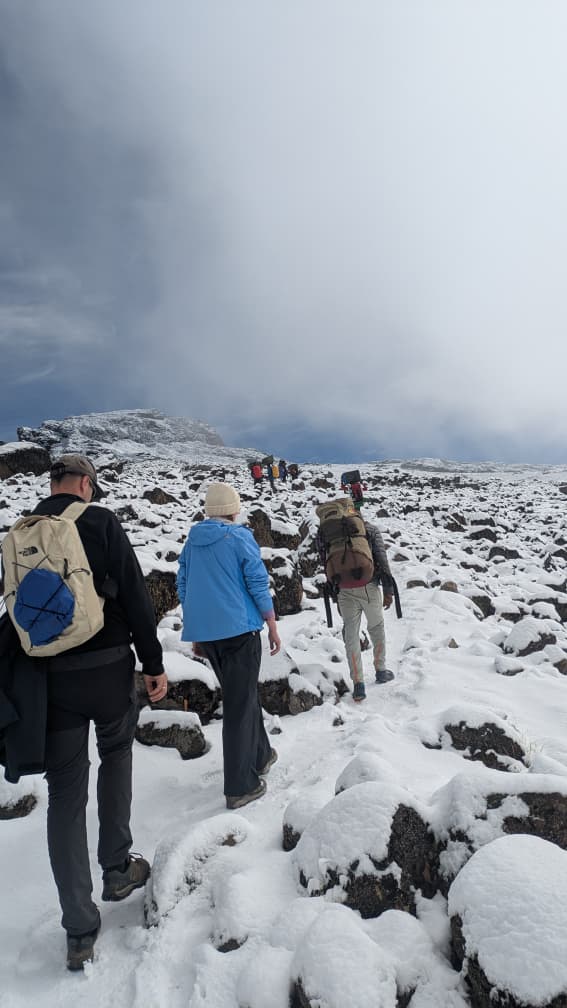
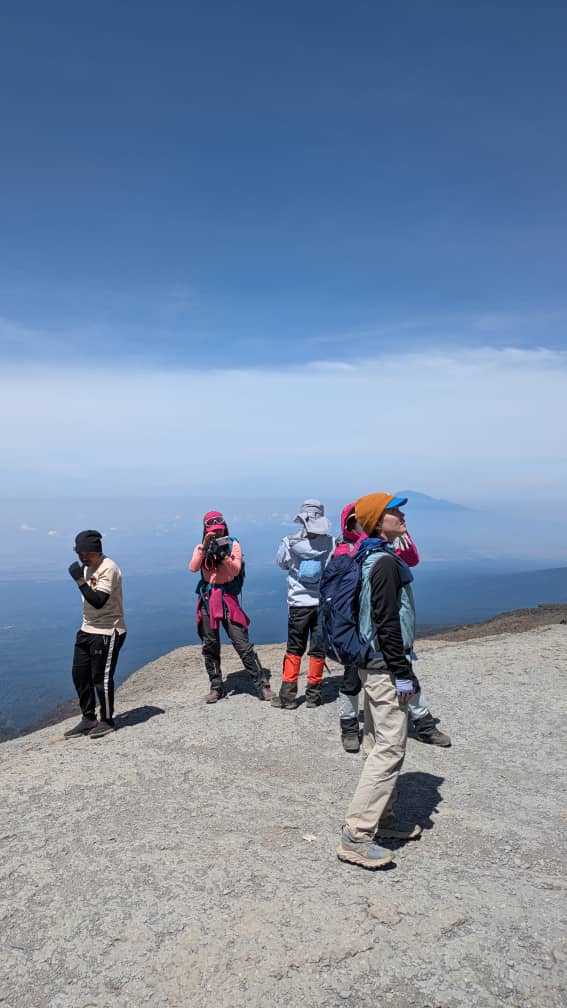

Considering a Kilimanjaro climb for 18 December 2026? The 7 Days Rongai Route – 18 December 2026 Departure | Best Kilimanjaro Quiet Route offering is an exceptional choice for trekkers who value solitude and a unique perspective on Africa’s highest peak. Unlike some of the more popular routes, Rongai approaches Kilimanjaro from the north, bordering Kenya, offering a distinctly different landscape and a significantly quieter trekking experience. This departure date is strategically chosen to allow for excellent weather conditions and a festive atmosphere as you approach the summit near the end of the year.
Many travelers look for a Kilimanjaro route that provides a good balance of acclimatization, scenery, and a less congested trail. The Rongai Route consistently delivers on these fronts, making it a favorite for those who want to truly immerse themselves in the mountain’s environment without the constant presence of large trekking groups. Our 7-day Rongai Route itinerary is carefully crafted to maximize your chances of success while ensuring a comfortable and memorable journey. By joining this specific departure on 18 December 2026, you are selecting a prime time to ascend, avoiding the peak crowds of other seasons and enjoying the serene beauty of the mountain.
Why Choose the Rongai Route for Your Kilimanjaro Adventure?
The Rongai Route stands out for several compelling reasons, particularly for those planning a trek in 2026 or 2027. Its primary advantage is its relative lack of foot traffic. While routes like Machame or Marangu can see hundreds of trekkers on the mountain simultaneously, Rongai offers a more intimate experience. This is crucial for appreciating the natural environment, reducing stress, and fostering a deeper connection with the mountain itself. Furthermore, Rongai is known for its excellent acclimatization profile, a critical factor for reaching the summit safely and comfortably. The gradual ascent on the northern slopes allows your body to adjust to the increasing altitude more effectively than some steeper, faster routes.
The scenery on the Rongai Route is also noteworthy. It traverses drier, more rugged terrain on the northern side, offering a different visual palette compared to the southern routes. You’ll pass through diverse ecological zones, from lush rainforests to alpine deserts and eventually the arctic summit zone. The route also offers opportunities to spot wildlife, including colobus monkeys and various bird species, especially in the lower forest sections. For trekkers interested in a unique approach and a quieter ascent, the Rongai Route truly is the best Kilimanjaro quiet route.
The 7-Day Rongai Route Itinerary: A Day-by-Day Breakdown
Our 7 Days Rongai Route – 18 December 2026 Departure is designed for optimal acclimatization and enjoyment. While 6-day itineraries exist, the 7-day version provides an extra day for a more relaxed pace and better acclimatization, significantly increasing summit success rates. Here’s a typical day-by-day plan:
Day 1: Rongai Gate to Simba Camp
Distance: 6.5 km / 4 miles
Trekking Time: 3-4 hours
Altitude Gain: 1,760m to 2,690m (5,774 ft to 8,825 ft)
Habitat: Pine forest
Your journey begins at the Rongai Gate (1,760m). After completing park formalities, you’ll commence your trek through the lower forest zone. The hike is relatively gentle, and you’ll likely encounter colobus monkeys and other wildlife. The goal for today is Simba Camp (2,690m), a scenic spot where you’ll spend your first night under the stars. The relatively short trekking time allows for a relaxed start to your expedition.
Day 2: Simba Camp to Kikelewa Caves
Distance: 9 km / 5.6 miles
Trekking Time: 6-7 hours
Altitude Gain: 2,690m to 3,600m (8,825 ft to 11,811 ft)
Habitat: Heath and moorland
Today’s trek takes you higher into the moorland zone. The trail gradually ascends, offering increasingly impressive views of the surrounding landscape and Mount Kilimanjaro. You’ll pass through heather and giant senecios. Kikelewa Caves (3,600m) is a beautiful camping spot located in a sheltered area, providing a sense of seclusion and a clear view of the night sky. This day’s longer trek is crucial for building altitude tolerance.
Day 3: Kikelewa Caves to Mawenzi Tarn Camp
Distance: 6 km / 3.7 miles
Trekking Time: 4-5 hours
Altitude Gain: 3,600m to 4,315m (11,811 ft to 14,157 ft)
Habitat: Alpine desert
This is a shorter but steeper day, leading you towards the dramatic Mawenzi ridge. You’ll trek into the alpine desert zone, characterized by sparse vegetation and stark, rocky landscapes. Mawenzi Tarn Camp (4,315m) is situated in a stunning location, nestled in a cirque below the jagged peaks of Mawenzi, Kilimanjaro’s second peak. The views here are breathtaking, offering a unique perspective of the mountain’s volcanic formations.
Day 4: Mawenzi Tarn Camp to Kibo Camp
Distance: 5 km / 3.1 miles
Trekking Time: 4-5 hours
Altitude Gain: 4,315m to 4,720m (14,157 ft to 15,485 ft)
Habitat: Alpine desert
Today, you traverse the saddle between Mawenzi and Kibo, the main summit cone. This is a crucial acclimatization day as you gain altitude without significant technical difficulty. Kibo Camp (4,720m) is located at the base of the Kibo crater wall. From here, you’ll have a clear view of the summit route you’ll take on summit night. Resting and hydrating well are paramount this afternoon.
Day 5: Summit Night – Kibo Camp to Uhuru Peak and Descent to Horombo Camp
Distance: 14 km / 8.7 miles (ascent and descent)
Trekking Time: 10-12 hours (ascent and descent)
Altitude Gain/Loss: 4,720m to 5,895m (15,485 ft to 19,341 ft) to 3,720m (12,205 ft)
Habitat: Arctic summit zone, moorland
This is the most challenging and rewarding day. You’ll start very early (around midnight to 1 am) for the ascent to Uhuru Peak (5,895m), the highest point in Africa. The climb is steep and done in the dark, with headlamps guiding the way. You’ll pass Stella Point and then continue to Uhuru Peak for sunrise. After celebrating your achievement, you’ll descend back to Kibo Camp for a short rest before continuing down to Horombo Camp (3,720m). This is a very long day, requiring significant mental and physical endurance.
Day 6: Horombo Camp to Marangu Gate
Distance: 20 km / 12.4 miles
Trekking Time: 6-8 hours
Altitude Loss: 3,720m to 1,800m (12,205 ft to 5,905 ft)
Habitat: Heath and moorland, forest
After breakfast at Horombo Camp, you’ll begin your descent through the heath and moorland zones, eventually re-entering the forest. The descent is much faster than the ascent. You’ll reach Marangu Gate (1,800m) in the afternoon, where you’ll receive your climbing certificates. A vehicle will be waiting to transfer you back to your hotel in Moshi or Arusha. This is a day of celebration and reflection on your incredible journey.
Day 7: Buffer Day / Rest Day
This extra day is built into the 7 Days Rongai Route itinerary to provide flexibility. It can be used as a rest day at Horombo Camp if needed due to fatigue or weather, or it can be used to make the descent from Horombo to Marangu Gate more relaxed on Day 6. Having this buffer significantly enhances safety and comfort, especially for a group departure like the 18 December 2026 climb.
Why the 18 December 2026 Departure is Ideal
Choosing the 18 December 2026 departure for your Rongai Route climb places you on Kilimanjaro during a fantastic time of year. Late December falls within the short rainy season, but the Rongai Route, being on the northern side, often experiences less rainfall than the southern routes. More importantly, this period offers a unique opportunity to experience the mountain in a less crowded, more serene environment. It’s also a wonderful time for those who wish to combine their climb with festive holiday celebrations in Tanzania, either before or after their trek. For those planning ahead for 2026, this date offers excellent weather prospects and a chance to secure a spot on what is considered the best Kilimanjaro quiet route.
For trekkers looking to plan their adventures for 2027, it’s worth noting that the Rongai Route is a consistently good option throughout the year, with the dry seasons (January-March and June-October) typically offering the clearest skies. However, the allure of a December climb, especially with the festive spirit, is undeniable. Early booking for any 2026 or 2027 departure is highly recommended, as popular dates and routes fill up quickly.
Understanding Kilimanjaro Route Difficulty and Acclimatization
The Rongai Route is generally considered a moderately difficult route. Its success lies in its gradual ascent profile, especially in the first few days. The 7-day itinerary provides a solid acclimatization schedule, adhering to the principle of ‘climb high, sleep low’ where possible and allowing ample time for the body to adjust to the thinning air. The critical summit night is challenging on any route, but the Rongai’s well-paced approach in the preceding days significantly boosts preparedness.
Acclimatization is not just about the number of days; it’s about the daily altitude gain and descent. On the Rongai, the daily altitude gains are managed carefully. For instance, the trek from Kikelewa Caves to Mawenzi Tarn Camp, while steep, doesn’t involve a massive altitude jump. The progression to Kibo Camp (4,720m) is also a gradual process over several days, allowing trekkers to get used to the high altitude. This careful planning is what makes the Rongai Route a strong contender for the best Kilimanjaro quiet route, as it prioritizes trekkers’ well-being and success.
Key acclimatization principles observed on our Rongai treks include:
- Gradual Ascent: Avoiding rapid altitude gains.
- Sufficient Rest: Ensuring adequate sleep and rest periods at camps.
- Hydration: Encouraging constant fluid intake.
- Pacing: Trekking at a slow, steady pace (‘pole pole’).
- Monitoring: Our guides are trained to monitor trekkers for signs of Acute Mountain Sickness (AMS) and make necessary decisions.
What Makes Rongai the Best Kilimanjaro Quiet Route?
The ‘quiet’ aspect of the Rongai Route is a significant draw for many trekkers. Its location on the northern side means it receives fewer climbers compared to the more accessible southern routes like Machame or Lemosho. This translates to:
- Fewer Crowds: More personal space on the trail and at campsites.
- Enhanced Scenery Appreciation: Without the constant presence of large groups, you can better appreciate the natural beauty.
- Wildlife Encounters: The lower forest sections on the north side are often more fruitful for spotting monkeys and birds.
- Unique Perspectives: The views and landscapes are distinct from those on the southern circuits.
For the 18 December 2026 departure, this quiet experience is even more pronounced, as it falls outside the absolute peak seasons but still offers good weather. If you’re seeking an authentic, less commercialized Kilimanjaro experience, the Rongai Route truly lives up to its reputation as the best Kilimanjaro quiet route.
Preparing for Your 7 Days Rongai Route Trek
Successful Kilimanjaro trekking requires thorough preparation. For your 7 Days Rongai Route – 18 December 2026 Departure, consider the following:
Physical Training:
- Cardiovascular Fitness: Engage in regular aerobic activities like hiking, running, cycling, or swimming. Focus on endurance.
- Strength Training: Strengthen your legs (quads, hamstrings, calves) and core. Squats, lunges, and step-ups are beneficial.
- Hiking Practice: Undertake long hikes, ideally with elevation gain and carrying a daypack. Practice on varied terrain. Aim for at least 3-4 hour hikes weekly in the months leading up to your climb.
Gear and Equipment:
High-quality gear is essential for comfort and safety. For the Rongai Route, especially in December, layering is key. You’ll need:
- Layering System: Base layers (thermal underwear), mid-layers (fleece jacket), and outer layers (waterproof and windproof jacket and trousers).
- Footwear: Broken-in, waterproof hiking boots.
- Headwear: Warm hat, sun hat, balaclava or neck gaiter.
- Gloves: Warm, waterproof gloves and liner gloves.
- Sleeping Bag: A 4-season sleeping bag rated to at least -15°C (0°F).
- Headlamp: With extra batteries.
- Trekking Poles: Highly recommended for stability and reducing knee strain.
- Sun Protection: High SPF sunscreen, sunglasses, lip balm.
- Hydration: Water bottles or hydration reservoir (ensure it won’t freeze).
We provide a comprehensive gear list upon booking. Consulting with our team at topguideadventures@gmail.com or WhatsApp +255616946642 can help ensure you have everything you need.
Mental Preparation:
- Understanding Altitude: Be aware of AMS symptoms and listen to your body and guides.
- Patience: The climb is a marathon, not a sprint. Embrace the ‘pole pole’ pace.
- Positivity: A positive attitude is a powerful tool against the challenges of altitude and fatigue.
Health and Vaccinations:
- Consult your doctor about recommended vaccinations and malaria prophylaxis for Tanzania.
- Pack a personal first-aid kit with any necessary medications.
Group Departures vs. Private Treks: Making the Right Choice
Our 7 Days Rongai Route – 18 December 2026 Departure is a group departure. This means you’ll be joining a pre-scheduled trek with other like-minded adventurers. Group treks offer several advantages:
- Cost-Effectiveness: Sharing costs among participants generally makes group departures more affordable than private treks.
- Social Experience: You’ll meet new people and share an incredible experience with a diverse group.
- Fixed Schedule: The departure date is set, allowing for easy planning.
For the 18 December 2026 date, joining a group means you are part of a curated expedition designed for success. The group size is typically managed to ensure personalized attention from guides and to maintain the quiet atmosphere that makes the Rongai Route special.
If you prefer more flexibility, a private trek can be arranged for any date in 2026 or 2027. A private trek offers:
- Customization: You can choose your own departure date and tailor the itinerary.
- Personalized Pace: The trek pace is dictated solely by your group’s needs.
- Exclusive Experience: Your group will have dedicated guides and support crew.
While private treks are more expensive, they offer unparalleled flexibility. For those seeking the best Kilimanjaro quiet route experience with complete control over their schedule, a private Rongai trek is an excellent option.
Safety and Support on the Rongai Route
Your safety is our utmost priority. On all our Kilimanjaro climbs, including the 7 Days Rongai Route – 18 December 2026 Departure, we adhere to strict safety protocols:
- Experienced Guides: Our guides are certified, highly experienced, and trained in wilderness first aid and altitude sickness management. They are experts in recognizing and treating AMS.
- Oxygen Saturation Monitoring: We regularly monitor climbers’ oxygen saturation levels and heart rates.
- Emergency Procedures: We have established emergency evacuation plans and carry emergency oxygen and a comprehensive medical kit.
- Communication: Guides carry satellite phones or radios for communication in case of emergencies.
- Porter Support: Our porters carry the bulk of the equipment, allowing you to focus on trekking. They are well-trained and treated ethically.
The Rongai Route, while quiet, is fully supported by our dedicated team. We ensure that every aspect of your trek, from camp setup to meal preparation, is handled professionally, allowing you to concentrate on the climb and enjoy the journey. For any urgent queries regarding safety or logistics for your 2026 or 2027 climb, please do not hesitate to contact us via WhatsApp at +255616946642.
Kilimanjaro Permits, Fees, and Tipping
Climbing Kilimanjaro involves various fees, including park entry fees, camping fees, and rescue fees, which are all managed by Kilimanjaro National Park (KINAPA) and are included in our package prices. For the 7 Days Rongai Route – 18 December 2026 Departure, all necessary permits and park fees are handled by us.
Tipping: Tipping your guides, assistant guides, chefs, and porters is customary and a significant part of their income. We provide a recommended tipping guideline that is transparent and fair. This guideline is typically based on the number of days and the size of the crew. We will provide detailed information on tipping procedures and suggested amounts upon booking.
Costs: The cost for our 7-day Rongai Route trek typically ranges from $1,800 to $2,500 USD per person, depending on the season and specific inclusions. This price generally covers park fees, camping equipment, meals on the mountain, experienced guides and support crew, and transfers. It’s important to check what is included and excluded in your specific package. For the 18 December 2026 departure, we recommend confirming the exact package details and pricing well in advance.
Booking Your 2026 Kilimanjaro Adventure
Ready to join the 7 Days Rongai Route – 18 December 2026 Departure? Booking your Kilimanjaro adventure with Best Tanzania Tour Operator is straightforward. We pride ourselves on offering well-organized, safe, and memorable Kilimanjaro expeditions. To secure your spot on this specific departure, especially for planning in 2026 and 2027, we advise booking as early as possible.
A deposit is typically required to confirm your booking, with the balance due a few weeks before your departure date. Our team is dedicated to providing exceptional customer service throughout the planning process. Whether you have questions about gear, training, or the itinerary, we are here to help. You can reach us directly via email at topguideadventures@gmail.com or info@topguideadventures.com, or connect with us on WhatsApp at +255616946642. Don’t miss this opportunity to experience the magic of Kilimanjaro via the serene Rongai Route on our 18 December 2026 departure.
Frequently Asked Questions about the Rongai Route
Q1: Is the Rongai Route suitable for first-time Kilimanjaro climbers?
Yes, the Rongai Route is often recommended for first-time climbers due to its gradual acclimatization profile and less crowded nature. The 7-day itinerary provides ample time for adaptation.
Q2: What is the best time of year to climb Kilimanjaro via the Rongai Route?
While Rongai is on the drier side, the main dry seasons (January-March and June-October) offer the clearest skies and best views. However, the shoulder seasons can be less crowded, and late December (like our 18 December 2026 departure) offers a unique experience with good weather prospects and fewer people.
Q3: How difficult is the 7-day Rongai Route compared to other routes?
It’s considered moderately difficult, similar to Machame or Lemosho in terms of physical exertion. However, its acclimatization benefits often lead to higher success rates, making it feel more manageable for many.
Q4: What are the accommodation conditions like on the Rongai Route?
Accommodation is in tents at designated campsites. Our team provides quality tents, sleeping mats, and all necessary camping equipment. Meals are prepared by our experienced camp chefs.
Q5: What is the average group size for the 18 December 2026 departure?
Group sizes for our scheduled departures typically range from 6 to 12 trekkers, ensuring personalized attention and a good group dynamic. We strive to maintain a balance that enhances the quiet route experience.
Q6: Can solo travelers join the 18 December 2026 Rongai Route departure?
Absolutely. Solo travelers are very welcome on our group departures. You will have your own tent and will join a supportive group of fellow trekkers. We can also pair solo travelers of the same gender in a tent if they prefer to reduce single supplement costs (though single tents are usually standard).
Q7: What are the chances of summit success on the 7-day Rongai Route?
With proper preparation and adherence to our guides’ advice, the 7-day Rongai Route offers a high summit success rate, often exceeding 85-90%. The extra day for acclimatization on the 7-day itinerary is a key factor.
Q8: What should I pack for a December climb on Kilimanjaro?
Pack for cold, wet, and windy conditions. Essential items include waterproof outer layers, warm insulation (fleece, down jacket), thermal base layers, a warm hat and gloves, a good quality sleeping bag, and sturdy, waterproof hiking boots. We will provide a detailed packing list upon booking.
Q9: How much should I budget for tipping on Kilimanjaro?
Tipping is a significant part of the crew’s earnings. For a 7-day climb, a typical total tip for the entire crew (guides, assistant guides, cook, porters) might range from $250 to $400 USD per trekker. We will provide a detailed guideline upon booking.
Q10: How far in advance should I book the 18 December 2026 departure?
We highly recommend booking at least 6-12 months in advance, especially for fixed dates like 18 December 2026, to secure your spot and allow ample time for preparation. Planning for 2027 adventures should also start early.







 Veedesigner
 Fatma Kizanga
 Benjamin Waryuba
 Philip Philip
 John jr Itaja
 Antonia Optatus
 Edith Kanyere
 Neema Iddy
 Kelvin Boniphace
 Damari Maiga



