
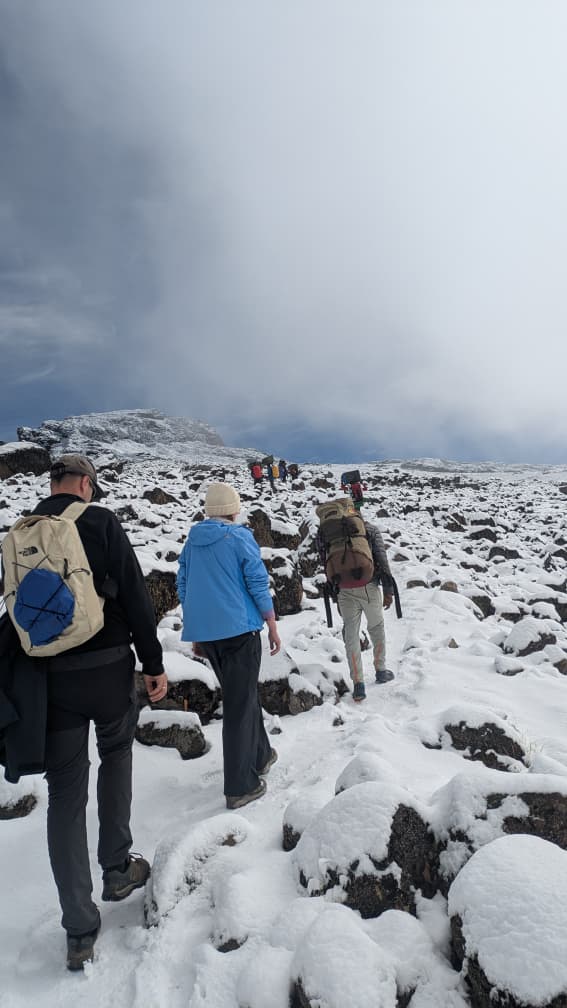
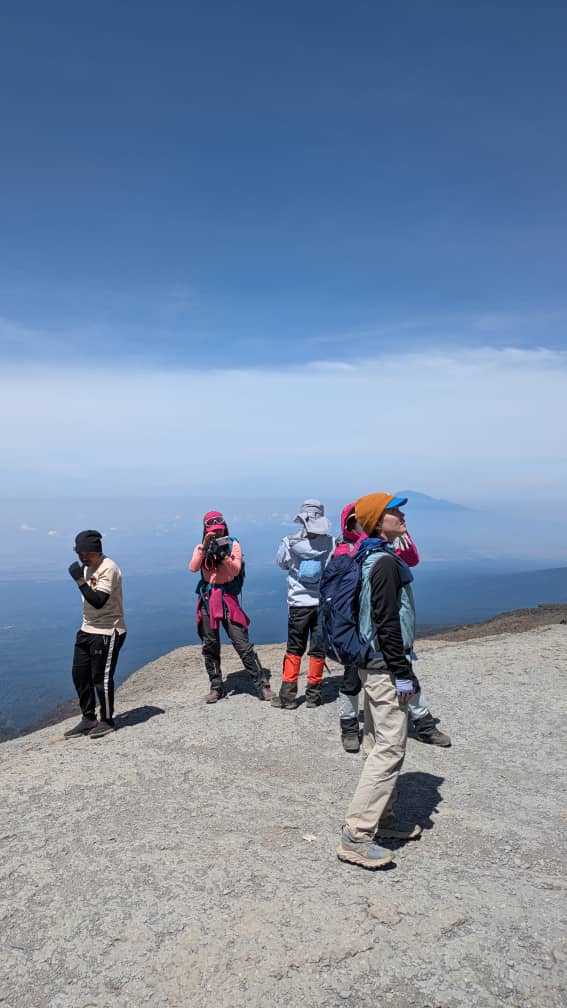

Are you dreaming of standing on the Roof of Africa? The 8 Days Lemosho Route – 17 December 2026 Departure | Scenic Kilimanjaro Trek offers a truly exceptional opportunity to conquer Mount Kilimanjaro. This specific departure date in late 2026 is ideal for those planning their adventure well in advance, ensuring you secure a spot on one of the most sought-after routes with the best chance for favorable weather. The Lemosho Route is renowned for its breathtaking vistas, gradual acclimatization profile, and high success rates, making it a favorite among serious trekkers aiming for Uhuru Peak.
This article is crafted for you, the discerning traveler, who is researching the best way to experience Kilimanjaro. We’ll guide you through what makes the 8-day Lemosho Route special, why the December 17, 2026 departure is a prime choice, what to expect logistically, and how to prepare for this life-changing journey. Whether you are considering 2026 or looking ahead to 2027, understanding the nuances of this trek is key to a successful climb.
Why Choose the 8-Day Lemosho Route for Your Kilimanjaro Adventure?
The Lemosho Route stands out from other Kilimanjaro paths due to its longer duration and its traverse across the western side of the mountain, offering a more immersive and less crowded experience. The 8-day itinerary, in particular, provides a slower pace, which is crucial for effective acclimatization. This extended period allows your body to adjust more gradually to the increasing altitudes, significantly reducing the risk of altitude sickness and increasing your chances of reaching the summit comfortably.
The route begins in the lush rainforest on the western side, near the Lemosho Glades, and slowly winds its way around the mountain. This approach offers a variety of landscapes, from dense forests teeming with wildlife to alpine deserts and the stark, volcanic terrain near the summit. The scenic beauty is unparalleled, with opportunities for incredible photography and a deep connection with the mountain’s diverse ecosystems.
Key Advantages of the 8-Day Lemosho Route:
- Superior Acclimatization: The longer duration allows for a more gradual ascent, significantly improving acclimatization and summit success rates.
- Stunning Scenery: It offers diverse and dramatic views, including the Shira Plateau, the Barranco Wall, and the Lava Tower.
- Lower Crowd Density: Starting on the western side, it’s generally less crowded, especially in the initial days.
- Higher Success Rate: Due to better acclimatization and the route’s design, it boasts one of the highest summit success rates.
- Diverse Ecosystems: You’ll trek through rainforest, moorland, alpine desert, and arctic zones, experiencing the full spectrum of Kilimanjaro’s environments.
The Allure of a December 2026 Kilimanjaro Departure
Selecting the 17 December 2026 departure for your 8-day Lemosho Route trek aligns with one of the best times of year to climb Kilimanjaro. December falls within the short rainy season, but it’s often characterized by brief showers, usually in the afternoons, followed by clear skies. More importantly, it marks the beginning of the dry season, which typically lasts through February. This means you can anticipate relatively clear days, good visibility, and cooler temperatures, which are generally more comfortable for trekking at higher altitudes.
Booking your climb for December 2026 means you are planning ahead, which is highly recommended for securing preferred dates and ensuring availability with reputable tour operators. For those looking into 2026 and 2027 travel, early booking is essential. The 17 December 2026 date is particularly appealing as it leads up to the festive season, allowing you to celebrate the New Year from a truly unique vantage point, or to return home with incredible stories of adventure.
Planning for 2027 Kilimanjaro expeditions is also well underway, and understanding the benefits of a late-year climb like the December departure is valuable for future planning. The shoulder seasons, like December, can offer a good balance of weather and fewer crowds compared to the peak dry seasons of January-February and June-August.
Understanding the Lemosho Route Itinerary: An 8-Day Journey
The 8-day Lemosho Route itinerary is meticulously designed to maximize acclimatization and enjoyment. Each day builds upon the last, allowing your body to adapt to the thinning air while exposing you to ever-changing and spectacular scenery. Here’s a typical breakdown:
Day 1: Lemosho Glades to Mti Mkubwa Camp
Altitude Gain: 2,360m to 2,750m (390m)
Distance: Approx. 6 km
Time: 3-4 hours
Your adventure begins with a drive to the Lemosho Gate, followed by a short trek through the dense rainforest to Mti Mkubwa Camp. This gentle introduction helps you ease into the trek and provides an excellent opportunity to spot local wildlife.
Day 2: Mti Mkubwa Camp to Shira 1 Camp
Altitude Gain: 2,750m to 3,500m (750m)
Distance: Approx. 10 km
Time: 5-7 hours
Today involves a significant ascent out of the forest and onto the moorland zone. You’ll cross the Shira Ridge and descend slightly to Shira 1 Camp, located on the vast Shira Plateau. The views here are expansive.
Day 3: Shira 1 Camp to Shira 2 Camp
Altitude Gain: 3,500m to 3,850m (350m)
Distance: Approx. 7 km
Time: 4-5 hours
A shorter day allows for better acclimatization. You’ll trek across the Shira Plateau, enjoying the unique volcanic landscape. Shira 2 Camp is situated at a higher elevation, offering stunning sunset views.
Day 4: Shira 2 Camp to Barranco Camp
Altitude Gain: 3,850m to 3,950m (100m)
Distance: Approx. 10 km
Time: 5-7 hours
This is a crucial day for acclimatization, often referred to as a ‘climb high, sleep low’ day. You’ll ascend to the Lava Tower (4,600m) and then descend to Barranco Camp. The Lava Tower is a significant altitude marker, and descending afterward helps your body recover.
Day 5: Barranco Camp to Karanga Camp
Altitude Gain: 3,950m to 4,000m (50m)
Distance: Approx. 5 km
Time: 3-4 hours
Today involves the famous Barranco Wall, a challenging but rewarding scramble. After conquering the wall, you’ll descend slightly to Karanga Camp. This day is physically demanding but offers incredible views and a sense of accomplishment.
Day 6: Karanga Camp to Barafu Camp
Altitude Gain: 4,000m to 4,600m (600m)
Distance: Approx. 4 km
Time: 4-5 hours
You’ll trek through an alpine desert landscape, with the terrain becoming more barren and rocky. Barafu Camp is situated on a ridge and serves as the base camp for the summit push. You’ll rest and prepare for the final ascent.
Day 7: Summit Day – Barafu Camp to Uhuru Peak and down to Mweka Camp
Altitude Gain: 4,600m to 5,895m (1,295m), then descent to 3,100m
Distance: Approx. 15 km
Time: 10-12 hours (summit push), then 5-7 hours descent
The most challenging day. You’ll start your ascent around midnight, reaching Stella Point (5,756m) by sunrise, and continuing to Uhuru Peak, the highest point in Africa. After celebrating, you’ll descend all the way to Mweka Camp, a significant descent to aid recovery.
Day 8: Mweka Camp to Mweka Gate
Altitude Loss: 3,100m to 1,650m (1,450m)
Distance: Approx. 10 km
Time: 4-5 hours
A final descent through the rainforest to Mweka Gate. You’ll be met by your driver and transferred back to your hotel in Moshi, tired but triumphant.
Preparing for Your 2026/2027 Kilimanjaro Expedition
Successfully trekking Kilimanjaro requires more than just booking a date; it demands thorough preparation. For a trek departing on December 17, 2026, you have ample time to get ready. The same applies if you are looking at 2027 dates.
Physical Training:
Kilimanjaro is a demanding trek, not a technical climb. The primary challenge is altitude. Focus on cardiovascular fitness through activities like hiking (with a backpack if possible), running, cycling, and swimming. Include strength training for your legs and core. The most relevant training is hiking on varied terrain, simulating the ascents and descents you’ll encounter.
Mental Preparation:
The summit night is particularly grueling. Mental fortitude is as important as physical fitness. Understand the challenges, visualize success, and prepare for long hours of walking in cold and potentially difficult conditions. The 8-day Lemosho Route’s acclimatization profile is designed to help, but mental resilience is key.
Gear and Equipment:
Proper gear is non-negotiable. You’ll need high-quality, waterproof, and windproof outer layers, warm mid-layers (fleece, down jacket), thermal base layers, sturdy hiking boots, a warm hat, gloves, and sunglasses. Layering is essential to adapt to changing temperatures. A detailed packing list will be provided by your tour operator.
Essential Gear Checklist:
- Footwear: Broken-in waterproof hiking boots, camp shoes/sandals.
- Clothing: Waterproof/windproof jacket and trousers, fleece jacket, thermal base layers (top and bottom), hiking trousers, t-shirts, warm socks (wool or synthetic).
- Headwear: Warm hat, sun hat, balaclava or neck gaiter.
- Handwear: Warm waterproof gloves, liner gloves.
- Sleeping: Warm sleeping bag (rated to -15°C or lower), sleeping bag liner.
- Backpack: Daypack (30-40L), duffel bag for porters (80-100L).
- Accessories: Trekking poles, headlamp with extra batteries, water bottles/hydration reservoir, sunglasses, sunscreen, lip balm, basic first-aid kit, personal toiletries, hand sanitizer, camera, power bank.
Acclimatization Strategy:
The 8-day Lemosho Route is excellent for acclimatization. Key principles include:
- Pace Yourself: “Pole pole” (slowly, slowly) is the mantra.
- Stay Hydrated: Drink plenty of water throughout the day.
- Eat Well: Maintain energy intake even when appetite is reduced.
- Avoid Alcohol and Smoking: These hinder acclimatization.
- Ascend Gradually: The 8-day itinerary does this effectively.
Safety and Support on Kilimanjaro
Your safety is paramount. Reputable tour operators like Best Tanzania Tour Operator employ experienced guides and porters who are trained in wilderness first aid and altitude sickness management. They carry comprehensive medical kits and oxygen cylinders. Emergency evacuation plans are in place, often involving specialized rescue teams.
The Role of Guides and Porters:
Your guides are your lifeline on the mountain. They monitor your health, manage the pace, and make critical decisions regarding your safety. Porters carry the bulk of your gear, setting up camp, and preparing meals, allowing you to focus on the trek. Tipping your crew is customary and appreciated; your operator will provide guidelines.
Altitude Sickness (AMS):
Acute Mountain Sickness (AMS) is the most common challenge. Symptoms can include headache, nausea, dizziness, and fatigue. Your guides are trained to recognize these signs and will assess your condition. If symptoms worsen, descent is the only cure. The 8-day Lemosho Route minimizes risk through its gradual ascent, but awareness and communication with your guides are vital.
Booking Your 8 Days Lemosho Route – 17 December 2026 Departure
Securing your spot for the 8 Days Lemosho Route – 17 December 2026 Departure is straightforward. As a leading Tanzania tour operator, we specialize in creating unforgettable Kilimanjaro experiences. Our packages are designed to offer the best balance of safety, comfort, and adventure.
When considering a Kilimanjaro trek, especially a fixed departure like the December 17, 2026 date, it’s important to understand what is typically included in the price. Our standard packages for the Lemosho Route usually cover:
What’s Included (Typical):
- Park entrance fees and camping/hut fees.
- All meals on the mountain.
- Trained and experienced mountain guides.
- Assistant guides and porters.
- Porters’ wages and equipment.
- Cook and all cooking equipment.
- Treated drinking water.
- Temporary shelters at the gate.
- Rescue fees.
- Government taxes.
- Transfer to and from Kilimanjaro International Airport (JRO) and Moshi.
- Accommodation in a hotel in Moshi before and after the climb (often 2 nights total).
- Oxygen cylinders for emergency use.
What’s Not Included (Typical):
- International flights.
- Visa fees.
- Travel insurance (mandatory).
- Personal gear (sleeping bag, hiking poles, etc.).
- Tips for guides, porters, and cook.
- Lunches and dinners in Moshi hotels (unless specified).
- Personal expenses (souvenirs, laundry, etc.).
- Optional activities.
- Vaccinations and medications.
Pricing Guidance: For specific pricing for the 8-day Lemosho Route with the 17 December 2026 departure, or for planning your 2027 trek, please contact us directly. Prices vary based on group size and specific inclusions, but we offer competitive rates for high-quality expeditions. Expect costs to range from $2000 to $3500 per person for a well-equipped 8-day Lemosho trek, depending on the operator’s service level and inclusions.
Booking early for the December 2026 departure is crucial, as these fixed dates fill up quickly. This is an excellent opportunity for solo travelers to join a group, share experiences, and reduce costs. Our group departures are designed to foster a camaraderie among trekkers, making the journey even more enjoyable.
For any questions regarding the 8 Days Lemosho Route – 17 December 2026 Departure | Scenic Kilimanjaro Trek, or to discuss alternative dates for 2026 or 2027, please do not hesitate to reach out. We are committed to providing you with an exceptional Kilimanjaro experience. You can connect with our expert team via WhatsApp at +255616946642, or email us at topguideadventures@gmail.com. For alternative inquiries, use info@topguideadventures.com. We look forward to helping you achieve your dream of climbing Kilimanjaro!







 Veedesigner
 Fatma Kizanga
 Benjamin Waryuba
 Philip Philip
 John jr Itaja
 Antonia Optatus
 Edith Kanyere
 Neema Iddy
 Kelvin Boniphace
 Damari Maiga



