
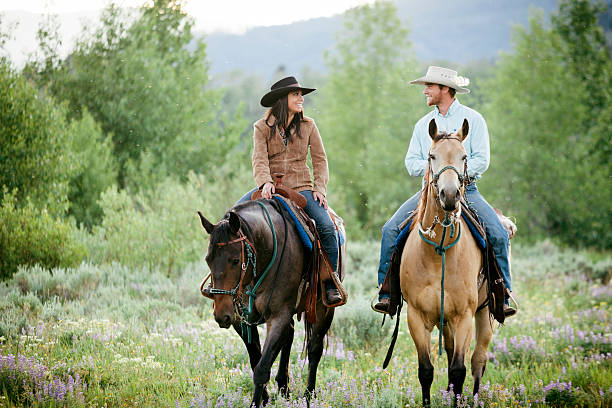
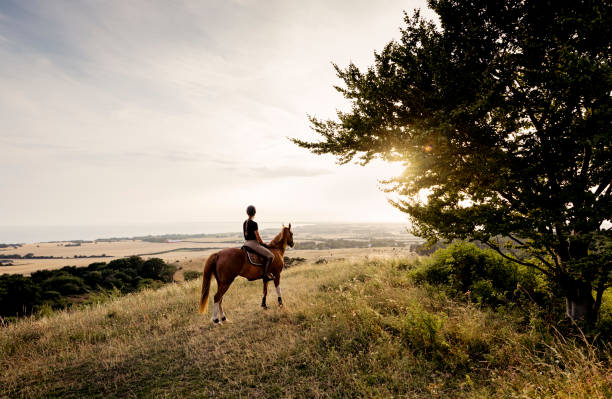
Imagine the thrill of cantering across wide-open plains, the wind in your hair, with giraffes gracefully browsing nearby and zebras grazing peacefully in the distance. This isn’t a scene from a documentary; it’s the reality of an Arusha National Park wildlife horse safari. While Tanzania is globally renowned for its classic game drives and walking safaris, the opportunity to explore Arusha National Park from the back of a horse offers a profoundly different, intimate, and exhilarating perspective on its rich biodiversity and stunning scenery.
Arusha National Park, often overshadowed by its more famous neighbors like the Serengeti and Ngorongoro Crater, is a jewel in Tanzania’s crown. It’s the closest national park to Arusha town, making it an accessible yet remarkably wild destination. Home to Mount Meru, the Momella Lakes, and the Ngurdoto Crater, its diverse habitats support an impressive array of wildlife. Combining this unique environment with the unique experience of a horse safari creates an adventure that appeals to seasoned travelers seeking something beyond the ordinary, and it’s an increasingly popular choice for those planning their Tanzanian holidays for 2026 and 2027.
Why Choose a Horse Safari in Arusha National Park?
The allure of a horse safari lies in its unparalleled ability to connect you with nature. Unlike a vehicle, a horse allows you to move quietly and unobtrusively through the landscape. Animals often perceive horses as less of a threat than a car, leading to closer and more natural encounters. This means you can observe wildlife behaviors that might be missed from a safari vehicle. Furthermore, the physical engagement of riding enhances your sensory experience – the sounds of the bush, the scent of the earth, and the feeling of being truly immersed in the environment.
For the Arusha National Park wildlife horse safari experience, this translates into:
- Intimate Wildlife Viewing: Get closer to plains game like zebras, wildebeest, giraffes, and various antelope species without startling them.
- Unique Vantage Points: Access areas that might be difficult to reach with vehicles, offering different photographic opportunities and breathtaking panoramas.
- Active Engagement: A more participatory safari that engages your senses and creates lasting memories.
- Serene Atmosphere: Enjoy the tranquility of the park without the engine noise, allowing for deeper appreciation of the natural world.
- Accessibility to Diverse Habitats: Explore the varied landscapes from the grassy plains around the Momella Lakes to the foothills of Mount Meru.
Understanding Arusha National Park
Before setting out on your equine adventure, it’s crucial to understand the park’s geography and ecological significance. Arusha National Park is a compact park, covering approximately 542 square kilometers, yet it boasts an astonishing variety of ecosystems. This diversity is a key reason why it’s so well-suited for a horse safari.
Key Features of Arusha National Park:
- Mount Meru: The park’s majestic centerpiece, an active stratovolcano rising to 4,566 meters. Its lower slopes are covered in montane forest, a habitat for unique wildlife.
- Momella Lakes: A series of alkaline lakes famous for their vibrant colors and abundant birdlife, particularly flamingos (though numbers can vary seasonally). These shallow lakes and surrounding grasslands are ideal for horseback riding.
- Ngurdoto Crater: A smaller, steep-sided crater often referred to as the ‘Little Ngorongoro.’ Its crater floor is a protected grazing area for buffalo, warthogs, and various antelopes.
- Forest Zones: The park includes diverse forest types, from dense montane forests on Mount Meru’s slopes to acacia woodlands, providing crucial habitats for primates and other animals.
The combination of open grasslands, diverse lakeshores, and woodland fringes makes Arusha National Park a prime location for a wildlife horse safari, offering varied scenery and wildlife encounters within a relatively small area.
The Arusha National Park Wildlife Horse Safari Experience
A horse safari in Arusha National Park is typically conducted in the lower-lying areas, often around the Momella Lakes region. These areas are relatively flat and open, making them safe and enjoyable for riders of varying experience levels. The duration and itinerary can vary, from half-day excursions to multi-day riding adventures, often incorporating overnight stays in lodges or tented camps within or near the park.
What to Expect on Your Ride:
Your safari will likely begin with a briefing from experienced guides who are knowledgeable about both horsemanship and the local wildlife. You’ll be matched with a horse suited to your riding ability. As you set off, the immediate sense of peace and immersion is striking. The rhythmic sound of hooves on the earth replaces the rumble of engines.
The wildlife encounters are the heart of the experience. You might find yourself riding alongside a herd of zebras, watching them graze undisturbed. Giraffes, with their elegant gait, may continue their browsing, occasionally lifting their heads to observe you with mild curiosity. Buffalo herds often graze in the grasslands, and while they are powerful animals, your guides will ensure a safe distance is maintained. The Momella Lakes can offer sightings of hippos (from a safe distance), various water birds, and if you’re lucky, elephants or even leopards in the denser bush areas, though these are more elusive.
The guides are skilled in interpreting animal behavior and will navigate the terrain to maximize your chances of seeing different species while ensuring your safety. They understand the nuances of riding in an environment shared with wild animals.
Riding Styles and Horse Options:
The horses used for these safaris are typically well-trained and accustomed to the bush. They range from sturdy African breeds to crossbreeds, chosen for their temperament and suitability for riding in varied terrain. Most operators cater to different riding abilities, from beginners to experienced riders. Beginners will often be placed on calmer, more experienced horses and kept to gentler trails, while experienced riders might enjoy a slightly brisker pace or more challenging routes where appropriate.
The emphasis is always on a comfortable and safe ride, allowing you to focus on the incredible scenery and wildlife. Some tours might even offer options for multi-day rides with camping under the stars, adding another layer of adventure to your Arusha National Park wildlife horse safari.
Wildlife You Might Encounter
Arusha National Park teems with life, and a horse safari offers a unique way to observe its inhabitants. While you won’t typically find the ‘Big Five’ in large numbers here (leopards are present but shy, and rhinos are absent), the park compensates with incredible diversity and abundance of other species.
Mammals:
- Zebras: Often seen in large herds, their distinctive stripes are a common sight on the plains.
- Wildebeest: Another common grazer, particularly in the open areas.
- Giraffes: The Masai giraffe subspecies are a majestic presence, often seen feeding on acacia trees.
- Buffalo: Large herds of African buffalo are resident in the park, especially in the crater areas and grasslands.
- Waterbuck and Bushbuck: These graceful antelopes are frequently spotted near water sources and in the woodlands.
- Warthogs: Easily recognized by their tusks and the way they hold their tails upright, they are common in grassy areas.
- Baboons and various Monkeys: Olive baboons and Sykes’ monkeys (blue monkeys) inhabit the forested areas and can sometimes be seen along trails.
- Elephants: While not as numerous as in other parks, elephants do frequent Arusha National Park, especially in the forested regions.
- Hippos: Primarily found in the Momella Lakes and other water bodies, usually seen from a respectful distance.
Birdlife:
Arusha National Park is a birder’s paradise. The Momella Lakes, in particular, are a magnet for waterfowl. Expect to see:
- Flamingos: Lesser and Greater Flamingos can be found in large numbers on the alkaline lakes, painting the water pink.
- Waterfowl: A wide variety of ducks, geese, and waders are present.
- Raptors: Various eagles and buzzards soar overhead.
- Forest Birds: In the montane forests, look out for turacos, hornbills, and various smaller forest dwellers.
The ability to move quietly on horseback allows for unobtrusive observation of these creatures in their natural habitat, making the Arusha National Park wildlife horse safari an exceptional experience for photographers and nature enthusiasts alike.
Planning Your Arusha National Park Horse Safari for 2026-2027
Planning a trip to Tanzania for 2026 or 2027 requires careful consideration to ensure you have the best possible experience. A horse safari adds a unique dimension, and here’s what you need to know:
Best Time to Visit:
Arusha National Park is accessible year-round, but the best time for a horse safari often depends on the weather and wildlife viewing conditions. Generally, the dry seasons offer the most pleasant riding conditions and clearer game viewing.
- Dry Seasons (June to October, and January to February): These months typically have less rainfall, making the trails easier to ride and offering excellent visibility. The landscapes are drier, and animals tend to congregate around water sources. This is often considered the prime time for horse safaris.
- Green Seasons (March to May, and November to December): These periods can bring rain, which can make some trails muddy and challenging. However, the landscape is lush and beautiful, and there are fewer tourists. Birdlife is often at its most vibrant during the green seasons. If you don’t mind occasional rain showers, these times can offer a more serene experience.
When planning for 2026-2027, consider booking your preferred dates well in advance, especially if you aim for the peak dry seasons, as popular operators and accommodations fill up quickly.
Choosing an Operator:
The quality and safety of your horse safari depend heavily on the operator you choose. Look for companies with:
- Experienced Guides: Guides should be proficient in both horse handling and wildlife tracking, with a strong understanding of safety protocols.
- Well-Maintained Horses: The horses should be healthy, well-cared for, and matched to riders’ abilities.
- Safety Equipment: Ensure appropriate safety gear is provided and used.
- Good Reputation: Check reviews and testimonials from previous clients.
We, at Top Best Tanzania Tour Operator, specialize in creating bespoke safari experiences, including exceptional Arusha National Park wildlife horse safaris. Our experienced team can help you tailor an itinerary that fits your interests and skill level. You can reach us via WhatsApp at +255616946642 or email us at topguideadventures@gmail.com or info@topguideadventures.com.
What to Pack:
Comfort and practicality are key for a horse safari. Pack light, breathable clothing suitable for warm weather, with layers for cooler mornings and evenings.
- Riding Attire: Long trousers (jeans or riding breeches are ideal to prevent chafing), comfortable closed-toe shoes or boots with a small heel.
- Layers: T-shirts, long-sleeved shirts for sun protection, a fleece or light jacket for cooler periods.
- Sun Protection: Wide-brimmed hat (that can be secured), sunglasses, high SPF sunscreen.
- Insect Repellent: Especially important for evenings.
- Camera and Binoculars: To capture the incredible wildlife and scenery.
- Water Bottle: Staying hydrated is crucial.
Fitness and Riding Ability:
While you don’t need to be an expert rider, a reasonable level of fitness and comfort in the saddle is beneficial. Most operators cater to beginners, offering gentle rides. However, if you have any concerns about your riding ability or physical condition, it’s best to discuss this with your tour operator when booking your Arusha National Park wildlife horse safari.
Cost Considerations for Your Horse Safari
The cost of an Arusha National Park wildlife horse safari can vary significantly based on several factors, including the duration of the ride, the operator’s inclusions, accommodation choices, and the overall safari package. It’s essential to get a clear understanding of what is included in the price when comparing options for your 2026-2027 travel plans.
Typical Inclusions:
- Park entry fees for Arusha National Park.
- Horse rental and riding equipment.
- Experienced, qualified guides.
- Meals (depending on the duration – often lunch for day trips, full board for multi-day packages).
- Accommodation (for multi-day safaris).
- Transfers to and from the riding starting point.
Factors Influencing Price:
- Duration: Half-day rides will naturally be less expensive than full-day or multi-day experiences.
- Accommodation Level: Luxury lodges or tented camps will increase the overall cost compared to more basic options.
- Private vs. Group Ride: Private safaris are typically more expensive but offer a more personalized experience.
- Inclusions: Some packages might include additional activities or higher-end services.
Estimated Price Ranges (per person):
- Day Trips (Half-day or Full-day): You might expect prices ranging from $150 to $350 USD, depending on the operator and what’s included.
- Multi-day Safaris: These are often part of a larger Tanzanian safari package. The horse riding component within a 3-5 day safari could add approximately $300 to $700+ USD per person for the riding days, depending on the luxury level and duration.
It is always recommended to request a detailed quote from your chosen tour operator. For personalized pricing and to discuss options for your 2026-2027 adventure, please contact Top Best Tanzania Tour Operator: WhatsApp +255616946642 or email topguideadventures@gmail.com.
Important Note on Safety and Regulations:
Horse safaris in national parks are strictly regulated. All rides must be accompanied by licensed guides. The welfare of the horses and the safety of riders are paramount. Operators adhere to strict guidelines to minimize disturbance to wildlife and the environment. Always ensure your chosen operator is reputable and follows all park regulations.
Combining Horse Safaris with Other Tanzanian Adventures
While an Arusha National Park wildlife horse safari is a remarkable experience in itself, it can also be beautifully integrated into a broader Tanzanian travel itinerary. Arusha National Park’s proximity to other major destinations makes it an ideal starting or ending point for a comprehensive safari or trekking adventure.
Potential Itinerary Combinations:
- Arusha National Park & Mount Meru Trek: For the adventurous, combine a horse safari with a trek up Mount Meru. The lower slopes offer incredible forest walks, and the mountain itself provides challenging but rewarding climbing opportunities, often serving as acclimatization for Kilimanjaro.
- Arusha to Serengeti/Ngorongoro: After your horse safari, head to the iconic Serengeti National Park for the Great Migration or descend into the Ngorongoro Crater for its dense wildlife populations. This offers a classic safari experience to complement your unique horse riding adventure.
- Northern Circuit Exploration: Extend your trip to include other parks on the Northern Circuit, such as Tarangire National Park (famous for elephants and baobab trees) and Lake Manyara National Park (known for tree-climbing lions and diverse birdlife).
- Kilimanjaro Trekking: Many travelers combine a safari with a climb of Mount Kilimanjaro. Arusha National Park is conveniently located for those preparing for or recovering from their Kili climb. Explore options for Machame Route Kilimanjaro group departures and other routes.
- Zanzibar Relaxation: After the dust of the savanna, unwind on the pristine beaches of Zanzibar. This offers a perfect contrast of adventure and relaxation.
When planning for 2026-2027, consider how a horse safari can add a distinctive flavor to your overall Tanzanian journey. We can help craft comprehensive packages that include all these elements, ensuring a smooth and unforgettable trip.
Frequently Asked Questions About Arusha National Park Horse Safaris
To help you further, here are some common questions about embarking on a horse safari in Arusha National Park:
- Can children participate in a horse safari?
- Age restrictions vary by operator, but generally, children aged 8-12 and above may be permitted, depending on their riding experience and the specific tour. It’s essential to confirm this with your tour operator.
- What happens if I fall off my horse?
- Safety is the top priority. Guides are trained to handle emergencies. Horses are chosen for their calm temperaments, and routes are selected for safety. While accidents can happen, they are rare. Wear recommended safety gear, and listen carefully to your guide’s instructions.
- Are there dangerous animals on the horse safari routes?
- While Arusha National Park has wildlife, including buffalo and hippos, the horse safari routes are carefully chosen by experienced guides to maintain safe distances from potentially dangerous animals. Guides are skilled in reading animal behavior and will ensure your safety.
- Do I need travel insurance?
- Yes, comprehensive travel insurance is highly recommended for any safari trip in Tanzania, including horse safaris. Ensure your policy covers medical emergencies, evacuation, and any adventure activities you plan to undertake.
- What is the difference between a horse safari and a walking safari?
- A horse safari offers a faster pace and wider range of movement, allowing you to cover more ground and observe animals from a unique elevated perspective. A walking safari offers a more grounded, intimate connection with the environment, focusing on smaller details and tracks, but is limited in speed and range.
Book Your 2026-2027 Arusha National Park Horse Safari Adventure
An Arusha National Park wildlife horse safari is more than just a tourist activity; it’s an immersion into the heart of Tanzania’s stunning natural beauty. It offers a profoundly personal and exhilarating way to connect with the wildlife and landscapes that make this country so special. Whether you are planning for 2026 or 2027, this unique adventure promises memories that will last a lifetime.
At Top Best Tanzania Tour Operator, we are passionate about creating authentic and unforgettable travel experiences. We offer expertly guided horse safaris in Arusha National Park, tailored to your preferences and skill levels. Let us help you plan your dream Tanzanian adventure, combining the thrill of horseback riding with the magic of African wildlife.
Ready to experience the wild from a different perspective? Contact us today to discuss your Arusha National Park wildlife horse safari and other Tanzanian travel plans. Reach out via WhatsApp at +255616946642, email us at topguideadventures@gmail.com, or our backup email info@topguideadventures.com. We look forward to helping you plan an incredible journey for 2026-2027!



