
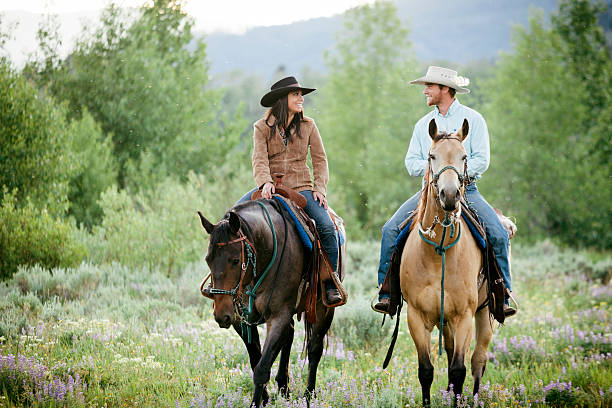
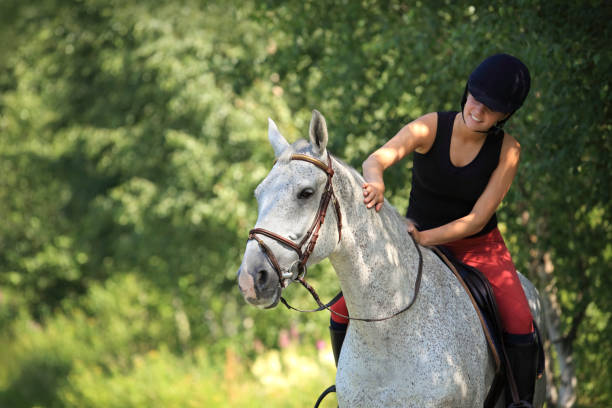
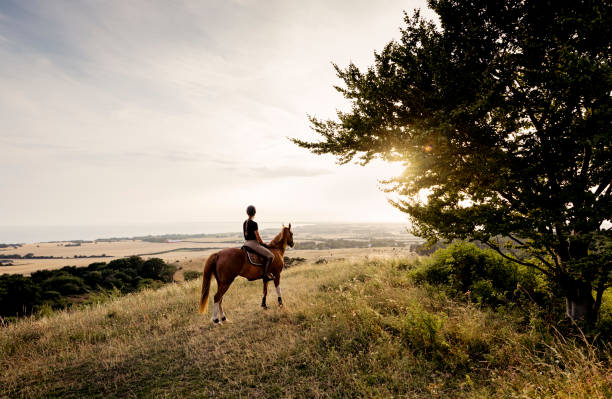
Imagine the wind in your hair, the gentle rhythm of hooves on African soil, and the breathtaking panorama of Mount Meru rising majestically before you. This is the essence of an Arusha National Park horseback safari, a truly distinctive way to connect with Tanzania’s vibrant landscapes and abundant wildlife. While traditional game drives offer incredible opportunities, riding a horse provides an intimate, low-impact perspective that few other safari experiences can match. Perfect for those seeking a unique adventure in 2026 or 2027, this safari style allows you to approach wildlife more quietly and experience the bush in a profoundly personal way.
Arusha National Park, Tanzania’s most accessible park and often a gateway to bigger adventures, is an ideal setting for this kind of exploration. It’s a place of stunning contrasts, from the alkaline Momella Lakes, shimmering with flamingos, to the dense, misty forests of Mount Meru, and the Ngurdoto Crater, often called ‘Little Ngorongoro’. A horseback safari here isn’t just about seeing animals; it’s about feeling the pulse of the wild, creating memories that resonate long after you’ve returned home.
Why Choose a Horseback Safari in Arusha National Park?
The allure of a horseback safari lies in its ability to offer a perspective fundamentally different from a vehicle-based game drive. For travelers planning their 2026 or 2027 Tanzanian adventure, this option presents a compelling choice for several reasons:
- Intimacy with Nature: Being on horseback significantly lowers your profile. Animals often perceive you as less of a threat, allowing for closer, more natural encounters. You can observe herds of zebras, giraffes, or buffaloes without startling them, leading to more authentic photographic opportunities and a deeper sense of presence.
- Access to Diverse Terrain: Horses can navigate areas that vehicles cannot, including narrower trails and more sensitive ecological zones. This opens up vistas and wildlife viewing spots that might otherwise be missed, particularly around the foothills of Mount Meru and the picturesque Momella Lakes.
- A Unique Thrill: For many, the simple act of riding through the African bush is an exhilarating experience in itself. It combines the peace of nature with the gentle power of the horse, creating a sense of freedom and adventure.
- Low Environmental Impact: Horseback safaris are inherently eco-friendly. They leave minimal trace, making them a responsible choice for environmentally conscious travelers looking at sustainable tourism options for 2026-2027.
- Suitable for Various Skill Levels: Reputable operators provide horses suitable for riders of all experience levels, from beginners to seasoned equestrians. Guides ensure safety and match riders with appropriate mounts.
Understanding Arusha National Park: A Gem Near Kilimanjaro
Arusha National Park, located just a short drive from Arusha town and Kilimanjaro International Airport (JRO), is often overshadowed by its more famous neighbors like the Serengeti and Ngorongoro Crater. However, its compact size belies a remarkable diversity of ecosystems and wildlife, making it a perfect destination for a horseback safari.
Established in 1960, the park covers approximately 137 square kilometers (53 sq mi). Its most prominent feature is the majestic Mount Meru, an active stratovolcano whose slopes are covered in rich montane forest. The park also encompasses the Momella Lakes, a series of alkaline lakes famous for their vibrant colors and large populations of flamingos, and the Ngurdoto Crater, a steep-sided volcanic crater teeming with wildlife.
Key Features and Landscapes
- Mount Meru: The second-highest mountain in Tanzania, its lower slopes and surrounding areas are prime territory for horseback safaris. The forests here are home to colobus monkeys, various bird species, and offer stunning views.
- Momella Lakes: These shallow, alkaline lakes attract a dazzling array of birdlife, especially flamingos. While direct horseback riding might be limited right on the lake shores due to water levels and bird nesting areas, the surrounding grasslands offer excellent riding.
- Ngurdoto Crater: This 3km wide crater is a natural enclosure for buffaloes, warthogs, baboons, and various antelope species. While vehicles can drive around the rim, horseback riding offers a more immersive experience in the surrounding savannah.
- Forests and Savannah: The park transitions from dense rainforest on Meru’s slopes to open savannah plains and acacia woodlands, providing diverse backdrops for your horseback adventure.
Wildlife You Might Encounter on Horseback
While Arusha National Park doesn’t host the ‘Big Five’ in the same density as the Serengeti, it offers abundant wildlife viewing opportunities, especially from the unique vantage point of a horse. For your 2026 or 2027 trip, expect to see:
- Herbivores: Herds of zebras, wildebeest, buffaloes, giraffes, waterbucks, and various antelopes like dik-diks and gazelles are common. The close proximity offered by horseback riding allows for incredibly detailed observations.
- Primates: The montane forests are home to troops of black and white colobus monkeys and blue monkeys, often seen leaping through the trees.
- Birdlife: Arusha is a birdwatcher’s paradise, with species like flamingos, turacos, hornbills, and eagles frequently spotted.
- Predators (Rare but possible): While large predators like lions and leopards are rarely seen and not a primary focus for horseback safaris due to safety, hyenas and occasional jackals might be encountered. However, the emphasis remains on herbivores and scenic beauty.
Planning Your Arusha National Park Horseback Safari for 2026-2027
Organizing a horseback safari requires careful planning to ensure a safe, enjoyable, and memorable experience. As you look ahead to 2026 or 2027, consider these essential aspects:
Choosing the Right Operator
The quality and safety of your horseback safari depend heavily on the tour operator. For an unforgettable experience in Arusha National Park, it’s crucial to partner with a reputable company that prioritizes:
- Experienced Guides: Look for operators with knowledgeable guides who are not only skilled riders but also have a deep understanding of the local wildlife, terrain, and safety protocols.
- Well-Trained Horses: The horses should be well-cared for, healthy, and matched to riders’ abilities. A good operator will have a variety of horses to accommodate different skill levels.
- Safety Standards: Ensure the operator adheres to strict safety guidelines, provides necessary equipment (helmets, saddles), and has emergency procedures in place.
- Responsible Tourism Practices: Choose operators committed to conservation and minimizing their impact on the environment.
We at Top Best Tanzania Tour operator specialize in creating bespoke safari experiences, including exceptional Arusha National Park horseback safaris. Our team is dedicated to ensuring your 2026 or 2027 adventure is both thrilling and safe. You can reach us directly via WhatsApp at +255616946642 or email us at topguideadventures@gmail.com.
Best Time to Visit for Horseback Riding
The weather in Arusha National Park is generally pleasant year-round, but certain periods offer optimal conditions for horseback riding. For your 2026-2027 travel plans:
- Dry Seasons (June to October, December to February): These months offer clear skies, sunny days, and minimal rain, making for comfortable riding conditions. The landscape is drier, and wildlife tends to congregate around water sources, potentially increasing sightings. This is generally considered peak season for tourism.
- Shoulder Seasons (March-May, November): These periods can offer a good balance. You might encounter some rain, but the landscapes are lush and green, and there are fewer tourists. Prices may also be slightly lower, making it an attractive option for budget-conscious travelers planning for 2026 or 2027.
It’s important to note that even during the rainy season, showers are often short-lived, and horseback riding can still be very enjoyable, offering a different, more verdant perspective.
What to Pack for Your Safari
Packing appropriately is key to comfort and safety on your horseback safari. Consider these essentials for your 2026-2027 trip:
- Riding Gear: Comfortable long trousers (jeans or riding breeches), sturdy closed-toe shoes or boots with a slight heel, and optionally, riding gloves. Helmets are usually provided by the operator, but if you have a preferred one, check with them.
- Clothing: Lightweight, breathable layers are best. Long-sleeved shirts and trousers protect against the sun and insects. A warm fleece or jacket is advisable for cooler mornings and evenings, especially if riding at higher altitudes near Mount Meru.
- Sun Protection: A wide-brimmed hat, sunglasses, and high-SPF sunscreen are essential.
- Insect Repellent: Particularly important for early mornings and late afternoons.
- Camera and Binoculars: To capture the stunning scenery and wildlife. Ensure you have extra batteries and memory cards.
- Reusable Water Bottle: Staying hydrated is crucial.
- Personal First-Aid Kit: With any personal medications.
The Horseback Safari Experience: What to Expect
An Arusha National Park horseback safari is designed to be both exhilarating and immersive. The typical experience involves:
Duration and Itinerary Options
Horseback safaris in Arusha National Park can range from a few hours to a full day, depending on the operator and your preferences. Popular options include:
- Half-Day Rides: Ideal for a taste of horseback riding, often focusing on the scenic grasslands and areas around the Momella Lakes.
- Full-Day Rides: These allow for deeper exploration, potentially venturing closer to the foothills of Mount Meru, offering varied scenery and more extensive wildlife viewing opportunities. Lunch is typically included.
- Multi-Day Treks (Less Common in Arusha NP, but possible): While Arusha National Park itself is more suited for day trips, some operators might offer longer riding experiences that combine park areas with adjacent private lands or conservancies, often incorporating overnight stays in lodges or camps. This is a more specialized itinerary for 2026-2027 planning.
The exact routes are often determined by wildlife movements, weather conditions, and the guide’s expertise. Your operator will tailor the experience to your comfort level and interests.
Safety First: Riding with Wildlife
Safety is paramount on any safari, and horseback riding is no exception. Reputable operators implement rigorous safety protocols:
- Experienced Guides: Guides are trained in wildlife behavior and know how to manage horses in the presence of animals. They will instruct you on how to react if you encounter wildlife.
- Horse Selection: Horses are chosen for their calm temperament and suitability for safari work. They are accustomed to the sounds and sights of African wildlife.
- Rider Assessment: Guides will assess your riding ability to ensure you are matched with an appropriate horse and can handle the terrain.
- Wildlife Etiquette: You will be briefed on how to behave around animals – generally, maintaining a calm demeanor, avoiding sudden movements, and following the guide’s instructions are key. The goal is always to observe wildlife without disturbing it or compromising safety.
For those concerned about safety, especially when planning a 2026 or 2027 trip, remember that the horses themselves are a significant advantage. Their height and natural awareness often allow them to sense animals before riders do, and their steady nature is reassuring.
The Pace and Feel of the Ride
A horseback safari is typically conducted at a relaxed pace, allowing for observation and photography. While there might be opportunities for a gentle canter in open areas if you are an experienced rider and conditions permit, the primary focus is on immersion and wildlife viewing. The gentle gait of the horse, combined with the sounds of the African bush, creates a meditative and deeply engaging experience. You’ll feel a connection to the landscape that is difficult to achieve from within a vehicle.
Beyond the Saddle: Integrating Horseback Riding into Your Tanzania Itinerary
An Arusha National Park horseback safari can be a highlight of a broader Tanzanian adventure. Consider how it fits into your overall travel plans for 2026 or 2027:
Combining with Other Arusha Activities
Arusha National Park offers more than just horseback riding. You can complement your ride with:
- Walking Safaris: Explore the park’s trails on foot with an armed ranger, offering a different perspective on the flora and fauna.
- Canoeing on Momella Lakes: Paddle across the serene waters for unique birdwatching opportunities and views of Mount Meru.
- Ngurdoto Crater Rim Drive: Drive to the crater rim for panoramic views and wildlife spotting.
- Mount Meru Hiking: For the more adventurous, day hikes or multi-day treks up Mount Meru offer incredible challenges and rewards.
A well-rounded itinerary might include a morning horseback safari followed by an afternoon canoe trip or a scenic drive.
Gateway to Northern Circuit Safaris
Arusha National Park’s proximity to Arusha town makes it a convenient starting point for exploring Tanzania’s famed Northern Circuit. After your horseback adventure, you can easily proceed to:
- Tarangire National Park: Famous for its large elephant herds and baobab trees.
- Lake Manyara National Park: Known for its tree-climbing lions and diverse birdlife.
- Serengeti National Park: The ultimate safari destination, renowned for the Great Migration and vast plains.
- Ngorongoro Conservation Area: Home to the spectacular Ngorongoro Crater, a UNESCO World Heritage Site.
For those planning extensive Northern Circuit tours in 2026 or 2027, starting with an Arusha National Park horseback safari offers a unique and memorable introduction to Tanzania’s wildlife and landscapes.
Kilimanjaro Trekking and Zanzibar Relaxation
Many travelers combine their safari experiences with climbing Mount Kilimanjaro or relaxing on the beaches of Zanzibar. Arusha serves as a hub for both.
- Kilimanjaro Trekking: If you’re planning to climb Kili, you’ll likely pass through Arusha. A horseback safari can be a perfect pre-trek activity to acclimatize and enjoy the local scenery. Consider booking your Kilimanjaro trek for 2026 or 2027, perhaps with the Machame Route group departures.
- Zanzibar Holidays: After your safari adventures, fly from Arusha or Kilimanjaro to Zanzibar for pristine beaches, spice tours, and historical Stone Town.
A well-structured itinerary might look like: Arusha National Park horseback safari -> Kilimanjaro trek -> Zanzibar relaxation. This provides a fantastic mix of adventure, nature, and culture.
Cost Considerations for Your 2026-2027 Horseback Safari
The cost of an Arusha National Park horseback safari can vary based on several factors. While exact pricing is best obtained through a direct quote, here are the typical components that influence the overall expense for your 2026 or 2027 booking:
- Duration of the Ride: Half-day rides are less expensive than full-day excursions.
- Operator’s Pricing: Different tour operators have varying price structures based on their services, guide expertise, and horse quality.
- Inclusions: Ensure you know what is included. Typically, this covers the horse, guide, park fees for the riding activity (distinct from general park entry if you’re staying longer), and sometimes lunch and water.
- Park Entrance Fees: Arusha National Park has daily entrance fees. If your horseback safari is a standalone activity, these fees will apply. If it’s part of a multi-day park visit, they might be bundled. For 2026-2027, expect these fees to be around $55 per person per day for international tourists, payable directly to Tanzania National Parks Authority (TANAPA) or through your operator.
- Transportation: The cost of getting to and from the starting point of the horseback ride within Arusha National Park.
As a general guideline, expect a half-day horseback safari to range from approximately $100 to $180 per person, and a full-day safari from $180 to $300 per person. These are estimates for 2026-2027 and can fluctuate. It’s always best to request a detailed quote.
Top Best Tanzania Tour operator offers competitive and transparent pricing for its horseback safaris. For a personalized quote tailored to your 2026 or 2027 travel dates and preferences, please contact us via WhatsApp at +255616946642 or email info@topguideadventures.com.
Frequently Asked Questions about Arusha National Park Horseback Safaris
Here are answers to common questions prospective riders have for their 2026-2027 trips:
Q1: What is the minimum age for a horseback safari in Arusha National Park?
A1: The minimum age typically ranges from 10 to 12 years old, depending on the operator and the rider’s experience. Some may allow younger children if they are experienced riders and accompanied by an adult.
Q2: Do I need to be an experienced rider to go on a horseback safari?
A2: No, not necessarily. Most operators cater to riders of all levels, from beginners to experienced equestrians. They will match you with a suitable horse and provide instruction.
Q3: What happens if I fall off my horse?
A3: While falls are rare, guides are trained to handle such situations. They prioritize your safety and well-being. The horses used for safaris are generally very calm and accustomed to the environment.
Q4: Can I bring my camera on the horseback safari?
A4: Yes, absolutely. Cameras are encouraged! However, ensure you have a secure strap and know how to handle it while riding to avoid dropping it.
Q5: Are there any restrictions on where we can ride?
A5: Yes, riding is restricted to designated trails and areas to protect the environment and ensure safety. Guides will always adhere to park regulations.
Q6: What if I’m afraid of horses but still want the experience?
A6: While the horseback safari is the focus, some operators might offer alternative ways to experience the park’s scenery, such as guided walks or game drives. However, the unique perspective of a horseback safari is its main draw.
Booking Your Unforgettable Arusha Horseback Adventure for 2026-2027
An Arusha National Park horseback safari offers a unique blend of adventure, wildlife encounters, and breathtaking scenery. It’s an experience that provides a deeper connection to the natural world, far from the crowds and noise of everyday life. Whether you’re an avid rider or a curious beginner, this safari style promises exhilaration and lasting memories.
As you plan your travels for 2026 and 2027, consider making this distinctive safari a centerpiece of your Tanzanian journey. The intimate encounters with wildlife, the stunning backdrop of Mount Meru, and the sheer joy of riding through the African bush create an unparalleled adventure.
To ensure a safe, well-organized, and memorable horseback safari, partner with experienced local guides. Top Best Tanzania Tour operator is passionate about creating exceptional travel experiences. We pride ourselves on our knowledgeable guides, well-cared-for horses, and commitment to responsible tourism. Let us help you craft the perfect Arusha National Park horseback safari itinerary.
Contact us today to start planning your 2026 or 2027 adventure:
- WhatsApp: +255616946642
- Email: topguideadventures@gmail.com
- Backup Email: info@topguideadventures.com
- Website: www.topguideadventures.com
- Instagram: @top_guide_adventures
We look forward to helping you discover the magic of Arusha National Park from the back of a horse!



