
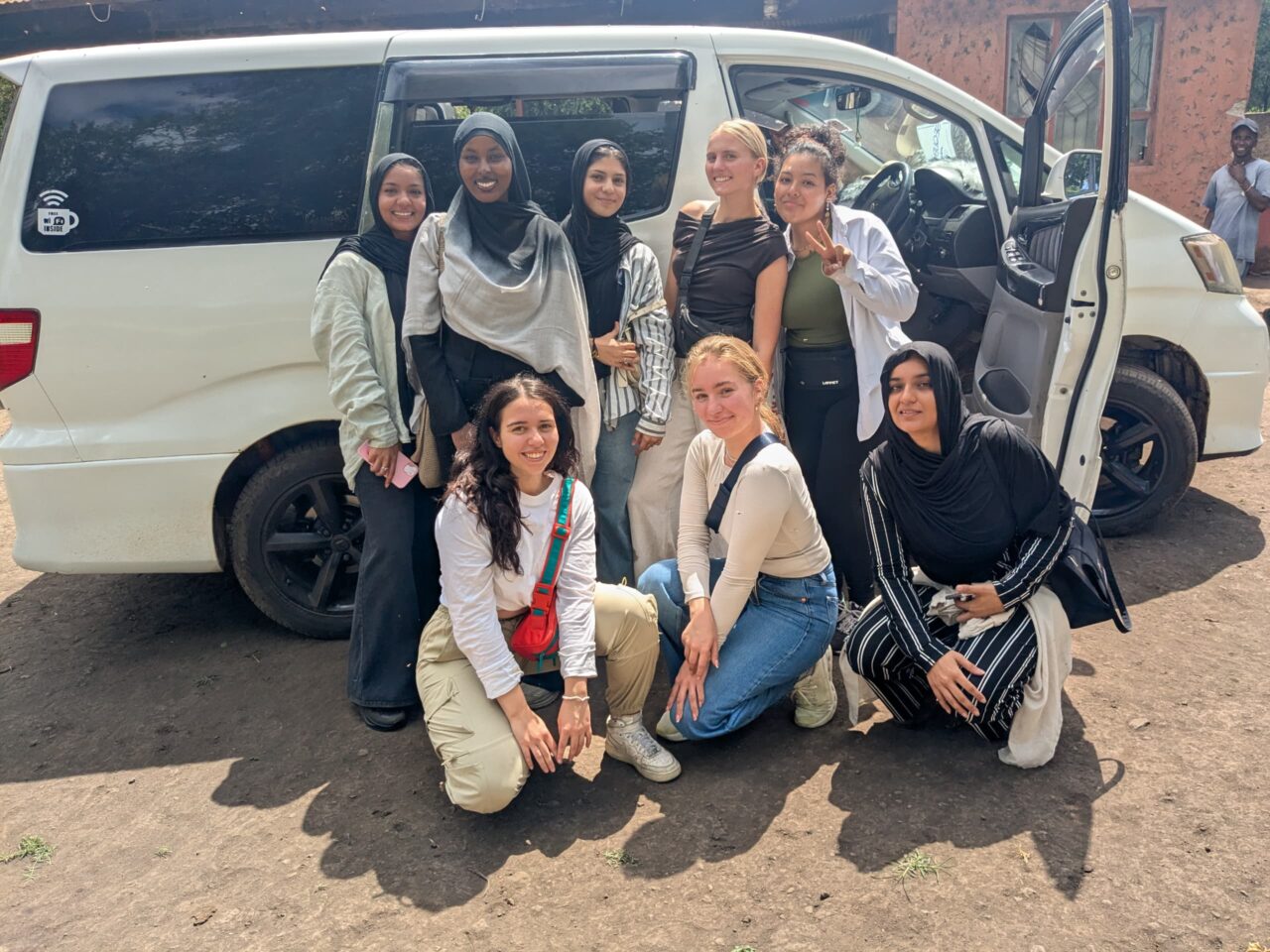
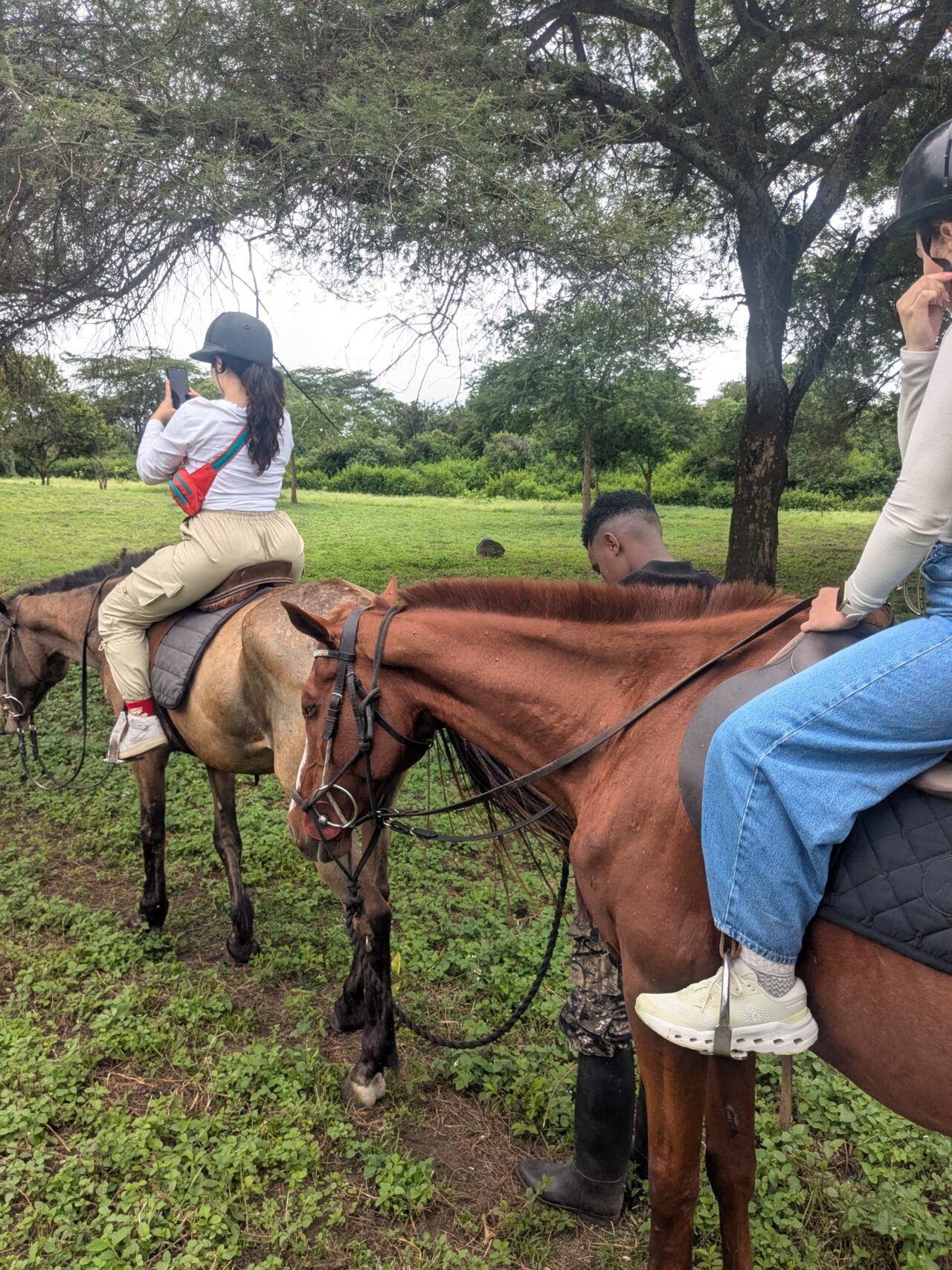
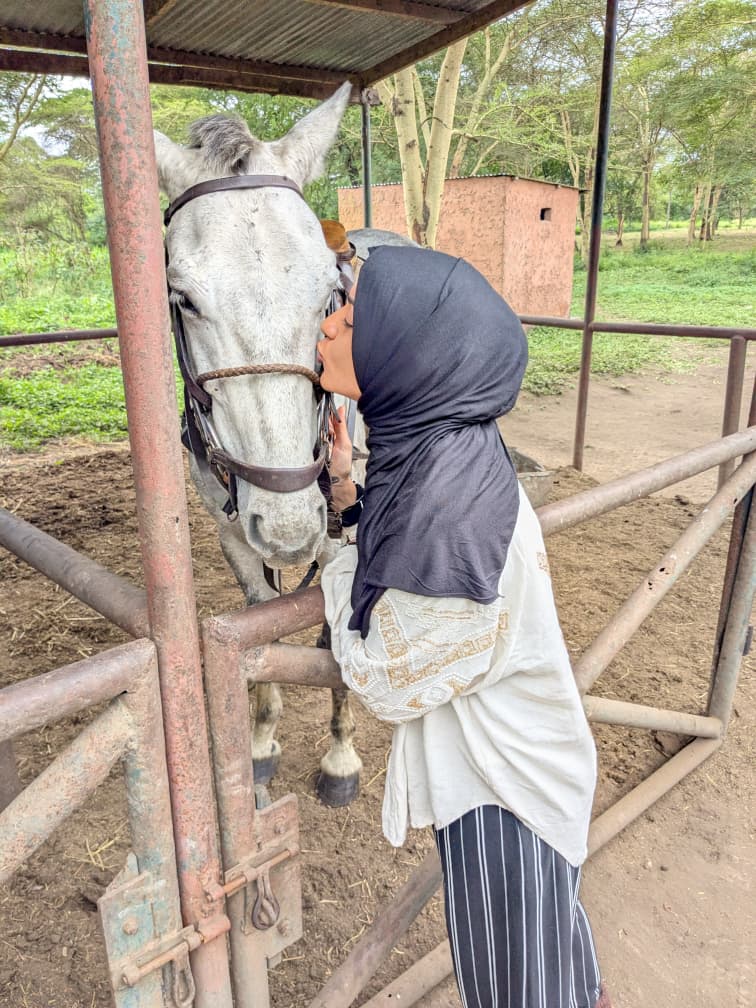
Imagine the wind in your hair, the rhythmic beat of hooves on African soil, and panoramic views of Mount Meru unfolding before you. A Mount Meru horse riding safari offers a perspective on Tanzania’s natural beauty that is both exhilarating and deeply immersive, setting it apart from traditional vehicle-based safaris. This isn’t just a tour; it’s an expedition into the heart of the wilderness, designed for those who crave connection with nature and a sense of true adventure. As you traverse the diverse landscapes surrounding this majestic, ancient volcano, you’ll encounter wildlife in a way that feels organic and respectful, a far cry from the hurried pace of other safaris. For travelers planning their 2026 or 2027 Tanzanian adventure, a horse riding safari near Mount Meru presents an unparalleled opportunity to create lasting memories.
Mount Meru, Tanzania’s second-highest peak, stands proudly as a guardian over the Arusha region, a dramatic and often overlooked counterpart to the more famous Mount Kilimanjaro. Its slopes and surrounding plains offer a rich ecosystem, supporting a variety of wildlife and providing a stunning backdrop for equestrian exploration. Unlike safaris confined to game drives, a horseback safari allows for closer, quieter encounters with animals, as horses are often perceived as less of a threat. This allows for moments of genuine observation, where you can witness natural behaviors unfold without disturbing the peace of the savanna. Whether you are an experienced rider or a novice looking for a guided adventure, the Mount Meru horse riding safari experience is meticulously crafted to ensure safety, comfort, and maximum enjoyment.
Why Choose a Horse Riding Safari Around Mount Meru?
The allure of a horse riding safari stems from its unique ability to blend adventure with intimacy. In Tanzania, particularly in the shadow of Mount Meru, this experience is elevated by the sheer scale and beauty of the environment. Here’s why this safari style stands out:
- Unparalleled Wildlife Encounters: Horses, being prey animals themselves, often allow for much closer and more naturalistic sightings of plains game like zebras, giraffes, antelopes, and various bird species. Your guide will expertly navigate you to areas where these animals are accustomed to the presence of horses, leading to unforgettable close-up moments.
- Access to Remote Areas: Horseback safaris can reach areas inaccessible by vehicles, taking you through dense bush, across rivers, and up scenic trails that offer secluded viewpoints. This means exploring pristine landscapes away from the main tourist tracks.
- A Deeper Connection to Nature: The rhythmic motion of the horse, the sounds of the bush, and the open skies create a profound sense of connection. It’s a sensory experience that truly immerses you in the African wilderness.
- Eco-Friendly Exploration: Horse riding is a low-impact way to travel, leaving minimal footprint on the environment. It aligns with sustainable tourism practices, allowing you to explore responsibly.
- Thrilling Adventure: For those seeking an adrenaline rush combined with natural beauty, the pace of a horse ride, from a gentle trot to a canter across open plains, adds an exciting dimension to your safari.
Understanding Mount Meru: The ‘Little Sister’ Volcano
Before embarking on your equestrian adventure, it’s beneficial to understand the context of Mount Meru itself. Located near Arusha, this stratovolcano is the fifth-highest mountain in Africa, standing at 4,566 meters (14,980 feet). While often overshadowed by Kilimanjaro, Meru possesses its own distinct character and ecological significance. Its caldera was partially destroyed in a massive eruption around 8,000 years ago, leaving behind a horseshoe-shaped crater rim. The mountain’s slopes are covered in diverse vegetation, from lush montane forests teeming with colobus monkeys and various birdlife to arid moorlands higher up. The plains surrounding its base are ideal for grazing and are home to a wealth of wildlife, making them perfect for a Mount Meru horse riding safari.
The lower slopes and surrounding areas of Mount Meru are part of protected conservation areas, including parts of Arusha National Park. This ensures a protected habitat for a wide array of animals, from large mammals like elephants, buffalos, and giraffes to smaller creatures and an incredible diversity of bird species. The unique geography, with its fertile volcanic soil and varied altitudes, supports this rich biodiversity. This makes the region not only a visually stunning landscape but also a vibrant ecosystem, offering incredible opportunities for wildlife viewing on horseback.
The Mount Meru Horse Riding Safari Experience: What to Expect
A typical Mount Meru horse riding safari is more than just a single activity; it’s often part of a broader safari itinerary, or it can be a dedicated multi-day experience. The duration can range from a few hours to several days, depending on your preference and the operator’s offerings. At Top Best Tanzania Tour Operator, we tailor these experiences to suit your comfort level and desired adventure.
Guided Rides for All Levels
Safety and enjoyment are paramount. Operators providing Mount Meru horse riding safaris work with experienced guides who are knowledgeable about the local terrain, wildlife, and, crucially, horsemanship. Whether you’re a seasoned rider or have never been on a horse before, there are options available. For beginners, gentle treks through flatter, open areas are common, focusing on acclimatization and enjoying the scenery. More experienced riders might opt for longer, more challenging routes that involve cantering across plains or navigating more varied terrain.
Hors are typically well-schooled and accustomed to safari environments. They range from sturdy Arabians to local breeds, chosen for their temperament and suitability for the terrain. You’ll be matched with a horse that complements your riding ability. Briefings on riding techniques and safety protocols are standard before each ride.
Typical Itinerary & Highlights
While itineraries vary, a multi-day Mount Meru horse riding safari might look something like this:
- Day 1: Arrival and Acclimatization. Arrive at the stables, meet your guides and horses. After introductions and a riding assessment, enjoy a short introductory ride in the late afternoon to get acquainted with your mount and the surrounding area. Overnight in comfortable lodge or tented camp.
- Day 2: Plains Exploration. After breakfast, set off for a full day’s ride across the open plains at the foot of Mount Meru. Expect sightings of zebras, wildebeest, giraffes, and various gazelles. Enjoy a picnic lunch in a scenic spot. Return to camp in the late afternoon.
- Day 3: Forest Trails and Views. Today’s ride takes you onto the lower slopes of Mount Meru, through the montane forest. Keep an eye out for monkeys, unique birdlife, and perhaps even buffalo. The views back towards the plains and distant Kilimanjaro are spectacular. This day often includes a packed lunch enjoyed amidst the trees.
- Day 4: River Crossings and Departure. A final morning ride might involve crossing small rivers or exploring different types of terrain before returning to the stables. Enjoy a final brunch before your onward journey.
For those seeking a shorter experience, half-day or full-day rides are readily available. These can be incorporated into a larger Tanzanian itinerary, perhaps after a Kilimanjaro trek or as part of a northern circuit safari in 2026 or 2027.
Accommodation Options
Accommodation during a Mount Meru horse riding safari can range from rustic but comfortable tented camps offering an authentic bush experience to more luxurious lodges with en-suite facilities. The choice often depends on the operator and the specific package. Expect cozy evenings around a campfire, sharing stories of the day’s adventures under the vast African sky.
Wildlife You Might Encounter on a Mount Meru Horse Safari
The plains and lower slopes around Mount Meru are a haven for wildlife. While no safari guarantees specific sightings, the area is known for a rich diversity of animals. On horseback, you have a unique advantage for quiet observation:
- Plains Game: Herds of zebras, wildebeest, Thomson’s gazelles, Grant’s gazelles, and impalas are common. You might also see warthogs, hartebeest, and topi.
- Giraffes: The graceful Masai giraffes are often seen browsing on acacia trees. They tend to be quite tolerant of horses, allowing for excellent photographic opportunities.
- Monkeys and Baboons: In the forested areas, troops of olive baboons and blue monkeys are frequently encountered.
- Buffalo: Large herds of African buffalo can sometimes be found in the grasslands, though they are best observed from a respectful distance.
- Elephants: While less common than in national parks like Tarangire or Serengeti, elephants do sometimes wander into the broader Meru region.
- Predators: Sightings of large predators like lions or leopards are rare on horse rides due to the inherent risks, but smaller predators such as serval cats or jackals might be spotted.
- Birdlife: The region boasts an impressive array of bird species, including various raptors, bustards, guinea fowl, weavers, and the striking lilac-breasted roller.
It’s important to remember that while horses can get closer to some animals, guides will always prioritize safety and ensure animals are not stressed. The goal is respectful observation, not disturbance.
Planning Your Mount Meru Horse Riding Safari for 2026-2027
Organizing a successful Mount Meru horse riding safari requires careful planning, especially if you are looking ahead to 2026 or 2027. Several factors need consideration:
Best Time to Travel
Tanzania’s climate is generally pleasant year-round, but certain periods are better suited for horseback safaris:
- Dry Seasons (June to October and December to February): These months offer sunny days, cooler temperatures, and minimal rain. The landscape is drier, making riding conditions generally excellent and wildlife more concentrated around water sources. This is often considered the peak season.
- Green Seasons (March to May and November): These months experience more rainfall, particularly the long rains from March to May. While the landscape is lush and beautiful, some trails might be muddy or impassable. However, fewer tourists mean a more exclusive experience, and birdlife is often at its most vibrant. Prices can sometimes be lower during these shoulder seasons.
For 2026 and 2027, booking during the dry seasons will likely offer the most predictable weather for your riding adventure. However, the green season can be incredibly rewarding for photographers and those seeking a quieter experience.
What to Pack
Packing appropriately is key to comfort and safety. For a Mount Meru horse riding safari:
- Riding Gear: Long trousers (jeans or riding breeches), comfortable closed-toe shoes (boots with a small heel are ideal), and long-sleeved shirts to protect from the sun and thorns. You may wish to bring your own riding helmet if you have a specific preference, though operators usually provide them.
- Sun Protection: A wide-brimmed hat (that can be secured), sunglasses, and high SPF sunscreen are essential.
- Clothing: Layers are recommended. Light, breathable clothing for daytime, and warmer layers (fleece, jacket) for cooler mornings and evenings.
- Insect Repellent: Especially important for evenings and if camping.
- Camera and Binoculars: To capture the stunning scenery and wildlife. Ensure you have extra batteries and memory cards.
- Personal Items: Personal medications, a small first-aid kit, hand sanitizer, and any personal toiletries.
- Water Bottle: A reusable water bottle is environmentally friendly.
Your tour operator will provide a more detailed packing list specific to your chosen itinerary.
Booking Your Safari
When planning for 2026 or 2027, early booking is highly recommended, particularly for peak season travel. This ensures availability for your preferred dates and accommodation.
Booking Window: For prime dates in 2026 and 2027, we advise booking at least 6-12 months in advance. This is especially true for custom itineraries or if you have specific accommodation requirements. For group departures, check availability well ahead of time.
Choosing the Right Operator
Selecting a reputable and experienced tour operator is crucial for a safe and memorable Mount Meru horse riding safari. Look for companies with:
- Experienced, qualified guides.
- Well-maintained horses and tack.
- A strong commitment to safety protocols.
- Positive reviews and a good reputation.
- Flexibility in customizing itineraries.
Top Best Tanzania Tour Operator is a leading choice for bespoke safari experiences, including unique horseback adventures. We pride ourselves on our local expertise, commitment to client safety, and ability to craft unforgettable journeys.
Safety Considerations for Horseback Safaris
Safety is always the top priority on any safari, and a Mount Meru horse riding safari is no exception. Reputable operators implement rigorous safety measures:
- Experienced Guides: Guides are trained in wildlife behavior, first aid, and emergency procedures. They are skilled riders themselves and understand how to manage horses in a safari environment.
- Horse Selection: Horses are chosen for their calm temperaments and suitability for safari work. They are accustomed to the sounds and sights of wildlife.
- Riding Briefings: Comprehensive briefings are provided before each ride, covering riding techniques, how to behave around wildlife, and emergency signals.
- Equipment: All riding equipment is regularly checked and maintained. Helmets are typically provided and recommended.
- Wildlife Management: Guides are trained to read animal behavior and maintain a safe distance, ensuring neither the riders nor the animals are put at risk. While encounters can be close, they are managed with respect for the wildlife.
It’s important for riders to follow all instructions from their guides promptly. Listen carefully during briefings and ask any questions you may have.
Beyond the Saddle: Other Activities Around Mount Meru
While the Mount Meru horse riding safari is a primary draw, the region offers other activities that can complement your adventure, especially if you’re planning a longer stay in 2026 or 2027:
- Mount Meru Trekking: For the truly adventurous, climbing Mount Meru offers a challenging but rewarding trek, often used as preparation for Kilimanjaro. It provides stunning views and diverse ecosystems.
- Arusha National Park Safaris: Explore the diverse landscapes of Arusha National Park, home to Mount Meru, the Momella Lakes, and the Ngurdoto Crater. Game drives here can reveal buffalos, giraffes, zebras, and a rich birdlife. Canoeing on the Momella Lakes is a unique experience.
- Cultural Visits: Engage with local communities. Visiting Maasai villages or local markets can offer insights into the vibrant cultures of Tanzania.
- Day Trips: Explore nearby attractions like the Shanga workshop (supporting disabled artisans), or enjoy leisurely walks in the scenic surroundings.
Combining a horse riding safari with these activities provides a well-rounded experience of the Arusha region and its natural and cultural heritage.
Comparing Horse Riding Safaris with Other Safari Types
To truly appreciate the unique offering of a Mount Meru horse riding safari, it’s helpful to compare it with other popular safari styles:
- Vehicle-Based Safaris (Game Drives): These are the most common type. They offer comfort, speed, and the ability to cover large distances. You can see a wide range of animals, including predators, from the safety of a 4×4 vehicle. However, they can be less immersive, and wildlife may become accustomed to or wary of vehicles.
- Walking Safaris: These offer a highly immersive experience, allowing you to engage all your senses. They are excellent for learning about tracking, smaller flora and fauna, and the subtle details of the bush. However, they are typically restricted to specific areas and may not be suitable for encountering large, potentially dangerous wildlife or covering vast distances.
- Canoe Safaris: Found in specific locations like the Momella Lakes or along the Rufiji River, canoe safaris offer a unique, water-level perspective on wildlife, particularly birds and animals coming to drink. They are quiet and non-intrusive but limited in scope.
A Mount Meru horse riding safari strikes a balance. It offers more immersion and access to certain areas than vehicle safaris, and greater range and potential for observing plains game than walking safaris. It provides a thrilling, active way to experience the landscape and its inhabitants.
Cost Considerations for Mount Meru Horse Riding Safaris
The cost of a Mount Meru horse riding safari can vary significantly based on factors such as the duration of the ride, the level of accommodation, whether it’s a private or group tour, and the season of travel. For planning purposes for 2026 and 2027, it’s useful to consider the following:
Estimated Price Ranges (per person, per day):
- Day Trips (Half-day or Full-day): These typically range from $150 to $350 USD, often including lunch, park fees, and guiding.
- Multi-Day Safaris (Including Accommodation & Meals): A 3-day/2-night horseback safari package might range from $750 to $2,000+ USD per person. This usually includes accommodation, all meals, park fees, horse hire, and guiding. Luxury lodges or more exclusive experiences will be at the higher end.
- Inclusions: Typically include horse hire, experienced guide, park entrance fees, meals (if multi-day), and accommodation.
- Exclusions: Often exclude tips for guides and staff, personal travel insurance, drinks, and any activities not specified in the itinerary.
Important Note: These are estimated ranges. For a precise quote tailored to your 2026 or 2027 travel plans, including specific dates, group size, and desired accommodation standard, it is best to contact us directly.
When comparing prices, ensure you understand what is included. A higher price often reflects better quality accommodation, more experienced guides, and a higher standard of horse care.
Making Your Booking for 2026-2027 with Top Best Tanzania Tour Operator
Choosing the right partner for your Mount Meru horse riding safari is essential for a trip that is both thrilling and secure. At Top Best Tanzania Tour Operator, we specialize in creating personalized safari experiences that capture the spirit of adventure and the beauty of Tanzania. We understand the nuances of planning a trip for future years, whether it’s for 2026 or 2027.
Our team of local experts is passionate about sharing the wonders of Mount Meru and its surroundings. We work with trusted stables and guides to ensure your horseback safari is exceptional. Whether you envision a short, exhilarating day ride or an extended multi-day equestrian expedition, we can craft an itinerary that perfectly matches your interests, budget, and riding experience.
We are committed to providing transparent pricing and detailed information so you can make informed decisions. Our goal is to make your planning process as smooth and enjoyable as the safari itself. Don’t hesitate to reach out to us to discuss your dream Mount Meru horse riding safari.
To start planning your unforgettable adventure, or for any inquiries regarding 2026-2027 bookings, please connect with us:
- WhatsApp: +255616946642
- Email: topguideadventures@gmail.com
- Backup Email: info@topguideadventures.com
Let us help you create the ultimate Mount Meru horse riding safari experience, a journey that promises breathtaking landscapes, incredible wildlife encounters, and memories to cherish for a lifetime.



