
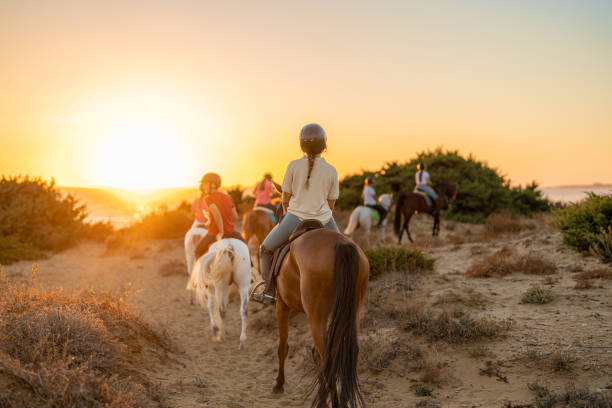
Arusha National Park, a jewel nestled at the foot of Mount Meru, offers a unique and exhilarating way to experience Tanzania’s natural wonders: horse riding. Far from the typical safari vehicle, traversing this diverse landscape on horseback provides an intimate connection with the environment and its inhabitants. For travelers planning their Tanzanian adventure for 2026 or 2027, seeking the best horse riding in Arusha National Park promises an unforgettable encounter with Africa’s wild heart.
This guide is crafted for those who dream of cantering alongside giraffes, observing buffalo from a respectful distance, and soaking in panoramic views of Mount Meru and the Momella Lakes, all while feeling the rhythm of a horse beneath them. We will explore why horse riding is an exceptional choice, what to expect in terms of experiences, wildlife viewing opportunities, practical considerations, and how to plan your perfect equestrian safari in this remarkable park.
Why Choose Horse Riding in Arusha National Park?
Arusha National Park is a sanctuary of varied ecosystems, from dense montane forests to open grasslands and alkaline lakes. Its relatively smaller size compared to other Tanzanian parks, combined with its manageable wildlife populations, makes it an ideal location for horse riding safaris. Unlike game drives where the engine noise can startle animals, horses allow for a more subtle approach, leading to closer and more natural wildlife interactions.
The advantages of horse riding here are manifold:
- Intimate Wildlife Encounters: Horses are a natural part of the African landscape. Many animals, such as zebras and giraffes, tend to be less wary of riders on horseback than they are of vehicles, allowing for incredibly close and respectful observation.
- Unique Perspectives: From horseback, you gain a different vantage point. You can navigate terrain that vehicles cannot, explore hidden valleys, and appreciate the sheer scale of Mount Meru and the surrounding vistas in a way that is simply not possible otherwise.
- Peace and Tranquility: Away from the rumble of engines, the sounds of nature take center stage – the rustling of leaves, the calls of birds, and the gentle hoofbeats of your horse. This creates a deeply immersive and peaceful experience.
- Accessibility: While Arusha National Park is accessible by road, horse riding opens up specific areas and trails that are particularly suited for equestrian exploration, offering a more exclusive feel.
- Adventure for All Levels: Whether you are an experienced rider or a novice, there are programs designed to suit your comfort and skill level, ensuring everyone can enjoy this extraordinary activity.
The Landscape and Wildlife: A Horse Rider’s Paradise
Arusha National Park is characterized by its stunning diversity. The park is home to Mount Meru, Tanzania’s second-highest peak, which provides a dramatic backdrop. The slopes of Meru are covered in lush montane forest, which transitions into moorland and eventually volcanic desert higher up. Below the mountain, the park features the stunning Momella Lakes, a series of shallow, alkaline lakes known for their vibrant colors and abundant birdlife, particularly flamingos. The Ngurdoto Crater, a collapsed volcanic cone, offers a microcosm of the park’s habitats and is often teeming with wildlife.
The wildlife you might encounter on a horse riding safari includes:
- Giraffes: The Masai giraffe is a common sight, often seen browsing peacefully in the acacia woodlands. Their sheer size and grace are awe-inspiring, and observing them from horseback is a highlight.
- Zebras: Herds of zebras are frequently spotted grazing in the open plains, their distinctive stripes creating a mesmerizing spectacle.
- Buffalo: While larger predators like lions and leopards are rare in Arusha National Park, you can encounter formidable herds of buffalo, which are best observed from a safe distance.
- Warthogs: These comical creatures are often seen trotting with their tails held high.
- Various Antelope Species: Including waterbucks, reedbucks, and dik-diks, which are often more easily approached on horseback.
- Abundant Birdlife: The Momella Lakes and surrounding areas are a birder’s paradise, with flamingos, various water birds, and forest species.
It’s important to remember that while Arusha National Park has a good variety of plains game, it is not known for the Big Five in the same way as the Serengeti or the Masai Mara. However, the unique experience of horse riding combined with the stunning scenery and the thrill of encountering these animals in a more natural setting makes it a truly special destination.
Types of Horse Riding Safaris in Arusha National Park
The best horse riding experiences in Arusha National Park are typically offered as guided excursions, ranging from half-day rides to multi-day treks. These are usually operated by specialized safari providers who have a deep understanding of the park, the horses, and safety protocols.
Day Horse Riding Trips
For those with limited time, a day trip provides an excellent introduction to equestrian safaris. These rides typically:
- Last between 2 to 5 hours.
- Focus on the scenic grasslands and forest edges of the park, often near the Momella Lakes or the base of Mount Meru.
- Allow for excellent opportunities to see giraffes, zebras, and various antelope species.
- Are suitable for riders of all experience levels, with guides providing instruction and support.
- Often include a picnic lunch in a picturesque location, offering a chance to rest and enjoy the surroundings.
These day trips are a fantastic way to break up a longer safari or to add a unique activity to a visit to Arusha town or a Kilimanjaro climb preparation/descent.
Multi-Day Horse Riding Treks
For a more immersive experience, multi-day horse riding treks are available, often incorporating camping within or near the park. These longer expeditions:
- Can last from 2 to 5 days or even longer, depending on the itinerary.
- Often involve riding up the slopes of Mount Meru, offering breathtaking views and a chance to explore different ecological zones.
- Include overnight stays in comfortable safari camps, allowing for a deeper connection with the wilderness.
- Provide opportunities to see a wider range of wildlife and experience the park’s diverse landscapes more thoroughly.
- Are best suited for intermediate to experienced riders due to the longer duration and potentially more challenging terrain.
These treks are truly the pinnacle of equestrian adventure in Arusha National Park, offering a chance to disconnect from the modern world and reconnect with nature in a profound way. Planning for 2026 or 2027, a multi-day trek is an excellent option for those seeking a truly distinctive safari.
Planning Your Horse Riding Adventure: Essential Considerations for 2026-2027
To ensure your horse riding safari in Arusha National Park is a success, careful planning is essential. Here are key factors to consider when booking your trip for 2026 or 2027:
Choosing the Right Operator
The quality of your experience hinges on selecting a reputable and experienced tour operator. Look for companies that:
- Specialize in horse riding safaris and have a proven track record in Arusha National Park.
- Employ experienced guides who are knowledgeable about horses, wildlife, and local conditions.
- Maintain well-cared-for, well-trained horses suitable for safari riding.
- Prioritize safety, with clear protocols and appropriate equipment.
- Offer flexible itineraries that can be tailored to your preferences and experience level.
For a personalized and expertly guided experience, consider contacting operators like Top Guide Adventures. They can help arrange tailor-made horse riding safaris as part of your broader Tanzanian travel plans. You can reach them via WhatsApp at +255616946642 or by emailing topguideadventures@gmail.com or info@topguideadventures.com.
Best Time to Visit for Horse Riding
Arusha National Park is a year-round destination, but certain periods offer more favorable conditions for horse riding:
- Dry Seasons (June to October and December to February): These months offer sunny days and minimal rainfall, making for comfortable riding conditions. The landscapes are drier, and visibility is generally excellent. This is often considered the best horse riding in Arusha National Park season for ease of travel.
- Shoulder Seasons (November and March to May): These months can be pleasant, but there’s a higher chance of rain, especially in April and May, which are the wettest months. However, the landscape is lush and green, and wildlife can be more concentrated around water sources. Rain can also mean fewer tourists.
For planning your 2026 or 2027 trip, the dry seasons are generally recommended for the most predictable weather. However, if you don’t mind occasional rain showers and prefer greener scenery, the shoulder seasons can also be rewarding.
Riding Experience and Fitness
Most operators cater to a range of abilities. However, it’s crucial to be honest about your riding experience:
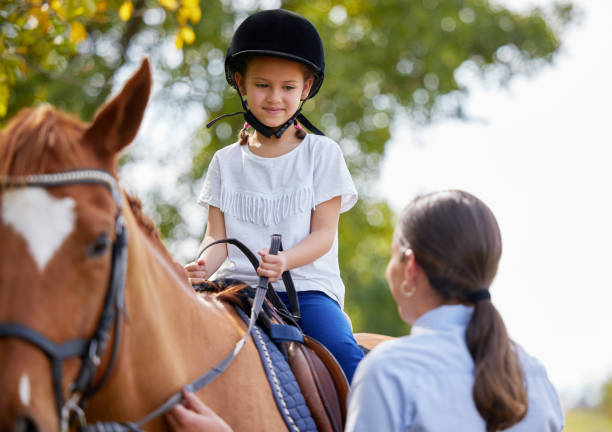
- Beginners: Short, gentle rides on well-trained horses are ideal. Guides will provide thorough instruction.
- Intermediate Riders: Can typically handle longer rides and slightly more varied terrain.
- Experienced Riders: Can opt for more challenging treks, longer distances, and faster paces where appropriate.
While not strenuous, a reasonable level of fitness is beneficial, especially for multi-day treks, as you’ll be spending several hours in the saddle each day. If you are planning a Kilimanjaro climb in conjunction with your safari, your fitness will likely be well-suited for longer rides.
What to Pack
Packing appropriately will significantly enhance your comfort and enjoyment:
- Riding Gear: Comfortable riding trousers (jodhpurs or breeches), sturdy boots with a small heel, and gloves are recommended. Many operators provide helmets, but you may prefer to bring your own if you have one you are accustomed to.
- Clothing: Lightweight, breathable layers are key. Long-sleeved shirts and trousers offer protection from the sun and insects. A fleece or warm jacket is essential for cooler mornings and evenings, especially if riding at higher altitudes on Mount Meru. A waterproof jacket is also advisable.
- Sun Protection: A wide-brimmed hat (worn in addition to a riding helmet if possible), sunglasses, and high SPF sunscreen are vital.
- Insect Repellent: Especially important for early mornings and evenings.
- Camera and Binoculars: To capture the stunning scenery and wildlife. Ensure you have waterproof protection for your equipment.
- Personal Items: Medications, a small first-aid kit, and any personal toiletries.
Safety and Insurance
Safety is paramount. Reputable operators will brief you thoroughly on riding techniques, wildlife etiquette, and emergency procedures. Ensure your travel insurance covers adventure activities like horse riding and any medical evacuation needs.
Costs and Booking for 2026-2027
The cost of horse riding in Arusha National Park varies depending on the operator, the duration of the ride, and whether it’s a private or group excursion. As of our latest information, you can expect:
- Day Trips: Prices can range from approximately $150 to $300 per person for a half-day or full-day ride, typically including the horse, guide, park fees, and sometimes lunch.
- Multi-Day Treks: These are more comprehensive and will include camping, meals, park fees, horses, and guides. Costs can range from $300 to $600+ per person per day, depending on the level of luxury and inclusions.
Important Note: These are estimated costs and can fluctuate due to park fee changes, operator pricing, and the specific inclusions of your package. It is always best to request a detailed quote. Booking well in advance, especially for 2026 and 2027 travel, is highly recommended, particularly if you are planning during peak seasons or require specific dates.
When comparing options for the best horse riding in Arusha National Park for your 2026-2027 adventure, consider the value offered, not just the price. A slightly higher cost might include better horses, more experienced guides, superior accommodation (for multi-day trips), and more comprehensive safety measures.
Booking Your 2026-2027 Arusha Horse Riding Safari
To secure your preferred dates and ensure a high-quality experience for your 2026 or 2027 trip, we recommend contacting specialist tour operators early. For personalized itineraries and expert advice on the best horse riding opportunities in Arusha National Park and beyond, reach out to:
Top Guide Adventures
WhatsApp: +255616946642
Email: topguideadventures@gmail.com or info@topguideadventures.com
They can assist with crafting the perfect safari, whether it’s a dedicated horse riding adventure or integrated into a larger Tanzanian exploration, including safaris across other famous parks or Kilimanjaro climbs.
Beyond the Saddle: Enhancing Your Arusha Experience
While horse riding is the focus, Arusha National Park and its surroundings offer much more. Consider combining your equestrian adventure with:
- Hiking Mount Meru: For the adventurous, a climb up Mount Meru offers spectacular views and a challenging trekking experience.
- Canoeing on the Momella Lakes: A serene way to observe birdlife and hippos from the water.
- Ngurdoto Crater Rim Walk: A guided walk offering panoramic views into the crater.
- Cultural Visits: Exploring local villages or markets near Arusha to understand Tanzanian culture.
- Other Safari Destinations: Arusha is a gateway to the Northern Circuit parks. Extend your trip with visits to Tarangire, Lake Manyara, the Serengeti, and the Ngorongoro Crater for a comprehensive Tanzanian safari experience. You can find inspiration for group departures and shared tours at our Tanzania Safari Group Departures page.
Many travelers also combine their safari plans with a trek up Kilimanjaro. If this is on your agenda for 2026 or 2027, the Machame route is a popular choice. Information on group departures can be found here: Machame Route Kilimanjaro Group Departures.
Frequently Asked Questions About Horse Riding in Arusha National Park
What is the best time of year for horse riding in Arusha National Park?
The dry seasons, from June to October and December to February, are generally considered the best for horse riding due to clear skies and minimal rain. However, the park is accessible year-round, and the shoulder seasons can offer lush landscapes.
Are there predators in Arusha National Park that I should be concerned about while horse riding?
Arusha National Park has very few predators, and encounters with dangerous animals like lions or leopards are extremely rare. The primary large mammals you’ll encounter are herbivores like giraffes, zebras, and buffalo. Guides are trained to manage encounters with all wildlife, including buffalo, ensuring safety.
Do I need to be an experienced rider to go on a horse riding safari?
No, not necessarily. Many operators offer rides suitable for beginners, with calm, well-trained horses and thorough instruction. However, for multi-day treks or more challenging routes, intermediate to experienced riders are usually preferred. Always communicate your experience level honestly when booking.
What should I wear for horse riding in Arusha National Park?
Comfortable riding attire is recommended, including long trousers (like jodhpurs), sturdy boots with a heel, and a long-sleeved shirt for sun protection. A helmet is essential, and most operators provide them, though you can bring your own. Layers are advisable for changing temperatures, along with sun protection (hat, sunglasses, sunscreen) and insect repellent.
What is the typical cost of horse riding in Arusha National Park?
Day trips can range from $150 to $300 per person. Multi-day treks are more comprehensive and can cost between $300 to $600+ per person per day, depending on inclusions and luxury level. It’s crucial to get a detailed quote from your chosen operator.
Can I combine horse riding with other activities in Arusha National Park?
Absolutely. Arusha National Park offers opportunities for hiking, canoeing, and guided walks. It’s also a convenient starting point for Northern Circuit safaris or Kilimanjaro climbs, making it a versatile destination for a 2026 or 2027 Tanzanian adventure.
Conclusion: Your Unforgettable Equestrian Journey Awaits
The best horse riding in Arusha National Park offers a profound connection with nature, blending adventure with tranquility. It’s an experience that transcends a typical safari, allowing you to move through the landscape with a grace and intimacy that few other activities can match. Whether you opt for a breathtaking day trip or an immersive multi-day trek, the memories forged on horseback amidst the stunning scenery of Arusha National Park will undoubtedly be a highlight of your 2026 or 2027 Tanzanian travels.
For expert guidance and to craft your personalized horse riding safari, we encourage you to connect with trusted local operators. Let Top Guide Adventures help you plan an extraordinary adventure. Reach them via WhatsApp at +255616946642 or email at topguideadventures@gmail.com or info@topguideadventures.com. Their expertise ensures your journey into the heart of Tanzania is safe, memorable, and perfectly tailored to your dreams.



