
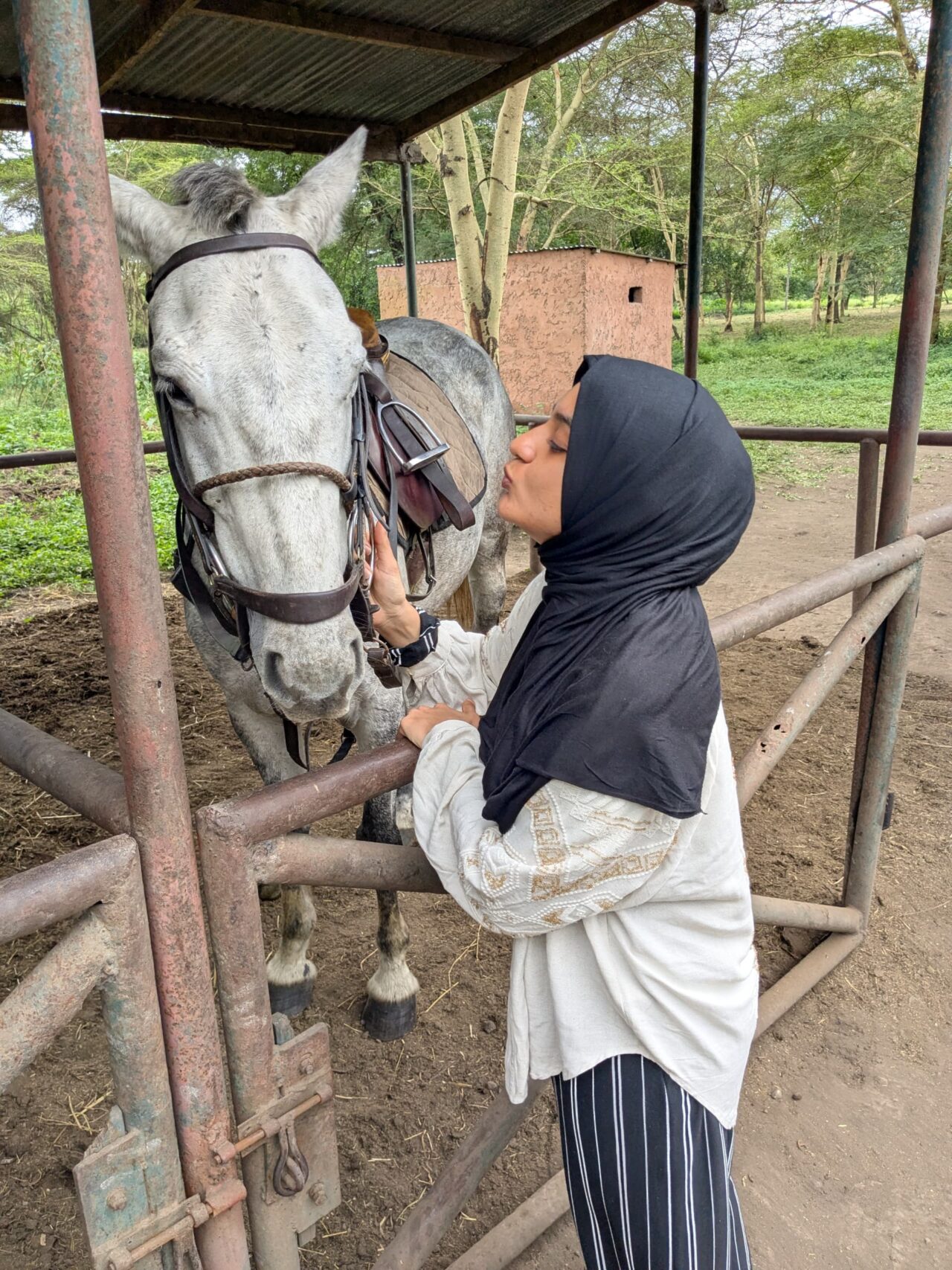
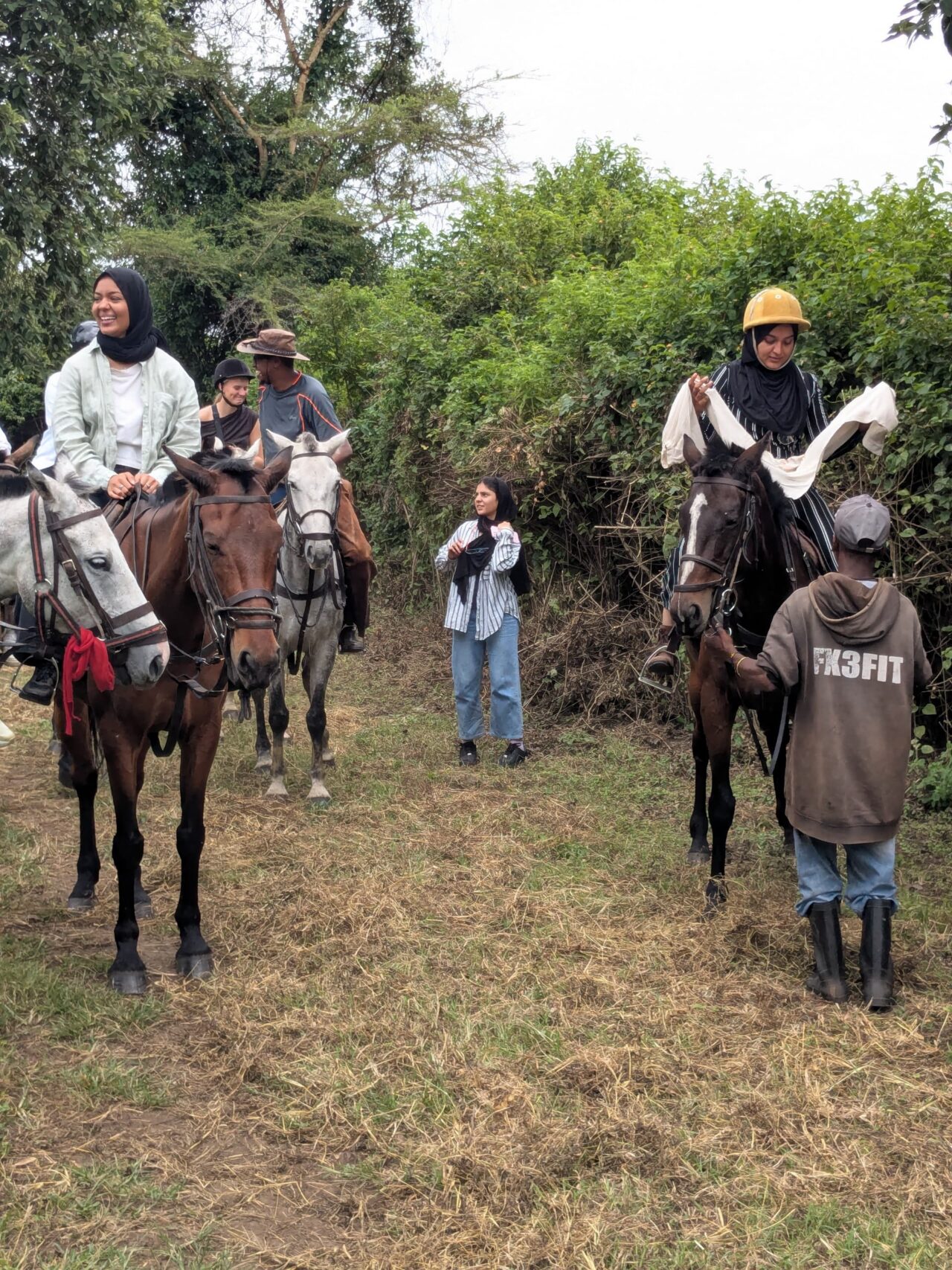
Arusha, the gateway to Tanzania’s northern safari circuit, offers more than just stunning wildlife viewing and Kilimanjaro climbs. For those seeking a unique perspective and a connection with the land, horseback riding presents an unforgettable way to explore the diverse landscapes surrounding this vibrant city. Whether you’re an experienced rider or a complete beginner, the opportunities to saddle up near Arusha are plentiful, promising adventure, cultural immersion, and breathtaking scenery. This guide is designed to answer the question: Where can I ride horses in Arusha?, providing detailed insights for planning your equestrian escapades in 2026 and 2027.
Discovering Arusha’s Equestrian Scene: Beyond the Safari Vehicle
While the iconic image of Tanzania often involves a safari vehicle navigating the plains, there’s a growing appreciation for more intimate and active ways to experience its natural beauty. Horseback riding allows you to move at a different pace, getting closer to nature and interacting with local communities in ways that might be missed otherwise. The areas around Arusha, from the foothills of Mount Meru to the open savannahs, provide ideal backdrops for these adventures. For travelers planning their trips for 2026 or 2027, understanding the available options will help you craft a truly memorable itinerary.
The appeal of horse riding in Arusha lies in its versatility. You can opt for a short, leisurely ride through local villages, gaining insight into daily life, or choose a longer, more adventurous safari where you might encounter wildlife from the saddle. The most popular locations and operators focus on providing safe, enjoyable, and authentic experiences, catering to various skill levels and interests. Let’s explore the primary destinations and types of horse riding experiences you can expect.
Key Locations and Operators for Horse Riding Near Arusha
When you ask, “Where can I ride horses in Arusha?”, the answer typically points to specific ranches, community projects, and tour operators who have established safe and scenic routes. These providers are often situated a short drive from Arusha town, offering convenient access for day trips or as part of a larger safari or trekking package.
1. The Arusha Coffee Lodge Estate & Surrounds
One of the most well-established and accessible places for horse riding is in the vicinity of the Arusha Coffee Lodge. This area offers picturesque landscapes characterized by lush coffee plantations, rolling hills, and stunning views of Mount Meru. The lodge itself, or nearby equestrian centers, often provide guided rides suitable for all levels.
What to Expect:
- Scenic Plantation Rides: Explore the beautiful coffee estates, learning about the cultivation process while enjoying the tranquility of the surroundings. These rides are generally gentle and focus on the scenic beauty.
- Introduction to Riding: For beginners, these rides are ideal. You’ll be paired with a well-trained horse and accompanied by an experienced guide who will ensure your safety and comfort.
- Wildlife Spotting (Limited): While not a full-blown game drive, you might encounter smaller wildlife like various bird species, monkeys, and perhaps even some antelopes within the estate boundaries.
- Convenience: Its proximity to Arusha makes it perfect for a half-day or full-day excursion.
Best For: Beginners, families, and those looking for a relaxed scenic ride close to Arusha.
2. Kili Horse Trails (Near Usa River/Arusha)
Kili Horse Trails is a prominent name when it comes to horseback adventures in the Arusha region. Located a bit further out, typically near Usa River, this operation specializes in longer, more immersive riding experiences that can range from a few hours to multi-day treks.
What to Expect:
- Diverse Terrain: Rides often traverse varied landscapes, including open grasslands, acacia woodlands, and sometimes venturing closer to the foothills of Mount Meru.
- Wildlife Encounters: These trails offer a greater chance of spotting wildlife. Depending on the route and time of year, you might see zebras, wildebeest, giraffes, various antelopes, and numerous bird species. The experience of seeing wildlife from horseback is truly special, offering a quiet and non-intrusive approach.
- Cultural Immersion: Some routes pass through Maasai villages, providing opportunities for respectful cultural exchange and learning about local traditions.
- Multi-Day Options: For the more adventurous, Kili Horse Trails offers the possibility of multi-day rides, often including camping or stays in lodges, allowing for a deeper exploration of the region.
- Experienced Guides: Their guides are knowledgeable about both the horses and the local environment, ensuring a safe and informative journey.
Best For: Intermediate to experienced riders, those seeking wildlife encounters, and travelers wanting a more adventurous or extended horseback safari.
3. Community-Based Projects and Local Ranches
Beyond the commercial operators, there are often smaller, community-driven initiatives or local ranches that offer horse riding. These can provide a more authentic, albeit sometimes less polished, experience. They often focus on local tourism and can be a fantastic way to support the community directly.
What to Expect:
- Authentic Local Experience: Rides might take you through local villages and farmlands, offering a genuine glimpse into rural Tanzanian life.
- Simpler Trails: The routes might be less about spotting large game and more about experiencing the local landscape and culture.
- Direct Community Support: Choosing these options often means your tourism spending directly benefits local families and projects.
- Varied Horse Quality: The horses may vary in training and temperament, so clear communication about your riding ability is crucial.
Best For: Travelers seeking authentic cultural experiences and those wanting to directly support local communities.
Planning Your Horse Riding Adventure in Arusha for 2026-2027
To make the most of your horse riding experience near Arusha, careful planning is essential. Considering the best time to visit, what to pack, and understanding the typical costs will ensure a smooth and enjoyable adventure for your 2026 or 2027 travels.
When is the Best Time to Ride?
Tanzania’s climate is generally favorable for outdoor activities year-round, but there are periods that are more ideal for horseback riding:
- Dry Seasons (June to October, and December to February): These are generally the best times. The weather is sunny and dry, with less humidity, making for comfortable riding. The landscapes are beautiful, and the dry conditions reduce the chances of muddy or impassable trails. Wildlife is also often more concentrated around water sources during the dry spells.
- Green Season (November, March to May): While these months can see more rainfall, especially from March to May, riding can still be possible. The landscapes are incredibly lush and vibrant after the rains. However, be prepared for potential downpours, which might occasionally lead to cancellations or altered routes. November can be a good transitional month.
Important Note for 2026-2027 Planning: Booking in advance is highly recommended, especially if you are planning to travel during the peak dry seasons (June-October) or around major holidays. Popular operators can fill up quickly.
What to Pack for Your Ride
Comfort and safety are key when packing for a horseback riding excursion:
- Riding Gear: While operators often provide helmets, bringing your own if you have one you prefer is an option. Long trousers (jeans or riding breeches) are essential to prevent chafing. Closed-toe shoes with a slight heel are recommended.
- Clothing: Lightweight, breathable clothing is best. Layers are advisable as temperatures can change throughout the day. A light jacket or fleece can be useful for cooler mornings or evenings.
- Sun Protection: A wide-brimmed hat (that can be worn under a helmet or on its own), sunglasses, and high-SPF sunscreen are crucial due to the strong equatorial sun.
- Insect Repellent: Especially important if riding in the late afternoon or near wooded areas.
- Camera: To capture the stunning scenery and memorable moments. Ensure you have a way to protect it from dust and sun.
- Water Bottle: Staying hydrated is vital. Many operators provide water, but having your own reusable bottle is good practice.
Understanding Costs and Booking Your Ride
The cost of horseback riding in Arusha can vary significantly based on the duration of the ride, the operator, and whether it’s a private or group excursion. For planning your budget for 2026 or 2027, consider the following:
- Short Rides (1-3 hours): These typically range from $70 to $150 per person. They often focus on scenic routes around plantations or local villages.
- Half-Day Rides (3-5 hours): Expect prices between $120 to $250 per person. These rides usually cover more ground and may include opportunities for wildlife viewing.
- Full-Day Rides: These can cost from $200 to $400+ per person, often including lunch and covering extensive areas with a higher chance of significant wildlife sightings.
- Multi-Day Treks: Prices for multi-day adventures are highly variable and depend on accommodation, duration, and inclusions. They can range from $300 to $600+ per day, per person.
Factors Influencing Price:
- Inclusions: Does the price include transfers from Arusha, lunch, drinks, park fees (if applicable), and guide services?
- Exclusivity: Private rides are always more expensive than group rides.
- Operator Reputation: Established operators with excellent safety records and well-maintained horses may charge a premium.
- Time of Year: While less common for horse riding than for safaris, peak seasons might see slightly higher rates.
Booking Recommendation: It is highly advisable to book your horse riding experience in advance, especially if you are planning for the popular travel months of 2026 or 2027. Working with a reputable tour operator can streamline this process. Companies like Top Best Tanzania Tour operator can help arrange smooth horse riding excursions as part of your broader Tanzanian itinerary. You can reach them via WhatsApp at +255616946642 or email at topguideadventures@gmail.com (backup: info@topguideadventures.com).
Important Considerations for Your Safety and Enjoyment
Horse riding, while exhilarating, requires attention to safety. Always listen to your guide, communicate any concerns you have about the horse or the trail, and be aware of your surroundings. Ensure the operator you choose prioritizes safety protocols, including well-maintained horses, appropriate tack, and experienced guides. For travelers planning their adventures for 2026 or 2027, choosing a provider with a proven track record is paramount.
Integrating Horse Riding into Your Tanzania Itinerary
Horse riding near Arusha can be a fantastic standalone activity or a wonderful addition to a more comprehensive Tanzanian adventure. Here are a few ideas on how to integrate it:
1. Pre- or Post-Kilimanjaro Trek Add-on
After a challenging climb of Mount Kilimanjaro, a gentle horseback ride can be a therapeutic and scenic way to relax and reflect. Conversely, a ride before your trek can be a great way to acclimatize to the altitude and enjoy the stunning views of Kilimanjaro from a different perspective. Consider this for your 2026 or 2027 trekking plans.
2. Day Trip from Arusha
If you have a day to spare before heading into the national parks or after returning from a safari, a half-day or full-day horse ride is an excellent option. It provides a break from the vehicle and a chance to experience the local environment up close.
3. Part of a Cultural Tour
Combine horse riding with visits to local Maasai communities or agricultural projects. This offers a multi-faceted cultural experience, blending the thrill of riding with authentic interactions and learning opportunities.
4. Extended Horseback Safari
For the truly adventurous, multi-day horseback safaris can be arranged, offering an immersive experience in remote areas. These are less common directly from Arusha town but are often operated from lodges or camps situated further afield, accessible with prior arrangement.
What to Expect from Wildlife Encounters on Horseback
One of the most thrilling aspects of horseback riding in Tanzania is the potential for wildlife encounters. Unlike in a vehicle, horses are natural prey animals, and their presence can sometimes allow for surprisingly close, yet respectful, encounters with certain species.
- Giraffes: Seeing giraffes gracefully move through the acacia trees from the back of a horse is an awe-inspiring experience. Your horse’s calm demeanor is key here.
- Zebras and Wildebeest: Herds of these iconic plains animals are often encountered. They may graze peacefully or move away slowly as you approach, allowing for incredible photographic opportunities.
- Antelopes: Various species of antelope, such as impalas, gazelles, and waterbucks, are common sights.
- Birds: The avian life is abundant. Riding through grasslands and woodlands offers excellent birdwatching opportunities, from colorful rollers to majestic eagles.
- Elephants and Big Cats: While possible in some remote areas, encountering large predators like lions or elephants on horseback is less common and depends heavily on the specific location and operator. Experienced guides will prioritize safety and know when to keep a safe distance or avoid areas with high concentrations of dangerous game. For dedicated big game viewing, traditional safaris remain the primary method.
Key to Success: The success of wildlife viewing on horseback hinges on the skill of your guide and the temperament of your horse. Reputable operators ensure their horses are well-trained and accustomed to wildlife, and their guides are experts at reading animal behavior and ensuring rider safety. Planning for 2026 or 2027 trips means selecting operators who excel in this area.
Choosing the Right Horse and Guide
Your experience will be greatly enhanced by the quality of the horse you ride and the expertise of your guide. When you inquire about where you can ride horses in Arusha, ask about these specifics:
- Horse Temperament: Are the horses well-trained, calm, and suitable for riders of varying experience levels? Operators should have a good selection of horses to match riders appropriately.
- Guide Experience: Look for guides who are knowledgeable about the local flora and fauna, experienced in handling horses in the bush, and certified or highly recommended. They should be able to share insights into the environment and culture.
- Safety Protocols: What safety measures are in place? This includes the provision of helmets, the condition of the tack (saddles, bridles), and emergency procedures.
For 2026-2027 travelers: It’s worth researching reviews and testimonials specifically mentioning the quality of horses and guides. Working with a trusted tour operator like Top Best Tanzania Tour operator can help ensure you are connected with providers who meet high standards.
Frequently Asked Questions About Horse Riding in Arusha
Here are some common questions potential riders might have:
Is horse riding suitable for beginners?
Yes, most operators offer rides specifically designed for beginners. These are usually on well-trained, calm horses over gentle terrain, with experienced guides providing instruction and support.
What is the weight limit for riders?
Weight limits vary by operator and horse, but typically range from 90kg to 110kg (approx. 200-240 lbs). It’s essential to check with the operator when booking.
Can children ride horses?
Yes, children are often welcome, provided they meet a minimum age and are comfortable on horseback. Some operators have specific family rides or ponies for younger children. Parental supervision is usually required.
What happens if the weather is bad?
If the weather is deemed unsafe for riding (e.g., heavy rain, thunderstorms), operators will typically offer to reschedule the ride or provide a refund. This is a common consideration for trips planned in 2026 or 2027.
Do I need travel insurance?
It is always recommended to have comprehensive travel insurance that covers adventure activities, including horseback riding, for any trip, including those planned for 2026 and 2027.
Conclusion: Your Arusha Equestrian Adventure Awaits
So, to answer the question, Where can I ride horses in Arusha?, the opportunities are diverse and rewarding. From the tranquil coffee plantations to the more adventurous trails offering wildlife sightings and cultural insights, there is an equestrian experience to suit every traveler. By planning ahead, considering the best times to visit, packing appropriately, and choosing reputable operators, you can ensure your horseback riding adventure in Arusha is a highlight of your 2026 or 2027 Tanzanian journey.
For personalized assistance in crafting your perfect Arusha horseback riding experience, whether as a standalone day trip or integrated into a larger safari or Kilimanjaro trek, don’t hesitate to contact the experts. Top Best Tanzania Tour operator is ready to help you plan an unforgettable adventure. Reach out via WhatsApp at +255616946642, email us at topguideadventures@gmail.com, or use our backup email info@topguideadventures.com. Let us help you explore Tanzania from a unique and exhilarating perspective.



