
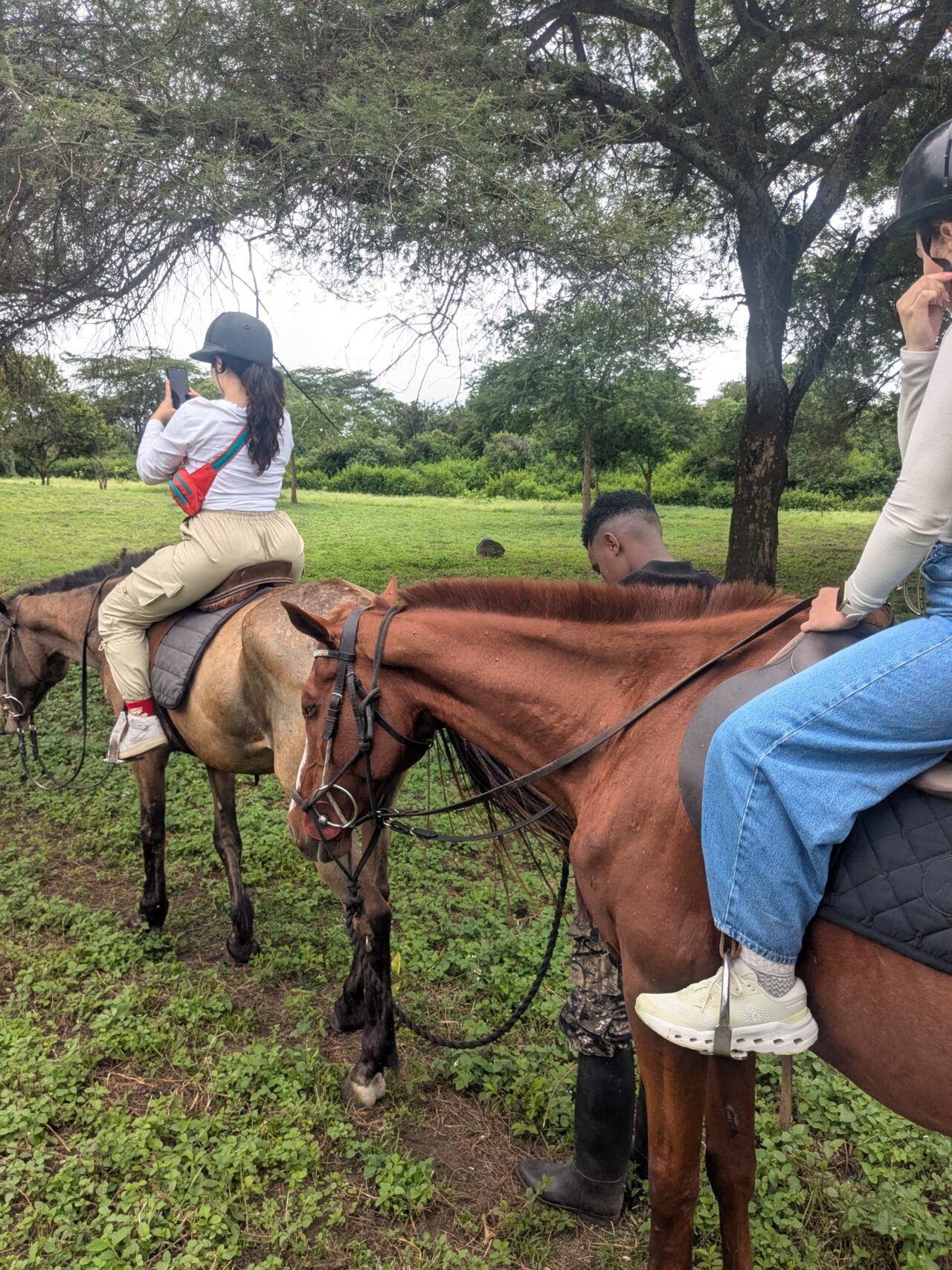
The majestic silhouette of Mount Kilimanjaro, a dormant volcano that crowns the Tanzanian landscape, is an iconic image recognized worldwide. Many travelers dream of trekking its slopes, witnessing its breathtaking sunrises, and achieving the summit. But what about experiencing the diverse environments surrounding this natural wonder from a different perspective? Specifically, a question many adventure enthusiasts ponder is: Can you ride horses near Kilimanjaro? The answer is a resounding yes, and it opens up a world of unique and memorable ways to explore the foothills and surrounding plains.
For those planning their Tanzanian adventure for 2026 or 2027, incorporating an equestrian experience near Kilimanjaro offers a fantastic complement to trekking or safari activities. Imagine cantering across savannahs dotted with acacia trees, with Kilimanjaro’s snow-capped peak as your constant, awe-inspiring backdrop. This isn’t just a fleeting thought; it’s a tangible and thrilling possibility that Top Best Tanzania Tour operator is proud to facilitate.
Discovering the Kilimanjaro Foothills on Horseback
The areas around Kilimanjaro are rich in natural beauty and cultural heritage. While much of the focus naturally falls on the mountain itself, the lower altitudes present a vibrant ecosystem teeming with wildlife and inhabited by local communities with deep connections to the land. Horse riding provides an intimate and unhurried way to connect with this environment, allowing you to cover more ground than walking but with a far more immersive experience than a vehicle.
Several types of equestrian adventures are available, catering to various interests and fitness levels. These range from gentle rides through local villages and farmlands to more adventurous excursions into wildlife-rich areas where you might spot giraffes, zebras, and various antelopes from the saddle. The key is understanding the different options and how they integrate with your broader travel plans for 2026-2027.
Village and Cultural Rides
One of the most popular and accessible forms of horse riding near Kilimanjaro involves exploring the local Chagga communities and their agricultural lands. These rides typically take place on the fertile lower slopes of the mountain. You’ll ride through coffee plantations, banana groves, and past traditional homesteads, offering a fascinating glimpse into the daily lives and rich culture of the Chagga people. These excursions are often led by local guides who share insights into farming techniques, local customs, and the history of the region.
These rides are generally suitable for beginners and families, as the pace is relaxed and the terrain is relatively gentle. The horses are often well-trained and accustomed to carrying riders of varying experience. It’s a wonderful way to engage with the local community in a meaningful way, supporting sustainable tourism initiatives that benefit the people who call this region home. For travelers planning ahead for 2026 or 2027, booking a cultural horse ride can be a highlight, offering authentic interactions away from the main tourist trails.
Wildlife Encounters from the Saddle
For those seeking a more wild and adventurous experience, horse riding safaris in areas adjacent to Kilimanjaro National Park offer unparalleled opportunities for wildlife viewing. These rides often take place on the open plains and savannahs that stretch towards Tsavo National Park in Kenya, or in conservancy areas managed for wildlife protection. Here, the presence of Kilimanjaro looming in the distance adds an extraordinary dimension to the safari experience.
Imagine riding alongside a herd of zebras, observing giraffes gracefully feeding from acacia trees, or spotting wildebeest on their migration routes – all while mounted on horseback. This offers a unique vantage point, allowing you to approach wildlife more quietly and naturally than in a vehicle. The thrill of being in close proximity to these magnificent creatures in their natural habitat, with the iconic mountain as a backdrop, is an experience that stays with you long after your trip.
These rides are typically for more experienced riders, as the terrain can be more challenging, and encounters with larger wildlife require a good level of confidence and skill. The duration of these safaris can vary from a few hours to several days, often including overnight camping under the stars. If you’re considering a 2026-2027 safari that combines adventure with unique wildlife viewing, a horseback safari near Kilimanjaro should definitely be on your radar.
Practical Considerations for Horse Riding Near Kilimanjaro in 2026-2027
When planning your equestrian adventure, several practical aspects need to be considered to ensure a safe, enjoyable, and well-organized experience. As a leading tour operator in Tanzania, Top Best Tanzania Tour operator emphasizes thorough preparation for all our clients, whether they are trekking Kilimanjaro, going on safari, or enjoying a horseback ride.
Choosing the Right Operator
The quality and safety of your horse riding experience heavily depend on the operator you choose. Reputable operators prioritize the welfare of their horses, employ experienced guides, and adhere to strict safety protocols. For travelers planning their 2026 or 2027 trips, it’s crucial to research and select operators with a proven track record, positive reviews, and a commitment to responsible tourism.
Top Best Tanzania Tour operator works with trusted local partners who share our values. We ensure that the horses are well-cared for, healthy, and matched to the rider’s experience level. Our guides are knowledgeable about the local environment, wildlife, and equestrian skills, ensuring both safety and an enriching experience. You can reach us directly for inquiries and bookings via WhatsApp +255616946642 or email us at topguideadventures@gmail.com.
Rider Experience and Fitness Levels
Horse riding experiences are typically categorized based on the rider’s ability. Beginners can enjoy gentle rides through scenic landscapes, while intermediate and experienced riders can opt for faster-paced rides or longer excursions with more challenging terrain and wildlife encounters.
- Beginner Rides: Focus on scenic trails, cultural insights, and a relaxed pace. Suitable for all ages and abilities.
- Intermediate Rides: May involve longer distances, varied terrain, and the potential for encountering more wildlife at a distance. Requires basic riding skills.
- Advanced Rides: For experienced riders seeking thrilling encounters, faster paces, and potentially multi-day adventures. Requires strong riding ability and confidence.
When booking for 2026-2027, be honest about your riding experience. This ensures you are matched with the appropriate ride and horse, maximizing your enjoyment and safety.
What to Pack
Appropriate clothing and gear are essential for a comfortable and safe horse riding experience. While operators usually provide horses and basic safety equipment, riders should bring:
- Comfortable Trousers: Long trousers, such as riding pants or jeans, are recommended to prevent chafing.
- Closed-toe Shoes: Sturdy, closed-toe shoes with a slight heel are ideal for keeping your feet secure in the stirrups.
- Sun Protection: A wide-brimmed hat or cap, sunglasses, and high-SPF sunscreen are crucial due to the strong equatorial sun.
- Lightweight Layers: The weather can change, so bring layers of clothing that can be easily added or removed. A light jacket or fleece is advisable for cooler mornings or evenings.
- Insect Repellent: Especially important for rides that venture into wildlife areas or take place during dawn/dusk.
- Water Bottle: Staying hydrated is vital.
Helmets are usually provided and are highly recommended, regardless of experience level. Always confirm with your operator what is included.
Best Time to Ride Horses Near Kilimanjaro
The best time for horse riding near Kilimanjaro generally aligns with Tanzania’s dry seasons, which offer pleasant weather and clearer skies. These periods are also ideal for general tourism, including Kilimanjaro treks and safaris, making them popular choices for 2026 and 2027 travel.
- June to October (Long Dry Season): This is arguably the peak season. Skies are typically clear, temperatures are moderate, and rainfall is minimal. It’s excellent for both riding and wildlife viewing.
- December to February (Short Dry Season): Another favorable period with less rain, though it can be hotter than the June-October window. This period often coincides with the calving season for wildebeest in the Serengeti, adding another layer of excitement to potential wildlife encounters.
The shoulder seasons (March-May and November) can also be good, but they carry a higher risk of rain, which might affect the riding experience. Planning your 2026-2027 trip during the dry seasons will maximize your chances of a smooth and enjoyable horseback adventure.
Integrating Horse Riding into Your 2026-2027 Tanzania Itinerary
The beauty of horse riding near Kilimanjaro is its versatility. It can be a standalone activity or a fantastic addition to a larger Tanzanian itinerary. Whether you’re an avid trekker preparing for Kilimanjaro or a safari enthusiast looking for unique experiences, here’s how you can weave it in.
Pre-Trek Kilimanjaro Adventure
Many climbers choose to spend a few days acclimatizing in the Kilimanjaro region before their ascent. A horseback ride through the foothills is an excellent way to gently engage with the environment, experience local culture, and enjoy the stunning scenery without the strenuous demands of trekking. It can be a relaxing and culturally enriching way to prepare mentally and physically for the climb ahead. For those planning a 2026 or 2027 Kilimanjaro climb, consider adding a day of horse riding a few days before your trek begins.
Post-Safari Relaxation and Exploration
After an exhilarating safari in the northern circuit parks (Serengeti, Ngorongoro, Tarangire), returning to the Kilimanjaro region offers a change of pace. Instead of heading straight to the airport or your next destination, spend a day or two exploring the areas around the mountain. A horseback ride offers a peaceful yet engaging way to reflect on your safari experiences while enjoying the unique landscapes and local life.
A Standalone Kilimanjaro Region Experience
For travelers who are not trekking Kilimanjaro or going on a traditional safari, the Kilimanjaro region itself offers a rich destination. Combining a cultural horse ride with visits to local markets, waterfalls, and coffee tours provides a comprehensive experience of northern Tanzania. This can be a perfect option for those looking for a more off-the-beaten-path adventure for their 2026-2027 travels.
Combining with Other Activities
Horse riding can be seamlessly combined with other activities in the region:
- Coffee Tours: Many riding stables are located in coffee-growing areas, allowing you to combine a ride with a tour of a local coffee plantation.
- Chagga Caves Exploration: Some riding excursions can include visits to historical Chagga caves, used during tribal wars.
- Waterfalls: Lush vegetation around Kilimanjaro hides beautiful waterfalls, which can sometimes be incorporated into longer riding routes or visited on foot after a ride.
When planning your 2026-2027 itinerary with Top Best Tanzania Tour operator, discuss your interests, and we can help craft a personalized itinerary that includes the perfect blend of adventure and cultural immersion, with horse riding as a central element or a delightful addition.
The Unique Benefits of Horse Riding Over Other Activities
While Kilimanjaro trekking and safaris are undoubtedly spectacular, horse riding offers distinct advantages and a different kind of connection with the environment and its inhabitants.
Intimacy with Nature
Riding a horse allows for a much more intimate connection with the natural world than a vehicle safari. You are at the same level as grazing animals, your senses are fully engaged by the sights, sounds, and smells of the bush, and the quiet rhythm of the horse’s gait allows for peaceful observation. You can hear the birds singing, the rustle of leaves, and the distant calls of wildlife in a way that is impossible from within a safari vehicle.
Reduced Environmental Impact
Compared to motorized vehicles, horses have a significantly lower environmental impact. They are quiet, produce no emissions, and their hooves generally cause minimal disturbance to the terrain, especially on established trails. This aligns with the growing desire among travelers in 2026 and 2027 for more sustainable and eco-friendly travel options.
Enhanced Wildlife Viewing Potential
While not always guaranteed, horses can sometimes get closer to certain wildlife species than vehicles. Animals may perceive a horse and rider as less of a threat than a large vehicle, allowing for more prolonged and intimate viewing opportunities. This is particularly true for plains game like zebras, wildebeest, and gazelles. However, it’s crucial to remember that safety always comes first, and guides will manage encounters responsibly.
Cultural Immersion
As mentioned, horse riding through agricultural lands and villages provides a unique opportunity for cultural exchange. The slower pace allows for interaction with local people, observation of their daily routines, and a deeper understanding of their relationship with the land. This is a perspective often missed by those solely focused on wildlife or mountain climbing.
Adventure and Thrill
For many, the sheer thrill of riding a horse through the African landscape is an adventure in itself. The feeling of freedom, the connection with the animal, and the potential for unexpected wildlife encounters create an exhilarating experience that stands apart from other travel activities.
Planning Your 2026-2027 Kilimanjaro Horse Riding Expedition with Top Best Tanzania Tour Operator
At Top Best Tanzania Tour operator, we are passionate about creating unforgettable travel experiences that showcase the best of Tanzania. Our expertise extends beyond Kilimanjaro treks and safaris to include unique activities like horse riding, ensuring our clients have diverse and enriching adventures.
When you choose us for your 2026 or 2027 trip, you benefit from:
- Expert Local Knowledge: We have deep roots in Tanzania and understand the best locations, operators, and guides for horse riding experiences.
- Customized Itineraries: We tailor every trip to your specific interests, budget, and timeframe. Whether you want a single day ride or a multi-day horseback safari, we can arrange it.
- Safety and Quality Assurance: We partner only with operators who meet our high standards for animal welfare, guide expertise, and safety protocols.
- smooth Integration: We excel at combining horse riding with other popular Tanzanian activities like Kilimanjaro climbs, wildlife safaris, and cultural tours.
Cost Guidance for 2026-2027 Horse Riding Packages:
The cost of horse riding near Kilimanjaro can vary significantly based on the duration, type of ride, and inclusions. Generally, you can expect:
- Half-Day Rides (3-4 hours): Often range from $70 to $150 per person, typically including a guide, horse, and basic amenities. These are great for cultural village rides.
- Full-Day Rides (6-8 hours): May cost between $150 to $300 per person, potentially including lunch and covering more ground, possibly with some wildlife viewing opportunities.
- Multi-Day Horseback Safaris: These are more comprehensive and can range from $250 to $500+ per person per day. Prices depend heavily on accommodation (camping vs. lodges), the remoteness of the area, and the level of guiding and support provided. These are the most immersive options for wildlife encounters.
These are indicative prices for 2026-2027 and can be influenced by seasonal demand and specific inclusions. We recommend contacting us for a personalized quote based on your desired experience.
Booking Your Adventure:
Ready to explore the stunning landscapes around Kilimanjaro from the back of a horse? Whether you’re planning for 2026 or 2027, or even sooner, we are here to help you create an extraordinary journey. Don’t hesitate to reach out to our team for expert advice and to begin planning your unforgettable Tanzanian adventure. You can connect with us via WhatsApp +255616946642, email us at topguideadventures@gmail.com, or use our backup email info@topguideadventures.com. We look forward to helping you answer the question ‘Can you ride horses near Kilimanjaro?’ with an experience you’ll cherish forever.



