
When considering a Tanzania safari, many minds immediately jump to the iconic Serengeti or the Ngorongoro Crater. However, for those seeking a more expansive, wilder, and less crowded experience, the southern circuit, particularly the Selous Game Reserve (now officially known as Nyerere National Park), offers an unparalleled adventure. Planning your Selous Tanzania safari for 2026 or 2027 promises an encounter with raw, untamed Africa, distinct from its northern counterparts.
This guide is crafted to provide you with an in-depth understanding of what makes a Selous safari so special, covering everything from its unique ecosystem and wildlife to the best times to visit, activities available, and how to arrange your trip with trusted local experts. Whether you are a seasoned safari-goer looking for a new perspective or a first-time visitor aiming for an authentic African wilderness immersion, Nyerere National Park is a destination that will captivate your senses.
Why Choose Nyerere National Park (Selous) for Your 2026-2027 Tanzania Safari?
The Selous Game Reserve, renamed Nyerere National Park in 2019 to honor the first president of Tanzania, Julius Nyerere, is one of the largest game reserves in Africa. Spanning over 50,000 square kilometers, its sheer scale is breathtaking. Unlike the more enclosed ecosystems of the north, Nyerere National Park offers a vast, contiguous wilderness that allows animals to roam freely across immense distances. This expansive landscape is characterized by diverse habitats, including miombo woodlands, open grasslands, acacia scrub, and the mighty Rufiji River and its tributaries, which form a vital network of lakes and channels.
The primary draw of Nyerere National Park for a Selous Tanzania safari is its incredible biodiversity and the unique way you can experience it. While it boasts healthy populations of the “Big Five” – lion, leopard, elephant, buffalo, and rhino (though rhinos are rare and protected) – it is perhaps most famous for its large herds of African wild dogs, a species that is increasingly endangered elsewhere. The reserve also teems with hippos and crocodiles, particularly along the Rufiji River, and is a haven for a staggering variety of birdlife.
The experience here is fundamentally different from the northern parks. The terrain is flatter and more open in some areas, allowing for excellent game viewing, but it also features dense bush and riverine forests, providing excellent hiding spots for elusive predators. The Rufiji River is the lifeblood of the park, offering unique safari activities like boat safaris that bring you eye-to-eye with hippos, crocodiles, and a plethora of water birds. This aquatic element adds a distinct dimension to the traditional game drive.
For travelers planning their trips for 2026 or 2027, choosing Nyerere National Park means opting for a safari that feels more remote and adventurous. It’s a destination that appeals to those who appreciate wild, unspoiled nature and are looking for an experience that goes beyond the typical tourist trail. The sense of space and the feeling of being truly immersed in the African wilderness are profound here.
Wildlife Highlights of Nyerere National Park
A Selous Tanzania safari is an opportunity to witness a rich array of wildlife in a relatively undisturbed environment. The park’s vastness supports significant populations of many iconic African species:
- Elephants: Large herds are a common sight, often seen bathing in the Rufiji River or browsing in the woodlands.
- Buffalo: Enormous herds of Cape buffalo can be encountered, particularly near water sources.
- Lions: While often found in smaller prides compared to the Serengeti, lions are present and actively hunted, especially in the southern parts of the park.
- Leopards: These elusive cats are more common here than in many other parks, though sightings still require luck and a skilled guide.
- Wild Dogs: Nyerere National Park is one of the best places in Africa to see the endangered African wild dog. Their pack dynamics and hunting prowess are a spectacular sight.
- Hippos and Crocodiles: The Rufiji River system is home to thousands of hippos and Nile crocodiles, often seen basking on the banks or submerged in the water. Boat safaris offer incredible close-up views.
- Giraffes: Maasai giraffes are a common sight, often seen feeding from the acacia trees.
- Zebras and Wildebeest: While not migrating in the same massive numbers as in the north, herds of plains zebra and various species of wildebeest are present.
- Other Mammals: Expect to see various antelopes including waterbuck, impala, kudu, sable antelope, and hartebeest, as well as warthogs, baboons, and monkeys.
The birdlife in Nyerere National Park is equally impressive, with over 400 species recorded. Birdwatchers can look forward to sightings of kingfishers, fish eagles, herons, storks, bee-eaters, hornbills, and many more, especially around the Rufiji River and its associated wetlands.
Unique Safari Activities in Selous
What truly sets a Selous Tanzania safari apart are the diverse range of activities available, catering to different preferences and offering unique perspectives on the wildlife and landscape. These are often more varied than in the northern parks, contributing to the park’s adventurous appeal.
Boat Safaris on the Rufiji River
This is arguably the most iconic activity in Nyerere National Park. A boat safari on the Rufiji River or its network of lakes provides an intimate encounter with the aquatic life. Glide past pods of hippos wallowing in the water, watch crocodiles basking on the riverbanks, and observe a dazzling array of water birds. The gentle pace allows for exceptional photographic opportunities and a tranquil appreciation of the environment. These safaris are usually conducted in the morning or late afternoon when wildlife is most active.
Walking Safaris
For those who wish to connect with the bush on foot, walking safaris are a must. Led by experienced and armed rangers, these excursions offer a sensory experience that game drives cannot replicate. You’ll learn about the smaller details of the ecosystem – tracking animal footprints, identifying medicinal plants, understanding insect life, and appreciating the vastness of the landscape from a completely different perspective. Walking safaris are conducted in designated areas and are a thrilling way to experience the wild. These are particularly popular for travelers looking for a more immersive 2026-2027 Tanzania safari adventure.
Game Drives
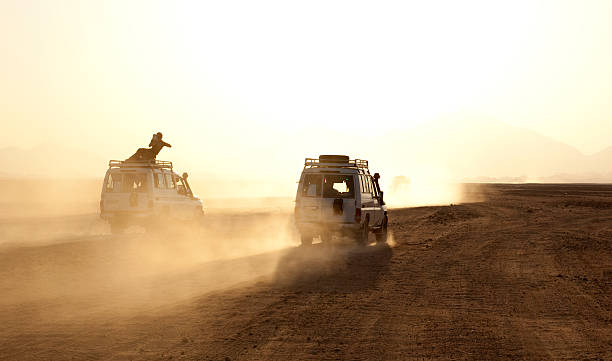
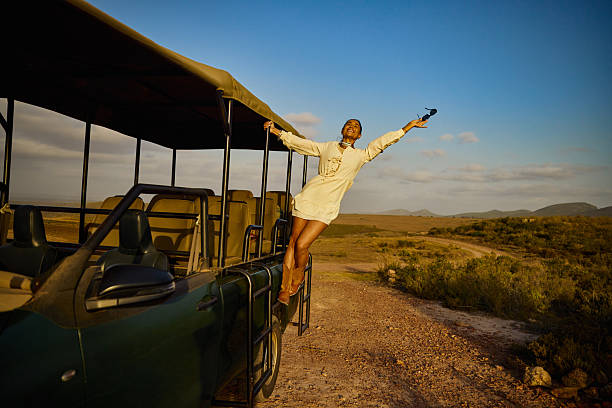
Traditional game drives remain a cornerstone of the Selous experience. The park’s open plains and woodland tracks allow for excellent game viewing. Your experienced guide will take you to areas known for high concentrations of wildlife, utilizing their knowledge of animal behavior and the park’s geography to maximize sightings. Game drives can be conducted in open-sided 4×4 vehicles, offering unobstructed views. Morning, afternoon, and full-day drives are available, with packed lunches often enjoyed in scenic picnic spots.
Fly-Camping
For the truly adventurous, fly-camping offers an unforgettable night under the stars. You’ll be dropped off at a remote campsite with basic but comfortable tents, a campfire, and a dedicated camp manager. This experience immerses you completely in the sounds and atmosphere of the African bush. It’s a chance to feel the pulse of the wilderness in a way that’s impossible in a lodge. This is a highly recommended option for those seeking a deeper connection with nature during their Selous Tanzania safari.
Planning Your 2026-2027 Selous Safari: Best Time to Visit
The climate in Nyerere National Park is tropical, with distinct wet and dry seasons. Understanding these patterns is crucial for planning your Selous Tanzania safari in 2026 or 2027 to align with your wildlife viewing preferences.
- The Dry Season (June to October): This is generally considered the prime time for a safari in Nyerere National Park. The vegetation thins out, making wildlife easier to spot. Water sources become scarcer, concentrating animals around the Rufiji River and remaining waterholes. Days are sunny and warm, with cooler evenings and mornings. This is also peak tourist season, so expect higher prices and more visitors, though the park’s vastness ensures it never feels overly crowded.
- The Shoulder Seasons (November to February): These months mark the transition from the dry to the wet season. The weather can be mixed, with occasional short rains. Wildlife is still relatively easy to find, and the landscape begins to turn green. This period offers a good balance of decent game viewing and fewer crowds, making it an attractive option for 2026-2027 travel. It’s also a fantastic time for birdwatching as migratory birds arrive.
- The Green Season (March to May): This is the peak of the rainy season. Heavy downpours can occur, potentially making some roads impassable and disrupting travel plans. However, for photographers and those seeking a more secluded experience, the green season has its own charm. The landscape is lush and vibrant, and the air is clean. Wildlife disperses as water is abundant, making sightings more challenging. Prices are often at their lowest during this period, offering budget-friendly options for a Selous Tanzania safari.
For optimal wildlife viewing and comfortable weather, planning your Selous Tanzania safari for the dry season (June-October) or the shoulder months (November-February) is advisable for 2026 and 2027.
Getting to Nyerere National Park
Reaching Nyerere National Park is part of the adventure. Unlike the northern parks, which are easily accessible by road from Arusha or Kilimanjaro International Airport (JRO), Nyerere is typically reached via Dar es Salaam.
- By Air: The most convenient and time-efficient way to reach Nyerere National Park is by light aircraft. Scheduled or charter flights operate from Dar es Salaam’s domestic airport (often referred to as the ‘strip’) to various airstrips within the park, such as Beho Beho, Mtemere, or Matambwe. This is the preferred method for most visitors, especially those on a tight schedule or seeking to maximize their time in the park. This is often included in safari packages for 2026-2027 safaris.
- By Road: It is possible to drive from Dar es Salaam to Nyerere National Park, but it’s a long journey (approximately 5-7 hours) over rough roads. This option is less common for international tourists but can be an economical choice for those on a strict budget. Road access can be affected by the rainy season.
Most reputable tour operators, like Top Guide Adventures, will arrange all necessary transfers, whether by air or road, as part of your safari package. They can advise on the best approach based on your itinerary and budget for your Selous Tanzania safari.
Accommodation Options in Nyerere National Park
Nyerere National Park offers a range of accommodation, from rustic fly camps to luxurious lodges, ensuring options for various budgets and preferences for your Selous Tanzania safari.
- Luxury Lodges: These offer high-end amenities, exquisite dining, private plunge pools, and exceptional service. They are situated in prime locations, often with stunning views and private concessions.
- Mid-Range Camps: Comfortable and well-appointed tented camps or lodges that provide a good balance of comfort, service, and authentic safari atmosphere. They typically feature en-suite bathrooms and good common areas.
- Budget Camps/Tented Camps: More basic but still comfortable options, often offering a more rustic experience. These are ideal for travelers looking to maximize their time on safari without compromising on essential comforts.
- Fly-Camping: As mentioned, this is a unique, very basic camping experience for those who want to be truly immersed in the wild.
When booking your Selous Tanzania safari for 2026 or 2027, it’s essential to consider the location of your accommodation relative to the activities you wish to undertake and the park’s airstrips.
Crafting Your 2026-2027 Selous Safari Itinerary
A typical Selous Tanzania safari itinerary ranges from 3 to 5 days, allowing sufficient time to experience the park’s highlights. However, longer stays are also possible, especially if combining it with other destinations.
Sample 4-Day Nyerere National Park Itinerary
- Day 1: Arrival in Dar es Salaam & Fly to Selous. Arrive at Dar es Salaam Airport, connect to a scheduled flight to Mtemere or Mbeya airstrip in Nyerere National Park. You will be met by your lodge’s representative and transferred to your accommodation. Afternoon boat safari on the Rufiji River.
- Day 2: Game Drive & Walking Safari. Morning game drive through the park’s diverse landscapes, searching for wildlife. After lunch, start a guided walking safari to explore the smaller wonders of the bush.
- Day 3: Full Day Game Drive & Rufiji Exploration. Enjoy a full-day game drive with a picnic lunch, exploring different sectors of the park. Alternatively, opt for another boat safari or focus on areas known for specific wildlife, like wild dogs.
- Day 4: Morning Activity & Departure. Depending on your flight schedule, enjoy a final morning activity (e.g., a short game drive or birdwatching). Transfer to the airstrip for your flight back to Dar es Salaam, connecting to your onward international flight or next destination.
This is a sample, and itineraries can be customized to include fly-camping, more extensive game drives, or specific interests. For your 2026-2027 Selous Tanzania safari, discuss your ideal pace and interests with your tour operator.
Comparing Selous (Nyerere) with Northern Tanzania Parks
For those planning a Selous Tanzania safari for 2026 or 2027, it’s helpful to understand how it compares to the more famous northern circuit parks like the Serengeti and Ngorongoro Crater.
| Feature | Nyerere National Park (Selous) | Serengeti National Park | Ngorongoro Crater |
|---|---|---|---|
| Size & Scale | Vast (50,000+ sq km), expansive wilderness, less concentrated wildlife. | Very large (14,750 sq km), famous for Great Migration. | Small, dense caldera (260 sq km), high concentration of wildlife. |
| Wildlife Density | Lower density overall, but diverse; excellent for wild dogs, hippos, crocs. | Very high, especially during migration; diverse predators and grazers. | Extremely high; often called ‘Africa’s Eden’. |
| Safari Activities | Boat safaris, walking safaris, game drives, fly-camping. | Primarily game drives; some walking safaris in specific areas. | Primarily game drives; limited walking/conservation tours. |
| Landscape | Miombo woodlands, Rufiji River system, open plains, acacia scrub. | Vast plains, acacia woodlands, kopjes. | Crater floor, varied habitats, steep walls. |
| Crowds | Significantly fewer tourists. | Can be crowded, especially during peak migration months. | Very crowded, strict visitor limits. |
| Best For | Adventure, unique activities, solitude, wild dogs, riverine wildlife. | Great Migration, predator action, vast plains experience. | High chances of seeing all ‘Big Five’ in one day. |
| Accessibility | Fly from Dar es Salaam; long drive. | Fly from Arusha/JRO or drive from Arusha. | Drive from Arusha/Karatu. |
For your Selous Tanzania safari in 2026-2027, consider Nyerere if you seek a more rugged, less-trafficked experience with unique activities. If the Great Migration or guaranteed Big Five sightings are your top priorities, the northern circuit might be a better fit. Many travelers combine both regions for a comprehensive Tanzanian safari experience.
Cost Considerations for a 2026-2027 Selous Safari
The cost of a Selous Tanzania safari can vary significantly based on accommodation choice, duration, time of year, and the level of luxury. As a general guideline for 2026-2027 planning, expect the following price ranges per person per day, excluding international flights:
- Budget: $250 – $400 USD per person per day. This typically includes mid-range tented camps, shared game drives, and park fees. Road transfers might be used.
- Mid-Range: $400 – $700 USD per person per day. This usually covers comfortable lodges or tented camps, private game drives, and internal flights to the park.
- Luxury: $700 – $1200+ USD per person per day. This includes high-end lodges, exclusive concessions, private charter flights, gourmet dining, and personalized service.
Key cost factors include:
- Accommodation: Luxury lodges are significantly more expensive than budget camps.
- Transportation: Internal flights are more costly than road transfers but save considerable time.
- Park Fees: Nyerere National Park has daily park entry fees, which are set by the Tanzanian government and can change.
- Activities: Some activities like walking safaris or fly-camping might incur additional fees.
- Season: Peak season (dry season) will generally be more expensive than the green season.
When seeking quotes for your Selous Tanzania safari for 2026 or 2027, ensure you understand exactly what is included. Typically, this includes accommodation, meals, park fees, and specified activities/game drives. Exclusions often are international flights, visa fees, travel insurance, tips, and personal expenses.
Getting a Quote for Your 2026-2027 Safari
To get a precise quote tailored to your needs, it’s best to contact a reputable tour operator. Top Guide Adventures specializes in crafting custom safari itineraries for Nyerere National Park and other Tanzanian destinations. They can provide detailed itineraries and pricing based on your preferences and budget for 2026 and 2027.
Contact Top Guide Adventures:
- WhatsApp: +255616946642
- Email: topguideadventures@gmail.com
- Backup Email: info@topguideadventures.com
Responsible Tourism in Nyerere National Park
As you plan your Selous Tanzania safari for 2026-2027, consider the principles of responsible tourism. This ensures that your visit benefits local communities and contributes to the conservation of this incredible wilderness.
- Choose Eco-Friendly Lodges: Opt for accommodations that demonstrate a commitment to sustainability, such as those using solar power, managing waste effectively, and supporting local employment.
- Respect Wildlife: Maintain a safe distance from animals, never feed them, and avoid using flash photography, especially with predators. Follow your guide’s instructions at all times.
- Support Local Communities: Purchase authentic crafts from local markets (where permitted) and consider visiting community projects if your itinerary allows.
- Minimize Your Footprint: Avoid single-use plastics, conserve water, and stay on designated tracks during game drives and walks.
- Choose Reputable Operators: Partner with tour operators who have a strong commitment to conservation and ethical tourism practices.
By being a responsible traveler, you help preserve Nyerere National Park for future generations and ensure that your Selous Tanzania safari has a positive impact.
Booking Your 2026-2027 Selous Tanzania Safari
Booking your safari well in advance is highly recommended, especially for travel in 2026 and 2027. Popular lodges and internal flights can fill up quickly, particularly during the peak dry season. A lead time of 6-12 months is ideal for securing your preferred dates and accommodation.
When you are ready to plan your adventure, reach out to experienced local operators who know the nuances of Nyerere National Park. They can guide you through the options, tailor an itinerary that matches your interests and budget, and handle all the logistical details, from flights and accommodation to park permits and expert guides.
For a truly memorable and well-organized Selous Tanzania safari experience for 2026 or 2027, consider partnering with specialists. Top Guide Adventures is a trusted Tanzanian tour operator with extensive knowledge of Nyerere National Park and a commitment to providing exceptional safari experiences. They can help you craft the perfect trip, ensuring you make the most of this spectacular destination.
Don’t hesitate to contact them to start planning your dream safari. Whether you’re envisioning thrilling game drives, serene boat trips, or adventurous walking safaris, they are ready to assist you. Reach out today to begin your journey into the wild heart of Tanzania.



