
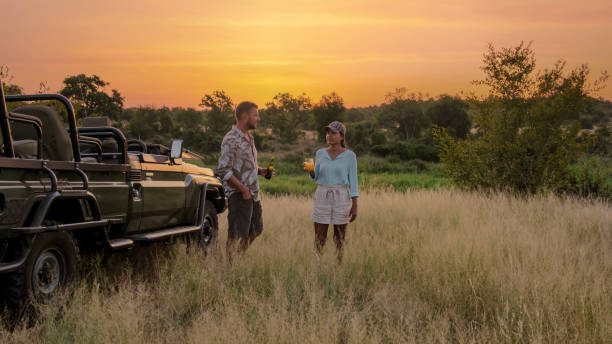
A safari in Tanzania is more than just a holiday; it’s an immersion into the raw, untamed heart of Africa. From the endless plains of the Serengeti to the dramatic landscapes of the Ngorongoro Crater, Tanzania offers an unparalleled wildlife viewing experience. As you consider your travel plans for 2026 and 2027, understanding the nuances of planning a Tanzanian safari is key to ensuring it becomes the adventure of a lifetime.
This guide is crafted by local experts at Top Best Tanzania Tour Operator to equip you with all the essential information. We’ll explore the best times to visit, the iconic parks, what wildlife to expect, how to choose the right itinerary, and crucial considerations like budget and logistics. Whether you’re a first-time visitor or a seasoned traveler, let us help you craft the perfect Tanzanian safari experience.
Why Choose Tanzania for Your Safari Adventure?
Tanzania consistently ranks as one of the world’s premier safari destinations, and for good reason. Its sheer scale, incredible biodiversity, and commitment to conservation create an environment where wildlife thrives and visitors can witness nature in its most spectacular form. Planning a safari in Tanzania for 2026 or 2027 means tapping into an experience that has captivated travelers for decades.
Unrivaled Wildlife Encounters
Tanzania is home to the Great Migration, a breathtaking natural phenomenon where millions of wildebeest, zebras, and gazelles traverse the plains in search of fresh grazing. Witnessing this spectacle, especially the dramatic river crossings, is a bucket-list item for many. Beyond the migration, Tanzania boasts a year-round abundance of wildlife, including the “Big Five” – lion, leopard, elephant, rhino, and buffalo – along with cheetahs, giraffes, hippos, crocodiles, and an astonishing array of birdlife.
Iconic National Parks and Reserves
The country is dotted with world-renowned protected areas, each offering a unique landscape and ecosystem:
- Serengeti National Park: The quintessential safari destination, famous for its vast grasslands and the Great Migration.
- Ngorongoro Conservation Area: A UNESCO World Heritage Site featuring the stunning Ngorongoro Crater, a natural amphitheater teeming with wildlife.
- Tarangire National Park: Known for its large elephant herds and iconic baobab trees, particularly vibrant during the dry season.
- Lake Manyara National Park: Famous for its tree-climbing lions and diverse birdlife, set against the backdrop of the Great Rift Valley.
- Selous Game Reserve (Nyerere National Park): Africa’s largest game reserve, offering boat safaris and a more remote, wild experience.
- Ruaha National Park: Tanzania’s largest national park, offering a rugged and less-visited wilderness with significant predator populations.
Diverse Landscapes
From the acacia-dotted savannas of the Serengeti to the misty montane forests of the Ngorongoro Highlands and the vast, arid plains of Ruaha, Tanzania’s landscapes are as varied as its wildlife. This diversity ensures that every safari is visually stunning and offers different viewing opportunities.
Commitment to Conservation
Tanzania takes its wildlife conservation seriously. The park fees and tourism revenue directly contribute to anti-poaching efforts, habitat preservation, and community development projects, ensuring that future generations can also experience the magic of a safari in Tanzania.
When is the Best Time for Your Tanzania Safari in 2026-2027?
The ‘best’ time for a safari in Tanzania largely depends on what you want to see and experience. Tanzania has two main seasons: the dry season and the wet season. For many, the 2026-2027 safari planning revolves around the Great Migration, but other factors are also important.
The Dry Season (June to October)
This is peak safari season in Tanzania. The weather is pleasant, with sunny days and cooler nights. Vegetation is thinner, making wildlife easier to spot, and animals tend to congregate around water sources. This is also the time for the dramatic wildebeest river crossings in the Serengeti.
- Pros: Excellent game viewing, pleasant weather, ideal for river crossings (July-September).
- Cons: Peak tourist season, higher prices, more crowded parks.
The Short Rains (November to December)
A brief period of rain, often in the afternoons. Wildlife disperses as new grass grows, and the landscape turns a beautiful green. This can be a good time for birdwatching and offers fewer crowds and lower prices.
The Long Rains (March to May)
This is the low season. Expect heavy, persistent rains, particularly in April and May, which can make some roads impassable and disrupt game viewing. However, the landscapes are incredibly lush and beautiful, and you’ll find the lowest prices and very few tourists. It’s also the calving season for wildebeest in the southern Serengeti.
- Pros: Lowest prices, very few tourists, beautiful green scenery, calving season in the Serengeti (February-March).
- Cons: Heavy rains can disrupt travel and game viewing, some lodges may close.
Specific Wildlife Events and Timing for 2026-2027:
- Great Migration River Crossings: Typically July to September in the Grumeti and Mara Rivers (Western and Northern Serengeti).
- Calving Season: Late January to March in the southern Serengeti, offering fantastic predator action.
- Elephant Herds in Tarangire: Best from June to October when the Tarangire River is the only reliable water source.
When planning your safari in Tanzania for 2026 or 2027, consider these timings carefully to align with your wildlife priorities.
Crafting Your Perfect Tanzania Safari Itinerary
Choosing the right itinerary is crucial for maximizing your safari experience. Tanzania offers a wealth of options, from classic Northern Circuit tours to more adventurous Southern Circuit journeys. Your ideal itinerary will depend on your interests, budget, and the time you have available.
The Classic Northern Circuit: The “Big Three” and Beyond
This is the most popular route for a safari in Tanzania, offering a concentrated experience of iconic parks. A typical 7-10 day itinerary might include:
- Day 1-2: Arusha & Transfer to Tarangire: Arrival in Arusha, preparation, and transfer to Tarangire National Park for game drives, focusing on elephants and baobabs.
- Day 3: Lake Manyara: A day trip to Lake Manyara, known for its tree-climbing lions and diverse birdlife.
- Day 4-6: Serengeti National Park: Spend several days exploring the vast plains of the Serengeti, tracking the Great Migration (depending on the season) and seeking out predators. Different areas of the Serengeti are best at different times of the year.
- Day 7-8: Ngorongoro Crater: Descend into the Ngorongoro Crater for a day of incredible game viewing within this unique caldera.
- Day 9: Maasai Village Visit & Return to Arusha: Optionally visit a Maasai village before returning to Arusha for your onward journey or flight home.
This circuit can be extended to include Lake Eyasi for cultural experiences with the Hadzabe and Datoga tribes, or even the less-visited Arusha National Park for a shorter, scenic experience.
The Southern Circuit: For the Adventurous and Those Seeking Solitude
The Southern Circuit offers a more wild and less crowded experience. It’s ideal for those who have already experienced the North or are looking for something off the beaten path.
- Nyerere National Park (formerly Selous): Explore Africa’s largest game reserve by 4×4, boat safari on the Rufiji River, and walking safaris.
- Ruaha National Park: Tanzania’s largest park, known for its rugged wilderness, large elephant and buffalo herds, and excellent predator sightings.
A Southern Circuit safari typically requires more time, often 10-14 days, and usually involves light aircraft flights between parks due to the distances involved. This is a fantastic option for planning your safari in Tanzania for 2026 or 2027 if you prefer fewer vehicles and a more remote feel.
Combining Safari with Other Tanzanian Wonders
Tanzania offers incredible opportunities to combine your safari with other experiences:
- Kilimanjaro Trekking: For the adventurous, a climb up Mount Kilimanjaro can be combined with a safari. The Machame Route is a popular choice for its scenic beauty and high success rates. Check out group departure dates for 2026-2027 on our Machame Route Kilimanjaro Group Departures.
- Zanzibar Holidays: After your safari, unwind on the pristine beaches of Zanzibar, explore the historic Stone Town, and enjoy its rich culture and spice tours.
- Gombe Stream & Mahale Mountains: For chimpanzee trekking, these parks in western Tanzania offer unique primate encounters, though they require separate travel arrangements and are best suited for longer trips.
Understanding Safari Costs: Planning Your Budget for 2026-2027
The cost of a safari in Tanzania can vary significantly based on accommodation style, duration, chosen parks, and whether you opt for a private or shared safari. For 2026 and 2027 travel, it’s wise to budget realistically.
Key Cost Factors:
- Accommodation: From budget-friendly tented camps to ultra-luxury lodges, your choice will heavily influence the price.
- Park Fees: These are set by the Tanzanian government and are a significant portion of the cost. They are charged per person, per day.
- Vehicle and Guide: A private safari with a dedicated guide and vehicle is more expensive than joining a group tour.
- Duration: Longer safaris naturally cost more.
- Season: Peak season (June-October) is generally more expensive than the low season (March-May).
- Transportation: Internal flights between parks can add to the cost but save significant travel time.
Typical Price Ranges (per person, per day):
These are approximate ranges and can fluctuate. It’s always best to get a personalized quote.
| Safari Style | Budget/Mid-Range | Comfort/Luxury | High-End Luxury |
|---|---|---|---|
| Shared Group Safari (Northern Circuit) | $250 – $400 | $400 – $600 | N/A |
| Private Safari (Northern Circuit) | $400 – $600 | $600 – $900 | $900+ |
| Southern Circuit (often includes flights) | $500 – $700 | $700 – $1000+ | $1000+ |
Note: These prices typically include accommodation, park fees, a vehicle, a guide, and meals. International flights, visas, tips, and personal expenses are usually extra. For specific rates for 2026-2027, contact us for a tailored quote.
Getting the Best Value
Consider traveling during the shoulder seasons (e.g., late October/November or early December) for potentially better rates. Shared group safaris are an excellent way to reduce costs while still enjoying a fantastic experience. Exploring options for group departures dates for 2026-2027 can also offer value.
Essential Packing List for Your Tanzania Safari
Packing smart is crucial for a comfortable and enjoyable safari in Tanzania. The key is to pack light, versatile, and practical items. Most safari operators provide a limit of 15-20 kg (33-44 lbs) of soft-sided luggage per person for internal flights.
Clothing:
- Lightweight Trousers/Pants: Neutral colors (khaki, beige, olive green). Avoid black and dark blue as they can attract tsetse flies.
- Shorts/Skirts: For warmer days.
- T-shirts/Polo Shirts: Breathable fabrics.
- Long-Sleeved Shirts: For sun protection and cooler evenings.
- Fleece Jacket or Warm Sweater: Essential for early morning game drives and cooler evenings, especially in higher altitudes like Ngorongoro.
- Lightweight Waterproof Jacket: For unexpected rain showers.
- Comfortable Underwear and Socks.
- Swimsuit: If your lodge has a pool.
Footwear:
- Comfortable Walking Shoes/Hiking Boots: Broken-in and suitable for light walking if needed.
- Sandals/Flip-flops: For relaxing at the lodge.
Accessories:
- Sun Hat: Wide-brimmed for maximum protection.
- Sunglasses: With UV protection.
- Scarf or Bandana: Useful for dust and sun protection.
- Binoculars: Essential for spotting wildlife.
- Camera and Extra Batteries/Memory Cards: You’ll want to capture everything!
- Power Bank/Portable Charger: For keeping devices charged on the go.
- Adapter: Tanzania uses Type D and Type G sockets (230V).
- Headlamp or Small Flashlight: Useful for navigating lodges at night.
- Insect Repellent: With DEET or Picaridin.
- Sunscreen: High SPF.
- Personal First-Aid Kit: Include any personal medications, pain relievers, antiseptic wipes, bandages, and motion sickness medication.
- Hand Sanitizer.
- Wet Wipes.
- Small Backpack/Daypack: For carrying essentials during game drives.
- Reusable Water Bottle.
Documents & Money:
- Passport: Valid for at least six months beyond your stay, with at least two blank pages.
- Visa: Check requirements for your nationality. Many can be obtained on arrival or online.
- Yellow Fever Certificate: May be required if arriving from or transiting through a country with a risk of yellow fever.
- Flight Tickets and Itinerary.
- Travel Insurance Details.
- Credit/Debit Cards and some USD Cash: For tips, souvenirs, and emergencies.
Health and Safety on Your Tanzania Safari
Your well-being is paramount. While Tanzania is generally safe for tourists, taking necessary precautions will ensure a healthy and enjoyable trip.
Health Precautions:
- Consult Your Doctor: Visit your doctor or a travel clinic 4-6 weeks before your trip to discuss necessary vaccinations and malaria prophylaxis.
- Malaria: Tanzania is a malaria-risk area. Your doctor will advise on the best antimalarial medication for you. Take precautions like using repellent and covering up at dawn and dusk.
- Vaccinations: Recommended vaccinations often include Hepatitis A, Typhoid, Tetanus, and potentially others depending on your health history and travel plans.
- Water: Drink only bottled or purified water. Avoid ice in drinks unless you’re sure it’s made from purified water.
- Food Safety: Eat well-cooked food. Be cautious with street food. Peel fruits and vegetables yourself.
- Sun Protection: The African sun is strong. Use sunscreen, wear a hat, and stay hydrated.
Safety Tips:
- Listen to Your Guide: Your safari guide is experienced and knows the wildlife and terrain. Always follow their instructions for your safety.
- Wildlife Distance: Never approach or feed wild animals. Maintain a safe distance at all times.
- Vehicle Safety: Stay inside the vehicle during game drives unless instructed otherwise by your guide.
- Valuables: Keep valuables secure and out of sight. Use hotel safes where available.
- Night Travel: Avoid walking alone at night, especially in towns or cities.
- Photography: Always ask permission before taking photos of people. Be discreet when photographing wildlife; avoid disturbing them.
Choosing the Right Safari Operator for 2026-2027
Selecting a reputable and experienced tour operator is one of the most critical decisions you’ll make when planning your safari in Tanzania. A good operator will handle all the logistics, provide knowledgeable guides, and ensure a safe and memorable experience.
What to Look For:
- Local Expertise: A Tanzanian-based company like Top Best Tanzania Tour Operator has invaluable local knowledge.
- Reputation and Reviews: Check online reviews (TripAdvisor, Google) and testimonials. Look for consistent positive feedback on guides, vehicles, organization, and customer service.
- Customization: Can they tailor an itinerary to your specific interests, budget, and pace?
- Sustainability Practices: Do they have a commitment to responsible tourism, conservation, and supporting local communities?
- Communication: Are they responsive and clear in their communication? This is vital for planning.
- Safety Standards: Do they maintain their vehicles well and have clear safety protocols?
Why Choose Top Best Tanzania Tour Operator?
We are a passionate team of local experts dedicated to providing authentic and unforgettable Tanzanian experiences. We pride ourselves on:
- Deep Local Knowledge: Our guides are born and raised in Tanzania, with intimate knowledge of the parks, wildlife, and culture.
- Personalized Service: We work closely with you to design a safari that perfectly matches your dreams and budget for 2026 or 2027.
- Quality & Value: We offer a range of options from budget-friendly to luxury, ensuring excellent value for money.
- Safety First: Our well-maintained vehicles and experienced guides prioritize your safety.
- Commitment to Tanzania: We are dedicated to sustainable tourism that benefits both wildlife and local communities.
Frequently Asked Questions about Tanzania Safaris
What is the cost of a 7-day safari in Tanzania?
A 7-day safari in Tanzania can range from approximately $2,000 to $6,000+ per person, depending on your choice of accommodation (budget, mid-range, luxury), whether you join a group or opt for a private safari, and the specific parks visited. For 2026-2027 planning, expect similar ranges with potential minor adjustments.
What is the best time of year to see the Great Migration?
The Great Migration is a continuous cycle. For the famous river crossings, the best time is generally from July to September, when the herds cross the Grumeti and Mara Rivers in the western and northern Serengeti. For the calving season, focus on late January to March in the southern Serengeti.
Do I need a visa for Tanzania?
Most nationalities require a visa for Tanzania. You can often obtain this on arrival at the airport or apply online in advance. Check the latest requirements with the Tanzanian embassy in your country or on their official immigration website.
What are the ‘Big Five’ animals?
The “Big Five” refers to the lion, leopard, elephant, rhinoceros, and Cape buffalo. These were historically the most difficult animals to hunt on foot, and are highly sought after by safari-goers.
Is it safe to go on a safari in Tanzania?
Yes, Tanzania is a very safe safari destination when you travel with reputable operators and follow your guide’s instructions. Wildlife is respected, and safety protocols are in place within national parks. Health precautions, such as malaria prevention and drinking safe water, are also important.
Ready to Plan Your 2026-2027 Tanzania Safari?
A safari in Tanzania is an experience that stays with you long after you’ve returned home. The sheer scale of the landscapes, the abundance of wildlife, and the warmth of the Tanzanian people create memories that last a lifetime. Whether you’re dreaming of witnessing the Great Migration, spotting a leopard lounging in a tree, or simply soaking in the vastness of the African savanna, Tanzania delivers.
As you finalize your plans for 2026 or 2027, remember that expert guidance can make all the difference. At Top Best Tanzania Tour Operator, we are dedicated to crafting personalized safari adventures that exceed expectations. From tailoring your itinerary to selecting the perfect accommodations and ensuring smooth logistics, we handle every detail so you can focus on the magic of the experience.
Don’t wait to start planning your dream safari. Contact us today to discuss your vision, get a personalized quote, and begin the journey towards an unforgettable adventure. You can reach us via WhatsApp at +255616946642, email us at topguideadventures@gmail.com, or use our backup email info@topguideadventures.com. Let’s make your safari in Tanzania a reality!



