

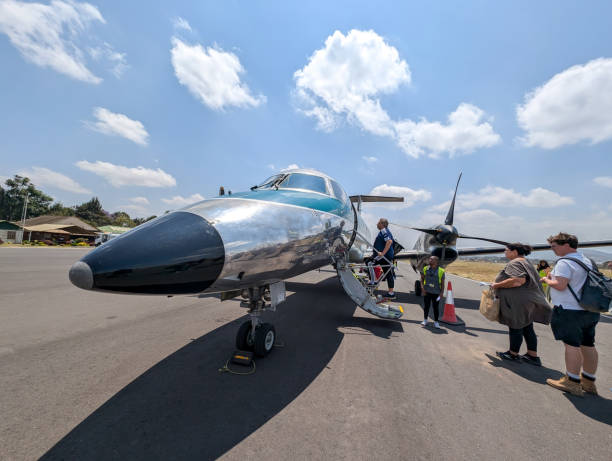
The 10-Day Serengeti Migration Photo Tour is more than just a safari; it’s an immersion into one of the planet’s most dramatic natural events. Designed for photographers and wildlife enthusiasts alike, this tour focuses on positioning you at the heart of the Great Wildebeest Migration. Imagine the thrill of capturing thousands of wildebeest, zebras, and gazelles thundering across the plains, or the tense moments of a river crossing. This is Africa at its most raw and spectacular, and a 10-day itinerary allows for a comprehensive exploration of the Serengeti’s richest migration hotspots during their peak periods. Planning for 2026 and 2027 offers a fantastic opportunity to secure prime dates and lodges for this sought-after experience.
Understanding the Serengeti Migration: The Pulse of the Plains
The Great Migration is a year-round phenomenon, a constant movement of over 1.5 million wildebeest, hundreds of thousands of zebras, and countless other herbivores following the rains in search of fresh grazing. It’s a cycle dictated by ancient instincts and the rhythm of the African seasons. For photographers, understanding this cycle is paramount to a successful 10-Day Serengeti Migration Photo Tour. The herds are not static; their location shifts dramatically throughout the year, influencing the best viewing and photographic opportunities.
The Annual Cycle: A Photographer’s Calendar
While a 10-day tour can be planned for almost any time of year to see *some* migration activity, maximizing your photographic potential means aligning with specific phases:
- January – March (Calving Season): The herds congregate in the southern Serengeti and the Ngorongoro Conservation Area. This is a period of new life, with thousands of calves born. Predators are abundant, drawn by the vulnerable newborns, offering incredible opportunities for action shots. The landscape is often greener and more lush.
- April – May (The Great Departure): As the southern grasslands deplete, the herds begin their northward journey. The western corridor, particularly around the Grumeti River, becomes a focus. This period can be wetter, and the herds are often in large, moving columns.
- June – July (River Crossings Begin): This is arguably the most iconic phase. The herds move north towards the Mara River, which forms part of the border with Kenya’s Maasai Mara. The dramatic, often perilous river crossings are a photographer’s dream, filled with tension and raw survival. This is a prime target for any 10-Day Serengeti Migration Photo Tour.
- August – October (Mara River & Northern Serengeti): The Mara River crossings continue, though they are unpredictable and depend on rainfall. The northern Serengeti remains a hub for the migrating herds, offering excellent game viewing and photographic opportunities. The landscape is drier, and the animals are concentrated.
- November – December (Southward Return): The herds begin to drift southwards, often through the central and eastern Serengeti, following the early rains. This can offer good photographic opportunities as they spread out across vast plains.
Why Choose a 10-Day Itinerary for Migration Photography?
A 10-day duration is ideal for a dedicated migration photography safari for several reasons:
- Depth of Coverage: It allows you to explore multiple regions of the Serengeti, increasing your chances of witnessing different migration phases and diverse wildlife.
- Flexibility for River Crossings: If your focus is on the dramatic Mara River crossings (typically June-October), a 10-day trip provides enough time to wait for these unpredictable events without feeling rushed.
- Reduced Travel Fatigue: You spend more time in prime photographic locations, minimizing transit days and maximizing your time with the wildlife.
- Prime Accommodation Access: Longer stays allow for booking desirable lodges or tented camps, including those strategically located for migration viewing. Booking for 2026 and 2027 early is crucial for securing these sought-after spots.
- Focus on Photography: It allows for a more relaxed pace, giving photographers ample time to set up shots, wait for the perfect light, and capture behavioral interactions.
Crafting Your Perfect 10-Day Serengeti Migration Photo Tour for 2026-2027
When planning your 10-Day Serengeti Migration Photo Tour, especially for the peak seasons of 2026 or 2027, several factors come into play. The choice of itinerary will largely depend on the specific migration phase you wish to photograph.
Itinerary Focus: River Crossings (June-October)
For many photographers, the ultimate goal is capturing the drama of the Mara River crossings. A 10-day itinerary focused on this would typically involve:
- Days 1-2: Arrival in Arusha & Transfer to Northern Serengeti. Fly into Kilimanjaro International Airport (JRO), meet your guide, and transfer to Arusha for an overnight stay. The next day, take a scenic bush flight to the Kogatende or Lamai airstrip in the northern Serengeti. Settle into your lodge or camp.
- Days 3-7: Northern Serengeti & Mara River. Spend these crucial days based in the north, focusing on areas near the Mara River. Your expert guide will track the herds and monitor river crossing points. Days will be spent on game drives, patiently waiting for the herds to approach the river and make their perilous journey. This is prime time for predator action as well. Accommodation might include mobile camps that shift with the migration or permanent lodges offering excellent access.
- Days 8-9: Central Serengeti or Western Corridor. As the herds begin to move, you might shift focus south or west. Exploring the central Serengeti offers chances to see resident wildlife and potentially stragglers, or you could head towards the western corridor to photograph herds moving along the Grumeti River, which can also offer dramatic crossings, though less frequent than the Mara.
- Day 10: Departure. Enjoy a final morning game drive before flying back to Arusha for your onward international flight.
Itinerary Focus: Calving Season & Predators (January-March)
If your interest lies in the abundance of predators and the spectacle of new life, an itinerary focused on the southern Serengeti is ideal:
- Days 1-2: Arrival in Arusha & Transfer to Southern Serengeti/Ngorongoro. Arrive at JRO, overnight in Arusha, then fly to an airstrip serving the southern Serengeti or the nearby Ngorongoro Conservation Area. Settle into your lodge.
- Days 3-7: Southern Serengeti Plains & Ndutu Area. This period is characterized by vast herds and abundant predators. Focus on the open plains where wildebeest give birth. You’ll have ample opportunities to photograph lion prides, cheetahs, hyenas, and leopards interacting with the herds. The landscape is often dotted with thousands of wildebeest and zebras.
- Days 8-9: Central Serengeti. Transition to the central Serengeti, offering a different landscape and excellent resident game viewing. This area provides opportunities to photograph elephants, giraffes, and diverse birdlife, complementing your migration shots.
- Day 10: Departure. Morning game drive followed by a flight back to Arusha for your international departure.
Itinerary Focus: General Migration Viewing (Year-Round Flexibility)
For a broader experience, a 10-day tour can combine elements, perhaps focusing on the central Serengeti for resident game and then moving north or south depending on the estimated herd movements closer to your travel dates. This offers a balanced view of the Serengeti’s ecosystem.
Planning Your 2026-2027 Migration Safari
The Great Migration is one of the most sought-after wildlife spectacles globally. For a 10-Day Serengeti Migration Photo Tour, especially during peak seasons like the river crossings (June-October) or calving season (January-March), booking 12-18 months in advance is highly recommended for 2026 and 2027. This ensures availability of preferred lodges, camps, and flights, particularly for prime locations in the Northern Serengeti.
Essential Photography Gear and Tips for Your Tour
A 10-Day Serengeti Migration Photo Tour requires careful consideration of your photography equipment and approach. The goal is to capture the grandeur, the action, and the intimate moments.
Recommended Camera Gear:
- Telephoto Lenses: A 300mm, 400mm, or even a 600mm lens is crucial for capturing wildlife details from a distance. A zoom lens like a 100-400mm or 200-500mm offers versatility.
- Mid-Range Zoom: A 24-70mm or 24-105mm lens is useful for wider landscape shots and when animals are closer.
- Sturdy Tripod or Monopod: Essential for stabilizing long lenses, especially in low light conditions or for capturing sharp images of moving animals.
- Extra Batteries and Memory Cards: You’ll be shooting a lot, so ensure you have plenty of power and storage.
- Camera Bag: A comfortable and protective bag is vital for carrying your gear on game drives.
- Cleaning Kit: Dust is prevalent in the Serengeti; keep your lenses and camera body clean.
- Binoculars: While not for photography, good binoculars enhance your wildlife spotting and appreciation.
Photography Tips for the Serengeti Migration:
- Shoot in RAW: This provides the most flexibility for post-processing, allowing you to adjust exposure, white balance, and recover details.
- Master Shutter Speed: Use a fast shutter speed (e.g., 1/1000s or faster) to freeze action, especially for running animals or river crossings. Experiment with slower speeds to convey motion, but be mindful of camera shake.
- Understand Light: The ‘golden hours’ – shortly after sunrise and before sunset – offer the most beautiful, soft light for wildlife photography. Midday sun can be harsh, but it’s excellent for spotting predators resting in the shade.
- Focus on Behavior: Beyond just capturing an animal, look for moments of interaction, maternal care, predator-prey dynamics, or unique behaviors. These make for compelling photographs.
- Composition Matters: Use the rule of thirds, leading lines, and framing to create visually appealing images. Don’t always center your subject.
- Be Patient: Wildlife photography often requires patience. Wait for the right moment, the right light, and the right action. Your guide will be invaluable in anticipating animal movements.
- Respect Wildlife: Maintain a safe distance and never disturb the animals. Your guide will ensure ethical viewing practices are followed.
Choosing Your Accommodation: Comfort Meets the Wild
Your accommodation significantly impacts your experience on a 10-Day Serengeti Migration Photo Tour. Options range from luxurious lodges to intimate tented camps, each offering a unique connection to the environment.
- Luxury Lodges: Offer high-end amenities, fine dining, swimming pools, and often stunning views. They provide a comfortable retreat after a day of photography.
- Tented Camps: Range from basic canvas tents with en-suite bathrooms and hot showers to more luxurious safari tents with four-poster beds and private verandas. They offer a more immersive bush experience.
- Mobile Camps: These camps are strategically set up in different locations throughout the year to be closest to the migrating herds. They offer the ultimate proximity to the action, especially during river crossing season in the north.
When planning for 2026 or 2027, consider lodges and camps that are strategically located for migration viewing. In the north, look for options near the Mara River. In the south, camps in the Ndutu area are ideal for calving season. Central Serengeti lodges offer access to iconic plains and kopjes.
The Role of Your Expert Guide
On a specialized tour like the 10-Day Serengeti Migration Photo Tour, your guide is your most valuable asset. They are not just drivers; they are trained wildlife trackers, knowledgeable naturalists, and often have a keen eye for photographic opportunities.
- Tracking the Migration: They use their experience, local knowledge, and communication with other guides to locate the herds and anticipate their movements.
- Finding Photographic Moments: They understand animal behavior and can position the vehicle for the best light and angles, often finding rare sightings.
- Ensuring Safety: They are responsible for your safety and adhere to park regulations, ensuring ethical wildlife viewing.
- Vehicle Setup: A good safari vehicle for photography will have open sides, pop-up roofs, and comfortable seating, allowing for unobstructed views and stable shooting.
Beyond the Migration: Other Wildlife Encounters
While the migration is the star, the Serengeti is teeming with wildlife year-round. Your 10-Day Serengeti Migration Photo Tour will undoubtedly offer encounters with the ‘Big Five’ (lion, leopard, elephant, rhino, buffalo) and countless other species.
- Predators: Lions are abundant, often seen resting on kopjes or hunting. Leopards are elusive but can be found in trees, particularly in the central and western areas. Cheetahs are often spotted on the open plains of the south.
- Elephants: Large herds can be seen, especially in the central and western parts of the park.
- Rhinos: Black rhinos are rare and endangered, but sightings are possible, particularly in the Ngorongoro Conservation Area and sometimes in the Seronera region of the Serengeti.
- Other Mammals: Giraffes, hippos, crocodiles (especially near river crossings), various antelope species, hyenas, wild dogs, and a plethora of smaller mammals await your lens.
- Birdlife: The Serengeti is a birdwatcher’s paradise, with over 500 species recorded. Look for secretary birds, kori bustards, ostriches, vultures, eagles, and numerous smaller colorful birds.
Logistics and Practicalities for Your Tour
Successful planning for your 10-Day Serengeti Migration Photo Tour in 2026 or 2027 involves understanding the logistical elements.
Getting There:
Most international travelers fly into Kilimanjaro International Airport (JRO). From there, you’ll typically spend a night in Arusha before taking a domestic bush flight into the Serengeti. These flights are operated by various companies and land at different airstrips depending on your chosen itinerary and accommodation location.
Park Fees:
Park entrance fees are a significant part of the safari cost. These are typically charged per person, per 24-hour period, and are subject to change. Your tour operator will usually include these in the package price.
Visas and Vaccinations:
Ensure you have the necessary visa for Tanzania. Consult your doctor regarding recommended vaccinations and malaria precautions well in advance of your trip.
Travel Insurance:
Comprehensive travel insurance, including medical evacuation, is highly recommended for any safari trip.
Cost Considerations for a 10-Day Serengeti Migration Photo Tour
The cost of a 10-Day Serengeti Migration Photo Tour can vary significantly based on several factors:
- Accommodation Level: Luxury lodges and high-end tented camps will be more expensive than mid-range options.
- Time of Year: Peak seasons (especially July-October for river crossings) are generally more expensive due to higher demand.
- Group Size: Private tours are more costly per person than joining a small group safari.
- Inclusions: The package price will depend on what is included (e.g., internal flights, all meals, drinks, park fees, guide services).
As a general guideline for 2026-2027, expect costs to range from approximately $4,500 to $9,000+ per person for a 10-day private safari. Group tours can be more budget-friendly, potentially starting from around $3,500 per person. These are estimates, and a personalized quote is essential.
Estimate for 2026-2027 10-Day Serengeti Migration Photo Tour (Mid-Range to Luxury Private Safari):
Estimated Cost Per Person: $5,000 – $8,500+
Factors Influencing Price:
- Accommodation: Mid-range tented camps vs. luxury lodges.
- Season: Peak migration season (July-Oct) vs. shoulder/low seasons.
- Vehicle Type: Standard 4×4 vs. specialized photography vehicle.
- Inclusions: Internal flights, drinks, guide specialization.
A detailed quote is necessary for accurate pricing.
Why Book Your Tour with Top Guide Adventures?
Choosing the right tour operator is crucial for an unforgettable 10-Day Serengeti Migration Photo Tour. At Top Guide Adventures, we specialize in creating tailor-made safari experiences that cater to photographers and wildlife enthusiasts. We understand the intricacies of the Great Migration and the Serengeti ecosystem, allowing us to position you for the best possible photographic opportunities.
Our experienced guides are passionate about wildlife and photography, and they are committed to providing you with a safe, comfortable, and enriching adventure. We work with a network of carefully selected lodges and camps across the Serengeti, ensuring quality accommodation that enhances your immersion in the wild.
When you plan your 2026 or 2027 safari with us, you benefit from:
- Expert Itinerary Planning: We design itineraries focused on maximizing your chances of witnessing and photographing the Great Migration at its most dynamic.
- Prime Location Access: We secure accommodations and plan game drives in areas with the highest probability of migration activity.
- Experienced Photography Guides: Our guides know the best times, locations, and techniques to help you capture stunning images.
- Personalized Service: We offer custom-designed tours to suit your specific interests, budget, and photographic goals.
- Commitment to Conservation: We operate with a deep respect for the environment and support sustainable tourism practices.
Don’t miss the chance to witness and capture Africa’s greatest wildlife spectacle. A 10-Day Serengeti Migration Photo Tour is an investment in memories that will last a lifetime. Whether you’re aiming for the dramatic river crossings in 2026 or the vibrant calving season in 2027, we are here to make your dream safari a reality. Contact us today to start planning your adventure.
For inquiries about your 10-Day Serengeti Migration Photo Tour and to get a personalized quote for 2026 or 2027, please reach out to us:
WhatsApp: +255616946642
Email: topguideadventures@gmail.com
Backup Email: info@topguideadventures.com
Visit our website for more safari options and inspiration: www.topguideadventures.com



