
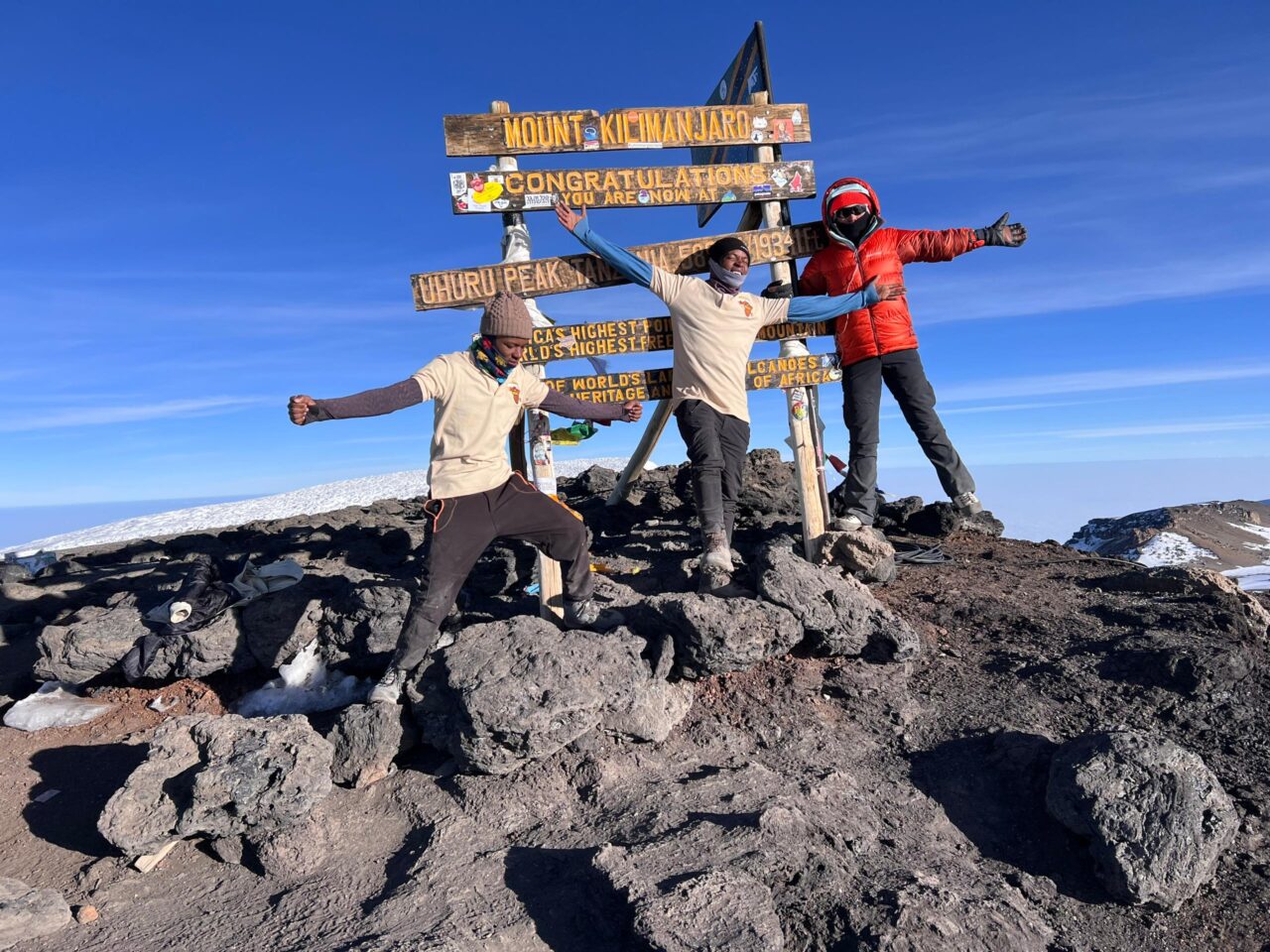
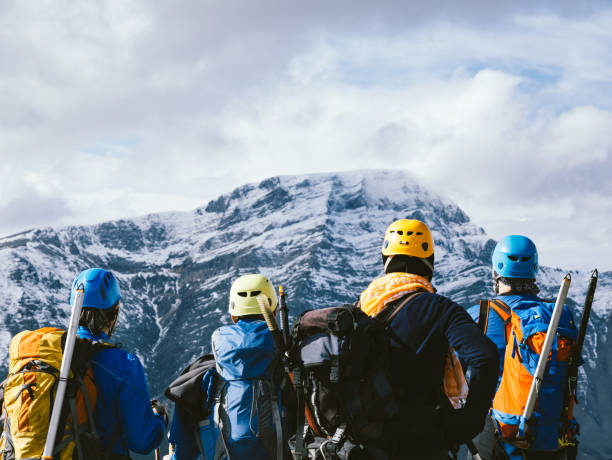
The success rate for the 5-day Marangu Route on Kilimanjaro is generally considered lower than longer routes, typically ranging from 60-70% for reaching the summit. This is primarily due to the rapid ascent, which allows less time for acclimatization. However, by focusing on proper preparation, choosing a reputable operator, and employing specific strategies to combat altitude sickness, climbers can significantly improve their chances of summit success in 2026 and 2027.
Understanding the 5-Day Marangu Route and Its Summit Chances
Kilimanjaro, the Roof of Africa, beckons adventurers from across the globe. Among the various ascent paths, the Marangu Route stands out for its unique characteristics. Often dubbed the ‘Coca-Cola’ route due to its popularity and relative ease of access, it’s also the only route that offers dormitory-style accommodation in huts along the way, providing a more comfortable trekking experience compared to camping routes. However, when considering the 5-day itinerary, a critical question arises: what is the best 5 day Marangu route success rate, and how can one achieve it?
The allure of the Marangu Route lies in its directness and the promise of a more sheltered journey. Yet, its rapid ascent profile is precisely what challenges many climbers aiming for Uhuru Peak (5,895 meters / 19,341 feet). The 5-day version, in particular, compresses the ascent into a short timeframe, leaving less room for the body to adapt to the thinning air. This is why understanding the success rate is paramount for setting realistic expectations and planning effectively for treks in 2026 and 2027.
Why the 5-Day Marangu Route’s Success Rate Matters
A successful summit bid on Kilimanjaro is more than just reaching the top; it’s a culmination of physical, mental, and logistical preparation. For the 5-day Marangu Route, the statistics, while not absolute, offer a crucial benchmark. A success rate hovering between 60% and 70% means that a significant portion of trekkers, even those who train diligently, might not reach the summit. This statistic is not meant to deter, but to inform. It underscores the importance of making informed choices:
- Choosing the Right Operator: A good operator prioritizes safety and employs experienced guides who understand acclimatization and altitude sickness.
- Personal Preparation: Fitness is essential, but understanding your body’s response to altitude is equally vital.
- Route Selection within Marangu: While the 5-day is the shortest, a 6-day option on Marangu significantly boosts acclimatization and thus success rates.
For those determined to tackle Kilimanjaro in 2026 or 2027 via the 5-day Marangu Route, this guide will dissect the factors that contribute to success and provide actionable strategies to enhance your odds.
Factors Influencing the 5-Day Marangu Route Success Rate
The summit of Kilimanjaro is an ambitious goal, and reaching it depends on a complex interplay of factors. For the accelerated 5-day Marangu Route, these influences become even more pronounced. Understanding each element can empower you to mitigate risks and maximize your potential for success.
1. Acclimatization: The Cornerstone of Success
This is, without question, the most critical factor. Acclimatization is the process by which your body adapts to lower oxygen levels at higher altitudes. The 5-day Marangu Route’s main drawback is its rapid ascent, which offers minimal time for this vital adaptation. Climbers gain altitude very quickly, increasing the risk of Acute Mountain Sickness (AMS).
Key Considerations for Acclimatization on the 5-Day Marangu Route:
- Pacing (‘Pole Pole’): This Swahili phrase meaning ‘slowly, slowly’ is the mantra of Kilimanjaro climbers. Going slow conserves energy and allows your body more time to adjust to the altitude with each step.
- Hydration: Drinking plenty of water (3-4 liters per day) helps your body function optimally at altitude and can mitigate AMS symptoms.
- Diet: Eating well, even when appetite is low, provides the energy needed for the climb. High-carbohydrate meals are generally recommended.
- Avoiding Alcohol and Caffeine: These can dehydrate you and interfere with sleep, both detrimental at altitude.
- Sleeping High, Climbing High: While the 5-day itinerary limits this, the principle of spending nights at higher altitudes to acclimatize is fundamental. The 5-day Marangu doesn’t allow for significant ‘climb high, sleep low’ strategies.
The 5-day itinerary essentially ascends from Marangu Gate (1,860m) to Mandara Huts (2,700m), then to Horombo Huts (3,720m), and attempts a push from Kibo Huts (4,720m) to the summit. This rapid jump from Horombo to Kibo is where acclimatization challenges are most acutely felt.
2. Physical Fitness and Stamina
While you don’t need to be an elite athlete, a good level of cardiovascular fitness is essential. This route involves sustained trekking, often for 5-8 hours a day, with a very long summit night. Being able to hike for extended periods, especially uphill, will make the journey more manageable and enjoyable.
Training Recommendations:
- Cardiovascular Exercise: Aim for 3-4 sessions per week, including hiking, running, cycling, or swimming.
- Strength Training: Focus on leg muscles (quadriceps, hamstrings, calves) and core strength.
- Hiking with a Pack: Practice hiking on varied terrain with a weighted backpack similar to what you’ll carry on Kilimanjaro.
- Stair Climbing: A great way to build endurance for ascents.
Even with excellent fitness, altitude sickness can still affect anyone. However, being physically prepared ensures that your body is better equipped to handle the exertion, leaving more energy reserves for acclimatization.
3. Mental Preparedness and Attitude
The mental aspect of climbing Kilimanjaro cannot be overstated. The 5-day Marangu Route, with its challenging summit night and rapid ascent, requires significant mental fortitude. You will likely experience fatigue, cold, and discomfort. A positive, determined attitude, coupled with the ability to push through difficult moments, is crucial.
Cultivating Mental Strength:
- Set Realistic Expectations: Understand that it will be tough, and summit day is a significant physical and mental challenge.
- Focus on One Step at a Time: Break the climb down into manageable segments.
- Trust Your Guides: They are experienced professionals whose primary concern is your safety.
- Visualize Success: Imagine yourself reaching the summit.
4. The Role of Your Tour Operator and Guides
Choosing a reputable tour operator is paramount. They are responsible for:
- Experienced Guides: Guides trained in high-altitude trekking and AMS management. They know how to assess symptoms and make critical decisions.
- Proper Equipment: Ensuring you have adequate gear and that the camp/hut setup is safe.
- Logistics: Efficiently managing food, water, and transport.
- Safety Protocols: Having emergency procedures and oxygen on hand.
Operators like Top Guide Adventures prioritize climber safety and success by employing highly skilled guides who are adept at managing altitude sickness and ensuring a positive trekking experience. Their commitment to best practices is a significant factor in improving the 5 day Marangu route success rate.
5. Weather Conditions
Kilimanjaro experiences distinct seasons. While the Marangu Route is accessible year-round, weather can significantly impact success rates. Clear, calm conditions are ideal, particularly for the summit push, which begins in the early hours of the morning. Extreme cold, high winds, or heavy precipitation can make the climb much more difficult and dangerous, potentially forcing a descent.
Best Times to Climb (for potentially better weather and higher success rates):
- January to March: Generally dry and clear.
- June to October: Also dry, with cooler temperatures.
The shoulder seasons (April-May and November-December) can be wetter, increasing the challenge.
6. Age and Health Status
While Kilimanjaro attracts a wide age range, underlying health conditions can pose risks. It’s crucial to consult your doctor before planning your climb, especially if you have pre-existing conditions such as heart disease, respiratory issues, or high blood pressure. Generally, individuals in good health are better equipped to handle the physical demands and altitude.
The 5-Day Marangu Route Itinerary: A Closer Look at Success
Understanding the daily progression of the 5-day Marangu Route is key to appreciating why acclimatization is a challenge and how to best approach each stage. The route typically follows this structure:
Day 1: Marangu Gate (1,860m / 6,100ft) to Mandara Huts (2,700m / 8,860ft)
Distance: 8 km / 5 miles
Time: 3-5 hours
Habitat: Rainforest
The trek begins at the Marangu Park Gate, where registration formalities take place. The path winds through dense montane rainforest. The initial ascent is moderate, and the altitude gain is significant but manageable. The goal here is to start moving and get the body accustomed to trekking at altitude. The rainforest environment is lush and can be damp, so waterproof gear is advisable.
Day 2: Mandara Huts (2,700m / 8,860ft) to Horombo Huts (3,720m / 12,205ft)
Distance: 12 km / 7.5 miles
Time: 5-7 hours
Habitat: Moorland
Today’s trek takes you out of the rainforest and into the moorland zone, characterized by giant heathers, groundsels, and lobelias. The landscape opens up, offering stunning views of the surrounding plains and, on clear days, Kilimanjaro’s peaks. This is a longer day, and the altitude gain is substantial. Proper pacing (‘pole pole’) is crucial here. Arriving at Horombo Huts, you’ll notice the air is noticeably thinner.
Day 3: Acclimatization Day at Horombo Huts (3,720m / 12,205ft)
Distance: ~5 km / 3 miles (optional acclimatization hike)
Time: 2-3 hours
Habitat: Moorland
This day is designated for acclimatization. Climbers typically undertake a short hike towards the saddle between Kibo and Mawenzi peaks, ascending to around 4,000 meters before returning to Horombo Huts. This ‘climb high, sleep low’ principle, even for a short duration, is vital for helping the body adjust to the higher altitude. Resting well and staying hydrated are key priorities.
Day 4: Horombo Huts (3,720m / 12,205ft) to Kibo Huts (4,720m / 15,485ft)
Distance: 10 km / 6 miles
Time: 4-6 hours
Habitat: Alpine desert
Today marks a significant altitude gain as you traverse the alpine desert. The landscape becomes stark and barren, with sparse vegetation. The air is very thin, and the temperatures drop considerably. The goal is to reach Kibo Huts, the base camp for the summit push, and rest as much as possible in preparation for the challenging night ahead. Eating and drinking are essential, even if appetite is low.
Day 5: Kibo Huts (4,720m / 15,485ft) to Uhuru Peak (5,895m / 19,341ft) and down to Horombo Huts (3,720m / 12,205ft)
Distance: ~5 km / 3 miles (up) + ~15 km / 9 miles (down)
Time: 7-10 hours (up) + 3-5 hours (down)
Habitat: Arctic/Summit zone and Alpine desert
This is the ultimate challenge. The summit attempt begins around midnight, ascending the scree slopes towards Gilman’s Point (5,685m / 18,652ft) and then continuing to Uhuru Peak, the highest point in Africa. This is the most demanding part of the trek, requiring immense physical and mental strength in extreme cold and low oxygen. After reaching the summit and celebrating briefly, the descent is rapid, first to Kibo Huts for a short rest and then all the way down to Horombo Huts. The rapid descent helps to alleviate AMS symptoms.
Day 6: Horombo Huts (3,720m / 12,205ft) to Marangu Gate (1,860m / 6,100ft)
Distance: 20 km / 12.5 miles
Time: 5-7 hours
Habitat: Moorland and Rainforest
The final day involves a long descent back through the moorland and rainforest to Marangu Gate. The terrain is easier underfoot, but the distance can still be tiring. Upon arrival at the gate, you’ll receive your summit certificates, a moment of great pride and accomplishment. From here, you’ll be transferred back to your hotel in Moshi or Arusha.
The critical point for success on the 5-day itinerary is the transition from Day 3 (acclimatization day) to Day 4 (Kibo Huts). The rapid ascent to Kibo Huts and then the immediate summit push on Day 5 are the most significant hurdles for acclimatization. This is why many operators strongly recommend the 6-day Marangu Route for a better chance of summit success.
Comparing 5-Day Marangu with Other Routes for Success
When discussing the best 5 day Marangu route success rate, it’s useful to contextualize it against other popular Kilimanjaro routes. The choice of route significantly impacts acclimatization profiles and, consequently, summit success rates.
The 6-Day Marangu Route: A Stronger Alternative
The 6-day Marangu Route adds an extra day, typically spent at Horombo Huts or as an extra acclimatization day. This extra day allows for more gradual ascent and better acclimatization, significantly boosting the success rate compared to the 5-day version. Many climbers find this offers a more comfortable and safer experience, with success rates often reported to be higher, potentially in the 80-90% range.
Machame Route: High Success, Camping Style
The Machame Route is arguably the most popular route overall and is known for its excellent acclimatization profile, often referred to as ‘climb high, sleep low’. It typically takes 6 or 7 days. Its circular path allows for significant altitude gain and loss, which aids acclimatization. Success rates on the Machame Route are generally very high, often exceeding 90% for the 7-day option. It is a camping route, meaning nights are spent in tents.
If you are interested in group departures for the Machame Route in 2026 or 2027, you can explore options here: Machame Route Kilimanjaro Group Departures Dates.
Lemosho Route: Scenic and Good Acclimatization
The Lemosho Route is renowned for its stunning scenery and excellent acclimatization. It typically takes 7 or 8 days. This longer duration allows for a more relaxed pace and better acclimatization, leading to very high success rates, often comparable to or exceeding Machame. It is also a camping route.
Other Routes (Shira, Rongai, Northern Circuit)
- Shira Route: Similar to Lemosho but starts at a higher altitude, which can be a disadvantage for acclimatization.
- Rongai Route: Approaches from the north, often drier, and offers a good alternative, typically 6-7 days.
- Northern Circuit: The longest route (9 days), offering the best acclimatization and thus the highest success rates, often close to 99%.
The Trade-off: Speed vs. Success
The 5-day Marangu Route’s primary appeal is its speed and the promise of hut accommodation. However, this comes at the cost of a lower success rate due to compromised acclimatization. For trekkers with limited time or those seeking a more comfortable lodging experience, it can be a viable option if they are aware of the risks and take every possible measure to prepare. For those prioritizing summit success and a more comfortable acclimatization experience, the 6-day Marangu or longer routes like Machame or Lemosho are generally recommended.
Maximizing Your Success on the 5-Day Marangu Route
If you are set on the 5-day Marangu Route for your 2026 or 2027 Kilimanjaro adventure, all hope is not lost. By implementing the following strategies, you can significantly enhance your chances of reaching Uhuru Peak:
Pre-Climb Preparation is Key:
- Intensify Training: Focus on cardiovascular endurance and leg strength for at least 2-3 months prior. Include hiking with a pack on steep inclines.
- Consult Your Doctor: Get a thorough medical check-up and discuss your plans.
- Consider Diamox (Acetazolamide): Consult your doctor about this prescription medication, which can help prevent or alleviate AMS symptoms. Start taking it a day or two before ascending.
- Mental Rehearsal: Prepare yourself mentally for the challenges, especially the summit night.
During the Climb Strategies:
- ‘Pole Pole’ is Non-Negotiable: Go slower than you think you need to. This is the single most important piece of advice.
- Hydrate Relentlessly: Drink 3-4 liters of water daily. Electrolyte supplements can be beneficial.
- Eat What You Can: Even if your appetite is reduced, force yourself to eat small, frequent meals. Carbohydrates are your friend.
- Sleep Management: Try to rest as much as possible. Use earplugs and an eye mask if needed.
- Monitor Your Symptoms: Be honest with your guides about how you feel. Early detection of AMS is crucial. Don’t try to ‘tough it out’ if you feel unwell.
- Listen to Your Guides: They are experts. Trust their judgment implicitly. If they advise you to descend, it is for your safety.
- Stay Warm: Layer your clothing effectively. Frostbite and hypothermia are real risks, especially on summit night.
Choosing the Right Operator for the 5-Day Marangu Route
When booking your 5-day Marangu Route trek for 2026 or 2027, selecting an operator that prioritizes safety and employs experienced guides is critical. Look for companies that:
- Have a strong safety record.
- Employ certified, experienced guides who are trained in high-altitude medicine and AMS management.
- Provide adequate emergency equipment (e.g., oxygen, first-aid kits).
- Have clear protocols for handling medical emergencies.
- Offer clear communication regarding inclusions, exclusions, and what to expect.
Top Guide Adventures is committed to providing safe and successful Kilimanjaro climbs. Our guides are highly trained, and we adhere to strict safety protocols to ensure our clients have the best possible experience. We can assist you in planning your 2026 or 2027 climb, advising on the best route for your fitness and goals.
What to Expect in Terms of Costs for the 5-Day Marangu Route (2026-2027)
The cost of climbing Kilimanjaro varies significantly based on the operator, the services included, and the route chosen. For the 5-day Marangu Route, expect costs to range generally from $1,200 to $2,500 per person. This is a broad estimate, and actual prices will depend on the specific inclusions.
Typical Inclusions in a 5-Day Marangu Route Package:
- Park entrance fees (Kilimanjaro National Park, camping/hut fees)
- All meals during the trek
- Hut accommodation (Mandara, Horombo, Kibo)
- Professional guides, assistant guides, and porters
- Portable toilet for the group
- Bottled water or water purification
- Group climbing equipment (tents if applicable, cooking gear)
- Transfer from Moshi/Arusha to the gate and back
- Emergency oxygen and first-aid kit
Common Exclusions:
- Flights to/from Kilimanjaro International Airport (JRO)
- Visa fees
- Travel and rescue insurance (mandatory)
- Personal climbing gear (sleeping bag, warm clothing, boots)
- Tips for guides, porters, and cook (a significant part of the cost)
- Lunches and dinners in Moshi/Arusha before and after the climb
- Alcoholic beverages and personal expenses
When comparing prices for 2026 or 2027, always scrutinize what is included. A cheaper price might mean fewer guides, less food, or lower quality equipment, all of which can impact your safety and success rate. It’s often wise to invest in a reputable operator that offers better support and a higher likelihood of summit success.
For an idea of group departure dates and potential shared tour costs for other popular routes, you can check out All Tanzania Safaris Group Departures Dates & Best Shared Tours.
Frequently Asked Questions about the 5-Day Marangu Route Success Rate
Here are some common questions aspiring climbers have regarding the 5-day Marangu Route and its success rates.
Q1: Is the 5-day Marangu Route really that much harder than the 6-day?
Yes, the 5-day Marangu Route is significantly more challenging due to the compressed schedule. The main difference is the lack of adequate acclimatization time. The rapid ascent, especially from Horombo Huts (3,720m) directly to Kibo Huts (4,720m) and then attempting the summit, puts climbers at a much higher risk of altitude sickness compared to the 6-day itinerary, which includes an extra day for acclimatization, usually at Horombo Huts. This extra day makes a substantial difference in success rates.
Q2: What is the typical success rate for the 5-day Marangu Route?
The success rate for the 5-day Marangu Route is generally estimated to be between 60% and 70%. This means that roughly 30-40% of climbers attempting this shorter itinerary may not reach Uhuru Peak, often due to altitude sickness. The 6-day Marangu route, on the other hand, typically sees success rates in the 80-90% range.
Q3: Can I still be successful on the 5-day Marangu Route if I’m not super fit?
While fitness is important, it’s not the sole determinant of success, especially at altitude. Acclimatization is far more critical. You can be incredibly fit, but if you ascend too quickly without proper acclimatization, you can still suffer from altitude sickness and be unable to summit. Conversely, a moderately fit person who paces themselves correctly, stays hydrated, and listens to their body and guides might succeed. However, the 5-day route’s rapid ascent makes it challenging for everyone, regardless of fitness level.
Q4: What are the main symptoms of Altitude Sickness (AMS) I should watch for?
The most common symptoms of AMS include headache, nausea, dizziness, fatigue, loss of appetite, and difficulty sleeping. More severe symptoms can include vomiting, shortness of breath even at rest, confusion, and loss of coordination. It is crucial to report any symptoms to your guide immediately. The primary treatment is to descend to a lower altitude.
Q5: Is the Marangu Route the best for hut accommodation?
Yes, the Marangu Route is the only route on Kilimanjaro that offers dormitory-style hut accommodation at each camp. This provides a more comfortable experience than camping, as it offers basic shelter, beds, and protection from the elements. For those who prefer not to camp, the Marangu Route is the primary choice, but climbers must weigh this comfort against the potentially lower summit success rate of the 5-day itinerary.
Q6: Should I take Diamox for the 5-day Marangu Route?
Consulting your doctor is essential before taking Diamox (Acetazolamide). If prescribed, it can help speed up acclimatization and reduce AMS symptoms. Many climbers find it beneficial. You would typically start taking it a day or two before ascending Kilimanjaro and continue throughout the climb. However, it is not a substitute for proper acclimatization and should not be taken if you have certain medical conditions or allergies (like sulfa allergies).
Q7: When is the best time of year to climb the 5-day Marangu Route in 2026 or 2027 for better success?
The best times for climbing Kilimanjaro, offering the highest chance of clear weather and thus potentially better success rates, are the dry seasons: January to March and June to October. While the 5-day Marangu route’s success rate is inherently lower due to its speed, climbing during these periods avoids the added challenge of difficult weather conditions like heavy rain or snow, which can make the already tough climb even more precarious.
Your Kilimanjaro Dream: Planning for 2026-2027
Climbing Kilimanjaro is an unforgettable journey. While the best 5 day Marangu route success rate is a statistic that requires careful consideration, it does not preclude achieving your summit goal. By prioritizing preparation, choosing a reputable operator, understanding the risks, and listening to your body, you can significantly improve your chances.
For many, the allure of the Marangu Route’s huts combined with a shorter itinerary is appealing. However, for those whose primary objective is to stand on Uhuru Peak, a longer route like the 6-day Marangu, Machame, or Lemosho is often a more prudent choice. The extra day provides critical acclimatization that can make the difference between summit success and disappointment.
We understand that planning a Kilimanjaro climb can be daunting. Our team at Top Guide Adventures is dedicated to helping you make the right choices for your adventure in 2026 or 2027. Whether you are considering the 5-day Marangu, the 6-day Marangu, or one of our other highly successful routes, we offer expert guidance, top-tier guides, and a commitment to your safety and enjoyment.
To discuss your specific needs, get a personalized quote, or learn more about our Kilimanjaro treks, please feel free to reach out to us. You can contact us via WhatsApp at +255616946642, email us at topguideadventures@gmail.com, or send a backup email to info@topguideadventures.com. Let us help you plan a safe and successful climb to the Roof of Africa.
Check Availability for Best 5 Day Marangu Route Success Rate: Your Guide For 2026-2027
Ready to compare dates, prices, and the best option for your group? Send the package name and travel month so the team can reply with a clear quote, availability, and what is included.
 6 Day Marangu Route Success Rate & Trek Kilimanjaro In 2026-2027Learn about the success rate for the 6-day Marangu Route on Kilimanjaro. This comprehensive guide covers preparation, acclimatization, and what…View package
 Best 6-Day Machame Route Success Rate: Your Kilimanjaro Guide 2026-2027Planning a Kilimanjaro climb via the Machame Route? Learn about the 6-day success rate, what factors influence it, and how to maximize your…View package7-Day Machame Route Success Rate For Kilimanjaro Climbs In 2026-2027The 7-day Machame Route offers a good balance of acclimatization and scenery, contributing to a strong success rate for Kilimanjaro climbs…View package
 Tanzania Catch-And-Release Fishing Safari: Your Ultimate Guide 2026-2027Experience the unique blend of wildlife viewing and angling with a Tanzania catch-and-release fishing safari. This comprehensive guide covers…View package
 Lake Victoria Island Cycling Adventure: Your Ultimate Guide 2026-2027Experience the vibrant life and stunning landscapes of Lake Victoria's islands on a unique cycling adventure. This guide covers everything you…View package
 Pangani River Fishing Experience GuideExplore the thrilling world of Pangani River fishing. This comprehensive guide covers everything you need to know for an unforgettable angling…View package
 Lake Duluti Horse Riding Experience GuideExplore the stunning landscapes surrounding Lake Duluti on horseback. This guide details the unique horse riding experience, ideal for…View package
 5-Day Northern Tanzania Horse Safari: An Unforgettable Adventure 2026-2027Discover the thrill of a 5-Day Northern Tanzania Horse Safari. This guide details an unparalleled way to explore Tanzania's iconic wildlife and…View package


