
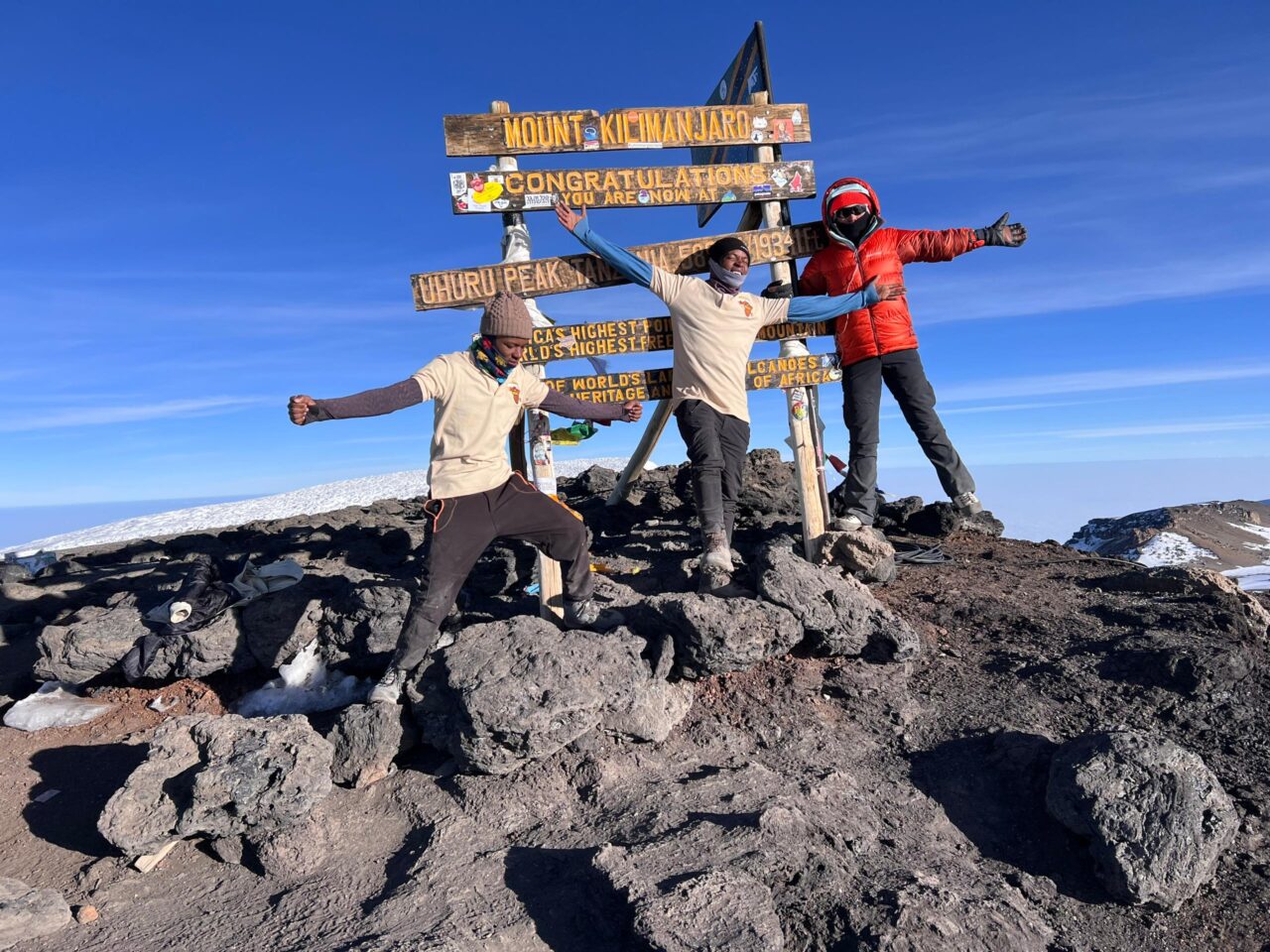
The 7-day Marangu Route, while not the longest option, can achieve a respectable success rate for climbing Kilimanjaro, often estimated between 60-70% for reaching Uhuru Peak, especially when climbing with experienced guides and proper acclimatization. This rate is influenced by several factors including the climber’s physical condition, acclimatization schedule, weather, and the quality of the guiding service. For 2026 and 2027 climbs, focusing on thorough preparation, choosing a reputable operator, and understanding the route’s specific challenges are paramount to maximizing your summit success.
Understanding the 7-Day Marangu Route and Its Summit Prospects
Kilimanjaro, Africa’s highest peak and the world’s tallest free-standing mountain, beckons adventurers from across the globe. Among the various ascent paths, the Marangu Route stands out for its unique characteristics, often dubbed the ‘Coca-Cola’ or ‘tourist’ route due to its gentler slopes, gradual ascent, and the availability of dormitory-style huts along the way, offering a different trekking experience compared to camping routes. When considering a 7-day Marangu Route success rate, it’s crucial to understand that this duration is one of the longer options available on Marangu, offering a better chance for acclimatization than the shorter 5 or 6-day variants. However, its success rate is a complex interplay of scientific principles, personal preparation, and operational excellence.
While exact statistics can fluctuate year to year and vary between operators, general estimates place the success rate for the 7-day Marangu Route in the range of 60% to 70%. This figure is significantly influenced by the climber’s ability to acclimatize effectively to the extreme altitude. Unlike longer routes that build in more rest days and slower ascents, the 7-day Marangu packs more mileage into each day. This means that while you are on the mountain for a longer period than the 5-day option, the pace can still be demanding for some. For those planning their climb for 2026 or 2027, understanding these nuances is the first step toward a successful summit bid.
The key differentiator for success on any Kilimanjaro route, including Marangu, is acclimatization. Altitude sickness (Acute Mountain Sickness or AMS) is the primary reason for failed summit attempts. The 7-day itinerary provides a slightly better acclimatization profile than shorter options, but it still requires careful attention to hydration, slow ascent, and listening to your body. By choosing the 7-day option, you are already making a choice that favors better acclimatization, which directly impacts the Marangu route success rate.
Factors Influencing Your 7-Day Marangu Route Summit Success
Achieving the summit of Kilimanjaro is a significant accomplishment, and on the 7-day Marangu Route, success is not guaranteed but can be significantly improved by understanding and mitigating various factors. These elements range from personal readiness to external conditions, all playing a role in your final push to Uhuru Peak.
1. Acclimatization: The Cornerstone of Summit Success
This cannot be stressed enough: acclimatization is the single most critical factor determining success on Kilimanjaro. The 7-day Marangu Route is designed to allow for a more gradual ascent than the 5-day version, which aids in acclimatization. The principle is ‘climb high, sleep low,’ and while the Marangu route’s linear path doesn’t perfectly facilitate this on every day, the extra day allows for slower progress and potentially longer rests at higher camps.
During your ascent, your body needs time to adapt to the decreasing oxygen levels. Symptoms of altitude sickness can range from mild headaches and nausea to severe, life-threatening conditions like High Altitude Cerebral Edema (HACE) and High Altitude Pulmonary Edema (HAPE). The 7-day itinerary provides a better foundation for your body to adjust compared to shorter routes, but it still demands vigilance. Recognizing symptoms early and communicating them to your guide is vital. The 7 day Marangu route success rate is heavily dependent on how well an individual acclimatizes.
2. Physical Fitness and Preparation
While Kilimanjaro is not a technical climb, it is a strenuous physical undertaking. A good level of cardiovascular fitness is essential. This means engaging in regular aerobic activities such as hiking, running, cycling, or swimming in the months leading up to your climb. Focus on endurance rather than speed. Practicing hiking with a backpack on varied terrain, including inclines, will prepare your body for the sustained effort required.
Your preparation should also include strength training, particularly for your legs and core, to handle the demanding ascents and descents. Consistency is key; starting your training regimen at least 3-4 months before your expedition is recommended for optimal results. A well-prepared body is more resilient to the stresses of altitude and can recover more effectively, directly boosting your chances for a successful 7 day Marangu route climb.
3. Hydration and Nutrition
Proper hydration is crucial for acclimatization and preventing altitude sickness. Aim to drink 3-4 liters of water per day, even if you don’t feel thirsty. Dehydration can mimic altitude sickness symptoms, making it harder to differentiate and manage. Your guides will ensure water is boiled and purified for drinking and cooking.
A balanced diet is also important. High-carbohydrate meals are generally recommended as they are easier to digest and provide readily available energy. Your expedition team will provide nutritious meals throughout the trek. However, it’s also wise to carry your own high-energy snacks like nuts, dried fruits, energy bars, and chocolate to supplement your intake, especially during strenuous days and the summit night. Good nutrition supports your body’s energy demands and aids recovery.
4. Mental Fortitude and Attitude
The mental aspect of climbing Kilimanjaro is as important as the physical. The summit push, particularly on the final night, is a test of endurance and willpower. Long hours in the cold, darkness, and thin air can be mentally taxing. Maintaining a positive attitude, focusing on one step at a time, and trusting your guides are essential for overcoming challenges.
Setting realistic expectations is also part of mental preparation. Understand that the climb will be difficult, but also incredibly rewarding. Celebrating small victories along the way—reaching each camp, seeing a beautiful sunrise—can help maintain morale. A strong mental game significantly contributes to the overall success rate of the 7-day Marangu route.
5. Weather Conditions
Kilimanjaro experiences distinct weather patterns, and conditions can change rapidly. While the dry seasons (January-March and June-October) generally offer more stable weather, unexpected storms can occur at any time. Extreme cold, wind, and precipitation can make the climb more challenging and increase the risk of hypothermia, potentially forcing a descent.
Your guides are experienced in reading weather patterns and will advise on appropriate gear and precautions. While you cannot control the weather, being prepared with high-quality, layered clothing is vital. Understanding that weather can impact the 7 day Marangu route success rate is part of realistic planning.
6. Choice of Tour Operator and Guide Quality
This is a critical factor that directly impacts your safety, comfort, and success rate. A reputable operator with experienced, certified guides is invaluable. Good guides are not just navigators; they are experts in altitude sickness management, first aid, and group motivation. They know when to push, when to rest, and how to best assess your condition.
Choosing an operator that prioritizes safety, uses well-trained staff, and provides adequate equipment can make a significant difference. Look for companies that have a strong track record, positive reviews, and a clear safety protocol. Operators like Top Guide Adventures are known for their commitment to client safety and success, employing highly skilled guides who understand the nuances of Kilimanjaro’s altitudes. Their expertise is a significant factor in improving the 7 day Marangu route success rate for their clients.
The 7-Day Marangu Route Itinerary: A Closer Look at Acclimatization
The 7-day Marangu Route itinerary is specifically designed to enhance acclimatization compared to its shorter counterpart. While it’s still a challenging ascent, the extra day provides a more relaxed pace and allows your body more time to adapt to the increasing altitude. Understanding this itinerary is key to appreciating its potential for success.
Here’s a typical breakdown of a 7-day Marangu Route trek, highlighting how each day contributes to acclimatization and the overall Marangu route success rate:
Day 1: Marangu Gate (1,800m / 5,905ft) to Mandara Huts (2,700m / 8,858ft)
Distance: 8 km / 5 miles
Time: 3-4 hours
Habitat: Rainforest
The trek begins at the Marangu Gate, where registration and final preparations take place. The initial hike is through a lush rainforest, offering a pleasant start. The ascent to Mandara Huts is relatively short, allowing for a gentle introduction to trekking on Kilimanjaro. This first day is crucial for settling in and beginning the process of altitude adaptation.
Day 2: Mandara Huts (2,700m / 8,858ft) to Horombo Huts (3,700m / 12,139ft)
Distance: 12 km / 7.5 miles
Time: 5-6 hours
Habitat: Moorland
Today, you leave the rainforest behind and enter the moorland zone. The trail becomes steeper, and the scenery changes dramatically. Reaching Horombo Huts involves a significant altitude gain, and this day is a good test of your physical condition and early acclimatization. The overnight stay at Horombo is important for further adaptation.
Day 3: Horombo Huts (3,700m / 12,139ft) – Acclimatization Day
Time: Variable (short hike)
This is the key advantage of the 7-day itinerary. An extra day spent at Horombo Huts significantly aids acclimatization. Typically, you will undertake a short acclimatization hike to Mawenzi Ridge (around 4,300m / 14,107ft) before returning to Horombo Huts to sleep. This ‘climb high, sleep low’ principle, even in a limited capacity, helps your body adjust to higher altitudes. This dedicated acclimatization day is a major factor in improving the 7 day Marangu route success rate.
Day 4: Horombo Huts (3,700m / 12,139ft) to Kibo Huts (4,700m / 15,419ft)
Distance: 10 km / 6 miles
Time: 6-7 hours
Habitat: Alpine Desert
The landscape transitions into the alpine desert, characterized by sparse vegetation and rocky terrain. The ascent to Kibo Huts is steep and demanding, bringing you to the base camp for the summit push. This is the highest camp you will stay in before the final ascent. Proper hydration and rest are critical tonight.
Day 5: Kibo Huts (4,700m / 15,419ft) – Summit Night and Descent to Horombo Huts
Distance: 6 km / 3.7 miles (ascent) + 16 km / 9.9 miles (descent)
Time: 6-8 hours (ascent) + 4-5 hours (descent to Horombo)
This is the most challenging day. You will start your summit bid around midnight. The ascent to Uhuru Peak (5,895m / 19,341ft) is slow and requires immense determination. After reaching the summit and enjoying the sunrise, you will begin your descent back to Kibo Huts for a short rest before continuing down to Horombo Huts. This is where the majority of altitude sickness cases occur, making careful management crucial for success.
Day 6: Horombo Huts (3,700m / 12,139ft) to Marangu Gate (1,800m / 5,905ft)
Distance: 20 km / 12.4 miles
Time: 6-8 hours
After breakfast, you continue your descent through the moorland and rainforest zones, finally reaching Marangu Gate. This is a long day of trekking downhill. Upon arrival at the gate, you will be met by your driver and transferred back to your hotel in Moshi or Arusha. Celebrating your achievement is in order!
Day 7: Optional – Rest or Departure
This day is usually reserved for rest, recovery, and departure from Kilimanjaro. Some may opt for a short excursion or simply relax before their onward journey.
The inclusion of the acclimatization day (Day 3) is what elevates the 7-day Marangu Route’s potential success rate significantly compared to the 5-day option. It allows your body a crucial extra period to adapt before ascending to higher altitudes, reducing the risk of AMS and increasing your chances of reaching the summit.
Comparing 7-Day Marangu with Other Routes for Success Rate
When considering the 7 day Marangu route success rate, it’s helpful to compare it with other popular Kilimanjaro routes. While Marangu offers comfort with its huts, other routes are often lauded for higher success rates due to their superior acclimatization profiles.
- Machame Route (7 or 8 days): Often considered to have one of the highest success rates, typically above 85-90% for the 7 or 8-day options. Its ‘trekking pole’ design, with longer ascents and descents and dedicated acclimatization days, allows for excellent acclimatization. For 2026 and 2027 climbs, Machame is a top choice for those prioritizing success.
- Lemosho Route (7 or 8 days): Similar to Machame in its excellent acclimatization profile and high success rates, often exceeding 90% for the longer variations. It offers stunning scenery and a remote trekking experience.
- Northern Circuit (9 days): This is the longest route and generally boasts the highest success rates, often approaching 95-99%. Its extended duration allows for superior acclimatization.
- Marangu Route (5 days): This is the shortest Marangu option. Its success rate is considerably lower, often cited between 30-50%, due to the rapid ascent and insufficient acclimatization time.
The 7-day Marangu Route success rate, falling between 60-70%, positions it as a moderate option. It’s better than the 5-day Marangu but generally lower than the longer, more circuitous routes like Machame, Lemosho, or the Northern Circuit. The trade-off is the comfort of the huts versus potentially higher summit odds. For travelers prioritizing comfort and the unique hut experience, the 7-day Marangu is a viable choice, provided they are well-prepared and choose a quality operator.
Key Takeaway for 2026-2027 Trekkers:
If your primary goal is the highest possible success rate, consider longer routes like Machame (7 or 8 days), Lemosho (7 or 8 days), or the Northern Circuit (9 days). However, if the hut accommodation of the Marangu Route appeals to you, the 7-day Marangu route offers a significantly improved chance of summiting compared to the 5-day version. Proper preparation and a reputable guide service are essential regardless of the route chosen.
Maximizing Your Success: Tips for the 7-Day Marangu Route
To improve your chances of reaching Uhuru Peak on the 7-day Marangu Route, especially for your planned expedition in 2026 or 2027, focus on these actionable tips:
1. Choose the Right Operator
As mentioned, this is paramount. A company like Top Guide Adventures has a proven track record of guiding clients to the summit safely and successfully. They understand the intricacies of Kilimanjaro, employ experienced guides, and prioritize client well-being. Look for operators who:
- Have a high client-to-guide ratio (e.g., 1:12 or better).
- Employ certified, experienced guides trained in wilderness first aid and altitude management.
- Provide adequate porters and support crew.
- Have a clear emergency evacuation plan.
- Offer comprehensive pre-climb information and support.
2. Train Consistently and Smartly
Don’t underestimate the physical demands. Train for endurance. Hike regularly, preferably on trails with elevation changes, carrying a pack similar to what you’ll use on the mountain. Incorporate strength training for legs and core. Simulate multi-day hiking if possible.
3. Hydrate, Hydrate, Hydrate!
Start hydrating well before your trek begins. During the climb, make it a habit to drink water consistently throughout the day. Avoid alcohol and excessive caffeine, which can dehydrate you.
4. Pace Yourself: Pole Pole
Embrace the Swahili phrase ‘pole pole’ – slowly, slowly. This is not a race. A slow, steady pace conserves energy and aids acclimatization. Your guides will set the pace, but it’s important to communicate if you feel rushed or are struggling.
5. Communicate with Your Guides
Your guides are your lifeline. Be honest about how you are feeling. Report any symptoms of altitude sickness, no matter how minor they seem. They are trained to assess your condition and make critical decisions for your safety.
6. Eat and Sleep Well
Despite altitude, try to eat the meals provided. Your body needs fuel. Similarly, get as much rest as possible at the huts. Napping and resting during the day also help conserve energy.
7. Pack Appropriately
Layering is key. Ensure you have waterproof and windproof outer layers, warm insulating layers (fleece, down), thermal base layers, a warm hat, gloves, and sturdy hiking boots. Proper gear prevents hypothermia and discomfort, allowing you to focus on the climb.
8. Stay Positive
A positive mindset is a powerful tool. Focus on the journey, the views, and the accomplishment. Break down the climb into smaller goals. Celebrate milestones.
The Cost of a 7-Day Marangu Route Climb
The cost of climbing Kilimanjaro varies significantly based on the tour operator, the inclusions, and the level of service provided. For a 7-day Marangu route climb, you can expect prices to range from approximately $1,500 to $3,500+ per person for reputable, mid-range to high-end operators in 2026 and 2027. Budget operators might offer lower prices, but it’s crucial to scrutinize what is included and their safety standards.
Typical Inclusions in a reputable operator’s package:
- Park fees (Kilimanjaro National Park, camping/hut fees)
- All accommodation in huts on the mountain
- All meals on the mountain
- Trained and certified mountain guides
- Assistant guides
- Porters to carry main luggage (usually 1 bag per person, up to 15kg)
- Cook and kitchen staff
- Treated drinking water
- Temporary shelters at campsites (if applicable, though Marangu uses huts)
- Oxygen cylinders for emergency use
- Portable flush toilets (for some operators)
- Transfer from Moshi/Arusha to the gate and back
Common Exclusions:
- International flights
- Visa fees
- Travel insurance (mandatory)
- Personal climbing gear (boots, sleeping bag, warm clothing, etc.)
- Tips for guides, porters, and cook (a significant portion of the total cost)
- Lunches and dinners in hotels before and after the climb
- Personal expenses (souvenirs, drinks, etc.)
- Optional acclimatization hikes or day tours
When comparing prices for 2026 or 2027 expeditions, always ensure you are comparing like-for-like in terms of inclusions and service quality. A slightly higher price for a reputable operator often translates to better safety, more experienced staff, and ultimately, a higher chance of success. For a personalized quote and to understand the exact cost for your 7 day Marangu route success rate focused climb, contacting operators directly is recommended. Top Guide Adventures can provide detailed quotes tailored to your needs via WhatsApp at +255616946642 or email at topguideadventures@gmail.com.
Preparing for Your 2026-2027 Kilimanjaro Climb
Planning a Kilimanjaro expedition for 2026 or 2027 requires foresight and detailed preparation. The 7-day Marangu Route is a popular choice, and booking in advance, especially for peak seasons, is advisable.
Booking Your Expedition
It’s recommended to book your climb at least 6-12 months in advance, particularly if you aim for peak seasons like January-March or June-October. This allows ample time for physical training, gear acquisition, and securing your preferred dates and operator. Reputable operators like Top Guide Adventures can assist with all aspects of your booking, from initial inquiries to final preparations.
Gear Checklist Essentials
A comprehensive gear list is crucial. Key items include:
- Footwear: Broken-in hiking boots, comfortable camp shoes.
- Clothing: Thermal base layers, fleece mid-layers, waterproof and windproof outer shell, down jacket, warm hat, gloves, hiking socks.
- Sleeping: A warm sleeping bag (rated to -10°C / 0°F or lower), sleeping bag liner.
- Trekking Gear: Backpack (day pack), duffel bag for porters, trekking poles, headlamp with extra batteries.
- Personal Items: Sunscreen, sunglasses, lip balm, personal first-aid kit, water bottles/hydration reservoir, toiletries.
Health and Vaccinations
Consult your doctor or a travel clinic 4-6 weeks before your trip regarding recommended vaccinations and malaria prophylaxis. While no specific vaccinations are mandatory for Tanzania, routine immunizations should be up-to-date. Diamox (acetazolamide) is often prescribed to aid acclimatization; discuss this with your doctor.
Travel Insurance
Comprehensive travel insurance that covers high-altitude trekking and emergency medical evacuation is absolutely mandatory for all Kilimanjaro climbs. Ensure your policy explicitly covers these activities.
Conclusion: Your Path to Summit Success on the 7-Day Marangu Route
The 7 day Marangu route success rate, while not as high as some of the longer, more acclimatization-focused routes, can be significantly improved through diligent preparation, smart choices, and a commitment to the climb. With an estimated 60-70% success rate, this route offers a compelling blend of comfort with its hut accommodation and a challenging, rewarding ascent to Uhuru Peak.
For those planning their Kilimanjaro adventure in 2026 or 2027, prioritizing acclimatization, maintaining excellent physical condition, staying hydrated, and most importantly, selecting a highly experienced and reputable tour operator are the cornerstones of a successful summit bid. Understanding the itinerary, respecting the altitude, and communicating openly with your guides will further enhance your journey.
Choosing the 7-day Marangu Route is a strategic decision for those who value the unique experience of sleeping in mountain huts. By focusing on the factors discussed, you are well on your way to achieving your dream of standing atop Africa. If you’re ready to plan your Kilimanjaro expedition and want to maximize your 7 day Marangu route success rate, reach out to the experts at Top Guide Adventures. Contact us today via WhatsApp at +255616946642, email us at topguideadventures@gmail.com, or visit our website at www.topguideadventures.com to start planning your unforgettable climb.
Check Availability for 7 Day Marangu Route Success Rate Climb: Maximizing Your Kilimanjaro Summit
Ready to compare dates, prices, and the best option for your group? Send the package name and travel month so the team can reply with a clear quote, availability, and what is included.
 Best 5 Day Marangu Route Success Rate: Your Guide For 2026-2027The Marangu Route, often called the 'Coca-Cola' route, is one of Kilimanjaro's most popular ascents. While its accessibility is a draw…View package
 6 Day Marangu Route Success Rate & Trek Kilimanjaro In 2026-2027Learn about the success rate for the 6-day Marangu Route on Kilimanjaro. This comprehensive guide covers preparation, acclimatization, and what…View package
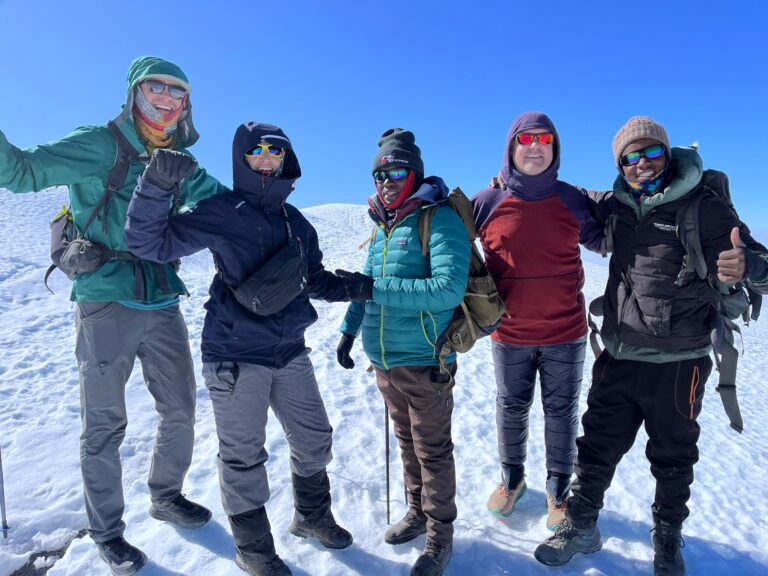 7-Day Machame Route Success Rate For Kilimanjaro Climbs In 2026-2027The 7-day Machame Route offers a good balance of acclimatization and scenery, contributing to a strong success rate for Kilimanjaro climbs…View packageBest 6-Day Machame Route Success Rate: Your Kilimanjaro Guide 2026-2027Planning a Kilimanjaro climb via the Machame Route? Learn about the 6-day success rate, what factors influence it, and how to maximize your…View package
 Tanzania Catch-And-Release Fishing Safari: Your Ultimate Guide 2026-2027Experience the unique blend of wildlife viewing and angling with a Tanzania catch-and-release fishing safari. This comprehensive guide covers…View package
 Lake Victoria Island Cycling Adventure: Your Ultimate Guide 2026-2027Experience the vibrant life and stunning landscapes of Lake Victoria's islands on a unique cycling adventure. This guide covers everything you…View package
 Pangani River Fishing Experience GuideExplore the thrilling world of Pangani River fishing. This comprehensive guide covers everything you need to know for an unforgettable angling…View package
 Lake Duluti Horse Riding Experience GuideExplore the stunning landscapes surrounding Lake Duluti on horseback. This guide details the unique horse riding experience, ideal for…View package


