
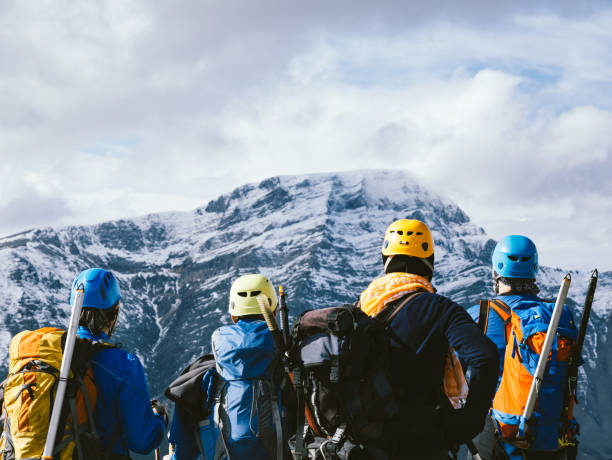

The success rate for the 5-day Umbwe Route on Mount Kilimanjaro is generally considered to be lower than other routes, typically ranging from 50-70% for climbers who reach Uhuru Peak. This is primarily due to its steep gradient, rapid ascent, and limited time for acclimatization, making it a demanding option best suited for experienced trekkers with excellent physical fitness. For those planning a climb in 2026 or 2027, careful consideration of this route’s challenges is paramount before booking.
Understanding the 5-Day Umbwe Route and Its Success Metrics
The allure of Mount Kilimanjaro draws adventurers from across the globe, eager to stand atop Africa’s highest peak. While many routes offer a path to the summit, the Umbwe route, particularly in its truncated 5-day iteration, stands out for its directness and intensity. When discussing the best 5 day Umbwe route success rate, it’s essential to first grasp what ‘success’ truly means in this context and how the route’s design directly influences that outcome. Success, in its most definitive sense, means reaching Uhuru Peak at 5,895 meters (19,341 feet). However, climbing Kilimanjaro is not just about reaching the summit; it’s about doing so safely and healthily.
The 5-day Umbwe route is the shortest and most direct path to Kilimanjaro’s summit. It begins in the dense rainforest, ascending steeply through moorland and alpine desert towards the Barranco Wall and eventually the summit. Its reputation is built on its challenging nature, offering a wilder, less crowded experience than more popular routes. However, this intensity comes at a cost: the rapid ascent provides minimal time for the body to acclimatize to the extreme altitude. Altitude sickness, or Acute Mountain Sickness (AMS), is the primary reason climbers are forced to descend, regardless of their physical fitness.
When we talk about success rates for the 5-day Umbwe, we are looking at statistics that reflect the percentage of trekkers who successfully reach Uhuru Peak. These figures are not static and can vary based on several factors, including the operator, the weather, the individual climber’s preparation, and their ability to listen to their body. However, general consensus and industry data suggest that the 5-day Umbwe route typically sees success rates in the range of 50% to 70%. This is considerably lower than routes like Machame or Lemosho, which often boast success rates upwards of 80-90% due to their longer durations and more gradual acclimatization profiles.
### Why the 5-Day Umbwe Route Presents a Unique Challenge
The Umbwe route’s directness is its double-edged sword. It cuts a steep line up the mountain, minimizing the distance covered each day but maximizing the altitude gained. This aggressive ascent profile means that climbers are exposed to high altitudes much faster than on longer routes. The body needs time to adjust to lower oxygen levels, a process called acclimatization. The longer routes, such as Machame or Lemosho, incorporate ‘climb high, sleep low’ strategies and rest days, allowing for gradual acclimatization. The 5-day Umbwe route, by its very nature, offers little opportunity for this.
Key factors contributing to the lower success rate include:
- Rapid Altitude Gain: The route ascends quickly, putting immense physiological stress on the body.
- Insufficient Acclimatization Time: With only five days, there are limited opportunities for the body to adapt to the thinning air.
- Steep Terrain: The path is often steep and challenging, requiring significant physical exertion at higher altitudes.
- Mental Fortitude: The rapid onset of altitude symptoms can be mentally taxing, leading some to abandon their trek.
For travelers contemplating a Kilimanjaro climb in 2026 or 2027, understanding these inherent challenges is the first step in assessing whether the 5-day Umbwe is the right choice. It’s a route for those who prioritize a direct, wild, and intensely challenging experience, and who are prepared for the significant risks associated with altitude.
Comparing Umbwe to Other Routes: A Success Rate Perspective
To truly appreciate the best 5 day Umbwe route success rate, it’s beneficial to place it in context alongside other popular Kilimanjaro trekking routes. This comparison highlights why Umbwe demands a specific type of climber and why its success metrics differ so markedly.
Most Kilimanjaro operators offer a variety of routes, each with its own characteristics, duration, and typical success rates. The choice of route significantly impacts the overall climbing experience, the scenery encountered, and, crucially, the probability of reaching the summit.
### Popular Routes and Their Approximate Success Rates:
- Marangu Route (Coca-Cola Route): Often considered the easiest route due to its gradual ascent and the availability of dormitory-style huts. It’s typically climbed over 5 or 6 days. Success rates can vary, but are generally in the 60-75% range for the 5-day option and higher for the 6-day option. The 5-day Marangu offers minimal acclimatization.
- Machame Route (Whiskey Route): Arguably the most popular route, known for its scenic beauty and excellent acclimatization profile. It’s usually trekked over 6 or 7 days. Success rates are typically high, often 80-90% or more, thanks to its effective ‘climb high, sleep low’ strategy.
- Lemosho Route: Similar to Machame in its scenic beauty and acclimatization, Lemosho is a longer route, usually 7 or 8 days. It offers a more remote starting point. Success rates are very high, often 85-95%, due to its extended duration and excellent acclimatization.
- Shira Route: A variation of Lemosho, starting at a higher altitude. It can be slightly less optimal for acclimatization than Lemosho itself, but still generally offers good success rates over 7-8 days.
- Rongai Route: Approaches Kilimanjaro from the north, offering a different perspective and drier conditions, especially during the rainy season. It’s usually 6 or 7 days. Success rates are comparable to Machame, around 75-85%.
- Northern Circuit: The longest route, typically 9 days. It circumnavigates the mountain, offering the best acclimatization and most relaxed pace. Success rates are exceptionally high, often 95%+.
- Umbwe Route: As discussed, the 5-day version is the most challenging and direct. Its success rate is notably lower, around 50-70%. The 6-day Umbwe offers a slightly better chance by adding an extra day for acclimatization.
### The 5-Day Umbwe vs. Longer Umbwe Options:
While the 5-day Umbwe is the most challenging, a 6-day variation exists. This extra day is typically inserted at the Barranco Camp or Karanga Camp stage, allowing for a slightly slower pace and better acclimatization. Consequently, the 6-day Umbwe route success rate tends to be higher than the 5-day version, perhaps pushing into the 65-75% range. For those set on the Umbwe experience but concerned about success, the 6-day option is a sensible compromise.
When planning your climb for 2026 or 2027, consider your personal experience, fitness level, and tolerance for altitude. If maximizing your chances of summit success is the top priority, a longer route like Machame, Lemosho, or the Northern Circuit is generally recommended. The 5-day Umbwe is for the bold, the experienced, and those who understand and accept the inherent risks.
Factors Influencing the 5-Day Umbwe Route Success Rate
While the 5-day Umbwe route inherently presents challenges, several critical factors can significantly influence an individual climber’s success rate. Understanding and preparing for these elements is key to improving your odds of reaching Uhuru Peak in 2026 or 2027.
### 1. Physical Fitness and Preparation:
This is paramount. The 5-day Umbwe route demands exceptional cardiovascular fitness and muscular endurance. Climbers should engage in rigorous training for at least 3-6 months prior to their trek. This training should include:
- Cardiovascular Exercise: Daily activities like running, cycling, swimming, or hiking with a weighted backpack. Aim for at least 3-4 sessions per week.
- Strength Training: Focus on leg strength (squats, lunges) and core stability.
- Hiking Practice: Undertake long hikes (6-8 hours) with significant elevation gain, ideally with a backpack similar to what you’ll carry on Kilimanjaro. Simulate multi-day trekking if possible.
Being physically prepared means your body is better equipped to handle the exertion, conserve energy, and cope with the physiological stresses of altitude. It reduces the likelihood of exhaustion, which can exacerbate altitude-related symptoms.
### 2. Acclimatization Strategy (Even on a Short Route):
While the 5-day route offers limited acclimatization, climbers can still employ strategies to aid their body’s adjustment:
- Ascend Slowly: Even on a fast route, listen to your guides. Go “pole pole” (slowly, slowly) is the mantra on Kilimanjaro.
- Hydration: Drink plenty of water (3-4 liters per day). Dehydration can mimic altitude sickness symptoms.
- Avoid Alcohol and Smoking: These impair acclimatization and hydration.
- Proper Nutrition: Eat well, even if your appetite is reduced. High-carbohydrate meals are recommended.
- Consider Diamox: Consult your doctor about prescription medication like Acetazolamide (Diamox), which can aid acclimatization. This is a personal medical decision.
### 3. Mental Preparedness and Attitude:
The mental aspect of climbing Kilimanjaro cannot be overstated, especially on a demanding route like Umbwe. Climbers must be prepared for discomfort, fatigue, and the potential onset of altitude sickness. A positive, determined attitude, coupled with the willingness to listen to your body and your guides, is crucial.
- Set Realistic Expectations: Understand that the summit push is incredibly tough.
- Be Flexible: Be prepared to turn back if your guide advises it for safety reasons. The summit is not worth risking your health.
- Focus on the Journey: Appreciate the incredible scenery and the accomplishment of reaching higher camps.
### 4. The Tour Operator and Guide Team:
This is perhaps the most critical external factor. A reputable tour operator provides experienced, certified guides who are trained in identifying and managing altitude sickness. They understand the nuances of the Umbwe route and prioritize climber safety above all else.
- Experienced Guides: Look for operators with a proven track record on Kilimanjaro, especially the Umbwe route.
- Safety Protocols: Ensure the operator has robust safety procedures, including carrying medical oxygen and first-aid kits.
- Guide-to-Climber Ratio: A lower ratio ensures more personalized attention.
- Communication: Good communication between guides and climbers is vital for monitoring health.
Choosing a reliable operator like Top Guide Adventures, with extensive experience and a commitment to safety, significantly enhances your chances of a successful and safe climb on the 5-day Umbwe route for your 2026 or 2027 expedition.
### 5. Weather Conditions:
Kilimanjaro’s weather can be unpredictable and change rapidly. While you can’t control the weather, understanding the typical conditions for the season you choose to climb can help with preparation. For instance, the dry seasons (January-March and June-October) generally offer clearer skies and more stable temperatures, which can aid the climb. However, even in dry seasons, summit night can be extremely cold and windy.
### 6. Age and Health:
While age is not always a barrier, underlying health conditions can increase risk. It’s essential to consult your doctor before planning any high-altitude trek. Individuals with pre-existing heart, lung, or respiratory conditions should exercise extreme caution or opt for lower-altitude activities.
By carefully considering and preparing for these factors, climbers can significantly improve their personal success rate on the challenging 5-day Umbwe route, making their 2026 or 2027 Kilimanjaro dream a reality.
The 5-Day Umbwe Itinerary: A Detailed Look
To understand the challenges and opportunities for success on the 5-day Umbwe route, a detailed look at its daily itinerary is essential. This breakdown reveals the rapid ascent and the limited acclimatization opportunities that define this demanding trek.
Day 1: Umbwe Gate to Umbwe Cave Camp
- Starting Point: Umbwe Gate (1,670m / 5,479ft)
- Ending Point: Umbwe Cave Camp (2,940m / 9,646ft)
- Approximate Trekking Time: 5-7 hours
- Approximate Trekking Distance: 11 km / 6.8 miles
- Habitat: Rainforest
- Description: The trek begins at the Umbwe Gate, entering the dense, humid rainforest. The trail is steep and often muddy, making for a challenging start. You’ll pass through thick vegetation, with opportunities to spot monkeys and various bird species. The ascent is continuous, leading you to the Umbwe Cave Camp, a basic campsite nestled in the upper forest zone. This day involves a significant altitude gain in a relatively short period.
Day 2: Umbwe Cave Camp to Barranco Camp
- Starting Point: Umbwe Cave Camp (2,940m / 9,646ft)
- Ending Point: Barranco Camp (3,950m / 12,960ft)
- Approximate Trekking Time: 6-8 hours
- Approximate Trekking Distance: 7 km / 4.3 miles
- Habitat: Moorland
- Description: This is a physically demanding day. The trail continues to ascend steeply, transitioning from forest into moorland. You’ll navigate through rugged terrain, and the altitude starts to become more noticeable. The objective is to reach Barranco Camp, situated at the base of the formidable Barranco Wall. This day represents a substantial altitude gain, pushing climbers into higher elevations quickly. While Barranco Camp is at a high altitude, the subsequent day’s strategy often involves descending slightly to sleep, which aids acclimatization.
Day 3: Barranco Camp to Barafu Camp
- Starting Point: Barranco Camp (3,950m / 12,960ft)
- Ending Point: Barafu Camp (4,640m / 15,223ft)
- Approximate Trekking Time: 8-10 hours
- Approximate Trekking Distance: 12 km / 7.5 miles
- Habitat: Alpine Desert
- Description: This is often considered the most challenging day of the 5-day itinerary. It involves climbing the iconic Barranco Wall (a steep but non-technical scramble), followed by a trek across the alpine desert plateau. The route then descends into Karanga Valley before ascending sharply again to Barafu Camp. Barafu Camp is a stark, windswept campsite located at a high altitude, serving as the final staging point before the summit attempt. The sheer length and exertion of this day, combined with the high altitude, significantly test climbers.
Day 4: Summit Night and Descent to Mweka Camp
- Starting Point: Barafu Camp (4,640m / 15,223ft)
- Ending Point: Mweka Camp (3,100m / 10,171ft)
- Approximate Trekking Time: 10-14 hours (summit push) + 5-7 hours (descent)
- Approximate Trekking Distance: 5 km / 3.1 miles (ascent) + 12 km / 7.5 miles (descent)
- Habitat: Arctic Zone (summit) to Forest (descent)
- Description: The summit attempt begins around midnight. Climbers ascend steeply in the dark, navigating scree slopes towards Stella Point (5,756m / 18,885ft) and then continuing along the crater rim to Uhuru Peak (5,895m / 19,341ft) for sunrise. This is the most physically and mentally demanding part of the trek, with extremely low temperatures and thin air. After celebrating at the summit, climbers descend back to Barafu Camp for a short rest before continuing the long descent to Mweka Camp, located in the upper forest zone. This day is a true test of endurance.
Day 5: Mweka Camp to Mweka Gate
- Starting Point: Mweka Camp (3,100m / 10,171ft)
- Ending Point: Mweka Gate (1,500m / 4,921ft)
- Approximate Trekking Time: 3-5 hours
- Approximate Trekking Distance: 10 km / 6.2 miles
- Habitat: Rainforest
- Description: The final day involves a relatively easy descent through the remaining rainforest. The trail is often steep and can be muddy. It’s a time for reflection on the incredible achievement. Upon reaching Mweka Gate, climbers are usually met by their drivers and transferred back to their hotel in Moshi or Arusha.
This itinerary clearly illustrates why the 5-day Umbwe route has a lower success rate. The rapid progression, particularly the jump from Umbwe Cave to Barranco Camp and the long Day 3, leaves little room for the body to acclimatize effectively. For those considering this route for 2026 or 2027, thorough preparation and a realistic understanding of these daily demands are essential.
Is the 5-Day Umbwe Route Right for You in 2026-2027?
Deciding whether the 5-day Umbwe route is the appropriate choice for your Kilimanjaro adventure in 2026 or 2027 requires honest self-assessment. It’s a route that appeals to a specific type of climber, and its lower success rate is a direct consequence of its challenging nature. If you’re weighing this option, consider the following:
Who Should Consider the 5-Day Umbwe Route?
- Experienced Hikers/Climbers: Individuals who have successfully completed multi-day treks at high altitudes before.
- Extremely Fit Individuals: Those who maintain a high level of cardiovascular fitness and have a history of rigorous physical training.
- Adventurous Spirits: Climbers seeking a wilder, more remote, and less crowded experience.
- Those Prioritizing Directness and Challenge: People who want the most direct path to the summit and embrace significant physical and mental challenges.
- Individuals with Excellent Altitude Tolerance: Those who have a history of acclimatizing well to high altitudes.
Who Should Avoid the 5-Day Umbwe Route?
- First-Time Trekkers: If Kilimanjaro is your first high-altitude trek, opt for a longer, more forgiving route.
- Those with Moderate Fitness: If you are fit but not exceptionally so, a longer route will provide a better experience.
- Anyone Prone to Altitude Sickness: If you have previously suffered severely from altitude sickness, the 5-day Umbwe is not recommended.
- Climbers Prioritizing Comfort and Scenery: While Umbwe is scenic, its speed and difficulty often overshadow the views for many. Longer routes offer more time to appreciate the diverse ecosystems.
- Those on a Tight Schedule Who Are Not Highly Prepared: The short duration is deceptive; it requires peak physical condition.
### Making an Informed Decision for 2026-2027 Climbs:
When planning for 2026 or 2027, your decision should be based on more than just the desire for a shorter trek. It’s about aligning the route’s demands with your capabilities and goals.
- Honest Self-Assessment: Critically evaluate your fitness, previous high-altitude experience, and how your body typically reacts to altitude.
- Consult Your Doctor: Discuss your plans, especially if you have any pre-existing health conditions.
- Research Operators Thoroughly: Choose a reputable operator like Top Guide Adventures that prioritizes safety and has experienced guides. They can offer personalized advice based on your profile. Contact them via WhatsApp +255616946642 or email at topguideadventures@gmail.com.
- Consider a 6-Day Umbwe: If the directness of Umbwe appeals but you have concerns about the 5-day version’s success rate, the 6-day Umbwe offers a slightly more forgiving acclimatization profile.
- Prioritize Safety: Remember that reaching the summit is only part of the journey. A safe descent and a healthy return are the ultimate goals. The guides’ decision to turn you back for safety reasons is always the correct one.
The 5-day Umbwe route offers an unparalleled sense of accomplishment for those who conquer it. However, its lower success rate is a reality that must be respected. For many, a longer route will provide a more enjoyable and successful Kilimanjaro experience in 2026 or 2027.
Preparing for Success on the 5-Day Umbwe Route
Achieving success on the 5-day Umbwe route, despite its inherent challenges and lower statistical probability, is absolutely possible with meticulous preparation. For those who choose this demanding path for their 2026 or 2027 Kilimanjaro climb, focusing on the following areas will significantly improve your chances.
1. Pre-Climb Training Regimen
This cannot be stressed enough. The 5-day Umbwe route is not a casual hike; it’s a serious physical undertaking. Your training should begin months in advance.
- Cardiovascular Endurance: Aim for at least 4-5 sessions per week. Include activities like running, cycling, swimming, and, most importantly, hiking with a weighted backpack on varied terrain with significant elevation gain. Long hikes (6+ hours) on weekends are crucial.
- Strength Training: Focus on lower body strength (squats, lunges, calf raises) and core stability. Strong legs will help with steep ascents and descents, while a strong core aids balance and endurance.
- Altitude Simulation (if possible): If you live at altitude or can access altitude training facilities, incorporate these into your plan. Even short exposures can help.
- Mental Conditioning: Practice pushing through discomfort during training hikes. Visualize yourself successfully completing the trek and summiting.
### 2. Acclimatization Techniques and Health Management
Even with a short route, proactive acclimatization and health management are vital:
- Arrive Early: Consider arriving in Tanzania a few days before your trek begins. This allows your body to start adjusting to the local altitude (Moshi is around 900m / 3,000ft) and recover from your international flight.
- Hydration is Key: Drink at least 3-4 liters of water daily throughout your trek. Avoid sugary drinks and excessive caffeine.
- Listen to Your Body: Pay close attention to any symptoms of altitude sickness (headache, nausea, dizziness, fatigue). Report them immediately to your guide. Do not push through severe symptoms.
- Proper Nutrition: Eat the meals provided by your guides, even if your appetite is reduced. High-carbohydrate foods provide energy.
- Rest and Sleep: Maximize rest during the day and try to sleep as much as possible at the camps.
- Medication (Consult Doctor): Discuss the use of Diamox (Acetazolamide) with your doctor. It can significantly help with acclimatization for some individuals. Ensure you understand the dosage and potential side effects.
### 3. Essential Gear and Packing List
Proper gear is crucial for comfort and safety, especially on a challenging route like Umbwe.
- Layering System: Essential for managing temperature fluctuations. Include base layers (moisture-wicking), mid-layers (fleece or down jacket), and an outer shell (waterproof and windproof jacket and trousers).
- Footwear: Well-broken-in, waterproof hiking boots are non-negotiable. Bring several pairs of quality hiking socks.
- Headwear: A warm beanie for cold nights and summit, and a sun hat for daytime.
- Gloves: Warm, waterproof gloves are essential for summit night.
- Sleeping Bag: A 4-season sleeping bag rated to at least -10°C (15°F) is recommended.
- Trekking Poles: Highly recommended for reducing strain on knees during ascents and descents.
- Headlamp: With extra batteries for summit night and navigating camps.
- Sun Protection: High SPF sunscreen, lip balm with SPF, and sunglasses.
- Personal First-Aid Kit: Include blister treatment, pain relievers, antiseptic wipes, and any personal medications.
### 4. Choosing the Right Operator
Your choice of tour operator is a significant determinant of your success and safety. For the best 5 day Umbwe route success rate, partnering with an experienced and safety-conscious company is paramount.
- Reputation and Experience: Look for operators with a long history of guiding on Kilimanjaro, particularly the Umbwe route. Check reviews on platforms like TripAdvisor.
- Guide Qualifications: Ensure guides are Wilderness First Responder (WFR) certified and have extensive experience in high-altitude rescue.
- Safety Equipment: Confirm the operator carries medical oxygen, pulse oximeters, and comprehensive first-aid kits.
- Logistics and Support: A well-organized operator ensures smooth logistics, quality food, and adequate porters.
Top Guide Adventures is a highly recommended operator known for its experienced guides, commitment to safety, and excellent client care. They can provide tailored advice for your 2026 or 2027 Umbwe climb. Reach out to them via WhatsApp +255616946642 or email topguideadventures@gmail.com for a personalized consultation.
By diligently focusing on these preparation aspects, you can significantly enhance your personal success rate on the challenging 5-day Umbwe route and make your Kilimanjaro dream a reality.
The Role of Guides and Porters on the Umbwe Route
No discussion about the best 5 day Umbwe route success rate would be complete without acknowledging the indispensable role of the guides and porters. These individuals are the backbone of any Kilimanjaro expedition, providing expertise, support, and critical safety oversight.
### The Expedition Guides:
Your lead guide and assistant guides are far more than just trail leaders. They are trained professionals responsible for:
- Route Navigation: Ensuring you stay on the correct path, especially in challenging conditions or low visibility.
- Pace Management: Setting a sustainable pace (“pole pole”) that allows for optimal acclimatization and energy conservation. They are experts at reading the group’s energy levels.
- Health Monitoring: Constantly observing climbers for signs of Acute Mountain Sickness (AMS), exhaustion, or other health issues. They are trained to administer first aid and make critical decisions regarding descent if necessary.
- Logistics: Coordinating with the support crew, ensuring meals are prepared, and camps are set up efficiently.
- Morale Boosting: Providing encouragement and motivation, especially during difficult sections and the grueling summit night.
- Environmental Knowledge: Sharing insights about the mountain’s flora, fauna, and geology.
For the 5-day Umbwe, where the pace is rapid and altitude effects can be pronounced, the guides’ experience in recognizing subtle signs of AMS and their decisive actions are crucial for success and safety.
### The Porter Team:
Porters are the unsung heroes of Kilimanjaro climbs. Their role is vital in ensuring climbers can focus on the ascent:
- Carrying Equipment: They carry the majority of the gear, including tents, food, cooking equipment, and climbers’ personal duffels (within weight limits). This significantly lightens the load for climbers, allowing them to conserve energy for the trek itself.
- Camp Setup: Porters are responsible for setting up tents and ensuring the campsite is functional before the climbers arrive.
- Trail Maintenance: They often help clear minor obstructions on the trail.
- Supporting Climbers: While their primary role is carrying loads, porters often offer friendly encouragement and assistance to climbers along the way.
The efficiency and dedication of the porter team directly contribute to a smoother and more comfortable climbing experience, indirectly supporting a climber’s ability to perform at their best and thus potentially improving their success rate on demanding routes like the 5-day Umbwe.
### Ethical Considerations:
It’s important to choose operators who treat their guides and porters ethically. This includes fair wages, adequate food and shelter, and proper equipment. Top Guide Adventures is committed to ethical treatment, ensuring their crew is well-supported, which often translates to a more motivated and effective team working towards your success.
When you book your 2026 or 2027 climb, inquire about the operator’s crew welfare policies. A well-treated and well-supported team is a crucial component of a successful and safe Kilimanjaro expedition.
Cost Considerations for the 5-Day Umbwe Route
The cost of climbing Kilimanjaro can vary significantly based on the route, duration, operator, and level of service. For the 5-day Umbwe route, while it’s the shortest, it doesn’t necessarily translate to being the cheapest option, especially when considering operators who prioritize safety and quality.
Factors influencing the cost of a 5-day Umbwe climb:
- Park Fees: These are fixed by the Tanzanian government and are a substantial part of the total cost, regardless of the operator.
- Operator’s Pricing Structure: This includes guide salaries, porter wages, food, camping equipment, transportation, and emergency support.
- Level of Service: Budget operators may cut costs on food quality, equipment, or porter numbers, which can impact safety and comfort. Mid-range and luxury operators invest more in these areas, often leading to higher success rates and a better experience.
- Group Size: Private climbs are more expensive per person than joining a group. Shared group departures, like those often advertised for routes such as Machame, can offer cost savings, but the 5-day Umbwe is less commonly offered as a large, fixed group departure due to its niche appeal.
- Inclusions/Exclusions: Always check what is included. Common inclusions are park fees, crew salaries, meals, tents, and transfers. Exclusions often include tips for the crew, personal gear, travel insurance, and visa fees.
Typical Price Range (Estimate):
For a reputable, safety-conscious operator offering the 5-day Umbwe route, you can expect prices to range roughly from $1,500 to $2,500 USD per person for a private climb. Shared group departures, if available for this specific route, might be slightly less. Budget operators could be lower, but it’s crucial to research their safety standards thoroughly.
Why a higher price might be better for the 5-day Umbwe:
Given the demanding nature of the 5-day Umbwe and its lower success rate, investing in a higher-quality operator is often wise. They are more likely to:
- Employ highly experienced and well-paid guides.
- Provide better quality camping equipment and food.
- Have robust safety protocols, including sufficient oxygen supplies.
- Ensure fair treatment and adequate support for their crew, leading to better performance.
This investment in quality can directly contribute to a safer and more successful climb.
For accurate, personalized quotes for your 2026 or 2027 5-day Umbwe climb, contact Top Guide Adventures. They offer transparent pricing and can tailor an itinerary to your needs. Reach them via WhatsApp +255616946642 or email topguideadventures@gmail.com.
Final Thoughts on the 5-Day Umbwe Success Rate for 2026-2027
The best 5 day Umbwe route success rate is a statistic that demands respect and careful consideration. While it offers a direct, challenging, and arguably wilder path to Uhuru Peak, its steep ascent and rapid acclimatization profile make it a route for the experienced and exceptionally fit. Success is not guaranteed, and the average success rate typically falls between 50% and 70%. For aspiring climbers planning their Kilimanjaro adventure in 2026 or 2027, understanding these odds is the first step.
If you are considering the 5-day Umbwe, you must be prepared for intense physical exertion, potential altitude sickness, and the need for significant mental fortitude. Thorough physical training, meticulous gear preparation, and a commitment to listening to your body and your guides are non-negotiable. Choosing a reputable and safety-conscious operator, such as Top Guide Adventures, is paramount. Their experienced guides and robust safety protocols are critical in navigating the challenges of this route and maximizing your chances of a safe and successful summit attempt. For personalized advice and quotes for your 2026-2027 climb, don’t hesitate to contact them via WhatsApp +255616946642 or email topguideadventures@gmail.com.
Ultimately, while the 5-day Umbwe route is an option, for many, longer routes like Machame, Lemosho, or the Northern Circuit offer a more balanced approach, providing better acclimatization and significantly higher success rates, leading to a more enjoyable and rewarding overall experience. Your choice should align with your personal fitness, experience, and ultimate goals for your Kilimanjaro journey.
Check Availability for Best 5 Day Umbwe Route Success Rate For Kilimanjaro Climbers 2026-2027
Ready to compare dates, prices, and the best option for your group? Send the package name and travel month so the team can reply with a clear quote, availability, and what is included.
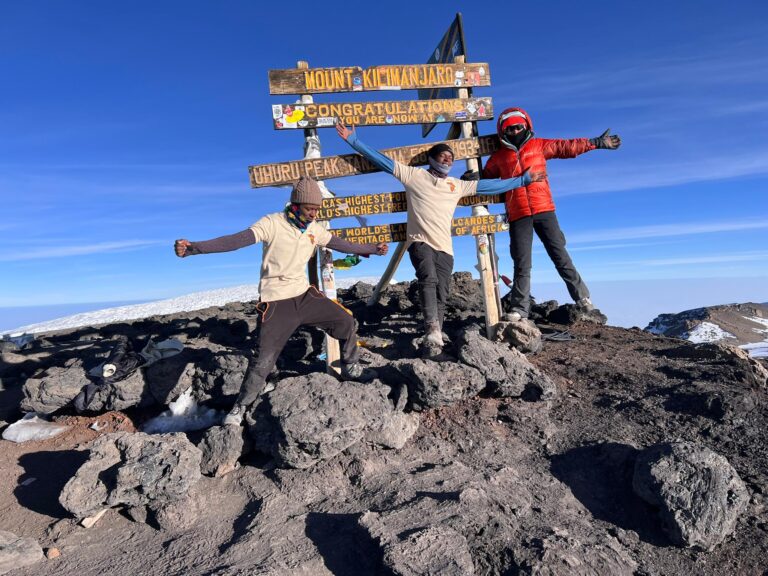 7 Day Marangu Route Success Rate Climb: Maximizing Your Kilimanjaro SummitThe 7-day Marangu Route offers a unique Kilimanjaro climbing experience, often referred to as the 'Coca-Cola' route. While generally considered…View packageBest 5 Day Marangu Route Success Rate: Your Guide For 2026-2027The Marangu Route, often called the 'Coca-Cola' route, is one of Kilimanjaro's most popular ascents. While its accessibility is a draw…View package
 6 Day Marangu Route Success Rate & Trek Kilimanjaro In 2026-2027Learn about the success rate for the 6-day Marangu Route on Kilimanjaro. This comprehensive guide covers preparation, acclimatization, and what…View package
 Best 6-Day Machame Route Success Rate: Your Kilimanjaro Guide 2026-2027Planning a Kilimanjaro climb via the Machame Route? Learn about the 6-day success rate, what factors influence it, and how to maximize your…View package7-Day Machame Route Success Rate For Kilimanjaro Climbs In 2026-2027The 7-day Machame Route offers a good balance of acclimatization and scenery, contributing to a strong success rate for Kilimanjaro climbs…View package
 Tanzania Catch-And-Release Fishing Safari: Your Ultimate Guide 2026-2027Experience the unique blend of wildlife viewing and angling with a Tanzania catch-and-release fishing safari. This comprehensive guide covers…View package
 Lake Victoria Island Cycling Adventure: Your Ultimate Guide 2026-2027Experience the vibrant life and stunning landscapes of Lake Victoria's islands on a unique cycling adventure. This guide covers everything you…View package
 Pangani River Fishing Experience GuideExplore the thrilling world of Pangani River fishing. This comprehensive guide covers everything you need to know for an unforgettable angling…View package


