

A 10-day Tanzania Lakes Expedition offers a comprehensive exploration of the country’s most captivating lakes, including Lake Manyara, Lake Natron, Lake Eyasi, and Lake Tanganyika, providing a unique blend of wildlife viewing, cultural immersion, and stunning natural landscapes. This journey typically begins in Arusha and can be customized, focusing on the diverse ecosystems and indigenous communities surrounding these vital water bodies, and is ideal for travelers looking for an off-the-beaten-path Tanzanian experience in 2026 or 2027.
The Allure of Tanzania’s Lakes: An Expedition Beyond the Savannah
While the vast plains of the Serengeti and the Ngorongoro Crater often steal the spotlight, Tanzania is a land sculpted by water as much as by earth. Its lakes are not mere geographical features; they are vibrant ecosystems, cradling unique wildlife, supporting ancient cultures, and offering visual spectacles that rival any other natural wonder. A 10-day Tanzania Lakes Expedition is a carefully curated journey designed to reveal these hidden gems. It moves beyond the typical safari circuit to immerse travelers in the distinct personalities of each lake, from the alkaline shores of Lake Manyara, teeming with birds and tree-climbing lions, to the dramatic, soda-encrusted landscapes of Lake Natron, the breeding ground for millions of Lesser Flamingos, and the ancient, human-rich shores of Lake Eyasi, home to the Hadzabe and Datoga tribes. For those seeking an even grander scale of aquatic majesty, the expedition can extend to the immense, freshwater expanse of Lake Tanganyika, the world’s second-deepest lake.
This expedition is for the discerning traveler who wishes to experience a different facet of Tanzania. It’s for those who appreciate the subtle beauty of a flamingo-dusted horizon, the profound silence of ancient landscapes, and the genuine warmth of communities living in harmony with their environment. Planning for 2026 or 2027, this itinerary allows ample time to absorb the unique character of each location, fostering a deeper understanding and appreciation of Tanzania’s natural and cultural heritage.
Why Choose a Lakes Expedition?
The traditional Tanzanian safari is an unparalleled experience, but focusing solely on the savannah misses a significant part of the country’s ecological and cultural richness. Lakes in Tanzania, particularly the Great Rift Valley lakes, are dynamic environments that offer:
- Unique Wildlife Encounters: Beyond the ‘big five,’ lakes attract specific avian species, amphibians, reptiles, and even unique mammals adapted to these aquatic settings. Lake Manyara is famous for its birdlife and tree-climbing lions, while Lake Natron’s harsh conditions support a specific flamingo population.
- Stunning and Diverse Scenery: From the lush Mto wa Mbu valley surrounding Lake Manyara to the stark, otherworldly landscapes of Lake Natron and the vast, deep blue of Lake Tanganyika, the visual appeal is immense and varied.
- Deep Cultural Immersion: The shores of lakes like Eyasi are ancestral homes to some of Tanzania’s most fascinating indigenous tribes, offering a rare glimpse into ancient ways of life, hunting techniques, and social structures.
- Adventure and Exploration: Activities such as boat trips, walking safaris, bird watching, and cultural visits provide a more active and engaging travel experience than simply game driving.
- Off-the-Beaten-Path Appeal: While popular parks are often crowded, many lake regions offer a more secluded and authentic experience, allowing for genuine connection with the environment and its people.
A 10-day expedition allows for a balanced pace, enabling travelers to fully appreciate each location without feeling rushed. It’s an opportunity to connect with Tanzania on a deeper, more personal level, creating memories that resonate long after the journey concludes. For those planning their 2026 or 2027 travel, this itinerary offers a compelling alternative or complement to a classic safari.
Crafting Your 10-Day Tanzania Lakes Expedition: A Sample Itinerary
This sample itinerary provides a framework for an immersive 10-day journey. It is designed to be flexible and can be customized to suit your interests, pace, and budget. The starting point is typically Arusha, a convenient gateway to Northern Tanzania’s wonders.
Day 1: Arrival in Arusha & Preparation
Upon arrival at Kilimanjaro International Airport (JRO), you will be met by your guide and transferred to your lodge in Arusha. This day is for relaxation, acclimatization, and a briefing about your upcoming expedition. You can use this time to prepare any last-minute gear and discuss specific interests with your guide. Arusha offers a pleasant introduction to Tanzania, with its lush surroundings and vibrant atmosphere.
Accommodation: Comfortable lodge in Arusha.
Day 2: Arusha to Lake Manyara National Park
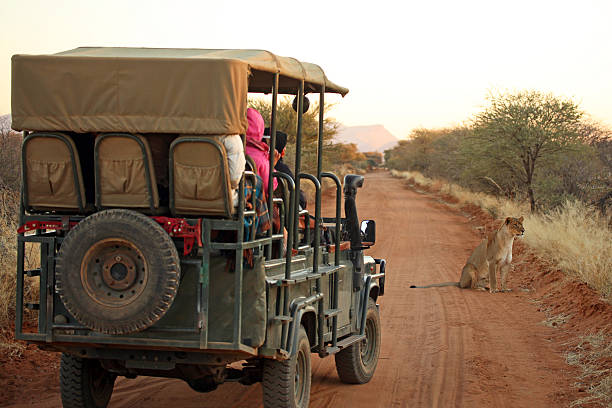
After breakfast, we drive to Lake Manyara National Park, a jewel of Tanzania. Famous for its tree-climbing lions, abundant birdlife, and the shallow alkaline lake that attracts thousands of flamingos, this park offers a diverse range of ecosystems in a compact area. You’ll enjoy a full-day game drive, exploring the groundwater forest, the soda-ash lake, and the acacia woodlands.
Activities: Game drives, bird watching.
Accommodation: Lodge or tented camp near Lake Manyara.
Day 3: Lake Manyara & Mto wa Mbu Cultural Experience
Morning game drive in Lake Manyara, focusing on areas you might have missed or wish to revisit. In the afternoon, we visit the nearby Mto wa Mbu village. This vibrant settlement is a melting pot of 120 different tribes, offering a unique opportunity to interact with local communities, learn about their traditions, agriculture (especially banana cultivation), and way of life. You can sample local delicacies and perhaps purchase some unique handicrafts.
Activities: Game drive, guided village tour, cultural interaction.
Accommodation: Lodge or tented camp near Lake Manyara.
Day 4: Lake Manyara to Lake Natron
Today, we journey north towards the dramatic landscapes of Lake Natron. The drive takes us through rugged terrain, offering spectacular views of the Rift Valley escarpment and the active volcano, Ol Doinyo Lengai. Lake Natron is a starkly beautiful soda lake, known for its high alkalinity, which gives it a reddish hue. It is the primary breeding ground for Lesser Flamingos in East Africa. Upon arrival, you can take a guided walk along the lake shore, observing the unique geological formations and, depending on the season, the vast flamingo colonies.
Activities: Scenic drive, guided walk along Lake Natron shores.
Accommodation: Tented camp near Lake Natron.
Day 5: Lake Natron Exploration & Activities
Spend the day exploring the wonders around Lake Natron. You can hike to the stunning waterfalls of the Ngare Sero River, which offer a refreshing escape and a chance to see the area’s lush vegetation. For the adventurous, a climb partway up Ol Doinyo Lengai (an early morning start is essential and requires good fitness) offers breathtaking panoramic views. Alternatively, a guided walk to witness the flamingo breeding sites (seasonal) or a visit to a Maasai boma (homestead) provides deeper cultural insights.
Activities: Waterfall hike, optional Ol Doinyo Lengai climb (requires advance arrangement and good fitness), Maasai village visit, flamingo viewing (seasonal).
Accommodation: Tented camp near Lake Natron.
Day 6: Lake Natron to Lake Eyasi
We depart from the stark beauty of Lake Natron and head towards Lake Eyasi, a large, shallow endorheic lake on the floor of the Great Rift Valley. This region is known for its dramatic landscapes and, most importantly, for being home to the Hadzabe (bushmen) and Datoga tribes, some of the last hunter-gatherers in Africa. The drive itself is scenic, offering glimpses of rural Tanzanian life.
Activities: Scenic transfer, settling into accommodation near Lake Eyasi.
Accommodation: Lodge or tented camp near Lake Eyasi.
Day 7: Cultural Immersion at Lake Eyasi
Today is dedicated to experiencing the unique cultures of the Hadzabe and Datoga people. You’ll have an opportunity to join the Hadzabe on a morning hunt (if they are successful and permit it), learning about their ancient tracking and hunting techniques using bows and arrows. You can also visit a Datoga blacksmith, observing their traditional metalworking skills, and learn about their pastoralist lifestyle. These interactions are profound and offer a rare glimpse into ways of life that are rapidly changing.
Activities: Guided Hadzabe hunting experience (subject to availability and tribal consent), Datoga village visit, blacksmith demonstration, cultural exchange.
Accommodation: Lodge or tented camp near Lake Eyasi.
Day 8: Lake Eyasi to Kigoma (via flight)
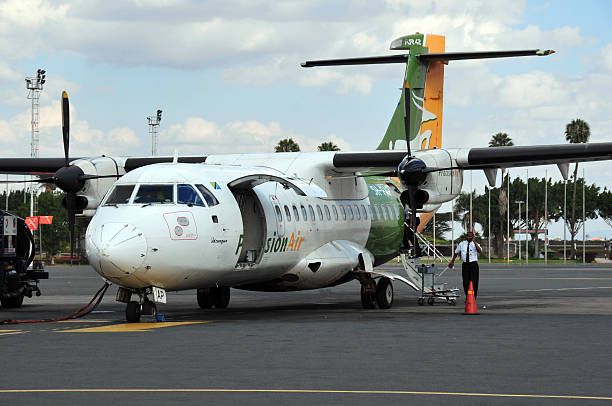
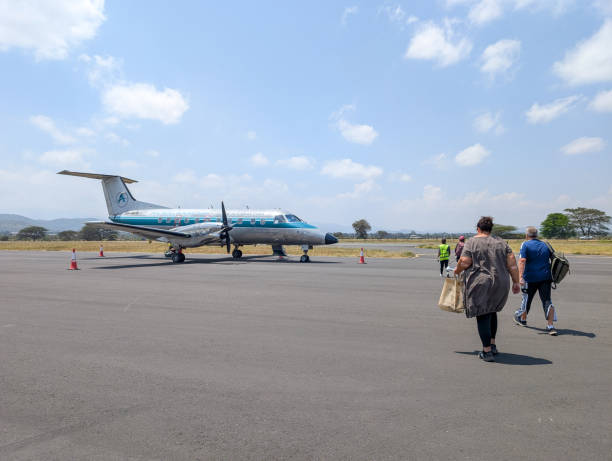
This itinerary can be adapted to include Lake Tanganyika, Tanzania’s largest lake and the longest freshwater lake in the world. Reaching Kigoma, the main town on the eastern shore of Lake Tanganyika, typically requires a domestic flight from Arusha or a nearby airstrip. This flight saves considerable travel time, allowing for more exploration of the lake region. Upon arrival in Kigoma, you will be transferred to your accommodation.
Activities: Domestic flight to Kigoma, transfer to hotel.
Accommodation: Hotel or lodge in Kigoma.
Day 9: Lake Tanganyika Exploration
Explore the magnificent Lake Tanganyika. Activities can include a boat trip on the crystal-clear waters, visiting the famous Gombe Stream National Park (known for chimpanzee trekking with Jane Goodall’s research legacy), or simply relaxing on the shores and enjoying the vastness of the lake. You can also visit the historic town of Ujiji, where explorer Henry Morton Stanley famously met David Livingstone.
Activities: Boat trip on Lake Tanganyika, optional visit to Gombe Stream National Park (requires advance booking and additional time/cost), visit to Ujiji.
Accommodation: Hotel or lodge in Kigoma.
Day 10: Departure from Kigoma
After breakfast, depending on your flight schedule, you may have time for some last-minute souvenir shopping or a final stroll along the lake. You will then be transferred to Kigoma Airport for your onward flight, connecting to Dar es Salaam or another major hub for your international departure.
Activities: Departure from Kigoma.
Customizing Your Lakes Expedition for 2026-2027
The beauty of a 10-day Tanzania Lakes Expedition lies in its adaptability. While the above itinerary offers a comprehensive overview, it can be tailored to your specific interests and travel style. Here are some ways to customize:
Focusing on Specific Lakes
If your passion lies more with ornithology, you might spend extra days around Lake Manyara and the Rift Valley wetlands. If cultural immersion is paramount, extending your stay at Lake Eyasi for deeper interaction with the Hadzabe and Datoga could be ideal. For those drawn to dramatic landscapes, more time at Lake Natron, perhaps including a guided trek to the waterfalls or a sunrise view of Ol Doinyo Lengai, would be rewarding.
Adding Other Tanzanian Highlights
While this expedition focuses on the lakes, it can be seamlessly integrated with other Tanzanian experiences. For instance, you could combine it with a shorter Northern Circuit safari (Serengeti, Ngorongoro) before or after your lakes journey, or extend your trip to the spice islands of Zanzibar for a beach retreat. For trekkers, a climb up Mount Kilimanjaro could precede or follow this expedition.
Pace and Comfort Levels
The pace can be adjusted. Some travelers prefer a faster pace to see more, while others opt for a slower journey to truly absorb the atmosphere of each location. Accommodation choices range from comfortable mid-range lodges and tented camps to more luxurious options, significantly influencing the overall experience and cost.
Activity Selection
Beyond game drives and cultural visits, consider adding activities like kayaking on Lake Manyara (if available and permitted), guided nature walks in the Rift Valley, or photographic excursions. The inclusion of Lake Tanganyika opens up possibilities for snorkeling or diving in certain areas.
Wildlife and Avian Wonders of the Lakes
Tanzania’s lakes are not just bodies of water; they are thriving ecosystems that support an astonishing array of life, particularly birds and specialized mammals.
Lake Manyara: A Birdwatcher’s Paradise
Lake Manyara is world-renowned for its birdlife. The alkaline waters attract vast numbers of Lesser Flamingos, but the park is also home to thousands of other bird species, including pelicans, storks, egrets, and kingfishers. The groundwater forest provides a habitat for forest birds, while the acacia woodlands host raptors and seed-eaters. Beyond birds, the park is famous for its large elephant herds, baboons, and the elusive tree-climbing lions, a phenomenon attributed to the heat and the presence of suitable branches in the acacia trees.
Lake Natron: The Flamingo Nursery
Lake Natron’s high salt and mineral content makes it inhospitable to most life, but it is precisely this environment that is perfect for the Lesser Flamingo. The lake’s shallow, warm waters are rich in blue-green algae, the primary food source for these birds. During the breeding season, millions of Lesser Flamingos congregate here, creating a breathtaking spectacle of pink. The stark, desolate beauty of Lake Natron, with its hardened soda crusts and the imposing presence of Ol Doinyo Lengai, makes it a unique and unforgettable location.
Lake Eyasi: A Human Ecosystem
While Lake Eyasi itself supports aquatic life, its primary draw for visitors is the human ecosystem it sustains. The hunter-gatherer Hadzabe and the pastoralist Datoga tribes have lived in this region for centuries, their lives intrinsically linked to the land and its resources. Observing their traditional hunting methods, foraging techniques, and social structures offers a profound insight into human adaptation and survival.
Lake Tanganyika: A Freshwater Giant
As the world’s longest freshwater lake, Lake Tanganyika boasts incredible biodiversity, particularly in its fish populations, including numerous species of cichlids. The waters are also home to hippos and crocodiles. For wildlife enthusiasts, the adjacent Gombe Stream National Park is world-famous for its chimpanzee populations, offering an unparalleled opportunity for primate tracking.
Cultural Encounters: Connecting with Tanzania’s Indigenous Peoples
A significant aspect of a 10-day Tanzania Lakes Expedition is the opportunity for genuine cultural interaction. The regions surrounding these lakes are home to some of Tanzania’s most unique and ancient communities.
The Hadzabe of Lake Eyasi
The Hadzabe are one of the last remaining hunter-gatherer tribes in Africa. Their way of life has remained largely unchanged for millennia, relying on foraging for roots, fruits, and honey, and hunting game with bows and arrows. A visit to their community offers a rare chance to witness their skills firsthand, understand their deep connection to the land, and appreciate their egalitarian social structure. It’s a humbling experience that provides perspective on human history and resilience.
The Datoga of Lake Eyasi
The Datoga are a pastoralist people known for their distinct traditions, intricate beadwork, and skilled metalworking. They are renowned blacksmiths, crafting tools, jewelry, and arrowheads from scrap metal. Visiting a Datoga village allows you to witness these crafts being made and learn about their semi-nomadic lifestyle, their cattle-herding practices, and their spiritual beliefs. The women’s facial tattoos are a distinctive cultural marker.
The Maasai of Lake Natron
While Maasai are found across Northern Tanzania, visiting a Maasai boma (homestead) near Lake Natron offers insight into their traditional semi-nomadic pastoralist lifestyle. You can learn about their social structures, their deep respect for cattle, their vibrant clothing, and their spiritual connection to the land. Participating in a traditional Maasai dance and hearing their stories provides a memorable cultural exchange.
It is crucial to approach these cultural encounters with respect and sensitivity. Our tours ensure interactions are conducted ethically, benefiting the communities while providing an authentic experience for our guests. Planning for 2026 or 2027 allows us to arrange these visits with community leaders in advance, ensuring a meaningful exchange.
Logistics and Practicalities for Your Expedition
Organizing a 10-day Tanzania Lakes Expedition requires careful planning, especially when venturing to less accessible areas like Lake Natron and Lake Eyasi. Understanding the logistics will help ensure a smooth and enjoyable journey.
Transportation
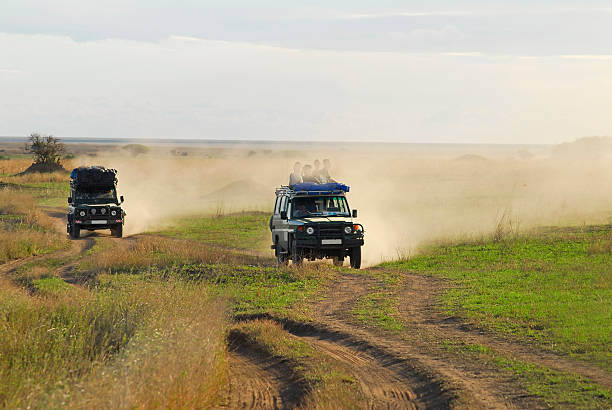
Throughout the expedition, you will typically travel in a 4×4 safari vehicle, essential for navigating the often rough terrain, especially to Lake Natron and Lake Eyasi. For longer distances, such as reaching Lake Tanganyika (Kigoma), domestic flights are highly recommended to maximize your time. Your vehicle will be equipped with a pop-up roof for excellent game viewing and photography.
Accommodation
Accommodation options vary widely. Near Lake Manyara, you’ll find comfortable lodges and tented camps. Lake Natron and Lake Eyasi are more remote, offering primarily tented camps, some of which are quite basic but offer an immersive experience, while others provide more comfortable amenities. Kigoma offers standard hotels and lodges.
Best Time to Travel
The dry seasons (June to October and December to February) are generally considered the best times for wildlife viewing and comfortable travel across Tanzania. However, the lakes offer unique experiences year-round. For flamingo viewing at Lake Natron, the rainy season (November to May) can be ideal as the water levels are higher, and breeding is more likely. Cultural interactions are possible year-round.
What to Pack
Essential items include lightweight, neutral-colored clothing, a warm jacket for cool evenings, comfortable walking shoes, a hat, sunglasses, sunscreen, insect repellent, a reusable water bottle, a camera with extra batteries and memory cards, binoculars, and a basic first-aid kit. For cultural visits, it’s respectful to dress modestly.
Health and Safety
Malaria precautions are recommended for most areas of Tanzania. Consult your doctor about necessary vaccinations and malaria prophylaxis well in advance of your 2026 or 2027 travel dates. It’s also advisable to drink bottled or purified water. Your guide will be trained in first aid.
Considering Costs for Your 10-Day Tanzania Lakes Expedition
The cost of a 10-day Tanzania Lakes Expedition can vary significantly based on several factors:
- Accommodation Style: Budget, mid-range, or luxury lodges and camps.
- Vehicle Type: Private vehicle with a dedicated guide versus a shared tour.
- Inclusions: Number of meals, park entrance fees, activity costs (e.g., flights, optional climbs).
- Season: Peak seasons (July-September, December-February) are generally more expensive.
- Group Size: Private tours are typically more expensive per person than group tours.
- Itinerary Customization: Adding destinations like Lake Tanganyika or specific national parks will increase the cost.
As a general guideline for 2026-2027, a mid-range 10-day lakes expedition, including accommodation, private 4×4 transport, park fees, guide services, and most meals, might range from $3,500 to $6,000 per person, excluding international flights and tips. Luxury options could be higher, while more basic, shared tours might start around $2,500 per person.
It’s always best to request a personalized quote. Top Guide Adventures can provide detailed itineraries and pricing based on your specific requirements. We recommend booking at least 6-12 months in advance for 2026 and 2027 travel, especially if you require specific accommodations or wish to join a group departure.
Planning Your 2026-2027 Lakes Expedition
When planning your 10-day Tanzania Lakes Expedition for 2026 or 2027, consider your primary interests: wildlife, culture, scenery, or adventure. Our team at Top Guide Adventures specializes in creating tailor-made itineraries that capture the essence of Tanzania’s lakes. We can combine these unique lake experiences with classic safari destinations or the vibrant island of Zanzibar. For a personalized quote or to discuss your dream Tanzanian adventure, please contact us via WhatsApp at +255616946642 or email us at topguideadventures@gmail.com. You can also reach us at info@topguideadventures.com. Let us help you craft an unforgettable journey through Tanzania’s stunning aquatic landscapes.
Frequently Asked Questions about Tanzania Lakes Expeditions
Here are some common questions travelers have when considering a lakes expedition:
What is the difference between a lakes expedition and a classic safari?
A classic safari primarily focuses on game drives in national parks and reserves known for large mammals (like the Serengeti and Ngorongoro). A lakes expedition, while often including some wildlife viewing, prioritizes the unique ecosystems, landscapes, and cultural interactions found around Tanzania’s major lakes, such as Manyara, Natron, Eyasi, and Tanganyika.
Is Lake Natron safe for travel?
Yes, Lake Natron is safe for travel. The high alkalinity means you should avoid direct contact with the water, but guided walks along the shores and visits to nearby attractions like waterfalls are perfectly safe. The journey there can be rugged, but your experienced guide will ensure safe passage. It’s important to have appropriate footwear and clothing.
Can I see flamingos at Lake Natron year-round?
While Lesser Flamingos are present year-round, the largest congregations and breeding activities are most likely during the rainy season (roughly November to May) when water levels are higher, and the algae they feed on thrive. However, sightings are never guaranteed, as flamingos are migratory.
What kind of cultural etiquette should I observe when visiting tribes?
Always ask for permission before taking photos of people. Dress modestly, especially when visiting villages. Be respectful of local customs and traditions. It’s polite to greet people with a simple “Jambo” (hello). Avoid being overly inquisitive about sensitive topics. Your guide will provide specific advice tailored to the community you are visiting.
Is it possible to combine a lakes expedition with climbing Mount Kilimanjaro?
Absolutely. Many travelers combine a lakes expedition with a Kilimanjaro climb. It’s advisable to do the lakes expedition first, as it offers a more relaxed pace and cultural immersion before the physical challenge of the climb. Alternatively, you could do the climb first, then relax and explore the lakes afterward. We can help craft such a combined itinerary for 2026 or 2027.
What is the best way to get to Lake Tanganyika from Arusha?
The most efficient way to reach Kigoma, the gateway to Lake Tanganyika, from Arusha is by domestic flight. Driving overland is extremely time-consuming and challenging. We arrange these internal flights as part of your expedition package.
Are there malaria risks around these lakes?
Yes, malaria is present in most parts of Tanzania, including the regions around these lakes. It is crucial to take malaria precautions as advised by your doctor, such as using insect repellent and taking antimalarial medication. Your accommodation will typically have mosquito nets.
A 10-day Tanzania Lakes Expedition promises a journey unlike any other, revealing the soul of Tanzania through its stunning water bodies and the vibrant cultures that thrive alongside them. For those planning their adventures for 2026 or 2027, this itinerary offers a profound connection to nature and humanity. To begin planning your personalized expedition, reach out to our expert team at Top Guide Adventures. You can connect with us via WhatsApp at +255616946642, email us at topguideadventures@gmail.com, or contact us through our backup email info@topguideadventures.com. Let us craft your perfect Tanzanian lakes adventure.
Check Availability for 10-Day Tanzania Lakes Expedition Guide
Ready to compare dates, prices, and the best option for your group? Send the package name and travel month so the team can reply with a clear quote, availability, and what is included.
 7-Day Great Lakes Of Tanzania Tour: An Unforgettable Itinerary 2026-2027start a unique 7-day journey across Tanzania's magnificent Great Lakes. This tour blends vibrant cultural encounters with breathtaking natural…View package
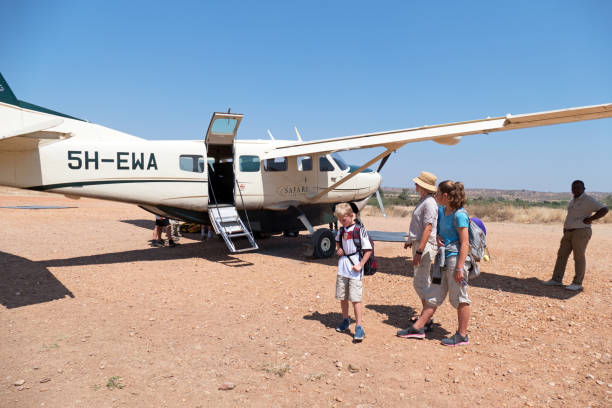 Lakes And Rivers Packages In Tanzania: Your Ultimate Guide For 2026-2027Explore Tanzania's stunning natural waterways with specialized lakes and rivers packages. From the vast shores of Lake Tanganyika to the vibrant…View package
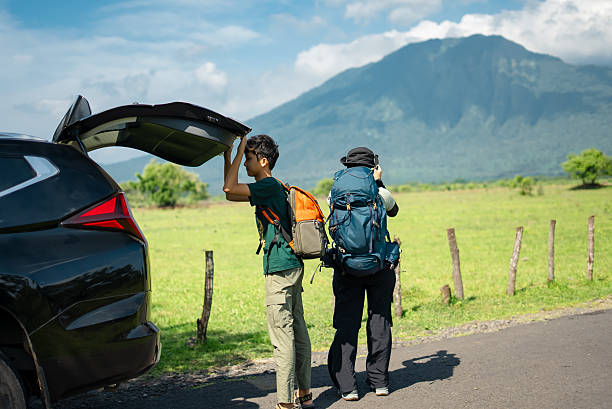 Cheap Flights To Tanzania And Cost: Your Planning Guide 2026-2027Planning a trip to Tanzania on a budget? This comprehensive guide breaks down how to find cheap flights to Tanzania and what to expect regarding…View package
 All Domestic Flights In Tanzania For Safari: Your Ultimate Guide 2026-2027Navigate Tanzania's vast landscapes efficiently with domestic flights. This guide covers everything you need to know about flying between safari…View package
 Best Flight Price From Zanzibar To Mikumi: Your Guide 2026-2027Planning a safari from Zanzibar to Mikumi National Park? Discover how to secure the best flight prices, understand travel options, and make your…View package
 Best Flight Prices From Kilimanjaro To Zanzibar In 2026-2027Planning to fly from Kilimanjaro to Zanzibar? This guide helps you find the most affordable and convenient flight options for your 2026-2027…View package
 Best Flight Price From Dar Es Salaam To Arusha In 2026-2027Discover how to secure the best flight prices from Dar es Salaam to Arusha for your upcoming 2026 or 2027 Tanzanian adventure. This guide offers…View package
 Best Flight Price Zanzibar To Dar Es Salaam In : Your Essential GuidePlanning your trip from Zanzibar to Dar es Salaam? Discover how to secure the best flight prices for 2026-2027, understand airline options, and…View package


