
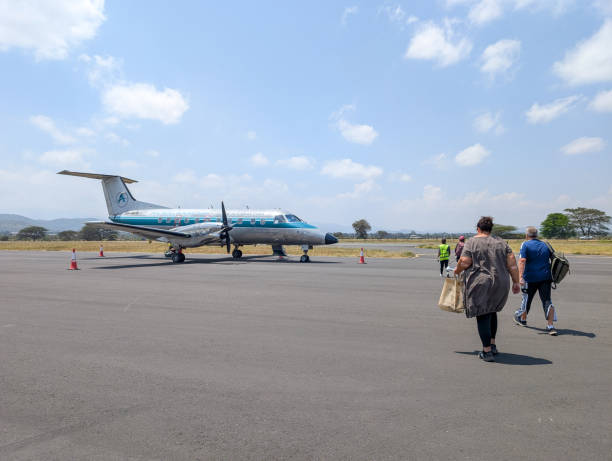
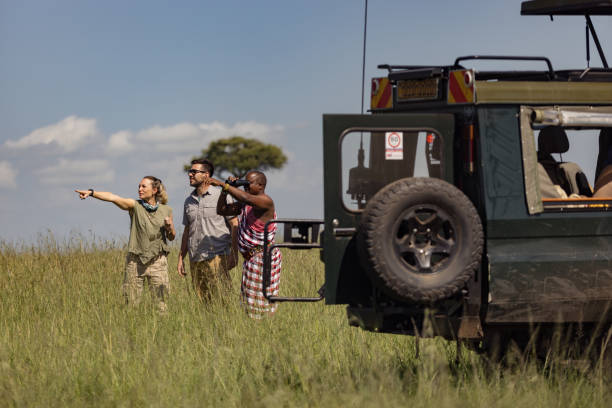
Domestic flights in Tanzania are an essential and highly recommended way to connect the country’s vast and scattered safari destinations, significantly reducing travel time and maximizing wildlife viewing opportunities. For 2026 and 2027 safaris, these flights typically connect major hubs like Kilimanjaro International Airport (JRO) or Arusha Airport (ARK) to airstrips within national parks such as the Serengeti, Manyara, Ruaha, Selous (Nyerere National Park), and Zanzibar, with carriers like Precision Air, Auric Air, and Coastal Aviation being the primary operators. Booking these flights in advance is crucial, especially during peak seasons, and they are often integrated into safari packages for a more streamlined experience.
Maximizing Your Tanzania Safari with Domestic Flights: The 2026-2027 Advantage
Tanzania is a land of breathtaking scale and diversity. From the endless plains of the Serengeti to the unique ecosystem of the Ngorongoro Crater, the vast wilderness of Ruaha, and the exotic spice island of Zanzibar, exploring this country often means covering significant distances. While overland travel offers its own charm and opportunities for immersion, the reality for many safari-goers, especially those with limited time or a desire to experience multiple iconic locations, is thatdomestic flights are indispensable for an efficient and rewarding Tanzania safari.
For travelers planning their expeditions in 2026 and 2027, understanding the role and logistics of domestic flights is key to crafting a smooth itinerary. These flights don’t just save time; they offer unparalleled aerial perspectives and access to remote areas that might otherwise be inaccessible or require days of arduous travel.
Why Choose Domestic Flights for Your Tanzania Safari?
The decision to incorporate domestic flights into your safari itinerary hinges on several practical considerations:
- Time Efficiency: This is the most compelling reason. A journey that might take 8-10 hours by road can be completed in 1-2 hours by air. For a 7-day safari aiming to visit two major parks, flying can mean the difference between spending almost two full days traveling or having those days available for game drives.
- Access to Remote Parks: Some of Tanzania’s most spectacular, yet less frequented, parks like Ruaha or the Selous (now Nyerere National Park) are quite distant from major entry points. Domestic flights provide direct access, making these incredible destinations feasible within a typical safari duration.
- Comfort and Scenery: While road safaris offer ground-level wildlife viewing, flights provide a different, often stunning, perspective of Tanzania’s varied landscapes from above. For many, the comfort of avoiding long, bumpy road journeys, especially after days of game driving, is a significant plus.
- Maximizing Wildlife Viewing: By reducing travel time, you increase the hours available for actual game drives. More time in the parks means a higher chance of encountering the ‘Big Five’ and witnessing dramatic wildlife events like the Great Migration.
- smooth Transitions: Flights can smoothly connect different regions or even transition from a safari to a beach holiday in Zanzibar, creating a fluid travel experience.
Understanding Tanzania’s Air Travel Network for Safaris
Tanzania’s domestic air network for safari tourism primarily serves to connect the main international gateways with the country’s numerous national parks and conservation areas. The system is designed around smaller aircraft, often turboprops, that can land on unpaved airstrips within or near the parks.
Key Airports and Airstrips
While you might fly into Kilimanjaro International Airport (JRO) or Julius Nyerere International Airport (DAR) in Dar es Salaam, your safari journey will likely continue from smaller, regional airports or directly from airstrips closer to the safari circuits.
- Arusha Airport (ARK): This is the primary hub for Northern Circuit safaris. Many international arrivals transfer here shortly after landing at JRO, or fly directly into Arusha. From Arusha, numerous flights depart daily for parks like the Serengeti, Manyara, and Kilimanjaro.
- Kilimanjaro International Airport (JRO): While primarily an international gateway, some domestic connections can be made here, though Arusha is more common for Northern Circuit departures.
- Seronera Airstrip (SEU): Located in the heart of the Serengeti National Park, this is the busiest safari airstrip, serving central Serengeti.
- Kogatende Airstrip (KOG): Serves the northern Serengeti, particularly crucial during the Great Migration season (typically June-October).
- Grumeti Airstrip (GTZ): Another airstrip in the western Serengeti.
- Lake Manyara Airstrip (LKY): Provides access to Lake Manyara National Park.
- Tarangire National Park Airstrips: Several airstrips serve Tarangire, depending on the lodge location.
- Zanzibar Airport (ZNZ): Connects the mainland safari destinations to the islands for beach extensions.
- Ruaha National Park Airstrips: Such as Msembe and Jongomero, crucial for accessing this vast southern park.
- Nyerere National Park (formerly Selous) Airstrips: Various airstrips like Beho Beho, Mtemere, and Sand River serve different sectors of this massive park.
- Other Airstrips: Depending on the itinerary, airstrips serving parks like Katavi, Mahale Mountains, or Saadani may be used.
Major Domestic Airlines Serving Safari Routes
The skies over Tanzania’s national parks are serviced by a few key players, known for their reliability and experience in operating these specific routes. For your 2026-2027 travels, you’ll most likely encounter these carriers:
- Precision Air: One of Tanzania’s largest domestic airlines, offering scheduled flights to many key destinations, including Zanzibar, Kilimanjaro, Arusha, and Dar es Salaam, often connecting to safari airstrips.
- Auric Air: A significant operator focusing on safari routes, with a wide network of airstrips across the country, particularly in the Northern Circuit and extending to remote southern parks. They are known for their flexibility.
- Coastal Aviation: Another major player with an extensive network of airstrips, especially in the Serengeti, Manyara, and Southern Tanzania. They are a popular choice for many safari operators.
- Safari Air Link (SAL): Specializes in charter and scheduled flights to remote safari destinations, offering a good option for specific, less-common routes.
- As Salaam Air: Also operates flights to various safari destinations, often complementing the routes of larger carriers.
It’s important to note that flight schedules can be dynamic. Tour operators typically manage these bookings, ensuring connections are made efficiently, especially when coordinating with international arrivals and departures.
Planning Your 2026-2027 Safari Flight Itinerary
Integrating domestic flights requires careful planning, especially if you’re arranging it yourself. However, working with a reputable tour operator like Top Best Tanzania Tour operator simplifies this immensely.
Typical Flight Routes and Connections
Most safari itineraries involving flights follow predictable patterns:
- Northern Circuit Focus: Fly into JRO or ARK. Take a flight from Arusha (ARK) to Seronera (SEU) or Kogatende (KOG) in the Serengeti. Depending on the itinerary, you might also fly to Lake Manyara (LKY) or Tarangire. After the Northern Circuit, fly from the Serengeti (e.g., Seronera) to Zanzibar (ZNZ) for a beach extension.
- Southern Circuit Focus: Fly into Dar es Salaam (DAR) or directly to an airstrip in Nyerere National Park or Ruaha. Flights typically depart from DAR to airstrips like Beho Beho or Mtemere (Nyerere NP) or Msembe (Ruaha).
- Combined Circuits: This is more complex and time-consuming but possible. It might involve flying from the Northern Circuit to DAR, then taking another flight to the Southern Circuit, or vice versa. This is best suited for longer trips.
Booking Windows and Peak Seasons (2026-2027)
Tanzania’s peak safari seasons, which heavily influence flight availability and pricing, are generally:
- June to October: The dry season, coinciding with the Great Migration in the Serengeti. This is the most popular and expensive period. Flights, especially to Kogatende and Seronera, should be booked 6-12 months in advance for 2026 and 2027.
- January to February: The calving season for the wildebeest in the southern Serengeti, also a popular time. Bookings should be made 4-8 months ahead.
Shoulder seasons (e.g., March-May, November) offer fewer crowds and potentially lower prices, but flight availability is still good if booked 3-6 months in advance.
Luggage Restrictions: A Crucial Detail
This is a critical point that many travelers overlook. Light aircraft operating on safari routes have strict luggage limits due to weight and space constraints. Typically, this is:
- 15 kg (33 lbs) per person
- Soft-sided duffel bags ONLY (no hard suitcases, as they don’t fit easily in the luggage holds).
- Bags must be small enough to fit through a small opening.
Always confirm the exact luggage allowance with your tour operator or airline. Exceeding this limit can result in your luggage being left behind, to be flown on the next available flight, causing significant inconvenience.
Cost Considerations for Domestic Flights
The cost of domestic flights is a significant component of a safari budget, but it’s an investment in time and experience. Prices are generally per person, one-way, and can fluctuate based on the season, airline, and route.
Typical Price Ranges (Estimates for 2026-2027)
While exact prices vary, here are general estimates to help with budgeting:
- Arusha to Serengeti/Manyara: $300 – $450 per person, one-way.
- Serengeti to Zanzibar: $350 – $500 per person, one-way.
- Dar es Salaam to Ruaha/Nyerere NP: $350 – $500 per person, one-way.
- Inter-park flights (e.g., Serengeti to Zanzibar): $350 – $500 per person, one-way.
These are indicative costs. Prices for 2026 and 2027 may see slight increases due to inflation and operational costs.
What Influences Flight Costs?
- Seasonality: Peak season flights are more expensive.
- Route Distance: Longer flights naturally cost more.
- Airline: Different operators have different pricing structures.
- Demand: High demand on popular routes can drive up prices.
- Booking Time: Booking very last minute can sometimes incur higher fares, though availability is the bigger concern.
Are Flights Included in Safari Packages?
Most reputable safari operators, including Top Best Tanzania Tour operator, will include domestic flights in their quoted safari packages when the itinerary calls for them. This is a major advantage of booking with an operator, as they handle all the complexities, secure the best available rates through their partnerships, and ensure smooth transfers. When you receive a quote for a safari package, it’s essential to check what is included, but typically, internal flights for the safari portion are itemized or clearly stated as part of the package price.
Booking Flights Yourself vs. Through an Operator
While it’s technically possible to book domestic flights yourself, it’s generally not recommended for a complex safari itinerary. Tour operators have direct relationships with airlines, access to schedules not always available on public booking engines, and the expertise to manage potential flight changes or cancellations. Moreover, they can often secure better rates than an individual traveler. For a stress-free experience, let your tour operator handle the flight logistics.
Popular Safari Circuits and Flight Integration
The way domestic flights are integrated depends heavily on which parts of Tanzania you wish to explore. Here are common scenarios for 2026-2027 safaris:
The Northern Circuit: Serengeti, Manyara, Tarangire
This is the most popular safari circuit in Tanzania, famous for the Great Migration, the Ngorongoro Crater, and diverse wildlife viewing. Domestic flights are highly recommended here to save time.
- Typical Itinerary Flow: Arrive at JRO/ARK. Fly from Arusha (ARK) to Seronera (SEU) for central Serengeti. Spend 2-3 nights. Fly from Seronera to Kogatende (KOG) if focusing on the northern migration (June-Oct). Spend 1-2 nights. Alternatively, fly from Arusha to Lake Manyara (LKY) or Tarangire airstrips.
- Time Saved: A 3-4 hour drive from Arusha to Serengeti can take 1 hour by flight.
- Cost Impact: Adds roughly $600 – $1000+ per person for round-trip flights within the Northern Circuit.
The Southern Circuit: Ruaha and Nyerere National Park (Selous)
These parks offer a more wild, less crowded safari experience with unique wildlife populations. They are far from Arusha, making flights almost essential.
- Typical Itinerary Flow: Fly into Dar es Salaam (DAR). Take a flight from DAR to Msembe (Ruaha) or Beho Beho/Mtemere (Nyerere NP). Spend 2-3 nights in each park. Flights back to DAR.
- Time Saved: Driving from Dar es Salaam to Ruaha can take over 12 hours. Flying reduces this to about 1.5 hours.
- Cost Impact: Flights from Dar es Salaam to the southern parks typically range from $350 – $500 per person, one-way.
Combining Northern and Southern Circuits
For the ultimate Tanzanian safari experience in 2026 or 2027, combining both circuits is a dream for many. This requires careful logistical planning and is best suited for longer trips (10+ days).
- Flow: Complete the Northern Circuit (flights within). Fly from Serengeti or Arusha to Dar es Salaam. Take a flight from DAR to the Southern Circuit. Fly back to DAR for your international departure, or connect to Zanzibar.
- Considerations: This is a significant investment in time and cost due to multiple flights. It requires at least 10-14 days to do justice to both regions without feeling rushed.
Zanzibar as a Safari Extension
Many travelers combine their Tanzanian safari with a relaxing beach holiday in Zanzibar. Domestic flights make this transition incredibly easy.
- Typical Flow: After your final safari destination (e.g., Serengeti or a Southern park), you’ll typically fly back to Dar es Salaam or directly from a Serengeti airstrip to Zanzibar.
- Flight Duration: Serengeti to Zanzibar is about 1.5 – 2 hours.
- Cost: Expect $350 – $500 per person, one-way.
Typical Safari Package Cost Components (2026-2027 Estimates)
While domestic flights are a part of the cost, they are one piece of the puzzle. A comprehensive safari package from Top Best Tanzania Tour operator typically includes:
- Accommodation: Lodges, tented camps, or guesthouses.
- Park Fees: Entrance fees for all national parks and conservation areas.
- Vehicle and Guide: 4×4 safari vehicle with a professional driver-guide.
- Meals: Full board (breakfast, lunch, dinner) during the safari.
- Activities: Game drives. (Optional activities like hot air balloon safaris are extra).
- Domestic Flights: As per the itinerary.
- Transfers: Airport and airstrip transfers.
Budget Safari: From $250 – $350 per person per day (often using mid-range camps, shared flights if available, fewer parks).
Mid-Range Safari: From $350 – $600 per person per day (comfortable lodges/camps, private vehicle, standard flights).
Luxury Safari: From $600 – $1000+ per person per day (high-end lodges/camps, exclusive services, premium flights).
Note: These are daily rates and do not include international flights. Domestic flights add a significant lump sum, often $400-$1000+ per person depending on the itinerary. For accurate quotes for your 2026 or 2027 safari, please contact us.
Navigating Challenges and Ensuring a Smooth Experience
While domestic flights are a significant convenience, being aware of potential challenges can help ensure a smooth journey.
Weather Delays
Tanzania experiences rainy seasons, and while most airstrips are operational year-round, severe weather (heavy rain, fog) can occasionally cause flight delays or cancellations. These are usually short-lived, but it’s wise to build a little buffer into your itinerary if possible, especially on days with tight connections.
Flight Schedule Changes
Airlines operating these routes may sometimes adjust schedules due to operational reasons or demand. This is where having a tour operator is invaluable. They monitor these changes and will rebook you or adjust transfers accordingly.
Booking in Advance: The Golden Rule for 2026-2027
As emphasized, booking your domestic flights well in advance is paramount, especially for travel in 2026 and 2027 during peak seasons. Popular routes sell out quickly. This is particularly true for flights into the Serengeti and flights connecting to Zanzibar.
Working with a Local Expert
Choosing a local tour operator like Top Best Tanzania Tour operator means you benefit from:
- Expertise: Deep knowledge of flight routes, schedules, and reliability of different carriers.
- Relationships: Strong partnerships with airlines, often securing better rates and priority booking.
- Problem Solving: Immediate support and solutions if any issues arise with flights.
- Package Integration: Flights are seamlessly woven into your overall safari itinerary, including transfers to and from the airstrips.
The Future of Domestic Air Travel for Safaris in Tanzania (2026-2027 and beyond)
The trend for safari tourism in Tanzania points towards continued reliance on and potential expansion of domestic air services. As more travelers seek to experience the country’s diverse offerings without extensive travel times, the demand for efficient air connections will only grow.
- Increased Frequency: We may see increased flight frequencies on popular routes as demand rises through 2026 and 2027.
- New Routes: Potential for new airstrips or routes to open up, serving emerging safari destinations or lodges in more remote areas.
- Sustainability Focus: Airlines and tour operators are increasingly mindful of environmental impact. While challenges remain, efforts towards more fuel-efficient aircraft and optimized flight paths might be observed.
For travelers in 2026 and 2027, the experience of flying into a remote airstrip, being greeted by your guide, and immediately starting your game drive is an iconic part of the Tanzanian safari. It’s an efficient, comfortable, and often breathtaking way to experience the magic of this incredible country.
Ready to Plan Your Tanzanian Safari with Domestic Flights?
When planning your dream Tanzania safari for 2026 or 2027, incorporating domestic flights is a strategic decision that can significantly enhance your experience. It allows you to cover more ground, see more wildlife, and spend less time in transit and more time immersed in the natural wonders of places like the Serengeti, Ngorongoro, Ruaha, and the beautiful island of Zanzibar.
At Top Best Tanzania Tour operator, we specialize in crafting tailor-made safari itineraries that perfectly balance overland exploration with the efficiency of domestic flights. We handle all the flight bookings, transfers, and logistics, ensuring a stress-free and unforgettable adventure. Whether you’re aiming for the Great Migration in the Serengeti, the unique landscapes of the Crater, or the wild expanses of the south, we can design the ideal journey for you.
Don’t let long travel times limit your Tanzanian adventure. Let us help you connect the dots between the incredible destinations. Reach out to our expert team to discuss your safari plans for 2026 or 2027. You can contact us via WhatsApp at +255616946642, email us at topguideadventures@gmail.com, or use our backup email info@topguideadventures.com. Let’s plan your ultimate Tanzanian safari today!
Check Availability for All Domestic Flights In Tanzania For Safari: Your Ultimate Guide 2026-2027
Ready to compare dates, prices, and the best option for your group? Send the package name and travel month so the team can reply with a clear quote, availability, and what is included.
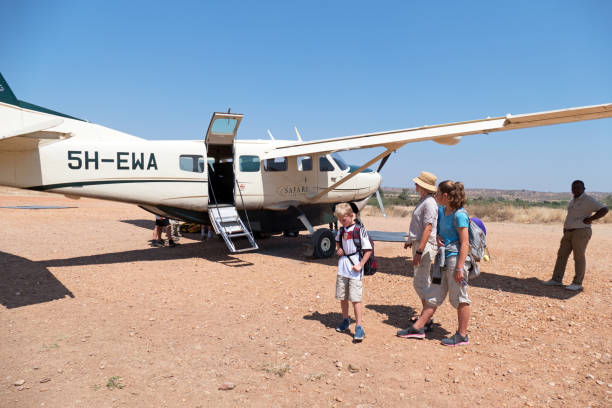 Best Flight Prices From Arusha To Serengeti For Safaris 2026-2027Discover how to secure the best flight prices from Arusha to the Serengeti for your upcoming 2026 or 2027 safari adventure. This guide covers…View package
 Best Flight Prices From Zanzibar To Arusha For Safaris 2026-2027Securing the best flight prices from Zanzibar to Arusha is crucial for smooth travel to Tanzania's northern safari circuit and Mount…View package
 Tanzania Catch-And-Release Fishing Safari: Your Ultimate Guide 2026-2027Experience the unique blend of wildlife viewing and angling with a Tanzania catch-and-release fishing safari. This comprehensive guide covers…View packageBest Flight Price From Zanzibar To Kilimanjaro: Your Essential Guide 2026-2027Planning a trip from the spice islands of Zanzibar to the majestic Mount Kilimanjaro? This guide details how to secure the best flight prices…View package
 Flight Price From Arusha To Zanzibar: Your Booking Guide 2026-2027Planning your trip from Arusha to the tropical paradise of Zanzibar? This guide details current flight price expectations, factors influencing…View package
 Best 4 Days Group Safari From Moshi After Kilimanjaro | Top Guide AdventuresConclude your Kilimanjaro climb with an unforgettable 4-day group safari adventure starting from Moshi. Discover Tanzania's iconic wildlife and…View packageShared 3 Days Group Safari From Moshi After Kilimanjaro 2026-2027After conquering Kilimanjaro, immerse yourself in Tanzania's iconic wildlife on a shared 3-day group safari departing from Moshi. This adventure…View package
 Budgeted 2-Day Group Safari From Moshi After Kilimanjaro In 2026-2027Planning a 2-day group safari from Moshi after your Kilimanjaro climb? This guide details budget-friendly options, popular routes, inclusions…View package


