
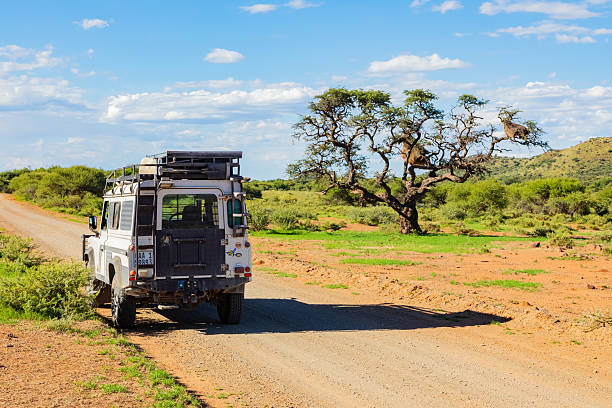


The Tabora to Ujiji Historical Route traverses central and western Tanzania, connecting the historic trading hub of Tabora with the significant lakeside town of Ujiji on Lake Tanganyika. This route was historically vital for ivory and slave trade caravans and later became famous for Dr. David Livingstone’s final journey, offering a profound exploration of Tanzania’s past for travelers in 2026 and 2027.
Tracing the Footsteps of History: The Tabora to Ujiji Route
The Tabora to Ujiji Historical Route is more than just a geographical connection; it’s a narrative thread woven through centuries of Tanzanian history. This ancient pathway, carved by human feet and animal trails, played a pivotal role in shaping the region’s destiny. From the bustling markets of Tabora, a nexus of transcontinental trade, to the shores of Lake Tanganyika where explorers and missionaries sought new horizons, the route embodies the spirit of discovery, commerce, and cultural exchange.
For travelers planning their adventures in 2026 and 2027, understanding this route offers a unique lens through which to view Tanzania. It’s a journey that moves beyond the typical safari circuit, delving into the country’s inland heritage, its complex colonial past, and the enduring resilience of its people. This exploration is particularly relevant for those interested in historical tourism, cultural immersion, and off-the-beaten-path experiences.
### The Significance of Tabora: A Crossroads of Commerce
Tabora, historically known as Kazeh, stands as a testament to Tanzania’s pre-colonial and colonial commercial prowess. For centuries, it was the principal staging post for caravans traveling between the coast and the interior of East Africa. Ivory, slaves, and other commodities were traded here, connecting distant lands and cultures.
When you arrive in Tabora, the echoes of this vibrant past are palpable. The architecture, though weathered by time, hints at its former grandeur. Ancient buildings, many in a state of disrepair but retaining their structural integrity, whisper tales of wealthy Swahili and Arab traders, Indian merchants, and European explorers who passed through.
Key historical sites in Tabora include:
* The Tabora Museum (Old Fort): This former German boma (fort) now houses artifacts that chronicle the region’s history, including items related to the slave trade, ivory caravans, and early European expeditions.
* Livingstone’s House: While the original structure no longer stands, a memorial marks the site where Dr. David Livingstone stayed during his travels. This is a crucial point for understanding his presence in the region and his eventual death.
* The Market: The bustling Tabora market, though modernized, still retains a sense of the vibrant trading activity that has characterized the town for centuries. It’s a place to witness local life and perhaps find unique crafts.
Planning a visit to Tabora in 2026 or 2027 allows you to immerse yourself in a town that was once the heart of East African trade, a vital link in the chain that connected the Indian Ocean to the vast interior.
### The Journey Westward: From Tabora to Ujiji
The historical route from Tabora to Ujiji is approximately 200-250 kilometers, depending on the exact path taken. In the 19th century, this journey would have been arduous, taking several weeks by foot, donkey, or ox-cart. Today, it can be covered much more rapidly by vehicle, but the essence of the landscape and the historical significance remain.
As you travel west from Tabora, the terrain gradually changes. You move away from the drier central plateau towards the more humid, lush environment surrounding Lake Tanganyika. The route passes through small villages and rural landscapes, offering glimpses into the daily lives of Tanzanians in these less-visited regions.
This part of the journey is where the narrative of Dr. David Livingstone becomes most poignant. His quest to find the source of the Nile and abolish the slave trade brought him to this very region. His famous meeting with Henry Morton Stanley in Ujiji in 1871, where Stanley uttered the immortal words, “Dr. Livingstone, I presume?”, is a cornerstone of African exploration history.
### Ujiji: The Endpoint and a Gateway to Lake Tanganyika
Ujiji, located just outside the modern city of Kigoma, is the historical destination of this route. It is one of the oldest Swahili towns on the East African coast and a significant historical port on Lake Tanganyika, the world’s longest freshwater lake.
Ujiji’s historical importance is deeply tied to its role as a trading post and a point of arrival and departure for explorers. The shores of Lake Tanganyika have witnessed centuries of human activity, from Arab dhows to European steamships.
Key attractions in Ujiji and Kigoma:
* The Ujiji Tree: A large, ancient mango tree believed to be the site of the famous meeting between Livingstone and Stanley. A monument commemorates this event.
* Livingstone Memorial Museum: Located near the Ujiji tree, this small museum provides context about Livingstone’s life, his work in Africa, and his connection to Ujiji.
* Lake Tanganyika: The lake itself is a major attraction. Its clear waters, diverse fish species, and dramatic escarpment backdrop offer opportunities for relaxation, boat trips, and experiencing local fishing communities.
* Kigoma Port: This bustling port is the gateway to the lake, with ferries connecting to other lakeside towns and even across to Burundi. It’s a vibrant hub of activity.
For visitors in 2026-2027, Ujiji offers a chance to stand on ground hallowed by history, to reflect on the era of exploration, and to enjoy the serene beauty of Africa’s Great Lakes.
## Historical Context: Trade, Exploration, and the Arab Dhows
The Tabora to Ujiji route was not born in a vacuum. Its existence and importance are intrinsically linked to the broader historical forces that shaped East Africa.
### The Rise of the Swahili Coast and Inland Trade
From the 8th century onwards, the Swahili coast, a string of trading city-states from Somalia to Mozambique, flourished due to its strategic position on Indian Ocean trade routes. Merchants from Arabia, Persia, and India established commercial networks that extended deep into the African interior.
Tabora (Kazeh) emerged as a vital inland terminus for these trade routes. Caravans, often led by Swahili or Arab traders, would journey from the coast (like Kilwa, Mombasa, or Zanzibar) to Tabora, laden with cloth, beads, and manufactured goods. From Tabora, they would organize expeditions further into the interior to acquire ivory, slaves, and other valuable resources.
### The Ivory and Slave Trades
By the 19th century, the demand for ivory in Europe and Asia had reached unprecedented levels. This fueled an intensified trade, with Tabora becoming the central point for ivory collection. Caravans would bring tusks from as far as the Congo Basin to Tabora before being transported to the coast.
The slave trade was also a grim reality of this era. While ivory was the primary commodity, human beings were also captured, traded, and transported along these same routes, enduring immense suffering. The route from Tabora to Ujiji, and then onward to the coast, was a pathway of both commerce and immense human tragedy.
### European Exploration and the ‘Scramble for Africa’
In the mid-to-late 19th century, European explorers began to venture into the interior of East Africa, driven by a mix of scientific curiosity, missionary zeal, and the growing imperial ambitions of European powers.
Figures like Dr. David Livingstone, Sir Richard Burton, and John Hanning Speke used Tabora and Ujiji as crucial stopping points. Their expeditions aimed to map the region, find the sources of major rivers like the Nile, and, in Livingstone’s case, to expose and combat the horrors of the slave trade.
Livingstone’s journey to Ujiji, his search for the source of the Nile, and his eventual illness and death in 1873, cemented Ujiji’s place in the annals of exploration history. The meeting with Stanley in 1871, a moment of immense global interest, occurred on the shores of Lake Tanganyika in Ujiji.
### The German East Africa Period
Following the ‘Scramble for Africa’ in the late 19th century, Tabora and the surrounding region became part of German East Africa. The Germans established administrative posts, including a fort in Tabora, and began to develop infrastructure, albeit with a focus on colonial interests. The route, while still used, began to see changes with the introduction of more formal transportation methods.
### Post-Colonial Era and Modern Significance
After World War I, German East Africa was transferred to British administration as Tanganyika. The route continued to be a vital link, but the advent of motorized transport and the development of major roads and railways gradually altered its primary function.
Today, the Tabora to Ujiji Historical Route is primarily a destination for historical and cultural tourism. It offers a unique opportunity to connect with Tanzania’s past, to understand the forces that shaped it, and to appreciate the enduring spirit of its people. For travelers in 2026 and 2027 seeking a deeper understanding of the region, this route provides an unparalleled experience.
## Planning Your Tabora to Ujiji Journey in 2026-2027
Traveling the Tabora to Ujiji Historical Route requires careful planning, especially for those venturing beyond the well-trodden tourist paths. While not as commonly visited as the northern safari circuit, its historical and cultural richness makes it a rewarding destination.
### Best Time to Travel
The best time to visit this region generally aligns with Tanzania’s dry seasons:
* June to October: This is the main dry season, characterized by sunny days and cooler nights. It’s ideal for travel, with less rain and more comfortable temperatures for exploring historical sites.
* December to February: This is another dry period, often referred to as the ‘short rains’ or the ‘kusi’ season, with generally pleasant weather. However, it can be hotter than the June-October period.
Avoid the main rainy season (March to May) when roads can become difficult to traverse, especially in more remote areas.
### Getting There and Around
* By Air: The most practical way to reach Tabora is by domestic flight from Dar es Salaam or Kilimanjaro International Airport. Kigoma also has an airport with connections to major cities.
* By Road: Tabora is connected by road to Dar es Salaam, but it’s a long journey (over 10-12 hours). The road from Tabora to Kigoma/Ujiji is generally in fair condition, though it can be rough in places. A 4×4 vehicle is recommended for comfort and reliability, especially if exploring side routes.
* Getting Around: Once in Tabora and Kigoma, local transport includes taxis and minibuses. For exploring the historical sites and the route between towns, hiring a private vehicle with a driver is the most convenient and recommended option. This allows for flexibility and access to more remote historical markers.
### Accommodation Options
Accommodation along this route is more basic compared to major tourist hubs. Expect a range of options:
* Tabora: You’ll find a few mid-range hotels and guesthouses. Some offer decent comfort, while others are more rudimentary.
* Kigoma/Ujiji: Kigoma has a few hotels, some with lake views, ranging from budget to mid-range. Ujiji itself has more basic guesthouses.
It’s advisable to book accommodation in advance, especially if traveling during peak seasons or for specific events.
### What to Pack
* Lightweight, breathable clothing: Cotton or linen are good choices for the warm climate.
* Comfortable walking shoes: Essential for exploring historical sites and towns.
* Sun protection: A wide-brimmed hat, sunglasses, and high SPF sunscreen.
* Insect repellent: Especially important for evenings near the lake.
* Camera: To capture the historical sites and scenic landscapes.
* Basic first-aid kit and personal medications.
* Power bank: For charging devices, as electricity can be intermittent.
* Cash: While some places might accept cards, carrying sufficient Tanzanian Shillings (TZS) is crucial for local purchases and smaller establishments.
### Duration of the Trip
To truly appreciate the Tabora to Ujiji Historical Route, consider allocating at least:
* 2-3 days in Tabora: To explore its historical significance, markets, and surrounding areas.
* 1-2 days for the journey to Kigoma/Ujiji: Allowing for stops and appreciating the changing landscape.
* 2-3 days in Kigoma/Ujiji: To visit the Livingstone Memorial, the Ujiji Tree, enjoy Lake Tanganyika, and perhaps explore Gombe Stream National Park (though Gombe is a separate, significant destination requiring additional time).
This would typically be part of a longer Tanzania itinerary, perhaps combined with a safari or a visit to Lake Victoria. For 2026-2027 travel, booking in advance is recommended, especially if you plan to combine this with other popular Tanzanian destinations.
## Experiencing the Route: Activities and Cultural Immersion
The Tabora to Ujiji Historical Route offers a unique blend of history, culture, and natural beauty. It’s a journey for the curious traveler seeking authentic experiences.
### Historical Exploration
* Livingstone’s Legacy: Focus on the sites associated with Dr. David Livingstone. Standing at the Ujiji Tree, imagining the momentous meeting with Stanley, is a powerful experience. Visiting the memorial sites in both Tabora and Ujiji provides context to his life and work.
* Caravan Routes: While the exact paths are often overgrown or integrated into modern roads, try to visualize the ancient caravan trails. Imagine the thousands of porters, the ivory tusks, the dangers faced.
* Architectural Remnants: Seek out old buildings in Tabora, remnants of the Swahili, Arab, and German colonial periods. These structures are silent witnesses to the town’s vibrant past.
### Cultural Encounters
* Local Markets: Spend time in the markets of Tabora and Kigoma. Observe the trade in local produce, crafts, and everyday goods. Engage respectfully with vendors and learn about local life.
* Village Visits: If your itinerary allows, arrange visits to nearby villages to understand rural Tanzanian life. This offers a chance to interact with communities and learn about their traditions.
* Fishing Communities: On the shores of Lake Tanganyika, observe the traditional fishing methods. The lake is a vital source of livelihood for many communities.
### Natural Beauty and Activities
* Lake Tanganyika: This vast, clear lake is a major draw. Enjoy a boat trip on the lake, perhaps to witness a sunset over the water. The shoreline offers opportunities for relaxation and swimming (be mindful of local advice regarding safety).
* Gombe Stream National Park: While a significant detour requiring additional time and planning, Gombe Stream is world-renowned for its chimpanzee trekking. If you have extra days in 2026 or 2027, this could be a remarkable addition to your trip, offering a chance to see primates in their natural habitat.
* Uvinza Salt Works: Located between Tabora and Kigoma, Uvinza is known for its traditional salt extraction methods. Visiting the salt pans can be an interesting cultural and industrial heritage experience.
### Culinary Experiences
Sample local Tanzanian cuisine. Expect dishes based on staples like ugali (maize porridge), rice, beans, and fresh fish from Lake Tanganyika. Try regional specialties and enjoy the fresh fruits available.
## Beyond the Route: Connecting Destinations
The Tabora to Ujiji Historical Route can be a standalone historical journey or integrated into a broader Tanzanian adventure. For travelers in 2026-2027, consider these possibilities:
### Combining with Safari
* Northern Circuit: After exploring the historical route, you could fly to Arusha or Kilimanjaro and start a classic safari to the Serengeti, Ngorongoro Crater, Tarangire, or Lake Manyara. This offers a stark contrast between historical inland exploration and wildlife viewing.
* Southern Circuit: Alternatively, fly south to explore parks like Selous Game Reserve (now Nyerere National Park) or Ruaha National Park, offering a more remote safari experience.
### Kilimanjaro Trekking
For the adventurous, a trek up Mount Kilimanjaro is a popular addition. Routes like the Machame or Lemosho offer stunning ascents. This can be done before or after your historical journey.
### Zanzibar Holidays
Conclude your Tanzanian adventure with a relaxing break on the spice island of Zanzibar. Explore Stone Town’s historical alleys, relax on pristine beaches, and enjoy water sports.
### Custom Itineraries for 2026-2027
Creating a custom itinerary is ideal for experiencing the Tabora to Ujiji Historical Route. A tour operator can help arrange reliable transport, knowledgeable guides, and suitable accommodation, ensuring a smooth and enriching journey. This is particularly important for navigating the less-developed infrastructure of western Tanzania.
For those planning for 2026 or 2027, early booking is always advisable to secure preferred dates and services, especially for more specialized trips like this historical route.
## Practical Considerations and Safety
While the Tabora to Ujiji route is a safe and welcoming destination, as with any travel, it’s wise to be prepared.
### Health Precautions
* Vaccinations: Consult your doctor or a travel clinic about recommended vaccinations, including Yellow Fever (required for entry if coming from or transiting through certain countries), Hepatitis A, Typhoid, and Tetanus.
* Malaria: Malaria is present in Tanzania. Take antimalarial medication as prescribed by your doctor and use insect repellent, especially at dawn and dusk.
* Water: Drink only bottled or purified water. Avoid ice in drinks unless you are certain it’s made from purified water.
### Cultural Etiquette
* Dress modestly: Especially when visiting villages or religious sites. Light, loose-fitting clothing is appropriate, but avoid overly revealing attire.
* Ask permission before taking photos: Always seek consent before photographing people, especially in rural areas.
* Respect local customs: Be mindful of local traditions and practices. Greetings are important; a simple “Jambo” (hello) or “Habari” (how are you) is appreciated.
### Safety
* Petty crime: As in any urban or semi-urban area, be aware of your surroundings and take precautions against pickpocketing, particularly in markets.
* Road safety: Driving standards can vary. If hiring a driver, ensure they are experienced and licensed. If driving yourself, exercise extreme caution.
* Lake Tanganyika: When enjoying activities on the lake, follow the advice of local guides and authorities regarding safety and swimming conditions.
### Communication
* Mobile phones: SIM cards are readily available, and mobile coverage is generally good in Tabora and Kigoma, though it can be spotty in more remote areas.
* Internet: Wi-Fi is available in most hotels in Tabora and Kigoma, but speeds can be variable.
## Why Choose the Tabora to Ujiji Route for 2026-2027?
For travelers seeking an authentic and historically rich experience in Tanzania, the Tabora to Ujiji Historical Route offers a compelling alternative to the more conventional tourist trails.
* Deep Historical Immersion: It provides a direct connection to the era of Swahili trade, Arab influence, European exploration, and the complex legacy of the ivory and slave trades.
* Off-the-Beaten-Path Adventure: This route is less frequented, offering a more genuine and less crowded experience of Tanzania’s interior.
* Cultural Depth: It allows for meaningful interactions with local communities and a deeper understanding of daily life away from major tourist hubs.
* Unique Exploration: The story of Dr. Livingstone and Henry Morton Stanley is a pivotal moment in African history, and walking in their footsteps is a profound experience.
As you plan your travels for 2026 or 2027, consider adding this fascinating historical journey to your Tanzanian itinerary. It promises an enriching perspective on the country’s past and present.
## Planning Your Historical Journey with Top Guide Adventures
Navigating the Tabora to Ujiji Historical Route requires local knowledge and logistical expertise. At Top Best Tanzania Tour Operator, we specialize in crafting unique travel experiences that go beyond the ordinary safari.
Our team can help you design a personalized itinerary that incorporates the historical significance of Tabora and Ujiji, ensuring comfortable transport, knowledgeable guides, and suitable accommodation. Whether you’re interested in the exploration history, the trade routes, or simply experiencing a different side of Tanzania, we can tailor a trip to your interests.
Consider planning your 2026 or 2027 adventure with us. We offer a range of services, from custom-designed tours to incorporating this historical route into a larger Tanzanian exploration, including safaris and Kilimanjaro treks. For inquiries or to start planning your unforgettable journey, please contact us:
* WhatsApp: +255616946642
* Email: topguideadventures@gmail.com
* Backup Email: info@topguideadventures.com
Let us help you trace the footsteps of history on the Tabora to Ujiji Historical Route, creating memories that will last a lifetime.
Check Availability for The Tabora To Ujiji Historical Route: A Journey Through Tanzanias Past
Ready to compare dates, prices, and the best option for your group? Send the package name and travel month so the team can reply with a clear quote, availability, and what is included.
1-Day Tabora Slave And Ivory Route Tour: A Deep Dive For Travelers 2026-2027A detailed 2026-2027 guide to 1-Day Tabora Slave and Ivory Route Tour, with clear planning and booking information for travelers.View package1-Day Tabora Historical Town Tour: Uncovering Tanzanias Colonial PastDiscover the historical heart of Tanzania with our expertly guided 1-Day Tabora Historical Town Tour. This immersive experience takes you…View package Tabora Market And Craft Tour: A Deep Dive For Travelers 2026-2027Explore the heart of Tabora's commerce and artistry with our comprehensive guide to the Tabora Market and Craft Tour. Learn about local…View package
 Tabora German Colonial Heritage Tour: A Journey Through Tanzanias PastDiscover the fascinating German colonial history of Tabora, Tanzania, with a specialized heritage tour. This immersive experience delves into…View packageTabora Cycling Adventure: Explore Tanzanias Heartland By Bike 2026-2027start a unique Tabora Cycling Adventure, traversing the historical and cultural heartland of Tanzania by bicycle. This journey offers an…View packageTabora Local Food Experience: A Culinary Journey Through Tanzanias HeartlandExplore the rich and diverse flavors of Tabora, Tanzania, through its unique local food experiences. This guide covers traditional dishes…View packageTabora Traditional Architecture Tour: Discover Swahili Heritage & ColonialA detailed 2026-2027 guide to Tabora Traditional Architecture Tour, with clear planning and booking information for travelers.View package
 Tabora Honey Farm Tour: A Sweet Escape In Tanzanias Heart 2026-2027Experience the unique sweetness of Tanzania with a Tabora Honey Farm Tour. This guide explores what to expect, from beekeeping insights to…View package


