


A Tabora Forest and Birding Tour in Tanzania offers an immersive experience into one of East Africa’s less-explored yet incredibly biodiverse regions, focusing on the unique avian life and forest ecosystems surrounding Tabora. Typically, these tours involve guided walks and game drives through protected areas like the Ugalla River National Park or the nearby Igombe Forest Reserve, with durations ranging from 3 to 7 days, tailored to maximize bird sightings and explore the distinct flora. Expect to see a variety of endemic and migratory bird species, alongside other wildlife, with expert guides providing insights into the ecological significance of the area.
Exploring the Avian Riches of Tabora Forest
Tanzania is globally renowned for its spectacular wildlife safaris, drawing millions each year to witness the Great Migration or climb Mount Kilimanjaro. However, beyond the iconic savanna landscapes and towering peaks lies a quieter, yet equally captivating, natural world: the diverse birdlife inhabiting its forests and woodlands. The Tabora region, often associated with historical trade routes and its significant role in Tanzania’s past, also harbors unique ecological pockets that are a paradise for birdwatchers. A dedicated Tabora Forest and Birding Tour allows you to venture into these rich habitats, uncovering species that might be overlooked on a general safari.
This area, situated in the western part of Tanzania, presents a different kind of safari experience. Instead of vast open plains, you’ll find yourself amidst miombo woodlands, riverine forests, and scattered patches of denser forest cover. These varied environments create niches for a wide array of bird species, from ground-dwelling Francolins to canopy-dwelling hornbills and elusive forest birds. Planning a trip for 2026 or 2027 means you’ll be visiting during a period when local conservation efforts are increasingly focusing on these under-visited areas, offering a chance to see them in their pristine state.
Why Choose Tabora for Birdwatching?
The appeal of Tabora for birding enthusiasts lies in its relative obscurity, which translates to fewer crowds and a more authentic, undisturbed wildlife viewing experience. While popular birding hotspots like Arusha National Park or the Serengeti have their own merits, Tabora offers a chance to discover species that are more specific to the western and central Tanzanian ecosystems. The miombo woodland, in particular, is a significant habitat type that supports a unique assemblage of birds, many of which are not easily found in the northern safari circuit’s acacia-dominated landscapes.
Key factors that make Tabora an excellent birding destination include:
- Habitat Diversity: The mix of miombo woodland, riverine forests, and open grasslands supports a broad spectrum of bird species.
- Endemic and Near-Endemic Species: Certain birds are more prevalent in this region, offering a target for dedicated birders.
- Less Tourist Footprint: Experience nature without the crowds, allowing for more intimate wildlife encounters.
- Complementary to Other Tanzanian Experiences: A birding tour in Tabora can be combined with safaris in nearby national parks or cultural visits, creating a well-rounded itinerary.
Key Birding Hotspots in and Around Tabora
While Tabora itself is a historical and administrative hub, the true birding magic happens in the surrounding natural areas. The primary focus for a Tabora Forest and Birding Tour would naturally gravitate towards protected zones and significant natural landscapes.
Ugalla River National Park
Ugalla River National Park is arguably the crown jewel for wildlife and birding in the Tabora region. Established more recently, it protects a vast area of miombo woodland and savanna, bisected by the seasonal Ugalla River. This park is a haven for a significant number of bird species, many of which are typical of the western Tanzanian woodlands.
Birdlife to look out for in Ugalla includes:
- African Cuckoo-Hawk: A raptor often seen soaring over woodland clearings.
- Crested Guineafowl: A common sight in the undergrowth.
- Various species of Woodpeckers and Barbets: These are abundant in the woodland habitat.
- Ground Hornbill: An impressive, large ground-dwelling bird that is a highlight for many birders.
- Migratory species: Depending on the season (typically November to April), European and other African migratory birds can be found.
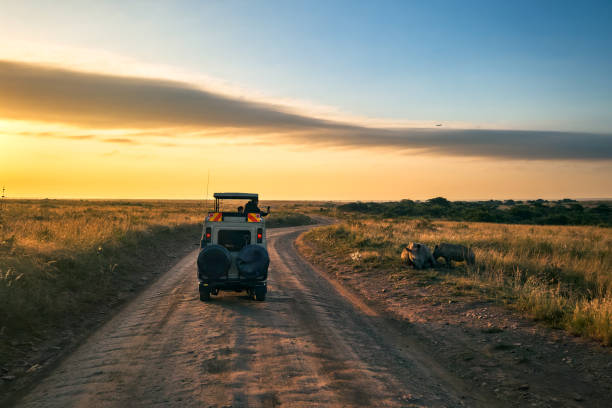
The park’s riverine areas are particularly rich, attracting waterbirds during the wet season and providing essential resources for a variety of forest-dependent species. Safaris here are often conducted in open-top vehicles, offering excellent vantage points for spotting both mammals and birds.
Igombe Forest Reserve
Located closer to Tabora town, Igombe Forest Reserve is a vital area of indigenous forest that provides a different habitat from the more open woodlands of Ugalla. This reserve is crucial for forest-dwelling bird species, including:
- Turacos: Several species of these colorful, arboreal birds can be found here.
- African Emerald Cuckoo: Known for its distinctive call.
- Narina Trogon: A stunningly beautiful bird, often a target for dedicated birders.
- Forest Owls and Nightjars: These can be elusive but are present for those with keen eyes and knowledgeable guides.
Guided walks within Igombe Forest offer a more intimate birding experience, allowing you to move slowly and quietly through the undergrowth, listening for calls and spotting flashes of color amongst the dense foliage. The presence of ancient trees and a complex forest structure supports a high level of biodiversity.
Other Woodland and Savanna Areas
Beyond the officially designated parks and reserves, the vast expanses of miombo woodland and savanna that characterize the Tabora landscape are themselves significant birding areas. Local guides often know specific spots where certain species are reliably found. These areas might include community-managed lands or buffer zones around protected areas, offering opportunities to spot birds like:
- Pels Fishing Owl: Often found near permanent water sources.
- African Pitta: A migratory species that favors dense undergrowth.
- Böhm’s Bee-eater: A striking species often seen perched on prominent branches.
- Fülleborn’s Longclaw: Found in open grasslands.
When planning a Tabora Forest and Birding Tour for 2026 or 2027, it’s essential to work with operators who have local expertise in identifying these less-obvious but rewarding birding locations.
What to Expect on a Tabora Birding Tour
A typical birding tour in the Tabora region is designed to maximize sightings and provide a comfortable, enriching experience. While itineraries can be customized, here’s a general overview of what you can anticipate:
Typical Itinerary Structure
Most tours will involve a combination of activities designed to cover different habitats and species. A common structure might look like this:
Sample 5-Day Tabora Birding Itinerary
- Day 1: Arrival in Tabora & Igombe Forest Exploration. Arrive at Tabora Airport, meet your guide, and transfer to your accommodation. Afternoon guided walk in Igombe Forest Reserve, focusing on forest-dwelling species.
- Day 2: Ugalla River National Park – Woodland Birding. Full day game drive and walking safari in Ugalla River National Park, targeting miombo woodland species and raptors.
- Day 3: Ugalla River National Park – Riverine and Savanna. Explore the riverine areas and open savannas of Ugalla, looking for waterbirds and grassland species. Possible night drive for nocturnal birds.
- Day 4: Community Lands & Specialized Birding. Visit local community areas or specific woodland patches identified by your guide for target species. This might include searching for specific woodpeckers, barbets, or ground birds.
- Day 5: Morning Birding & Departure. A final morning birding session near your lodge or on the way back to Tabora town, followed by transfer to the airport for your onward journey.
Accommodation Options
Accommodation in the Tabora region is generally more rustic compared to the prime northern safari circuits. Options typically include:
- Tented Camps: Often located within or on the boundaries of national parks or reserves, offering a close-to-nature experience. These can range from basic to comfortable, with en-suite facilities.
- Lodges: Some lodges offer more conventional comfort with amenities like restaurants and common areas.
- Guest Houses/Budget Hotels: In Tabora town, more standard accommodation is available.
For a dedicated birding tour, choosing accommodation that is strategically located for accessing prime birding spots is crucial. Lodges and camps within or very near Ugalla River National Park or Igombe Forest Reserve are ideal.
Expert Guiding
The quality of your birding experience hinges significantly on your guide. A good guide for a Tabora Forest and Birding Tour will:
- Have extensive knowledge of local bird species, their calls, and their preferred habitats.
- Be proficient in using spotting scopes and binoculars.
- Understand bird behavior and how to approach them without disturbance.
- Be able to identify birds by sight and sound.
- Possess knowledge of the local ecosystem and conservation efforts.
- Be able to customize the tour based on your specific interests and sightings.
Working with a reputable Tanzanian tour operator like Top Best Tanzania Tour operator ensures you are paired with experienced, local guides who know the Tabora region intimately.
Bird Species Highlights of Tabora
While a comprehensive list would be extensive, here are some of the most sought-after and representative bird species you might encounter on a Tabora Forest and Birding Tour, categorized by habitat:
Miombo Woodland Specialists
The vast miombo woodlands are home to many specialist birds that thrive in this specific environment. These are often characterized by their muted colors but unique adaptations.
- Miombo Pied Barbet (Tricholaema frontata)
- Red-faced Barbet (Lybius rubrifacies)
- Crested Barbet (Trachyphonus vaillantii)
- Arnot’s Chat (Myrmecocichla arnoti)
- White-breasted Cuckooshrike (Coracina pectoralis)
- Green-capped Eremomela (Eremomela scotops)
- White-browed Coucal (Centropus superciliosus)
- African Wood Owl (Strix woodfordii)
Forest and Riverine Species
The denser forest patches and areas along rivers and streams support a different suite of birds, often more colorful and arboreal.
- Narina Trogon (Apaloderma narina)
- African Emerald Cuckoo (Chrysococcyx cupreus)
- Schalow’s Turaco (Tauraco schalowi)
- Livingstone’s Turaco (Tauraco livingstonii)
- Purple-crested Turaco (Tauraco porphyreolophus)
- Woodward’s Batis (Batis fratrum)
- Pels Fishing Owl (Scotopelia peli)
- Half-collared Kingfisher (Alcedo semitorquata)
Raptors and Ground Birds
The open areas, woodlands, and savannas are hunting grounds for various birds of prey, while the ground hosts unique terrestrial species.
- Bateleur Eagle (Terathopius ecaudatus)
- African Cuckoo-Hawk (Aviceda cuculoides)
- Martial Eagle (Polemaetus bellicosus)
- Crested Guineafowl (Guttera pucherani)
- Helmeted Guineafowl (Numida meleagris)
- Coqui Francolin (Peliperdix coqui)
- Red-necked Spurfowl (Pternistis afer)
- Secretarybird (Sagittarius serpentarius)
Other Notable Species
- African Pitta (Pitta angolensis) – Migratory, often found in dense undergrowth.
- Böhm’s Bee-eater (Merops boehmi) – Striking species in woodlands.
- Fülleborn’s Longclaw (Macronyx fuelleborni) – In grasslands.
- Ground Hornbill (Bucorvus leadbeateri) – A magnificent sight in open country.
This list is by no means exhaustive, and the thrill of birdwatching often lies in discovering unexpected species. A well-planned Tabora Forest and Birding Tour in 2026 or 2027 could reveal dozens, if not hundreds, of different species.
Planning Your Tabora Birding Adventure
Successful birdwatching tours require careful planning, especially in regions like Tabora where infrastructure is less developed than in more popular tourist destinations. Key considerations include timing, logistics, and what to pack.
Best Time to Visit for Birding
The birding season in Tabora is generally influenced by rainfall patterns and the arrival of migratory birds.
- The Dry Season (June to October): This is often considered a prime time for birding in many parts of Tanzania. Water sources are concentrated, making birds easier to find. The landscape is drier, and visibility for spotting both birds and mammals can be good. Migratory birds from Europe have usually departed by this time.
- The Wet Season (November to May): This period brings lush green landscapes and is excellent for resident birds breeding and displaying. It’s also the time when intra-African migrants and European migrants (typically arriving from November) are present. The rains can sometimes make travel challenging, particularly in remote areas, but they also bring out insects, which attract insectivorous birds. The period from November to April is particularly good for migratory species.
For a comprehensive birding experience that includes both resident and migratory species, the shoulder months (e.g., October-November or April-May) can offer a good balance. However, many dedicated birders prefer the dry season for ease of access and concentration of water-dependent species.
Logistics and Travel Arrangements
Getting to Tabora and moving around requires careful logistical planning. Tabora is accessible by:
- Air: Small domestic flights operate from Dar es Salaam and Kilimanjaro to Tabora Airport (TBO). This is the quickest way to reach the region.
- Road: Tabora is connected by road to other major Tanzanian cities, but journeys can be long and rough, especially to remote park areas.
Once in Tabora, a 4×4 safari vehicle is essential for navigating the terrain, especially within national parks and reserves. This vehicle should be equipped with pop-up roofs for optimal viewing and photography.
Booking in advance is highly recommended, especially if you plan to travel in 2026 or 2027, as tour operators need time to arrange permits, accommodation, and guides, particularly for less-trafficked destinations like Ugalla River National Park.
What to Pack for Your Birding Tour
Packing appropriately will significantly enhance your comfort and birdwatching success.
Essential Packing List for a Tabora Birding Tour:
- Binoculars: High-quality, waterproof binoculars (e.g., 8×42 or 10×42) are non-negotiable.
- Field Guide: A comprehensive field guide to the birds of East Africa is essential.
- Camera with Zoom Lens: To capture distant birds and their behaviors. Extra batteries and memory cards are recommended.
- Sun Protection: Wide-brimmed hat, sunglasses, and high SPF sunscreen.
- Insect Repellent: Especially important during the wet season.
- Lightweight, Neutral-Colored Clothing: Long-sleeved shirts and trousers to protect against sun, insects, and scratches. Avoid bright colors.
- Comfortable Walking Shoes/Boots: Broken-in hiking boots are ideal for forest walks.
- Rain Gear: A lightweight, waterproof jacket or poncho, particularly during the rainy season.
- Personal First-Aid Kit: Including any personal medications.
- Headlamp or Torch: Useful for early mornings or potential night drives.
- Reusable Water Bottle: To minimize plastic waste.
- Small Backpack: For carrying essentials during daily excursions.
Conservation and Responsible Tourism in Tabora
As a destination that is gaining recognition for its unique biodiversity, responsible tourism practices are paramount in Tabora. Supporting conservation efforts and minimizing your environmental impact ensures that these natural areas can be enjoyed by future generations.
The Importance of Local Guides and Operators
Choosing a local Tanzanian tour operator like Top Best Tanzania Tour operator is crucial for several reasons:
- Local Knowledge: They possess invaluable knowledge of the terrain, wildlife, and birding hotspots that general guides might not have.
- Economic Support: Your booking directly supports the local economy, providing employment for guides, drivers, and support staff.
- Conservation Awareness: Reputable local operators are often involved in or aware of local conservation initiatives and can educate visitors on best practices.
- Permits and Access: They handle all necessary park entry fees and permits, ensuring your visit is compliant with regulations.
Minimizing Your Footprint
During your Tabora Forest and Birding Tour, consider these tips for responsible travel:
- Stay on Designated Trails: Avoid disturbing fragile vegetation and wildlife habitats.
- Do Not Feed Wildlife: Maintain a safe distance and let animals behave naturally.
- Reduce Waste: Carry out all trash, especially plastics, and avoid single-use items where possible.
- Respect Local Culture: If visiting local communities, dress modestly and ask permission before taking photos.
- Support Local Crafts: Purchase souvenirs directly from artisans if opportunities arise.
Future of Birdwatching in Tabora
The future for birdwatching in Tabora looks promising as conservation awareness grows and more dedicated birding tourism is developed. For travelers planning for 2026 and 2027, this region offers an authentic experience that is becoming increasingly rare. By choosing responsible tour operators and practicing mindful tourism, visitors can contribute to the preservation of Tabora’s natural heritage.
Combining Birding with Other Tanzanian Experiences
While the focus of a Tabora Forest and Birding Tour is avian life, the region and Tanzania as a whole offer opportunities to combine birdwatching with other incredible experiences.
Cultural Encounters
Tabora has a rich history as a Swahili coast trading post and a significant Swahili cultural center. Incorporating a cultural visit can add another dimension to your trip.
- Visit Historical Sites: Explore remnants of Tabora’s past as a caravan town.
- Engage with Local Communities: Learn about the daily lives of the Waswahili people and other ethnic groups in the region.
Wildlife Safaris in Nearby Parks
While Ugalla River National Park is a prime destination for wildlife, you might consider extending your trip to include other renowned Tanzanian parks, though they are not in close proximity to Tabora. For instance, a trip could be structured to include:
- Selous Game Reserve (Nyerere National Park): Known for its large elephant and buffalo herds, and boat safaris.
- Ruaha National Park: Tanzania’s largest park, famous for its large predators and unique antelope species.
However, for those focused on the western Tanzanian ecosystem, combining Tabora with parks like Katavi National Park (though logistically challenging) offers a truly wild and remote safari experience, often with excellent birding opportunities as well.
Climbing Mount Kilimanjaro
For the more adventurous, a birding tour in Tabora could be the precursor or postlude to climbing Mount Kilimanjaro. This would require significant travel time between regions, but it’s a popular combination for those wanting to experience the diverse landscapes and challenges Tanzania offers.
Top Best Tanzania Tour operator specializes in creating custom itineraries that blend these diverse experiences. Whether you’re looking for a dedicated birding expedition or a multi-faceted Tanzanian adventure for 2026 or 2027, they can help craft the perfect trip.
Why Book Your Tabora Birding Tour with Us?
Choosing the right tour operator is critical for a successful and memorable Tabora Forest and Birding Tour. At Top Best Tanzania Tour operator, we pride ourselves on offering unparalleled expertise and personalized service.
- Local Expertise: Our guides are born and raised in Tanzania, with deep knowledge of its ecosystems, wildlife, and birdlife, particularly in regions like Tabora.
- Customized Itineraries: We don’t offer one-size-fits-all tours. We work with you to design an itinerary that matches your interests, budget, and travel style for 2026 or 2027.
- Commitment to Conservation: We are dedicated to sustainable tourism practices and work with partners who share this vision.
- Quality Accommodation and Vehicles: We partner with reliable lodges and camps and use well-maintained 4×4 safari vehicles to ensure your comfort and safety.
- Excellent Value: We aim to provide the best possible experience at competitive prices, ensuring your investment in a Tanzanian adventure is worthwhile.
We understand the unique needs of birdwatchers and can arrange specialized tours focusing on specific species or habitats within the Tabora region. Whether you’re a seasoned birder or new to the hobby, our team is equipped to make your trip extraordinary.
Ready to plan your unforgettable Tabora Forest and Birding Tour? Contact us today to discuss your dream itinerary. You can reach us via WhatsApp at +255616946642, email us at topguideadventures@gmail.com, or use our backup email info@topguideadventures.com. Let us help you discover the hidden avian treasures of Tanzania!
Check Availability for Tabora Forest And Birding Tour: Your Ultimate Guide In Tanzania 2026-2027
Ready to compare dates, prices, and the best option for your group? Send the package name and travel month so the team can reply with a clear quote, availability, and what is included.
 The Tabora To Ujiji Historical Route: A Journey Through Tanzanias PastDiscover the rich history and cultural significance of the Tabora to Ujiji route in Tanzania, a path once central to trade and exploration. This…View packageTabora Market And Craft Tour: A Deep Dive For Travelers 2026-2027Explore the heart of Tabora's commerce and artistry with our comprehensive guide to the Tabora Market and Craft Tour. Learn about local…View package
 Tabora German Colonial Heritage Tour: A Journey Through Tanzanias PastDiscover the fascinating German colonial history of Tabora, Tanzania, with a specialized heritage tour. This immersive experience delves into…View packageTabora Cycling Adventure: Explore Tanzanias Heartland By Bike 2026-2027start a unique Tabora Cycling Adventure, traversing the historical and cultural heartland of Tanzania by bicycle. This journey offers an…View packageTabora Local Food Experience: A Culinary Journey Through Tanzanias HeartlandExplore the rich and diverse flavors of Tabora, Tanzania, through its unique local food experiences. This guide covers traditional dishes…View package
 Tabora Traditional Architecture Tour: Discover Swahili Heritage & ColonialA detailed 2026-2027 guide to Tabora Traditional Architecture Tour, with clear planning and booking information for travelers.View package
 Tabora Honey Farm Tour: A Sweet Escape In Tanzanias Heart 2026-2027Experience the unique sweetness of Tanzania with a Tabora Honey Farm Tour. This guide explores what to expect, from beekeeping insights to…View packageTabora Beekeeping Experience: Sweet Honey & Cultural Immersion In TanzaniaExperience the rich traditions of beekeeping in Tabora, Tanzania. This unique cultural immersion offers a chance to learn about honey…View package


