
A Kagera New National Parks Expedition in 2026-2027 offers an unparalleled opportunity to explore Tanzania’s emerging protected areas, focusing on the unique biodiversity and cultural richness of the Kagera region, likely encompassing areas like the proposed Kagera National Park and adjacent conservancies, providing a distinct safari experience away from the classic northern circuit, with itineraries typically ranging from 7 to 14 days and focusing on wildlife viewing, birdwatching, and community engagement.
Discovering Tanzania’s Untamed West: The Kagera New National Parks Expedition
Tanzania, a jewel of East Africa, is globally renowned for its iconic safari destinations. The Serengeti, Ngorongoro Crater, and Mount Kilimanjaro draw millions of visitors each year, celebrated for their abundant wildlife and dramatic landscapes. However, for the traveler seeking a truly distinct and pioneering adventure, Tanzania’s western regions are rapidly emerging as destinations of significant interest. The concept of a ‘Kagera New National Parks Expedition’ points directly to this burgeoning frontier, specifically focusing on the Kagera region and its potential for new national park designations and expanded conservation efforts. These areas offer a chance to witness Tanzania’s natural beauty and cultural heritage in a more intimate and less crowded setting, especially as we look towards planning trips in 2026 and 2027.
This expedition isn’t just about seeing wildlife; it’s about experiencing the raw, untamed spirit of a region on the cusp of greater recognition. It’s an invitation to explore the vast, undulating landscapes, the rich historical mix, and the vibrant communities that define western Tanzania. Top Guide Adventures is at the forefront of developing these unique journeys, crafting itineraries that balance adventure, conservation, and authentic cultural immersion.
The Significance of ‘New National Parks’ in Kagera
The term ‘New National Parks’ is crucial here. While Tanzania has a well-established network of national parks, the designation of new protected areas, or the significant expansion and formalization of existing conservancies into national park status, represents a dynamic shift in conservation strategy. The Kagera region, bordering Rwanda and Burundi, is ecologically diverse, featuring a mix of savanna, woodland, wetlands, and the vast Lake Victoria. Historically, parts of this region have been under pressure from human activity, but there’s a growing recognition of its intrinsic value for biodiversity conservation and its potential for sustainable tourism.
As of 2026-2027, the landscape of conservation in Kagera is evolving. Discussions and plans are often underway regarding the formalization of protected zones, which could include the establishment of a Kagera National Park or the expansion of existing game reserves. These ‘new’ designations promise not only enhanced protection for wildlife but also the development of infrastructure and tourism offerings that are sensitive to the environment and the local communities. An expedition to these areas offers a unique perspective, allowing visitors to be among the first to experience these protected zones in their developing stages.
Why Choose a Kagera Expedition for 2026-2027?
The allure of a Kagera New National Parks Expedition lies in its distinctiveness. Unlike the well-trodden paths of the northern circuit, Kagera offers:
- Unspoiled Wilderness: Experience vast, undeveloped landscapes teeming with life, often with few other tourists in sight.
- Unique Biodiversity: Discover species that might be less common in other parks, alongside a rich array of birdlife and aquatic species due to the proximity of Lake Victoria and extensive wetlands.
- Cultural Authenticity: Engage with local communities, learn about their traditions, and understand the symbiotic relationship between people and the land in a way that feels genuine and unscripted.
- Pioneering Spirit: Be part of the early wave of travelers exploring these emerging conservation areas, contributing to their sustainable development through responsible tourism.
- Off-the-Beaten-Path Adventure: For the traveler who has perhaps experienced the more famous parks and is seeking a new challenge and a deeper connection with nature.
Planning for 2026-2027 allows for forward-thinking, securing the best opportunities in these developing destinations. Top Guide Adventures specializes in tailoring these expeditions to meet the desires of adventurous travelers, offering insights and access that only local expertise can provide.
The Landscape of Kagera: More Than Just Savanna
The Kagera region’s geography is a significant part of its charm and ecological importance. It’s not a monolithic landscape; rather, it’s a dynamic mosaic of ecosystems that support a diverse range of flora and fauna. Understanding this varied terrain is key to appreciating the potential of any new national park designations within it.
Lake Victoria’s Influence and Wetland Habitats
The presence of Lake Victoria, Africa’s largest freshwater lake and the world’s second-largest, profoundly shapes the Kagera region. The lake’s vast shores and the extensive wetlands that feed into it create unique aquatic and semi-aquatic habitats. These areas are critical for:
- Birdwatching Paradise: Wetlands are magnets for birdlife, attracting a spectacular variety of resident and migratory species. Expect to see water birds like herons, egrets, kingfishers, and perhaps even the iconic Shoebill stork in suitable marshy areas.
- Unique Mammal Niches: Certain mammals thrive in these wetland environments. Hippos are common in rivers and lakes, while antelopes adapted to marshy conditions, such as the Sitatunga, might be found in denser reed beds.
- Scenic Beauty: The vast expanse of Lake Victoria, with its shimmering waters and dramatic sunsets, provides a breathtaking backdrop to any safari. Riverine ecosystems, often fringed with lush vegetation, offer a different kind of beauty.
A Kagera New National Parks Expedition will likely incorporate boat safaris on sections of Lake Victoria or its tributaries, offering a perspective on wildlife and landscapes that is impossible from a vehicle.
Savannas, Woodlands, and Rolling Hills
Beyond the aquatic environments, Kagera boasts classic East African landscapes that are ideal for wildlife viewing:
- Open Savannas: These grasslands support herds of grazing animals like wildebeest, zebras, and various antelope species. They are also the hunting grounds for predators like lions and cheetahs, though sightings might be rarer and require more patient observation than in more famous parks.
- Miombo Woodlands: These deciduous woodlands are characterized by the distinctive ‘miombo’ trees. They offer shade and browse for animals like giraffes and elephants, and provide habitat for a different suite of bird species and smaller mammals.
- Rolling Hills and Escarpments: The topography of Kagera can be quite varied, with gentle hills and more dramatic escarpments offering panoramic views. These elevated points are excellent for surveying the landscape and spotting wildlife from a distance.
The combination of these diverse habitats means that a Kagera expedition can offer a rich and varied wildlife viewing experience, different from the more uniform plains of the Serengeti, for example.
Conservation Challenges and Opportunities
The designation of new national parks in Kagera is often a response to conservation challenges. These can include human-wildlife conflict, habitat encroachment, and the need for better resource management. By establishing formal protected areas, the government aims to:
- Protect Biodiversity: Safeguard critical habitats and the species that depend on them.
- Promote Sustainable Tourism: Develop tourism in a way that benefits local communities and provides economic incentives for conservation.
- Manage Resources: Implement effective anti-poaching measures and sustainable land-use practices.
For travelers in 2026-2027, visiting these emerging parks means contributing directly to these conservation efforts. Your presence and the revenue generated from responsible tourism play a vital role in demonstrating the economic value of wildlife and intact ecosystems.
Wildlife Encounters in Kagera: A Different Kind of Safari
While Kagera might not boast the sheer density of megafauna seen in the Serengeti during the Great Migration, its wildlife encounters are characterized by their intimacy and uniqueness. The region’s diverse habitats support a fascinating array of animals, and the lower visitor numbers mean that sightings often feel more personal and less rushed.
Mammals of the Kagera Region
Expect to find a good variety of mammals, including:
- Large Herbivores: Herds of wildebeest, zebras, hartebeest, topi, and various gazelles are common, particularly in the savanna areas. Elephants, though perhaps not in the same numbers as in national parks like Tarangire or Ruaha, are present and can be encountered in suitable habitats. Giraffes are also a beautiful sight, often seen browsing in woodlands.
- Predators: While lion prides are more concentrated in other parks, Kagera still offers opportunities for predator sightings. Cheetahs might be seen in open grasslands, and leopards are elusive but present, especially in denser bush or rocky outcrops. Hyenas are also part of the ecosystem.
- Primates: Depending on the specific areas explored within Kagera, there might be opportunities to see primates. While not a chimpanzee trekking destination like Gombe or Mahale, the woodlands could host various monkey species.
- Aquatic Mammals: Hippos are a regular feature in rivers and lakes, and crocodiles bask on riverbanks.
- Unique Antelopes: Keep an eye out for species like the Greater Kudu, Bushbuck, and potentially the Sitatunga if exploring wetland fringes.
The thrill of a Kagera expedition often comes from the surprise of spotting an animal in a less expected location or having a sighting all to yourself.
Avian Wonders: A Birdwatcher’s Dream
Kagera’s diverse habitats, especially the wetlands and woodlands, make it an exceptional destination for birdwatchers. With its position near Lake Victoria and various river systems, the region is a critical stopover for migratory birds and home to a vast number of resident species. Birding enthusiasts can anticipate spotting:
- Waterfowl and Waders: Ducks, geese, storks (including potentially the Shoebill), herons, egrets, ibises, and sandpipers are abundant in wetland areas.
- Raptors: Various eagles, buzzards, and falcons patrol the skies.
- Forest and Woodland Birds: Hornbills, bee-eaters, rollers, sunbirds, and weavers are common in wooded areas.
- Savanna Species: Ostriches, guinea fowl, and various grassland birds are found in open plains.
For serious birders, a Kagera expedition in 2026-2027 can be customized with specialized guides to maximize sightings. The sheer number of species recorded in the wider Kagera region is impressive, promising a rich experience for any ornithologist.
The Importance of Patience and Observation
Wildlife viewing in areas like Kagera often requires more patience and a keen eye than in highly developed parks. The animals are less accustomed to constant vehicular presence, which can make them shyer. This, however, enhances the authenticity of the experience. Our guides at Top Guide Adventures are trained to track animals, understand their behavior, and position vehicles for optimal, respectful viewing. They are adept at spotting subtle signs of wildlife – a flick of an ear, a rustle in the grass, a distant call – that might escape the untrained eye.
A successful Kagera New National Parks Expedition is one where the journey itself, the quiet observation, and the connection with the natural environment are as rewarding as the specific animal sightings.
Crafting Your Kagera New National Parks Expedition: Itinerary Ideas for 2026-2027
Designing an expedition to the emerging national parks of Kagera requires careful planning to maximize the experience while respecting the developing nature of tourism infrastructure. Top Guide Adventures excels at creating bespoke itineraries that cater to your interests, whether they lie in wildlife, birding, culture, or a blend of all three. For planning in 2026-2027, flexibility and a spirit of adventure are key.
Typical Expedition Durations and Focus
Most Kagera expeditions range from 7 to 14 days, allowing sufficient time to explore the region’s diverse areas without feeling rushed. Shorter trips might focus on a specific park or a combination of a park and a cultural experience, while longer expeditions can offer a more comprehensive immersion.
A potential 10-day Kagera Expedition could look like this:
Day 1-2: Arrival in Mwanza & Transfer to Lake Victoria Shores
Arrive at Mwanza Airport (MWZ), Tanzania’s second-largest city, located on the southern shores of Lake Victoria. Meet your Top Guide Adventures representative and transfer to your lodge or camp near the lake. Enjoy the serene atmosphere and perhaps a sunset boat trip.
Day 3-4: Exploring the Proposed Kagera National Park Area
start your first game drives in the designated or proposed national park zones. Focus on spotting savanna wildlife, woodlands species, and enjoying the vast landscapes. Your guide will focus on areas known for antelope, giraffes, and potentially predators.
Day 5-6: Wetland Exploration & Birdwatching
Dedicate these days to exploring the wetland areas and riverine ecosystems. This might involve specialized boat safaris or walking safaris (where permitted and safe) to get closer to aquatic life and an incredible array of bird species. Keep an eye out for hippos, crocodiles, and unique water birds.
Day 7: Cultural Immersion & Local Village Visit
Spend a day engaging with a local community. Learn about traditional farming practices, fishing methods on Lake Victoria, and the daily life of the people. This offers a vital counterpoint to the wildlife focus, providing a deeper understanding of the region.
Day 8-9: Exploring Adjacent Conservancies or Lakeshore Areas
Venture into less formally protected but ecologically significant areas surrounding the main park. These could include community-run conservancies or further exploration along the Lake Victoria coastline, offering different wildlife viewing opportunities and scenic vistas.
Day 10: Return to Mwanza & Departure
Enjoy a final breakfast with lake views before transferring back to Mwanza for your onward flight. Reflect on an unforgettable expedition into Tanzania’s emerging western frontier.
Customization Options for 2026-2027
Your Kagera New National Parks Expedition can be tailored to your specific interests:
- Photography Focus: Longer game drives, early morning and late afternoon shoots, and guides experienced in wildlife photography positioning.
- Birding Specialization: Extra time dedicated to wetland excursions, guided walks with ornithology experts, and visits to known birding hotspots.
- Cultural Deep Dive: Extended stays in villages, participation in local activities (where appropriate), and visits to historical sites.
- Adventure Activities: Incorporating activities like kayaking on Lake Victoria (in safe zones), guided hiking in appropriate areas, or visiting local fishing villages.
When planning for 2026-2027, it’s important to discuss your expectations regarding accommodation. While luxury lodges are becoming more common, some areas might offer more rustic tented camps or comfortable guesthouses, providing a true sense of being in the wild.
Logistics and Travel Style
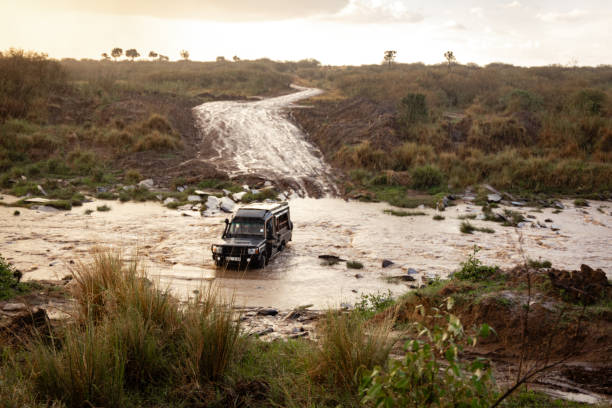
Travel within Kagera typically involves 4×4 safari vehicles equipped for off-road conditions. Distances can be significant, and road conditions can vary, especially during the rainy seasons. This is where the expertise of Top Guide Adventures is invaluable, ensuring comfortable and efficient travel.
Accommodation styles can range from:
- Tented Camps: Offering a comfortable yet immersive wilderness experience, often with en-suite facilities.
- Lodges: Ranging from comfortable mid-range to more luxurious options, providing amenities and stunning views.
- Guesthouses: Found in towns or villages, offering a more local flavor.
The choice of accommodation will significantly impact the overall cost and experience of your Kagera New National Parks Expedition. We can help you select options that best fit your budget and comfort preferences for your 2026-2027 adventure.
Planning Your Kagera Expedition: Practical Considerations for 2026-2027
Embarking on an expedition to a developing tourism region like Kagera requires a slightly different approach to planning compared to established safari circuits. Proactive preparation is key to ensuring a smooth and rewarding journey, especially when booking for 2026-2027.
Best Time to Visit Kagera
The climate in Kagera is influenced by its proximity to Lake Victoria. Generally, the region experiences a tropical climate with distinct wet and dry seasons.
- Dry Seasons (June to October, December to February): These are typically the best times for wildlife viewing as animals congregate around water sources, and vegetation is less dense, making them easier to spot. The landscape is golden and dry. Temperatures are pleasant, though it can get cooler in the early mornings and evenings.
- Wet Seasons (November, March to May): These periods bring rain, which can range from short showers to longer, heavier downpours. The landscape becomes lush and green, which is beautiful in its own right. Birdlife is particularly vibrant during and after the rains. However, some roads might become challenging, and certain wildlife might disperse. The shoulder months (November, March) can offer a good balance with fewer crowds and transitional weather.
For a Kagera New National Parks Expedition, the dry seasons (June-October) are often preferred for optimal game viewing. However, if birdwatching is a priority, the wet seasons can be highly rewarding. We can advise on the best timing for your specific interests when planning for 2026-2027.
Health and Safety Precautions
Your health and safety are paramount. When traveling to Tanzania, including the Kagera region, it’s essential to take the following precautions:
- Malaria Prevention: Kagera is a malaria-endemic area. Consult your doctor about appropriate antimalarial medication well in advance of your travel. Use insect repellent (containing DEET) and sleep under mosquito nets.
- Vaccinations: Ensure your routine vaccinations are up to date. Yellow Fever vaccination is often required for entry into Tanzania, especially if arriving from or transiting through a country with a risk of Yellow Fever transmission. Check current regulations before your trip.
- Food and Water Safety: Drink bottled or purified water only. Be cautious with uncooked foods and peeled fruits. Your lodge or camp will typically provide safe options.
- Sun Protection: The equatorial sun is strong. Use high-SPF sunscreen, wear a wide-brimmed hat, and stay hydrated.
- Safari Safety: Always follow your guide’s instructions. Do not leave the vehicle during game drives unless instructed it is safe to do so. Maintain a respectful distance from wildlife.
Top Guide Adventures works with reputable lodges and camps that adhere to high standards of hygiene and safety.
Visa Requirements and Travel Documents
Most nationalities require a visa to enter Tanzania. You can typically apply for a visa in advance through the Tanzanian embassy in your country or obtain one upon arrival at major entry points like Kilimanjaro International Airport (JRO) or Julius Nyerere International Airport (DAR). For entry via Mwanza, check the specific requirements. Ensure your passport is valid for at least six months beyond your intended stay and has sufficient blank pages.
Packing Essentials for Your Expedition
Packing smart is crucial for a comfortable safari experience:
- Clothing: Lightweight, neutral-colored clothing (khaki, beige, olive green) is best for game drives. Include long-sleeved shirts and trousers for sun and insect protection, especially in the evenings. A fleece or warm jacket is advisable for cooler mornings and evenings.
- Footwear: Comfortable walking shoes or hiking boots are essential, along with sandals or flip-flops for relaxing at the camp/lodge.
- Sun Protection: Sunscreen, sunglasses, and a wide-brimmed hat are non-negotiable.
- Insect Repellent: High-DEET content repellent.
- Camera Gear: Bring extra batteries, memory cards, and a zoom lens for wildlife photography. A waterproof bag is useful.
- Binoculars: Essential for spotting wildlife at a distance.
- First-Aid Kit: Personal medications, basic first-aid supplies, and any prescriptions.
- Adapter: Tanzania uses Type D sockets (3 round pins) with 230V voltage.
- Headlamp or Torch: Useful for navigating your tent or camp at night.
We can provide a more detailed packing list tailored to your specific Kagera New National Parks Expedition when you book for 2026-2027.
The Role of Top Guide Adventures in Your Kagera Expedition
Choosing the right tour operator is critical, especially when venturing into less-explored regions. Top Guide Adventures brings invaluable local knowledge, a commitment to sustainable tourism, and a passion for showcasing the best of Tanzania.
Local Expertise and Tailored Itineraries
Our team is based in Tanzania, with deep roots and extensive experience in the country’s tourism sector. This allows us to:
- Navigate Emerging Parks: We understand the developing infrastructure, best routes, and optimal viewing areas within Kagera’s nascent protected zones.
- Connect with Communities: We have established relationships with local communities, ensuring respectful and authentic cultural interactions.
- Adapt to Conditions: We are adept at adjusting itineraries based on seasonal changes, wildlife movements, and any unforeseen circumstances, ensuring your trip remains enjoyable and safe.
- Personalized Planning: We work closely with you to understand your interests, budget, and travel style, crafting a Kagera New National Parks Expedition that is truly yours. Whether you’re planning for 2026 or 2027, we start the planning process early to secure the best experiences.
Commitment to Sustainable Tourism
We believe that tourism should be a force for good. Our commitment to sustainability means:
- Supporting Conservation: A portion of our proceeds often goes towards local conservation initiatives and community development projects in the areas we visit.
- Community Benefit: We prioritize working with local guides, lodges, and suppliers, ensuring that tourism revenue directly benefits the people of Kagera.
- Environmental Responsibility: We adhere to strict guidelines for waste management, resource use, and wildlife viewing to minimize our ecological footprint.
By choosing Top Guide Adventures for your Kagera New National Parks Expedition, you are choosing a partner dedicated to responsible travel that benefits both the visitor and the destination.
Why Book Your 2026-2027 Expedition with Us?
When you book with Top Guide Adventures, you gain:
- Peace of Mind: We handle all the logistics, from airport transfers to accommodation bookings and daily activities, allowing you to relax and immerse yourself in the experience.
- Expert Guides: Our guides are not just drivers; they are knowledgeable naturalists, cultural ambassadors, and experienced safari professionals who enhance your journey with their insights.
- Value for Money: We strive to offer competitive pricing without compromising on quality or experience, ensuring you get the most out of your investment in a Kagera New National Parks Expedition.
- A Unique Adventure: We specialize in creating experiences that go beyond the ordinary, offering you a chance to explore Tanzania’s hidden gems.
Ready to plan your pioneering Kagera New National Parks Expedition for 2026-2027? Contact us today to start crafting your unforgettable Tanzanian adventure. You can reach us via WhatsApp at +255616946642, email us at topguideadventures@gmail.com, or our backup email info@topguideadventures.com. Let us help you discover the wild heart of western Tanzania.
Check Availability for Kagera New National Parks Expedition Guide
Ready to compare dates, prices, and the best option for your group? Send the package name and travel month so the team can reply with a clear quote, availability, and what is included.
 Ibanda-Kyerwa And Rumanyika-Karagwe National Parks: Tanzanias UntamedA detailed 2026-2027 guide to Ibanda-Kyerwa and Rumanyika-Karagwe, with clear planning and booking information for travelers.View package
 2-Day Ibanda-Kyerwa National Park Safari: Your Ultimate Wildlife AdventurePlan your 2-day Ibanda-Kyerwa National Park safari with Top Guide Adventures. This short but impactful itinerary offers a fantastic glimpse into…View package
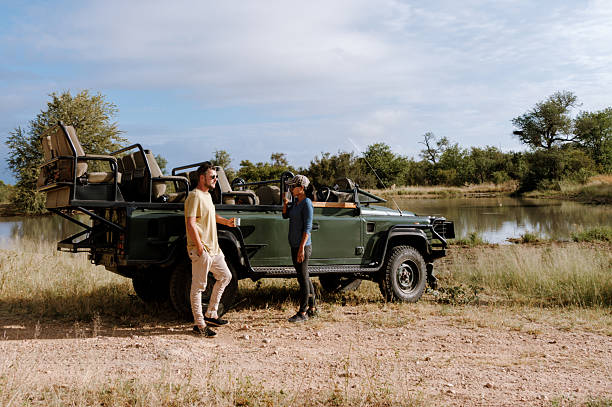 Burigi-Chato Photography Expedition: Capturing Tanzanias Untamed Beautystart an unparalleled photographic journey through Burigi-Chato National Park, Tanzania. This expedition focuses on capturing the park's diverse…View packageBurigi-Chato National Park: A Comprehensive Guide For Safaris 2026-2027Explore Burigi-Chato National Park, a vast and diverse protected area in Tanzania's western region. This guide provides essential information…View package
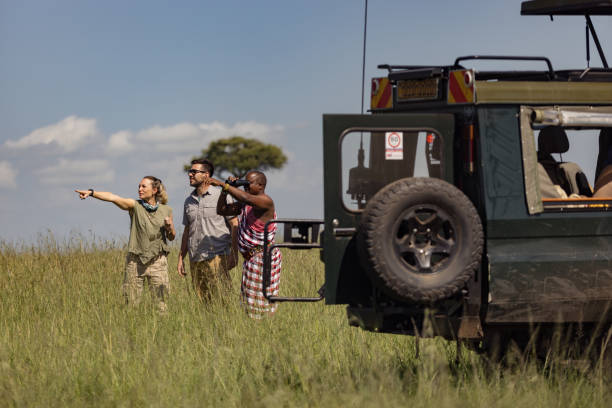 Z. Kagera Region Packages: Your Ultimate Tanzania Safari Adventure 2026-2027Discover the untamed beauty of Tanzania's Kagera Region with bespoke safari packages from Top Guide Adventures. Experience diverse wildlife…View package
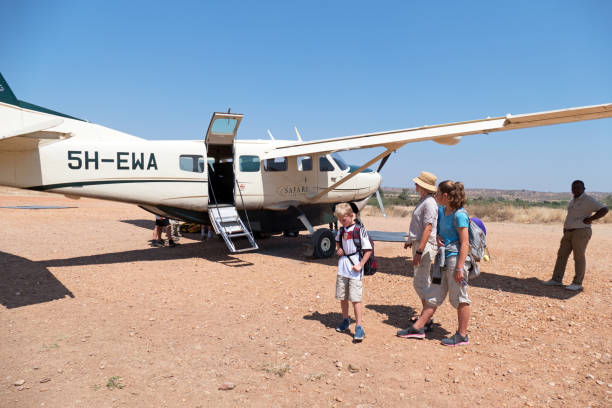 Rumanyika-Karagwe Cultural Safari: An Immersive Journey Into TanzaniasExplore the rich cultural mix of western Tanzania with a Rumanyika-Karagwe Cultural Safari. This unique journey offers deep dives into history…View package3-Day Rumanyika-Karagwe Nature Tour: An Unforgettable Tanzania AdventureDiscover the hidden gems of western Tanzania with a 3-day nature tour of Rumanyika-Karagwe National Park. This unique itinerary offers a chance…View package
 2-Day Rumanyika-Karagwe Safari: Your Ultimate Tanzania Wildlife AdventureDiscover the untamed beauty of Tanzania's western circuit with a focused 2-Day Rumanyika-Karagwe Safari. This compact yet rich itinerary offers…View package


