
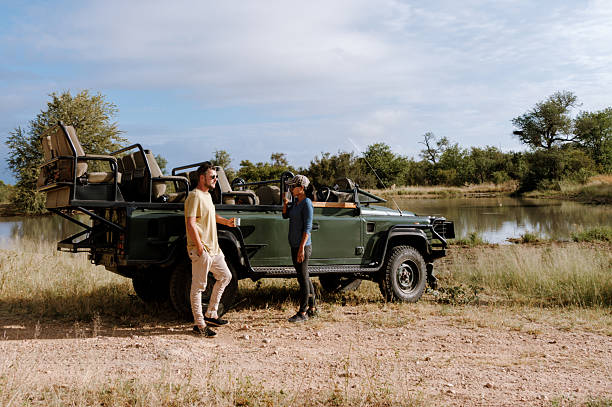
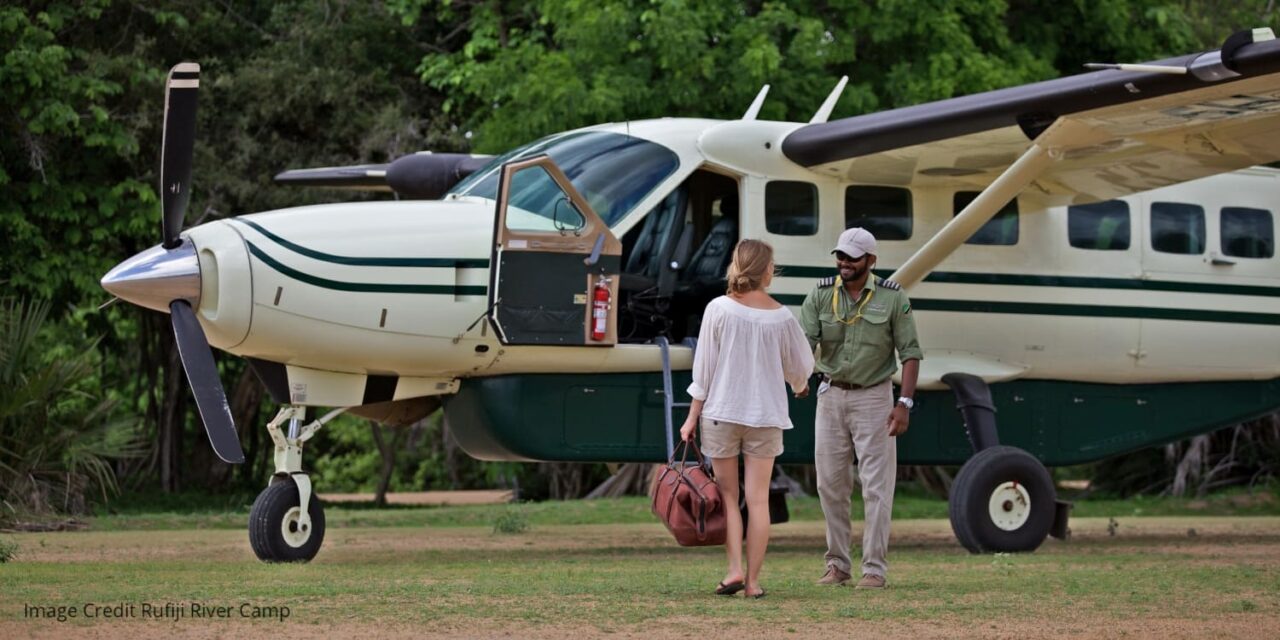
A Burigi-Chato Photography Expedition is a specialized safari designed for photographers, focusing on capturing the unique wildlife, diverse landscapes, and vibrant cultural elements of Burigi-Chato National Park in Tanzania. These expeditions often run for 5-10 days, beginning from Arusha or Kigoma, and are tailored to maximize photographic opportunities, with flexible schedules and expert guiding to help you achieve award-winning shots in 2026-2027.
Discovering Burigi-Chato National Park: A Photographer’s Dream
Tanzania is globally renowned for its iconic safari destinations, from the vast plains of the Serengeti to the towering peaks of Kilimanjaro. Yet, nestled in the western reaches of the country lies a jewel that offers a more intimate, less-trodden path for wildlife enthusiasts and photographers: Burigi-Chato National Park. This park, formed by the amalgamation of three former game reserves – Burigi, Chato, and Biharamulo – presents a breathtaking panorama of untouched wilderness, making it an exceptional location for a dedicated photography expedition.
A Burigi-Chato Photography Expedition is more than just a safari; it’s an immersive artistic pursuit. It’s about understanding light, composition, and patience to capture the essence of one of Africa’s most captivating, yet relatively undiscovered, natural sanctuaries. For photographers planning their adventures for 2026-2027, Burigi-Chato offers a canvas rich with opportunities, from dramatic landscapes to elusive wildlife and the unique rhythms of local life.
The Allure of Burigi-Chato for the Lens
What sets Burigi-Chato apart for photographers is its unique geographical position and ecological diversity. Situated along the eastern shores of Lake Victoria, the park boasts a varied terrain that includes rolling hills, extensive wetlands, dense woodlands, and open savannas. This mosaic of habitats supports a rich mix of wildlife, often seen in more concentrated numbers due to the water sources, especially during the dry seasons.
The park is a vital corridor for elephants, which are often observed in large herds. Its wetlands are a haven for a plethora of birdlife, including rare species, making it a paradise for ornithological photographers. Predators like lions, leopards, and hyenas are present, though often more elusive, offering a thrilling challenge for those seeking dramatic wildlife action shots. The presence of giraffes, zebras, buffaloes, and various antelopes adds further depth to the photographic potential. Beyond the fauna, the landscapes themselves are profoundly photogenic – the shimmering expanse of Lake Victoria, the mist-shrouded hills at dawn, and the acacia-dotted plains bathed in golden hour light all provide stunning backdrops.
For photographers targeting the 2026-2027 travel window, booking an expedition here means accessing a pristine environment before it becomes widely known, offering a sense of discovery and exclusivity.
Planning Your Burigi-Chato Photography Expedition: Key Considerations
A successful photography expedition requires meticulous planning, especially in a park as vast and diverse as Burigi-Chato. Top Guide Adventures specializes in crafting bespoke itineraries that cater specifically to the needs of photographers. Here are crucial elements to consider:
Best Time for Photography
The photography opportunities in Burigi-Chato are excellent year-round, but certain periods offer distinct advantages:
- The Dry Season (June to October): This is generally considered the prime time for wildlife photography. Animals congregate around dwindling water sources, making them easier to spot and photograph. The clear skies offer dramatic light, and the vegetation is less dense, improving visibility. This is ideal for capturing classic wildlife portraits and action shots.
- The Green Season (November to May): While the rains bring lush vegetation and newborn animals, which can be visually stunning, they can also make wildlife spotting more challenging due to the thicker foliage and dispersed animals. However, this season offers incredible opportunities for landscape photography, with vibrant greens and dramatic skies. Bird photographers will find this period particularly rewarding with migratory birds present. For those interested in capturing the dramatic East African skies and the resilience of life, the green season offers unique perspectives.
When planning for 2026-2027, consider what kind of photography you prioritize. For general wildlife, the dry season is often best. For unique atmospheric shots and avian subjects, the green season has its merits.
Duration of Your Expedition
To truly immerse yourself and maximize photographic opportunities, a minimum of 5 to 7 days within Burigi-Chato National Park is recommended. This allows ample time for:
- Exploring different sectors of the park.
- Waiting for elusive animals.
- Capturing various light conditions throughout the day.
- Adapting to wildlife movements.
Longer expeditions, perhaps 10 days or more, can incorporate deeper exploration, potentially venturing into less accessible areas or combining Burigi-Chato with nearby attractions like Rubondo Island National Park for a comprehensive western Tanzania photographic experience.
Choosing Your Accommodation
Accommodation options in Burigi-Chato are developing but focus on providing comfortable bases for photographers. Options typically range from:
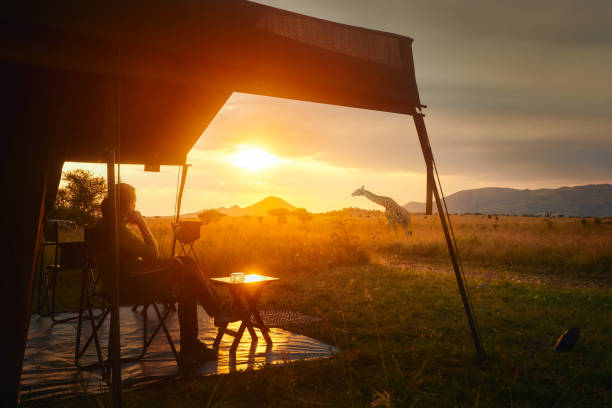
- Tented Camps: Offering an authentic safari feel, these provide comfortable lodging with en-suite facilities, often situated in prime locations for wildlife viewing.
- Permanent Lodges: For those seeking more comfort and amenities, lodges offer a higher level of service and facilities.
The key for photographers is proximity to wildlife areas and minimizing travel time to prime shooting locations each day. Top Guide Adventures can help select lodges or camps that align with your photographic goals and comfort preferences for your 2026-2027 trip.
Getting There and Around
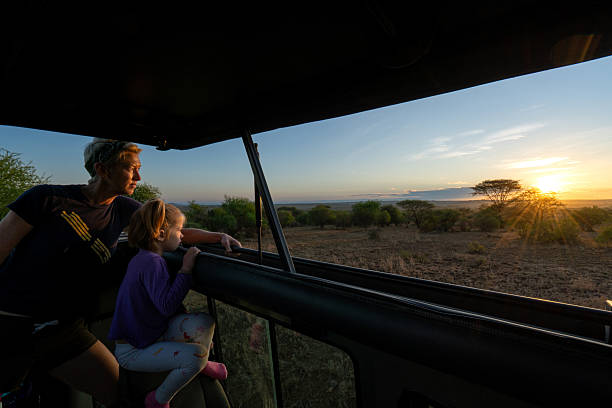
Accessing Burigi-Chato typically involves flying into Kilimanjaro International Airport (JRO) or Julius Nyerere International Airport (DAR) and then taking a domestic flight to Kigoma Airport (KGM). From Kigoma, specialized 4×4 safari vehicles are essential for navigating the park’s terrain. Top Guide Adventures manages all internal transfers and ensures you have the right vehicle equipped for photographic needs, including pop-up roofs and ample space for gear.

What to Photograph: A Photographer’s Guide to Burigi-Chato’s Subjects
Burigi-Chato National Park offers a diverse portfolio for any photographer. The key is to be prepared for a variety of subjects and conditions.
Wildlife Encounters: The Stars of the Show
The park’s inhabitants provide endless photographic opportunities:
- Elephants: Often seen in large herds, especially near water sources. Capturing their social interactions, the texture of their skin, and their sheer scale is a highlight. Dawn and dusk light can create dramatic silhouettes.
- Avian Wonders: Burigi-Chato is a birdwatcher’s and bird photographer’s paradise. Expect to see a vast array of waterbirds, raptors, and forest species. Patience is key for capturing flight shots or intimate moments of birds in their habitat. Species like the Shoebill Stork (though more commonly found in neighboring areas, potential sightings exist) are highly sought after.
- Predators: Lions, leopards, and hyenas are present. Photographing these often elusive cats requires skill, luck, and expert guiding. Focus on capturing their stealth, power, and the intensity in their eyes. Early morning and late evening drives are most productive.
- Hoofed Mammals: A variety of antelopes, including impalas, greater kudus, and bushbucks, along with zebras and buffaloes, offer excellent subjects. Capturing their grace, herd dynamics, and interactions with the environment is rewarding.
- Reptiles and Amphibians: While less commonly sought, the wetlands can offer opportunities for macro photographers interested in frogs, lizards, and snakes.
Landscape and Scenic Photography
The park’s topography provides stunning backdrops and standalone subjects:
- Lake Victoria’s Shores: The vastness of Africa’s largest lake offers opportunities for breathtaking sunrise and sunset shots, reflections, and capturing local fishing activities along the park’s edge.
- Wetland Vistas: The intricate network of swamps and rivers is visually striking, especially when teeming with birdlife or reflecting the sky.
- Rolling Hills and Woodlands: The undulating terrain creates depth and texture, perfect for wide-angle shots. The play of light and shadow through the trees can create moody, atmospheric images.
- Acacia-Dotted Savannas: Classic African scenes are abundant, offering opportunities for iconic shots of wildlife against sprawling plains, especially during the golden hours.
Cultural Encounters
While primarily a wildlife destination, the fringes of Burigi-Chato may offer glimpses into the lives of local communities. Respectful photography of cultural elements, if opportunities arise and are permitted, can add a unique dimension to your portfolio. Always seek permission before photographing people.
Photographer’s Gear Checklist for Burigi-Chato (2026-2027)
To make the most of your Burigi-Chato Photography Expedition, consider bringing:
- Camera Bodies: At least two bodies are recommended (e.g., a DSLR and a mirrorless) for quick lens changes and backup.
- Lenses: A versatile range is crucial. Consider a telephoto zoom (e.g., 100-400mm or 200-500mm) for wildlife, a mid-range zoom (e.g., 24-70mm) for general use and landscapes, and a wide-angle lens (e.g., 16-35mm) for expansive scenes. A macro lens can be useful for smaller subjects.
- Tripod/Monopod: Essential for low-light conditions and sharp telephoto shots. A sturdy monopod is often more practical in a safari vehicle.
- Extra Batteries and Memory Cards: You’ll be shooting a lot! Ensure you have plenty of spares.
- Cleaning Kit: Dust is inevitable. Lens cloths, blower, and brushes are vital.
- Protective Gear: Camera rain covers and padded bags.
- Laptop/Tablet: For backing up photos and reviewing images. Consider portable hard drives.
- Binoculars: Useful for spotting wildlife before bringing out your camera.
The Top Guide Adventures Difference: Tailored Photographic Safaris
At Top Guide Adventures, we understand that a photography expedition requires a different approach than a standard safari. Our expertise lies in crafting journeys that maximize your creative potential.
Expert Guides with a Photographic Eye
Our guides are not just knowledgeable about wildlife and park routes; many have a keen understanding of photographic principles. They know the best times of day for specific shots, the behavior patterns of animals that lead to photographic opportunities, and the optimal locations for landscape captures. They are trained to position the safari vehicle to provide the best angles and light for your shots, often working closely with you to achieve your photographic goals.
Customized Itineraries for Photographers
We don’t offer one-size-fits-all packages. For a Burigi-Chato Photography Expedition, we:
- Discuss your photographic interests: Are you focused on birds, big mammals, landscapes, or a mix?
- Plan game drives around light: Early mornings and late afternoons are prioritized.
- Allow for flexibility: If we encounter a rare sighting or perfect light, we can stay longer.
- Optimize vehicle setup: We use vehicles with pop-up roofs and ample space for gear, ensuring comfort and accessibility for shooting. Private vehicles are highly recommended for photographers to control the pace and stops.
Focus on the Western Circuit Experience
While the northern circuit (Serengeti, Ngorongoro) is famous, the western circuit, including Burigi-Chato, offers a more authentic, less crowded experience. Our knowledge of this region ensures you benefit from the unique advantages it offers for photographers seeking solitude and pristine environments. Planning for 2026-2027, this region is poised to become more popular, making now an ideal time to visit.
Sustainability and Responsible Photography
We are committed to responsible tourism. Our expeditions emphasize ethical wildlife viewing and photography practices. This includes maintaining safe distances from animals, minimizing disturbance, and respecting the natural environment. We believe in capturing the beauty of Tanzania while preserving it for future generations and future photographic expeditions.

Potential Itinerary for a Burigi-Chato Photography Expedition (7 Days)
This is a sample itinerary designed to showcase the photographic potential. It can be customized based on your specific interests and the best wildlife movements for the 2026-2027 season.
Day 1: Arrival in Kigoma & Transfer to Burigi-Chato
Arrive at Kigoma Airport (KGM). Meet your Top Guide Adventures photographer-friendly guide and vehicle. Scenic drive towards Burigi-Chato National Park, with stops for landscape shots along the way. Check into your chosen lodge/camp. Evening relaxation and briefing for the days ahead.
Photography Focus: Arrival landscapes, introductory savanna views.
Day 2-3: Exploring the Savannas and Woodlands
Full-day game drives in the savanna and woodland areas. Focus on spotting elephants, giraffes, zebras, and various antelope species. Early morning drives for predators and golden hour shots. Explore different waterholes and vantage points.
Photography Focus: Large mammals, herd dynamics, portraiture, savanna landscapes.
Day 4: Birding Hotspots and Wetland Photography
Dedicated exploration of the park’s wetland areas and birding hotspots. Search for waterbirds, raptors, and forest species. This day is ideal for those interested in avian photography, macro shots of insects, or atmospheric wetland scenes.
Photography Focus: Birdlife (waterfowl, raptors, forest birds), macro subjects, wetland vistas.
Day 5: Lake Victoria Shores & Cultural Insights
Drive towards the Lake Victoria boundary of the park. Capture stunning lake views, sunrise/sunset opportunities, and potentially local fishing activities (from a respectful distance). Search for wildlife that frequents the lake fringes.
Photography Focus: Lake landscapes, sunrise/sunset, coastal wildlife, potential human interest shots (with permission).
Day 6: Tracking Elusive Wildlife & Flexible Exploration
A day dedicated to tracking elusive species like leopards or lions, or revisiting favorite spots based on recent sightings. This day offers flexibility to focus on specific photographic interests or explore areas missed earlier.
Photography Focus: Predators, specific species, revisiting prime locations.
Day 7: Final Morning Drive & Departure
Enjoy a final early morning game drive to capture the morning light. Return to the lodge for breakfast. Transfer back to Kigoma Airport for your onward flight, filled with incredible photographic memories.
Photography Focus: Final light shots, recap of highlights.
Photographic Challenges and Opportunities in Burigi-Chato
While Burigi-Chato is a photographer’s paradise, it also presents unique challenges that an experienced operator like Top Guide Adventures can help you navigate.
- Vastness and Accessibility: The park is large, and some areas can be remote. Well-maintained tracks are not always guaranteed, especially in the green season. Our specialized 4×4 vehicles and experienced drivers ensure you can reach prime locations safely and efficiently.
- Elusive Wildlife: While elephants are abundant, predators and certain other species can be shy. Patience and expert tracking skills are essential. Our guides are adept at reading the signs and knowing where to look.
- Light Conditions: The equatorial sun can be harsh. Understanding how to use the golden hours (early morning and late afternoon) and managing midday light is crucial. Our guides will help you position yourselves and your vehicle to take advantage of the best light.
- Weather Variability: Especially during the green season, sudden rain showers can occur. Having appropriate gear protection and being adaptable is key.
Despite these challenges, the reward is unparalleled. The lack of crowds means you often have sightings entirely to yourself, allowing for unhurried, creative photography. The pristine environment offers a sense of raw, untamed Africa that is increasingly rare.
Why Choose Top Guide Adventures for Your 2026-2027 Expedition?
Selecting the right tour operator is paramount for a successful photography expedition. Top Guide Adventures brings local expertise, a passion for wildlife, and a deep understanding of photographers’ needs.
Deep Local Knowledge
We are based in Tanzania and have extensive experience operating safaris across the country, including the less-explored western circuit. This local insight allows us to provide authentic experiences and navigate parks like Burigi-Chato with confidence.
Commitment to Quality
From the vehicles we use to the guides we employ, quality is our standard. We ensure our safari vehicles are well-maintained, comfortable, and equipped for photographic needs. Our guides are highly trained, passionate, and dedicated to making your trip exceptional.
Personalized Service
We pride ourselves on offering personalized service. We listen to your needs, tailor itineraries precisely, and are available to answer your questions throughout the planning process and during your safari. Whether you are planning for late 2026 or early 2027, we are ready to assist.
Contact us today to start planning your dream Burigi-Chato Photography Expedition:
- WhatsApp: +255616946642
- Email: topguideadventures@gmail.com
- Backup Email: info@topguideadventures.com
We also invite you to explore our Instagram for visual inspiration and check our TripAdvisor reviews to see what our clients say about their adventures.
Beyond Burigi-Chato: Expanding Your Photographic Journey
While Burigi-Chato is a magnificent destination in its own right, consider how it can fit into a broader Tanzanian photographic adventure for 2026-2027.
- Rubondo Island National Park: Located on Lake Victoria, this island sanctuary offers unique primate viewing (chimpanzees), diverse birdlife, and beautiful forest landscapes. It’s a perfect complement to a Burigi-Chato visit for a comprehensive western Tanzania experience.
- Katavi National Park: Further south, Katavi is known for its raw, wild feel and large concentrations of animals, particularly during the dry season. It offers a more rugged and less-visited safari experience, ideal for photographers seeking dramatic wildlife scenes.
- Gombe Stream National Park: Famous for chimpanzee trekking, Gombe offers intimate primate photography opportunities and beautiful rainforest scenery.
Combining Burigi-Chato with these destinations can create a truly comprehensive photographic safari across Tanzania’s diverse ecosystems. Top Guide Adventures can expertly weave these locations into a multi-destination itinerary that flows logically and maximizes your photographic output.
Preparing for Your Photographic Safari in 2026-2027
Beyond gear, personal preparation is key:
- Physical Fitness: While not strenuous, early mornings and long days in vehicles require a reasonable level of fitness.
- Patience and Observation: Photography, especially wildlife photography, demands patience. Learn to observe animal behavior and wait for the right moment.
- Understanding Light: Study how light changes throughout the day and how it affects your subjects.
- Respect for Wildlife: Always prioritize the animals’ welfare. Never feed or disturb them. Follow your guide’s instructions meticulously.
The 2026-2027 period offers a fantastic opportunity to explore Tanzania’s less-visited gems like Burigi-Chato National Park. With its stunning landscapes and abundant, yet often unpressured, wildlife, it promises an unforgettable experience for photographers.
Ready to capture the essence of authentic Tanzania? Let Top Guide Adventures craft your perfect Burigi-Chato Photography Expedition. Contact us to begin planning your 2026-2027 adventure.
Check Availability for Burigi-Chato Photography Expedition: Capturing Tanzanias Untamed Beauty
Ready to compare dates, prices, and the best option for your group? Send the package name and travel month so the team can reply with a clear quote, availability, and what is included.
 Burigi-Chato Lake Safari: An Unforgettable Wildlife And Cultural ExperienceExplore the wonders of Burigi-Chato Lake, a less crowded place in Tanzania offering unique safari adventures. This guide details wildlife…View package
 Burigi-Chato Birdwatching Tour Guidestart an unforgettable Burigi-Chato Birdwatching Tour, a specialized journey through Tanzania's rich ornithological landscapes. This tour…View package
 4-Day Burigi-Chato Camping Safari: An Immersive Tanzanian WildernessDiscover the untamed beauty of Burigi-Chato National Park on a 4-day camping safari. This itinerary focuses on intimate wildlife encounters…View package
 3-Day Burigi-Chato Wildlife Adventure: Your Ultimate Guide 2026-2027Your essential guide to a 3-Day Burigi-Chato Wildlife Adventure, covering what to expect, best times to visit, and essential planning for this…View package2-Day Burigi-Chato Safari: Your Ultimate Short Tanzania Wildlife EscapeDiscover the unique wildlife and stunning landscapes of Burigi-Chato National Park on a compact 2-day safari. Perfect for those with limited…View packageBurigi-Chato National Park: A Comprehensive Guide For Safaris 2026-2027Explore Burigi-Chato National Park, a vast and diverse protected area in Tanzania's western region. This guide provides essential information…View packageLake Tanganyika Photography Expedition: Capturing Africas Great Rift ValleyA Lake Tanganyika Photography Expedition offers unparalleled opportunities to capture the unique biodiversity, dramatic landscapes, and vibrant…View package
 3-Day Lake Tanganyika Boat Expedition: Your Ultimate Guide For 2026-2027Experience the breathtaking beauty of Lake Tanganyika on a curated 3-day boat expedition. Perfect for adventurers seeking unique wildlife…View package


