

A Rubondo Island birdwatching tour offers an unparalleled opportunity to observe a remarkable diversity of avian life in a unique island ecosystem on Lake Victoria, Tanzania. These tours typically involve guided walks and boat excursions to explore varied habitats, from dense forests to papyrus swamps and open shores, maximizing chances to spot resident and migratory species, including endemic birds, with peak viewing often between March and May, and again from September to December. Expect expert-led explorations focusing on identifying hundreds of bird species in a tranquil, off-the-beaten-path setting.
Discovering Rubondo Island’s Avian Riches: Your Birdwatching Expedition
Rubondo Island National Park, a jewel nestled within the vast expanse of Lake Victoria, presents a sanctuary unlike any other in Tanzania. While Tanzania is globally renowned for its savannah safaris and iconic wildlife, Rubondo offers a distinct and equally captivating experience, especially for dedicated birdwatchers. This island paradise, largely undeveloped and teeming with life, is a critical stopover and breeding ground for a spectacular array of bird species. Planning a Rubondo Island birdwatching tour for 2026-2027 means preparing for an immersive journey into one of East Africa’s most significant, yet understated, ornithological hotspots.
Why Choose Rubondo Island for Your Birdwatching Adventure?
Rubondo’s allure lies in its unique geographical position and ecological diversity. As the largest island national park in Africa, it boasts a mosaic of habitats that cater to a wide spectrum of birdlife. From the dense, ancient rainforests that cloak its interior to the fringing papyrus swamps, sandy beaches, and open woodlands, each zone hosts its own distinct avian community. This variety ensures that birdwatchers, whether seasoned ornithologists or enthusiastic amateurs, will find a rich mix of species to observe and identify. The relative lack of mass tourism also contributes to the island’s tranquil atmosphere, allowing for uninterrupted observation and a deeper connection with nature. For those planning future trips in 2026 or 2027, Rubondo Island stands out as a destination promising both exceptional birding and a genuine escape.
Key Bird Species to Anticipate on Your Rubondo Tour
Rubondo Island is home to an impressive list of over 300 bird species, a testament to its diverse habitats and strategic location. While a comprehensive list would span pages, certain species are particularly sought after by visitors. Understanding these can enhance your anticipation and focus during your tour.
Forest Dwellers and Canopy Specialists
The island’s dense forest interiors are a haven for shy, often elusive species. Keep your eyes and ears tuned for:
- African Crowned Eagle: A majestic raptor, its piercing call can often be heard before it’s seen soaring above the canopy.
- Turacos: Several species, including the elusive Great Blue Turaco and the vibrant Fischer’s Turaco, inhabit the forest, their calls echoing through the trees.
- Hornbills: Various hornbill species, such as the Congo Hornbill and Black-casqued Hornbill, are common sights, often seen foraging in the canopy or flying overhead.
- Green-breasted Pitta: A rare and highly prized sighting, this ground-dwelling bird prefers the thick undergrowth.
- Forest Flycatchers and Sunbirds: A multitude of smaller species dart through the foliage, their iridescent colors flashing as they feed on insects and nectar.
Waterbirds and Wetland Specialists
The shores and papyrus-lined edges of Lake Victoria surrounding Rubondo are vital feeding grounds for a different set of avian residents and visitors:
- Fish Eagles: The iconic call of the African Fish Eagle is a constant soundtrack, and sightings are almost guaranteed as they hunt in the lake.
- Kingfishers: Several species, including the Malachite Kingfisher, Pied Kingfisher, and Giant Kingfisher, can be spotted perched on branches overhanging the water or diving for their prey.
- Herons and Egrets: Various species like the Grey Heron, Black-headed Heron, and Cattle Egret are common along the shoreline.
- Shorebirds: Waders such as Common Sandpipers and Wood Sandpipers frequent the muddy edges, especially during migration periods.
- Cormorants and Darters: The Long-tailed Cormorant and African Darter are often seen drying their wings on prominent perches.
Raptors and Open Country Birds
The more open areas, including grasslands and the edges of the park, attract a variety of birds of prey and open-country dwellers:
- Osprey: Rubondo is one of the few places in Tanzania where Ospreys can be reliably seen, especially during their migratory periods.
- Bateleur Eagle: Its distinctive flight and striking plumage make it a memorable sighting.
- Grassland Pipits and Larks: Various species inhabit the island’s grassy clearings.
- Sunbirds and Weavers: While found in many habitats, specific species might be more prevalent in open woodlands and around human settlements on the island.
Endemic and Near-Endemic Species
While Rubondo may not have many strictly endemic species, its location on Lake Victoria makes it a significant habitat for certain regional specialties. The Papyrus Gonolek, a striking black and red bird, is a highlight for many birders, thriving in the papyrus swamps. Other species that are more common in this region than elsewhere in Tanzania can also be found.
Planning Your Rubondo Island Birdwatching Tour: Best Times to Visit
Choosing the right time of year for your Rubondo Island birdwatching tour is crucial for maximizing sightings, especially considering the migratory patterns of birds. The climate on Rubondo is tropical, with distinct wet and dry seasons.
Peak Birding Seasons (2026-2027)
- The Long Rains (March to May): This period often represents the peak of the resident breeding season for many species. The landscape is lush and green, and birds are actively nesting and raising young. While rain can sometimes disrupt activities, the opportunities for spotting active and colorful birds are exceptional. This is also a prime time for observing many Palearctic migrants preparing to depart.
- The Dry Season (June to October): This season offers pleasant weather with less rainfall, making exploration easier. Many migratory birds from Europe and Asia arrive during this period (typically from September onwards), significantly boosting the number of species present. The drier conditions also concentrate wildlife around remaining water sources.
- The Short Rains (November to February): This transitional period can also be excellent for birding, with many resident species becoming more active and migratory birds still present. The landscape begins to green up, and birding can be very rewarding.
When to Avoid
While Rubondo is a year-round destination, the heaviest rains typically fall between March and May. If you prefer drier conditions for extensive trekking, you might consider visiting outside of these months, though bird activity remains high. For planning your 2026-2027 trips, it’s advisable to book well in advance, particularly if targeting the popular dry season or the immediate post-rain breeding season.
How to Get to Rubondo Island
Access to Rubondo Island National Park is an adventure in itself, typically involving a combination of road and air or boat travel. This remoteness contributes to its pristine nature.
From Mainland Tanzania
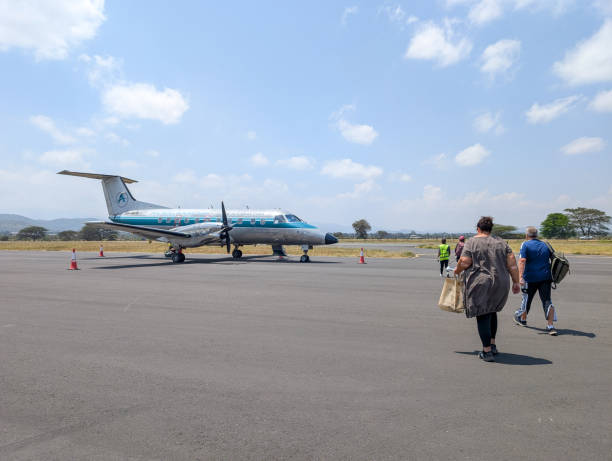
- By Air: The most convenient way to reach Rubondo is by chartering a small aircraft from Arusha or Dar es Salaam to the park’s airstrip. This is a scenic flight that offers breathtaking aerial views of Lake Victoria.
- By Road and Boat: Alternatively, you can drive from major towns like Mwanza or Kigoma to a designated landing point on the mainland coast opposite Rubondo Island. From there, a boat transfer will take you across the lake to the island. This option is more time-consuming but can be more budget-friendly and offers a different perspective of the lake environment.
Logistics and Transfers
Top Guide Adventures can arrange all necessary transfers, whether you opt for a scenic flight or the road-and-boat combination. We work with reliable local partners to ensure a smooth and comfortable journey to Rubondo, allowing you to focus on the incredible birdwatching that awaits.
Birdwatching Activities on Rubondo Island
Your Rubondo Island birdwatching tour will be a multi-faceted experience, utilizing various methods to explore the island’s diverse avian habitats.
Guided Forest Walks
Accompanied by experienced local guides, these walks take you deep into the island’s rainforest. Guides are adept at spotting camouflaged birds, identifying calls, and navigating the terrain safely. They will point out unique flora and fauna, sharing insights into the island’s ecosystem. Early morning and late afternoon are often the most productive times for forest walks.
Boat Safaris and Shoreline Exploration
Exploring the lake’s edge and the island’s coastline by boat offers excellent opportunities to see waterbirds, raptors, and other species that frequent the shores. You can get close to papyrus swamps and observe kingfishers, herons, and fish eagles in their natural environment. Sunset boat trips can be particularly magical, offering stunning views and potential sightings of nocturnal species preparing for the night.
Chimpanzee Trekking (Optional Add-on)
While Rubondo is primarily a birding destination, it is also home to a reintroduced population of chimpanzees. If you wish to combine birdwatching with primate encounters, a chimpanzee trek can be arranged. This adds another layer of wildlife viewing to your Rubondo experience.
Night Walks
For the dedicated birder, night walks can reveal a different cast of characters. With flashlights and expert guidance, you might spot nocturnal birds like owls and nightjars, as well as other fascinating creatures that emerge after dusk.
Accommodation on Rubondo Island
Accommodation options on Rubondo Island are designed to complement the natural, eco-friendly ethos of the park. Currently, the primary option is a comfortable lodge that blends into the surroundings.
Rubondo Island Camp
This eco-lodge offers a serene base for birdwatchers. It provides comfortable bandas (cabins) with en-suite facilities, often featuring stunning lake views. The camp is committed to sustainable tourism practices, ensuring minimal impact on the island’s delicate ecosystem. Meals are typically served in a communal dining area, fostering a relaxed atmosphere where guests can share their day’s sightings. Booking accommodation, especially for 2026-2027, should be done well in advance due to limited capacity.
What to Pack for Your Rubondo Island Birdwatching Tour
Proper packing is essential for comfort and enjoyment during your Rubondo Island birdwatching tour. Given the tropical climate and the nature of the activities, consider the following:
Essential Items:
- Binoculars: A high-quality pair of binoculars (e.g., 8×42 or 10×42) is non-negotiable for birdwatching.
- Camera and Lenses: Bring a good camera with a zoom lens to capture distant birds. Extra batteries and memory cards are recommended.
- Field Guide: A reliable field guide to the birds of East Africa will be invaluable for identification.
- Sun Protection: Wide-brimmed hat, sunglasses, and high SPF sunscreen are crucial due to the equatorial sun.
- Insect Repellent: Especially important for evenings and areas with dense vegetation.
- Lightweight, Quick-Drying Clothing: Neutral-colored clothing (khaki, green, brown) is best for camouflage. Pack long-sleeved shirts and trousers to protect against sun and insects.
- Rain Gear: A lightweight, waterproof jacket or poncho is advisable, particularly during the rainy seasons.
- Comfortable Walking Shoes: Sturdy, broken-in walking shoes or hiking boots are necessary for forest trails.
- Sandals or Flip-flops: For relaxing at the lodge.
- Reusable Water Bottle: To stay hydrated and minimize plastic waste.
- Personal First-Aid Kit: Include any personal medications, plasters, antiseptic wipes, and pain relievers.
- Headlamp or Flashlight: Essential for night walks and navigating the lodge area after dark.
- Power Bank/Adapter: For charging electronic devices. Check voltage and plug type for Tanzania (Type D and G).
Responsible Birdwatching on Rubondo Island
As visitors to a protected national park, practicing responsible birdwatching is paramount to preserving Rubondo Island’s delicate ecosystem and ensuring the well-being of its wildlife.
Guidelines for Responsible Birding:
- Maintain a Respectful Distance: Never approach birds too closely, especially when they are nesting or feeding. Use your binoculars or zoom lens.
- Minimize Habitat Disturbance: Stick to designated paths and avoid trampling vegetation. Do not disturb nesting sites or collect any natural materials.
- Avoid Using Playback Calls: The use of recorded bird calls to attract birds can be stressful for them and disrupt their natural behavior. It’s best avoided.
- Pack It In, Pack It Out: Ensure you take all your litter with you, including organic waste, to keep the island pristine.
- Respect Wildlife: Observe all wildlife, including non-avian species, from a safe distance and do not feed them.
- Follow Guide Instructions: Your local guide is knowledgeable about the park’s rules and the best practices for wildlife viewing. Always adhere to their advice.
Combining Rubondo Island with Other Tanzanian Destinations
While Rubondo Island offers a unique birding experience, it can also be wonderfully integrated into a broader Tanzanian safari itinerary. This allows you to experience the country’s diverse landscapes and wildlife attractions.
Northern Circuit Safaris
Many travelers combine Rubondo with the famous Northern Circuit parks like the Serengeti, Ngorongoro Crater, Tarangire, and Lake Manyara. After a thrilling savannah safari, a trip to Rubondo provides a peaceful, bird-focused contrast. Flights from the Serengeti or Arusha can connect you to Lake Victoria for onward transfer to Rubondo.
Western Tanzania
Rubondo Island’s location on Lake Victoria also makes it a logical addition to a Western Tanzania itinerary, which often includes parks like Katavi and Mahale Mountains (famous for chimpanzees). Access from Mwanza or Kigoma facilitates this combination.
Zanzibar and Coastal Relaxation
For a complete Tanzanian experience, consider ending your trip with relaxation on the spice island of Zanzibar. After the adventure of Rubondo, the beaches and rich history of Zanzibar offer a perfect way to unwind. Top Guide Adventures specializes in crafting custom itineraries that blend these diverse experiences, ensuring you get the most out of your 2026-2027 Tanzanian adventure.
The Role of Local Guides in Your Birdwatching Success
On Rubondo Island, the expertise of local guides is indispensable for a successful birdwatching tour. These guides possess intimate knowledge of the island’s terrain, the habits of its birds, and the best locations for sightings.
Local Knowledge and Expertise
- Species Identification: They can accurately identify birds by sight and, crucially, by their calls, which often reveals the presence of elusive species.
- Habitat Specialization: Guides know which habitats are best for specific species at different times of the day and year.
- Navigation: They navigate the forest trails and lake shores safely and efficiently, ensuring you reach prime birding spots without getting lost.
- Ecological Insights: Beyond birds, they can share valuable information about the island’s flora, fauna, and conservation efforts.
Top Guide Adventures partners with highly trained and passionate local guides who are dedicated to providing an enriching and rewarding birdwatching experience. Their commitment ensures that your Rubondo Island birdwatching tour is not just about ticking off species, but about understanding and appreciating the intricate ecosystem.
Frequently Asked Questions about Rubondo Island Birdwatching
What is the best time of year for birdwatching on Rubondo Island?
The peak birding seasons are generally from March to May (breeding season, lush landscapes) and from September to December (arrival of migratory birds). However, Rubondo offers rewarding birdwatching year-round.
How many bird species can I expect to see?
Rubondo Island National Park is home to over 300 bird species. While the exact number seen on any given trip varies based on season and luck, dedicated birdwatchers can expect to see a significant number, potentially exceeding 100 species in a few days.
Are there any endemic birds on Rubondo Island?
While Rubondo may not have many strictly endemic species, it is a crucial habitat for birds like the Papyrus Gonolek, which is more common in the Lake Victoria region. The island’s diversity means you’ll find many species that are regional specialties.
What kind of accommodation is available on Rubondo Island?
The primary accommodation is Rubondo Island Camp, an eco-lodge offering comfortable bandas (cabins) with lake views and essential amenities. It’s designed for a tranquil, nature-focused stay.
How do I book a Rubondo Island birdwatching tour for 2026-2027?
You can book your tour through specialist operators like Top Guide Adventures. Contacting them via WhatsApp at +255616946642 or email at topguideadventures@gmail.com or info@topguideadventures.com will allow them to tailor an itinerary to your specific interests and dates for 2026 or 2027.
Your Bespoke Rubondo Island Birdwatching Tour with Top Guide Adventures
Planning a specialized trip like a Rubondo Island birdwatching tour requires careful attention to detail, from logistics and accommodation to ensuring you have the best possible guides. At Top Guide Adventures, we pride ourselves on crafting personalized safari experiences that cater to the unique interests of every traveler. Whether you are a seasoned ornithologist seeking rare species or a nature enthusiast looking to immerse yourself in the vibrant birdlife of Lake Victoria, we can design the perfect itinerary for you.
For your Rubondo Island birdwatching tour in 2026-2027, we offer:
- Customized itineraries focusing on optimal birding seasons and locations.
- Arrangement of all transport, including flights and boat transfers.
- Accommodation bookings at Rubondo Island Camp.
- Provision of expert, local birding guides.
- smooth integration with other Tanzanian destinations, should you wish to extend your journey.
We understand the nuances of birdwatching travel and are committed to providing an unforgettable adventure. To discuss your dream Rubondo Island birdwatching tour, get in touch with our expert team today. You can reach us via WhatsApp at +255616946642, email us at topguideadventures@gmail.com, or use our backup email info@topguideadventures.com. Let us help you discover the avian wonders of Rubondo Island.
Check Availability for Rubondo Island Birdwatching Tour: A Comprehensive Guide For 2026-2027
Ready to compare dates, prices, and the best option for your group? Send the package name and travel month so the team can reply with a clear quote, availability, and what is included.
 Rubondo Island Walking Safari: An Unforgettable Tanzanian Adventure 2026-2027Discover the magic of Rubondo Island with a walking safari. This guide explores the unique ecosystem, wildlife, and activities on this Tanzanian…View package
 2-Day Rubondo Island Safari: A Unique Tanzania Wildlife Escape 2026-2027Discover the magic of Rubondo Island National Park with a compact 2-day safari. This guide details what to expect, from unique wildlife…View package
 Rubondo Island GuideRubondo Island National Park offers a unique Tanzanian safari experience focused on the serene beauty of Lake Victoria, abundant birdlife, and…View package
 4-Day Rubondo Fishing Safari: Your Ultimate Angling Adventure In 2026-2027Discover the thrill of a 4-day Rubondo fishing safari, a unique angling experience on Tanzania's Lake Victoria. Target the mighty Nile perch and…View package
 3-Day Rubondo Chimpanzee Adventure: Your Ultimate Tanzania Escape 2026-2027start a unique 3-day Rubondo Chimpanzee Adventure, a thrilling journey into the heart of Tanzania's Rubondo Island National Park. This itinerary…View package
 Ukerewe Lake Victoria Beach Escape: Your Ultimate Island Getaway 2026-2027Experience the serene beauty of Ukerewe Island, Tanzania's largest island on Lake Victoria. This guide details your perfect beach escape, from…View package
 Ukerewe Historical Sites Tour: Explore Tanzanias Island Heritage 2026-2027start a journey through time with a Ukerewe Historical Sites Tour. This in-depth exploration covers the island's unique past, from ancient…View package
 Ukerewe Island Photography Tour: Capturing Lake Victorias Soul 2026-2027start a visual exploration of Ukerewe Island with Top Guide Adventures. This photography tour focuses on capturing the authentic life, culture…View package


