
A Mara Region Cultural and Wildlife Tour in Tanzania is a rich expedition combining the unparalleled wildlife spectacles of the Serengeti with deep immersion into the traditional Maasai way of life, typically spanning 5-10 days and often starting from Arusha or directly within the Mara ecosystem. For 2026-2027, expect expertly guided game drives to witness the Great Migration, visits to authentic Maasai villages for cultural exchange, and opportunities to explore unique landscapes, all while staying in lodges or camps that offer comfort and proximity to nature.
Discovering the Essence of the Mara Region: More Than Just a Safari
The Mara Region, a jewel in Tanzania’s northern tourism circuit, is synonymous with the vast plains of the Serengeti and the iconic Maasai people. A dedicated Mara Region Cultural and Wildlife Tour is designed to go beyond the typical safari checklist, offering a holistic experience that connects travelers with both the breathtaking natural world and the enduring human heritage of this extraordinary land. For those planning their trips for 2026 or 2027, understanding the multifaceted appeal of the Mara is key to crafting an unforgettable adventure.
This region is not just a destination; it’s an immersion. It’s where the thunder of hooves during the Great Migration echoes across the savanna, and where the vibrant red shukas of the Maasai warriors stand out against the golden grasslands. A well-curated tour allows you to witness these phenomena up close, fostering a profound appreciation for the delicate balance of ecosystems and the resilience of ancient cultures.
Why Choose a Specialized Mara Region Tour for 2026-2027?
While many Tanzania safaris include a visit to the Serengeti, a tour specifically focused on the Mara Region offers a deeper, more focused experience. It allows for extended time in prime wildlife areas, dedicated cultural interactions, and the chance to explore less-visited corners of this vast territory. For 2026-2027 travel, booking a specialized tour ensures you capture the essence of the Mara without feeling rushed.
- Unrivaled Wildlife Viewing: The Mara is home to the Serengeti National Park, one of the planet’s most biodiverse ecosystems. A specialized tour maximizes your chances of witnessing the Great Migration (depending on the season), spotting the Big Five, and observing countless other species in their natural habitat.
- Authentic Cultural Encounters: The Mara Region is the ancestral homeland of the Maasai people. A cultural tour offers respectful and meaningful interactions, providing insights into their traditional way of life, customs, and deep connection to the land.
- Diverse Landscapes: Beyond the plains, the Mara encompasses diverse terrains, from acacia woodlands to rocky kopjes and riverine forests, each supporting unique wildlife and offering stunning photographic opportunities.
- Personalized Itineraries: Tailoring your trip to the Mara Region allows for a pace and focus that suits your interests, whether you’re a passionate wildlife photographer, a cultural enthusiast, or seeking a blend of both.
Crafting Your Ideal Mara Region Itinerary: Wildlife Focus
The star attraction for many visiting the Mara Region is undeniably its wildlife. The Serengeti National Park, a UNESCO World Heritage Site, forms the heart of the Mara’s wildlife offerings. Planning your 2026-2027 tour around the movements of the Great Migration can elevate your experience from remarkable to legendary.
The Great Migration: A Spectacle of Nature
The Great Migration is a year-round phenomenon, but certain times and locations offer the most dramatic viewing opportunities. This massive movement of over 1.5 million wildebeest, zebras, and gazelles is driven by the search for fresh grazing land and water.
- January – March: Calving Season (Southern Serengeti). Witness the dramatic birth of thousands of wildebeest calves. Predators are often highly active during this period.
- April – May: Transition Period. The herds begin to move northwards, often through the central and western Serengeti. This is generally the ‘green season’ with fewer tourists.
- June – July: River Crossings (Western Corridor/Grumeti River). This is arguably the most iconic phase, as wildebeest attempt to cross crocodile-infested rivers. The Grumeti River crossing is a thrilling spectacle, though the Mara River crossings are typically larger.
- August – October: River Crossings (Northern Serengeti/Mara River). The herds concentrate in the north, facing the formidable Mara River. These crossings are breathtakingly dramatic and a prime target for wildlife photographers. This is a peak season, so booking for 2026-2027 well in advance is crucial.
- November – December: Return South. The herds move back towards the southern plains, often following the rains.
For a Mara Region Cultural and Wildlife Tour in 2026-2027 focusing on the migration, timing is everything. Working with experienced tour operators like Top Guide Adventures can help align your travel dates with the most opportune moments for witnessing these natural wonders.
Beyond the Migration: Resident Wildlife and Other Big Cats
Even outside the peak migration months, the Serengeti and surrounding areas boast an incredible resident wildlife population. The Mara Region is renowned for its high density of big cats.
- Lions: The Serengeti has one of the highest concentrations of lions in Africa. You’ll likely encounter prides resting under acacia trees or hunting on the open plains.
- Leopards: Elusive and magnificent, leopards are often found in areas with trees and rocky outcrops, particularly in the Seronera Valley and the northern sectors of the Serengeti.
- Cheetahs: The open grasslands are the domain of the cheetah, the fastest land animal. They are often seen hunting in the early morning or late afternoon.
- Other Notable Species: Giraffes, elephants, buffaloes, hippos, crocodiles, hyenas, wild dogs, and a vast array of antelopes and gazelles are common sightings. Birdlife is also exceptional, with over 500 species recorded.
Choosing Your Safari Experience: Game Drives and Beyond
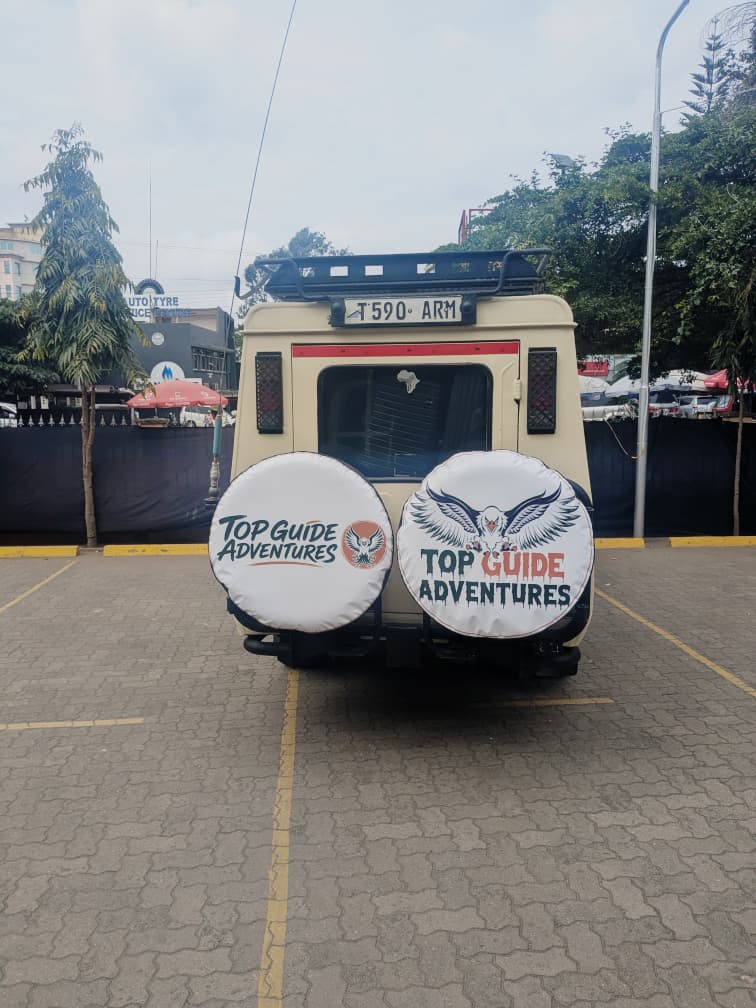
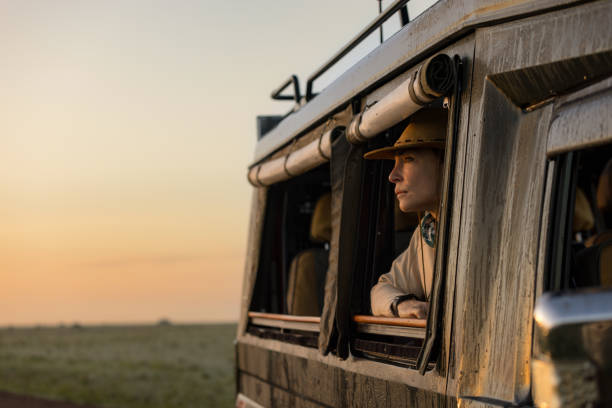
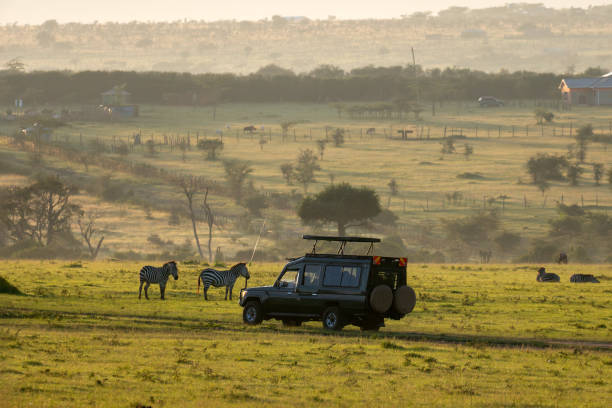
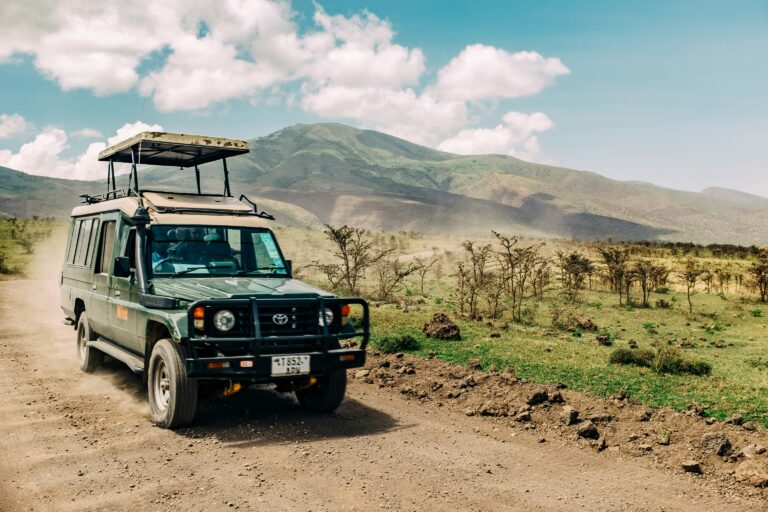
Your Mara Region Cultural and Wildlife Tour will primarily involve game drives in 4×4 safari vehicles. Top Guide Adventures offers both shared and private safari options.
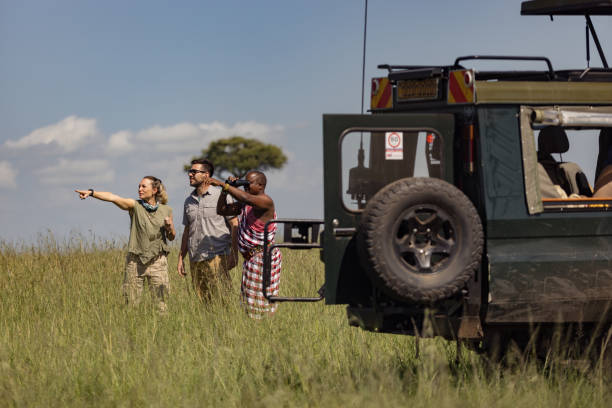
- Game Drives: These are conducted in custom-built safari vehicles with pop-up roofs for optimal game viewing and photography. Early morning and late afternoon drives are typically the most productive for spotting active wildlife.
- Walking Safaris: In specific areas outside the main national parks (like concession areas), guided walking safaris offer a different perspective, allowing you to connect with the bush on foot, learning about smaller flora and fauna.
- Hot Air Balloon Safaris: For a truly memorable experience, consider a sunrise hot air balloon ride over the Serengeti plains. This offers a unique aerial view of the landscape and wildlife, culminating in a champagne breakfast in the bush. This is a premium activity, often booked as an add-on for 2026-2027 trips.
Immersing Yourself in Maasai Culture: Beyond the Tourist Village
A significant part of a Mara Region Cultural and Wildlife Tour involves understanding and appreciating the Maasai people, one of Africa’s most recognizable and respected pastoralist communities. While many tours include a visit to a Maasai village, the depth of the cultural exchange can vary significantly.
What to Expect from a Maasai Village Visit
Reputable tours aim for respectful and authentic interactions. A typical village visit might include:
- Welcome Ceremony: You’ll often be greeted with traditional songs and dances, including the famous ‘jumping dance’ (Adumu) performed by the warriors.
- Village Tour: You’ll be shown the traditional Maasai homesteads (enkaji), made from mud, sticks, and dung. You’ll learn about the structure and the roles of men and women within the community.
- Daily Life Insights: Understand their reliance on livestock (cattle, goats, sheep) for sustenance, their traditional diet, and their medicinal knowledge of local plants.
- Cultural Exchange: Engage in conversations (often facilitated by your guide) about their beliefs, social structures, education, and how they navigate the modern world while preserving their heritage.
- Artisan Crafts: Maasai women are skilled artisans, creating beautiful beadwork (necklaces, bracelets, earrings) and other crafts. You’ll have the opportunity to purchase these directly, providing economic support to the community.
Ensuring Respectful and Meaningful Cultural Encounters
It’s crucial that cultural visits are conducted ethically. Top Guide Adventures prioritizes partnerships with Maasai communities that benefit directly from tourism. This means:
- Community-Owned Initiatives: Supporting villages that manage their own cultural tourism, ensuring that proceeds directly contribute to community development, education, and healthcare.
- Authenticity Over Performance: Seeking genuine insights into daily life rather than staged performances designed solely for tourists.
- Respect for Privacy: Understanding that not all aspects of life are for public display. Your guide will ensure appropriate boundaries are maintained.
- Photography Etiquette: Always ask permission before taking close-up photos of individuals, especially children. A small tip or purchase is often appreciated in return for photos.
The Maasai and Conservation: A Shared Future
For centuries, the Maasai have coexisted with wildlife, developing a deep understanding of the ecosystem. Many Maasai communities are now actively involved in conservation efforts, recognizing the importance of protecting the wildlife that also draws visitors to their ancestral lands. Understanding this symbiotic relationship adds another layer of appreciation to your Mara Region Cultural and Wildlife Tour.
Logistics and Planning Your 2026-2027 Mara Region Adventure
Successful planning is key to a memorable trip. Here’s what you need to consider for your 2026-2027 journey to the Mara Region.
Best Time to Visit the Mara Region
As discussed, the ‘best’ time depends on your priorities:
- For River Crossings: July to October offers the highest probability of witnessing dramatic Mara River crossings.
- For Calving Season & Predators: January to March is ideal for seeing newborn animals and the ensuing predator activity.
- For Greener Scenery & Fewer Crowds: April and May (the ‘green season’) offer lush landscapes and a more tranquil experience, though wildlife viewing is still excellent.
- Year-Round: The Mara Region has excellent resident wildlife populations throughout the year, making any time a good time for a safari.
For 2026-2027, consider booking during shoulder seasons (e.g., April-May, November) if you prefer fewer crowds and potentially better rates, while still enjoying fantastic wildlife viewing.
Duration of Your Tour
A typical Mara Region Cultural and Wildlife Tour ranges from 5 to 10 days.
- 5-7 Days: Allows for a good introduction to the Serengeti and a Maasai cultural visit, often focusing on one or two key areas within the Mara ecosystem.
- 8-10 Days: Provides more in-depth exploration, potentially covering different regions of the Serengeti (e.g., central, north, south), allowing for more relaxed game drives, and possibly including other nearby attractions or longer cultural immersion.
Extended trips of 10+ days can incorporate other Tanzanian highlights like the Ngorongoro Crater or Tarangire National Park, creating a more comprehensive northern circuit experience.
Accommodation Options
The Mara Region offers a range of accommodation to suit different budgets and preferences, from rustic to luxurious.
- Luxury Lodges & Camps: Offer high-end amenities, gourmet dining, private plunge pools, and exceptional service. Ideal for those seeking comfort and exclusivity.
- Mid-Range Lodges & Camps: Provide comfortable rooms or tents with en-suite bathrooms, good food, and excellent locations for wildlife viewing. This is often the sweet spot for value and experience.
- Budget Camps/Tented Camps: More basic facilities, but still offer a fantastic connection to nature. These might have shared bathrooms or simpler amenities.
- Mobile Camps: These camps move seasonally to follow the Great Migration, offering an unparalleled proximity to the action.
Top Guide Adventures can recommend accommodations that align with your desired travel style and budget for your 2026-2027 trip.
Getting to the Mara Region
Most travelers fly into Kilimanjaro International Airport (JRO) near Arusha. From Arusha, you have a few options:
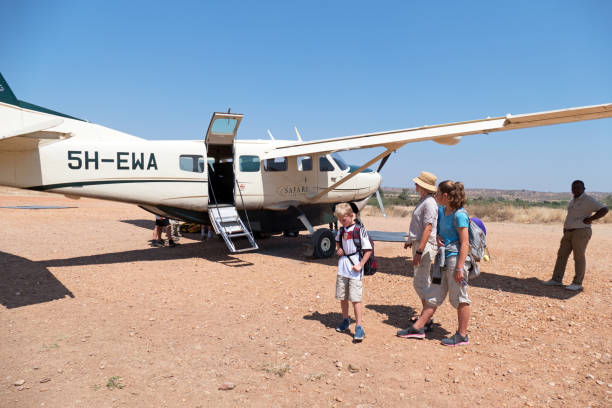
- Charter Flights: The quickest and most convenient way to reach the Serengeti is by small aircraft from Arusha Airport (ARK) to one of the many airstrips within the Serengeti National Park. This is a scenic flight and saves significant travel time.
- Road Transfers: A longer but more budget-friendly option involves a scenic drive from Arusha to the Serengeti, often stopping at Mto wa Mbu village or Lake Manyara National Park en route. The drive can take 6-8 hours, depending on park gates and road conditions.
For a Mara Region Cultural and Wildlife Tour, incorporating these travel logistics into your itinerary is essential.
Essential Packing List for Your Tour
Packing smart ensures comfort and preparedness.
- Clothing: Lightweight, neutral-colored clothing (khaki, beige, olive green). Avoid bright colors and dark colors (like black or navy blue, which can attract tsetse flies). Include long-sleeved shirts and trousers for sun protection and cooler evenings. A warm fleece or jacket is essential for early morning/late evening game drives, especially during cooler months.
- Footwear: Comfortable walking shoes or hiking boots (if planning any walking safaris) and comfortable sandals or flip-flops for relaxing at camp.
- Sun Protection: High SPF sunscreen, a wide-brimmed hat, and sunglasses are non-negotiable.
- Insect Repellent: Especially important for evenings and in areas near water.
- Camera Equipment: A good camera with a zoom lens is highly recommended. Extra batteries, memory cards, and a power bank are vital.
- Binoculars: Essential for spotting distant wildlife.
- Personal Items: Prescription medications, basic first-aid kit, hand sanitizer, wet wipes, and any personal toiletries.
- Documents: Passport, visa (if required), vaccination certificates, travel insurance details, and copies of your itinerary.
For 2026-2027, check current travel advisories and any specific requirements for Tanzania.
Health and Safety Considerations for the Mara Region
Your well-being is paramount. Top Guide Adventures prioritizes safe and healthy travel experiences.
Vaccinations and Malaria Prevention
- Yellow Fever: A Yellow Fever vaccination certificate is often required for entry into Tanzania, especially if arriving from or transiting through a country with a risk of Yellow Fever transmission. Check the latest requirements well in advance of your 2026-2027 trip.
- Other Vaccinations: Consult your doctor or a travel clinic about recommended vaccinations, such as Hepatitis A, Typhoid, Tetanus, and Polio.
- Malaria: The Mara Region is a malaria-risk area. Your doctor may prescribe antimalarial medication. Taking precautions like using insect repellent and wearing long sleeves/trousers in the evenings is also crucial.
Safety on Safari
- Listen to Your Guide: Your safari guide is highly experienced and will provide essential safety instructions. Always follow their advice regarding wildlife, vehicle etiquette, and camp safety.
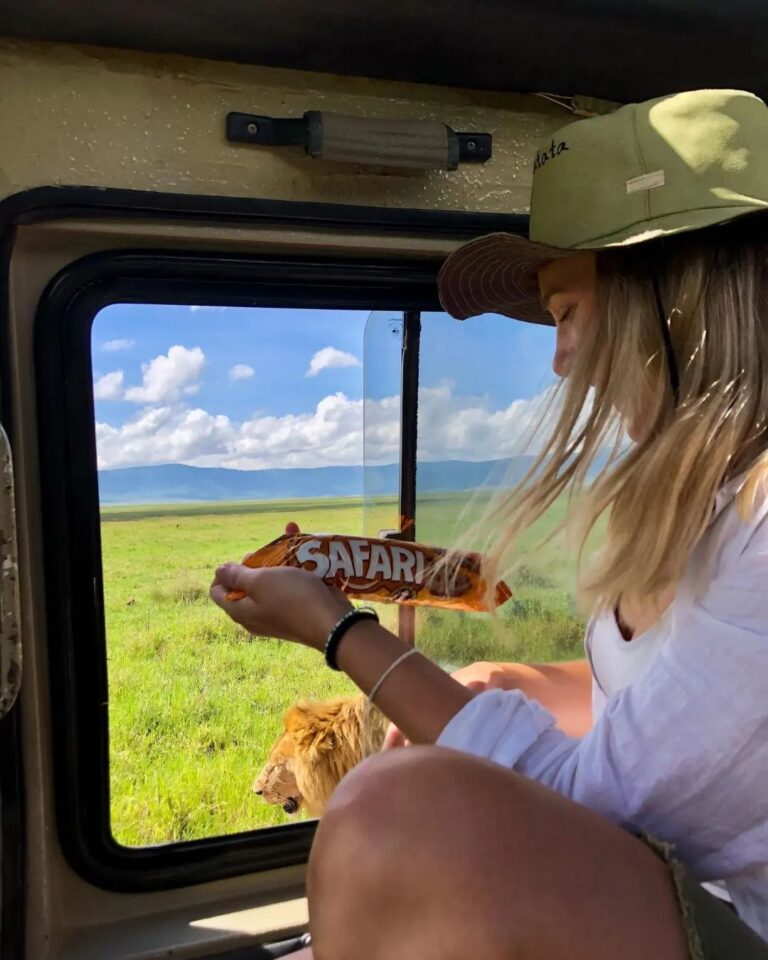
- Wildlife Etiquette: Never feed wild animals. Maintain a safe distance from all wildlife. Do not exit the vehicle during game drives unless instructed by your guide.
- Camp Safety: Adhere to camp rules, especially regarding movement after dark. Use a flashlight and stay within designated areas.
Travel Insurance
Comprehensive travel insurance is highly recommended for any trip to Tanzania. Ensure it covers:
- Medical emergencies and evacuation
- Trip cancellation or interruption
- Lost or stolen baggage
- Activities such as safari game drives
Customizing Your Mara Region Experience with Top Guide Adventures
Top Guide Adventures specializes in creating bespoke Tanzanian travel experiences. For your Mara Region Cultural and Wildlife Tour in 2026-2027, we offer:
- Tailor-Made Itineraries: We work closely with you to design a tour that matches your interests, budget, and pace. Whether you prioritize wildlife photography, cultural immersion, or a family adventure, we can craft the perfect plan.
- Expert Local Guides: Our guides are passionate, knowledgeable, and experienced in the Mara Region, providing invaluable insights into the wildlife, culture, and environment.
- Quality Accommodation: We partner with a curated selection of lodges and camps that meet our high standards for comfort, location, and service.
- smooth Logistics: From airport transfers and internal flights to park fees and permits, we handle all the intricate details, allowing you to relax and enjoy your journey.
- Commitment to Responsible Tourism: We are dedicated to supporting local communities and conservation efforts, ensuring your travel has a positive impact.
Planning Your 2026-2027 Safari: What to Book When
For peak seasons, especially the Great Migration river crossings in the northern Serengeti (August-October), booking your Mara Region Cultural and Wildlife Tour for 2026-2027 at least 9-12 months in advance is highly recommended. This secures availability for popular lodges, camps, and internal flights. Even for the green season, booking 6-9 months ahead is advisable to get the best options.
What’s Typically Included in a Mara Region Tour?
While itineraries vary, most comprehensive tours include:
- Accommodation as per the itinerary
- All meals (breakfast, lunch, dinner) while on safari
- Park entrance fees
- Vehicle and driver/guide fees
- Game drives in a 4×4 safari vehicle
- Bottled drinking water during game drives
- Airport transfers
- Cultural village visit fees
Exclusions typically are:
- International flights
- Visa fees
- Travel insurance
- Gratuities for guides and staff
- Personal expenses (souvenirs, drinks, laundry)
- Optional activities like hot air balloon safaris
Understanding Pricing for 2026-2027
Pricing for a Mara Region Cultural and Wildlife Tour is influenced by several factors:
- Duration of the tour
- Type of accommodation chosen (luxury vs. mid-range vs. budget)
- Season of travel (peak season is more expensive)
- Number of travelers (private tours are generally more expensive per person than group tours)
- Inclusions (e.g., hot air balloon safari adds significant cost)
For a personalized quote for your 2026-2027 adventure, please contact Top Guide Adventures. We offer competitive pricing for exceptional experiences.
The Unforgettable Allure of the Mara Region
A Mara Region Cultural and Wildlife Tour is more than a vacation; it’s an education, an inspiration, and a profound connection to the natural world and humanity’s enduring heritage. From the majestic sweep of the Serengeti plains to the vibrant traditions of the Maasai people, the Mara offers experiences that resonate long after you’ve returned home.
For your 2026-2027 travel plans, consider the depth and richness that a specialized tour provides. Let Top Guide Adventures be your partner in crafting an adventure that exceeds your expectations. We are passionate about sharing the magic of Tanzania and ensuring your journey is as incredible as the destination itself.
Ready to plan your dream Mara Region Cultural and Wildlife Tour for 2026-2027? Get in touch with our expert team today. You can reach us via WhatsApp at +255616946642, email at topguideadventures@gmail.com, or our backup email at info@topguideadventures.com. Let’s create your adventure of a lifetime!
Check Availability for Mara Region Cultural And Wildlife Tour: Your Ultimate Tanzania Adventure
Ready to compare dates, prices, and the best option for your group? Send the package name and travel month so the team can reply with a clear quote, availability, and what is included.
 4-Day Mara River Migration Safari From Musoma: Witness The Great 2026-2027Discover the ultimate wildlife spectacle with a 4-day safari from Musoma, Tanzania, designed to immerse you in the heart of the Great Migration…View package
 2-Day Serengeti Safari From Musoma: Your Ultimate Wildlife Adventure 2026-2027Discover the magic of a 2-day Serengeti safari starting from Musoma. This concise itinerary offers a potent taste of Tanzania's most famous…View packageWestern Serengeti And Mara River: The Ultimate Safari Experience In 2026-2027Discover the wild heart of Tanzania in the Western Serengeti and along the iconic Mara River. This region offers a unique safari experience…View package
 Butiama Village Cultural Tour: An Immersive Experience In Tanzanian HeritageA Butiama Village Cultural Tour offers a profound journey into the heart of Tanzanian heritage, specifically focusing on the rich history and…View package
 Butiama: Exploring The Historical Heart Of Tanzanias Lake Victoria RegionExplore Butiama, a culturally and historically rich region on the shores of Lake Victoria in Tanzania. Learn about its significance…View package
 3-Day Western Serengeti Safari From Mwanza: Your Ultimate Itinerary 2026-2027Discover the magic of the Serengeti on a 3-day safari adventure starting from Mwanza. This itinerary focuses on the Western Corridor, offering…View package
 Musoma And Butiama Historical Package: A Journey Through Tanzanian HeritageDiscover the Musoma and Butiama Historical Package, a unique tour focusing on the rich cultural and historical significance of the Lake Victoria…View package
 1-Day Butiama Heritage Experience: A Journey Into Tanzanian History 2026-2027Immerse yourself in Tanzanian history with a focused 1-day exploration of Butiama, the ancestral home of Mwalimu Julius Nyerere. This experience…View package


