
The Western Serengeti and Mara River offer an exceptional safari destination in Tanzania, particularly famous for witnessing the dramatic river crossings of the Great Migration, typically occurring between July and October. This area provides abundant wildlife viewing opportunities year-round, with the Western Serengeti known for its resident predators and the Mara River forming part of the northern border, creating a dynamic ecosystem teeming with life. Planning a safari here in 2026 or 2027 promises an unforgettable encounter with Africa’s most iconic wildlife and landscapes.
The Allure of the Western Serengeti and Mara River
The vast plains of the Serengeti are legendary, but the Western Serengeti and the adjacent Mara River region offer a distinct and compelling safari experience. While the central and southern Serengeti are often the focus for calving seasons and the initial stages of the Great Migration, the western and northern sectors, particularly around the Mara River, become the epicenter of the most dramatic events. This is where millions of wildebeest, zebras, and other herbivores undertake perilous journeys across crocodile-infested waters, a spectacle that draws wildlife enthusiasts from across the globe.
For travelers planning their safari for 2026 or 2027, understanding the nuances of this region is key to an optimal experience. It’s not just about the Great Migration; the Western Serengeti is a prime habitat for resident predators like lions, leopards, and cheetahs, offering incredible viewing opportunities throughout the year. The Mara River itself, a lifeline in this arid landscape, attracts a rich diversity of wildlife to its banks, from elephants and hippos to a plethora of bird species.
Why Choose the Western Serengeti and Mara River?
Several factors make this part of the Serengeti a must-visit for discerning safari-goers:
- The Great Migration River Crossings: This is the undisputed highlight, a breathtaking display of nature’s raw power and survival instinct. Witnessing thousands of wildebeest plunging into the Mara River is an experience that stays with you forever.
- Abundant Resident Wildlife: Beyond the migration, the Western Serengeti boasts a healthy population of predators, making predator sightings highly probable. Large prides of lions, elusive leopards, and swift cheetahs are common.
- Unique Landscapes: The riverine forests, acacia woodlands, and open grasslands create a diverse and visually stunning environment.
- Fewer Crowds (Outside Migration Peak): While the migration crossings can attract significant attention, the Western Serengeti generally offers a more exclusive and less crowded safari experience compared to some other popular areas, especially outside the peak migration months.
- Year-Round Appeal: While the crossings are seasonal, the Western Serengeti and Mara River area remain a wildlife haven throughout the year, offering different but equally rewarding sightings.
Understanding the Mara River and the Great Migration
The Mara River is more than just a geographical feature; it’s a critical component of the Serengeti-Mara ecosystem and the lifeblood of the Great Migration. This river snakes its way through the northern Serengeti in Tanzania and continues into the Maasai Mara National Reserve in Kenya. Its banks are a natural bottleneck for the migrating herds, forcing them to confront its powerful currents and lurking predators.
The migration is a continuous, circular movement of over 1.5 million wildebeest, 200,000 zebras, and hundreds of thousands of other antelope species, driven by the search for fresh grazing lands and water. Their journey is dictated by the rains, and the Mara River crossings represent a pivotal, often dangerous, stage of this epic trek.
Timing is Everything: When to Witness the Crossings
For many, the primary motivation for visiting the Western Serengeti and Mara River is to witness the river crossings. This spectacle typically occurs in the latter half of the year:
- July to October: This is the prime window for observing the wildebeest crossing the Mara River. The exact timing can vary slightly each year depending on rainfall patterns, but these months offer the highest probability of witnessing this extraordinary event. Early July often sees herds gathering on the southern banks, building up courage, while August and September are often considered peak months for the most dramatic crossings. October can still offer opportunities as herds move north and south.
- November to June: While the dramatic river crossings are less frequent during these months, the Western Serengeti and Mara River area remain incredibly rewarding for wildlife viewing. The region hosts a significant resident wildlife population, including large predator populations, ensuring excellent sightings of lions, leopards, cheetahs, elephants, and a rich variety of birdlife. This period can also offer a more tranquil safari experience with fewer visitors.
When planning your 2026-2027 safari, it’s crucial to align your travel dates with your primary wildlife interests. If river crossings are your main goal, targeting July through October is essential. If you prefer a more relaxed pace with guaranteed excellent game viewing without the intense focus on crossings, other times of the year can be equally fulfilling.
Navigating the Western Serengeti
The Western Serengeti, also known as the Grumet Valley or Western Corridor, is characterized by its unique terrain. It features a mix of acacia woodlands, riverine forests, and open plains, with the Grumeti River also playing a significant role in wildlife movements.
Key Areas and Wildlife Hotspots
- Grumeti River: This river is another crucial water source and migration path. While not as famous for dramatic crossings as the Mara, the Grumeti River can also host wildebeest crossings, particularly from May to July, as the herds move towards the northern sector. These crossings can be spectacular, with large Nile crocodiles lying in wait.
- Seronera Valley (Central Serengeti): While not strictly the Western Serengeti, Seronera is often the gateway to the western corridor and is renowned for its predator sightings year-round. Many safaris will include a visit to Seronera as part of a broader Serengeti experience.
- Bologonya Hills: This area in the far north, close to the Kenyan border, offers stunning scenery and excellent game viewing, especially for predators and giraffes.
Accommodation Options in the Western Serengeti
The Western Serengeti offers a range of accommodation styles, catering to different preferences and budgets. These typically include:
- Luxury Tented Camps: Offering an immersive wilderness experience with high levels of comfort, these camps provide spacious tents with en-suite bathrooms, fine dining, and personalized service. They are often strategically located to maximize wildlife viewing opportunities.
- Mid-Range Lodges and Camps: These options provide comfortable accommodation with essential amenities, often featuring en-suite facilities and good dining services. They offer a great balance of comfort and authentic safari feel.
- Mobile Camps: These camps move seasonally to follow the Great Migration, offering a unique opportunity to be at the heart of the action. They provide a more rustic yet comfortable experience.
When booking your 2026-2027 safari, consider the location of your accommodation relative to areas known for migration crossings or resident wildlife concentrations, depending on your travel dates and priorities.
The Mara River: More Than Just Crossings
The Mara River is a vital ecosystem supporting a rich array of wildlife beyond the migrating herds. Its permanent water source makes it a magnet for animals, especially during the dry season.
Wildlife Encounters Along the Mara
Even outside the peak migration, the Mara River banks are a hive of activity:
- Crocodiles: The river is home to a significant population of Nile crocodiles, some of which grow to enormous sizes. They are a constant threat to migrating animals and a fascinating sight for visitors.
- Hippos: Large pods of hippos inhabit the river, often seen basking in the water or grazing on the banks at night.
- Elephants: Elephants are frequently seen browsing along the riverine forests or coming down to drink.
- Predators: Lions, leopards, and cheetahs often patrol the areas near the river, using it as a hunting ground or a source of water.
- Birdlife: The Mara River basin is a paradise for birdwatchers, with numerous species of kingfishers, herons, eagles, and other water-associated birds.
Accessing the Mara River in Tanzania
The Mara River forms the northern boundary of the Serengeti National Park. Access for safari-goers is primarily through the Kogatende area in the northern Serengeti. This area is more remote than the central or southern sectors, requiring longer drives from the main park gates or Arusha. However, this remoteness contributes to a more exclusive and pristine safari experience.
Top Guide Adventures specializes in crafting itineraries that maximize your chances of experiencing the best of the Western Serengeti and Mara River. We understand the movements of the migration and the best locations for wildlife viewing throughout the year.
Planning Your 2026-2027 Western Serengeti and Mara River Safari
A safari to the Western Serengeti and Mara River is a significant undertaking, and meticulous planning is essential. Top Guide Adventures is here to guide you every step of the way.
Best Time to Visit for Specific Experiences
- For Great Migration River Crossings: July to October is your window. August and September often offer the most dramatic and reliable crossings.
- For Predator Sightings: The Western Serengeti has excellent resident predator populations year-round. The period from December to March, when the herds are in the southern plains, can still offer great predator action in the west, as resident lions and leopards thrive.
- For Fewer Crowds and Greener Landscapes: The shoulder seasons, such as April to May (after the rains, before the main migration arrives) or November (as the herds begin to move south), can offer a more tranquil experience with lush scenery.
Safari Durations and Itineraries
A typical safari focusing on the Western Serengeti and Mara River might range from 5 to 10 days. A comprehensive Serengeti experience, potentially including central and western/northern sectors, could extend to 7-14 days.
A sample itinerary might look like this:
Sample 7-Day Western Serengeti & Mara River Focus Itinerary (July-October)
- Day 1: Arrive Kilimanjaro International Airport (JRO), transfer to Arusha.
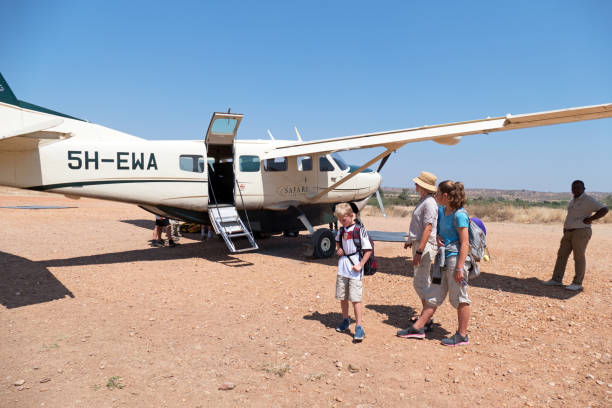
- Day 2: Fly from Arusha to Kogatende Airstrip (Northern Serengeti). Game drive en route to your lodge/camp.
- Day 3-5: Full days of game drives in the Kogatende/Mara River area, focusing on migration crossings and resident wildlife.
- Day 6: Morning game drive, then fly to Seronera (Central Serengeti) for an afternoon game drive or spend the day exploring the western corridor further.
- Day 7: Morning game drive in Seronera, fly back to Arusha for your onward travel or overnight.
This is a simplified example. Top Guide Adventures crafts custom itineraries tailored to your specific interests, budget, and desired pace for 2026-2027.
What to Pack
Packing smart is crucial for a comfortable safari. Key items include:
- Lightweight, neutral-colored clothing (khaki, beige, green).
- Warm layers for cool mornings and evenings (fleece, jacket).
- Comfortable walking shoes.
- Sun hat, sunglasses, and high SPF sunscreen.
- Insect repellent.
- Camera with extra batteries and memory cards.
- Binoculars.
- Personal toiletries and any necessary medications.
- A reusable water bottle.
Most lodges and camps provide amenities like charging facilities and insect repellent, but it’s always good to be prepared.
The Role of Top Guide Adventures
As a local Tanzanian tour operator, Top Guide Adventures brings unparalleled expertise to planning your safari to the Western Serengeti and Mara River. We understand the intricate details of wildlife movements, the best times to visit, and how to create an itinerary that maximizes your experience.
Our Services for Your 2026-2027 Safari
- Custom Itinerary Design: We work closely with you to build a safari that perfectly matches your interests, budget, and travel style.
- Logistics Management: From flights and transfers to accommodation and park fees, we handle all the complex logistics.
- Expert Guides: Our experienced, knowledgeable guides are passionate about wildlife and dedicated to providing an enriching safari experience.
- Accommodation Booking: We partner with a wide range of high-quality lodges and camps across the Serengeti to suit every preference.
- Value for Money: We strive to offer competitive pricing without compromising on quality or experience.
Whether you dream of witnessing the dramatic river crossings in August 2026, or prefer a more tranquil predator-focused safari in the Western Serengeti during the green season of April 2027, we can make it happen.
Cost Considerations for a Western Serengeti Safari
The cost of a safari in the Western Serengeti and Mara River region can vary significantly based on several factors:
- Time of Year: Peak season (July-October for crossings) is generally more expensive due to high demand.
- Accommodation Style: Luxury lodges and exclusive tented camps will command higher prices than mid-range options.
- Safari Duration: Longer safaris naturally incur higher costs.
- Group Size: Private safaris are more expensive per person than shared group departures.
- Inclusions: Full board, park fees, game drives, park transfers, and guide services are typically included. Flights within Tanzania are often an additional cost.
As a general guideline for 2026-2027:
Estimated Safari Costs (Per Person, Per Day)
- Budget/Mid-Range: $300 – $500 USD per person per day (often based on shared vehicles and more basic accommodations).
- Mid-Range/Comfort: $500 – $750 USD per person per day (comfortable lodges, private vehicle options).
- Luxury/High-End: $750 – $1500+ USD per person per day (exclusive camps, premium services, private guides).
Note: These are estimates. Internal flights, park fees (which can be substantial), and specific lodge choices significantly impact the final price. Contact Top Guide Adventures for a personalized quote.
We recommend booking your 2026-2027 safari well in advance, especially if you are targeting the peak migration season, as the best lodges and camps fill up quickly.
Beyond the Serengeti: Combining with Other Destinations
While the Western Serengeti and Mara River are a safari highlight, many travelers choose to combine this experience with other iconic Tanzanian destinations:
- Ngorongoro Crater: Explore the unique caldera ecosystem, often referred to as Africa’s Eden, for incredible wildlife density.
- Tarangire National Park: Known for its large elephant herds and baobab trees, especially vibrant during the dry season.
- Lake Manyara National Park: Famous for its tree-climbing lions and diverse birdlife.
- Zanzibar: Relax on the pristine beaches and explore the historic Stone Town after your safari adventure.
Top Guide Adventures excels at creating multi-destination itineraries that offer a complete Tanzanian experience. We can seamlessly integrate a Western Serengeti and Mara River safari into a longer trip, ensuring smooth transitions and unforgettable memories for your 2026-2027 travels.
Frequently Asked Questions about Western Serengeti and Mara River Safaris
When is the best time to see the wildebeest river crossings in the Mara River?
The prime time for witnessing the wildebeest river crossings over the Mara River is typically from July to October. August and September are often considered the peak months, but the exact timing can vary annually based on rainfall and grass availability.
Is the Western Serengeti good for wildlife viewing outside of the migration season?
Absolutely. The Western Serengeti has a robust population of resident wildlife, including lions, leopards, cheetahs, elephants, and hippos, making it an excellent safari destination year-round. The Grumeti River also provides a rich habitat.
How do I get to the Western Serengeti and Mara River?
The most common way to reach the Western Serengeti and Mara River (Kogatende area) is by taking a domestic flight from Arusha or other major safari hubs directly to Kogatende Airstrip. Driving is possible but takes a very long time and is generally not recommended for most tourists.
What is the difference between the Serengeti and the Maasai Mara?
The Serengeti National Park (Tanzania) and the Maasai Mara National Reserve (Kenya) are contiguous ecosystems. The Great Migration moves between these two areas. The Mara River flows through both. While they share the same ecosystem and migration, they are different political entities with distinct park fees, regulations, and lodge options.
Are there malaria risks in the Western Serengeti?
Yes, malaria is present in the Serengeti region. It is advisable to consult your doctor about malaria prophylaxis and take precautions such as using insect repellent and wearing long sleeves and trousers during dawn and dusk.
How far in advance should I book a safari for the 2026-2027 migration season?
For the peak migration season (July-October) in 2026 or 2027, it is highly recommended to book your safari at least 9-12 months in advance. Popular lodges and camps, especially those with prime locations for viewing river crossings, get booked up very quickly.
Your Unforgettable 2026-2027 Safari Awaits
The Western Serengeti and Mara River offer one of the planet’s most awe-inspiring natural spectacles. Whether you are drawn by the drama of the wildebeest crossing the Mara River, the thrill of predator sightings, or the sheer beauty of the Tanzanian wilderness, this region promises an adventure of a lifetime.
Top Guide Adventures is dedicated to providing you with an exceptional safari experience. We combine local knowledge with a passion for conservation and client satisfaction to ensure your 2026-2027 Western Serengeti and Mara River safari is everything you dreamed of and more. Let us help you plan the perfect journey. Contact us today to start creating your tailor-made Tanzanian adventure!
For inquiries and bookings, reach out to us:
- WhatsApp: +255616946642
- Email: topguideadventures@gmail.com
- Backup Email: info@topguideadventures.com
Visit our website for more information on our Tanzania safari tours and custom travel options.
Check Availability for Western Serengeti And Mara River: The Ultimate Safari Experience In…
Ready to compare dates, prices, and the best option for your group? Send the package name and travel month so the team can reply with a clear quote, availability, and what is included.
 Serengeti & Maasai Mara Region Packages: Your Ultimate Tanzania Safari GuidePlanning a safari to the Maasai Mara and surrounding regions? This comprehensive guide explores top package options for 2026-2027, covering…View package
 Musoma Tanzania: Your Gateway To Lake Victorias Northern Shores & SerengetiMusoma, situated on the northeastern shores of Lake Victoria, is a bustling Tanzanian town offering a unique blend of cultural experiences…View package
 Musoma And Butiama Historical Package: A Journey Through Tanzanian HeritageDiscover the Musoma and Butiama Historical Package, a unique tour focusing on the rich cultural and historical significance of the Lake Victoria…View package
 Butiama Village Cultural Tour: An Immersive Experience In Tanzanian HeritageA Butiama Village Cultural Tour offers a profound journey into the heart of Tanzanian heritage, specifically focusing on the rich history and…View package
 1-Day Butiama Heritage Experience: A Journey Into Tanzanian History 2026-2027Immerse yourself in Tanzanian history with a focused 1-day exploration of Butiama, the ancestral home of Mwalimu Julius Nyerere. This experience…View package
 1-Day Butiama Nyerere Museum Tour: A Journey Into Tanzanias History 2026-2027Discover the legacy of Mwalimu Julius Nyerere with a focused 1-day tour to the Butiama Nyerere Museum. This immersive experience offers a unique…View package
 Butiama: Exploring The Historical Heart Of Tanzanias Lake Victoria RegionExplore Butiama, a culturally and historically rich region on the shores of Lake Victoria in Tanzania. Learn about its significance…View package
 Musoma Island-Hopping Tour: Your Ultimate Zanzibar Archipelago AdventureDiscover the magic of Zanzibar's lesser-known islands with a Musoma Island-Hopping Tour. This guide details routes, activities, and booking…View package


