

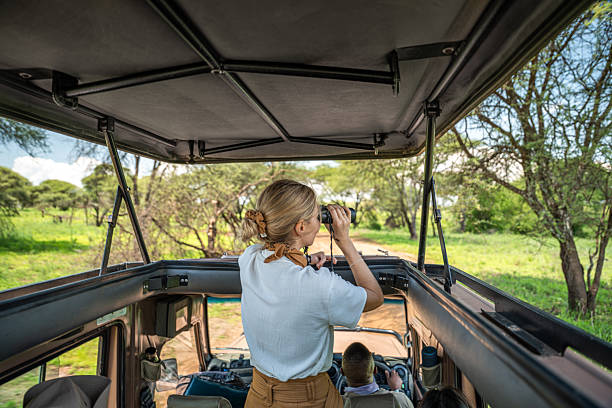
The 2-Day Shinyanga Rural Heritage Package is a curated cultural immersion experience in Tanzania’s Shinyanga Region, designed to showcase local traditions, village life, and artisanal crafts over two days, typically starting and ending within the region, offering a concentrated yet profound glimpse into the heart of Tanzanian rural heritage for travelers seeking authentic interactions in 2026-2027.
Experiencing the Soul of Shinyanga: An Introduction to Your 2-Day Rural Heritage Package
Shinyanga Region, nestled in the northwestern part of Tanzania, is a land rich in history, culture, and natural beauty, often overlooked in favor of more famous safari destinations. Yet, for the traveler yearning for genuine connection and a deeper understanding of Tanzanian life beyond the usual tourist trails, a journey into its rural heart offers unparalleled rewards. The 2-Day Shinyanga Rural Heritage Package is meticulously crafted for precisely this purpose. It’s not a whirlwind tour; it’s an invitation to slow down, observe, and engage with communities whose way of life has been shaped by centuries of tradition and a profound connection to the land.
This package is ideal for those who appreciate the nuances of cultural exchange, enjoy learning about traditional crafts, and want to witness daily life unfold in an authentic setting. Whether you are planning for 2026 or 2027, this compact yet comprehensive itinerary promises an enriching experience that stays with you long after you depart. We aim to provide an experience that goes beyond sightseeing, fostering understanding and appreciation for the people and their heritage.
Top Guide Adventures specializes in creating these kinds of unique, off-the-beaten-path experiences. We understand that true adventure lies in discovery, and the Shinyanga Region offers a wealth of it. This package is designed to be flexible, allowing for personalization to better suit your interests, whether they lie in traditional music, local cuisine, agricultural practices, or the intricate art of beadwork and storytelling.
Why Choose Shinyanga for Rural Heritage Exploration?
Shinyanga’s appeal lies in its authenticity. Unlike areas heavily touristed, Shinyanga retains a palpable sense of its traditional identity. The region is historically associated with the Sukuma people, the largest ethnic group in Tanzania, known for their rich cultural practices, including intricate dance forms, spiritual beliefs, and a strong connection to their ancestral heritage. This package offers a unique opportunity to witness these traditions firsthand.
The landscape itself is captivating, characterized by rolling hills, acacia-dotted plains, and a serene, unhurried pace of life. This environment provides a perfect backdrop for cultural immersion. You’ll encounter communities where traditional farming methods are still prevalent, where local markets buzz with activity, and where hospitality is a cornerstone of daily interactions. The opportunity to connect with local artisans, witness their skills passed down through generations, and perhaps even try your hand at a craft, is a highlight that makes this package truly special.
Furthermore, choosing Shinyanga for a rural heritage experience in 2026-2027 aligns with a growing trend in responsible tourism – seeking destinations that benefit directly from visitor engagement and offer a genuine cultural exchange. Your visit contributes to the local economy and supports the preservation of these unique traditions.
Unpacking the 2-Day Shinyanga Rural Heritage Package: A Glimpse into the Itinerary
While the precise details can be tailored, a typical 2-Day Shinyanga Rural Heritage Package is structured to maximize cultural exposure within a limited timeframe. It focuses on immersive experiences rather than extensive travel distances.
Day 1: Arrival, Village Immersion, and Traditional Crafts
Your journey begins with your arrival in Shinyanga town or a designated meeting point. From here, you’ll be transferred to a chosen rural village that serves as your base for the next two days. The initial part of the day is dedicated to settling in and receiving a warm welcome from the local community. This often involves a traditional greeting ceremony, giving you an immediate sense of the local customs and hospitality.
The afternoon is typically focused on understanding the daily life and livelihoods of the villagers. This could include:
- Village Walk and Introduction: A guided tour through the village, meeting community elders and learning about the social structure, history, and daily routines.
- Agricultural Practices: Observing or participating in traditional farming activities, depending on the season and availability. This might involve understanding crop cultivation, water management, or the use of local tools.
- Artisan Workshops: A significant part of the experience involves engaging with local craftspeople. You’ll have the opportunity to witness skilled artisans at work, creating beautiful items such as intricate beadwork, pottery, wood carvings, or woven baskets. Many tours include a hands-on session where you can try your hand at a craft under their expert guidance. This is a chance to appreciate the skill and dedication involved and perhaps purchase a unique, handmade souvenir directly from the maker.
The evening concludes with a traditional dinner, often prepared using local ingredients and recipes. This communal meal is a fantastic opportunity to share stories and experiences with your hosts, fostering deeper connections. A cultural performance, such as traditional music or dance, might also be arranged, providing a vibrant display of local artistic expression.
Day 2: Cultural Exchange, Local Markets, and Departure
The second day builds upon the foundations laid on day one, offering further insights and interactions.
- Morning Market Visit: If your visit coincides with a local market day, an excursion to the nearest bustling market is highly recommended. This is where you’ll see the vibrant commerce of rural life, with locals trading produce, livestock, crafts, and household goods. It’s a sensory experience, filled with colors, sounds, and the energy of community interaction.
- Storytelling and Folklore: Engage with community elders or storytellers who can share traditional tales, proverbs, and historical accounts. This offers a unique window into the cultural values, beliefs, and history passed down through oral tradition.
- Culinary Experience: Depending on arrangements, you might participate in preparing a traditional meal, learning about local ingredients and cooking methods. This could involve learning to make ugali (a staple maize flour porridge), preparing local stews, or understanding the use of indigenous herbs and spices.
- Farewell and Departure: After a final traditional breakfast and heartfelt goodbyes, you will be transferred back to Shinyanga town or your onward travel point, carrying with you memories of genuine cultural encounters.
This itinerary is a blueprint, and Top Guide Adventures excels at customizing it. For instance, if your interest is specifically in the famous Dukuduku dance of the Sukuma people, we can arrange for a demonstration or even an opportunity to learn some basic steps. Similarly, if you are keen on understanding traditional healing practices, we can try to connect you with local healers (with appropriate cultural sensitivity and respect).
Customization is Key for Your 2026-2027 Journey
The beauty of this package lies in its adaptability. When you book your 2-Day Shinyanga Rural Heritage Package with us for 2026 or 2027, we’ll discuss your specific interests. Are you passionate about photography? We can focus on scenic spots and interactions that offer great visual opportunities. Are you a foodie? We can emphasize culinary experiences and local ingredient sourcing. Are you interested in the role of women in rural communities? We can arrange meetings with women’s groups and cooperatives. Let us know your priorities, and we will tailor the experience accordingly.
Who is the 2-Day Shinyanga Rural Heritage Package For?
This package is designed for a specific type of traveler:
- The Culturally Curious: Individuals who seek authentic interactions and a genuine understanding of local customs, traditions, and daily life.
- The Slow Traveler: Those who prefer to immerse themselves in a place rather than rushing through a checklist of sights. Two days in one rural setting allows for deeper engagement.
- The Responsible Tourist: Travelers who want their tourism dollars to directly benefit local communities and support the preservation of cultural heritage.
- The Adventurous Spirit: Anyone looking to step outside their comfort zone and experience a side of Tanzania that is rarely seen by mainstream tourism.
- Those with Limited Time: The two-day format makes it an excellent addition to a longer Tanzanian itinerary or a perfect standalone cultural getaway for those with a shorter timeframe.
It’s important to note that this is a rural experience. Accommodations will be clean and comfortable, often in locally run guesthouses or homestays, providing an authentic feel. Amenities might be simpler than in urban hotels, but the warmth of the hospitality more than compensates. If you are looking for luxury resorts, this package might not be the best fit. However, if you seek an experience that is rich in human connection and cultural depth, you will find it here.
Logistics and Practicalities for Your Shinyanga Adventure
Planning a trip to a less-traveled destination requires attention to detail. Top Guide Adventures handles all the complexities, ensuring a smooth experience.
Getting to Shinyanga
Shinyanga is accessible by road and air. The nearest major airport with domestic connections is Mwanza, approximately a 3-4 hour drive away. Alternatively, there are small airports near Shinyanga that receive flights from Dar es Salaam and other major cities. We can arrange transfers from Mwanza or Shinyanga airport to your chosen rural village. The journey itself is part of the experience, offering glimpses of the Tanzanian landscape.
Accommodation
Accommodation within the rural village is typically in simple, clean, and safe guesthouses or designated homestays. These offer a chance to live alongside local families and experience their way of life more intimately. Expect basic but comfortable facilities. For those who prefer a slightly higher level of comfort while still remaining close to the cultural experience, we can arrange stays in modest lodges or hotels in Shinyanga town, with day trips into the villages.
Best Time to Visit
Shinyanga experiences a tropical climate. The dry seasons, generally from June to October and December to February, are often considered the most pleasant for travel, with less rain and comfortable temperatures. However, cultural experiences are available year-round. Traveling during the shoulder seasons can offer a more intimate experience with fewer crowds. When planning for 2026-2027, consider these periods for optimal weather.
What to Pack
Packing smart is essential for a comfortable rural experience:
- Lightweight, breathable clothing: Cotton or linen fabrics are ideal. Include long-sleeved shirts and trousers for sun protection and to ward off insects.
- Modest attire: When visiting villages, it’s respectful to dress modestly. This means covering shoulders and knees.
- Comfortable walking shoes: You’ll be doing a fair amount of walking.
- Sun protection: A wide-brimmed hat, sunglasses, and high-SPF sunscreen are crucial.
- Insect repellent: Especially important for evenings.
- Personal toiletries: While basic supplies might be available, it’s best to bring your preferred items.
- Basic first-aid kit: Include any personal medications.
- Camera and extra batteries/power bank: You’ll want to capture the memories!
- Small gifts (optional): Consider small, practical gifts like school supplies for children or useful items for families, if you wish to contribute directly. However, monetary contributions are often more impactful if channeled through community projects.
- Hand sanitizer: Always useful when traveling.
Health and Safety
Consult your doctor regarding recommended vaccinations and malaria prophylaxis well in advance of your trip. Tap water should not be consumed; bottled or purified water will be provided. Your safety and well-being are our top priorities. Our guides are trained in first aid and are experienced in navigating rural environments.
The Sukuma People: A Cultural Cornerstone of Shinyanga
The Sukuma, meaning ‘people of the north’, form the dominant ethnic group in the Shinyanga Region. Their culture is deeply intertwined with the land, agriculture, and a rich spiritual heritage. Understanding the Sukuma is key to appreciating the 2-Day Shinyanga Rural Heritage Package.
Traditional Livelihoods
Historically, the Sukuma are agriculturalists, cultivating crops like maize, cassava, beans, and groundnuts. Cattle are also central to their economy and social status, often used as bride price and a measure of wealth. Fishing is important in areas near Lake Victoria, and Shinyanga also has a history of mining, particularly for diamonds.
Social Structure and Beliefs
Sukuma society is organized around family and clan structures. Traditional beliefs often involve reverence for ancestors and a belief in a supreme creator. The Bushi (witchdoctors or traditional healers) play a significant role in community life, offering spiritual guidance, healing, and protection. While many Sukuma are now Christian or Muslim, traditional beliefs often coexist or influence modern practices.
Artistic Expressions
The Sukuma are renowned for their vibrant artistic traditions:
- Music and Dance: Their drumming and dance are legendary, often performed during ceremonies, celebrations, and important social events. The intricate rhythms and energetic movements are captivating.
- Carvings: Intricate wooden carvings, often depicting animals, human figures, or symbolic representations, are a significant art form.
- Beadwork: Beautiful and detailed beadwork is used to adorn clothing, jewelry, and household items, often carrying symbolic meanings.
- Storytelling: Oral traditions, including folktales, proverbs, and historical accounts, are vital for passing down cultural knowledge and values.
During your 2-day package, you’ll have opportunities to witness these artistic expressions, interact with artisans, and learn about their cultural significance. This direct engagement is what makes the experience so profound.
Beyond the Itinerary: Deeper Cultural Insights
While the package covers key aspects of rural life, the true richness lies in the unexpected moments and deeper understanding gained.
The Role of Elders
Elders are highly respected in Sukuma society. They are the custodians of tradition, wisdom, and history. Your interactions with elders, often facilitated by your guide, can provide profound insights into the community’s values, their connection to the past, and their vision for the future. These conversations, even if translated, are often deeply moving.
Community Life and Mutual Support
Rural Tanzanian communities often operate on principles of mutual support and communal living. You’ll witness how neighbors help each other, how resources are shared, and how important social cohesion is. This sense of community is a powerful aspect of rural life that is often lost in more individualistic societies.
Traditional Medicine and Healing
While not always a primary focus, understanding traditional healing practices can be a fascinating aspect of rural heritage. Many communities still rely on traditional healers and medicinal plants for various ailments. If culturally appropriate and with prior arrangement, you might learn about the uses of certain plants or the role of traditional healers in the community.
The Art of Storytelling
Storytelling is not just entertainment; it’s a vital educational tool. Through stories, moral lessons are taught, historical events are remembered, and cultural identity is reinforced. If you have the chance to listen to a traditional storyteller, it’s an experience that transcends language barriers through emotion and universal themes.
Making the Most of Your 2-Day Shinyanga Rural Heritage Package
To ensure you gain the maximum benefit from this immersive experience, consider these tips:
- Be Open and Respectful: Approach every interaction with an open mind and genuine respect for the local culture and customs. Ask questions politely and listen attentively.
- Engage with Your Guide: Your local guide is your bridge to understanding. They can interpret cultural nuances, facilitate conversations, and provide context. Don’t hesitate to ask them anything.
- Participate Actively: If opportunities arise to participate in village activities, try them! Whether it’s helping with a simple task, joining a dance, or trying a new food, active participation leads to deeper connection.
- Be Patient: Life in rural areas moves at a different pace. Embrace the unhurried rhythm and be patient with any delays or changes to the schedule.
- Observe and Listen: Sometimes, the most profound learning comes from quiet observation and attentive listening. Take moments to simply absorb the atmosphere and the interactions around you.
- Photography Etiquette: Always ask for permission before taking photos of people, especially close-ups. Some individuals may prefer not to be photographed, and their wishes must be respected.
Planning Your 2026-2027 Cultural Adventure
As you look ahead to planning your travels for 2026 and 2027, the 2-Day Shinyanga Rural Heritage Package offers a unique opportunity to experience the authentic heart of Tanzania. It’s a chance to connect with people, learn about ancient traditions, and witness a way of life that is both resilient and beautiful.
Top Guide Adventures is dedicated to providing authentic, responsible, and enriching travel experiences. We believe in the power of cultural exchange to broaden horizons and foster mutual understanding. Our team works closely with local communities to ensure that your visit is not only memorable for you but also beneficial and respectful to them.
Whether you’re combining this package with a safari in the Serengeti, a trek up Kilimanjaro, or a relaxing holiday in Zanzibar, this two-day immersion provides a vital and enriching counterpoint. It’s a reminder of the diverse human stories that make up the rich mix of Tanzania.
Ready to Experience Authentic Tanzania?
Let Top Guide Adventures craft your unforgettable 2-Day Shinyanga Rural Heritage Package. We offer personalized itineraries, experienced local guides, and a commitment to responsible tourism. Get in touch to discuss your ideal cultural adventure for 2026 or 2027.
Contact us today:
- WhatsApp: +255616946642
- Email: topguideadventures@gmail.com
- Backup Email: info@topguideadventures.com
Visit our website for more inspiration on Tanzania tours and safaris: Top Guide Adventures.
Frequently Asked Questions about the 2-Day Shinyanga Rural Heritage Package
Here are some common questions travelers have about this unique cultural experience:
What is the typical cost range for the 2-Day Shinyanga Rural Heritage Package?
The cost can vary based on accommodation choices (homestay vs. modest lodge), group size, and specific activities included. Generally, for a 2-day package, you might expect costs to range from approximately $250 to $450 per person for a private tour. This typically includes accommodation, meals as specified, guided village tours, cultural activities, and local transport within the region. Shared tours or group departures, if available, could reduce the per-person cost. We recommend contacting us directly for a personalized quote tailored to your 2026-2027 travel plans.
Is this package suitable for families with children?
Yes, the 2-Day Shinyanga Rural Heritage Package can be very engaging for families. Children can learn about different ways of life, participate in simple activities, and enjoy cultural performances. However, it’s important to ensure children are comfortable with basic amenities and the slower pace of rural life. We can tailor activities to be more child-friendly upon request.
What kind of food can I expect?
You can expect traditional Tanzanian cuisine, primarily based on local staples. This often includes ugali (a stiff maize porridge), various stews made with vegetables, beans, or occasionally meat, rice dishes, and fresh fruits. Meals are typically prepared using fresh, local ingredients. If you have dietary restrictions, please inform us well in advance so we can make the necessary arrangements.
Will I be able to interact with local people?
Interaction is a core component of this package. You will have opportunities to meet villagers, elders, and artisans. Your guide will facilitate these interactions, ensuring they are respectful and meaningful. The goal is genuine cultural exchange, not just observation.
Is English widely spoken in the villages?
While your primary guide will be fluent in English, English proficiency among villagers in rural Shinyanga is generally limited. However, communication often transcends language barriers through gestures, smiles, and the shared experience. Your guide will be instrumental in bridging any linguistic gaps.
What is the difference between this package and a standard safari?
A standard safari focuses on wildlife viewing in national parks and reserves. The 2-Day Shinyanga Rural Heritage Package focuses entirely on cultural immersion in local communities. It offers a chance to understand the human element of Tanzania, its traditions, and daily life, which is often a secondary aspect of a wildlife-focused safari.
Can I buy crafts directly from the artisans?
Yes, purchasing crafts directly from artisans is highly encouraged. It provides them with direct income and allows you to take home a truly authentic souvenir. Your guide can assist with fair pricing discussions, ensuring a positive transaction for both parties.
What if I want to extend my stay or visit other villages?
This package is a fantastic starting point. We can certainly customize longer itineraries or arrange visits to different villages within the Shinyanga region or to neighboring areas. Please discuss your extended plans with us when you inquire.
How does this package contribute to the local community?
Top Guide Adventures works with local communities to ensure that tourism benefits them directly. This includes employing local guides, sourcing accommodation and meals from local providers, and facilitating direct sales of crafts. A portion of the tour fees also often goes towards community development projects, such as supporting local schools or health initiatives. Your participation in the 2-Day Shinyanga Rural Heritage Package directly supports these efforts.
What are the typical group sizes for this tour?
For this specific cultural immersion, we typically recommend smaller group sizes to ensure a more intimate and authentic experience. Private tours can be arranged for individuals, couples, or families. For group departures, we aim for sizes that allow for easy interaction and minimal disruption to village life, usually between 4 to 8 people. Let us know your group size when you inquire for 2026-2027.
Is it possible to visit during specific cultural festivals?
While Shinyanga doesn’t host large, internationally advertised festivals in the same way as some other regions, local celebrations and ceremonies do occur. If you have specific dates in mind for 2026 or 2027 and are interested in experiencing any local events, please let us know. We can try to align your visit with relevant cultural happenings, though these are often tied to agricultural cycles or specific community events and may not always be predictable far in advance.
Check Availability for 2-Day Shinyanga Rural Heritage Package: Authentic Tanzania Experience
Ready to compare dates, prices, and the best option for your group? Send the package name and travel month so the team can reply with a clear quote, availability, and what is included.
 1-Day Shinyanga Traditional Dance Experience: Immerse Yourself In TanzanianDiscover the heart of Tanzanian culture with a captivating 1-Day Shinyanga Traditional Dance Experience. Top Guide Adventures offers an…View package
 1-Day Shinyanga Sukuma Cultural Tour: Experience Authentic Tanzania 2026-2027A 1-day tour in Shinyanga offers an immersive experience into the rich culture of the Sukuma people, Tanzania's largest ethnic group. This…View package
 Shinyanga, Tanzania: Your Essential Travel Guide For 2026-2027Explore Shinyanga, a gem in Tanzania's Lake Victoria region. This guide covers its unique culture, attractions, and practical travel advice for…View package
 Ac Shinyanga, Simiyu, And Geita Safari Packages: Your Ultimate NorthernExplore bespoke safari packages for AC Shinyanga, Simiyu, and Geita regions in Tanzania, offering a unique blend of wildlife encounters…View package
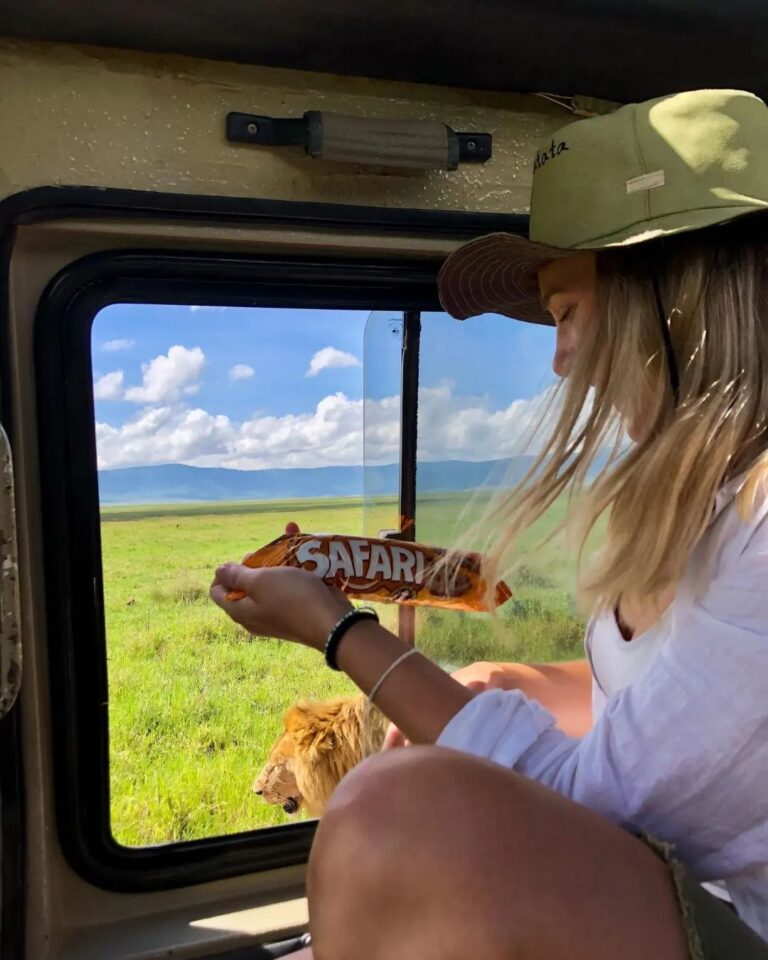 Musoma And Butiama Historical Package: A Journey Through Tanzanian HeritageDiscover the Musoma and Butiama Historical Package, a unique tour focusing on the rich cultural and historical significance of the Lake Victoria…View package
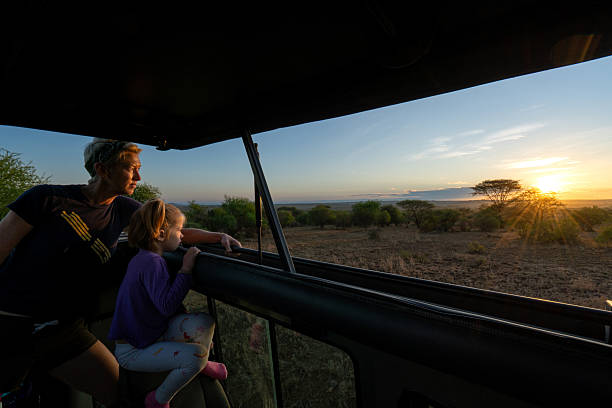 Butiama Village Cultural Tour: An Immersive Experience In Tanzanian HeritageA Butiama Village Cultural Tour offers a profound journey into the heart of Tanzanian heritage, specifically focusing on the rich history and…View package
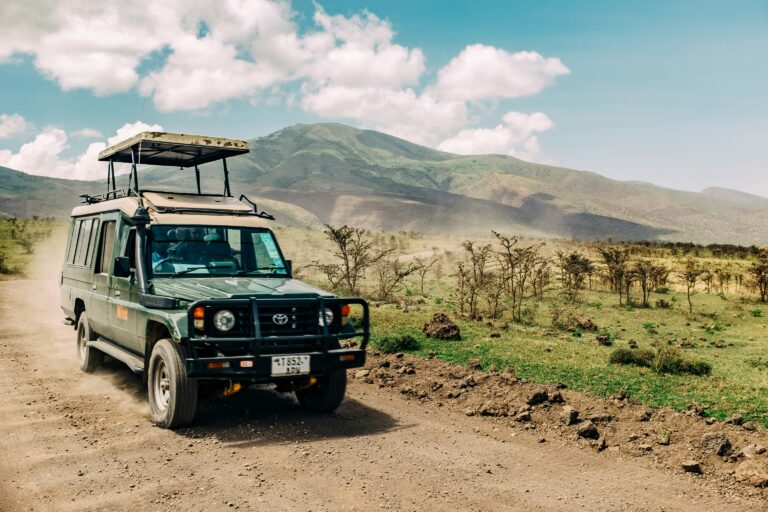 1-Day Butiama Heritage Experience: A Journey Into Tanzanian History 2026-2027Immerse yourself in Tanzanian history with a focused 1-day exploration of Butiama, the ancestral home of Mwalimu Julius Nyerere. This experience…View package
 Musoma Lakeside Photography Tour: Capturing Tanzanias Hidden Gems 2026-2027Discover the unparalleled beauty and vibrant culture of Musoma through the lens. Our Musoma Lakeside Photography Tour offers an immersive…View package


