
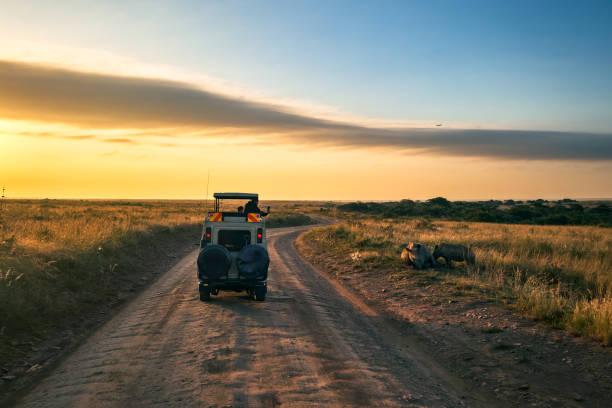

Shinyanga is a significant town and administrative center in Tanzania’s Shinyanga Region, located in the northwestern part of the country, south of Lake Victoria. It’s primarily known for its diamond mining history, vibrant Sukuma culture, and as a gateway to exploring the surrounding natural beauty and local life, making it a worthwhile stop for travelers seeking an authentic Tanzanian experience beyond the main tourist circuits, especially as interest grows for 2026-2027 travel.
Understanding Shinyanga: More Than Just a Name
Often overshadowed by Tanzania’s more famous safari destinations and Zanzibar’s beaches, Shinyanga offers a distinct flavour of East African life. Situated in a region rich with history and cultural heritage, particularly that of the Sukuma people, this town serves as a crucial hub for commerce, administration, and a glimpse into the daily rhythms of rural Tanzanian life. Its proximity to Lake Victoria, the largest lake in Africa by area, also influences its climate and the livelihoods of its residents.
As travel trends evolve towards more immersive and off-the-beaten-path experiences, destinations like Shinyanga are gaining traction. For travelers planning trips in 2026 and 2027, understanding what Shinyanga has to offer is key to crafting a truly unique Tanzanian itinerary. This guide aims to provide an in-depth look at the town, its surroundings, its cultural significance, and practical considerations for visitors.
The Heart of Sukuma Culture: Traditions and People
Shinyanga is deeply intertwined with the Sukuma people, the largest ethnic group in Tanzania. Their traditions, art, and social structures are a defining characteristic of the region. The Sukuma are known for their agricultural prowess, their intricate beadwork, and their rich oral traditions, including captivating storytelling and music.
Visitors to Shinyanga have the opportunity to witness aspects of Sukuma culture firsthand. While formal cultural centers are limited, engaging with local communities, visiting markets, and understanding the social fabric of the town can offer profound insights. The Sukuma are generally welcoming, and with respectful interaction, travelers can learn a great deal about their way of life, which has been shaped by centuries of history and adaptation to the Tanzanian landscape.
Exploring Sukuma Heritage
The Mwadui Diamond Mine, once one of the largest diamond mines in the world, has a significant historical connection to Shinyanga. Although its operational status has varied over the years, its legacy is undeniable. The mine brought significant economic activity and international attention to the area, shaping its development. While direct access to the mine itself might be restricted, its history is a crucial part of Shinyanga’s identity.
For those interested in traditional Sukuma art, look for intricate beadwork, often seen in clothing, jewelry, and decorative items. The patterns and colors typically hold symbolic meaning. Music and dance are also vital components of Sukuma culture, often performed during celebrations and ceremonies. While organized performances might be rare for tourists, experiencing local music in markets or community gatherings can be a memorable encounter.
Key Attractions and Points of Interest Around Shinyanga
While Shinyanga itself is more of a functional town than a traditional tourist destination, its surroundings offer compelling reasons to visit. The true appeal lies in its authenticity and the opportunities for exploration beyond the typical safari circuits.
The Mwadui Diamond Mine: A Glimpse into Industrial History
The story of the Mwadui Diamond Mine is central to Shinyanga’s modern history. Established by John Williamson, it became a major source of diamonds for decades. The mine’s impact on the local economy and social structure is significant. While the mine’s operational scale has changed, its presence is a constant reminder of the region’s mineral wealth. Travelers interested in industrial history might find the stories and remnants of this era fascinating, even if direct tours of the active mining areas are not typically available.
Lake Victoria’s Embrace: Proximity and Potential
Shinyanga’s location is relatively close to the southern shores of Lake Victoria. While not directly on the lake, its proximity means that lake-related activities and influences are present. For travelers looking to experience the vastness of Africa’s largest freshwater lake, venturing towards settlements on the lake’s edge can be an enriching addition to a Shinyanga visit. These areas often offer opportunities for:
- Fishing excursions: Witnessing local fishing techniques or even participating in a guided trip.
- Boat trips: Exploring parts of the lake and observing birdlife.
- Local village life: Understanding how communities thrive along the lake’s shores.
It’s important to note that infrastructure for tourism directly on the lake near Shinyanga might be less developed than in other lake regions, offering a more raw and authentic experience.
Bujora Cultural Centre: A Sukuma Heritage Hub
While technically located closer to Mwanza, the Bujora Cultural Centre is a vital destination for anyone seeking to understand Sukuma heritage and is often visited in conjunction with trips to the Shinyanga region. This center is dedicated to preserving and showcasing Sukuma traditions, including:
- Traditional architecture: Reconstructions of Sukuma homesteads and ceremonial huts.
- Art and artifacts: Displays of traditional tools, clothing, musical instruments, and artwork.
- Dance and music performances: Opportunities to witness vibrant cultural performances.
- Historical context: Insights into Sukuma leadership, beliefs, and daily life.
A visit to Bujora provides a comprehensive and engaging introduction to the cultural richness that defines Shinyanga and its surrounding areas. Planning a day trip or incorporating it into a multi-day itinerary is highly recommended for cultural enthusiasts.
The Serengeti’s Southern Gateway?
While Shinyanga is not a direct gateway to the Serengeti National Park in the same way as Arusha or Mwanza, its geographical position places it within a broader reach of northern Tanzania’s famous wildlife areas. For intrepid travelers looking for less conventional routes or combining cultural immersion with wildlife viewing, Shinyanga could serve as a starting point for overland journeys towards the western or southern circuits of Tanzania’s national parks. This approach requires careful planning and is best suited for those seeking extended, adventurous trips.
Practicalities of Traveling to and Around Shinyanga
For travelers planning their journeys for 2026-2027, understanding the logistics of reaching and navigating Shinyanga is crucial for a smooth experience.
Getting to Shinyanga
Shinyanga is accessible by road and air, though air travel is more limited.
- By Road: The most common way to reach Shinyanga is by road. Major bus companies operate services from Dar es Salaam, Mwanza, and other significant towns. The journey from Dar es Salaam can be long, typically taking 10-12 hours or more, depending on road conditions and stops. It offers a chance to see the Tanzanian landscape unfold.
- By Air: Shinyanga has a small airport (Shiyanga Airport, IATA: SHY). Flights are infrequent and primarily serve domestic routes, often connecting through major hubs like Mwanza or Dar es Salaam. Booking flights well in advance is advisable, especially for specific travel dates in 2026 or 2027. The airport is located a short distance from the town center.
- From Mwanza: Mwanza, a major city on Lake Victoria, is the closest significant hub. Regular bus services and private hire vehicles connect Mwanza to Shinyanga, a journey of approximately 2-3 hours.
Getting Around Shinyanga
Within Shinyanga town and for local excursions, several transport options are available:
- Taxis and Bodabodas: These are readily available for short distances within the town. Bodabodas (motorcycle taxis) are the most common and economical option for quick trips. Negotiate fares before starting your journey.
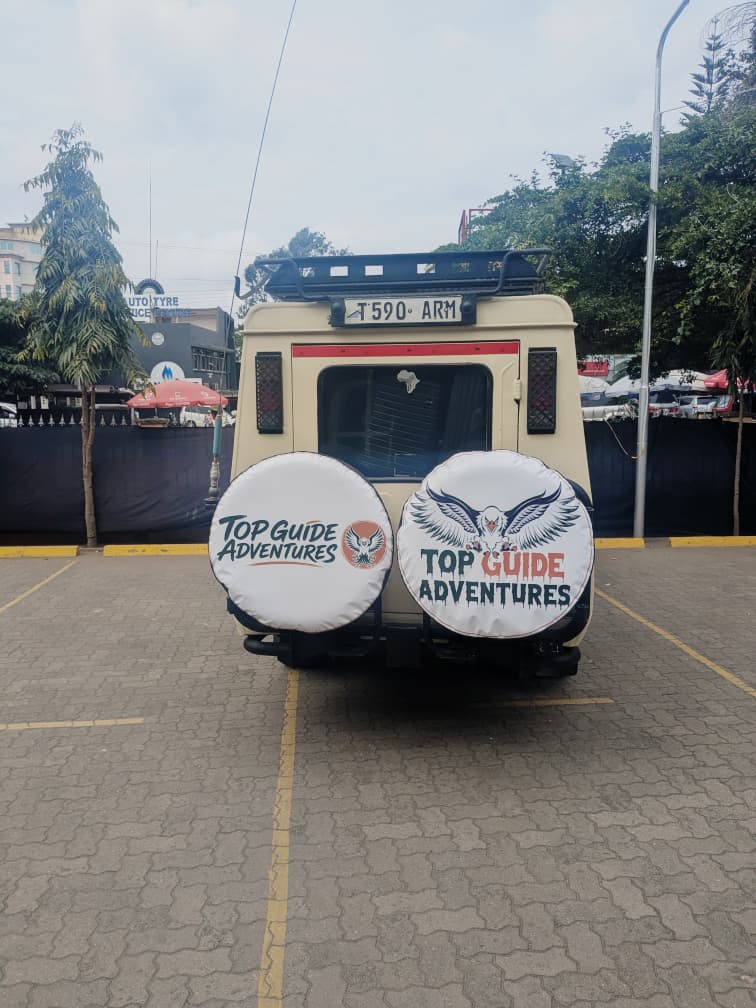
- Private Hire Vehicles: For longer day trips or excursions to surrounding areas, hiring a private car with a driver is recommended. This offers comfort, flexibility, and the expertise of a local guide. Top Guide Adventures can arrange such transport for a smooth experience.
- Walking: The central parts of Shinyanga town are walkable, allowing visitors to explore local markets and street life at their own pace.
Accommodation in Shinyanga
Shinyanga offers a range of accommodation options, primarily catering to business travelers and locals, but increasingly accommodating tourists seeking authentic experiences.
- Budget Guesthouses: Basic but clean guesthouses are available, offering simple rooms for travelers on a tighter budget.
- Mid-Range Hotels: Several hotels provide more amenities, such as private bathrooms, air conditioning, and sometimes on-site restaurants. These offer a comfortable stay for most travelers.
- Higher-End Options: While not on the scale of luxury lodges found in national parks, a few establishments aim for a higher standard, providing better service and facilities.
Booking in advance is always a good idea, particularly if your travel dates fall within peak seasons or during local events in 2026 or 2027.
Planning Your Visit: Best Time to Travel and What to Pack
The climate in Shinyanga is tropical, with distinct wet and dry seasons. Understanding these patterns is key to planning a comfortable visit.
Climate and Best Travel Times
- Dry Season (June to October): This period generally offers the most pleasant weather, with sunny days and cooler evenings. It’s ideal for exploring the town and surrounding areas without the disruption of heavy rains. This is often considered a prime time for travel across Tanzania.
- Short Rains (November to December): Expect occasional showers, which can bring a welcome freshness to the landscape.
- Long Rains (January to May): This is the wet season, with the heaviest rainfall typically occurring between March and May. While travel is still possible, roads can become challenging, and some outdoor activities might be limited. However, the landscape is lush and green, and tourist numbers are lower.
For travelers in 2026-2027, the dry season from June to October generally provides the most predictable and comfortable conditions for exploring Shinyanga and its environs.
What to Pack for Shinyanga
Packing for Shinyanga requires a balance between comfort in a warm climate and preparedness for various activities.
- Lightweight Clothing: Cotton or linen clothing is ideal for the heat. Long-sleeved shirts and trousers are useful for sun protection and to ward off insects, especially in the evenings.
- Rain Gear: Even in the dry season, occasional showers can occur. A light, waterproof jacket or poncho is advisable.
- Comfortable Walking Shoes: Essential for exploring markets, villages, and any walking tours.
- Sun Protection: A wide-brimmed hat, sunglasses, and high-SPF sunscreen are crucial.
- Insect Repellent: Particularly important for evenings and if you plan to visit areas near water.
- Basic First-Aid Kit: Including any personal medications, antiseptic wipes, and pain relievers.
- Camera and Power Bank: To capture the sights and ensure your devices stay charged.
- Adapter: Tanzania uses Type D and Type G electrical plugs (230V).
- A respectful attitude: Essential when interacting with local communities and observing cultural practices.
Beyond the Town: Day Trips and Excursions
Shinyanga’s true potential for tourism lies in the excursions that can be arranged from the town. These trips offer a deeper connection with the region’s natural and cultural landscape.
Exploring Local Villages and Markets
Visiting local villages near Shinyanga provides an authentic glimpse into rural Tanzanian life. Interacting with residents, understanding their agricultural practices, and observing daily routines can be incredibly rewarding. The bustling markets are a sensory explosion of sights, sounds, and smells, offering opportunities to purchase local crafts, fresh produce, and interact with vendors. These experiences are best facilitated by local guides who can bridge language barriers and ensure respectful interactions.
Nature and Wildlife Encounters (Limited but Possible)
While Shinyanga is not a primary wildlife destination, the surrounding areas do support diverse flora and fauna. Birdwatching opportunities exist, especially near water sources and on the outskirts of town. For those seeking more significant wildlife experiences, combining a visit to Shinyanga with a trip to nearby game reserves or parks would be necessary. However, even within the region, exploring the natural landscape can offer pleasant surprises.
Cultural Immersion Experiences
For travelers interested in the Sukuma people, arranging visits that focus on cultural understanding is key. This might include:
- Learning about traditional farming methods.
- Observing local craftspeople at work.
- Understanding social structures and community life.
- Experiencing local cuisine.
These experiences are most impactful when guided by individuals who have deep connections within the community, ensuring that the interactions are authentic and mutually beneficial.
Why Choose Shinyanga for Your 2026-2027 Tanzanian Adventure?
In an era where travelers increasingly seek authentic, less-commercialized destinations, Shinyanga presents a compelling case for inclusion in a Tanzanian itinerary.
- Authenticity: It offers a genuine slice of Tanzanian life, away from the mass tourism circuits.
- Cultural Depth: It’s the heartland of the Sukuma people, offering rich cultural insights.
- Off-the-Beaten-Path Appeal: For travelers wanting to explore beyond the usual, Shinyanga provides a unique perspective.
- Gateway Potential: It can serve as a starting point or a stopover for more extensive overland journeys within Tanzania.
- Growing Interest: As travelers seek diverse experiences, destinations like Shinyanga are poised for increased appreciation in 2026 and 2027.
Crafting Your Shinyanga Itinerary with Top Guide Adventures
Integrating Shinyanga into a broader Tanzanian tour requires careful planning. Top Guide Adventures specializes in creating custom itineraries that blend cultural immersion, authentic experiences, and smooth travel logistics. Whether you’re looking to:
- Combine Shinyanga’s cultural richness with a safari in the Serengeti or a trek up Kilimanjaro,
- Explore the shores of Lake Victoria,
- Or simply experience a different facet of Tanzania beyond the typical tourist trail,
we can help design a memorable journey for your 2026-2027 adventure.
Our team understands the nuances of travel in Tanzania, including the specific opportunities and considerations for regions like Shinyanga. We can arrange:
- Private guided tours focusing on Sukuma culture.
- Day trips to local villages, markets, and points of interest.
- Transportation, including airport transfers and inter-city travel.
- Accommodation bookings tailored to your preferences and budget.
- Integration with other popular Tanzanian destinations like national parks and Zanzibar.
We pride ourselves on creating personalized travel experiences that go beyond the ordinary. Let us help you discover the authentic heart of Tanzania. For inquiries or to start planning your custom trip for 2026 or 2027, please reach out to us. You can contact us via WhatsApp at +255616946642, or email us at topguideadventures@gmail.com or info@topguideadventures.com. We look forward to helping you create an unforgettable Tanzanian adventure.
Check Availability for Shinyanga, Tanzania: Your Essential Travel Guide For 2026-2027
Ready to compare dates, prices, and the best option for your group? Send the package name and travel month so the team can reply with a clear quote, availability, and what is included.
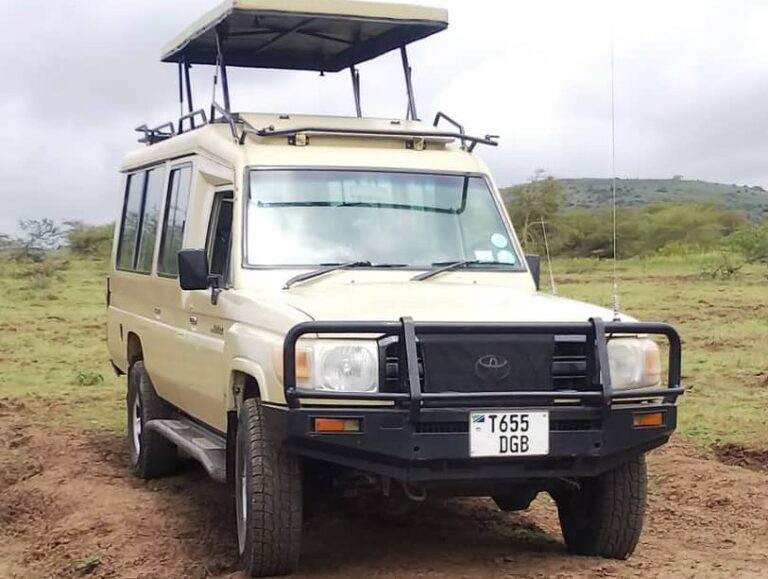 Ac Shinyanga, Simiyu, And Geita Safari Packages: Your Ultimate NorthernExplore bespoke safari packages for AC Shinyanga, Simiyu, and Geita regions in Tanzania, offering a unique blend of wildlife encounters…View package
 Musoma Lakeside Photography Tour: Capturing Tanzanias Hidden Gems 2026-2027Discover the unparalleled beauty and vibrant culture of Musoma through the lens. Our Musoma Lakeside Photography Tour offers an immersive…View package
 Lake Victoria Cultural Homestay: Authentic Experiences In Tanzania 2026-2027Immerse yourself in the vibrant heart of Tanzania with a Lake Victoria cultural homestay. This unique travel experience offers an unparalleled…View package
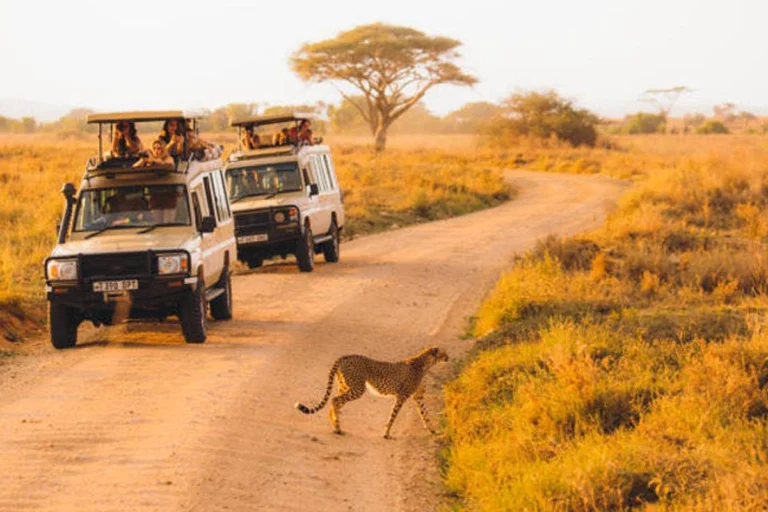 Mara Region Birdwatching Expedition: Your Ultimate Guide For 2026-2027start an unforgettable Mara Region birdwatching expedition, exploring Tanzania's rich avian biodiversity. This guide covers the best times…View package
 2-Day Mara Bay Boat Adventure: Your Ultimate Tanzania Coastal Escape 2026-2027Experience the magic of the Tanzanian coast with our exclusive 2-Day Mara Bay Boat Adventure. This curated itinerary offers a perfect blend of…View package
 Lake Victoria Islands And Villages: A Guide To Life On East Africas GreatDiscover the captivating world of Lake Victoria's islands and villages. This guide explores the unique cultures, vibrant fishing communities…View package
 Mara Region Cultural And Wildlife Tour: Your Ultimate Tanzania AdventureA Mara Region Cultural and Wildlife Tour offers an unparalleled journey into the heart of Tanzania's most iconic landscapes and vibrant…View package
 4-Day Mara River Migration Safari From Musoma: Witness The Great 2026-2027Discover the ultimate wildlife spectacle with a 4-day safari from Musoma, Tanzania, designed to immerse you in the heart of the Great Migration…View package


