

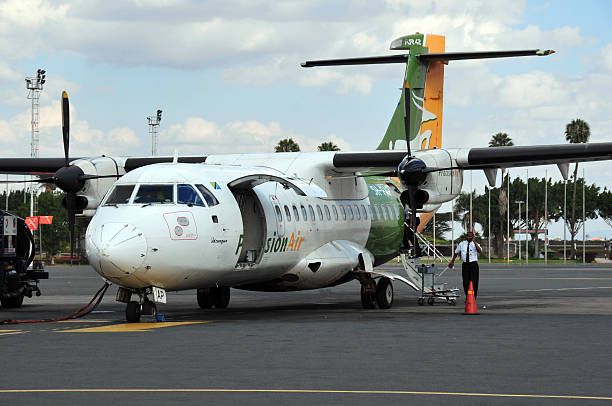
A Lake Victoria cultural homestay in Tanzania provides an intimate and authentic way to experience the daily life, traditions, and community spirit of the people living around Africa’s largest freshwater lake, offering direct interaction with local families and insights into their unique way of living, which is increasingly sought after for travel in 2026 and 2027.
Understanding the Essence of a Lake Victoria Cultural Homestay
Choosing a Lake Victoria cultural homestay is more than just a place to sleep; it’s a deliberate decision to engage deeply with a destination. Unlike conventional tourism, which often keeps visitors at a distance, a homestay invites you into the heart of a community. Around Lake Victoria, this means stepping into the rhythm of life dictated by the lake’s bounty, the fertile surrounding land, and the enduring customs of its people. For travelers planning their adventures for 2026 and 2027, this offers a profound alternative to the more common safari or beach holiday, promising rich personal connections and a genuine understanding of Tanzanian culture.
The allure of Lake Victoria itself is undeniable. It’s a vast, shimmering expanse that shapes the livelihoods and identities of countless communities. From bustling fishing villages where the day’s catch is a communal event, to agricultural communities cultivating crops on its shores, life here is inextricably linked to the water. A homestay allows you to witness this connection firsthand, participating in activities that have been practiced for generations. Whether it’s joining fishermen on their morning excursions, learning traditional farming techniques, or simply sharing meals with your host family, the experience is designed to be immersive and educational.
For many, the primary motivation for seeking out a Lake Victoria cultural homestay is the desire for genuine human connection. In an increasingly globalized world, the opportunity to step outside one’s own cultural bubble and form meaningful relationships with people from different backgrounds is invaluable. Host families open their homes and their lives, sharing their stories, their challenges, and their joys. This exchange fosters mutual respect and understanding, creating memories that often last a lifetime. As travel trends continue to emphasize authentic experiences, homestays around Lake Victoria are poised to become even more popular for discerning travelers in the coming years.
Why Choose Lake Victoria for a Cultural Immersion?
Lake Victoria, spanning Tanzania, Uganda, and Kenya, is a region of immense cultural diversity. Tanzania’s portion of the lake is particularly rich in distinct ethnic groups, each with its own unique traditions, languages, and ways of life. The most prominent among these are the Luo, Sukuma, and Nyamwezi peoples, though many other smaller communities also thrive along its shores. Each group has developed a symbiotic relationship with the lake, influencing their social structures, economic activities, and artistic expressions.
The cultural mix of the Lake Victoria region is woven from threads of ancient traditions and contemporary adaptations. The fishing industry, for instance, is not merely an economic activity but a social institution. The communal nature of preparing and selling fish, the rituals surrounding boat building, and the folklore associated with the lake all contribute to a vibrant cultural identity. Similarly, agriculture plays a vital role, with communities cultivating crops like maize, cassava, beans, and plantains, often using methods passed down through generations. The rhythms of planting, harvesting, and market days are central to the social calendar.
Beyond daily life, the region boasts a rich artistic heritage. Traditional music, dance, and storytelling are integral to celebrations and social gatherings. Intricate wood carvings, beadwork, and pottery are not just crafts but often carry symbolic meanings and are used in ceremonies and daily life. A homestay provides a unique window into these artistic expressions, allowing guests to witness performances, perhaps even try their hand at a craft, and gain an appreciation for the cultural significance behind them.
For travelers looking ahead to 2026-2027, the Lake Victoria region offers an accessible yet profoundly different cultural experience compared to the more frequented northern tourist circuit of Tanzania. It provides an opportunity to explore a less-visited part of the country, interact with communities that are less accustomed to mass tourism, and gain a more nuanced understanding of Tanzanian life. The sheer scale of the lake also offers diverse landscapes, from sandy shores and rocky outcrops to lush agricultural plains, each supporting distinct communities and ways of life.
The Homestay Experience: What to Expect
A cultural homestay around Lake Victoria is designed to be a deeply personal experience. While specific arrangements can vary, the core principle remains consistent: living with a local family in their home, sharing their meals, and participating in their daily routines. This is not a hotel; it’s an invitation into someone’s life. Expect simple, clean accommodations, often within the family compound. Amenities might be basic, with shared bathrooms and limited electricity in some areas, but the warmth of the welcome and the richness of the experience far outweigh any perceived lack of luxury.
Your days will likely be structured around the natural flow of family life. Mornings might begin early with household chores, preparing food, or heading out to work in the fields or on the lake. You’ll have opportunities to learn about local cuisine, perhaps helping to prepare meals using fresh, locally sourced ingredients. Participating in cooking is a fantastic way to connect with your hosts and understand the staple foods and flavors of the region.
Activities are typically hands-on and can be tailored to your interests and the family’s capabilities. This could include:
- Fishing Expeditions: Accompanying local fishermen on their traditional wooden boats, learning their techniques, and understanding the challenges and rewards of life on the water.
- Agricultural Involvement: Helping with tasks such as planting, weeding, harvesting crops, or tending to livestock, depending on the season and the family’s livelihood.
- Community Visits: Exploring local markets, schools, or community projects, gaining insight into the broader social fabric.
- Craft Workshops: Learning traditional crafts like basket weaving, pottery, or wood carving from skilled artisans within the community.
- Cultural Exchange: Engaging in conversations with family members, learning basic Swahili or local dialect phrases, and sharing stories about your own culture.
- Traditional Music and Dance: Witnessing or even participating in local music and dance performances, which are often integral to celebrations and social life.
Evenings are often a time for communal gathering. Sharing dinner, discussing the day’s events, and perhaps listening to traditional stories or music provide a perfect end to the day. It’s in these moments of shared experience that the true essence of a homestay unfolds, fostering bonds that transcend cultural differences.
It’s important to approach the homestay with an open mind and a spirit of respect. Understanding that you are a guest in someone’s home is paramount. Be mindful of local customs, dress modestly, and always ask permission before taking photographs of people. Your hosts will likely be eager to share their lives, but it’s equally important to be a good listener and show genuine interest in their world.
Choosing the Right Location Around Lake Victoria
Tanzania’s coastline along Lake Victoria is extensive, offering a variety of settings for a cultural homestay. The choice of location can significantly influence the type of experience you have, from bustling fishing towns to quieter agricultural villages. Understanding these nuances helps in selecting the perfect spot for your 2026-2027 travel plans.
Busega District (Near Mwanza)
The areas surrounding Mwanza, Tanzania’s second-largest city and a major port on Lake Victoria, offer a blend of accessibility and authentic experiences. The Busega District, for example, provides opportunities to stay in villages that are still deeply connected to traditional fishing and farming practices, yet are within reach of Mwanza’s amenities. Here, you might find homestays offering insights into the Sukuma culture, known for its vibrant traditional dance and music.
Ukerewe Island
As the largest island in Lake Victoria, Ukerewe is a world unto itself. It’s a place where time seems to move at a different pace. The island is home to the Wakerewe people, who have their own distinct dialect and traditions. A homestay here offers a chance to disconnect from the mainland hustle and immerse yourself in a unique island culture. Activities might include exploring ancient rock paintings, learning about traditional boat building, and understanding the island’s agricultural practices, which are often focused on subsistence farming.
Biharamulo District
Located in the southwestern part of the Tanzanian lake shore, Biharamulo offers a more remote and rugged experience. This area is less frequented by tourists, meaning homestays here can provide an even more profound sense of cultural immersion. The communities here are often involved in fishing and small-scale agriculture. The landscape is characterized by rolling hills and fertile plains, offering beautiful scenery alongside cultural exploration.
Speke Gulf Area (near Bunda)
The Speke Gulf, an inlet of Lake Victoria, is an area known for its significant fishing communities. Staying in villages along this gulf can offer a direct look into the daily operations of the fishing industry, from the early morning catches to the bustling local markets where fish is sold. It’s also an area where you might encounter communities with strong traditions of storytelling and oral history.
When selecting a location, consider what aspects of local life interest you most. Are you drawn to the vibrant energy of a large fishing port, the serene pace of an island community, or the quiet rhythms of a rural agricultural village? Top Guide Adventures can help you pinpoint the ideal setting based on your preferences for your 2026 or 2027 trip.
Cultural Etiquette and Respectful Travel
Participating in a Lake Victoria cultural homestay is a privilege that comes with the responsibility of respecting local customs and traditions. Understanding and adhering to local etiquette is crucial for a positive experience for both you and your hosts. This is especially important as you plan for trips in 2026 and 2027, when responsible tourism practices are increasingly emphasized.
- Greetings: A polite greeting is always appreciated. Learn a few basic Swahili phrases like “Jambo” (Hello) or “Habari?” (How are you?). It’s customary to greet elders first.
- Dress Code: While you are a guest, it’s advisable to dress modestly, especially when in villages or interacting with elders. This means covering your shoulders and knees. Loose-fitting, light clothing is practical for the climate and respectful.
- Asking Permission: Always ask for permission before taking photographs of people, their homes, or their belongings. Many people may feel uncomfortable being photographed without their consent.
- Gift-Giving: Small, practical gifts are often appreciated, but not expected. Items like school supplies for children, basic medical supplies, or useful household items can be appropriate. Avoid giving sweets to children as it can lead to dental problems. It’s best to consult with your tour operator about suitable gifts.
- Eating: If invited to share a meal, accept graciously. Eat with your right hand, as the left hand is traditionally considered unclean. If you have dietary restrictions, inform your hosts in advance if possible, or politely decline if necessary.
- Respect for Elders and Authority: Show deference to elders and community leaders. Listen attentively when they speak and avoid interrupting.
- Hygiene: Maintain good personal hygiene. Wash your hands before eating and after using the toilet. Be mindful of water usage, as it can be a scarce resource in some areas.
- Patience and Flexibility: Life in rural areas often moves at a different pace. Be patient, flexible, and understanding. Things may not always happen according to a strict schedule.
- Learning: Show genuine interest in learning about your hosts’ culture, traditions, and daily life. Ask thoughtful questions and listen actively.
By demonstrating respect and a willingness to learn, you will foster a more meaningful connection with your hosts and contribute positively to the community. Your interactions will be more rewarding, and you’ll gain a deeper appreciation for the local way of life.
Activities and Experiences to Enhance Your Homestay
To make the most of your Lake Victoria cultural homestay, consider incorporating a variety of activities that offer deeper insight into the region’s culture and natural beauty. These experiences, planned for your 2026-2027 travels, can transform a good trip into an unforgettable one.
The Art of Fishing on Lake Victoria
Fishing is the lifeblood of many communities around Lake Victoria. Participating in a fishing excursion is a quintessential experience. You might wake before dawn to join local fishermen on their traditional wooden canoes. Learning about their techniques, the types of fish they target (such as tilapia and Nile perch), and the challenges they face – from changing weather patterns to sustainable fishing practices – offers a profound understanding of their livelihood. Even if you don’t actively fish, observing the dawn light on the vast lake and the synchronized efforts of the fishermen is a captivating spectacle.
Exploring Local Markets
Local markets are vibrant hubs of activity and essential to community life. Visiting a bustling market, perhaps on a designated market day, provides a sensory feast. You’ll see a colorful array of fresh produce, fish, local crafts, clothing, and household goods. It’s an excellent place to observe local interactions, practice your bargaining skills (politely, of course), and sample local snacks. Markets are also social gathering places where news and stories are exchanged.
Agricultural Immersion
Much of the land surrounding Lake Victoria is fertile and supports diverse agricultural practices. Depending on the season and the specific community, you might have the opportunity to participate in farming activities. This could involve helping to plant crops like maize, beans, or cassava, assisting with harvesting, or learning about traditional farming methods that have been used for generations. Understanding the agricultural cycle provides insight into the community’s self-sufficiency and connection to the land.
Traditional Music and Dance
The Lake Victoria region is rich in cultural expression, with music and dance playing a significant role. Many communities have distinct traditional dances and songs that are performed during celebrations, ceremonies, or simply for social enjoyment. If possible, arrange to witness a performance or even join in. This is a joyous way to connect with the local culture and experience the community’s vibrant spirit firsthand.
Storytelling and Oral Traditions
Before the widespread adoption of writing, oral traditions were the primary means of passing down history, values, and knowledge. Many elders in the Lake Victoria communities are repositories of these stories. Engaging with them, perhaps through your host family, and listening to traditional tales, myths, and legends can be a deeply enriching experience, offering a unique perspective on the community’s past and cultural identity.
Craft Workshops
Local artisans often possess skills passed down through families. Inquire about opportunities to learn a traditional craft. This might include basket weaving using local grasses, pottery making using clay from the lake shores, or wood carving. Even a short workshop can provide a hands-on appreciation for the artistry and skill involved in these traditional crafts.
Village Walks and Nature Exploration
Simply taking a guided walk through the village and its surroundings can be incredibly revealing. Your host family or a local guide can point out significant landmarks, explain the function of different buildings, and identify local flora and fauna. Exploring the natural beauty of the lake’s shores, nearby hills, or agricultural landscapes offers a chance to appreciate the environment that sustains these communities.
By blending these activities with the core homestay experience, your trip to Lake Victoria in 2026-2027 will be a rich mix of cultural immersion, personal connection, and memorable discovery.
Logistics and Planning Your Homestay
Planning a Lake Victoria cultural homestay requires careful consideration of logistics to ensure a smooth and enriching experience. For trips planned for 2026 and 2027, early booking is advisable, especially if you have specific preferences or travel during peak seasons.
Booking Your Homestay
The most reliable way to arrange a cultural homestay is through a reputable tour operator specializing in Tanzanian travel. Companies like Top Guide Adventures have established relationships with local communities and families, ensuring that your stay is well-organized, respectful, and beneficial to both you and the hosts. They can handle accommodation, activities, and local transportation, providing a layer of security and support.
When booking, be clear about your expectations. Do you prefer a bustling fishing village or a quiet agricultural setting? Are you interested in specific activities like fishing, farming, or crafts? Communicating these preferences helps the operator match you with the most suitable homestay. It’s essential to book well in advance, ideally 3-6 months prior to your travel dates in 2026-2027, to secure your preferred location and dates.
Travel to Lake Victoria
The primary gateway to the Tanzanian side of Lake Victoria is Mwanza. You can reach Mwanza by:
- Flying: There are regular domestic flights from Dar es Salaam and Kilimanjaro International Airport (JRO) to Mwanza Airport (MWZ). This is the quickest and most convenient option.
- Driving: While possible, driving from major hubs like Arusha or Dar es Salaam can be a long journey, often taking a full day or more. This might be an option if you are combining your homestay with a longer overland safari.
Once you arrive in Mwanza or your chosen starting point, local transportation will be arranged by your tour operator. This might involve private vehicles, local taxis (dala-dalas for shorter distances within towns), or boats for reaching island locations like Ukerewe.
Accommodation and Facilities
As mentioned, homestay accommodations are typically simple and clean. Expect basic amenities. Electricity can be intermittent in rural areas, so consider bringing a power bank for your devices. Running water may not always be hot, and bathrooms are often shared. Embrace the simplicity; it’s part of the authentic experience. Bedding and mosquito nets are usually provided.
What to Pack
Packing smart is key for comfort and practicality:
- Lightweight, breathable clothing (long sleeves and trousers for sun and insect protection).
- Modest attire for village visits.
- Comfortable walking shoes or sandals.
- A hat and sunglasses.
- Sunscreen and insect repellent.
- A basic first-aid kit.
- Personal toiletries.
- A reusable water bottle and purification tablets or a filter.
- A power bank and universal adapter.
- A headlamp or flashlight.
- Any personal medications.
- A small notebook and pen for journaling or learning phrases.
Health and Safety
Consult your doctor regarding necessary vaccinations and malaria prophylaxis well in advance of your trip. Drink only bottled or purified water. Be aware of your surroundings, especially in busy markets. Your tour operator will provide guidance on safety protocols relevant to the specific areas you visit.
Budget Considerations
The cost of a Lake Victoria cultural homestay can vary depending on the duration, location, and inclusions. Generally, these experiences are more affordable than luxury lodges or high-end safaris. Expect costs to range from approximately $70 to $150 per person per day, covering accommodation, meals, and planned activities. This often represents excellent value, as it directly supports local families and communities. Always confirm what is included in your package, such as meals, guided tours, and transportation.
For personalized planning and to secure the best options for your 2026-2027 Lake Victoria cultural homestay, reach out to the experts at Top Guide Adventures. You can contact them via WhatsApp at +255616946642 or email them at topguideadventures@gmail.com.
The Impact of Cultural Homestays on Local Communities
Choosing a Lake Victoria cultural homestay is not just about personal enrichment; it’s also a powerful tool for positive community development. When planned and executed thoughtfully, these experiences provide direct economic benefits to local families and contribute to the preservation of cultural heritage. As travelers become more conscious of their impact, responsible tourism models like homestays are gaining prominence, especially for future travel planning in 2026 and 2027.
Direct Economic Benefits
Homestays offer a direct income stream to families who might otherwise have limited opportunities. By paying for accommodation and meals, travelers contribute directly to the household economy. This income can be used for education, healthcare, home improvements, and starting small businesses, thereby improving the overall quality of life within the community. Furthermore, when tours involve local guides, craftspeople, or transportation providers, the economic benefits are spread more widely.
Cultural Preservation
When communities see tangible benefits from sharing their culture, they are more motivated to preserve their traditions, languages, and customs. Tourists interested in homestays are often seeking authentic experiences, which encourages hosts to maintain their cultural practices. This can help counteract the homogenizing effects of globalization and ensure that unique cultural heritage is passed down to future generations. The value placed on traditional skills, music, dance, and storytelling increases, fostering a sense of pride and cultural continuity.
Empowerment and Education
Homestays can empower both hosts and guests. Hosts gain confidence and skills in communication, hospitality, and potentially entrepreneurship. They learn about different cultures and perspectives, broadening their own horizons. For guests, the experience is inherently educational, offering profound insights into different ways of life, challenges, and values. This mutual exchange fosters greater understanding and breaks down stereotypes.
Sustainable Tourism Practices
Cultural homestays, by their nature, tend to be more sustainable than large-scale tourism operations. They typically have a lower environmental footprint, utilizing local resources and minimizing waste. They also promote a slower, more mindful approach to travel, encouraging guests to appreciate their surroundings and engage respectfully with the local environment and culture.
Challenges and Mitigation
While the benefits are significant, it’s important to acknowledge potential challenges. There’s a risk of cultural commodification, where traditions are performed solely for tourists rather than being integral parts of community life. Exploitation can also be an issue if agreements are not fair. Reputable tour operators play a crucial role in mitigating these risks by:
- Ensuring Fair Compensation: Establishing clear and fair payment structures for host families.
- Setting Realistic Expectations: Educating guests on cultural etiquette and the realities of rural life.
- Respecting Privacy: Ensuring that guests understand the importance of respecting the family’s privacy and daily routines.
- Community Involvement: Working closely with community leaders to ensure that tourism initiatives are supported and beneficial to the wider community.
By choosing a well-organized homestay through a responsible operator like Top Guide Adventures, travelers can be confident that their visit contributes positively to the communities around Lake Victoria, making their 2026-2027 journeys both personally rewarding and socially conscious.
Planning Your 2026-2027 Lake Victoria Adventure
As you look towards planning your travels for 2026 and 2027, a Lake Victoria cultural homestay stands out as a unique and deeply rewarding experience. It offers a chance to connect with Tanzania on a personal level, moving beyond the typical tourist trails to engage with the heart and soul of the country.
Imagine waking to the gentle lapping of waves on Africa’s largest lake, sharing breakfast with a local family, and then spending your day learning about traditional fishing methods, exploring vibrant local markets, or helping in the fields. Picture yourself listening to ancient stories under a starlit sky, or perhaps learning the rhythm of a traditional dance. These are the moments that define a truly immersive cultural homestay.
Top Guide Adventures specializes in crafting these authentic experiences. With their deep knowledge of Tanzania and strong connections within local communities, they can design a homestay itinerary that aligns perfectly with your interests and expectations. Whether you dream of the bustling energy of Mwanza’s shores or the tranquil isolation of Ukerewe Island, they can guide you to the perfect setting.
To start planning your unforgettable Lake Victoria cultural homestay for 2026 or 2027, get in touch with the experts today. You can reach them easily via:
- WhatsApp: +255616946642
- Email: topguideadventures@gmail.com
- Backup Email: info@topguideadventures.com
Let Top Guide Adventures help you craft a journey that goes beyond sightseeing, offering genuine connection, cultural understanding, and memories to last a lifetime. Your authentic Tanzanian adventure awaits on the shores of Lake Victoria.
Check Availability for Lake Victoria Cultural Homestay: Authentic Experiences In Tanzania 2026-2027
Ready to compare dates, prices, and the best option for your group? Send the package name and travel month so the team can reply with a clear quote, availability, and what is included.
 Lake Victoria Islands And Villages: A Guide To Life On East Africas GreatDiscover the captivating world of Lake Victoria's islands and villages. This guide explores the unique cultures, vibrant fishing communities…View package
 Butiama: Exploring The Historical Heart Of Tanzanias Lake Victoria RegionExplore Butiama, a culturally and historically rich region on the shores of Lake Victoria in Tanzania. Learn about its significance…View package
 Musoma Local Food Experience: A Culinary Journey Through Lake Victorias BountyDiscover the vibrant flavors of Musoma, Tanzania, with a deep look at its unique local food scene. From fresh Nile Perch straight from Lake…View package
 Musoma Sunset Boat Cruise: Experience Lake Victorias Golden Hour 2026-2027Experience the spectacular beauty of Lake Victoria with a Musoma sunset boat cruise. This guide explores what makes this experience unique, from…View package2-Day Musoma Culture And Lake Victoria Package: An Immersive TanzanianA detailed 2026-2027 guide to 2-Day Musoma Culture and Lake Package, with clear planning and booking information for travelers.View package
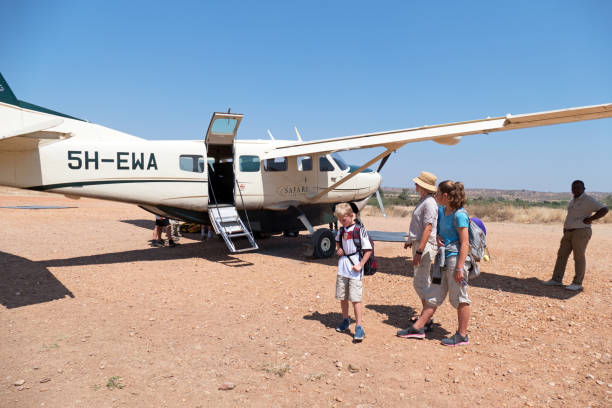 Mara Region Cultural And Wildlife Tour: Your Ultimate Tanzania AdventureA Mara Region Cultural and Wildlife Tour offers an unparalleled journey into the heart of Tanzania's most iconic landscapes and vibrant…View package
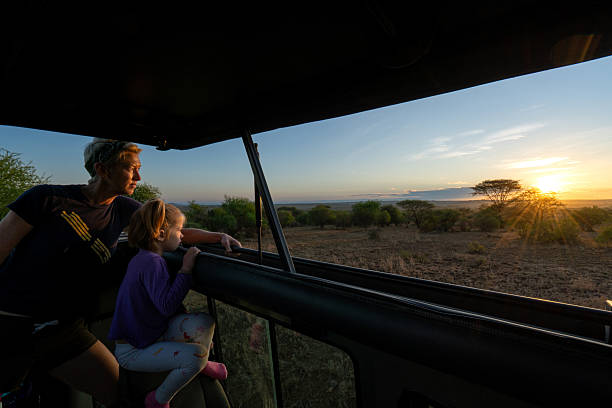 Butiama Village Cultural Tour: An Immersive Experience In Tanzanian HeritageA Butiama Village Cultural Tour offers a profound journey into the heart of Tanzanian heritage, specifically focusing on the rich history and…View package
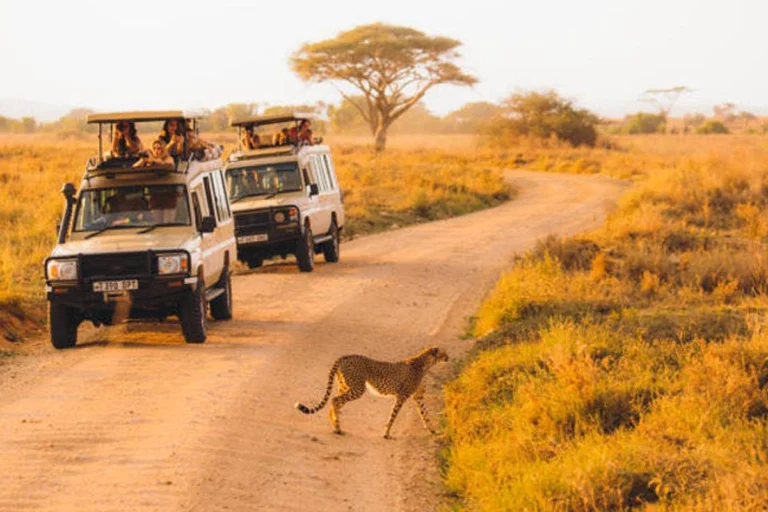 Mara Region Birdwatching Expedition: Your Ultimate Guide For 2026-2027start an unforgettable Mara Region birdwatching expedition, exploring Tanzania's rich avian biodiversity. This guide covers the best times…View package


