
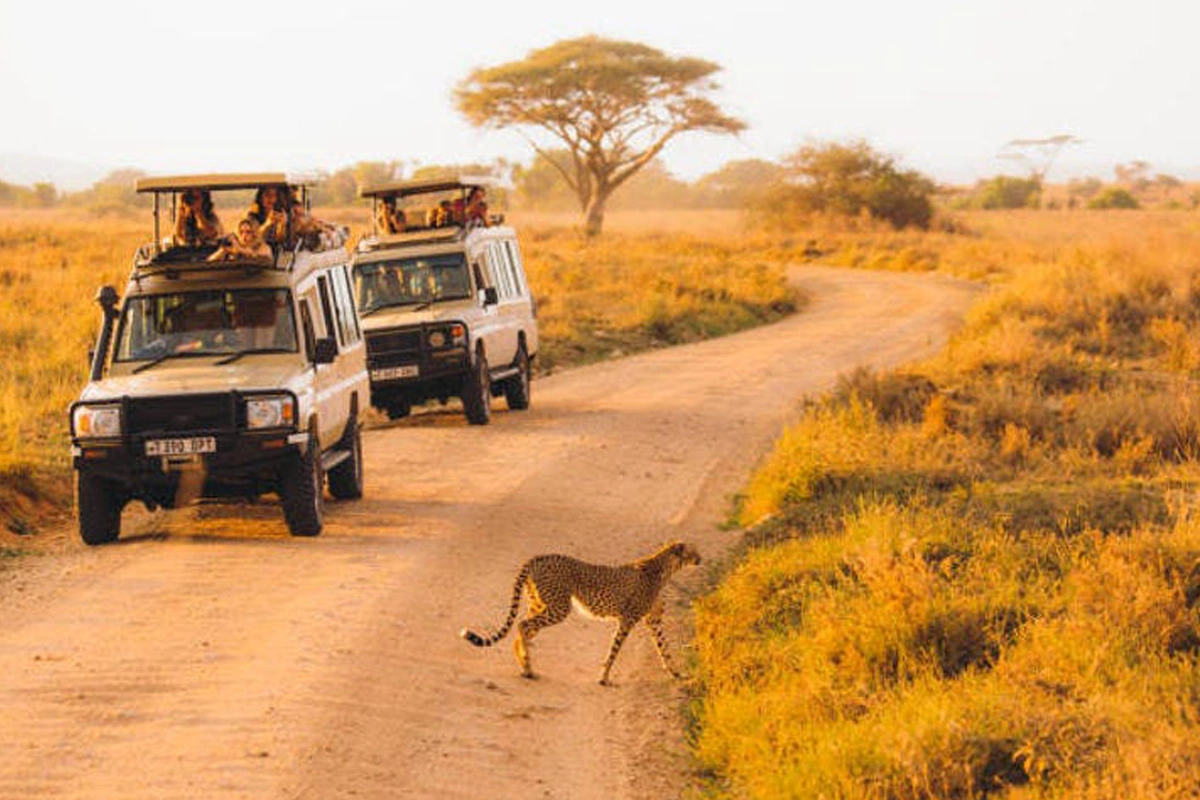

A Mara Region birdwatching expedition in Tanzania offers unparalleled opportunities to witness a spectacular diversity of avian life, particularly within the Serengeti ecosystem and its surrounding areas, with the best viewing seasons typically aligning with the dry months from June to October and again from December to February, though resident species are visible year-round. Planning a trip for 2026-2027 involves selecting key birding hotspots like the Grumeti River, Lake Natron, and the Loliondo Game Controlled Area, arranging specialized guides, and understanding the migratory patterns and endemic species that make this region a world-class birding destination.
Discovering Avian Wonders: Your Mara Region Birdwatching Expedition
The Mara Region, a jewel in Tanzania’s crown, is synonymous with the vast Serengeti plains, the Great Migration, and iconic predators. Yet, for the discerning traveler, it also represents one of Africa’s most compelling birdwatching frontiers. Beyond the big game, a vibrant world of feathers, songs, and intricate behaviors awaits. A dedicated Mara Region birdwatching expedition is not merely an add-on to a safari; it is a profound journey into the heart of Tanzania’s rich biodiversity, focusing on the feathered inhabitants that paint the skies and landscapes with their presence. From the majestic Ruppell’s Griffon Vulture soaring on thermals to the diminutive African Firefinch flitting through acacia branches, the sheer variety is astounding. For those planning their adventure in the 2026-2027 travel seasons, understanding the nuances of this region’s ornithological treasures is key to a successful and deeply rewarding experience.
This comprehensive guide is crafted by Top Guide Adventures, your trusted partner for bespoke Tanzanian travel. We aim to equip you with all the essential information to plan and execute an exceptional Mara Region birdwatching expedition, ensuring you don’t miss a single flutter or call of the incredible birdlife that calls this area home. We’ll explore the prime locations, the best times to visit, the must-see species, essential gear, and how to tailor your trip for maximum avian encounters.
Why Choose the Mara Region for Birdwatching?
The Mara Region’s appeal for birdwatchers is multi-faceted. It’s a critical component of the larger Serengeti-Mara ecosystem, a UNESCO World Heritage Site renowned for its ecological significance. This vast expanse of savannah, woodlands, riverine forests, and wetlands provides a mosaic of habitats, each supporting a unique assemblage of bird species.
- Habitat Diversity: From the open grasslands favored by larks and pipits to the dense riverine forests hosting forest birds, and the seasonal swamps attracting waterbirds, the region offers a spectrum of environments.
- Endemic and Rare Species: While many species are widespread across Africa, the Mara Region is home to several species that are either endemic to East Africa or rare elsewhere, making sightings particularly special.
- The Great Migration Link: While primarily a phenomenon of large mammals, the migration also influences birdlife, bringing raptors and scavenger species in large numbers, and affecting insectivorous and seed-eating birds.
- Accessibility and Infrastructure: Partnering with experienced operators like Top Guide Adventures ensures access to well-located lodges, camps, and knowledgeable guides who can navigate the best birding spots efficiently.
Understanding the Avian Calendar: Best Times for Your Expedition
Birdwatching is a year-round activity, but timing can significantly enhance your experience. The Mara Region experiences distinct wet and dry seasons, each with its own advantages for spotting different bird species.
The Dry Seasons (June – October & December – February)
These periods are often considered prime time for birdwatching in the Mara Region for several reasons:
- Concentration at Water Sources: As water becomes scarce, birds congregate around permanent waterholes and rivers, making them easier to locate and observe.
- Visibility: The vegetation is less dense during the dry season, offering clearer lines of sight for spotting birds, especially larger species and raptors.
- Raptor Activity: Many raptors, including migratory species from Europe and Asia, are present during these months, adding to the excitement.
- Breeding Plumage: While breeding is more pronounced in the wet season, many species maintain vibrant plumage throughout the year.
Specifically for 2026-2027, these dry months promise excellent conditions. The period from June to October 2026 is particularly renowned for its pleasant weather and abundant wildlife, including birds. Similarly, December 2026 to February 2027 offers another excellent window, coinciding with warmer temperatures and specific breeding behaviors for some species.
The Wet Seasons (March – May & November)
While often associated with rain, the wet seasons also present unique birding opportunities:
- Breeding Season: Many species are in full breeding plumage and actively nesting during the rains. This is the best time to observe courtship displays, territorial behaviors, and nesting activities.
- Fledged Young: Seeing adult birds feeding their young is a highlight for many birdwatchers.
- Insect Abundance: The rains trigger insect blooms, attracting insectivorous birds in large numbers.
- Lush Landscapes: The scenery is dramatically transformed with lush green vegetation, though this can sometimes make spotting birds more challenging.
If your expedition is planned for March to May 2027, expect vibrant birdlife engaged in breeding activities, though be prepared for occasional rain showers. November can be a transitional month, often offering good birding before the main rains.
Key Birding Hotspots in the Mara Region
The Mara Region is vast, and pinpointing the best locations is crucial for a successful birdwatching expedition. While the Serengeti National Park itself is a major draw, several specific areas within or adjacent to the Mara Region are particularly rich in avian diversity.
Serengeti National Park (Central, Western & Northern Sectors)
The Serengeti is the heart of the ecosystem and offers incredible birding. While often overshadowed by the mammals, its avian residents are spectacular.
- Central Serengeti (Seronera Valley): Known for its resident wildlife year-round, Seronera boasts diverse habitats including riverine forests, open plains, and kopjes. Species to look for include the Secretarybird, various hornbills (Silvery-cheeked, Trumpeter), Fischer’s Lovebird, and numerous raptors.
- Western Serengeti (Grumeti River): Famous for the dramatic river crossings of the Great Migration, the Grumeti River area also supports a rich birdlife. Expect to find waterbirds, kingfishers, and forest-dependent species along the riverbanks.
- Northern Serengeti (Kogatende & Lamai Wedge): This area is central to the Great Migration during the dry season (roughly July to October) and attracts numerous raptors, including different vulture species, eagles, and falcons. It’s also a good place to spot the Ostrich and various grassland birds.
Lake Natron Area
Located to the east of the Serengeti, Lake Natron is a Ramsar site of international importance, particularly for its population of Lesser Flamingos. While not strictly within the Mara administrative region, it’s often included in extended safaris focusing on the wider northern circuit and is easily accessible from areas like Klein’s Camp or Lobo.
- Lesser Flamingos: The lake is a vital breeding ground for these iconic birds, and visiting during breeding periods (which can vary but often occur in the wet season) is a breathtaking experience.
- Waterbirds: Beyond flamingos, the lake and surrounding wetlands attract a wide array of waterbirds, including pelicans, storks, herons, egrets, and waders.
- Desert-adapted Species: The arid surroundings also host specialized species adapted to this harsh environment.
Loliondo Game Controlled Area
Bordering the Serengeti to the east, Loliondo is a less-visited but highly rewarding area for birdwatchers. It offers a different landscape, including more acacia woodlands and hills.
- Woodland Birds: This area excels in woodland species, including various sunbirds, woodpeckers, and barbets.
- Endemic Species: Birders often report sightings of species less common in the core Serengeti, potentially due to habitat variations.
- Less Crowded: For a more exclusive birding experience away from the main tourist routes, Loliondo is an excellent choice.
Masai Mara Buffer Zones and Community Lands
While the name ‘Masai Mara’ might suggest Kenya, the Tanzanian side of the ecosystem, often referred to as the ‘southern Serengeti’ or areas bordering conservancies, also offers superb birding. These areas can provide opportunities for off-road driving and walking safaris (where permitted), enhancing bird spotting.
Must-See Bird Species for Your Expedition
The Mara Region is home to over 500 bird species. While listing them all is impossible, here are some highlights and target species for your Mara Region birdwatching expedition:
Raptors and Scavengers
The open plains and skies are dominated by magnificent birds of prey and their essential cleanup crew. Keep your binoculars ready for:
- Martial Eagle: One of Africa’s largest eagles.
- Verreaux’s Eagle: Often seen in rocky areas.
- Bateleur: Distinctive in flight with its short tail.
- Lappet-faced Vulture: The largest and most powerful vulture.
- Rüppell’s Griffon Vulture: A common sight soaring high.
- Secretarybird: A unique terrestrial bird of prey.
- Osprey: Found near permanent water bodies.
Grassland and Savannah Dwellers
The iconic grasslands are home to a host of specialized birds:
- Ostrich: The world’s largest bird, a common sight.
- Kori Bustard: One of the heaviest flying birds.
- White-bellied Bustard: Another impressive ground bird.
- Temminck’s Courser: Often seen on open ground.
- Larks and Pipits: Numerous species inhabit the plains, requiring careful identification.
- Superb Starling: Known for its striking iridescent plumage and social behavior.
- Red-billed Oxpecker: Often seen perched on large mammals.
Riverine Forest and Woodland Species
The lifeblood of the ecosystem, riverine areas and acacia woodlands teem with different species:
- Silvery-cheeked Hornbill: A large, impressive hornbill.
- Trumpeter Hornbill: Often seen in pairs or small groups.
- Lilac-breasted Roller: A strikingly colorful bird, often perched prominently.
- Malachite Kingfisher: Tiny and vibrant, found near water.
- Giant Kingfisher: The largest kingfisher species.
- Fischer’s Lovebird: A small, colorful parrot.
- Various Sunbirds and Weavers: Adding flashes of color and intricate nests.
- Familiar Chat: A common and often bold robin-chat.
Waterbirds (Lake Natron and River Systems)
For those visiting Lake Natron or other water bodies:
- Lesser Flamingo: The star attraction at Lake Natron.
- Greater Flamingo: Also present, though typically in smaller numbers.
- Great White Pelican: Majestic birds often seen in flocks.
- Various Storks: Marabou, Saddle-billed, and African Open-billed Storks.
- Herons and Egrets: Including Grey Heron, Black-headed Heron, and Cattle Egret.
- African Jacana: Known for walking on lily pads.
Planning Your Mara Region Birdwatching Expedition with Top Guide Adventures
Organizing a specialized birdwatching trip requires more than just booking a standard safari. It involves selecting a tour operator with proven expertise in ornithology and a deep understanding of the Mara Region’s birding potential. Top Guide Adventures is dedicated to crafting personalized experiences for bird enthusiasts.
Customizing Your Itinerary
Your expedition can be tailored to focus intensely on birding, or integrated into a broader wildlife safari. We consider:
- Duration: Longer stays (7-14 days) allow for more in-depth exploration of different habitats and species.
- Pace: A slower pace is essential for birdwatching, allowing time for observation, photography, and quiet tracking.
- Accommodation: We select lodges and tented camps strategically located near prime birding areas, offering comfortable stays without compromising access. Options range from luxurious tented camps to comfortable mid-range lodges.
- Vehicle and Guide: A customized safari vehicle with an open roof is crucial for optimal viewing. Our guides are not just expert drivers but passionate birders themselves, trained to spot, identify, and understand bird behavior.
Specialized Birding Guides
The quality of your guide is paramount. Top Guide Adventures employs guides who possess:
- Extensive Ornithological Knowledge: They can identify birds by sight and sound, understand their habits, and know the best locations and times to find specific species.
- Photography Skills: Many of our guides are adept at positioning the vehicle for optimal photographic opportunities.
- Local Expertise: Their intimate knowledge of the Mara Region ensures efficient use of your time.
Logistics and Travel Planning for 2026-2027
When planning your Mara Region birdwatching expedition for 2026-2027, consider the following:
- Booking Window: For peak seasons (July-October 2026, December 2026-February 2027), we recommend booking at least 9-12 months in advance to secure preferred accommodations and guides. For shoulder seasons or custom dates, 6-9 months is generally sufficient.
- Flights: International flights typically arrive at Kilimanjaro International Airport (JRO) or potentially Nairobi (NBO), followed by a domestic flight to a local airstrip within the Serengeti (e.g., Seronera, Kogatende, Grumeti) or a drive from Arusha. We can assist with coordinating these transfers.
- Visa and Health: Ensure your visa requirements are met well in advance. Consult your doctor regarding necessary vaccinations and malaria prophylaxis.
Essential Gear for Your Birdwatching Expedition
While Top Guide Adventures provides the safari vehicle and expert guidance, bringing the right personal gear will significantly enhance your experience.
Recommended Gear List:
- Binoculars: A good quality pair (e.g., 8×42 or 10×42) is essential. Consider waterproof and fog-proof models.
- Camera: A DSLR or mirrorless camera with a telephoto lens (300mm or longer) is ideal for bird photography. Extra batteries and memory cards are a must.
- Field Guide: A reliable field guide for East African birds (e.g., Birds of East Africa by Terry Stevenson & John Fanshawe) can be invaluable for identification.
- Notebook and Pen: For recording sightings, locations, and behaviors.
- Sun Protection: Wide-brimmed hat, sunglasses, and high SPF sunscreen.
- Insect Repellent: Especially important during dawn and dusk.
- Comfortable Clothing: Neutral-colored, lightweight, and breathable clothing (long sleeves and trousers to protect from sun and insects). Earth tones like khaki, olive, and beige are best.
- Comfortable Walking Shoes: If your itinerary includes any walking safaris.
- Light Jacket or Fleece: Evenings and early mornings can be cool, especially during the dry season.
- Reusable Water Bottle: Stay hydrated.
Ethical Birdwatching Practices
As stewards of the environment, we adhere to strict ethical birdwatching guidelines to minimize our impact on the wildlife and their habitats.
- Maintain a Respectful Distance: Never disturb birds, especially during nesting or feeding. Use binoculars and telephoto lenses to observe them closely without intrusion.
- Avoid Playback: Using recorded bird calls to attract birds can cause stress and disrupt their natural behavior. We strongly discourage this practice.
- Stay on Designated Tracks: When driving, stick to established roads to prevent habitat damage.
- Minimize Noise: Keep conversations low and avoid sudden movements that could startle birds.
- Leave No Trace: Pack out everything you pack in.
Integrating Birding with Other Safari Experiences
While your focus may be avian, a Mara Region birdwatching expedition can seamlessly blend with other classic Tanzanian safari experiences. The same areas that attract birds are also home to the ‘Big Five’ and the spectacular Great Migration.
- Game Drives: Morning and afternoon game drives will still offer opportunities to spot mammals, but with an added layer of bird observation.
- The Great Migration: If visiting during the migration season (roughly July-October in the north), witnessing the river crossings is an unforgettable spectacle, often accompanied by numerous raptors.
- Cultural Visits: If interested, we can arrange respectful visits to local Maasai communities to learn about their traditional way of life, which often coexists closely with the natural environment.
What to Expect: A Day on Your Birdwatching Expedition
A typical day on your Mara Region birdwatching expedition with Top Guide Adventures might look like this:
Example Day Structure:
- Early Morning (approx. 6:00 AM): Wake up to the sounds of birds. Enjoy coffee or tea before heading out for the best birding light and activity.
- Morning Birding Drive (approx. 6:30 AM – 10:30 AM): Explore specific habitats identified by your guide, focusing on spotting target species, observing behavior, and photography.
- Brunch/Breakfast (approx. 10:30 AM): Return to camp or lodge for a hearty meal.
- Midday Rest: Relax during the hottest part of the day, perhaps reviewing your checklist or sorting photos. Some bird species are also active during this time.
- Afternoon Birding Drive (approx. 3:30 PM – 6:30 PM): Head out again as temperatures cool and bird activity increases. This might involve exploring a different area or revisiting a productive spot.
- Evening: Return to camp for dinner, share sightings with your guide, and prepare for the next day.
This flexible schedule ensures you maximize your chances of sightings while also allowing for rest and enjoyment of your surroundings.
The Future of Birdwatching in the Mara Region: 2026-2027 and Beyond
Conservation efforts in Tanzania, particularly within the Serengeti ecosystem, are crucial for maintaining the incredible biodiversity that attracts birdwatchers. As we look towards 2026-2027 and future years, Top Guide Adventures is committed to supporting sustainable tourism practices that benefit both the environment and local communities.
- Conservation Focus: By choosing a responsible tour operator, you contribute to conservation initiatives that protect critical habitats and bird populations.
- Community Engagement: We believe in the importance of involving local communities in conservation efforts, ensuring they benefit from tourism and become active protectors of their natural heritage.
- Evolving Knowledge: Ornithological research continues to uncover new insights into bird behavior, migration patterns, and population dynamics in the Mara Region. We stay updated to provide our clients with the most current information.
### Booking Your Mara Region Birdwatching Expedition
Planning a specialized birdwatching expedition requires attention to detail and expert local knowledge. Top Guide Adventures is uniquely positioned to help you create the birding adventure of a lifetime in the Mara Region for 2026-2027.
We offer bespoke itineraries tailored to your specific interests, whether you’re a seasoned birder aiming for rare species or a nature enthusiast wanting to appreciate the vibrant avian life alongside the iconic mammals. Our team is passionate about Tanzania’s wildlife and dedicated to providing an exceptional, personalized service.
To start planning your unforgettable Mara Region birdwatching expedition, or if you have any questions about itineraries, timing, or specific species, please do not hesitate to contact us.
- WhatsApp: +255616946642
- Email: topguideadventures@gmail.com
- Backup Email: info@topguideadventures.com
Let Top Guide Adventures be your guide to the spectacular world of birds in Tanzania’s magnificent Mara Region. We look forward to helping you create memories that will last a lifetime, from the soaring eagles to the smallest finches, during your 2026-2027 journey.
Check Availability for Mara Region Birdwatching Expedition: Your Ultimate Guide For 2026-2027
Ready to compare dates, prices, and the best option for your group? Send the package name and travel month so the team can reply with a clear quote, availability, and what is included.
 Mara Region Cultural And Wildlife Tour: Your Ultimate Tanzania AdventureA Mara Region Cultural and Wildlife Tour offers an unparalleled journey into the heart of Tanzania's most iconic landscapes and vibrant…View package
 2-Day Mara Bay Boat Adventure: Your Ultimate Tanzania Coastal Escape 2026-2027Experience the magic of the Tanzanian coast with our exclusive 2-Day Mara Bay Boat Adventure. This curated itinerary offers a perfect blend of…View package
 4-Day Mara River Migration Safari From Musoma: Witness The Great 2026-2027Discover the ultimate wildlife spectacle with a 4-day safari from Musoma, Tanzania, designed to immerse you in the heart of the Great Migration…View packageWestern Serengeti And Mara River: The Ultimate Safari Experience In 2026-2027Discover the wild heart of Tanzania in the Western Serengeti and along the iconic Mara River. This region offers a unique safari experience…View package
 Butiama: Exploring The Historical Heart Of Tanzanias Lake Victoria RegionExplore Butiama, a culturally and historically rich region on the shores of Lake Victoria in Tanzania. Learn about its significance…View package
 Musoma Birdwatching Tour: Your Ultimate Guide To Tanzanias Avian Wondersstart an unforgettable Musoma Birdwatching Tour with Top Guide Adventures. This comprehensive guide explores the best locations, species, and…View package
 Lake Victoria Islands And Villages: A Guide To Life On East Africas GreatDiscover the captivating world of Lake Victoria's islands and villages. This guide explores the unique cultures, vibrant fishing communities…View package
 3-Day Western Serengeti Safari From Mwanza: Your Ultimate Itinerary 2026-2027Discover the magic of the Serengeti on a 3-day safari adventure starting from Mwanza. This itinerary focuses on the Western Corridor, offering…View package


