

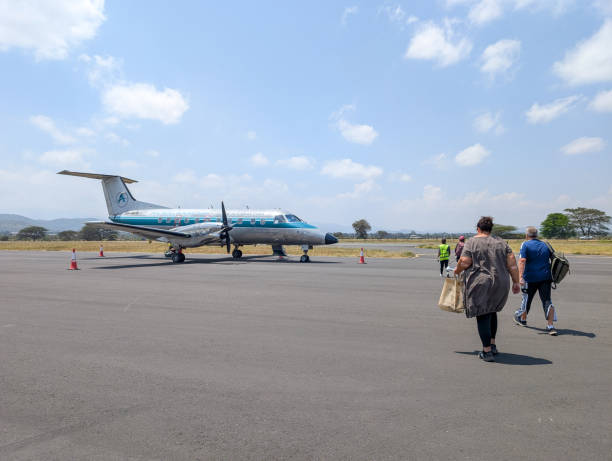
A Lake Natron geological adventure offers an unparalleled journey into one of East Africa’s most geologically active and visually stunning regions, characterized by its highly alkaline soda lake, dramatic volcanic landscapes including the Ol Doinyo Lengai volcano, and unique wildlife adapted to extreme conditions; this type of expedition is ideal for adventurous travelers in 2026-2027 seeking a raw, off-the-beaten-path experience in Tanzania.
Understanding Lake Natron’s Unique Geological Formation
Lake Natron is not merely a body of water; it’s a living testament to Earth’s dynamic geological processes. Its existence is intrinsically linked to the Great Rift Valley, a colossal tectonic feature that stretches thousands of kilometers across Eastern Africa. This vast geological rift is the result of the African tectonic plate pulling apart, creating deep valleys, volcanic activity, and consequently, lakes like Natron.
The lake’s alkalinity stems from the high concentration of dissolved minerals, primarily sodium carbonate and sodium bicarbonate, leached from the surrounding volcanic rocks and transported by rivers and underground springs. These minerals, originating from the volcanic ash and lava flows of the Ngorongoro Highlands and the nearby Ol Doinyo Lengai, accumulate over time, creating the water’s distinctive caustic properties. The high evaporation rates in this arid region further concentrate these minerals, leading to the extreme pH levels that define Lake Natron.
The surrounding landscape is a dramatic display of volcanic origin. Eroded hills, ancient lava flows, and the ever-present silhouette of Ol Doinyo Lengai, the world’s only active volcano erupting natrocarbonatite lava, paint a picture of a land still very much in formation. This geological backdrop is crucial to understanding the entire ecosystem and the adventures it supports.
Ol Doinyo Lengai: The ‘Mountain of God’ and its Natrocarbonatite Eruptions
Dominating the skyline near Lake Natron is Ol Doinyo Lengai, a stratovolcano that stands as a geological marvel. Its name, meaning ‘Mountain of God’ in the Maasai language, reflects its sacred significance to the local people. What makes Ol Doinyo Lengai truly exceptional is its unique and rare type of volcanic eruption. Unlike most volcanoes that spew silica-rich lava, Ol Doinyo Lengai erupts natrocarbonatite lava. This molten rock is unusually fluid, dark in color, and cools to a pale grey or white. It’s composed of sodium carbonate and calcium carbonate, making it chemically distinct from any other lava found on Earth.
Climbing Ol Doinyo Lengai is a highlight for many geological adventurers. The ascent is challenging, often undertaken at night to avoid the harsh daytime sun, and requires good physical fitness. The trail is steep, composed of loose volcanic ash and scree, demanding careful footing. Reaching the summit at dawn offers a breathtaking panorama of Lake Natron and the surrounding plains, a reward that few landscapes can rival. Witnessing the volcanic activity, perhaps seeing fresh lava flows or fumaroles, provides an intimate connection with the Earth’s raw power.
For those interested in the science, understanding the natrocarbonatite eruptions provides insight into mantle plume activity and the unique geochemistry of this part of the Rift Valley. The volcano’s periodic eruptions are closely monitored, and its activity can influence the landscape and the lake’s chemistry, making each visit potentially unique.
The Alkaline Waters: A Unique Ecosystem
The extreme alkalinity of Lake Natron, with a pH often reaching 10.5, creates an environment hostile to most forms of life. However, this harshness fosters a unique and specialized ecosystem. Microorganisms, including cyanobacteria (blue-green algae) and halophilic bacteria, thrive in these conditions. These organisms are responsible for the lake’s striking colors, which can range from vibrant reds and oranges to pinks and purples, depending on the species and mineral concentrations. These colors are a direct visual indicator of the lake’s unique chemical composition.
These microorganisms form the base of the food chain. The lake’s waters are rich in salt and are so dense that they can preserve the carcasses of animals that die or venture too close, leading to the eerie ‘petrified’ wildlife often seen along the shores. While this might seem morbid, it’s another fascinating aspect of the lake’s geological and biological interaction.
The most famous inhabitants are the Lesser Flamingos. These birds are remarkably adapted to feed on the cyanobacteria and algae that flourish in the saline waters. Lake Natron is one of the most important breeding grounds for Lesser Flamingos in East Africa, with hundreds of thousands, sometimes up to 2.5 million birds, congregating here. The lake provides a safe haven, as the high alkalinity deters predators. Witnessing the vast pink expanse of flamingos against the stark, colorful backdrop of the lake is an unforgettable sight, a direct consequence of its unique geological and chemical makeup.
Exploring the Lake Natron Landscape: Beyond the Water
While the lake itself is the primary draw, the surrounding landscape offers numerous opportunities for geological exploration and adventure. The area is dotted with salt pans, hot springs, and fascinating rock formations sculpted by wind and water over millennia. These features tell a story of arid conditions, mineral deposition, and the ongoing geological processes shaping the region.
Hiking through the escarpments and valleys surrounding the lake reveals ancient geological strata, evidence of past volcanic activity, and unique flora adapted to the arid, mineral-rich soil. The Engaruka ruins, an ancient agricultural community, offer a glimpse into human interaction with this challenging environment, showcasing ancient irrigation systems that suggest a different climatic past and ingenious adaptation strategies. Exploring these sites adds a historical and anthropological dimension to the geological adventure.
The seasonal rivers that feed Lake Natron, particularly during the rainy seasons (typically March-May and November), can transform the landscape. Waterfalls cascade down the escarpments, creating temporary oases and a more lush environment. These seasonal changes also impact the lake’s water levels and salinity, affecting the flamingo populations and the visual appearance of the lake. Planning your 2026-2027 adventure around these seasonal shifts can enhance the experience.
Planning Your Lake Natron Geological Adventure (2026-2027)
A geological adventure to Lake Natron requires careful planning, as it’s a remote and rugged destination. Top Guide Adventures specializes in crafting bespoke itineraries that cater to those seeking this unique experience.
Best Time to Visit
The dry season, generally from June to October, is the most favorable time for a Lake Natron geological adventure. During these months, the roads are more accessible, and the weather is typically clear and sunny, offering excellent visibility for volcanic landscapes and wildlife viewing. This period also aligns with the peak nesting season for Lesser Flamingos, usually from August to October, offering the best chances to witness this incredible spectacle.
However, the shoulder seasons (March-May and November) can also offer unique experiences. The landscape becomes greener, and waterfalls are more prominent. These periods might see fewer visitors, offering a more intimate encounter with the environment. Be prepared for potentially challenging road conditions during the rainy months.
Getting There
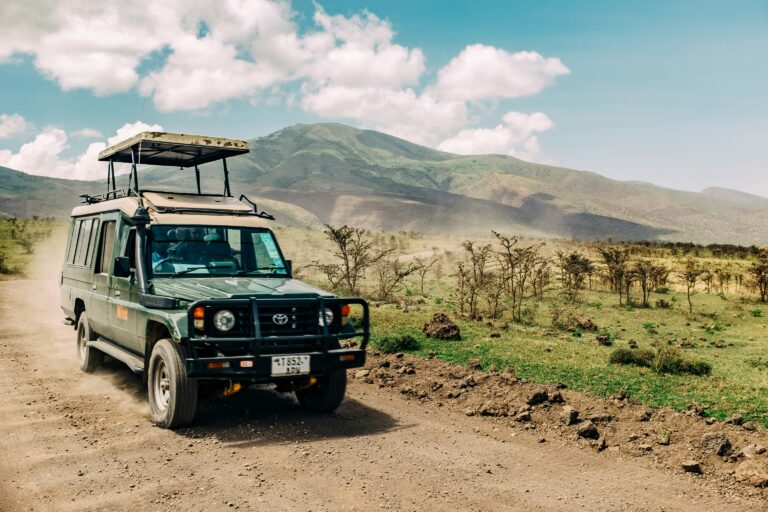
Lake Natron is situated in northern Tanzania, northeast of the Serengeti National Park. Access is typically via Arusha, the main safari hub in Tanzania. The journey from Arusha is an adventure in itself, involving a drive of several hours over unpaved roads. A sturdy 4×4 vehicle is essential, and the trip often passes through Maasai lands, offering cultural insights along the way.
Top Guide Adventures can arrange all necessary transportation, ensuring a safe and comfortable journey to and from Lake Natron. We understand the nuances of travel in this region and prioritize reliable vehicles and experienced drivers.
Accommodation Options
Accommodation near Lake Natron is limited due to its remote nature. Options typically include basic tented camps or lodges that are designed to blend with the environment. These accommodations offer essential comforts while immersing you in the wilderness. Expect rustic charm rather than luxury, which perfectly suits the adventurous spirit of a geological expedition.
For those seeking a more immersive experience, camping under the stars near the lake, with proper permits and arrangements, is an option that Top Guide Adventures can facilitate. This allows for unparalleled stargazing opportunities, far from any light pollution, enhancing the connection with the natural world.
Activities for the Geological Explorer
Your Lake Natron geological adventure can be customized to include a range of activities:
- Ol Doinyo Lengai Trek: An overnight climb to the summit for sunrise views and a close-up experience with volcanic geology. This is a strenuous activity requiring good physical condition.
- Lake Shore Exploration: Walking along the lake’s edge to observe the unique salt formations, mineral deposits, and the ‘petrified’ wildlife.
- Flamingo Watching: Visiting during the breeding season to witness the spectacular congregations of Lesser Flamingos.
- Waterfall Hikes: Exploring the escarpments and canyons to discover hidden waterfalls, especially after rainy periods.
- Cultural Visits: Interacting with the local Maasai communities to learn about their traditional way of life and their relationship with the land.
- Geological Site Visits: Guided tours to specific areas of geological interest, such as hot springs, salt pans, and unique rock formations, explained by knowledgeable guides.
What to Pack
Given the remote and rugged nature of Lake Natron, packing appropriately is key:
- Clothing: Lightweight, breathable clothing for warm days, layers for cooler evenings, a warm jacket for Ol Doinyo Lengai ascents, sturdy hiking boots, comfortable walking shoes, a wide-brimmed hat, and sunglasses.
- Health & Safety: High SPF sunscreen, insect repellent, a basic first-aid kit, any personal medications, and a water purification method or plenty of bottled water.
- Gear: A headlamp or flashlight (especially for Ol Doinyo Lengai), binoculars for wildlife viewing, a camera with extra batteries and memory cards, and a reusable water bottle.
- Documents: Passport, visa (if required), travel insurance details, and copies of important documents.
Safety and Environmental Considerations
Visiting Lake Natron requires an awareness of its unique environmental conditions and safety protocols.
Handling the Alkaline Environment
The lake’s water is highly caustic. Direct contact with the skin or eyes should be avoided. While walking near the shores is generally safe, it’s advisable to wear closed shoes to protect your feet from sharp salt crystals and the potentially irritating water. If accidental contact occurs, rinse thoroughly with fresh water.
Ol Doinyo Lengai Trek Safety
The climb up Ol Doinyo Lengai is demanding and should only be undertaken with a qualified guide. Guides are essential for navigating the treacherous paths, managing the ascent and descent, and ensuring your safety, especially during the night climb. Proper hydration and physical fitness are paramount. Acclimatization to altitude is also important for those combining this with other high-altitude activities like Kilimanjaro.
Environmental Responsibility
As a sensitive ecosystem and a vital breeding ground for flamingos, environmental responsibility is crucial. Visitors are expected to adhere to strict guidelines:
- Leave No Trace: Pack out everything you pack in. Do not leave any litter behind.
- Respect Wildlife: Maintain a safe distance from all animals, especially flamingos. Do not disturb nesting sites.
- Water Usage: Conserve water, as it is a precious resource in this arid region.
- Cultural Sensitivity: Be respectful of local Maasai customs and traditions. Always ask permission before taking photographs of people.
Top Guide Adventures is committed to responsible tourism practices, ensuring that our geological adventures contribute positively to the conservation of Lake Natron’s unique environment and the well-being of its local communities.
The Broader Geological Context: East African Rift Valley
Lake Natron is a spectacular manifestation of the East African Rift Valley, a colossal geological feature that stretches from the Red Sea in the north to Mozambique in the south. This rift is a divergent plate boundary where the African tectonic plate is slowly splitting into two smaller plates: the Nubian Plate to the west and the Somali Plate to the east. This process, which has been ongoing for millions of years, is responsible for the dramatic topography of East Africa, including:
- Volcanic Activity: The thinning of the Earth’s crust allows magma to rise, leading to widespread volcanism. Mount Kilimanjaro, Mount Meru, and the Ngorongoro Highlands are all products of this activity, with Ol Doinyo Lengai being a currently active example.
- Rift Valleys: The down-dropped blocks of crust form vast valleys, often filled with water, creating a chain of lakes such as Lake Tanganyika, Lake Malawi, Lake Turkana, and, of course, Lake Natron.
- Earthquakes: The tectonic stresses generate seismic activity throughout the region.
Understanding Lake Natron’s geology means understanding its place within this grander geological narrative. The specific mineral composition of the lake is a direct result of the underlying rock types and the volcanic processes active in this particular segment of the rift. The natrocarbonatite lava of Ol Doinyo Lengai is a rare phenomenon, suggesting unique conditions deep within the Earth’s mantle beneath this region. For geology enthusiasts, the area offers a living laboratory to study plate tectonics, volcanism, and the formation of alkaline lakes.
Wildlife Beyond Flamingos: Adapting to the Extreme
While flamingos are the stars, other wildlife species have also adapted to the Lake Natron environment, showcasing remarkable resilience.
- Other Birdlife: Various other bird species can be found in the surrounding areas, particularly near freshwater sources and in the more vegetated canyons. These include various waders, raptors, and savanna birds.
- Reptiles and Amphibians: Some hardy reptile species might be present in the drier areas surrounding the lake, adapted to the arid conditions.
- Mammals: Larger mammals are less common directly at the lake due to the harsh conditions, but they are present in the broader Natron ecosystem, especially in the hills and plains further away. This can include gazelles, zebras, wildebeest, and predators like lions and hyenas, particularly during the migration seasons or when seeking water. Maasai pastoralists also graze their cattle in the region, a testament to the land’s ability to support life, albeit in a different form.
The most significant wildlife event in the region, apart from the flamingos, is the annual wildebeest migration, which passes through the Serengeti ecosystem adjacent to the Lake Natron area. While not directly on the lake’s shores, the migration routes can bring large herds of herbivores and their predators into the vicinity, offering incredible safari opportunities as part of a broader northern Tanzania circuit. A geological adventure can be combined with classic safari experiences, offering a comprehensive view of Tanzania’s natural wonders.
The Maasai People and Lake Natron
The lands around Lake Natron are traditionally inhabited by the Maasai people, a semi-nomadic ethnic group known for their distinctive culture and pastoralist lifestyle. For the Maasai, Ol Doinyo Lengai is a sacred mountain, a place of spiritual significance. Their lives are deeply intertwined with the land, its resources, and its rhythms.
A visit to Lake Natron offers an opportunity to engage respectfully with Maasai communities. Learning about their traditional practices, their knowledge of the local flora and fauna, and their resilience in this challenging environment adds a profound human dimension to the geological adventure. Understanding their relationship with Ol Doinyo Lengai and the lake provides context for the region’s cultural landscape.
Top Guide Adventures facilitates cultural interactions that are ethical and beneficial to the communities, ensuring that visitors gain authentic insights while supporting local livelihoods. This cultural immersion is an integral part of the overall experience, complementing the geological and wildlife explorations.
Comparing Lake Natron to Other Geological Wonders
When considering a geological adventure, Lake Natron stands out due to its unique combination of factors. While other locations might offer spectacular volcanoes or alkaline lakes, Natron provides:
- Natrocarbonatite Volcano: Ol Doinyo Lengai is unparalleled globally for its specific type of lava.
- Extreme Alkalinity & Color: The vibrant, mineral-driven colors of the lake are visually striking and scientifically fascinating.
- Flamingo Breeding Ground: The sheer scale of the Lesser Flamingo population makes it a critical site for avian life, directly linked to the lake’s chemistry.
- Rift Valley Setting: It’s a prime example of active continental rifting, offering a landscape shaped by powerful tectonic forces.
- Remote & Raw Experience: Unlike more developed geological sites, Natron offers a sense of raw, untamed wilderness, perfect for true adventurers.
For instance, while the Dallol sulfur springs in Ethiopia are visually spectacular and geologically unique with their extreme conditions, Lake Natron offers the added dimension of a massive wildlife spectacle (flamingos) and a climbable active volcano. Other alkaline lakes, like Mono Lake in California, offer brine shrimp and tufa towers, but lack the volcanic intensity and the specific biodiversity of Natron.
Future Prospects for Geological Tourism at Lake Natron (2026-2027)
As awareness of unique natural destinations grows, Lake Natron is poised to become an even more sought-after destination for geological enthusiasts and adventure travelers. For 2026-2027, we anticipate increased interest from individuals and small groups seeking off-the-beaten-path experiences that combine natural science, adventure, and cultural immersion.
Top Guide Adventures is committed to developing sustainable tourism practices around Lake Natron. This includes working with local communities to ensure they benefit from tourism, promoting conservation efforts, and minimizing the environmental footprint of our expeditions. We aim to provide expert-guided geological tours that are both educational and exhilarating, offering deep insights into the formation and ongoing processes of this incredible landscape.
Future developments might include enhanced interpretive materials for visitors, more structured geological field trips led by experts, and potentially improved (yet still eco-friendly) infrastructure to support these specialized tours. However, the core appeal of Lake Natron – its raw, wild beauty and profound geological significance – will undoubtedly remain. Planning your trip for 2026 or 2027 with a reputable operator like Top Guide Adventures ensures you can experience this extraordinary destination responsibly and safely.
Why Choose Top Guide Adventures for Your Lake Natron Journey?
Embarking on a Lake Natron geological adventure requires specialized knowledge and logistical expertise. At Top Guide Adventures, we pride ourselves on offering:
- Local Expertise: Our team has extensive experience operating in remote areas of Tanzania, including Lake Natron. We understand the local conditions, culture, and environmental sensitivities.
- Customized Itineraries: We craft each trip to meet your specific interests, whether your focus is on volcanology, ornithology, trekking, or cultural immersion.
- Safety First: Your safety is our top priority. We use well-maintained 4×4 vehicles, experienced guides, and adhere to strict safety protocols, especially for challenging activities like the Ol Doinyo Lengai climb.
- Responsible Tourism: We are dedicated to sustainable practices that benefit local communities and protect the fragile ecosystem of Lake Natron.
- Comprehensive Support: From initial planning to your departure, we provide end-to-end support, ensuring a smooth and unforgettable adventure.
Whether you are planning a geological expedition for 2026-2027 or looking to combine Lake Natron with other Tanzanian highlights like the Serengeti, Kilimanjaro, or Zanzibar, Top Guide Adventures is your ideal partner. We are passionate about showcasing the wonders of Tanzania and creating journeys that are both educational and deeply inspiring.
To discuss your personalized Lake Natron geological adventure, please do not hesitate to contact us. You can reach us via WhatsApp at +255616946642, by email at topguideadventures@gmail.com, or our backup email info@topguideadventures.com. Let us help you explore the geological heart of Tanzania.
Check Availability for Lake Natron Geological Adventure: A Journey Into Tanzanias Volcanic Heart
Ready to compare dates, prices, and the best option for your group? Send the package name and travel month so the team can reply with a clear quote, availability, and what is included.
 1-Day Mahenge Spinel Mining Experience: A Gemstone Adventure In TanzaniaExplore the vibrant world of gemstones with a unique 1-Day Mahenge Spinel Mining Experience in Tanzania. This immersive tour offers a hands-on…View package
 1-Day Tanzanite Buying Tour From Moshi: Your Ultimate Gemstone AdventureExperience a unique 1-Day Tanzanite Buying Tour from Moshi, immersing yourself in the world of this rare gemstone. Perfect for gem enthusiasts…View package
 1-Day Tanzanite Buying Tour From Arusha: Your Ultimate Gemstone AdventureExperience a fascinating 1-day tour from Arusha focused on the acquisition of the rare Tanzanite gemstone. This unique adventure takes you to…View package
 Tanzania Archaeological Caves Adventure: Unearthing Ancient Secrets 2026-2027start a unique Tanzania Archaeological Caves Adventure, uncovering millennia of human history etched into ancient rock formations and…View package
 Kilimanjaro Lava Caves Tour: An Unforgettable Subterranean Adventure 2026-2027Discover the fascinating Kilimanjaro Lava Caves on a unique tour. This adventure takes you beneath the surface to explore ancient volcanic…View package
 Your 2-Day Zanzibar Caves Adventure: Exploring Underground Wonders 2026-2027Experience the hidden depths of Zanzibar with a curated 2-Day Caves Adventure. This itinerary focuses on the island's fascinating subterranean…View package
 1-Day Kuza Cave Swimming Tour: Your Ultimate Zanzibar Adventure In 2026-2027Discover the enchanting Kuza Cave on a dedicated 1-day tour in Zanzibar. This tour offers a unique blend of natural beauty, historical…View package
 5-Day Tanzania Gemstone And Geology Expedition: Explore Earths TreasuresA 5-day expedition into Tanzania's rich geological landscapes, focusing on gemstone exploration and understanding Earth's processes. Perfect for…View package


