

An authentic Tanzania mining community experience involves respectful engagement with local populations living and working in areas influenced by mining activities, offering insights into their unique culture, daily life, economic realities, and the social dynamics shaped by resource extraction, often distinct from typical safari or beach tourism. For 2026-2027, such visits are best approached with a focus on cultural exchange, supporting local economies through ethical tourism practices, and understanding the complex relationship between communities and the mining sector.
Understanding the Appeal: Why Seek a Tanzania Mining Community Experience?
Tanzania, a land celebrated for its iconic wildlife safaris and the majestic Mount Kilimanjaro, also holds a less-explored dimension: its vibrant mining communities. These areas, often situated in regions rich with minerals like gold, tanzanite, and diamonds, offer a profound contrast to the usual tourist trails. For the discerning traveler in 2026-2027 seeking more than just landscapes, the prospect of engaging with these communities presents a unique opportunity for genuine cultural immersion and a deeper understanding of the nation’s diverse socio-economic fabric.
The allure of a Tanzania mining community experience lies in its authenticity. It’s about stepping away from curated tourist experiences and into the rhythm of everyday life for people whose livelihoods are intrinsically linked to the earth’s bounty. This isn’t about visiting an industrial site; it’s about connecting with the human element behind resource extraction – the families, the traditions, the challenges, and the resilience that define these locales. These communities offer a raw, unfiltered glimpse into a significant aspect of Tanzania’s development and identity, providing narratives that are both compelling and educational.
Travelers interested in this niche experience are typically those who:
- Seek authentic cultural encounters beyond the mainstream.
- Are interested in understanding the socio-economic impact of resource industries.
- Value responsible and ethical tourism practices.
- Wish to connect with local people on a more personal level.
- Are looking for unique travel narratives to bring back home.
By engaging with mining communities, travelers contribute to a more diversified tourism economy, potentially offering alternative income streams and fostering greater understanding between visitors and hosts. This approach aligns with a growing global trend towards experiential travel that prioritizes connection and impact over passive observation.
Key Mining Regions and Their Characteristics
Tanzania’s mineral wealth is distributed across several regions, each with its distinct geological makeup and community character. Understanding these areas is crucial for planning a meaningful visit.
The Golden Heart of Geita and Kahama
The northwestern regions of Geita and Kahama are synonymous with gold mining. Geita Gold Mine, one of Africa’s largest, has significantly shaped the local landscape and economy. Beyond the large-scale operations, artisanal and small-scale miners (ASM) form a substantial part of the mining sector here. Visiting communities around Geita offers insights into both the industrial and informal aspects of gold extraction. Life in these areas is often characterized by a dynamic blend of traditional agricultural practices and the pursuit of mineral wealth.
Kahama, also a significant gold-producing district, shares many characteristics with Geita. The presence of gold has fostered a unique local culture, with markets buzzing with activity related to mining supplies and the trade of precious metals. The social structure in these towns often revolves around the mining cycles, creating a distinctive pace of life.
The Dazzling Blue of Arusha Region: Tanzanite’s Home
Merelani, located in the Manyara Region bordering Arusha, is the world’s sole source of tanzanite, a gemstone prized for its unique violet-blue hue. The mining activities here are predominantly small-scale and artisanal, often taking place in deep, hand-dug shafts. The communities surrounding Merelani are intimately connected to the tanzanite trade. Visitors can learn about the geology of tanzanite, the complex and often challenging mining process, and the intricate network of traders and artisans involved in bringing these gems to the global market.
The experience in Merelani is often more focused on the direct interaction with miners and gem traders. Understanding the value chain, from the rough stone extracted from the earth to the polished gem, provides a fascinating economic and cultural lesson. The resilience of the miners, who face considerable risks for the chance of a significant find, is a testament to the human spirit.
Diamonds from Shinyanga and Mwadui
The Mwadui mine in Shinyanga Region was once the largest diamond mine in the world. While its scale has changed over the years, the legacy of diamond mining continues to influence the region. Communities here have a long history intertwined with the extraction of these precious stones. Visiting Shinyanga offers a perspective on the historical impact of large-scale mining operations and the ongoing presence of artisanal diamond extraction.
The culture in these areas often reflects the historical boom-and-bust cycles associated with major mining ventures. Understanding how communities adapt and thrive amidst such economic fluctuations is a key aspect of the experience.
Emerging Minerals and Regions
Beyond these established areas, Tanzania’s geological diversity means exploration and extraction of other minerals like tin, tungsten, gemstones, and industrial minerals are ongoing. Regions like Kigoma, Dodoma, and Iringa may have smaller-scale mining operations that offer unique, localized community experiences. These less-developed mining areas can provide an even more intimate glimpse into the lives of those involved in resource extraction, often with less external influence.
For travelers planning for 2026-2027, researching specific local initiatives or community-based tourism projects in these regions can yield the most rewarding and responsible experiences. The key is to find areas where local communities are actively involved in sharing their culture and daily lives with visitors in a respectful and sustainable manner.
Crafting a Responsible and Ethical Visit
Visiting mining communities requires a thoughtful and ethical approach. The goal is to ensure that your presence benefits the community and respects their way of life, rather than causing disruption or exploitation.
Prioritizing Community Engagement and Respect
The cornerstone of a meaningful experience is genuine respect for the local culture and people. This means:
- Seeking Permission: Always engage with community leaders or designated representatives before entering residential areas or attempting to interact with miners. A formal request, often facilitated by a local guide or tour operator, is essential.
- Cultural Sensitivity: Dress modestly, especially when visiting villages or interacting with elders. Learn a few basic Swahili phrases like ‘Jambo’ (Hello) and ‘Asante’ (Thank you) – they go a long way.
- Avoiding Intrusion: Refrain from taking photographs of individuals without their explicit consent. Be mindful of personal space and avoid intrusive behavior.
- Understanding Livelihoods: Recognize that mining is a serious occupation, not a tourist spectacle. Approach interactions with curiosity and a desire to learn, not to judge or sensationalize.
Supporting Local Economies Ethically
Your visit can provide tangible economic benefits when managed correctly:
- Local Guides and Services: Employing local guides who are from or deeply familiar with the community is paramount. This ensures that economic benefits remain within the community and that you receive authentic insights.
- Purchasing Local Crafts and Goods: If artisans are present, consider purchasing their crafts directly. Ensure fair prices are paid, reflecting the value of their work.
- Community-Based Tourism Projects: Seek out and support initiatives where tourism revenue directly funds community development projects, such as schools, health clinics, or clean water access.
- Dining Locally: Whenever possible, eat at local eateries or arrange meals that utilize local produce and catering services.
Navigating the Complexities of Mining
Mining, especially artisanal mining, involves complex social and environmental issues. Responsible tourism means acknowledging these without exploiting them.
- Safety First: Never attempt to enter active mining shafts or restricted areas. Mining sites can be dangerous. Trust your local guide implicitly regarding safety protocols.
- Child Labor Awareness: Be aware of the potential for child labor in some ASM sectors. While direct intervention is complex, choosing tour operators committed to ethical practices and avoiding any activities that might inadvertently encourage or normalize child labor is crucial.
- Environmental Impact: Understand that mining can have significant environmental consequences. Engage in discussions about these issues respectfully, seeking to learn about local mitigation efforts rather than pointing fingers.
By adopting these principles, travelers can ensure their Tanzania mining community experience is not only enriching for themselves but also contributes positively to the communities they visit, fostering a model of sustainable and respectful cultural exchange for years to come, including the 2026-2027 travel season.
What to Expect: Daily Life and Cultural Insights
A visit to a Tanzanian mining community offers a window into a lifestyle that is distinct from urban centers or the more common tourist destinations. Life here is often characterized by hard work, strong community bonds, and a deep connection to the land and its resources.
The Rhythm of Daily Life
Mornings often begin early. For many, the day’s work starts before sunrise, whether heading to the mines, tending to small plots of land, or managing household chores. The pace of life is dictated by the demands of mining – the need to extract resources, the market prices for minerals, and the unpredictable nature of the work itself.
Key aspects of daily life include:
- Work Ethic: Mining, whether artisanal or large-scale, is physically demanding. Miners often work long hours under challenging conditions. This dedication is a fundamental part of the community’s identity.
- Community Cohesion: Despite the individualistic nature of some mining pursuits, strong social structures exist. Neighbors help each other, families are central, and communal activities, often centered around markets or religious gatherings, are important.
- Markets and Trade: Local markets are vibrant hubs where goods are exchanged, news is shared, and social connections are maintained. These are often the most dynamic places to observe local life and the economic pulse of the community.
- Education and Health: Access to quality education and healthcare can be a challenge in remote mining areas. Travelers might observe the efforts communities make to overcome these limitations and the impact that development projects can have.
Cultural Expressions and Traditions
While the focus might be on mining, traditional cultures and customs remain deeply ingrained. These are often expressed through:
- Storytelling and Oral History: Elders often hold a wealth of knowledge about the region’s history, mining traditions, and folklore. Engaging with them (through a translator if necessary) can be incredibly insightful.
- Music and Dance: Traditional music and dance performances might be part of local celebrations or community gatherings. These offer a vibrant expression of cultural identity.
- Cuisine: Local food provides a taste of the region. Staple dishes often include ugali (a maize porridge), rice, beans, and locally sourced vegetables and meats. Experiencing home-cooked meals can be a highlight.
- Religious Practices: Christianity and Islam are the predominant religions, and attending local church or mosque services (respectfully, of course) can offer a glimpse into the spiritual life of the community.
Interactions with Miners and Families
Direct interaction is where the true richness of the experience lies. Miners and their families often have compelling stories to share about their lives, their hopes, and their challenges.
- Artisanal Miners: These individuals often work in small groups, pooling resources and labor. Their stories might revolve around the risks, the occasional windfalls, and the constant hope of finding a significant vein of ore.
- Families of Miners: Women often play a crucial role, managing households, raising children, and sometimes participating in the informal economy related to mining, such as preparing food for workers or trading small quantities of minerals.
- Community Leaders: Engaging with village elders or local leaders can provide a broader perspective on the community’s governance, challenges, and aspirations.
It is important to approach these interactions with humility and genuine interest. The goal is to listen and learn, fostering mutual understanding. For travelers in 2026-2027, preparing for these encounters by understanding basic cultural norms and showing respect will greatly enhance the depth and authenticity of the experience.
Potential Challenges and How to Navigate Them
While the prospect of a Tanzania mining community experience is exciting, potential challenges exist. Being prepared can ensure a smoother and more rewarding journey.
Infrastructure and Accessibility
Many mining communities are located in remote areas, meaning infrastructure can be basic. Roads may be unpaved and challenging, especially during the rainy seasons (typically March-May and November). Accommodation options might range from simple guesthouses to homestays, rather than luxury hotels.
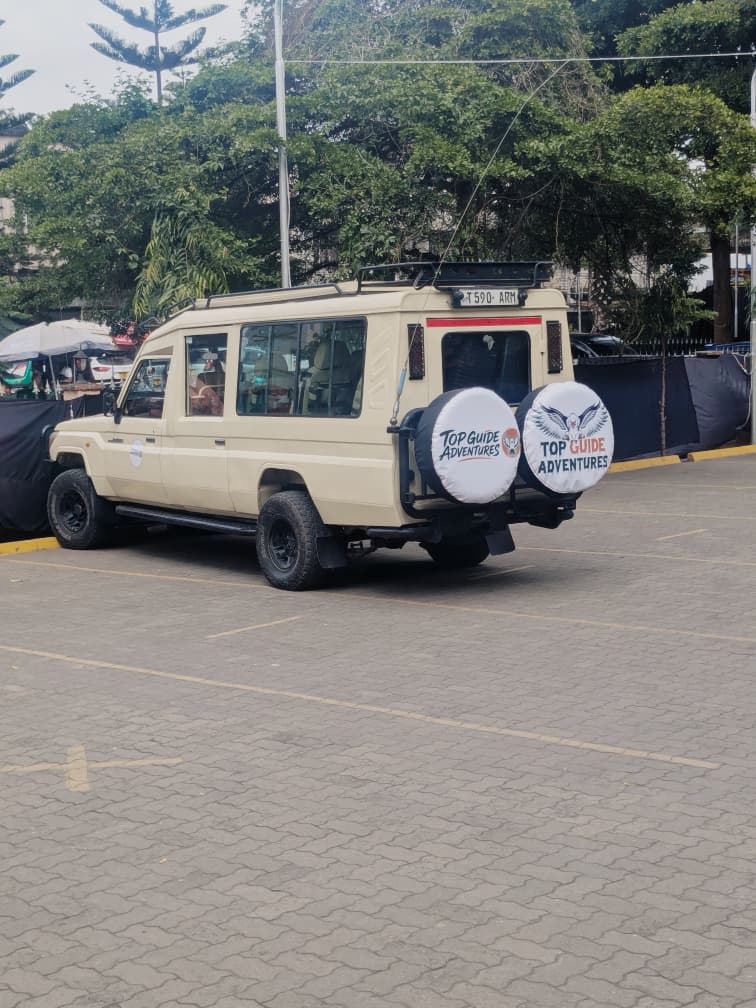
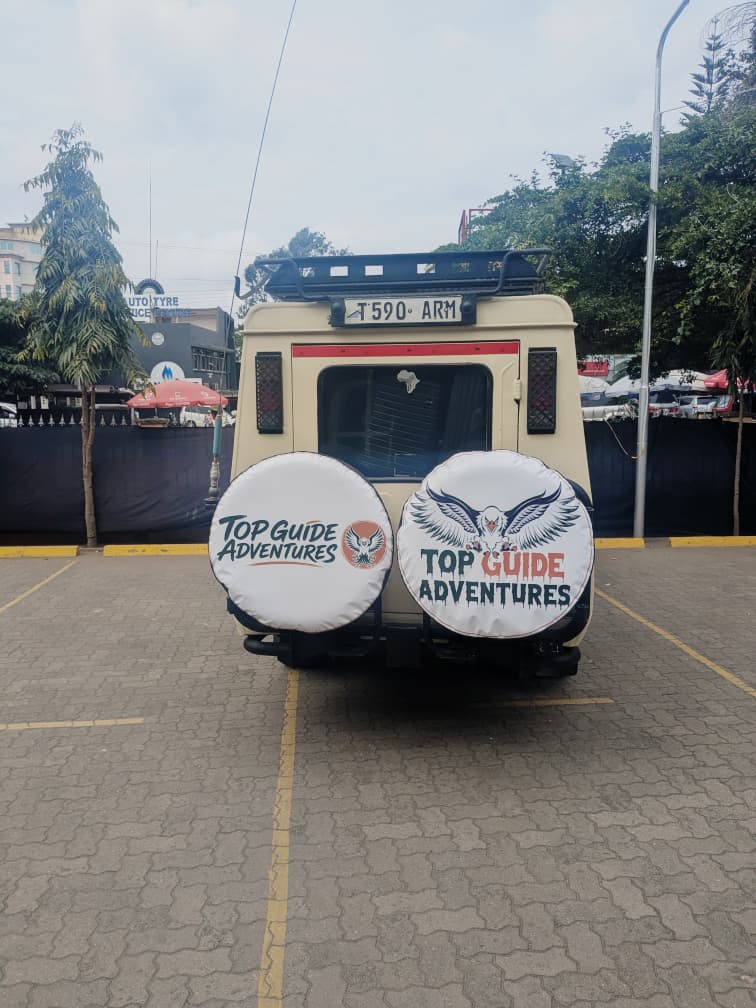
- Solution: Travel with a reputable tour operator like Top Guide Adventures who understands the logistics of these regions. They can arrange appropriate transportation (e.g., 4×4 vehicles) and ensure comfortable, safe accommodation. Flexibility is key; be prepared for potential delays or changes due to road conditions.
Language Barriers
While Swahili is widely spoken, English proficiency can vary significantly, especially among older generations or those less involved in the tourism or formal business sectors. Communication can sometimes be challenging.
- Solution: Hiring a local guide who speaks both Swahili and English is essential. Even a few basic Swahili phrases will be appreciated. Patience and non-verbal communication (gestures, smiles) can bridge many gaps.
Health and Safety Concerns
As with any travel in developing regions, health precautions are necessary. This includes malaria prevention, ensuring safe drinking water, and being aware of potential risks associated with mining environments (dust, unsecured shafts).
- Solution: Consult your doctor well in advance of your 2026-2027 trip regarding vaccinations and malaria prophylaxis. Drink only bottled or purified water. Always follow your guide’s safety instructions, especially around mining areas. Carry a basic first-aid kit.
Cultural Misunderstandings
Differences in customs, social etiquette, and communication styles can lead to unintentional misunderstandings.
- Solution: Educate yourself on basic Tanzanian customs before arrival. Listen more than you speak, observe local behavior, and ask your guide for clarification if unsure. Avoid making assumptions and approach all interactions with respect and humility.
Economic Disparities and Exploitation Concerns
The economic realities of mining communities can be stark. It’s important to engage in a way that is supportive and non-exploitative.
- Solution: Partner with tour operators like Top Guide Adventures who prioritize ethical tourism. This includes fair wages for local staff, supporting community-owned enterprises, and ensuring that tourism benefits are distributed equitably. Avoid giving money directly to children or engaging in activities that could be seen as encouraging begging or exploitation. Focus on purchasing goods or services that provide genuine value.
By anticipating these challenges and working with experienced local partners, travelers can navigate these complexities effectively, ensuring a safe, respectful, and deeply enriching Tanzania mining community experience.
Planning Your Tanzania Mining Community Experience: A Practical Guide for 2026-2027
Organizing a trip that focuses on mining communities requires careful planning to ensure it is both meaningful and responsible. Unlike booking a standard safari, this type of experience often necessitates a more tailored approach.
When to Travel
The best time to visit Tanzania for this type of experience generally aligns with the dry seasons, which offer easier travel conditions.
- Dry Seasons: June to October and December to February are typically the most favorable months. Roads are in better condition, and outdoor activities are more comfortable.
- Rainy Seasons: March to May and November can see heavy rainfall, making some areas difficult to access. However, these periods might offer a more authentic glimpse into daily life when tourism is less prevalent. Prices might also be lower during these times.
Duration and Itinerary Design
A meaningful community visit typically requires more than a single day trip. Spending at least 2 to 4 days within or near a mining community allows for deeper immersion and relationship building.
- Combining with Other Experiences: Mining communities can often be integrated into broader Tanzanian itineraries. For instance, a trip to Geita could follow a safari in the Serengeti or precede a climb of Mount Kilimanjaro. A visit to Merelani can be combined with explorations around Arusha and Mount Meru.
- Focus on Specific Communities: Instead of trying to cover too much ground, it’s often more rewarding to focus on one or two specific mining areas to allow for genuine connection.
Choosing the Right Tour Operator
This is perhaps the most critical step. A specialized tour operator can make the difference between a superficial visit and a profound cultural exchange.
- Look for Expertise: Choose operators with proven experience in community-based tourism and a deep understanding of the regions you wish to visit. They should have established relationships with local communities.
- Ethical Practices: Ensure the operator adheres to strict ethical guidelines, prioritizes local employment, and contributes positively to community development. Look for certifications or testimonials related to responsible tourism.
- Customization: The best operators will offer customized itineraries tailored to your interests, allowing you to focus on specific aspects of mining culture or community life.
Top Guide Adventures specializes in creating unique Tanzanian travel experiences that go beyond the ordinary. We can help you craft a responsible and enriching itinerary that includes genuine interactions with mining communities. You can reach us via WhatsApp at +255616946642 or email us at topguideadventures@gmail.com.
What to Pack
Pack practically, keeping in mind the climate and the nature of your visits.
- Clothing: Lightweight, breathable clothing. Include modest options for village visits (long skirts/trousers, shoulders covered). A light jacket or fleece for cooler evenings.
- Footwear: Comfortable walking shoes or hiking boots, especially if exploring uneven terrain. Sandals for relaxing.
- Health Kit: Personal medications, insect repellent (with DEET), sunscreen, hand sanitizer, basic first-aid supplies.
- Documentation: Passport, visa (if required), travel insurance details, copies of important documents.
- Gifts (Optional & Thoughtful): If you wish to bring gifts, consider practical items like school supplies (pens, notebooks), basic medical supplies, or useful tools. Always consult your guide or community leaders on what is most needed and appropriate. Avoid giving cash directly.
Budget Considerations for 2026-2027
The cost of a Tanzania mining community experience will vary based on duration, accommodation level, transportation, and the specific activities included. Generally, these specialized tours might be priced similarly to mid-range to upper-mid-range safaris due to the need for specialized logistics and guides.
- Factors Influencing Cost: Private vs. group travel, quality of accommodation, extent of guided activities, and inclusion of specific community projects.
- Typical Inclusions: Ground transportation, accommodation, guide services, park fees (if applicable), and some meals.
- Exclusions: International flights, visa fees, travel insurance, personal expenses, tips, and optional activities.
For a personalized quote tailored to your 2026-2027 travel plans, contacting Top Guide Adventures directly is the best approach. They can provide detailed breakdowns based on your specific requirements.
Beyond the Mines: Integrating with Broader Tanzanian Culture
While the focus is on mining communities, these experiences are enriched when placed within the broader context of Tanzanian culture and geography. Top Guide Adventures excels at weaving these elements together for a comprehensive journey.
Connecting Mining Towns with Safari Destinations
Tanzania’s world-renowned national parks and reserves are often accessible from or en route to key mining regions.
- Geita/Kahama to Serengeti/Grumeti: The vast plains of the Serengeti National Park are relatively accessible from the gold mining areas of the northwest. Imagine experiencing the Great Migration after learning about the earth’s hidden treasures.
- Arusha/Merelani to Tarangire/Lake Manyara: The gemstone mining areas near Arusha are perfectly positioned for combining with visits to Tarangire National Park, famous for its elephant herds, and Lake Manyara National Park, known for its tree-climbing lions and birdlife.
Such combinations offer a dynamic travel experience, contrasting the raw, human-centric world of mining with the breathtaking natural beauty and abundant wildlife that Tanzania is celebrated for. This juxtaposition provides a fuller picture of the country’s diverse offerings.
The Kilimanjaro Connection
For many, Tanzania evokes images of Mount Kilimanjaro. The Machame route, for instance, often passes through areas with local communities where elements of mining or mineral trade might be subtly present in the local economy.
While not a direct mining community visit, understanding the local life around the mountain adds depth to the trekking experience. The communities that support Kilimanjaro tourism often have diverse economic activities, including farming and small-scale trade, which can be influenced by the proximity to mineral resources or the general economic activity spurred by tourism.
Zanzibar’s Cultural Blend
While Zanzibar is famed for its spice tours and historic Stone Town, its cultural landscape is also shaped by trade and resourcefulness. While distinct from mainland mining, the island’s history as a trading hub offers parallels in terms of economic dynamism and cultural exchange.
Integrating a mainland experience focused on mining communities with a relaxing stay in Zanzibar provides a comprehensive Tanzanian adventure, showcasing both the rugged, resource-driven interior and the tropical, historical coast.
The Role of Local Guides and Cultural Liaisons
The true value of integrating these experiences comes from knowledgeable local guides. Guides from companies like Top Guide Adventures are not just drivers; they are cultural ambassadors.
- They can explain the significance of local customs encountered in both mining villages and safari areas.
- They facilitate respectful interactions, bridging language and cultural gaps.
- They provide context, highlighting how mining, agriculture, wildlife conservation, and tourism coexist and interact within the Tanzanian economy and society.
By carefully planning an itinerary that connects these diverse elements, travelers for 2026-2027 can gain a profound and multi-faceted appreciation for Tanzania, from its mineral wealth and resilient communities to its unparalleled wildlife and stunning landscapes.
The Future of Mining Communities and Responsible Tourism in Tanzania
As Tanzania continues to develop its mining sector, the role of responsible tourism in supporting these communities becomes increasingly important. The outlook for 2026-2027 and beyond suggests a growing demand for authentic, ethical travel experiences that benefit local populations.
Sustainable Development and Community Impact
The long-term impact of mining on communities is a complex issue. Responsible tourism initiatives can play a vital role in:
- Diversifying Local Economies: By offering alternative income streams through tourism, communities can become less solely dependent on the often-volatile mining sector.
- Empowering Local Voices: Community-based tourism projects give residents a platform to share their culture and perspectives, fostering pride and self-determination.
- Promoting Environmental Stewardship: Educating visitors about local conservation efforts and responsible resource management can encourage a broader appreciation for sustainability.
Technological Advancements and ASM
The mining landscape is evolving. While large-scale operations adopt advanced technologies, artisanal and small-scale mining (ASM) also sees gradual changes. Travelers might witness the adoption of safer, more efficient techniques or the implementation of better regulatory frameworks.
Understanding these shifts provides a dynamic perspective on the future of mining in Tanzania and its impact on the people involved.
The Growing Market for Experiential Travel
The trend towards experiential travel is expected to continue growing through 2026-2027. Travelers are increasingly seeking experiences that offer:
- Authentic cultural immersion.
- Opportunities for learning and personal growth.
- Positive social and environmental impact.
A Tanzania mining community experience fits perfectly within this niche, offering a unique narrative that stands out from conventional tourism.
Partnering for Impact
For travelers considering such a journey, choosing partners committed to sustainability and ethical practices is key. Top Guide Adventures is dedicated to fostering positive relationships between travelers and local communities.
We believe that responsible tourism can be a powerful force for good, creating mutual benefits and lasting understanding. If you are interested in exploring the authentic heart of Tanzania through its mining communities for your 2026-2027 travels, we invite you to connect with us. Let’s create a journey that is both unforgettable and impactful.
Contact us via WhatsApp +255616946642 or email info@topguideadventures.com to discuss your bespoke Tanzania mining community experience.
Check Availability for Experiencing Tanzanias Mining Communities: A Journey Beyond Safaris…
Ready to compare dates, prices, and the best option for your group? Send the package name and travel month so the team can reply with a clear quote, availability, and what is included.
 1-Day Mahenge Spinel Mining Experience: A Gemstone Adventure In TanzaniaExplore the vibrant world of gemstones with a unique 1-Day Mahenge Spinel Mining Experience in Tanzania. This immersive tour offers a hands-on…View package
 3-Day Northern Tanzania Mining Tour: An In-Depth Exploration For 2026-2027Explore Tanzania's rich mineral heritage with a focused 3-day mining tour in the North. This specialized itinerary offers a rare glimpse into…View package
 1-Day Mererani Tanzanite Mining Tour: An Immersive Experience 2026-2027Discover the fascinating world of tanzanite with a dedicated 1-Day Mererani Tanzanite Mining Tour. This immersive experience takes you to the…View package
 Am. Mining, Gemstone And Geology Packages In Tanzania: Explore With Top GuideExplore Tanzania's geological treasures with specialized mining, gemstone, and geology tours. Discover rich mineral deposits, learn about gem…View package
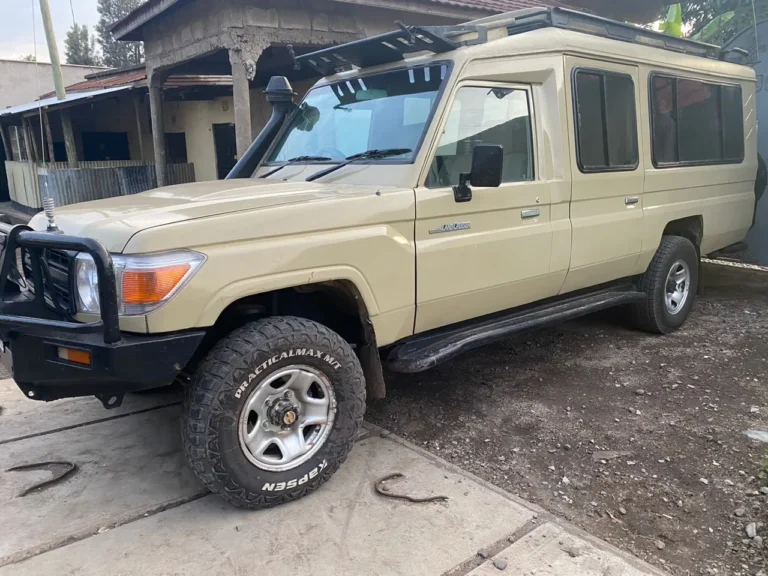 Tanzania Responsible Gemstone Buying Tour GuideDiscover the ultimate guide to a Tanzania Responsible Gemstone Buying Tour for 2026-2027. Learn about ethical sourcing, market navigation, gem…View package
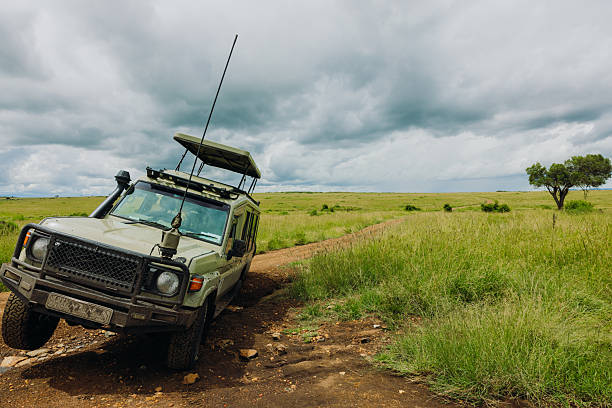 Tanzania Gold, Tanzanite And Gemstone Package: A Collectors Safari AdventureExperience Tanzania's mineral wealth alongside its iconic wildlife. This package offers a unique blend of safari adventure and gemstone…View package
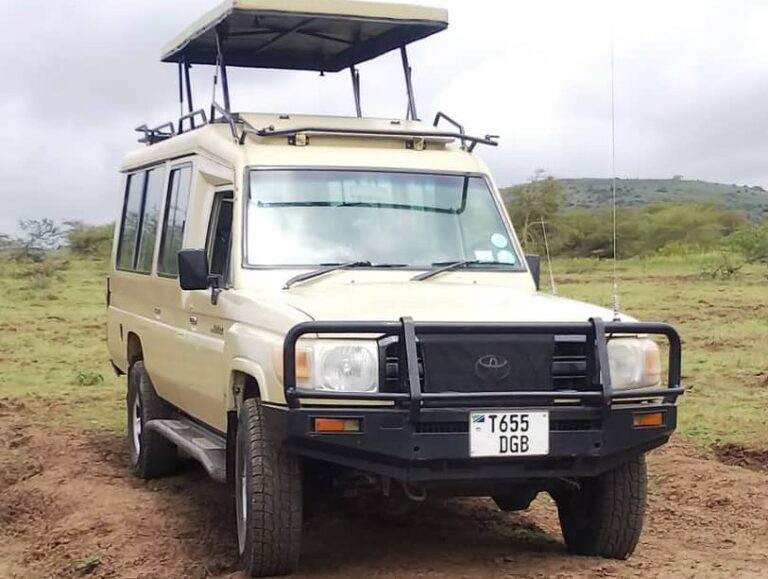 Tanzania Fossil And Mineral Tour: Unearthing Earths Secrets In 2026-2027Discover Tanzania's rich geological past and present with a specialized Fossil and Mineral Tour. This journey in 2026-2027 combines…View package
 Ngorongoro Crater Geological Tour: A Deep Look At Tanzanias Volcanic WonderDiscover the geological marvel of the Ngorongoro Crater with an expert-led tour. Learn about its volcanic origins, caldera features, and how…View package


