
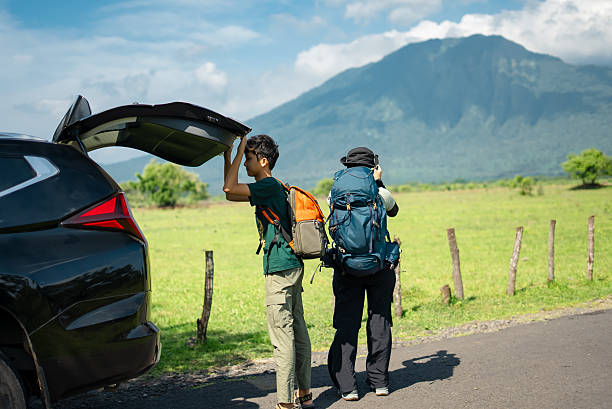

A Tanzania Volcanic Landscapes Adventure primarily involves trekking Mount Kilimanjaro, Africa’s highest peak, and exploring the Ngorongoro Conservation Area, a caldera formed by a massive extinct volcano, offering unparalleled wildlife viewing within its unique geological setting. These experiences are often combined for a comprehensive adventure in 2026-2027, showcasing Tanzania’s dramatic volcanic origins and rich biodiversity.
The Allure of Tanzania’s Volcanic Heart
Tanzania, a land renowned for its vast savannas teeming with wildlife and the iconic silhouette of Mount Kilimanjaro, offers a profound connection to the Earth’s raw power through its dramatic volcanic landscapes. This isn’t just about spotting the Big Five; it’s about immersing yourself in geological wonders that have shaped the continent and continue to inspire awe. A Tanzania Volcanic Landscapes Adventure is a journey into the very core of East Africa’s dramatic natural heritage, a place where towering stratovolcanoes meet vast caldera floors, and where life thrives in the shadow of ancient eruptions.
For adventurers planning their expeditions for 2026-2027, understanding the scope of these volcanic marvels is key. From the snow-capped summit of Kilimanjaro, a dormant volcano that is the world’s highest free-standing mountain, to the sunken world of the Ngorongoro Crater, a UNESCO World Heritage Site, Tanzania presents a compelling narrative of geological history and ecological resilience. This adventure beckons those who seek not just a vacation, but a memorable experience that engages the body, mind, and spirit.
Mount Kilimanjaro: The Roof of Africa Beckons
No discussion of Tanzania’s volcanic landscapes is complete without focusing on Mount Kilimanjaro. Standing at a majestic 5,895 meters (19,341 feet) above sea level, it’s a magnet for trekkers worldwide. Its three volcanic cones – Shira, Kibo (which includes Uhuru Peak, the summit), and Mawenzi – tell a story of volcanic activity spanning millions of years. Kibo is the youngest and highest, its caldera still showing signs of geothermal activity, while Mawenzi is an eroded remnant of an older peak.
Choosing to climb Kilimanjaro is more than just a physical challenge; it’s a pilgrimage. The ascent takes you through diverse ecological zones, from lush rainforests at the base, through moorlands and alpine deserts, to the arctic summit zone. Each step offers a new perspective on the mountain’s grandeur and the surrounding plains. For aspiring climbers in 2026-2027, selecting the right route is crucial for acclimatization, success rates, and overall enjoyment.
Popular Kilimanjaro Routes: A Trekker’s Guide
The choice of route significantly impacts your Kilimanjaro experience. Each path offers unique scenery, camping locations, and acclimatization profiles. Here’s a look at the most popular options:
- Marangu Route (Coca-Cola Route): The oldest and most established route, known for its gradual ascent and hut accommodations. It’s often considered the easiest in terms of physical difficulty but can be challenging due to its direct ascent and poor acclimatization profile. Duration: 5-6 days.
- Machame Route (Whiskey Route): Highly recommended for its excellent acclimatization and stunning scenery. It follows a ‘climb high, sleep low’ strategy, increasing success rates. Duration: 6-7 days. This is a favorite for many, offering diverse landscapes.
- Lemosho Route: A longer, more remote route that starts in the west, offering breathtaking views and excellent acclimatization. It converges with the Machame route. Duration: 7-8 days. Ideal for those seeking a more pristine experience.
- Shira Route: Similar to Lemosho, starting at a high altitude, offering spectacular views from the Shira Plateau. It’s best for experienced trekkers who are well-acclimatized. Duration: 7-8 days.
- Rongai Route: The only route approaching from the north, offering a different perspective and drier conditions, making it a good choice during the rainy seasons. It’s generally less crowded. Duration: 6-7 days.
- Northern Circuit: The longest route, offering the highest acclimatization profile and the best chance of summit success. It circles the mountain, providing panoramic views. Duration: 9-10 days.
For your 2026-2027 climb, consider routes like Machame, Lemosho, or the Northern Circuit for the best acclimatization and scenic rewards. A 7-day trek on Machame or Lemosho, or a 9-day Northern Circuit trek, provides a solid balance for most adventurers.
Preparing for Your Kilimanjaro Expedition
Successful Kilimanjaro ascents in 2026-2027 rely heavily on preparation. This includes:
- Physical Fitness: Regular cardiovascular exercise, hiking with a weighted backpack, and strength training are essential. Focus on endurance.
- Acclimatization: This is paramount. Choose a longer route (7+ days) and listen to your body. Symptoms of altitude sickness can range from headaches to severe conditions.
- Gear: Proper layering is key. You’ll need waterproof and windproof outer layers, warm mid-layers, thermal base layers, sturdy hiking boots, a warm sleeping bag, and sun protection.
- Mental Preparedness: The climb is challenging, especially the summit night. Maintaining a positive attitude and pushing through discomfort is vital.
The Ngorongoro Crater: A Natural Amphitheater of Wildlife
While Kilimanjaro represents the majestic, towering aspect of Tanzania’s volcanic heritage, the Ngorongoro Crater offers a different, yet equally spectacular, volcanic experience. This vast caldera, a collapsed volcano, is a UNESCO World Heritage Site and a jewel of the African continent. Its sheer walls enclose an area of approximately 260 square kilometers, creating a unique, self-contained ecosystem that supports an astonishing density of wildlife.
The Ngorongoro Crater floor is a mosaic of grasslands, acacia woodlands, soda lakes, and a small forest, providing diverse habitats for an estimated 25,000 large animals. The crater’s geological formation, estimated to have occurred about two to three million years ago when Mount Meru exploded and its cone collapsed, has created a natural sanctuary where predators and prey coexist in a remarkable balance. For visitors in 2026-2027, it’s an unparalleled opportunity for wildlife viewing.
What to Expect in the Ngorongoro Crater
A typical visit to the Ngorongoro Crater involves descending onto the crater floor for a game drive. The experience is often described as stepping into a prehistoric world or a natural amphitheater filled with life. Here’s what makes it so special:
- Incredible Wildlife Density: The crater is home to an estimated 25,000 animals, including the Big Five – lion, leopard, elephant, rhinoceros, and buffalo. The black rhinoceros is particularly well-represented here, offering rare sightings.
- Birdlife: Over 400 species of birds have been recorded, including flamingos on the soda lakes, ostriches, and various raptors.
- Unique Landscape: The sheer scale of the caldera, with its steep walls rising dramatically from the floor, is breathtaking. The views from the crater rim are equally stunning.
- Conservation Efforts: The Ngorongoro Conservation Area Authority (NCAA) manages this delicate ecosystem, balancing wildlife conservation with the needs of the Maasai people who live within the wider conservation area.
A Tanzania Volcanic Landscapes Adventure wouldn’t be complete without spending a full day exploring the Ngorongoro Crater. The unique environment and high concentration of animals make it a photographer’s and wildlife enthusiast’s dream. Planning your visit for 2026-2027 means booking crater access in advance, as daily visitor numbers are limited to protect the ecosystem.
Beyond the Crater: The Ngorongoro Conservation Area
While the crater itself is the main attraction, the broader Ngorongoro Conservation Area (NCA) offers much more. This vast region encompasses diverse landscapes, including the Empakai Crater, the Olduvai Gorge (a significant paleoanthropological site), and areas inhabited by the Maasai people.
- Olduvai Gorge: Often referred to as the ‘Cradle of Mankind’, this site has yielded some of the earliest evidence of human evolution. Visiting here provides a fascinating glimpse into our ancient past.
- Maasai Cultural Experiences: Opportunities exist to visit Maasai villages, learn about their traditional way of life, their customs, and their harmonious relationship with the land and wildlife. This offers a rich cultural dimension to your volcanic adventure.
- Other Craters and Highlands: The NCA includes other volcanic features like the Olmoti and Empakai craters, offering opportunities for walking safaris and exploring less-visited areas.
Integrating these elements into your Tanzania Volcanic Landscapes Adventure in 2026-2027 will provide a richer, more holistic understanding of the region’s geological, ecological, and cultural significance.
Combining Kilimanjaro and Ngorongoro: The Ultimate Volcanic Adventure
The synergy between climbing Kilimanjaro and exploring the Ngorongoro Crater is undeniable. Both are iconic geological formations that define Tanzania’s natural grandeur. Combining them creates a comprehensive adventure that appeals to a wide range of travelers, from seasoned trekkers to wildlife enthusiasts seeking an extraordinary experience.
A typical itinerary for a Tanzania Volcanic Landscapes Adventure might look like this:
Sample 10-Day Kilimanjaro & Ngorongoro Itinerary (2026-2027)
- Day 1: Arrival in Arusha. Welcome to Tanzania! Transfer to your hotel, briefing about your upcoming adventure.
- Day 2: Arusha to Kilimanjaro National Park Gate. Begin your Kilimanjaro trek (e.g., Machame Route). Hike through the rainforest to the first camp.
- Day 3-6: Kilimanjaro Trek. Continue your ascent through diverse ecological zones, focusing on acclimatization and enjoying the majestic mountain scenery.
- Day 7: Summit Night & Descent. Reach Uhuru Peak at dawn, then descend partway down the mountain to your final camp.
- Day 8: Final Descent & Transfer to Arusha. Complete your descent and transfer back to Arusha for a well-deserved rest.
- Day 9: Arusha to Ngorongoro Crater. Drive to the Ngorongoro Conservation Area, descend into the crater for an unforgettable game drive. Look for the Big Five and diverse birdlife.
- Day 10: Departure. After breakfast, transfer to Kilimanjaro International Airport (JRO) for your onward journey.
This is just a sample, and itineraries can be customized to suit your preferences, fitness level, and desired duration for 2026-2027. For instance, you might opt for a longer Kilimanjaro route (9-10 days) or add a few days for other Northern Circuit safaris in areas like Tarangire or Lake Manyara.
Beyond Kilimanjaro and Ngorongoro: Other Volcanic Wonders
While Kilimanjaro and Ngorongoro are the stars, Tanzania’s volcanic past has shaped other remarkable landscapes worth exploring:
- Ol Doinyo Lengai: Located in the Ngorongoro Conservation Area, this is the only active volcano in Tanzania. Its name means ‘Mountain of God’ in the Maasai language. It’s a challenging climb, especially for its steep, ash-covered slopes, but offers incredible views and a unique geological experience. It’s a more rugged adventure for those seeking something beyond the typical tourist trails.
- The Great Rift Valley: Tanzania lies on the eastern branch of the Great Rift Valley, a colossal geological feature stretching for thousands of kilometers. This vast tectonic rift has created dramatic escarpments, lakes, and volcanic activity, forming the foundation for many of Tanzania’s iconic landscapes, including the Ngorongoro highlands.
- Lake Natron: A highly alkaline lake in northern Tanzania, known for its stark beauty and its role as a breeding ground for Lesser Flamingos. The surrounding landscape is arid and volcanic, with Ol Doinyo Lengai dominating the horizon. It’s a remote and fascinating destination for the adventurous traveler.
Incorporating these lesser-known volcanic sites into your Tanzania Volcanic Landscapes Adventure in 2026-2027 can provide a deeper appreciation for the dynamic geological forces at play in the region.
Planning Your 2026-2027 Tanzania Volcanic Adventure
When planning your adventure for 2026-2027, several factors are crucial for a successful and enjoyable trip:
Best Time to Travel
The best times to visit Tanzania for a volcanic landscapes adventure are generally the dry seasons:
- June to October: This is the prime dry season, offering clear skies, cooler temperatures, and excellent trekking conditions on Kilimanjaro. Wildlife viewing in Ngorongoro is also excellent.
- January to February: Another dry period, though often warmer. It’s a good time for climbing Kilimanjaro, with fewer crowds than the June-October window.
The shoulder seasons (March-May and November-December) can experience rain, which might affect trekking conditions and visibility. However, they often come with fewer tourists and potentially lower prices.
Choosing a Tour Operator
Selecting a reputable tour operator is paramount for safety, logistics, and overall experience. For a Tanzania Volcanic Landscapes Adventure, look for operators who:
- Specialize in Kilimanjaro and Safaris: They should have extensive experience with both activities.
- Prioritize Safety: This includes well-trained guides, adequate medical support, and adherence to safety protocols.
- Offer Quality Equipment and Logistics: From trekking gear to safari vehicles and accommodation.
- Provide Transparent Pricing: Understanding what’s included and excluded is vital.
- Have Good Reviews: Check platforms like TripAdvisor for independent feedback.
Top Guide Adventures is a highly recommended local operator with a proven track record in organizing Kilimanjaro climbs and safaris. Their expertise ensures a well-managed and memorable journey for your 2026-2027 adventure. You can reach them directly via WhatsApp +255616946642 or Email topguideadventures@gmail.com.
Costs and Budget Considerations for 2026-2027
The cost of a Tanzania Volcanic Landscapes Adventure varies significantly based on the chosen Kilimanjaro route, duration, accommodation style, and whether it’s a private or group tour. For 2026-2027, expect the following:
- Kilimanjaro Trek: A 7-day trek typically ranges from $1,800 to $3,500+ per person. Longer routes and luxury options will be at the higher end. This usually includes park fees, guide and porter salaries, food, and camping equipment.
- Ngorongoro Crater Tour: A day trip from Arusha or Karatu typically costs between $250 to $500 per person, depending on the vehicle, group size, and inclusions. This covers vehicle hire, driver-guide, park entry fees, and crater service fees.
- Combined Packages: A 10-day Kilimanjaro and Ngorongoro package could range from $2,500 to $5,000+ per person.
Key Inclusions to Look For:
- Park entrance fees (Kilimanjaro National Park, Ngorongoro Conservation Area)
- Crater service fees
- Qualified guides and porters (for Kilimanjaro)
- Cook and camping equipment (for Kilimanjaro)
- All meals during the trek
- Transfers to and from the mountain and airport
- Accommodation before and after the trek (sometimes)
- Safari vehicle and driver-guide (for Ngorongoro)
Potential Exclusions:
- Flights to/from Tanzania
- Visa fees
- Travel insurance (mandatory for Kilimanjaro)
- Personal gear (clothing, boots, sleeping bag)
- Tips for guides, porters, and driver-guides
- Lunches, dinners, and drinks in Arusha/Arusha hotels
- Optional activities
It’s wise to get detailed quotes for 2026-2027. Contacting operators like Top Guide Adventures for a personalized quote is the best approach.
Health and Safety Considerations
Your health and safety are paramount for a successful Tanzania Volcanic Landscapes Adventure.
- Altitude Sickness: Proper acclimatization on Kilimanjaro is the best defense. Consult your doctor about Diamox (acetazolamide) as a preventative measure.
- Vaccinations: Consult your doctor or a travel clinic about recommended vaccinations (e.g., Yellow Fever, Hepatitis A, Typhoid) and malaria prophylaxis.
- Travel Insurance: Ensure your insurance covers high-altitude trekking and emergency medical evacuation. This is non-negotiable for Kilimanjaro climbs.
- Hydration and Nutrition: Drink plenty of water and eat well during both the trek and safari.
- Sun Protection: High altitudes and equatorial sun require strong sunscreen, hats, and sunglasses.
Why Choose Top Guide Adventures for Your 2026-2027 Adventure?
Planning a trip to Tanzania can be complex, but choosing the right partner simplifies the process and enhances your experience. Top Guide Adventures stands out for several reasons:
- Local Expertise: Being a Tanzanian-based company, they possess intimate knowledge of the terrain, culture, and logistics.
- Experienced Guides: Their guides are certified, highly experienced, and trained in first aid and mountain rescue.
- Commitment to Safety: They rigorously adhere to safety standards, ensuring your well-being is prioritized.
- Ethical Tourism: They are committed to fair treatment of their staff, supporting local communities, and minimizing environmental impact.
- Customizable Itineraries: Whether you want a challenging 9-day Kilimanjaro climb or a relaxed safari combined with a shorter trek, they can tailor a trip to your needs for 2026-2027.
- Excellent Reviews: Their reputation is built on countless satisfied clients, as evidenced by reviews on platforms like TripAdvisor.
For a truly authentic and reliable Tanzania Volcanic Landscapes Adventure, connect with the experts. Reach out to Top Guide Adventures via WhatsApp +255616946642 or Email info@topguideadventures.com. Their team is ready to help you craft the adventure of a lifetime for 2026-2027.
Conclusion: An Unforgettable Journey into Earth’s Majesty
A Tanzania Volcanic Landscapes Adventure is an opportunity to connect with the raw, powerful beauty of our planet. It’s a journey that challenges your limits, expands your horizons, and leaves you with memories that last a lifetime. From the awe-inspiring ascent of Mount Kilimanjaro to the wildlife-rich caldera of Ngorongoro, Tanzania offers a unique blend of adventure, natural wonder, and cultural richness.
As you plan your expedition for 2026-2027, remember that thorough preparation, the right route, and a trusted tour operator are key to success. Let the volcanic heart of Tanzania captivate you. Whether you’re standing on the roof of Africa or gazing across the Ngorongoro plains, you’ll be experiencing the Earth’s majesty in its most profound forms.
Ready to plan your Tanzania Volcanic Landscapes Adventure? Contact Top Guide Adventures today. Let them guide you through the planning process, ensuring your 2026-2027 journey is safe, exhilarating, and everything you dreamed of. Reach them via WhatsApp +255616946642 or Email topguideadventures@gmail.com, or explore more at Top Guide Adventures.
Check Availability for Tanzania Volcanic Landscapes Adventure: Summit Kilimanjaro & Explore
Ready to compare dates, prices, and the best option for your group? Send the package name and travel month so the team can reply with a clear quote, availability, and what is included.
 Lake Natron Geological Adventure: A Journey Into Tanzanias Volcanic Heartstart a geological adventure to Lake Natron, Tanzania's striking soda lake. This deep dive covers its formation, unique ecosystem, and the…View package
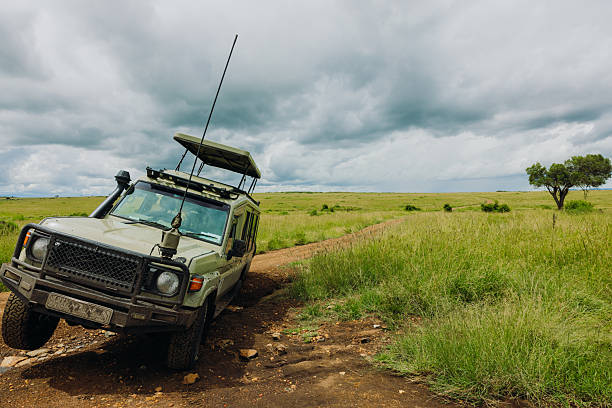 Tanzania Gold, Tanzanite And Gemstone Package: A Collectors Safari AdventureExperience Tanzania's mineral wealth alongside its iconic wildlife. This package offers a unique blend of safari adventure and gemstone…View package
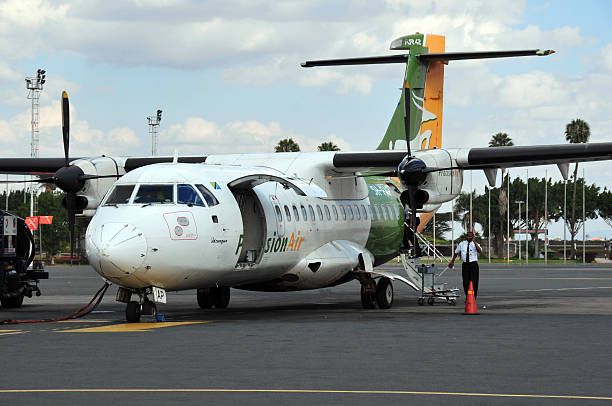 Ngorongoro Crater Geological Tour: A Deep Look At Tanzanias Volcanic WonderDiscover the geological marvel of the Ngorongoro Crater with an expert-led tour. Learn about its volcanic origins, caldera features, and how…View package
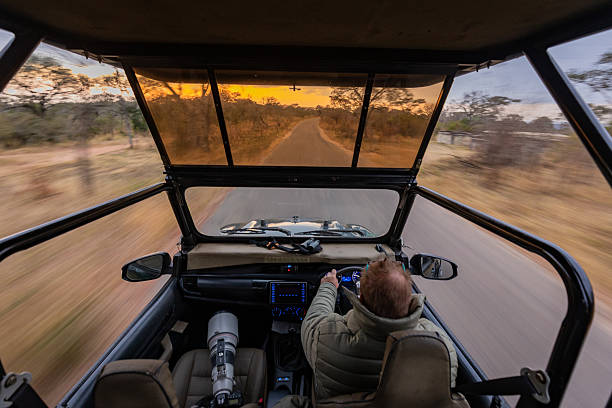 1-Day Mahenge Spinel Mining Experience: A Gemstone Adventure In TanzaniaExplore the vibrant world of gemstones with a unique 1-Day Mahenge Spinel Mining Experience in Tanzania. This immersive tour offers a hands-on…View package
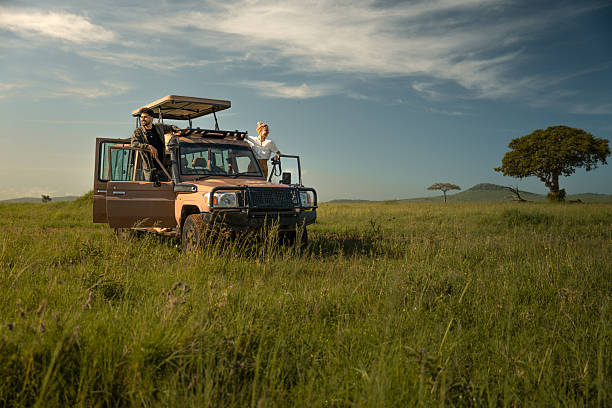 Experiencing Tanzanias Mining Communities: A Journey Beyond Safaris 2026-2027Explore the rich cultural mix and daily life within Tanzania's mining communities. This guide offers insights into engaging respectfully with…View package
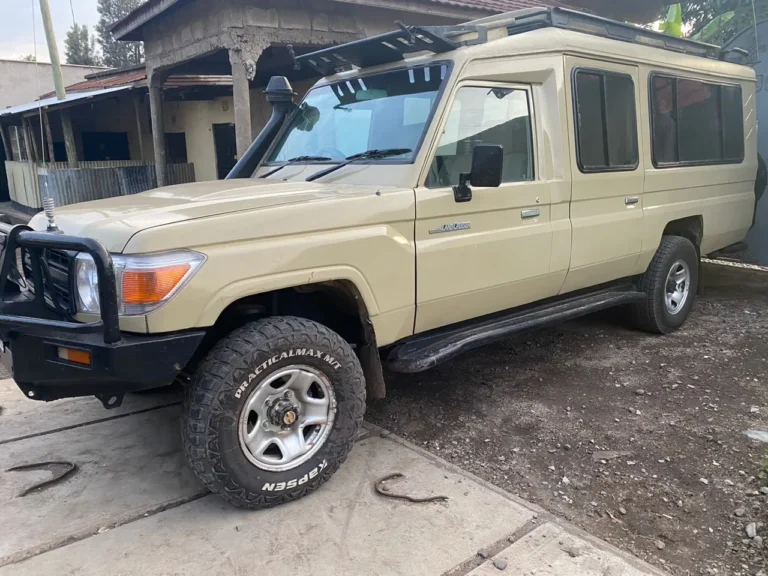 Tanzania Responsible Gemstone Buying Tour GuideDiscover the ultimate guide to a Tanzania Responsible Gemstone Buying Tour for 2026-2027. Learn about ethical sourcing, market navigation, gem…View package
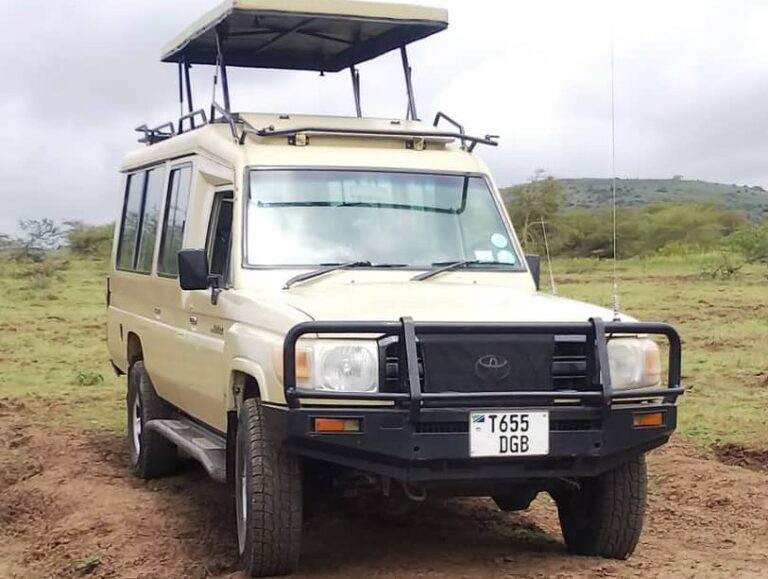 Tanzania Fossil And Mineral Tour: Unearthing Earths Secrets In 2026-2027Discover Tanzania's rich geological past and present with a specialized Fossil and Mineral Tour. This journey in 2026-2027 combines…View package
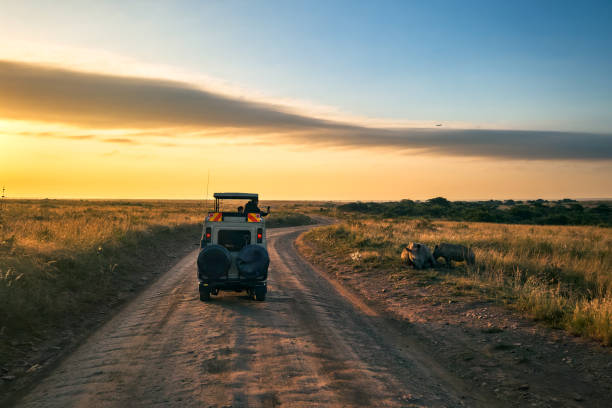 Ol Doinyo Lengai Volcanology Tour: Explore Tanzanias Unique Active Volcanostart an extraordinary Ol Doinyo Lengai Volcanology Tour to witness one of the world's most unique active volcanoes. This tour offers an…View package


