
The Isimila Stone Age Adventure offers a unique journey into Tanzania’s deep past, centered around the Isimila National Monument near Iringa. This site is renowned for its significant Paleolithic archaeological finds, including stone tools and evidence of early human activity dating back hundreds of thousands of years, set within a dramatic landscape of towering sandstone pillars and canyons. Visiting Isimila provides a profound connection to human origins and the geological forces that shaped the region, making it a compelling destination for history enthusiasts and curious travelers planning trips for 2026 and 2027.
Discovering the Isimila Stone Age: A Journey Through Time
Tanzania is globally celebrated for its wildlife safaris and the majestic Mount Kilimanjaro, but its significance extends far beyond these iconic attractions. The country is also a cradle of humankind, holding invaluable clues to our ancient past. Among its most compelling historical sites is the Isimila National Monument, a place where the earth itself tells a story of millennia. For travelers looking to experience a different facet of Tanzania, an Isimila Stone Age Adventure offers a profound and educational encounter with our earliest ancestors and the breathtaking geological formations they inhabited.
Located in the Iringa Region of southwestern Tanzania, Isimila is not just a collection of old stones; it’s a vibrant testament to human ingenuity and the enduring power of nature. The site showcases a rich assemblage of Oldowan and Acheulean stone tools, some of the earliest ever discovered, providing tangible links to hominins who lived and worked here as far back as 1.5 million years ago. These artifacts, meticulously preserved by the arid climate and the unique geological conditions, offer a window into the survival strategies, tool-making skills, and daily lives of our distant forebears.
Beyond its archaeological importance, the landscape of Isimila is a spectacle in itself. The area is characterized by dramatic ‘badlands’ – a maze of canyons, gullies, and towering sandstone pillars sculpted by millions of years of erosion. These natural sculptures create an otherworldly environment, enhancing the sense of stepping back into a prehistoric era. A visit here is a chance to walk in the footsteps of early humans, surrounded by a geological artistry that rivals any human creation.
As you plan your travels for 2026 and 2027, consider adding the Isimila Stone Age Adventure to your itinerary. It’s an opportunity to connect with the deep history of humanity in a setting that is both awe-inspiring and deeply moving. This guide will explore what makes Isimila a must-visit, what to expect during your adventure, and how to best plan your expedition to this remarkable Tanzanian treasure.
The Archaeological Significance of Isimila
The true heart of the Isimila Stone Age Adventure lies in its extraordinary archaeological record. Isimila is not merely a place where ancient artifacts are found; it is a primary context where early human behavior and technological development can be studied in detail. The site’s preservation is remarkable, offering a glimpse into a period of human evolution that laid the foundation for everything that followed.
Early Human Habitation and Tool Technology
Isimila is primarily known for its extensive collection of stone tools, which represent key stages in early hominin technological advancement. The most prominent tool industries found here are the Oldowan and Acheulean. The Oldowan industry, characterized by simple choppers and flakes, is among the earliest stone tool traditions, with evidence at Isimila suggesting hominins were using these basic tools perhaps as early as 1.5 million years ago. These tools were crucial for tasks like cutting meat, scraping hides, and processing plant materials.
Following the Oldowan, the Acheulean industry emerged, marked by the development of more sophisticated tools, most notably the handaxe. The handaxe, a bifacially worked stone tool, is considered a hallmark of the Acheulean period. It was a versatile tool used for a wide range of activities, including butchering large animals, digging for roots, and woodworking. The presence of numerous Acheulean handaxes at Isimila indicates that hominins in this region were capable of more complex planning and execution in their tool-making processes.
Dating and Hominin Species
Dating the finds at Isimila has been a complex but crucial scientific endeavor. Through methods like paleomagnetism and radiometric dating of associated geological layers, researchers have established that the tool-bearing deposits date back to a significant period, roughly between 1.5 million and 300,000 years ago. This vast timeframe encompasses the presence of several important hominin species, including *Homo habilis* (often associated with the Oldowan) and *Homo erectus* (strongly linked to the Acheulean).
While specific hominin fossils are rare at Isimila itself, the stone tools provide undeniable evidence of their presence and activities. The sheer quantity and variety of tools suggest that Isimila was a significant site for early human populations, possibly a place where they gathered to exploit local resources, such as water and stone suitable for tool manufacture. Understanding these ancient inhabitants helps us piece together the narrative of human evolution, migration, and adaptation.
The Importance of Context: Geology and Preservation
What makes Isimila so scientifically valuable is the excellent preservation of its archaeological context. The tools are often found in situ, meaning they are in their original positions within the geological layers, allowing archaeologists to understand their association with specific environments and time periods. The arid climate and the unique geological processes have protected these artifacts from extensive weathering and disturbance over millennia.
The site’s geological setting, characterized by sedimentary rocks and alluvial deposits, has played a critical role in preserving the archaeological record. The erosional forces that created the dramatic landscape also exposed ancient land surfaces, revealing the layers containing stone tools. This combination of artifact density, contextual integrity, and geological stability makes Isimila a world-class site for studying early human behavior.
The Dramatic Landscape of Isimila National Monument
While the archaeological treasures are the primary draw, the natural beauty and unique geological formations of Isimila are equally captivating. The Isimila Stone Age Adventure is as much about experiencing a striking natural environment as it is about exploring human history. The landscape here is stark, rugged, and profoundly beautiful, offering a dramatic backdrop to the ancient discoveries.
A Symphony of Sandstone and Erosion
The most striking feature of Isimila is its ‘badlands’ topography. This is an area where soft sedimentary rocks, primarily sandstone, have been extensively eroded by wind and water over vast periods. The result is a breathtaking panorama of deep canyons, steep-sided gullies, and towering, pillar-like rock formations. These pillars, some reaching tens of meters in height, stand like silent sentinels, carved into intricate shapes by the relentless forces of nature.
Walking through Isimila feels like navigating a natural sculpture garden on a grand scale. The colors of the sandstone range from earthy browns and ochres to pale yellows, shifting with the light throughout the day. The sheer scale and the intricate details of the erosion patterns create a visually stunning experience. It’s a landscape that evokes a sense of timelessness and the immense power of geological processes.
The Role of Water and Wind
The erosion that shaped Isimila is a continuous process, driven by seasonal rains and prevailing winds. During the wet season, flash floods carve deeper into the soft rock, while the dry season brings wind erosion that further sculpts the pillars and canyons. This dynamic environment means the landscape is constantly, albeit slowly, changing.
The presence of ancient riverbeds and alluvial deposits within the canyons also highlights the role of water in the site’s formation. These ancient watercourses were not only responsible for the landscape’s sculpting but also for concentrating the raw materials (stones) that early hominins used for tool making. The very processes that created the landscape also facilitated the accumulation of archaeological evidence.
A Prehistoric Ecosystem
Imagine this landscape millions of years ago. While the tools tell us about the hominins, the geology hints at the environment they inhabited. The presence of certain rock types and sedimentary layers can provide clues about the ancient climate, vegetation, and fauna. While direct fossil evidence of flora and fauna is less common than stone tools, the geological context suggests a landscape that could support early human life, likely with access to water sources and areas for foraging and hunting.
The stark beauty of Isimila today also serves as a reminder of the resilience of life. Despite the arid conditions, sparse vegetation can be found clinging to the canyon walls and mesas, demonstrating nature’s ability to thrive even in challenging environments. This resilience echoes the adaptability of the early hominins who survived and thrived in similar landscapes millions of years ago.
Planning Your Isimila Stone Age Adventure
A visit to Isimila requires thoughtful planning to make the most of this unique destination. While it’s not a typical tourist hotspot like the Serengeti, its historical and geological significance makes it a rewarding experience for those who seek it out. Whether you’re a history buff, a geology enthusiast, or simply an adventurous traveler, here’s what you need to know for your 2026-2027 trip.
Getting to Isimila
Isimila is located approximately 20-30 kilometers southwest of the town of Iringa in central-southern Tanzania. The journey to Iringa is typically made by road, either from Dar es Salaam (a long but scenic drive of about 8-10 hours) or from other major Tanzanian cities. From Iringa, the final leg to Isimila involves traveling on a dirt road, which can be rough, especially during the rainy season.
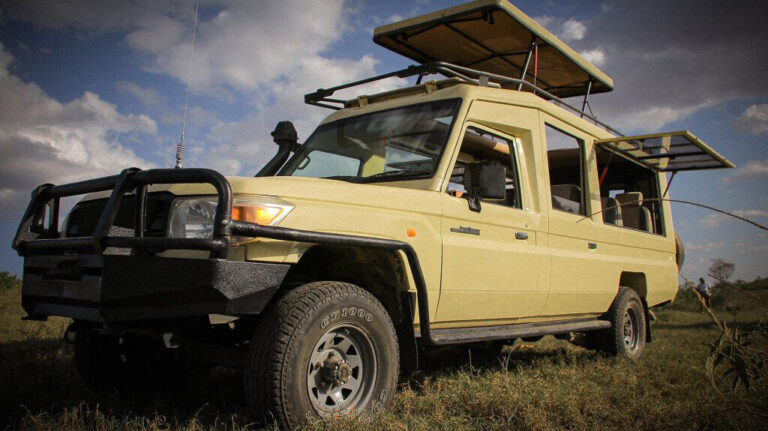
Travelers should ideally arrange for a 4×4 vehicle for the journey from Iringa to Isimila. This ensures comfort and reliability, especially if you plan to explore the site thoroughly or visit during the wetter months. Many tour operators, including Top Guide Adventures, can arrange transportation from Iringa or even from further afield, incorporating Isimila into a broader Tanzanian itinerary.
Best Time to Visit
The best time to visit Isimila generally aligns with Tanzania’s dry seasons. The primary dry season runs from June to October, offering pleasant temperatures and minimal rainfall, making the dirt roads more accessible and enjoyable to travel on. Another drier period occurs from January to February, though this can sometimes be interrupted by shorter rains.
The rainy seasons (March-May and November-December) can make access to Isimila challenging due to muddy and potentially impassable roads. While the landscape might be greener during these times, the logistical difficulties often outweigh the aesthetic benefits for most visitors. Planning your 2026 or 2027 trip during the dry season is highly recommended for a smoother experience.
What to Expect on a Visit
A visit to Isimila typically involves exploring the monument with a local guide. These guides are invaluable for understanding the archaeological significance of different areas, identifying stone tools, and navigating the terrain safely. They can point out the specific locations where tools have been found and explain the geological features.
Expect to do a fair amount of walking, often on uneven and sloping ground within the canyons and around the pillars. Comfortable, sturdy walking shoes are essential. The sun can be intense, so carrying water, wearing a hat, and applying sunscreen are crucial. The experience is immersive; you’ll be walking through the ancient landscape, looking at the ground for evidence of the past, and marveling at the geological formations.
Visits can range from a few hours to a full day, depending on your interest and how deeply you wish to explore the different sections of the monument. It’s advisable to pack snacks and plenty of water, as facilities at the site itself are minimal.
Accommodation Options
Most visitors to Isimila base themselves in Iringa town. Iringa offers a range of accommodation, from budget-friendly guesthouses to mid-range hotels. For those seeking a more comfortable stay, there are well-appointed hotels with good amenities.
For travelers looking for a more integrated experience or those on longer itineraries, camping can sometimes be arranged near the site, or as part of a guided tour package. However, for most day-trip visitors, Iringa provides the most practical and comfortable base. Booking accommodation in Iringa in advance is advisable, especially during peak travel seasons in 2026 and 2027.
Making the Most of Your Isimila Stone Age Adventure
To truly appreciate the Isimila Stone Age Adventure, it’s beneficial to approach it with a sense of curiosity and preparedness. This is a place that rewards engagement, offering a profound connection to our shared human history.
The Value of a Local Guide
Engaging a local guide is not just recommended; it’s almost essential for a meaningful visit. Guides possess intimate knowledge of the site, passed down through generations and augmented by official training. They can:
- Identify key archaeological areas: Direct you to locations where significant stone tools have been discovered.
- Explain geological features: Detail the formation of the canyons and pillars, and the sedimentary layers.
- Navigate safely: Guide you through the sometimes challenging terrain, pointing out potential hazards.
- Provide cultural context: Share local perspectives and stories related to the area.
- Enhance your understanding: Help you interpret the significance of the tools and the environment for early hominins.
Many tour operators, including Top Guide Adventures, work with experienced local guides to ensure visitors have an informative and safe experience. Booking a guided tour often simplifies logistics, including transportation and guide arrangements.
What to Pack for Your Visit
Given the natural environment and the activities involved, packing appropriately is key:
- Sturdy walking shoes: Essential for navigating uneven terrain.
- Sun protection: A wide-brimmed hat, sunglasses, and high-SPF sunscreen.
- Water: Carry at least 2-3 liters per person, as there are no facilities to purchase it on-site.
- Snacks: Energy bars, fruit, or a packed lunch.
- Lightweight, breathable clothing: Layers are advisable as temperatures can fluctuate. Long sleeves and trousers can protect against the sun and minor abrasions.
- Camera: To capture the stunning landscapes and geological formations.
- Binoculars (optional): For observing distant geological features or wildlife.
- Small backpack: To carry your essentials comfortably.
Combining Isimila with Other Attractions
Isimila is often visited as a day trip from Iringa. However, its location makes it a potential stop on a broader Tanzanian journey. For travelers interested in cultural heritage and history, it can be combined with visits to:
- The Maasai Cultural Village: Experience the traditions of one of Tanzania’s most iconic tribes.
- Local markets in Iringa: Discover local crafts, produce, and daily life.
- Ruaha National Park: One of Tanzania’s largest and most remote safari destinations, accessible from Iringa. This offers a stark contrast, focusing on contemporary wildlife rather than ancient human history. If you’re planning a safari in 2026-2027, Ruaha is an excellent option for a less crowded experience.
- Historical sites in Iringa: Such as the Isimila War Cemetery or local museums that provide context to the region’s more recent history.
For those undertaking a longer overland journey, Isimila can be a fascinating point of interest between the southern highlands and other parts of Tanzania. Its inclusion can add a unique historical dimension to a trip that might otherwise focus solely on wildlife or coastal experiences.
Photography at Isimila
The landscape at Isimila offers incredible photographic opportunities. The dramatic sandstone pillars, the deep canyons, and the play of light and shadow create striking visuals. Remember to:
- Capture the scale: Include a person or element of known size to convey the vastness of the formations.
- Focus on textures: The eroded surfaces of the sandstone have intricate patterns worth highlighting.
- Shoot during the golden hours: Early morning and late afternoon light can enhance the colors and dramatic contrasts of the landscape.
- Look for details: The stone tools themselves, though small, are significant subjects.
Always be mindful of your surroundings and respect the natural and archaeological integrity of the site.
Isimila vs. Other Prehistoric Sites
While Isimila is a standout, Tanzania and the wider East African region are globally recognized for their prehistoric significance. Understanding how Isimila fits into this broader context can enrich your appreciation for the Isimila Stone Age Adventure.
Olduvai Gorge: The ‘Cradle of Mankind’
Perhaps the most famous prehistoric site in East Africa is Olduvai Gorge, located in the Serengeti ecosystem. Olduvai Gorge is renowned for yielding some of the earliest and most complete fossil remains of early hominins, including those of *Zinjanthropus* (*Paranthropus boisei*) and *Homo habilis*. It has a longer and more continuous record of hominin evolution, spanning nearly 2 million years.
Key Differences: While Olduvai Gorge is celebrated for its hominin fossil discoveries and its extensive stratigraphic sequence, Isimila is particularly noted for the sheer abundance and excellent preservation of stone tools in a dramatic, eroded landscape. Both sites are crucial for understanding early human technological development and behavior, but Olduvai Gorge often takes precedence for fossil finds, while Isimila excels in showcasing the tool-making industry within a unique geological setting.
Kariandusi Prehistoric Site (Kenya)
In neighboring Kenya, Kariandusi is another significant Acheulean site, dating back to around 1 million years ago. It was discovered by Louis Leakey and is known for its large assemblage of handaxes and cleavers, found in association with evidence of a former lake shore.
Comparison: Like Isimila, Kariandusi highlights the Acheulean tool industry. However, Isimila’s geological formations are arguably more dramatic and unique than those at Kariandusi. Both sites offer valuable insights into the capabilities of Acheulean hominins.
Gona (Ethiopia)
Gona in Ethiopia is one of the oldest known sites of stone tool manufacture, with evidence dating back to around 2.6 million years ago. It provides crucial data on the very origins of tool use, predating the industries found at Isimila.
Perspective: Gona represents the earliest phase of stone tool technology, pushing back the timeline of hominin innovation. Isimila, with its rich Oldowan and Acheulean finds, shows the subsequent development and refinement of these technologies over a vast period, offering a broader view of tool evolution.
Isimila’s Unique Contribution
Isimila stands out due to its combination of:
- Abundant tool assemblages: Particularly Acheulean handaxes.
- Dramatic geological landscape: The eroded sandstone pillars and canyons offer a unique setting.
- Excellent preservation: Tools are often found in situ within clear geological layers.
- Accessibility from Iringa: Making it a feasible day trip for many travelers.
While other sites might offer older dates or more hominin fossils, the Isimila Stone Age Adventure provides an exceptionally clear and visually engaging experience of early human technology within a stunning natural environment. It’s a place where the physical evidence of our past is laid bare by the forces of nature.
The Future of Isimila: Preservation and Tourism in 2026-2027
As interest in Tanzania’s rich history and natural wonders continues to grow, the future of sites like Isimila is a topic of importance. Ensuring the preservation of this invaluable archaeological heritage while making it accessible to responsible tourism is key for 2026 and 2027 and beyond.
Conservation Efforts
The Tanzanian government, through the Antiquities Department and the National Museums of Tanzania, is responsible for the protection of national monuments like Isimila. Efforts typically involve:
- Site monitoring: Regular checks to prevent illegal excavation or damage.
- Path management: Maintaining designated paths to reduce erosion and protect sensitive areas.
- Information dissemination: Providing signage and educational materials to visitors.
- Collaboration with researchers: Supporting ongoing archaeological and geological studies.
The unique geological formations are also subject to natural erosion, which is a double-edged sword. While erosion exposes artifacts, it can also degrade the landscape over time. Conservation strategies aim to balance the protection of archaeological deposits with the natural processes that shape the site.
Responsible Tourism at Isimila
For travelers planning an Isimila Stone Age Adventure in the coming years, practicing responsible tourism is paramount:
- Respect the site: Do not disturb or remove any artifacts or geological formations. Take only photographs, leave only footprints.
- Follow guide instructions: Local guides are trained to ensure visitor safety and site protection.
- Minimize environmental impact: Carry out all trash, stay on marked paths where available, and avoid disturbing any wildlife.
- Support local communities: By hiring local guides and purchasing local crafts, you contribute directly to the economic well-being of the region.
Responsible tourism helps fund conservation efforts and demonstrates the value of preserving such sites for future generations.
Potential for Growth
While Isimila currently offers a relatively low-key visitor experience, there is potential for thoughtful development. This could include:
- Improved interpretive centers: Providing more in-depth information about the archaeology and geology.
- Enhanced trail systems: Making the site more accessible and safer for a wider range of visitors.
- Integration into broader tourism circuits: Connecting Isimila more effectively with safaris, cultural tours, and other attractions in the Iringa region and beyond.
Any future development must be carefully managed to avoid compromising the site’s integrity and natural beauty. The goal is to enhance the visitor experience without detracting from the authentic, raw appeal of Isimila.
Isimila as Part of a Larger Tanzanian Journey
An Isimila Stone Age Adventure is a remarkable standalone experience, but it truly shines when integrated into a broader exploration of Tanzania. The country offers an incredible diversity of landscapes, wildlife, cultures, and historical sites. For travelers planning for 2026-2027, consider how Isimila can complement other iconic Tanzanian destinations.
Connecting with Wildlife and Nature
The most popular draw for Tanzania is its world-class wildlife viewing. Isimila’s location in the central-southern highlands offers proximity to:
- Ruaha National Park: As mentioned, this vast park is a highlight for serious safari-goers, known for its large elephant and lion populations, and its wild, untamed beauty. It offers a contrasting experience to the more crowded northern parks.
- Mikumi National Park: Closer to Dar es Salaam, Mikumi is easily accessible and offers excellent game viewing, often called a ‘mini-Serengeti’.
Combining a historical exploration of Isimila with the thrill of a safari provides a well-rounded Tanzanian adventure, showcasing both the deep past and the vibrant present of its natural world.
Cultural Immersion
Tanzania is home to over 120 ethnic groups, each with unique traditions and customs. While Isimila itself offers a connection to ancient human culture, interactions with contemporary communities add another layer:
- Maasai communities: Visits to Maasai villages provide insights into their pastoral lifestyle, traditions, and social structures.
- Local markets: Exploring markets in towns like Iringa offers a glimpse into daily life, local produce, and artisanal crafts.
- Interactions with other tribes: Depending on your route, you might encounter the Sukuma, Nyamwezi, or other groups, each with their own distinct heritage.
These cultural encounters offer a profound understanding of Tanzania’s human landscape, complementing the deep historical perspective gained at Isimila.
Trekking and Adventure
For the more adventurous, Tanzania offers more than just safaris:
- Mount Kilimanjaro: The iconic ‘Roof of Africa’ is a must-do for many, offering various routes and challenges. Planning a Kilimanjaro trek for 2026 or 2027 is a significant undertaking that pairs well with other Tanzanian experiences.
- Mount Meru: A challenging trek and a fantastic acclimatization climb for Kilimanjaro, offering superb views.
- Zanzibar: Beyond its historical Stone Town, Zanzibar offers beautiful beaches, snorkeling, diving, and spice tours, providing a relaxing end to an adventurous trip.
An Isimila Stone Age Adventure can be a unique educational component within a larger itinerary that includes these diverse activities.
Logistical Considerations
When planning a multi-faceted trip to Tanzania, especially for 2026-2027, consider:
- Travel time: Tanzania is a large country, and travel between destinations can be time-consuming. Factor in sufficient days for each location.
- Transportation: Safaris often involve 4×4 vehicles. Overland travel between regions might use minibusses or private transfers. Flights can save time for longer distances.
- Booking in advance: Popular safari camps, Kilimanjaro climbs, and accommodations, especially during peak seasons, should be booked well in advance.
- Tour Operators: Working with a reputable tour operator like Top Guide Adventures can greatly simplify logistics, ensuring smooth transitions between different experiences and providing expert guidance. They can tailor itineraries to include unique sites like Isimila alongside the classic attractions.
By thoughtfully combining the Isimila Stone Age Adventure with other Tanzanian highlights, you can create a truly unforgettable journey that spans millions of years of history, diverse ecosystems, and vibrant cultures.
Booking Your Isimila Stone Age Adventure
Ready to step back in time and explore the ancient wonders of Isimila? Top Guide Adventures specializes in crafting unique Tanzanian experiences that go beyond the ordinary. Whether you envision a dedicated day trip to the Isimila National Monument from Iringa or wish to integrate this fascinating historical site into a larger safari, trekking, or cultural tour for your 2026 or 2027 travels, we are here to help.
Our expert team can arrange all necessary logistics, including comfortable 4×4 transportation from Iringa, knowledgeable local guides who bring the history of Isimila to life, and accommodation in Iringa or other preferred locations. We understand the importance of a well-planned itinerary that balances adventure with comfort and educational value. Let us help you discover the profound connection to human origins that an Isimila Stone Age Adventure offers.
To discuss your customized itinerary or to inquire about our services, please feel free to contact us:
- WhatsApp: +255616946642
- Email: topguideadventures@gmail.com
- Backup Email: info@topguideadventures.com
We look forward to helping you plan an extraordinary journey through Tanzania’s past and present. Visit our website at Top Guide Adventures for more inspiration and to see our range of offerings, including specialized safaris and treks.
Check Availability for Isimila Stone Age Adventure: Unearthing Ancient Tanzania In 2026-2027
Ready to compare dates, prices, and the best option for your group? Send the package name and travel month so the team can reply with a clear quote, availability, and what is included.
 Tanzania Gold, Tanzanite And Gemstone Package: A Collectors Safari AdventureExperience Tanzania's mineral wealth alongside its iconic wildlife. This package offers a unique blend of safari adventure and gemstone…View package
 1-Day Mahenge Spinel Mining Experience: A Gemstone Adventure In TanzaniaExplore the vibrant world of gemstones with a unique 1-Day Mahenge Spinel Mining Experience in Tanzania. This immersive tour offers a hands-on…View package
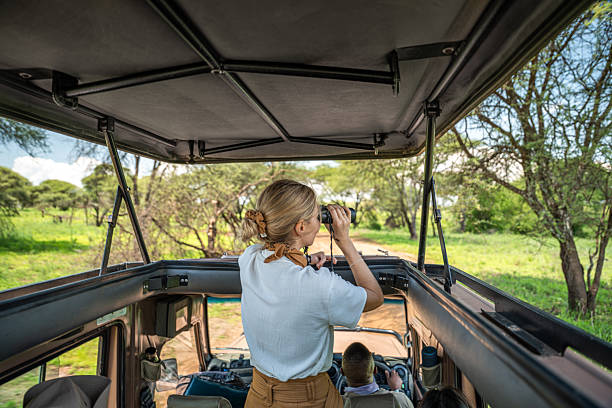 1-Day Tanzanite Buying Tour From Moshi: Your Ultimate Gemstone AdventureExperience a unique 1-Day Tanzanite Buying Tour from Moshi, immersing yourself in the world of this rare gemstone. Perfect for gem enthusiasts…View package
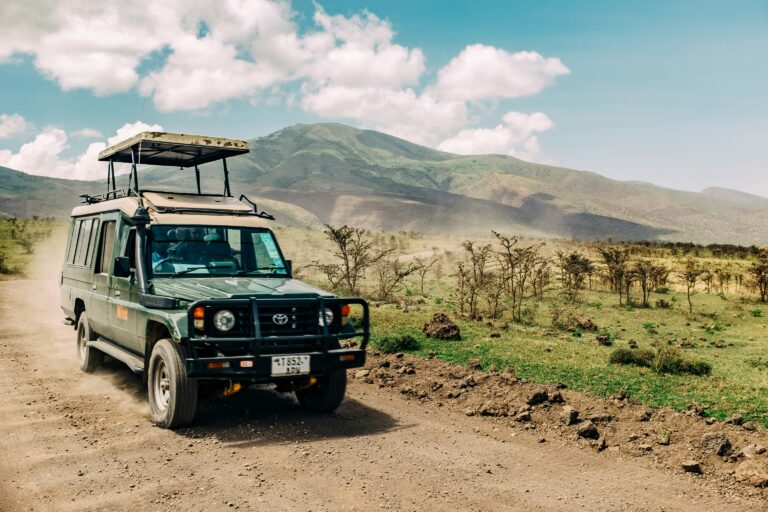 1-Day Tanzanite Buying Tour From Arusha: Your Ultimate Gemstone AdventureExperience a fascinating 1-day tour from Arusha focused on the acquisition of the rare Tanzanite gemstone. This unique adventure takes you to…View package
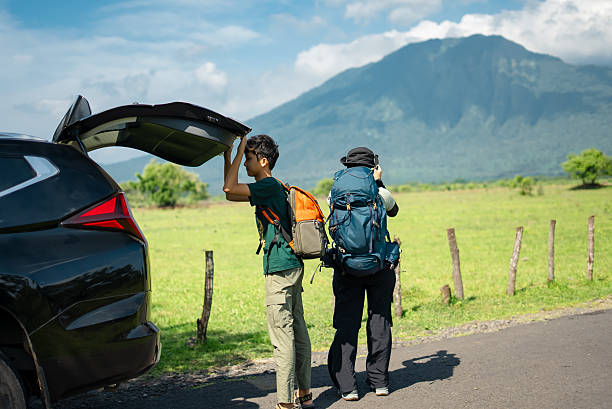 Tanzania Volcanic Landscapes Adventure: Summit Kilimanjaro & Explorestart an unforgettable Tanzania Volcanic Landscapes Adventure, combining the challenge of Mount Kilimanjaro with the wildlife spectacle of the…View package
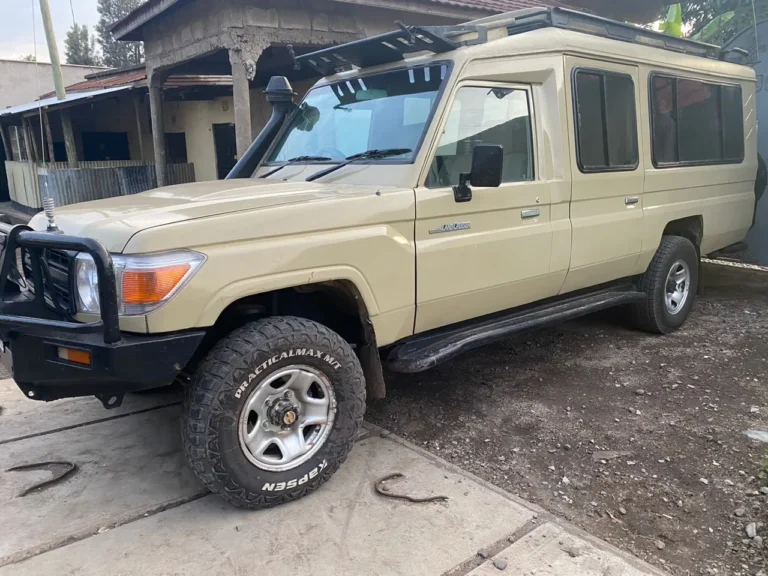 Tanzania Responsible Gemstone Buying Tour GuideDiscover the ultimate guide to a Tanzania Responsible Gemstone Buying Tour for 2026-2027. Learn about ethical sourcing, market navigation, gem…View package
 Lake Natron Geological Adventure: A Journey Into Tanzanias Volcanic Heartstart a geological adventure to Lake Natron, Tanzania's striking soda lake. This deep dive covers its formation, unique ecosystem, and the…View package
 5-Day Tanzania Gemstone And Geology Expedition: Explore Earths TreasuresA 5-day expedition into Tanzania's rich geological landscapes, focusing on gemstone exploration and understanding Earth's processes. Perfect for…View package


