
A Kondoa Rock Art Expedition in Tanzania offers a profound journey into Africa’s ancient past, focusing on the vast collection of rock paintings found in the Kondoa District, a UNESCO World Heritage site. These sites, including Kolo, Chenene, and Ndare, showcase thousands of years of human history through intricate art, providing insights into the lives, beliefs, and social structures of early inhabitants. Planning an expedition involves understanding the best times to visit, the types of art to expect, the archaeological significance, and how to arrange a guided tour, typically from Arusha or Dodoma, to fully appreciate this unique cultural and historical treasure.
Unveiling the Secrets of the Kondoa Rock Art Sites
Tanzania is globally renowned for its breathtaking wildlife safaris and the majestic Mount Kilimanjaro. However, beyond these iconic attractions lies a rich cultural heritage waiting to be discovered. The Kondoa Rock Art sites, nestled in the central-northern part of the country, represent one of Africa’s most important concentrations of ancient rock art. Designated a UNESCO World Heritage site in 2006, these galleries offer a visual chronicle of human activity spanning over 10,000 years. A Kondoa Rock Art Expedition is more than just a sightseeing trip; it’s an immersive experience into the continent’s prehistoric narrative.
The art found here is not merely decorative. It serves as a window into the spiritual beliefs, daily lives, hunting practices, and social customs of societies that existed long before written records. The paintings depict a diverse range of subjects, from elegant human figures and dynamic animal scenes to abstract symbols. Understanding the context and evolution of this art requires expert guidance, making a well-planned expedition essential for a truly enriching visit in 2026 or 2027.
The Significance of Kondoa as a UNESCO World Heritage Site
The inscription of the Kondoa Rock Art sites onto the UNESCO World Heritage list underscores their universal value. This recognition highlights their outstanding importance for humanity and the need for their preservation. The sheer scale and diversity of the paintings, coupled with their remarkable state of preservation in many areas, make Kondoa a critical site for understanding human history in East Africa. The site encompasses over 150 rock shelters, with the most significant clusters located near Kolo, Chenene, and Ndare. Each location tells a slightly different story, reflecting regional variations in culture and artistic expression over millennia.
The archaeological and anthropological significance of Kondoa cannot be overstated. It provides crucial evidence for the development of human societies, the transition from hunter-gatherer lifestyles to pastoralism, and the complex belief systems that shaped these communities. For travelers interested in history, archaeology, and unique cultural experiences, a Kondoa Rock Art Expedition offers unparalleled insights.
Planning Your Kondoa Rock Art Expedition
Organizing a trip to the Kondoa Rock Art sites requires careful consideration of logistics, timing, and the best way to access these remote locations. While the journey might be more involved than a typical safari, the rewards are immense. Top Guide Adventures specializes in crafting personalized itineraries that incorporate these cultural gems into a broader Tanzanian adventure, ensuring a comprehensive and memorable experience.
Best Time to Visit Kondoa
The climate in the Kondoa region is generally dry and can be hot, especially during the main dry seasons. The best time for a Kondoa Rock Art Expedition is typically during the dry seasons: from June to October, and again from December to February. These periods offer more predictable weather, with less rainfall, making the dirt roads leading to the sites more accessible and pleasant for exploration.
- June to October (Long Dry Season): This is a prime time for visiting most of Tanzania. The landscape is dry, making game viewing easier in national parks (if combined with a safari) and travel smoother. Temperatures are moderate, especially in the mornings and evenings.
- December to February (Short Dry Season): This period is also suitable, though it can be hotter than the June-October window. It often coincides with the calving season in areas like the Serengeti, adding another layer of natural spectacle if you’re combining your trip with a safari.
- March to May (Long Rains): This season brings significant rainfall, which can make roads impassable and limit access to the rock art sites. It is generally advisable to avoid this period for a dedicated rock art expedition.
- November (Short Rains): This transitional month can be unpredictable, with some rainfall possible.
Choosing 2026 or 2027 for your visit means planning within these optimal windows to ensure the smoothest and most enjoyable experience. Early booking is recommended, especially for peak seasons.
Getting to Kondoa: Routes and Logistics
The Kondoa Rock Art sites are not located near major tourist hubs like Arusha or the Serengeti. Access typically involves a combination of travel, often starting from Arusha or Dodoma, Tanzania’s capital city. Top Guide Adventures can arrange smooth transportation, ensuring your journey is comfortable and efficient.
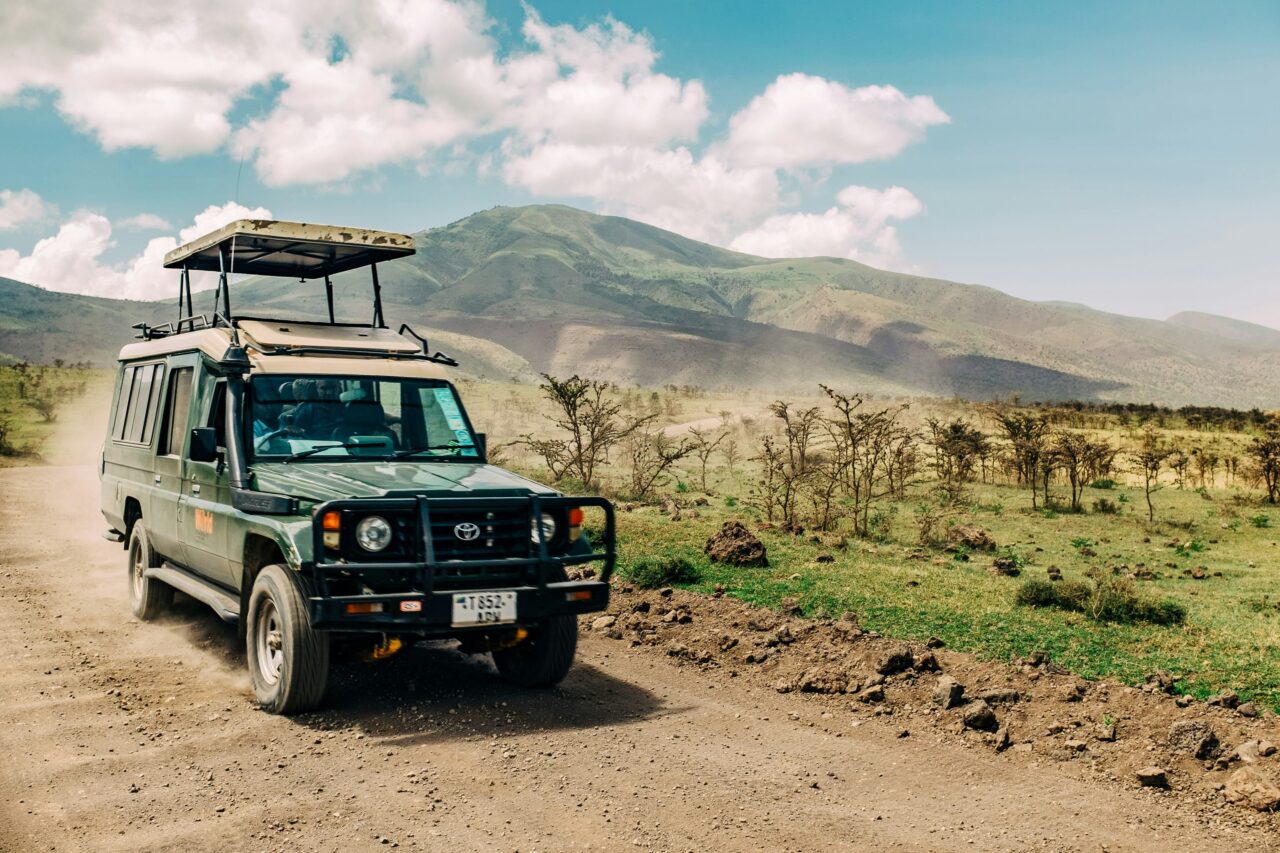
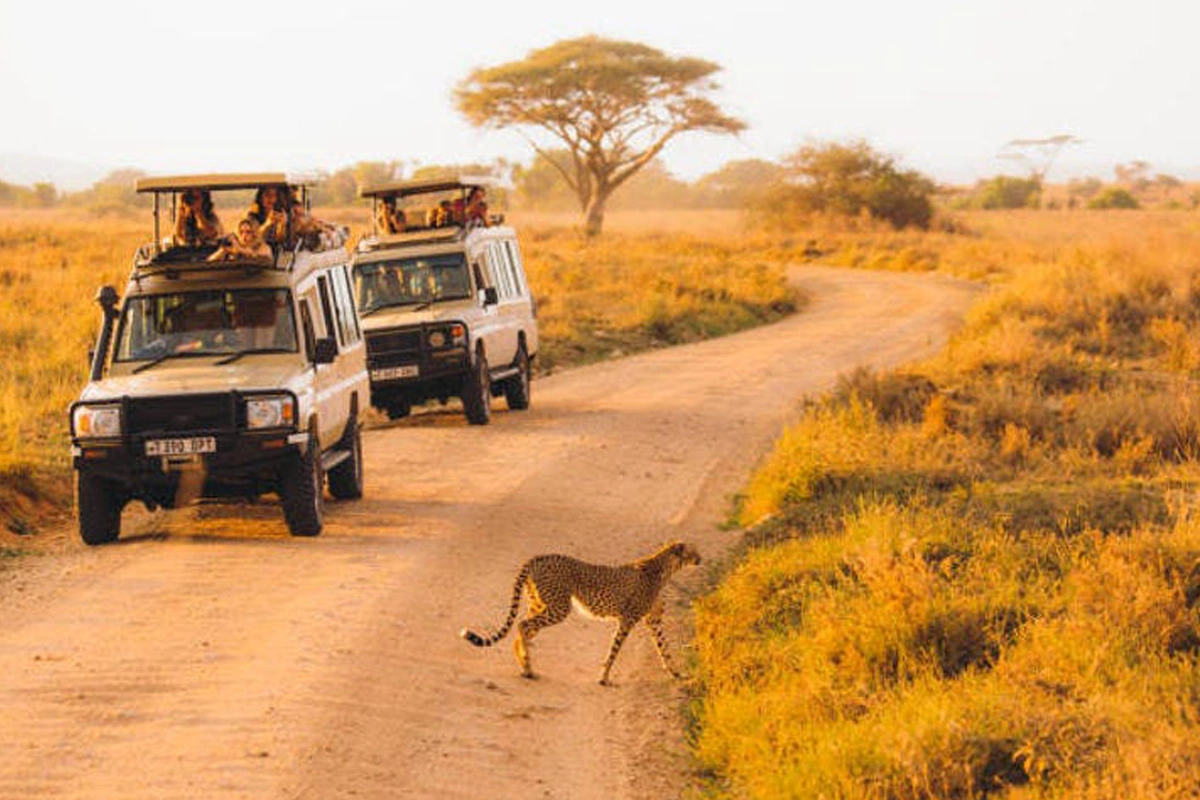
- From Arusha: Arusha is the primary gateway for northern Tanzania tourism. The drive to Kondoa is substantial, often taking a full day or requiring an overnight stop. The route typically goes south towards Babati and then west towards Kondoa town. This journey can be undertaken by private 4×4 safari vehicle, offering comfort and the ability to stop for photos or breaks.
- From Dodoma: As the capital, Dodoma is closer to Kondoa than Arusha. The drive from Dodoma to Kondoa town is shorter, usually a few hours. This can be a convenient option if your itinerary includes visits to central Tanzania or if you are flying into Dodoma.
Important Considerations for Travel:
- Road Conditions: While main roads are generally in fair condition, the routes leading directly to some of the more remote rock art shelters can be rough and unpaved. A sturdy 4×4 vehicle is essential.
- Guides: Hiring local guides at Kondoa town is mandatory and highly recommended. They possess intimate knowledge of the sites, the art, and the local culture, enhancing your understanding and ensuring you visit the most significant locations.
- Accommodation: Options in Kondoa town are basic. For a more comfortable experience, travelers often stay in lodges or hotels in nearby towns like Babati or Dodoma, making day trips to the sites. Alternatively, custom camping arrangements can be made for a more immersive experience.
Travel Tip for 2026-2027 Expeditions
When planning your Kondoa Rock Art Expedition for 2026 or 2027, consider combining it with other cultural or natural attractions in central Tanzania. This can create a more rounded and rewarding travel experience. For instance, exploring Dodoma’s unique architecture or visiting the vast Rungwa Game Reserve can complement your rock art discoveries.
The Kondoa Rock Art: A Journey Through Time
The rock art of Kondoa is extraordinary not just for its quantity but for its quality, diversity, and the incredible span of time it covers. The paintings are broadly categorized into two main styles, reflecting different periods and cultural groups.
The ‘Fine Style’ Paintings
These are the oldest and perhaps the most captivating paintings, attributed to hunter-gatherer communities. They are characterized by:
- Figurative Representations: Often depicting animals with remarkable detail and dynamism. You’ll find graceful antelopes, powerful elephants, and elusive predators.
- Human Figures: While less common and often more abstract than animal depictions, human figures can represent hunters, dancers, or individuals engaged in ritualistic activities.
- Color Palette: Primarily ochre reds, yellows, and browns, derived from natural mineral pigments.
- Technique: Applied using fingers, brushes made from animal hair or plant fibers, or even by blowing pigment through a tube.
These ‘Fine Style’ paintings are thought to date back as far as 10,000 years ago, offering a glimpse into the lives and worldviews of some of Africa’s earliest inhabitants. They often convey a sense of movement and life, demonstrating a deep understanding of animal behavior and form.
The ‘Schematic Style’ Paintings
These paintings represent a later period, often associated with the transition to pastoralism and agricultural lifestyles. They are characterized by:
- Abstract and Geometric Designs: Less focus on realistic depiction and more on symbolic representations.
- Human and Animal Forms: Often simplified, stylized, and sometimes anthropomorphic figures.
- Narrative Scenes: Some paintings appear to depict communal activities, rituals, or social events.
- New Colors: White pigments, often derived from kaolin, become more prominent alongside reds and yellows.
The ‘Schematic Style’ is believed to have been created by communities that moved into the region later, possibly between 3,000 and 500 years ago. These paintings provide insights into evolving social structures, beliefs, and the impact of new technologies and ways of life.
Key Rock Art Sites to Explore
While the Kondoa region boasts over 150 shelters, a focused expedition typically visits the most accessible and artistically significant locations:
- Kolo: One of the most visited areas, Kolo offers a concentration of shelters with diverse paintings. The Kolo North and Kolo South shelters are particularly noteworthy, showcasing both ‘Fine’ and ‘Schematic’ styles.
- Chenene: Located further afield, Chenene provides a different perspective, with unique artistic motifs and a sense of greater remoteness.
- Ndare: This site is known for its impressive collection of paintings, often featuring large animal figures and complex human interactions.
- Mungaa: Another significant cluster of shelters, Mungaa offers a rich display of the region’s artistic heritage.
Each site offers a unique chapter in the story told by the rock art, and a comprehensive expedition will aim to visit several to appreciate the full scope of this ancient legacy.
Sample Itinerary Snippet: Kondoa Rock Art Focus
This is a hypothetical snippet to illustrate how a Kondoa Rock Art Expedition might be structured within a larger Tanzanian tour:
Day 1: Arusha to Kondoa Town
- Morning departure from Arusha in a private 4×4 vehicle.
- Scenic drive south, with stops for photography and lunch en route.
- Arrive in Kondoa town in the late afternoon, check into your accommodation.
- Briefing with your local guide about the upcoming site visits.
Day 2: Exploring Kolo Rock Art Sites
- After breakfast, drive to the Kolo rock shelters with your local guide.
- Spend the morning exploring Kolo North and Kolo South, learning about the different styles and interpretations of the paintings.
- Picnic lunch amidst the stunning landscape.
- Afternoon visit to other nearby shelters in the Kolo area.
- Return to Kondoa town for the night.
Day 3: Chenene or Ndare Expedition & Return to Dodoma/Arusha
- Option to visit the Chenene or Ndare sites, depending on time and interest.
- Alternatively, begin the journey back towards Dodoma or Arusha.
- If heading to Dodoma, explore the city’s landmarks upon arrival.
- If returning to Arusha, expect a full day’s drive.
Note: This is a sample and can be customized. The duration of your Kondoa Rock Art Expedition can be extended to include more remote sites or combined with other Tanzanian destinations.
The People Behind the Art: Cultural and Historical Context
The Kondoa Rock Art is not just about the images; it’s about the people who created them and the cultures they represent. Understanding this context enriches the visitor’s experience profoundly.
Hunter-Gatherer Societies
The earliest paintings are attributed to hunter-gatherer groups who inhabited the region for millennia. Their lives were intimately connected to the land and its wildlife. The detailed animal depictions suggest a deep observational knowledge and likely a spiritual or symbolic relationship with these creatures. These groups may have used the rock shelters for habitation, ceremonies, or as sacred sites where these paintings were created as part of rituals or storytelling.
Transition to Pastoralism and Agriculture
Later paintings reflect a significant shift in lifestyle. The introduction of livestock, such as cattle, sheep, and goats, brought by migrating groups, dramatically altered the social and economic landscape. The ‘Schematic Style’ paintings often feature human figures with cattle, illustrating the importance of these animals in their new way of life. This period also saw the gradual adoption of agriculture in some areas, leading to more settled communities and evolving belief systems.
Living Traditions and Modern Interpretations
While the ancient artists are long gone, the cultural landscape of Kondoa is still vibrant. The local communities, including the Sandawe and other ethnic groups, often have oral traditions and beliefs that may connect them, directly or indirectly, to the creators of the rock art. Modern guides often share these local perspectives, adding a living dimension to the historical exploration.
It’s important to approach these sites with respect for both their ancient origins and the contemporary communities who are their custodians. The interpretation of the art is ongoing, with archaeologists and anthropologists continually working to decipher the meanings behind the symbols and figures.
Archaeological Research and Conservation Efforts
The Kondoa Rock Art sites are not just a tourist attraction; they are a vital archaeological resource. Ongoing research aims to understand the full timeline of human occupation, the evolution of artistic expression, and the environmental changes that influenced these societies.
Key Discoveries and Research Highlights
Archaeological work in Kondoa has revealed a long sequence of human presence, dating back to the Middle Stone Age and continuing through the Later Stone Age and into the Iron Age. Researchers have used techniques such as radiocarbon dating (where possible, on organic materials associated with pigments or sites) and stylistic analysis to establish chronologies. The discovery of tools, pottery fragments, and evidence of ancient hearths within and around the shelters further illuminates the lives of the people who created the art.
The significance of Kondoa lies in its ability to document the transition from hunter-gatherer economies to more complex social structures, including the adoption of pastoralism. This transition is clearly visible in the changing themes and styles of the rock paintings.
Conservation Challenges and Strategies
As a UNESCO World Heritage site, Kondoa faces challenges related to conservation. Natural erosion, weather effects, and the impact of human activity (both historical and contemporary) can threaten the integrity of the paintings.
- Protection Measures: The Tanzanian government, in collaboration with international organizations, works to protect the sites. This includes monitoring, restricting access to particularly fragile areas, and educating local communities about the importance of preservation.
- Community Involvement: Engaging local communities as stakeholders in conservation is crucial. When local people benefit from tourism and understand the value of the heritage, they become active protectors of the sites.
- Sustainable Tourism: Promoting responsible tourism practices is key. This involves ensuring that visitor numbers are managed, guides are trained, and visitor impact is minimized. A well-organized Kondoa Rock Art Expedition, like those arranged by Top Guide Adventures, prioritizes these sustainable principles.
Planning your visit for 2026 or 2027 means supporting these vital conservation efforts through responsible tourism. Your expedition contributes directly to the preservation of this invaluable global heritage.
Why Choose Top Guide Adventures for Your Kondoa Rock Art Expedition?
When embarking on a journey to a unique destination like the Kondoa Rock Art sites, partnering with an experienced and reputable tour operator is paramount. Top Guide Adventures offers specialized knowledge and a commitment to providing exceptional travel experiences.
Expert Local Knowledge and Guidance
Our team comprises local experts who understand the intricacies of Tanzania, from its wildlife-rich national parks to its hidden cultural treasures. For the Kondoa Rock Art Expedition, we work with knowledgeable local guides at the sites themselves, ensuring you receive accurate historical and cultural interpretations. We understand the best routes, the most significant shelters, and the cultural protocols required for a respectful visit.
Customizable Itineraries
We believe that every traveler is unique. Whether you want to focus solely on the rock art, combine it with a Tanzanian safari, or include it as part of a larger cultural tour, we can design an itinerary tailored to your interests, budget, and time. Your Kondoa Rock Art Expedition can be as brief or as extensive as you desire.
Commitment to Responsible Tourism
Top Guide Adventures is dedicated to sustainable and responsible tourism practices. We work to ensure that our tours benefit local communities, respect cultural heritage, and minimize environmental impact. By choosing us, you are contributing to the preservation of sites like Kondoa for future generations.
smooth Logistics and Support
From arranging comfortable 4×4 transportation and selecting appropriate accommodation to ensuring you have the best local guides, we handle all the logistical details. Our goal is to allow you to immerse yourself fully in the experience of discovering the Kondoa Rock Art without the stress of planning the complexities.
Ready to Plan Your Expedition?
Discover the ancient stories etched into the rocks of Kondoa. Let Top Guide Adventures craft your perfect Kondoa Rock Art Expedition for 2026-2027. We offer personalized tours that blend cultural immersion with comfortable travel. Get in touch to start planning:
- WhatsApp: +255616946642
- Email: topguideadventures@gmail.com
- Backup Email: info@topguideadventures.com
Visit our website for more information on our Tanzanian adventures: Top Guide Adventures.
Frequently Asked Questions about the Kondoa Rock Art Expedition
What is the primary significance of the Kondoa Rock Art sites?
The Kondoa Rock Art sites are significant because they represent one of the most extensive and oldest collections of rock paintings in East Africa, spanning over 10,000 years of human history. They provide invaluable insights into the lives, beliefs, and social structures of ancient hunter-gatherer and later pastoralist communities, earning them UNESCO World Heritage status.
Are the rock art sites easily accessible?
Accessibility varies. The main sites near Kondoa town are reachable by 4×4 vehicles, though road conditions can be challenging. More remote shelters require more effort and specialized transport. Local guides are essential for navigating the terrain and finding the shelters.
What kind of art can I expect to see?
You can expect to see two main styles: the ‘Fine Style,’ featuring detailed and dynamic depictions of animals and some human figures, created by hunter-gatherers thousands of years ago; and the ‘Schematic Style,’ with more abstract and symbolic representations, often depicting human-cattle interactions, created by later pastoralist communities.
Is it possible to combine a Kondoa Rock Art Expedition with a safari?
Absolutely. Many travelers choose to combine their rock art expedition with a Tanzanian safari to northern parks like the Serengeti or Ngorongoro. Top Guide Adventures can create custom itineraries that integrate these experiences, offering a comprehensive view of Tanzania’s natural and cultural wonders.
What should I pack for a Kondoa Rock Art Expedition?
Pack light, breathable clothing suitable for warm weather, a hat, sunscreen, insect repellent, comfortable walking shoes, a reusable water bottle, and a camera. Binoculars can be useful for observing details in the paintings. A small backpack for day trips is also recommended.
When is the best time to plan a Kondoa Rock Art Expedition in 2026 or 2027?
The best times to visit are during the dry seasons: June to October and December to February. These periods offer the most favorable weather conditions for travel and exploration, with less rainfall and more accessible roads.
The Enduring Legacy of Kondoa
The Kondoa Rock Art Expedition offers a unique opportunity to connect with a deep and ancient past. These painted shelters are more than just historical artifacts; they are a testament to the enduring human spirit, creativity, and the complex relationship between people and their environment. Visiting Kondoa is a journey not just across Tanzania, but across millennia. It’s an experience that provides profound context to human history in Africa and a chance to witness a legacy preserved against the odds.
For those seeking an adventure that goes beyond the ordinary, a Kondoa Rock Art Expedition promises discovery, reflection, and an unforgettable encounter with one of humanity’s most significant artistic and cultural heritage sites. Planning your trip for 2026 or 2027 with experts like Top Guide Adventures ensures you can fully appreciate this extraordinary destination.
Check Availability for Kondoa Rock Art Expedition: Discover Ancient Tanzania 2026-2027
Ready to compare dates, prices, and the best option for your group? Send the package name and travel month so the team can reply with a clear quote, availability, and what is included.
 5-Day Tanzania Gemstone And Geology Expedition: Explore Earths TreasuresA 5-day expedition into Tanzania's rich geological landscapes, focusing on gemstone exploration and understanding Earth's processes. Perfect for…View package
 Isimila Stone Age Adventure: Unearthing Ancient Tanzania In 2026-2027Explore the wonders of the Isimila Stone Age, a significant paleoanthropological site in Tanzania. Learn about its history, geology, and what to…View package
 Laetoli Footprints Heritage Tour GuideDiscover the Laetoli Footprints Heritage Tour, a significant journey into human origins located in Tanzania's Ngorongoro Conservation Area. This…View package
 Olduvai Gorge Archaeological Tour: Journey To Humanitys Cradle 2026-2027Explore Olduvai Gorge, a pivotal archaeological site in Tanzania, on a specialized tour. This deep look at human prehistory offers unparalleled…View package
 An. Archaeology, Fossils And Heritage GuideDiscover the profound archaeological and paleontological treasures of Tanzania, a land that whispers tales of human origins and ancient…View package
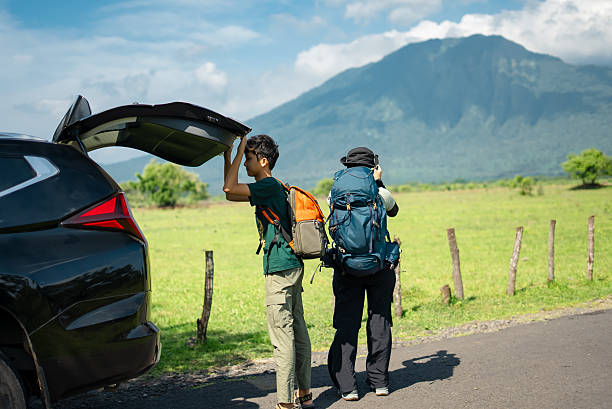 Tanzania Volcanic Landscapes Adventure: Summit Kilimanjaro & Explorestart an unforgettable Tanzania Volcanic Landscapes Adventure, combining the challenge of Mount Kilimanjaro with the wildlife spectacle of the…View package
 Experiencing Tanzanias Mining Communities: A Journey Beyond Safaris 2026-2027Explore the rich cultural mix and daily life within Tanzania's mining communities. This guide offers insights into engaging respectfully with…View package
 Tanzania Responsible Gemstone Buying Tour GuideDiscover the ultimate guide to a Tanzania Responsible Gemstone Buying Tour for 2026-2027. Learn about ethical sourcing, market navigation, gem…View package


