
Mount Rungwe is Tanzania’s third-highest peak, standing at 2,981 meters (9,780 feet), located in the Mbeya Region of southern Tanzania. It is a dormant volcano renowned for its challenging hiking trails, unique montane rainforests, diverse wildlife including endemic species, and stunning panoramic views. Planning a trip to Mount Rungwe in 2026 or 2027 involves understanding its trekking seasons, routes, required gear, and the best ways to experience its natural beauty, offering a distinct alternative to the more frequented northern circuit attractions.
Understanding Mount Rungwe’s Unique Appeal
While Mount Kilimanjaro and Mount Meru often steal the spotlight in Tanzania’s trekking scene, Mount Rungwe presents an equally compelling, though less trodden, adventure. Situated in the southwestern highlands, Rungwe is not merely a mountain; it’s a biodiversity hotspot, a vital water catchment, and a significant cultural landmark for the local communities. Its appeal lies in its raw, untamed nature, offering a more intimate and challenging experience for those seeking to explore beyond the usual tourist paths. For travelers planning their Tanzanian expeditions for 2026-2027, Rungwe promises an escape into a world of verdant forests, mist-shrouded peaks, and encounters with wildlife rarely seen elsewhere.
The mountain’s geological formation as a dormant volcano has endowed it with a unique landscape. Unlike the volcanic cones of Kilimanjaro, Rungwe features a rugged, eroded caldera and a series of dramatic ridges and valleys. This varied topography translates into diverse ecosystems, from dense montane forests teeming with life at its base to the more exposed, windswept alpine zones near its summit. The climate, influenced by its altitude and proximity to Lake Nyasa, is cooler and wetter than much of Tanzania, fostering an environment that supports a rich array of flora and fauna.
For the intrepid traveler, Mount Rungwe offers a chance to connect with nature on a profound level. The treks are demanding, requiring good physical fitness and a spirit of adventure, but the rewards are immense. The sense of accomplishment upon reaching its summit, coupled with the breathtaking vistas and the tranquility of its remote location, makes it a truly memorable destination. As we look towards 2026 and 2027, Rungwe stands as an increasingly attractive option for those wanting a genuine wilderness experience in Tanzania.
The Geography and Geology of Rungwe
Mount Rungwe’s physical presence dominates the landscape of southwestern Tanzania. Its geological narrative is one of volcanic activity, dating back millions of years. While now dormant, its origins as a stratovolcano have shaped its distinctive features. The mountain is part of the larger East African Rift Valley system, a zone of immense geological dynamism. The peak itself is not a single, sharp cone but rather a complex massif with several summits, the highest reaching 2,981 meters. The most prominent feature is its eroded caldera, a testament to the forces of nature that have sculpted it over millennia.
The slopes of Rungwe are characterized by steep gradients, deep valleys, and rugged terrain. This challenging topography is what makes trekking here a significant undertaking. The mountain is the highest point in the Mbeya Region, and its influence extends far beyond its immediate vicinity. It acts as a crucial watershed, feeding numerous rivers and streams that are vital for agriculture and domestic water supply in the surrounding areas. The fertile volcanic soils contribute to the region’s agricultural productivity, supporting communities that rely on farming.
Understanding Rungwe’s geology is key to appreciating its unique ecosystems. The varied altitudes create distinct climatic zones, each supporting different types of vegetation and wildlife. The lower slopes are often covered in miombo woodlands, transitioning into dense, humid montane forests as altitude increases. Higher up, the landscape becomes more open, with heathlands and moorlands giving way to rocky outcrops and, nearer the summit, alpine meadows. This altitudinal zonation is a classic feature of tropical mountains and is particularly well-developed on Rungwe.
The geological history also influences the accessibility and the very nature of the trekking experience. The ruggedness means that trails are often steep, uneven, and can be muddy, especially during the rainy seasons. However, this same ruggedness contributes to its pristine beauty and the feeling of being in a truly wild place. For those planning expeditions in 2026-2027, recognizing these geographical challenges is the first step in preparing for a successful and rewarding climb.
Trekking Mount Rungwe: Routes and Challenges
The journey to the summit of Mount Rungwe is an adventure that requires careful planning, particularly regarding the routes available and the physical demands involved. Unlike the well-established routes on Kilimanjaro, Rungwe’s trails are less commercialized and often require local guides who are intimately familiar with the terrain. The primary routes typically start from the villages near the mountain’s base, such as Kiwira or Tukuyu, and ascend through varied landscapes.
One of the most common approaches begins from the southern side, often starting near the Kiwira River. This route takes trekkers through agricultural land, then into the dense montane forest. The forest section is a significant part of the Rungwe experience, characterized by towering trees, abundant ferns, and a rich undergrowth. The path can be steep and challenging, often muddy, especially after rain. Trekkers can expect to navigate slippery sections, cross small streams, and push through dense vegetation.
Another potential route ascends from the northern or eastern slopes, offering different perspectives and ecological transitions. Regardless of the chosen path, the ascent is typically broken down into stages, with camping being the standard accommodation. There are no mountain huts on Rungwe; therefore, all camping gear and supplies must be carried by the trekking party, often with the assistance of porters.
The challenges on Mount Rungwe are multifaceted. Firstly, the terrain itself is demanding. Steep ascents, uneven ground, and potential for mud and slippery conditions require sturdy hiking boots and trekking poles. Secondly, the weather can be unpredictable. Rungwe is known for its frequent mist and rain, even during the drier months, which can reduce visibility and add to the difficulty of the trek. The higher altitudes, while not reaching extreme heights, can still pose challenges for acclimatization, though the risk of severe altitude sickness is lower than on Kilimanjaro.
The summit itself is not a single, easily identifiable point but rather a plateau-like area with rocky outcrops. Reaching the highest point requires careful navigation, often through scree and boulder fields. The sense of accomplishment is profound, not just for the physical feat but for having experienced one of Tanzania’s most remote and beautiful natural wonders. For those planning to trek in 2026-2027, booking with an experienced local operator is crucial for safety and logistical support. They will have the knowledge of the best routes, current trail conditions, and necessary permits.
Flora and Fauna: A Biodiversity Hotspot
Mount Rungwe is a treasure trove of biodiversity, a testament to its unique ecological conditions. The mountain’s altitude range, combined with its humid climate, supports a variety of habitats, from montane rainforests to Afro-alpine zones. This diversity is reflected in the rich array of plant and animal life found here, including species endemic to the region.
The montane forests are particularly spectacular. They are characterized by a dense canopy of trees, often draped in mosses, lichens, and epiphytic plants. Giant ferns, ancient tree ferns, and a variety of flowering plants create a lush, green environment. As you ascend, the vegetation changes, with heathlands and moorlands featuring heathers, grasses, and unique wildflowers becoming more prevalent. These habitats are crucial for a range of specialized species.
Among the most notable inhabitants are primates, including various monkey species that inhabit the forests. Birdlife is also abundant, with Rungwe being a significant area for ornithologists. Keep an eye out for endemic species such as the Rungwe baboon (though its exact endemic status is debated, it’s a distinct subspecies), various forest birds, and raptors soaring above the higher slopes. The mountain’s isolation has allowed unique evolutionary paths, leading to species and subspecies found nowhere else on Earth.
The Rungwe chameleon is one such example, adapted to the specific microclimates of the mountain. Reptiles and amphibians also thrive in the moist environment, contributing to the complex ecosystem. While large mammals like elephants or lions are not found on Rungwe due to its altitude and habitat, the smaller fauna is incredibly rich and diverse. The presence of unique insects, butterflies, and other invertebrates adds another layer to the mountain’s ecological significance.
For visitors in 2026-2027, the opportunity to witness this biodiversity firsthand is a major draw. Guided walks through the forests offer the best chance of spotting wildlife, with local guides possessing an uncanny ability to identify calls, tracks, and hidden creatures. The conservation of these unique habitats and species is paramount, and responsible tourism practices are essential to ensure Rungwe remains a haven for wildlife for generations to come.
Best Time to Visit Mount Rungwe
Choosing the right time to visit Mount Rungwe is critical for a successful and enjoyable trekking experience. The mountain’s climate is influenced by its altitude and proximity to Lake Nyasa, resulting in distinct wet and dry seasons. Generally, the best periods for trekking are during the drier months, when the trails are less muddy and visibility is better.
The primary dry season runs from June to October. During these months, rainfall is minimal, and the skies are often clearer, offering the best chances for stunning views from the summit. Temperatures are cooler, especially at higher altitudes, making for pleasant daytime trekking. Evenings and nights can be quite cold, so warm clothing is essential.
Another period that can be suitable for trekking, though with a higher chance of rain, is the short dry season, which typically occurs from December to February. This period can be good for those who prefer warmer temperatures, but trekkers should be prepared for occasional showers. The landscape is lush and green during this time, offering a different kind of beauty.
The long rainy season usually spans from March to May, with a shorter rainy period often occurring in November. During these months, the mountain can be very wet, foggy, and muddy. Trails can become challenging to navigate, and visibility can be severely limited, making summit attempts difficult and potentially dangerous. While the rains bring life to the forests, making them vibrant and green, they are generally not ideal for trekking.
For travelers planning their Mount Rungwe adventure in 2026 or 2027, the window between June and October is highly recommended. This period offers the most stable weather conditions for a challenging climb. However, even during the dry season, it’s wise to pack waterproof gear, as sudden showers can occur. Consulting with a local tour operator like Top Guide Adventures is advisable, as they can provide the most up-to-date information on weather patterns and trail conditions specific to the season you plan to visit.
Preparing for Your Mount Rungwe Expedition
A successful trek up Mount Rungwe requires thorough preparation, encompassing physical fitness, appropriate gear, and logistical planning. Given its remote location and challenging terrain, being well-prepared is not just about comfort but also about safety.
Physical Fitness: Mount Rungwe is a demanding climb. Trekkers should engage in regular cardiovascular exercise, including hiking with a weighted pack, for several months leading up to the expedition. Strength training, particularly for legs and core, is also beneficial. The ability to handle steep ascents and descents for multiple hours each day is crucial.
Gear and Equipment:
- Clothing: Layering is key. Include moisture-wicking base layers, insulating mid-layers (fleece or down), and a waterproof and windproof outer shell. Thermal underwear, warm socks, a warm hat, and gloves are essential, especially for higher altitudes and cold nights.
- Footwear: Sturdy, broken-in hiking boots with good ankle support are non-negotiable. Trekking poles can significantly reduce strain on joints and improve stability on slippery or steep terrain.
- Camping Gear: Since there are no huts, you’ll need a good quality tent, a warm sleeping bag rated for cold temperatures (down to -5°C or lower), and a sleeping mat.
- Navigation and Safety: A headlamp with extra batteries, a basic first-aid kit, sunscreen, insect repellent, and a water purification method (filter or tablets) are vital. While guides will lead, having a map and compass or GPS device can be useful for personal reference.
- Food and Water: While guides and porters will manage most of the food, carrying high-energy snacks is recommended. Ensure you have sufficient water bottles or a hydration reservoir.
Logistics and Guides:
Given the less-developed infrastructure on Mount Rungwe, engaging a reputable local tour operator is highly recommended, especially for those planning for 2026-2027. Operators like Top Guide Adventures can arrange guides, porters, transportation, camping equipment, and food. Local guides are indispensable for navigation, safety, and providing insights into the local environment and culture. They are experienced in dealing with the mountain’s conditions and emergencies.
Permits and Fees: Ensure that all necessary permits for trekking and camping on Mount Rungwe are obtained. Your tour operator should handle this, but it’s good to confirm. Understanding the costs involved, including park fees, guide and porter wages, and camping charges, is part of the planning process.
Health and Vaccinations: Consult your doctor about recommended vaccinations and malaria prophylaxis before traveling to Tanzania. Acclimatization is important, so pace yourself during the trek and stay hydrated.
By attending to these preparations, trekkers can significantly enhance their chances of a safe, enjoyable, and successful expedition to the summit of Mount Rungwe.
Cultural Encounters and Local Communities
The Mount Rungwe region is home to several ethnic groups, most notably the Nyakyusa people. Their culture is deeply intertwined with the mountain, which they often regard with respect and reverence. Understanding and engaging with these local communities can enrich the trekking experience significantly.
The Nyakyusa are traditionally agriculturalists, cultivating crops like maize, beans, and coffee on the fertile slopes of the mountain. Their way of life is shaped by the rhythms of the seasons and the resources provided by the land. Visitors may have opportunities to interact with local communities in the villages at the base of the mountain, such as Tukuyu or Kiwira. These interactions can offer a glimpse into traditional Tanzanian rural life.
When trekking, guides from the local communities are invaluable. They not only possess expert knowledge of the mountain trails but also serve as cultural bridges. They can facilitate respectful interactions with villagers, explain local customs, and share stories and traditions. It’s important for trekkers to approach these interactions with humility and respect, always seeking permission before taking photographs and being mindful of local etiquette.
The economy of the region is heavily influenced by agriculture and, increasingly, by tourism. As more trekkers discover Mount Rungwe, responsible tourism practices become even more critical. Supporting local economies by hiring local guides and porters, purchasing handicrafts, and dining at local eateries (where feasible) can have a positive impact. For those planning trips in 2026-2027, choosing tour operators who prioritize community engagement and fair employment practices will contribute to sustainable tourism development.
The cultural heritage of the Rungwe region is as diverse and captivating as its natural landscapes. Integrating these cultural encounters into an expedition adds a profound dimension, transforming a physical challenge into a holistic trip. It’s an opportunity to learn, connect, and appreciate the human element that complements the wild beauty of the mountain.
Safety and Responsible Tourism on Rungwe
Safety and responsible tourism are paramount for any expedition, and Mount Rungwe is no exception. While the mountain offers incredible adventure, its remote nature and challenging conditions necessitate careful consideration of safety protocols and ethical travel practices.
Safety Considerations:
- Experienced Guides: Always trek with qualified and experienced local guides. Their knowledge of the terrain, weather patterns, and emergency procedures is vital. They are trained to assess risks and make informed decisions.
- Communication: Mobile phone reception can be limited on the mountain. Ensure your guide has a way to communicate in case of an emergency, such as a satellite phone. Inform your tour operator and someone back home of your itinerary and expected return date.
- Health: Be aware of the symptoms of altitude sickness, hypothermia, and dehydration. Stay hydrated, eat well, and listen to your body. Carry a comprehensive first-aid kit and any personal medications.
- Trail Conditions: Trails can be steep, slippery, and muddy, especially during the rainy seasons. Wear appropriate footwear and use trekking poles for stability.
- Wildlife: While large dangerous animals are rare on Rungwe, be aware of your surroundings. Follow your guide’s instructions regarding wildlife encounters.
Responsible Tourism Practices:
- Leave No Trace: Pack out everything you pack in. Avoid leaving any litter behind, including food scraps. Stay on marked trails to minimize erosion and habitat damage.
- Respect Local Culture: Engage respectfully with local communities. Ask for permission before taking photos, dress modestly when visiting villages, and be mindful of local customs and traditions.
- Support Local Economy: Hire local guides and porters. Purchase locally made crafts and products. This ensures that tourism benefits the communities living around the mountain.
- Environmental Conservation: Avoid disturbing wildlife. Do not feed animals. Be mindful of water sources and avoid polluting them. Use established campsites where available.
- Choose Ethical Operators: Select tour operators who demonstrate a commitment to fair wages for staff, environmental sustainability, and community engagement. For planning in 2026-2027, research companies like Top Guide Adventures that have a strong track record in responsible tourism.
By adhering to these safety and responsible tourism guidelines, visitors can ensure their Mount Rungwe expedition is not only memorable and rewarding but also contributes positively to the environment and the local communities. A well-planned and ethically conducted trek helps preserve the magic of Rungwe for future generations.
Comparing Rungwe with Other Tanzanian Peaks
While Mount Kilimanjaro and Mount Meru are Tanzania’s most famous peaks, Mount Rungwe offers a distinct and arguably more wild trekking experience. Understanding these differences is key for travelers planning their Tanzanian mountain adventures for 2026-2027.
Mount Kilimanjaro:
- Height: 5,895 meters (19,341 feet) – Africa’s highest peak.
- Routes: Multiple well-established routes (Machame, Lemosho, Marangu, etc.), varying in difficulty and duration.
- Infrastructure: Significant infrastructure, including park huts on some routes, designated campsites, and a large number of guides and porters.
- Experience: Highly commercialized, very popular, with a high volume of trekkers. Focus is on reaching the summit via a structured climb.
- Difficulty: Primarily an altitude challenge, with technical climbing minimal. Requires good fitness and acclimatization.
- Biodiversity: Diverse ecosystems across altitude zones, but wildlife encounters are generally limited to smaller animals and birds.
Mount Meru:
- Height: 4,566 meters (14,980 feet) – Tanzania’s second-highest peak.
- Routes: Fewer routes, typically taking 3-5 days.
- Infrastructure: Basic park huts and campsites. Well-managed by the park authority.
- Experience: Often used as a training climb for Kilimanjaro. Offers dramatic scenery and more challenging terrain than Kilimanjaro in parts.
- Difficulty: More physically demanding than most Kilimanjaro routes due to steeper sections and exposure. Altitude is still a significant factor.
- Biodiversity: Rich montane forest with good chances of seeing wildlife, including colobus monkeys and various bird species.
Mount Rungwe:
- Height: 2,981 meters (9,780 feet) – Tanzania’s third-highest peak.
- Routes: Less defined routes, often requiring local guides with intimate knowledge.
- Infrastructure: Minimal to non-existent. Camping is the only option.
- Experience: Wild, remote, and less commercialized. Offers a true wilderness trekking experience. Focus is on immersion in nature.
- Difficulty: Terrain is rugged, steep, and often muddy. While altitude is less of a factor than on Kili or Meru, the physical demands of the terrain are significant.
- Biodiversity: Exceptional biodiversity in its montane rainforests, with a higher chance of encountering unique flora and fauna, including endemic species.
Who should choose Rungwe?
Travelers seeking a less crowded, more adventurous, and deeply natural experience would favor Mount Rungwe. It’s ideal for those who enjoy challenging hikes through pristine forests and want to explore a less-visited part of Tanzania. While it doesn’t present the same extreme altitude challenge as Kilimanjaro, its ruggedness and remoteness offer a unique kind of adventure. For those planning for 2026-2027 and looking for an off-the-beaten-path mountain experience in Tanzania, Rungwe is an excellent choice.
Planning Your 2026-2027 Mount Rungwe Adventure with Top Guide Adventures
As you consider Mount Rungwe for your next adventure, particularly looking towards the 2026-2027 travel seasons, partnering with an experienced and reputable tour operator is crucial. Top Guide Adventures specializes in creating memorable and safe expeditions in Tanzania, including treks up Mount Rungwe. We understand the nuances of this unique mountain and are dedicated to providing a personalized and authentic experience.
Our approach to Mount Rungwe expeditions focuses on:
- Tailored Itineraries: We work with you to design an itinerary that matches your fitness level, interests, and available time. Whether you’re looking for a challenging summit push or a more leisurely exploration of the lower slopes and surrounding forests, we can customize your trip.
- Expert Local Guides: Our guides are not only skilled mountaineers but also possess deep knowledge of Rungwe’s flora, fauna, and local culture. They are certified and trained in first aid, ensuring your safety throughout the trek.
- Comprehensive Support: We handle all the logistics, including permits, transportation to and from the mountain, high-quality camping equipment, nutritious meals prepared by our camp cooks, and the hiring of reliable porters.
- Safety First: Your well-being is our top priority. We adhere to strict safety protocols, monitor weather conditions, and are equipped to handle emergencies.
- Sustainable Tourism: We are committed to responsible tourism practices that benefit local communities and protect the natural environment. We ensure fair treatment and wages for our staff and promote Leave No Trace principles.
Booking Your 2026-2027 Expedition:
The best time to book your Mount Rungwe trek is well in advance, especially if you are targeting peak seasons like June to October 2026 or 2027. Early booking allows us to secure permits, arrange the best guides and porters, and ensure availability of all necessary equipment.
To start planning your adventure, or to get a personalized quote for a 2026-2027 Mount Rungwe expedition, please feel free to contact us:
- WhatsApp: +255616946642
- Email: topguideadventures@gmail.com
- Backup Email: info@topguideadventures.com
Let Top Guide Adventures be your trusted partner in exploring the untamed beauty of Mount Rungwe. We look forward to helping you create an unforgettable Tanzanian mountain experience.
Frequently Asked Questions about Mount Rungwe
What is the highest point of Mount Rungwe?
The highest point of Mount Rungwe reaches 2,981 meters (9,780 feet) above sea level.
Is Mount Rungwe an active volcano?
Mount Rungwe is considered a dormant volcano. While its origins are volcanic, there is no current volcanic activity.
What kind of wildlife can I expect to see on Mount Rungwe?
You can expect to see various primates like monkeys, diverse birdlife including endemic species, reptiles, amphibians, and unique insects. Large mammals are generally absent due to the altitude and habitat.
Do I need a guide to climb Mount Rungwe?
Yes, it is highly recommended and often mandatory to climb with experienced local guides due to the challenging terrain, potential for unpredictable weather, and the need for navigation and safety support.
Are there any huts or lodges on Mount Rungwe?
No, there are no mountain huts or lodges on Mount Rungwe. Trekking involves camping, and all necessary camping equipment must be carried.
What is the best time of year to trek Mount Rungwe?
The best time for trekking Mount Rungwe is during the dry season, from June to October, offering clearer skies and less muddy trails. The short dry season (December to February) is also possible but with a higher chance of rain.
How difficult is the trek up Mount Rungwe?
The trek is considered challenging due to steep, rugged, and often muddy terrain. While altitude sickness is less of a concern than on higher mountains, the physical exertion required is significant.
What gear is essential for trekking Mount Rungwe?
Essential gear includes sturdy hiking boots, layered clothing (including waterproofs), warm sleeping bag, trekking poles, a headlamp, first-aid kit, and water purification methods. A comprehensive packing list will be provided by your tour operator.
How can I book a Mount Rungwe expedition for 2026 or 2027?
You can book your expedition by contacting a reputable tour operator like Top Guide Adventures via WhatsApp at +255616946642 or email at topguideadventures@gmail.com. Booking well in advance is recommended for 2026-2027 trips.
Is Mount Rungwe suitable for first-time trekkers?
While possible for very fit first-time trekkers with excellent preparation and a good guide, Rungwe’s ruggedness and lack of infrastructure make it more suited for those with some prior trekking experience. Kilimanjaro’s more established routes might be a better starting point for absolute beginners.
Check Availability for Mount Rungwe: Your Definitive Guide To Tanzanias Untamed Highland 2026-2027
Ready to compare dates, prices, and the best option for your group? Send the package name and travel month so the team can reply with a clear quote, availability, and what is included.
 Ngozi Crater And Mbeya Highlands Package: Your Ultimate Tanzania AdventureDiscover the breathtaking beauty and unique ecosystems of Ngozi Crater and the Mbeya Highlands with a tailor-made package. This guide details…View packageNgozi Crater Birdwatching Tour: Your Ultimate Tanzania Ornithology Adventurestart an unparalleled birdwatching expedition to Ngozi Crater, Tanzania. This tour is meticulously crafted for ornithology enthusiasts, offering…View package
 2-Day Ngozi Crater Camping Adventure: Your Ultimate Tanzanian Escape 2026-2027start a thrilling 2-day camping adventure to Ngozi Crater, a less crowded place in Tanzania. This compact journey offers breathtaking views…View package
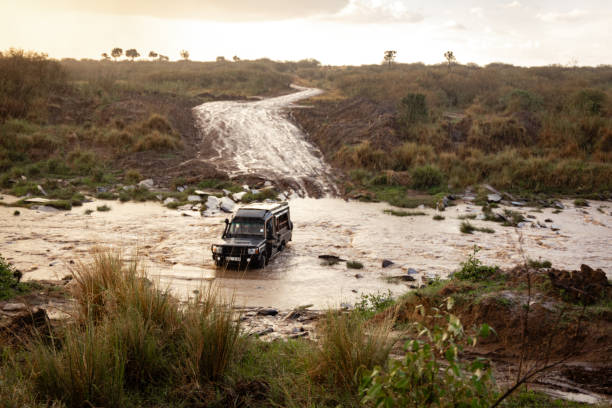 1-Day Ngozi Crater Lake Hike: Your Ultimate Tanzania Adventure 2026-2027start an unforgettable 1-day hike to Ngozi Crater Lake, a less crowded place in Tanzania's Southern Highlands. This guide covers everything from…View package
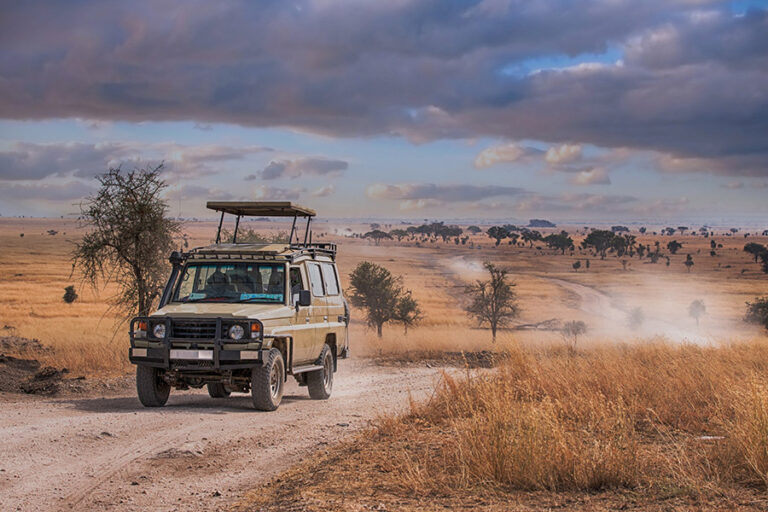 Mbeya Scenic Photography Tour: Capturing Tanzanias Southern HighlandsDiscover the breathtaking landscapes and vibrant culture of Tanzania's Southern Highlands on a Mbeya Scenic Photography Tour. This specialized…View package
 Mbeya Historical Tour: Uncover Southern Tanzanias Rich Past 2026-2027Discover the Mbeya Historical Tour, a journey through Southern Tanzania's fascinating past. Explore ancient ruins, colonial influences, and the…View package
 Mbeya Cycling Adventure: Explore Tanzanias Southern Highlands By Bikestart a unique Mbeya Cycling Adventure, traversing the stunning Southern Highlands of Tanzania. This guide covers routes, highlights, what to…View package
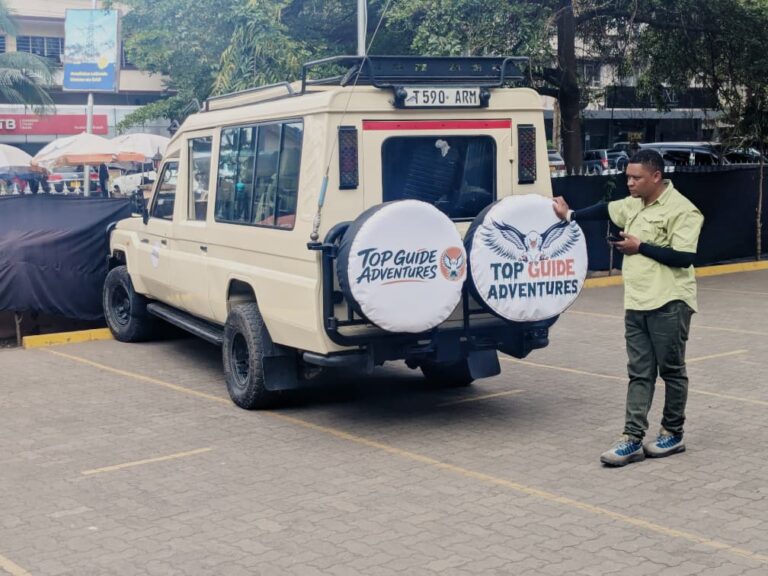 Mbeya Local Food Experience: A Culinary Journey Through Tanzanias SouthernExplore the vibrant Mbeya local food experience, a deep look at the culinary traditions of Tanzania's Southern Highlands. From staple crops like…View package


